World future

Category

Year

Author / Contributor

Region

Sort by

Showing 1-10 of 193 stories

f9ab5ce2-7d30-11e9-8126-9d0e63452fe9_image_hires_053908
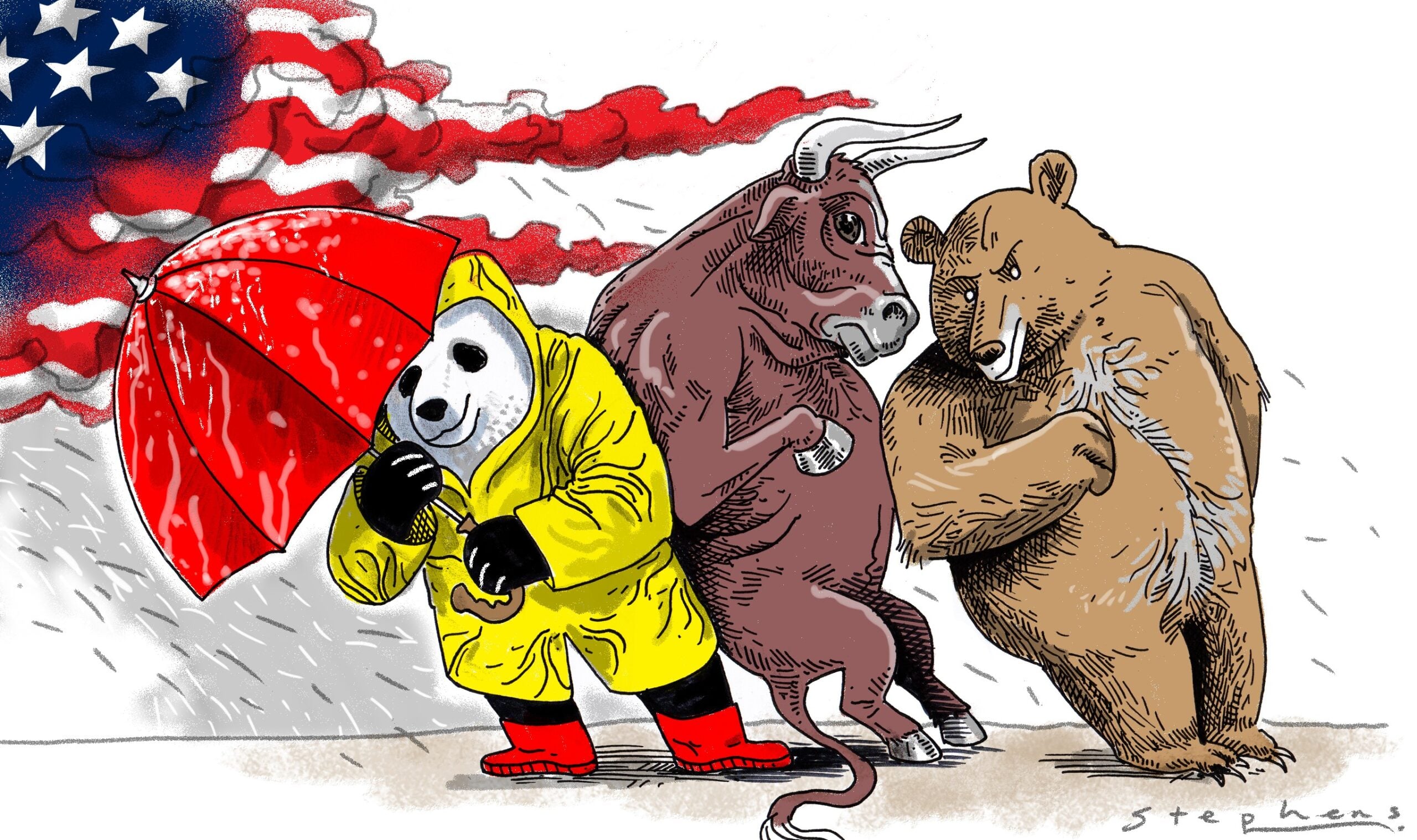
Illustration by Craig Stephens, South China Morning Post By Christopher Black July 26th 2019 On June 4th the Chinese government issued a travel alert for Chinese tourists thinking of visiting the United States, a day after it issued a similar advisory to Chinese students thinking of studying in the US over concerns for their safety and security. Chinese in the US are reporting harassment and interrogations by US immigration authorities and many now have the impression they are not welcome in the US. Originally posted on Global Research on June 10, 2019 here The Global Times, speaking on behalf of the government stated, “The Chinese people find it difficult to accept the fact that they are being taken as thieves. The US boasts too much superiority and has been indulged by the world. Due to its short history, it lacks understanding of and respect for the rules of countries and laws...
kennedy_sotu1-P
By Dr. Lawrence Wittner June 5, 2019 In late April, the highly-respected Stockholm International Peace Research Institute reported that, in 2018, world military expenditures rose to a record $1.82 trillion. The biggest military spender by far was the United States, which increased its military budget by nearly 5 percent to $649 billion (36 percent of the global total). But most other nations also joined the race for bigger and better ways to destroy one another through war. Originally publishes on Counterpunch.org on May 29th, 2019 here This situation represents a double tragedy. First, in a world bristling with weapons of vast destructive power, it threatens the annihilation of the human race. Second, as vast resources are poured into war and preparations for it, a host of other problems―poverty, environmental catastrophe, access to education and healthcare, and more―fail to be adequately addressed. But these circumstances can be changed, as shown by...
Imagen-thumbnail-The-Transnational
Immediate action is needed to save the future The central problem which the world faces in its attempts to avoid catastrophic climate change is a contrast of time scales. In order to save human civilization and the biosphere from the most disastrous effects of climate change, we need to act immediately. But it is difficult to mobilize public opinion behind urgently needed action because the most severe effects of global warming belong to the long-term future. However, the Intergovernmental Panel on Climate Change, in their October 2018 report, used strong enough language to wake up at least part of the public: the children whose future is at stake. Here is an excerpt from a speech which 16-year-old Swedish climate activist Greta Thunberg made at the Davos Economic Forum in January 2019: “Our house is on fire. I am here to say our house is on fire. According to the IPCC...
MERICS_Silk_Road_v8
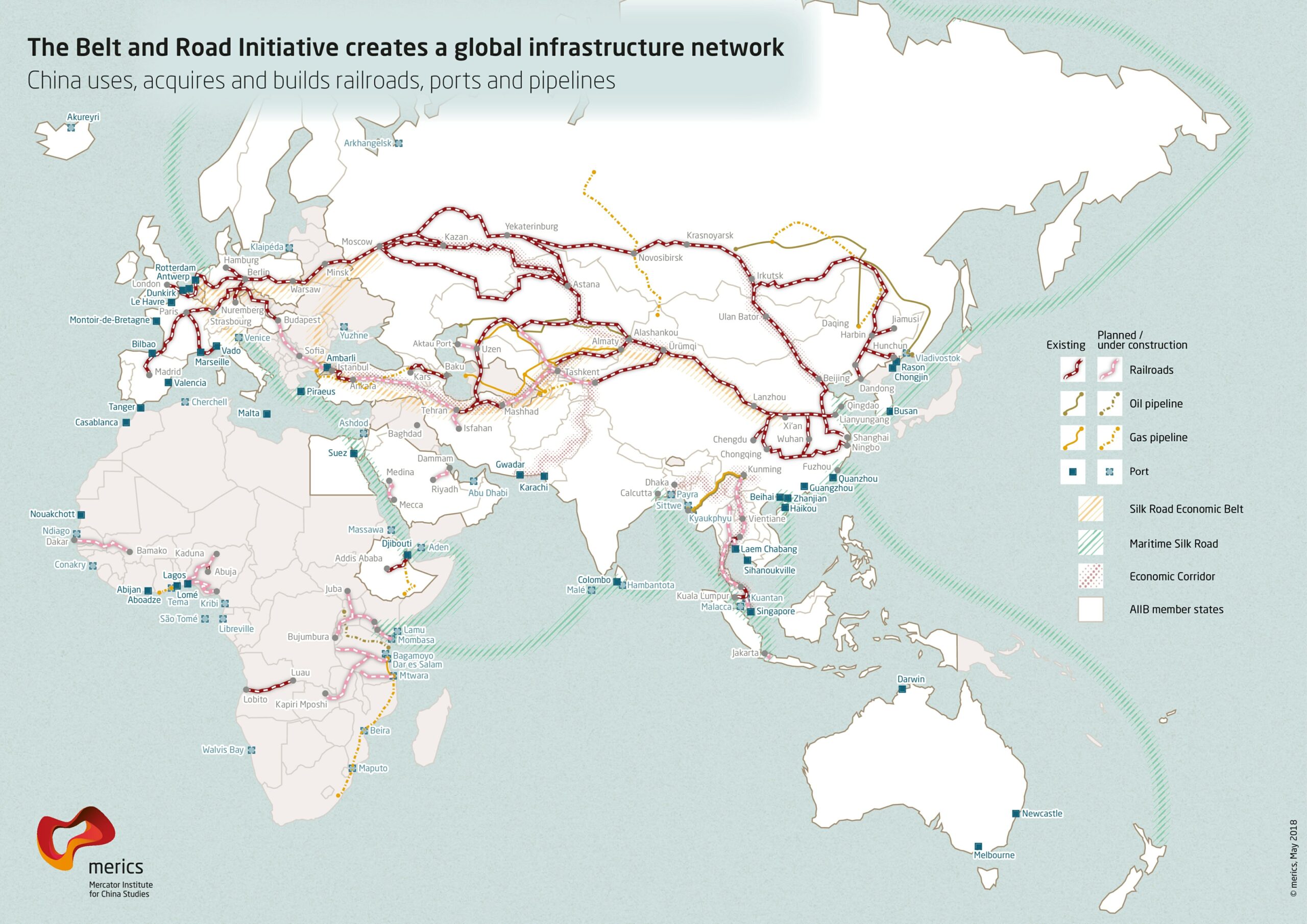
By Chandra Muzaffar May 16th, 2019 The Belt Road Initiative (BRI) also known as the One Belt One Road (OBOR) project could well emerge as the obor (the flame in Indonesian or Malay) that will blaze the trail in the evolution of a new epoch in history. Chinese President Xi Jinping must have sensed its historical significance when he announced OBOR in 2013. Essentially an infrastructure development endeavor it seeks to initiate and support the construction of roads, railways, ports and bridges in at least 65 other countries spanning four continents. With a commitment of over 900 billion US dollars, OBOR is the biggest infrastructure development project ever undertaken in the history of our planet. Originally posted on Transcend Media Service on May 1st, 2019 here It is more than infrastructure in the conventional sense. The China-Pakistan Economic Corridor  (CPEC) for instance which connects China’s Xinjiang province with Gwadar port in Pakistan’s...
war_1-America
Former president says peaceful China ‘ahead of us in almost every way’. By Brett Wilkins May 13, 2019 The only US president to complete his term without war, military attack or occupation has called the United States “the most warlike nation in the history of the world.” During his regular Sunday school lesson at Maranatha Baptist Church in his hometown of Plains, Georgia, Jimmy Carter revealed that he had recently spoken with President Donald Trump about China. Carter, 94, said Trump was worried about China’s growing economy and expressed concern that “China is getting ahead of us.” Originally published at commondreams.org Carter, who normalized diplomatic relations between Washington and Beijing in 1979, said he told Trump that much of China’s success was due to its peaceful foreign policy. Carter then referred to the US as “the most warlike nation in the history of the world,” a result, he said, of...
johangaltung
There is much diversity.  Let us praise that mega aspect of our world as multipolar, passive but peaceful, coexistence of civilizations: Anglo-American; Latin American-Caribbean; Islamic; African pre-, post-colonial; European from Ireland to Russia Far East; West Asian Islamic; with Israel Jewish; Iran Persian; South Asian, SAARC, Hindu and Islamic with India; Southeast Asian, ASEAN, Buddhist, Christian, multi-cultural; Northeast Asian daoist-shinto with China and Japan; Asian-Pacific, multi-cultural, with Maoris, Aborigines, Polynesians, Micronesians, Melanesians from one rim to the other. 14 civilizations.  Others stop counting at 8, 10.  Around that. What a wonderful, diverse, polyphonic world!  Not monophonic US or European all over, as they both have wanted and maybe still want. It should be celebrated as part of a formula for endurance and duration. The other side of this is symbiosis.  Man-woman diversity is fine; the other part is man-woman symbiosis – that is probably celebrated in half of world literature?...
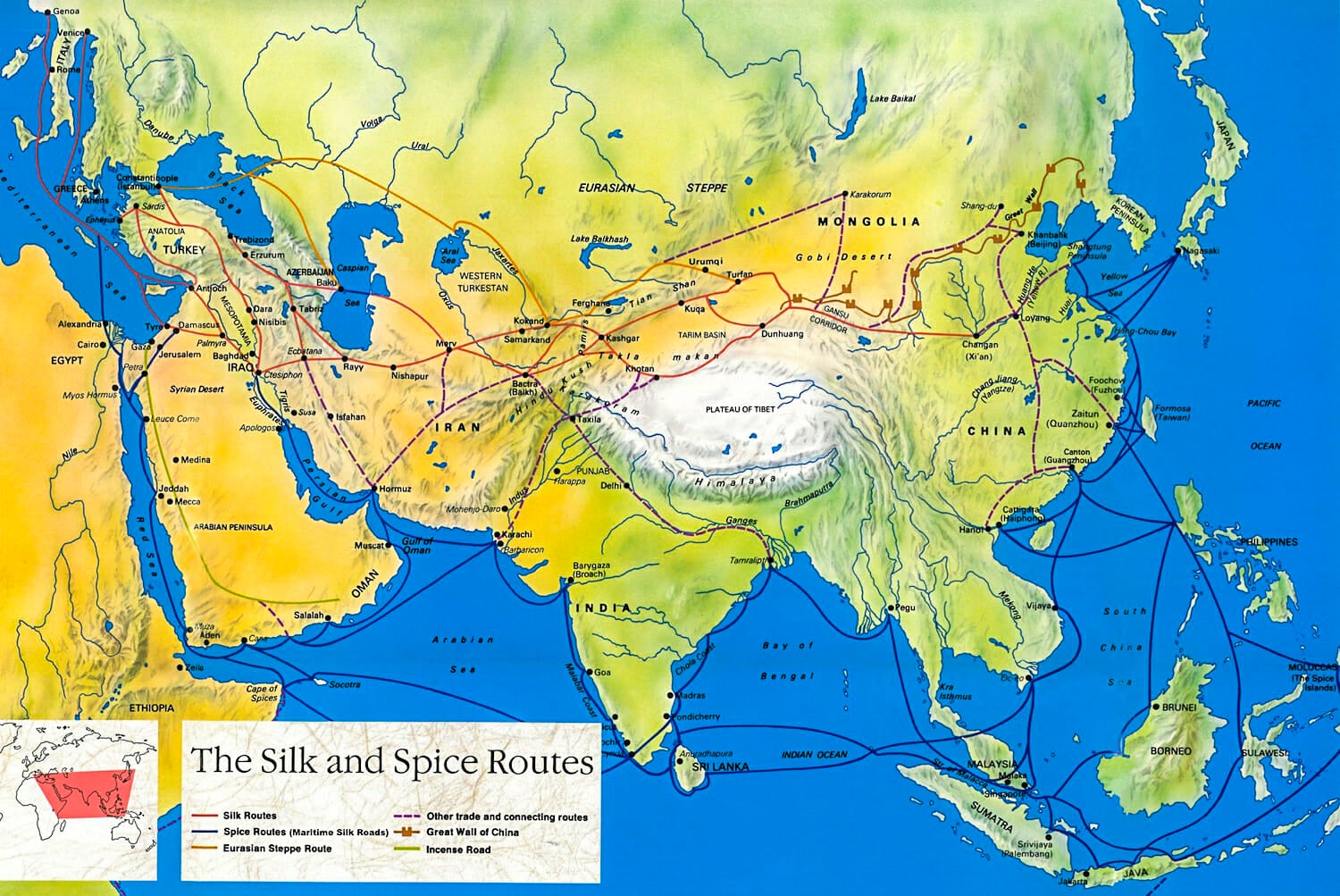
SilkRoadMapOKS_big_Improved
By Gordon M. Hahn April 26, 2019 Three almost uninterrupted centuries of Russian self-comparison, self-assessment, self-identification with the West and ever deeper involvement in the intra-Western geopolitical and imperial competition have come to an end. Harsh lessons Russians have drawn from its three centuries of intimate interaction with the West — its Occidental Era — were reinforced by the post-Cold War failure to create a ‘common European home’ from Vancouver to Vladivostok, leading to the conclusion that Russia had betrayed the meaning of its national seal – the double-headed eagle looking both west and east. Although Russia still references the West as a competitor as well as standard in some respects, Vladimir Putin’s Russia now rejects the post-modernist West and its neo-imperial civilizational, indeed, ‘civilizationalist’ ambitions in Russia’s neighborhood. Instead of seeking to be part of the West or defeat the Western geopolitical paradigm, it seeks along with China and,...
GretaT
The amazing person and phenomenon called Greta Thunberg can be looked at from many perspectives. What connects them all is the energies of hope. Thus, for instance, her own personal story and what drives her so passionately – and scientifically – at the age of only 16. Or, how she is challenging the entire global establishment as a youth leader not allowed to vote herself but demanding that decision-makers take into account the millions and millions she speaks for as well as the yet unborn generations. That’s a non-contractual, non-reciprocal way of thinking foreign to Western culture’s “I do something for you if/when you do something for me”. And you can’t ask something in return from the yet unborn. Or, how the role she plays now makes visible and catapults a fundamentally moral criticism into the political discourse where it hasn’t existed, I would say, for decades. Or, how her...
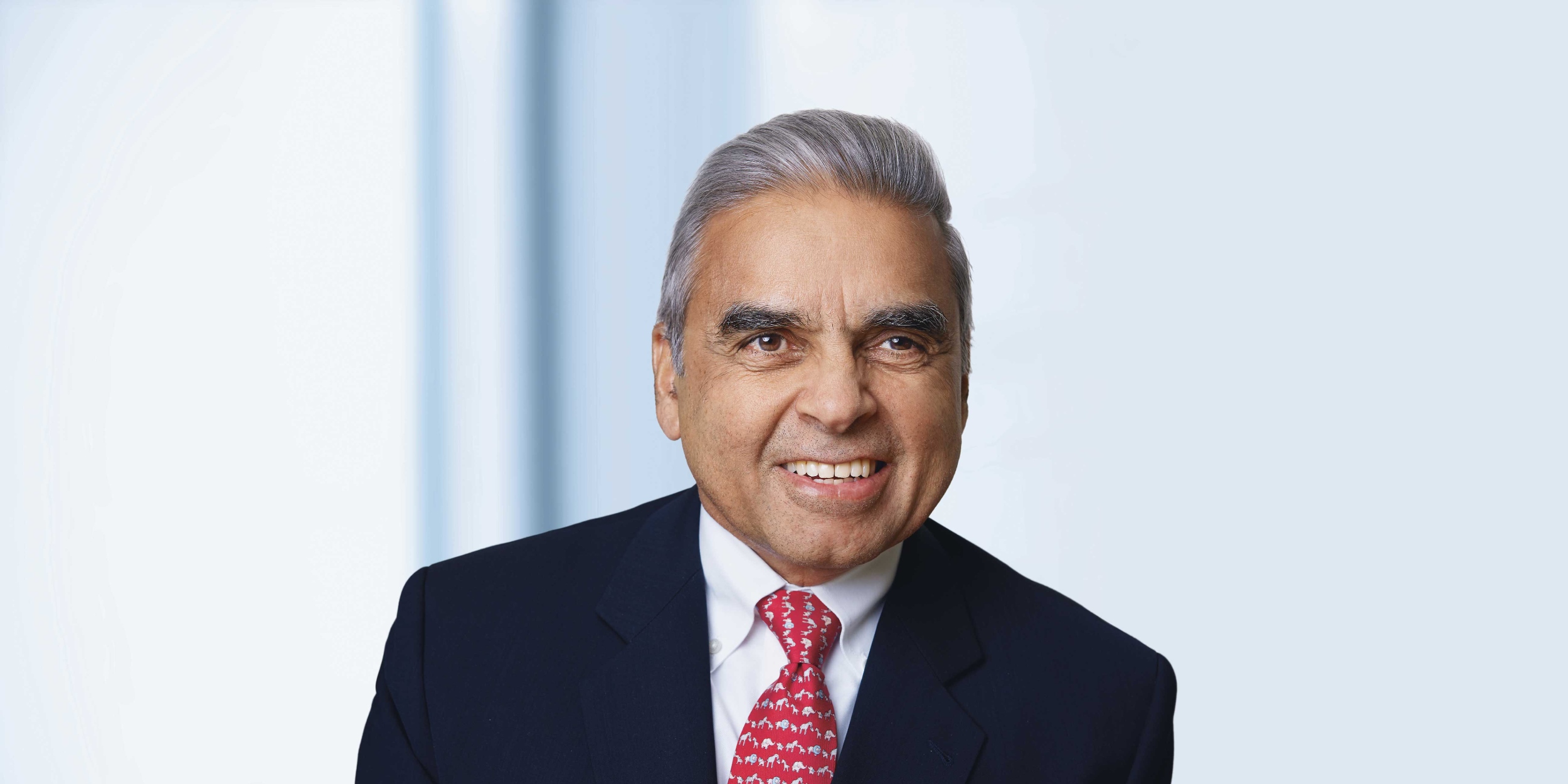
kishore-mahbubani
Have you ever thought of why virtually everything you hear in the West about China is negative and judgemental? And that it builds exclusively on Western criteria, values and perspectives – and not on an attempt to understand China on its own, as different from the West? Here is a Singaporean diplomat, expert in philosophy and international affairs who, in about 4 minutes, explains it in a delightfully succinct, pedagogical way. His name is Kishore Mahbubani and here is his homepage.
Framtiden
Av Erni & Ola FriholtTFF Associerade 6:e april 2019 2018 sände Myndigheten för samhällsskydd och beredskap (MSB) en broschyr till Sveriges invånare. Den heter ”Om krisen eller kriget kommer”, och inleds med rubriken ”Vad skulle du göra om din vardag vändes upp och ner?” På nio punkter visas akut vattenbrist, el-brist, matbrist, drivmedelsbrist, icke-fungerande data, betalkort, transporter och slutligen brist på medicinsk behandling. Och svaret på denna utmålade kris är att hamstra viktiga livsmedel, kontanter, vatten och energi. Dessutom manas vi vara vaksamma mot falsk information och terrorattentat. Och om kriget kommer manas vi att inte ge upp. Detta är de förberedelser som rekommenderas av Sveriges högsta myndighet för vårt skydd. Vi får anta att detta skydd kompletteras av och inordnas i det militära försvaret. Allt är som förut Det är inte fel att vara förberedd för hårdare tider. Men det har stor betydelse hur de befarade tiderna kan förväntas...
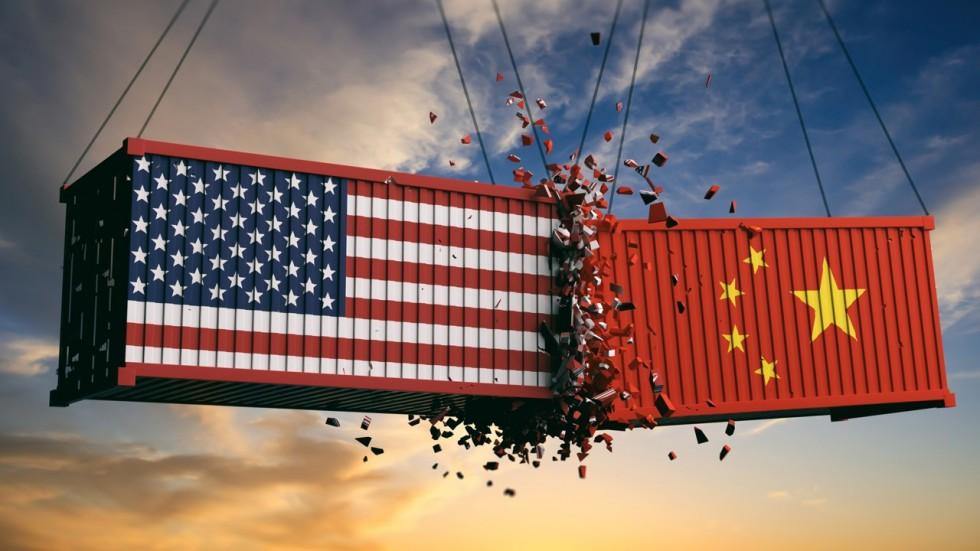
usa_china_trade_war_210718
By Michael T. Klare February 26, 2019 In his highly acclaimed 2017 book, Destined for War, Harvard professor Graham Allison assessed the likelihood that the United States and China would one day find themselves at war. Comparing the U.S.-Chinese relationship to great-power rivalries all the way back to the Peloponnesian War of the fifth century BC, he concluded that the future risk of a conflagration was substantial. Like much current analysis of U.S.-Chinese relations, however, he missed a crucial point: for all intents and purposes, the United States and China are already at war with one another. Originally published at juancole.com Even if their present slow-burn conflict may not produce the immediate devastation of a conventional hot war, its long-term consequences could prove no less dire. To suggest this means reassessing our understanding of what constitutes war. From Allison’s perspective (and that of so many others in Washington and elsewhere),...
us-china-relations
By Chas Freeman, Jr. February 20, 2019 Remarks to the St. Petersburg Conference on World Affairs Ambassador Chas W. Freeman, Jr. (USFS, Ret.)Senior Fellow, Watson Institute for International and Public Affairs, Brown University St. Petersburg, Florida, 12 February 2019 I’m here at your kind invitation to discuss China, how bad our relations with it may get, and how the contest we’ve initiated with China is likely to play out.  Let me take a minute or two to set the context for this discussion. The context Five hundred years ago this month, Hernán Cortés began the European annihilation of the Mayan, Aztec, and other indigenous civilizations in the Western Hemisphere.  Six months later, in August 1519, Magellan [Fernão de Magalhães] launched his circumnavigation of the globe.  For five centuries thereafter, a series of Western powers – Portugal, Spain, Holland, Great Britain, France, Germany, Russia, and, finally, the United States – overturned...

Categories

Year

Author / Contributor

Region