World future

Category

Year

Author / Contributor

Region

Sort by

Showing 1-10 of 193 stories

ChatGPT Image 9 jun 2026, 11_11_33
“Lies, damn lies and statistics”. “You can bend any fact with statistics”. There is some truth in that. Nevertheless, some statistics are necessary, revealing and surprising. Many of us when asked about the position of the poor in America would say that over the last two centuries they have made little progress. But look at the statistics, look at the data. True, many are living in slums and ghettos but today they have indoor plumbing, heating, electricity, smallpox and tuberculosis-free lives, adequate nutrition, much lower child and maternal mortality, doubled life expectancy, increasingly sophisticated medical attention, the availability of contraception, secondary level schooling for their children, buses, trains, cars and bicycles, much less racial prejudice, longer retirement, a rising quality of the goods they buy, better working conditions and the vote. Once these were luxuries that only the richer could experience. For Europe, Canada and Japan it is the same,...

Picture1
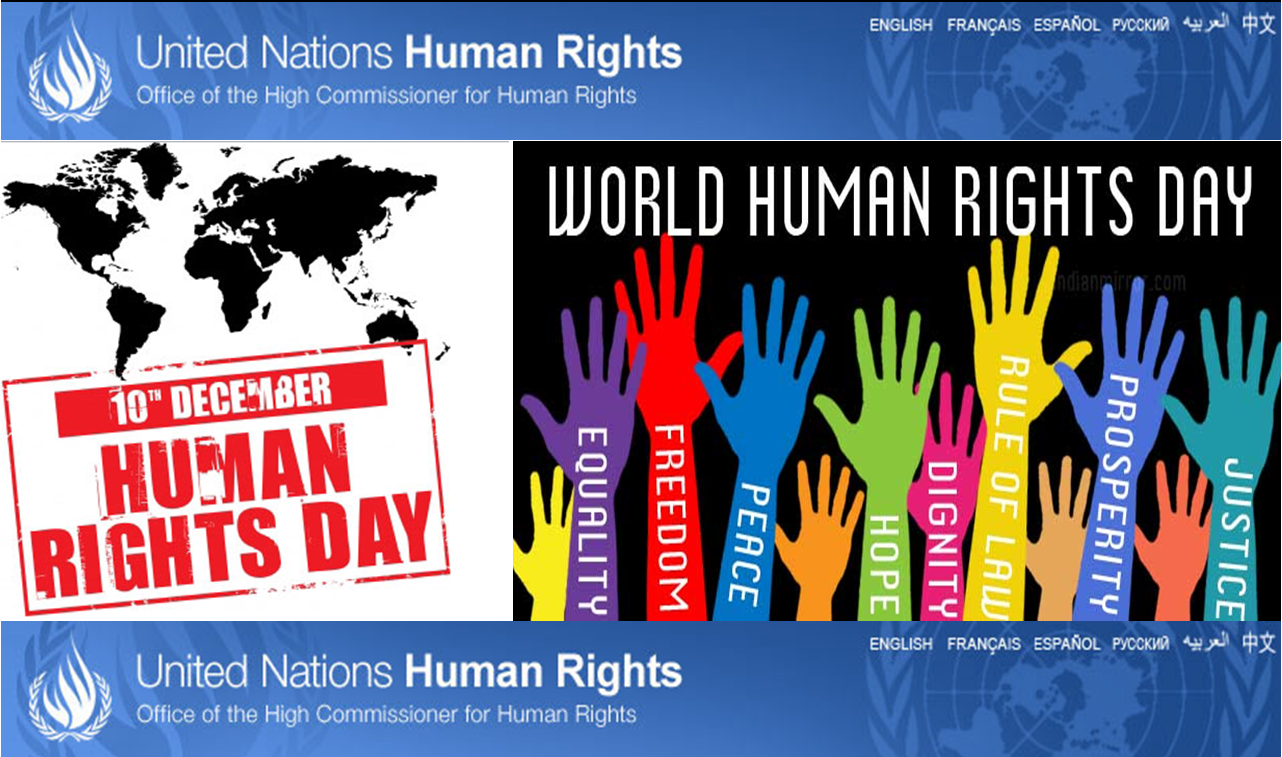
The Future of Human Rights: Regressive Trends and Restorative Prospects Points of Departure Reviewing the global situation, the then UN High Commissioner for Human Rights, Zaed Raad Al Hussein of Jordan, opened a 2018 conference devoted to the 25th anniversary of the 1993 UN Conference on Human Rights and Development held in Vienna, on a decidedly pessimistic note. Instead of doing the usual on such occasions, that is, celebrating the progress made since the earlier event, Prince Zaed emphasized the disturbing evidence of regression with respect to a broad range of issues bearing on the protection of human rights embedded in international treaty instruments as evidenced by the practice of states. He insisted that without fundamental changes in patterns of governance by sovereign states and in the operation of the world economy it would be naïve to expect an improved international atmosphere for human rights. Originally posted on Richard Falk’s blog...
berlin-wall-fall
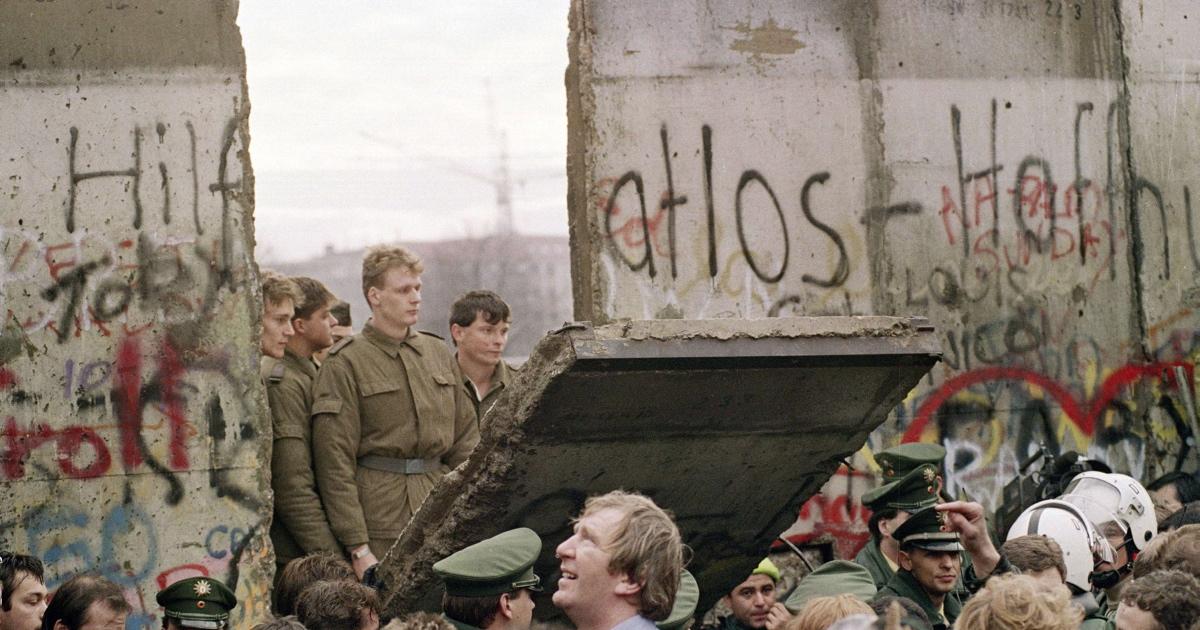
Photo: Gerard Malie/AFP/Ritzau Scanpix Posing the Question Such a question seems little more than a provocation until the effects of the interval between the fall of the Berlin Wall and the present are critically examined in relation to their principal effects. On closer inspection, I am not quite prepared, although almost so, to say that the peoples of the world lost ground as a result of the collapse of the Soviet Union and emergence of the United States as the so-called ‘sole surviving superpower.’ Generally, it was rather automatically assumed almost never challenged, that the outcome of the Cold War was a victory for liberal values, including human rights, political democracy, economic growth, and certainly world peace. There was the added popular view that since democracies supposedly do not go to war against each other, and if Communism was discredited on both ideological and materialist grounds, then democracy would spread...
huawei-shenzenpicoexhibition-ifa-small_b30a443a
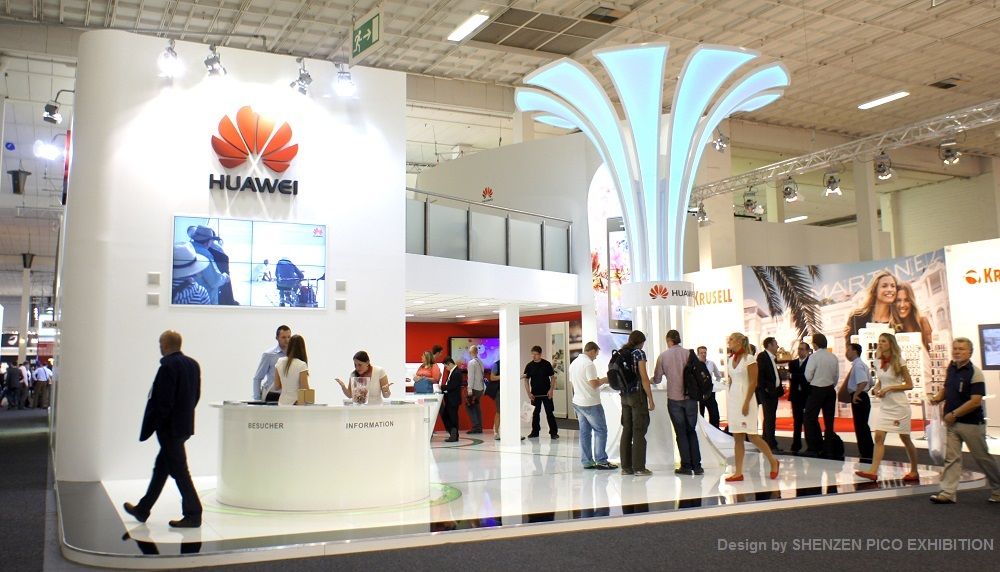
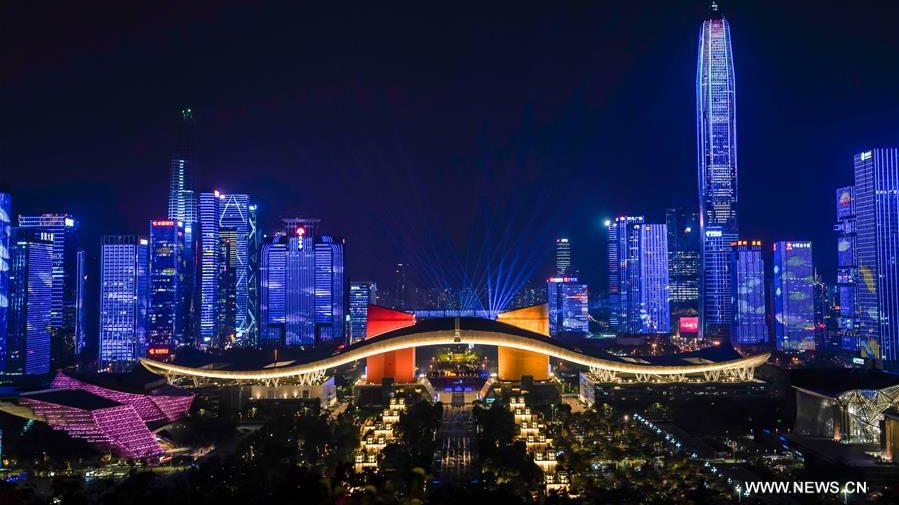
October 25, 2019 Christine Tan from CNBC sits down with Huawei’s founder and CEO, Ren Zhengfei, to discuss the company’s attitude and response in the wake of being placed on the U.S. Entity List. How did the company’s leaders feel? Has the ban seriously affected international business? How is the company restructuring in order to thrive, moving into the future?
ShanghaiPanoPeople_Warped_Canvas_1000_100dpi
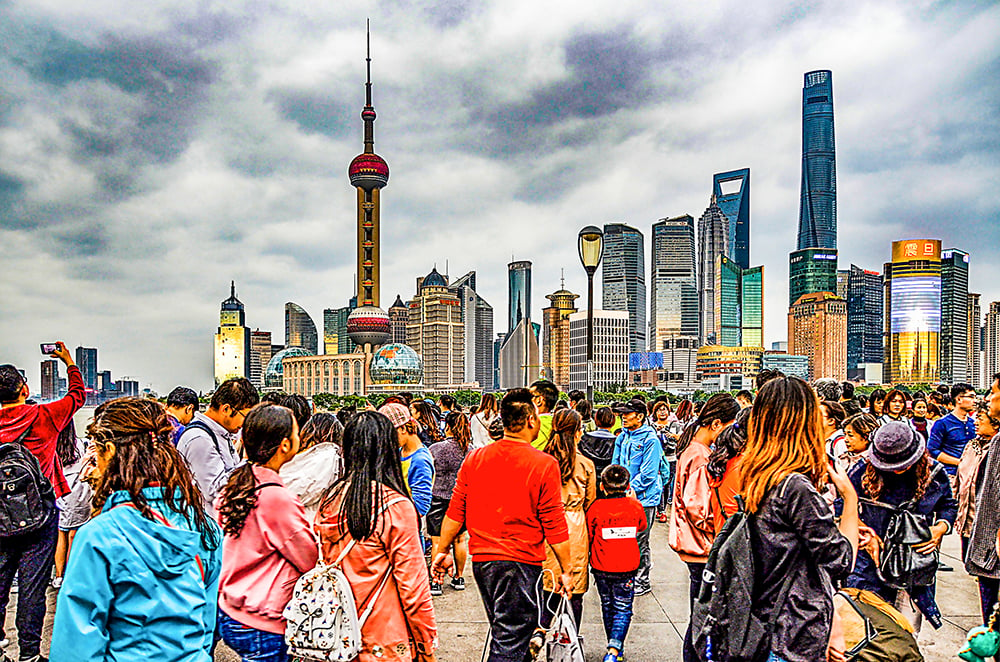
Asia specialist and distinguished columnist David P Goldman is convinced the US and Europe stand a chance against the Red Dragon – but the clock is ticking He was a phantom amongjournalists, using the mysterious nom de plume, “Spengler.” Like his German philosopher namesake, the cultural critic returned again and again to his despairing theories of the decline of the West. The work of “Spengler” drew from a deep and rich intellectual pool.And since the herald has revealed his true identity, we learn why. David P Goldman – philosopher, economist, mathematician and musicologist – is a Renaissance man. A former investment banker for the Bank of Americaand Credit Suisse, the American is known for his widely read column for Forbes magazine and Asia Times. Dutch writer Leon de Winter crowns Goldman’s work as “among the most interesting in the world.” This article was originally published by Switzerland’s Weltwoche We meet at the noble Princeton...
sustainable-development-and-the-earth-charter-23-728
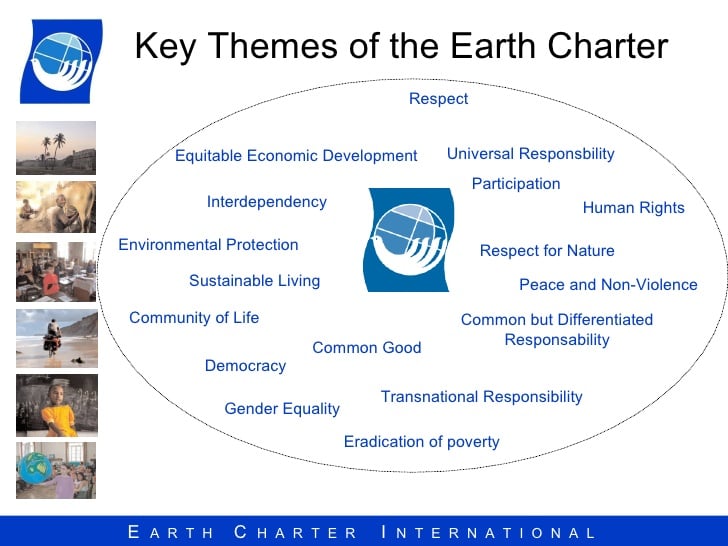
Prefatory Note: The following essay will appear as a chapter in Peter Burden & Klaus Bosselmann, eds., The Future of Global Ethics (Edward Elgar, 2018),  with the title: Revisiting the Earth Charter 20 Years Later: A Response to Ron Engel Ron Engel has articulated an insider review of the Earth Charter so thoughtfully, urbanely, and persuasively that my initial temptation was to restrict my response to a single word: ‘Amen!’ Yet I am familiar enough with the academic ways of gathering diverse voices to explore a topic or to evaluate the scholarship of a distinguished author, as to discard my one-word option. At the same time, it would be misleading if I didn’t praise Ron Engel for putting so many elusive issues before us in such a lucid and compelling manner as to make my efforts at dialogue feel a bit forced, given the high level of agreement. Originally posted on...
global-climate-strike-protesters-1200x853
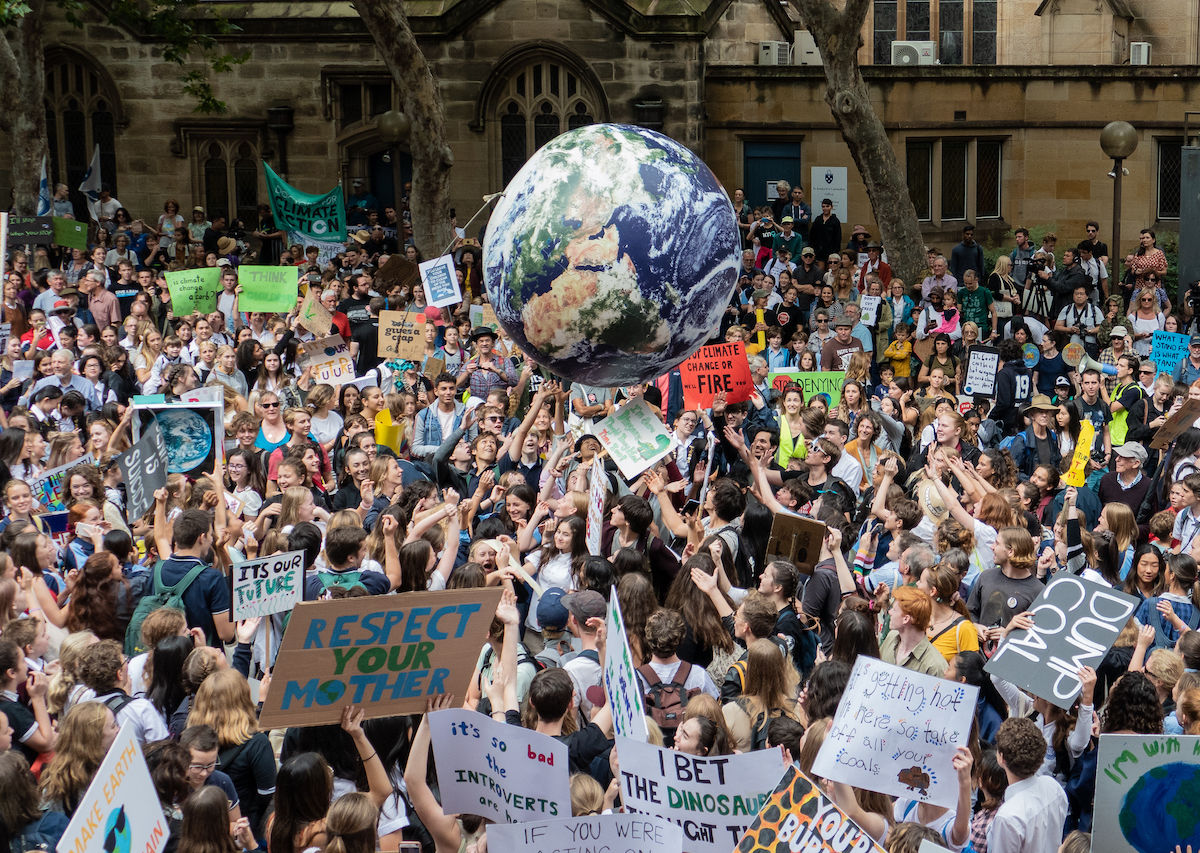
Prefatory Note: The post below of my remarks at the opening session of the Maker Majlis Conference, College of Islamic Studies, Hamed Bin Khalif University (HBKU) in Doha, Qatar on 22 Sept 2019. The theme of the three-day conference was on the role of youth in furthering the UN process associated with the 17 Sustainable Development Goals, SDGs (as further clarified by 169 targets), ambitiously set to be achieved by 2030. The massive Global Climate Strike on 20 September seemed to have similar intentions to conference, that is, how to explain and  overcome the absence of political will on the part of the governments of the world, none more lacking in this respect than the U.S. Government, with respect to the ecological agenda of the world, with particular consideration of climate change threats and harms. This civil society challenge from below, transnationally and inspired and organized by youth, offers us...
cropped-8762eed2-2f72-439a-9c31-1fb07c550d0e
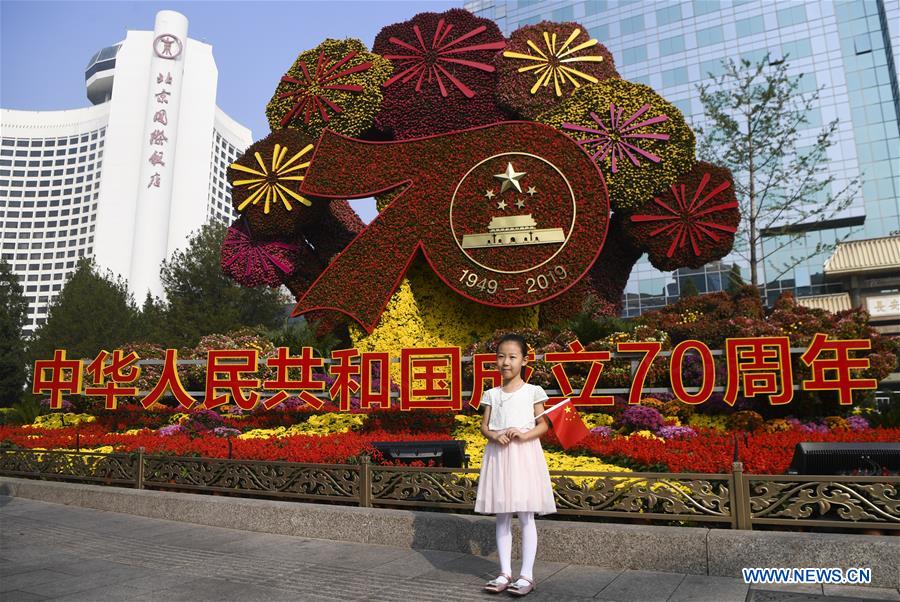
” width=”82″ height=”122″/>Jan Oberg, editor of The Transnational The reason is that you can rest assured there will be no genuine, diverse coverage of this – Chinese and world – event in the mainstream Western press. If not entirely ignored, the focus will be on the military parade and China as a growing threat and on China as a “dictatorship.” 1) You do not have to endorse everything Chinese. The Transnational doesn’t. But China’s socio-economic and cultural development over these 70 years – and in particular the last 40 years of opening up – is unique and so remarkable that it deserves our sincere, sustained interest and curiosity. To know more is also enabling us to look through the fake and omission. In our globalizing world, those who close their mind and watch only themselves as if the rest of the world did not exist will lose, sooner or later....
138431170_15696612368351n
September 29, 2019 BEIJING, Sept. 22 (Xinhua)* — The blistering pace of expansion by China’s economy in the past decades has impressed the world as “China speed.” Now the term is taking on new meaning as the country enters a new development phase. The past 70 years have witnessed how “China speed” impacted the country and the rest of the world. From 1952 — when the earliest official national GDP data after the founding of New China was available — to 2018, China’s GDP soared 452.6 times in U.S. dollar terms, according to the National Bureau of Statistics (NBS). The true economic takeoff started after 1978 when the country began its reform and opening up. China achieved an average annual GDP growth of 9.4 percent between 1979 and 2018 at constant prices, well above the 2.9-percent rate the world economy logged in the same period. The leap in the economy’s...
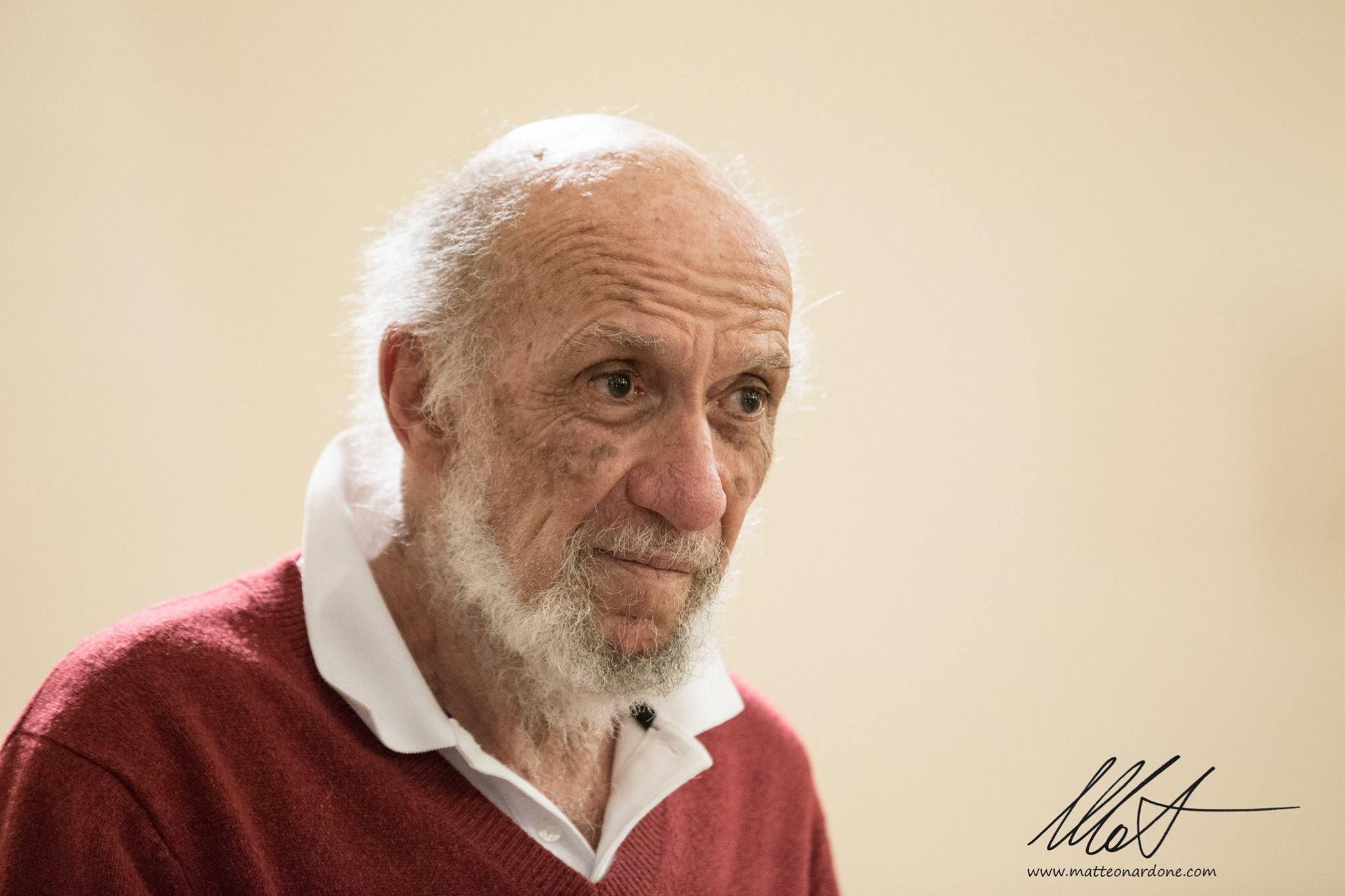
RichardFalk
The World Order Backdrop Arguably, even before the atom bomb was dropped on Hiroshima, there was a widespread sense that a state-centric form of world order was morally and functionally deficient in certain fundamental respects. Political actors were indifferent to the outbreaks of war, disease, and famine outside of their sovereign territory absent serious extraterritorial reverberations. At the same time lesser states were vulnerable to the manipulations and territorial/imperial ambitions of leading states that generated colonialism, interventions, and sustained an exploitative Europeanization of world order. Originally posted on Richard Falk’s blog Citizen Pilgrimage on September 5, 2019, here World War I with massive casualties, closely followed by the Russian Revolution, which posed a normative challenge to the capitalist/market– driven organization of national societies, led to some groping toward a new global order taking the institutional form of the League of Nations. It became soon obvious that the League, a project...
ChatGPT Image 9 jun 2026, 11_11_33
Belem is the Brazilian city at the mouth of the Amazon. Unlike its slummy counterpart, Kinshasa, at the mouth of the Congo, it’s full of resplendent streets with beautiful nineteenth century houses. It has squares and market places full of cafes, fountains and life. The large city grew up shipping rubber from the Amazon forest, which begins on its doorstep. This made it wealthy. One can see the beautiful baroque Theatre of Peace, a fluffy pink building where Anna Pavlova danced. On the main square, ornate with pavements of black and white quartz, is the Hotel Grao Para where Xavier Cugat and his orchestra would play and Zsa Zsa Gabor would stop over on her way, by propeller plane, on the slow flight to Rio. Then there is the magnificent opera house which once attracted the best singers from Europe and North America. Now beautifully restored, it is attempting to...
China-Belt-and-Road-Initiative-map
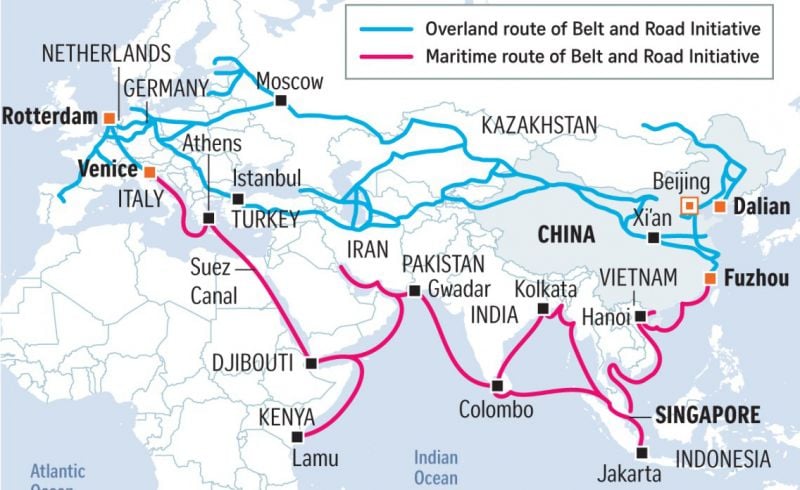
By People’s Daily Online July 28, 2019 This is an explainer from a Chinese perspective and it is the kind of information and perspective we get far too little of in the West – in spite of it being so diverse, so big and so visionary. What – one may ask – is the West so afraid of? And will the West be better off if it ignores the BRI and isolates itself? I do not think so. – Jan Oberg, The Transnational’s editor After its successful debut two years ago, the second Belt and Road Forum for International Cooperation, a leading platform for international cooperation under the framework of the Belt and Road Initiative, or BRI, will be held in Beijing again this month, drawing representatives from over 150 countries, including 37 leaders of foreign governments, under the theme of “Belt and Road Cooperation, shaping a brighter shared future.” ...
Categories

Year

Author / Contributor

Region