Sanctions

Category

Year

Author / Contributor

Region

Sort by

Showing 1-10 of 168 stories

maidan
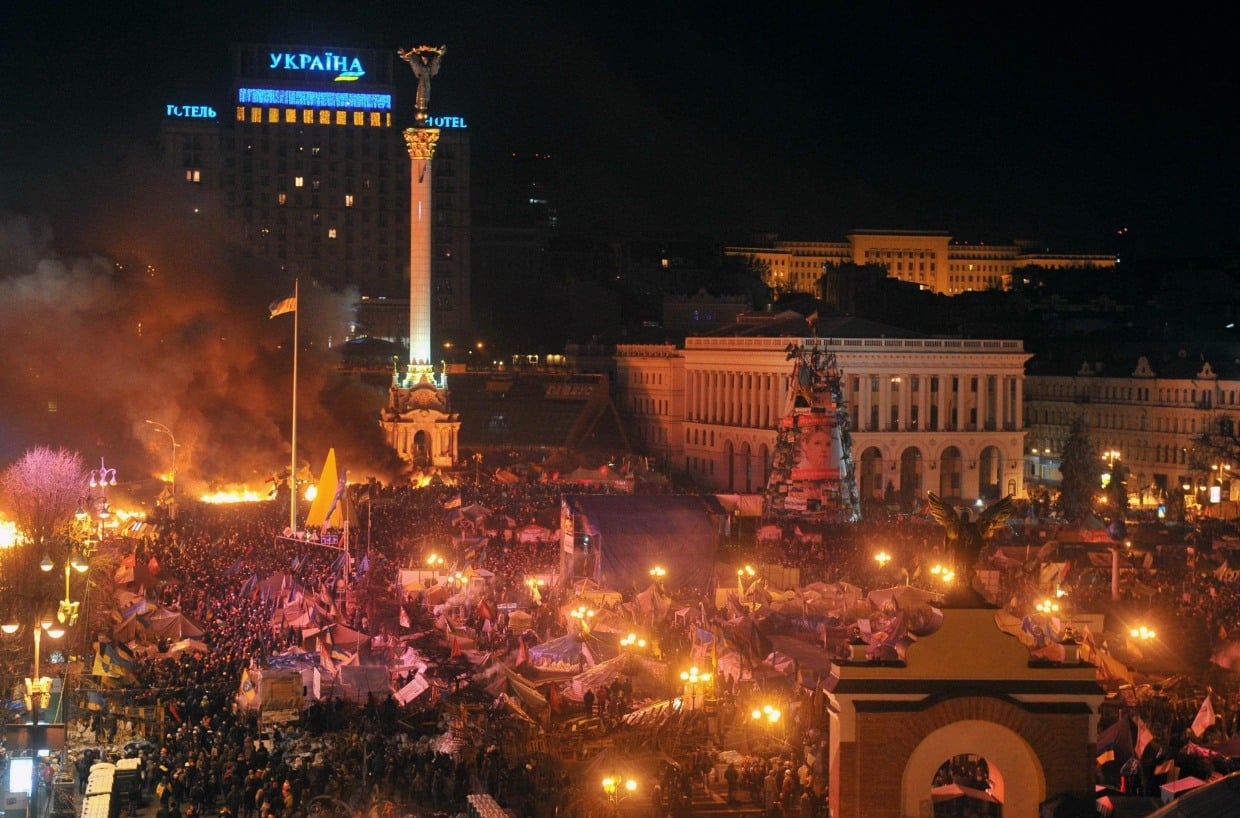
Maidan protests in 2014 in Kiev. GENYA SAVILOV / AFP – Getty Images Bryce Greene March 29, 2022 The history of U.S. involvement in Ukraine is rarely analyzed by corporate media. The desire to open Ukraine to finance capital, the 2014 U.S. backed coup, and the drive to expand NATO all played a role in creating the current crisis. As tensions began to rise over Ukraine, US media produced a stream of articles attempting to explain the situation with headlines like “Ukraine Explained” (New York Times, 12/8/21 ) and “What You Need to Know About Tensions Between Ukraine and Russia” (Washington Post, 11/26/21 ). Sidebars would have notes that tried to provide context for the current headlines. But to truly understand this crisis, you would need to know much more than what these articles offered. These “explainer” pieces are emblematic of Ukraine coverage in the rest of corporate media, which almost universally gave a pro-Western...
pinkerism
I’m old enough to remember when you couldn’t do a speaking event related to war and peace without being asked numerous reasonable and not so reasonable questions about 9/11 (each accompanied by a stack of DVDs and flyers presented to you as a revelation from on high). There was a long period when you could count on the inevitable question about “peak oil.” Originally published at Worldbeyondwar.org I’ve been around enough to know that you can’t talk to peace-oriented people without a question about creating a Department of Peace, or to non-peace-oriented people without a question about good humanitarian wars against irrational foreigners who can’t be reasoned with, or to any group at all in the United States and some other countries without “What about Hitler?,” or to any self-selected audience at a peace-related event without the question about why the other people in the room are disproportionately old, white,...
5e1588b4a310cf3e97afb830
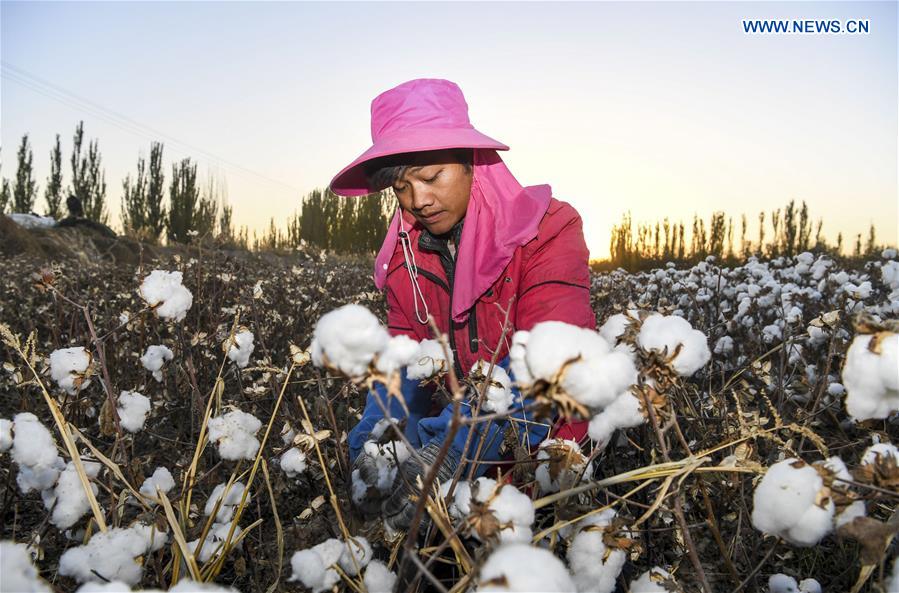
By Xinhua writers Tao Fangwei and Gu Yu July 20, 2021 — Despite the Xinjiang cotton boycott instigated by some Western politicians under the pretext of “forced labor,” the region’s cotton and textile industry has shown resilience by further tapping markets and winning over more customers with its superior quality. — In the first four months of this year, China’s export volume of cotton textiles and garments hit 19.7 billion U.S. dollars, up 44 percent year on year. — “China’s cotton has contributed a lot to the global cotton industry and we deserve fair treatment and due respect,” said Gao Fang, director of the China Cotton Association. Originally posted on CCTV’s English website on July 9th, 2021 URUMQI, July 8 (Xinhua) — In a textile plant in the city of Shihezi, northwest China’s Xinjiang Uygur Autonomous Region, machines with 100,000 spindles rumbled to spin cotton into yarn. “We are producing...
presstv
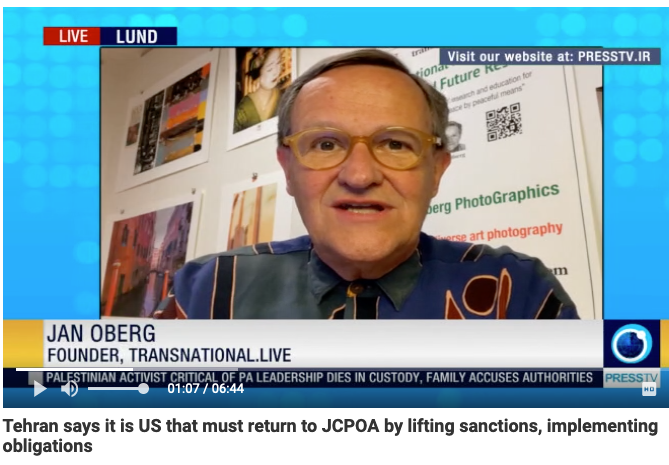
Comment On June 26, I gave this comment to Iran’s PressTV concerning the drawn-out negotiations in Vienna. The US under Trump left the nuclear agreement – the JCPOA – unilaterally and all it has to do is, simply, to rejoin it unilaterally. It cannot have a legitimate role standing outside shouting in its demands on Iran. Iran’s position is clear and fair: lift the sanctions, stick to the JCPOA and Iran will immediately get back into full compliance. Indeed, what could there to talk about? – Oberg asks. Here is the link to the interview. NOTEIncidentally, I found out a couple of days later that what I say above is also what official China says (July 1, 2021).
Screenshot
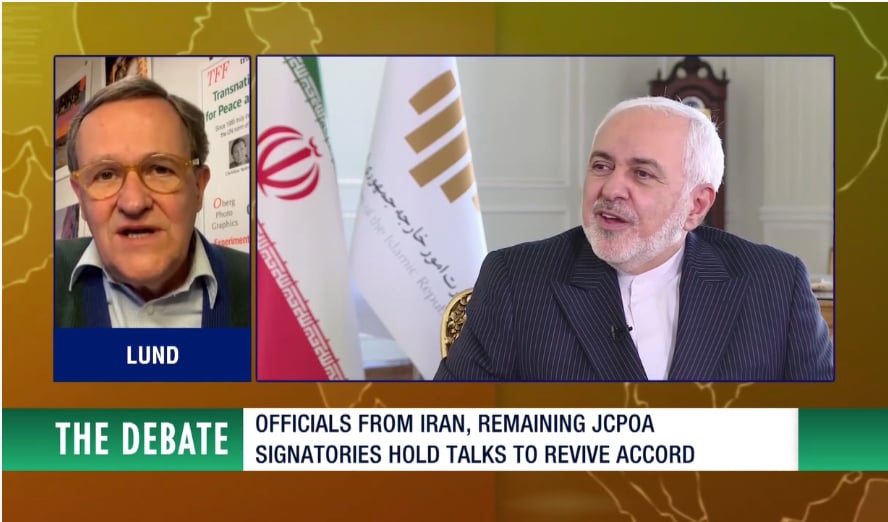
Yesterday, I was invited by Irans’ PressTV to comment – with professor Marandi at Tehran’s University – on the Biden administration’s policy on the JCPOA – the nuclear deal with Iran and the present discussion in Vienna. You may remember that it was signed in 2015 and that the Trump administration left it unilaterally and in violation of international law while also slamming more suffocating sanctions on Iran and its people. It’s fairly obvious that this is not going to go anywhere – probably not meant to, either. It’s also pretty obvious what Washington should do. Please watch also TFF Associate, professor Farhang Jahanpour, commenting on another program – Scope/Indusdotnews – here. Click on this image and watch The Debate Wonder what DailyMotion is? Read here and ask yourself why Google-owned YouTube closed down PressTV.
Screenshot
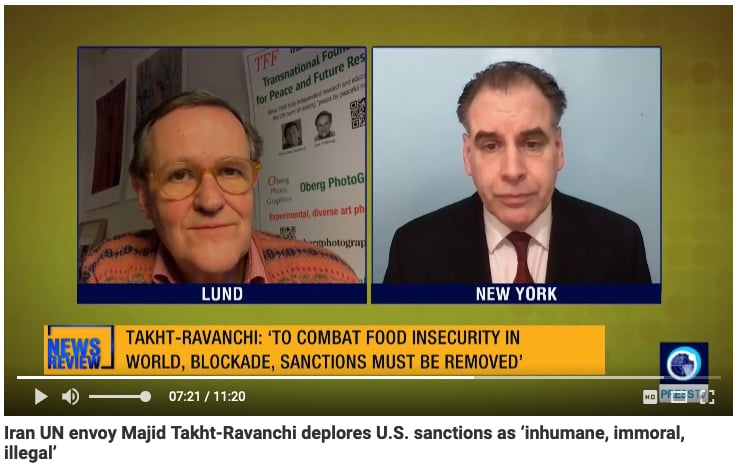
Jan Oberg and John Bosnitch March 13, 2021 Today I had the pleasure to state my strong criticism of the ongoing brutal sanctions Western primary and secondary sanctions on Iran which deliberately hit Iranian citizens and can, therefore, be termed economic terrorism. Terrorism differs from warfare in that they target innocent civilians to achieve a political goal: “Terrorism is, in the broadest sense, the use of intentional violence to achieve political aims. It is used in this regard primarily to refer to violence during peacetime or in the context of war against non-combatants (mostly civilians and neutral military personnel)” – to quote the entry at Wikipedia. I was pleased to do so with John Bosnitch, a Canadian-born journalist and scholar of Serb origin, now living in Belgrade – a place where they know Western sanctions very well too. See the conversation here on PressTV. You may be interested in reading...
DSC_9457-1000_72
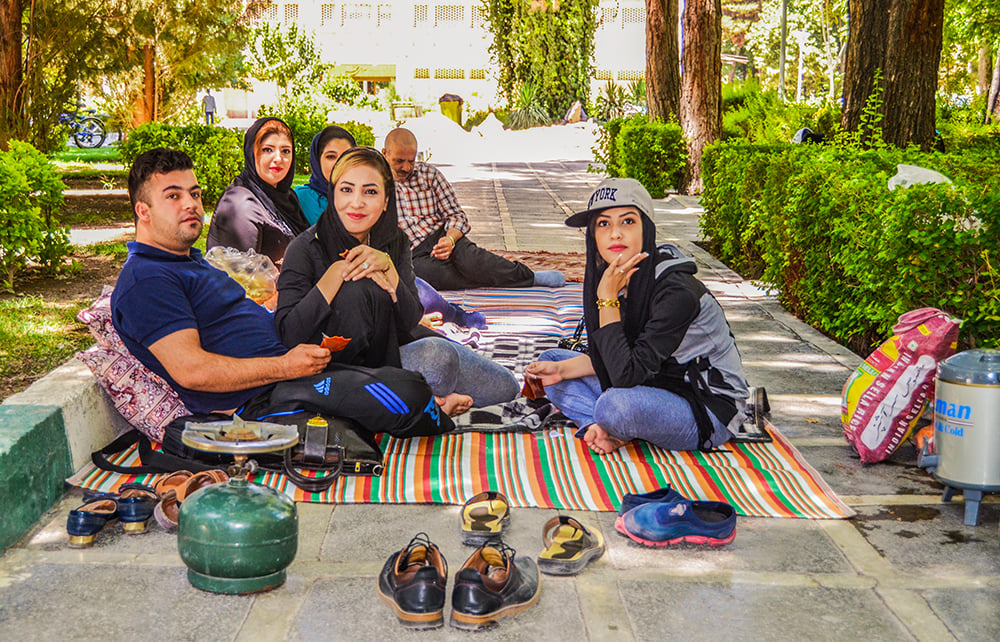
© Jan Oberg – How much longer shall the Iranian people suffer? And shall they also be bombed? NEW – Listen to this article here Jan Oberg March 1, 2021 The West-Iran conflict is extremely a-symmetric. It’s the West that has, historically, sought to influence, change, threaten, demanded obedience from, punished (with sanctions and more), liquidated high-level politicians and scholars, shot down a civilian plane, demonised and excluded Iran. Not to speak of giving Saddam Hussein the chemical weapons and the green light for his war on Iran in 1980. Iran has not done similar harm to the West. Originally published by Transcend Media Service, TMS The conflict’s roots go back to 1953 when the US’s CIA and the UK’s MI6 orchestrated a coup d’etat, or regime-change, in Tehran and deposed the democratically elected Prime Minister, Dr Mohammad Mossadegh and installed the Shah and made Iran the most militarized country...

Screenshot
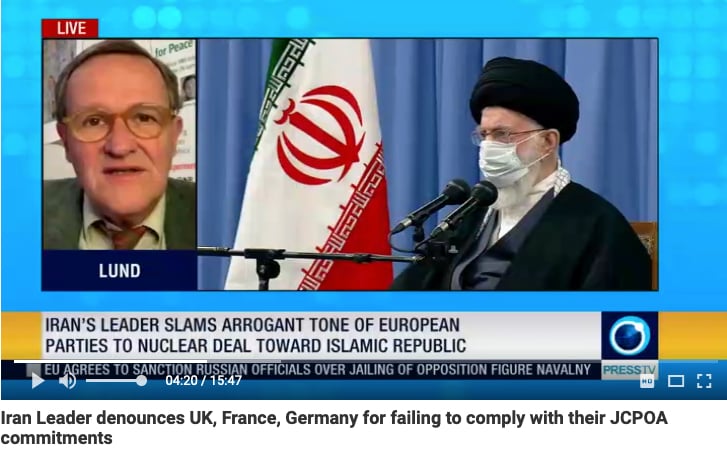
NEW Jan Oberg March 1, 2021 On February 23, I was asked by Iran’s PressTV to comment on Ayatollah Khamenei’s statement about the JCPOA and European leaders. I did that together with political commentator Shabbir Razvi in London. Just click on this link and you’ll be able to watch it. It is on a video platform called Urmedium. It is Iranian because Google-owned YouTube some time ago decided to prevent PressTV – a sort of BBC of Iran – from showing its program and interviews there. Nothing should surprise us anymore…
coronavirus
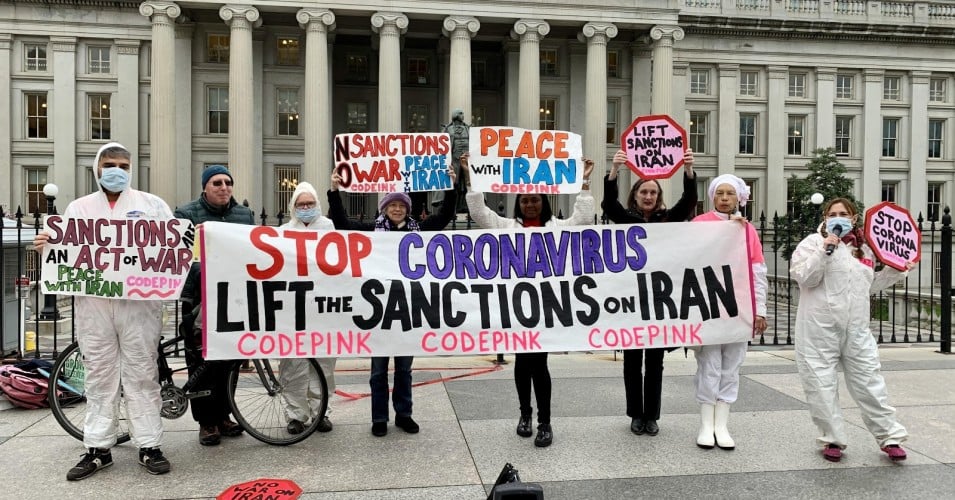
Negar Mortazavi and Sina Toossi February 25, 2020 Iranians’ stories reflect the devastating human costs of US economic sanctions that are often ignored by Washington’s foreign policy elite Originally posted on Global Research on December 8th, 2020 “My young cousin passed away last week,” an Iranian Twitter user recently lamented. “She needed medication for her cancer that doctors said can’t be found.” The tweet tragically went on: “Maybe she’d be alongside her little daughter now if she had this medicine and not under a pile of cold dirt.” These heartbreaking words are from journalist Katayoon Lamezadeh, one of thousands of Iranians who have taken to social media to speak of how sanctions have upended their lives. Their stories reflect the devastating human costs of US economic sanctions that are often ignored by Washington’s foreign policy elite and largely unknown to the American public. The assassination of Iranian scientist Mohsen Fakhrizadeh is the latest in a long-running pressure...
Screenshot
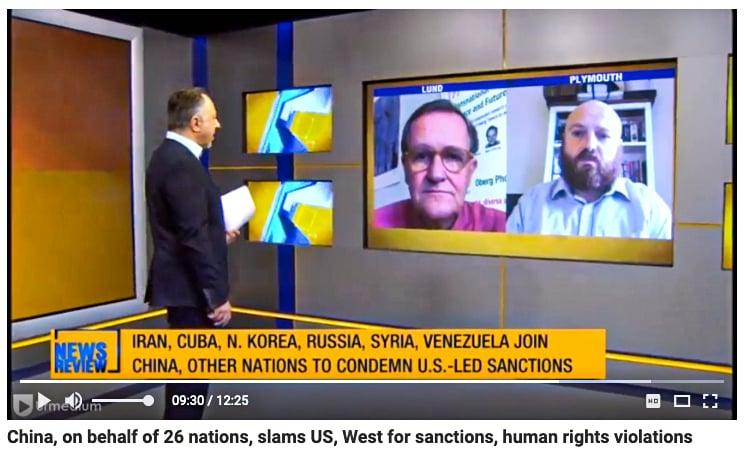
Here is ABC News report about it. Washington-obedient mainstream media have made little or no mention of it, Washington Post being an exception. On October 6, 2020, we discussed the proposal in the UN on PressTV. The basic idea is expressed here – “26 countries urge Western sanctions lifting to ensure an effective response to the COVID-19 pandemic.” And here the link to the discussion. In passing, you may note that Iran’s PressTV is on the urmedium platform. Google-owned YouTube has unilaterally and without any explanation close down its channel there quite some time ago. The reason? Probably a) because of its being there could be judged (far out) as a violation of the sanctions we talk about here, b) because the West is clamping down on everything that is in the receiving end of or problematizes Western/US policies. Normally that sort of thing is considered censorship and a tool...
ObergComment_OnSite
Iran’s foreign minister, Dr Mohamad Javad Zarif, says the United States has no right to abuse mechanisms enshrined in a 2015 nuclear deal between Tehran and six world powers to restore UN sanctions against the Islamic Republic after they were lifted under the accord. I had the pleasure to comment on this on Iran’s PressTV on August 21, 2020 – just click on this image: The points both the minister and I made were, a couple of days later, confirmed in a longer analysis published on OpinioJuris – “Pompeo’s Attempt to “Snapback” UN Security Council Sanctions on Iran—“Cut That Out!” by Larry D. Johnson who is an Adjunct Professor at Columbia Law School and the former UN Assistant Secretary-General for Legal Affairs. I find it amazing that the United States seems to believe that it could get away with such an unrealistic attempts at eating the cake and have it...
ObergComment_OnSite
Some may remember way back when US President Obama said that the US had now isolated Iran. The only problem was that on the very same day, some 130 leaders from the Non-Aligned Movement, NAM, were meeting in Tehran. The more the US withdraws from international treaties, imposes sanctions, threatens wars and otherwise antagonizes the rest of the world, the more that rest will search – and find – new partners and create a future world order that is not Western- or US-dominated. That’s what Iran is now doing. After sanctions since 1979, verbal harassment, a broken JCPOA (nuclear deal), accusations of being the world’s leading supporter of terrorism, maximal pressure policies, threat of massive war, bombings, liquidation of a top government representative, infiltrations and much else – why on earth should the leaders in Tehran (no matter what you may think about them and their policies) continue to seek...
Categories

Year

Author / Contributor

Region