Europe outside EU

Category

Year

Author / Contributor

Region

Sort by

Showing 1-10 of 48 stories

photo-ukraine-eu-us-rf-2
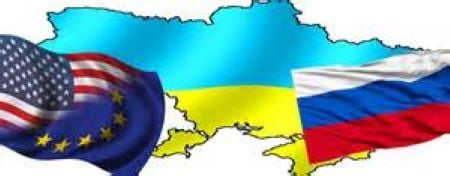
By Gordon M. Hahn December 15, 2021 It is now quite clear, as I have stated for decades, that NATO expansion is the main cause of U.S.-Russian and WesternRussian tensions, and the Russian Angst over said expansion is the cause of the Ukrainian crisis sparked in winter 2013-2014. It appears that Putin is escalating the stakes in the Ukrainian crisis in an effort to solve it and the overall problem of NATO expansion and European security. The positioning of Russian troops closer to the Ukrainian border – not on the border as is being reported – is an attempt to concentrate the minds of the West and bring the main driver of the Ukrainian crisis on the Western side – the U.S. – into the Minsk 2 process directly or otherwise. His highlighting the issue has the important side benefit of putting the issue in a central place before Western...
shubham-dhage-MNOPbe4XmxU-unsplash
Artwork by Shubham Dhage Jim Lobe October 4, 2021 But there’s a prevailing view that the EU is more aligned with Washington’s military competition with China and Russia. Even as President Joe Biden insisted at the United Nations this week that he seeks cooperation with potential foreign rivals, most Europeans believe that the United States is already engaged in a new “cold war” with China and Russia, they feel their own nations are not involved, according to a new survey of respondents in 12 EU countries released Tuesday by the European Council on Foreign Relations. Originally published at Responsible Statecraft on September 23, 3021 However, they see their own European institutions, notably the European Union, as somewhat more invested in aligning the continent with Washington’s perceived interest in such a conflict, according to the report which warned that there appears to be a growing gap between the EU’s national publics and the EU leadership,...

ca_politics_macedonia_2
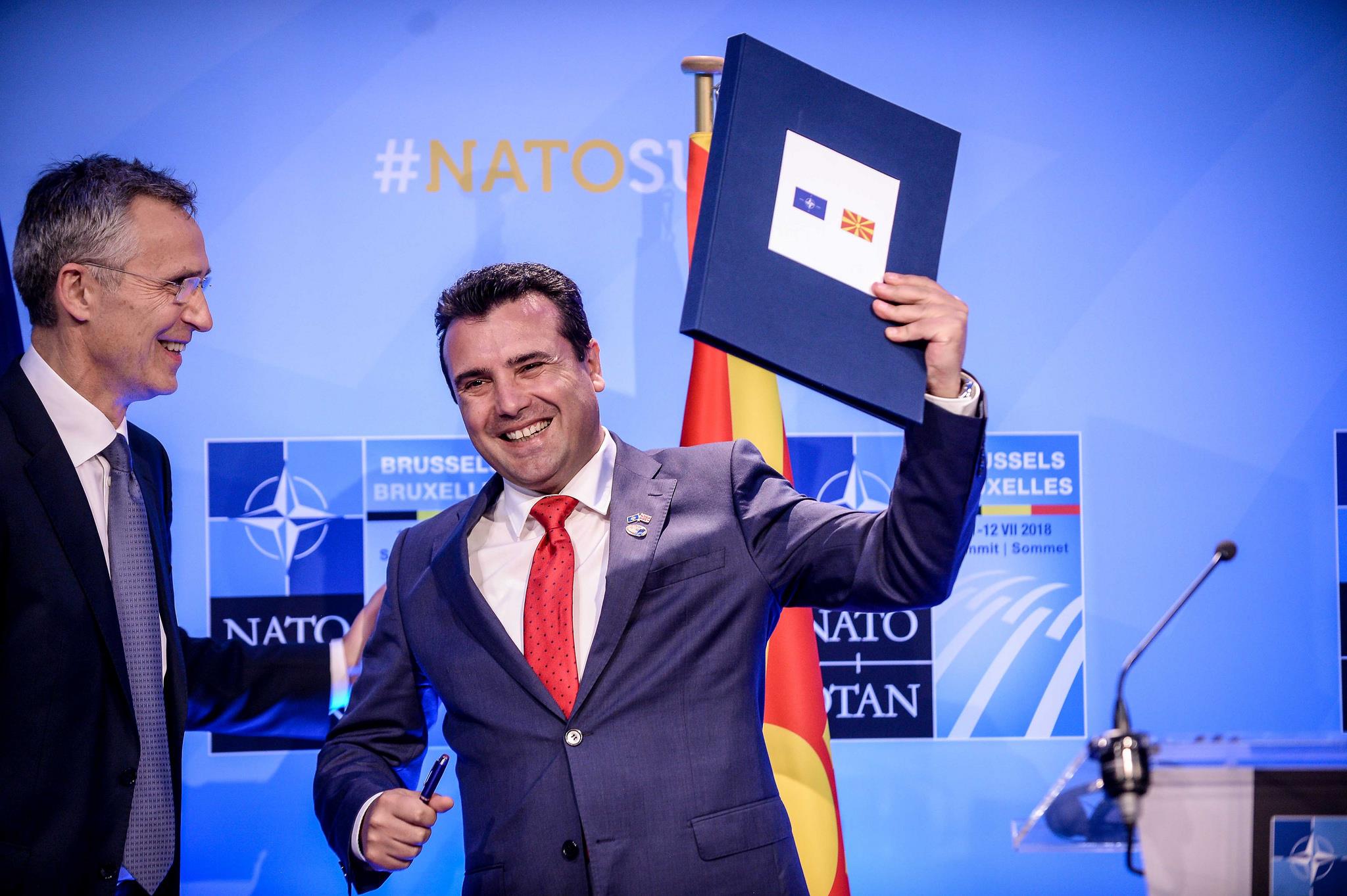
Biljana Vankovska, TFF Associate June 22, 2021 There is a comprehensive, independent-minded “alternative” analysis of NATO’s crisis in general and the membership of North Macedonia in it. Dr Vankovska writes in the intro to her analysis that: “North Macedonia (hereafter in the text, Macedonia) was officially admitted to NATO on 27 March 2020 as its 30th member state. It was supposed to look like a dream come true for generations of Macedonian citizens and the political elites across the ethnic divides. However, the act was hardly met with any euphoria… Although Macedonia has joined NATO the political narrative and public (media and intellectual) rhetoric have not changed a bit. The military alliance is still seen through rose-coloured eyeglasses with not much relation to the objective state of affairs. It shows that the submissive and even naïve position in the mind and behaviour of the political elites is unlikely to change...
britishempire1886
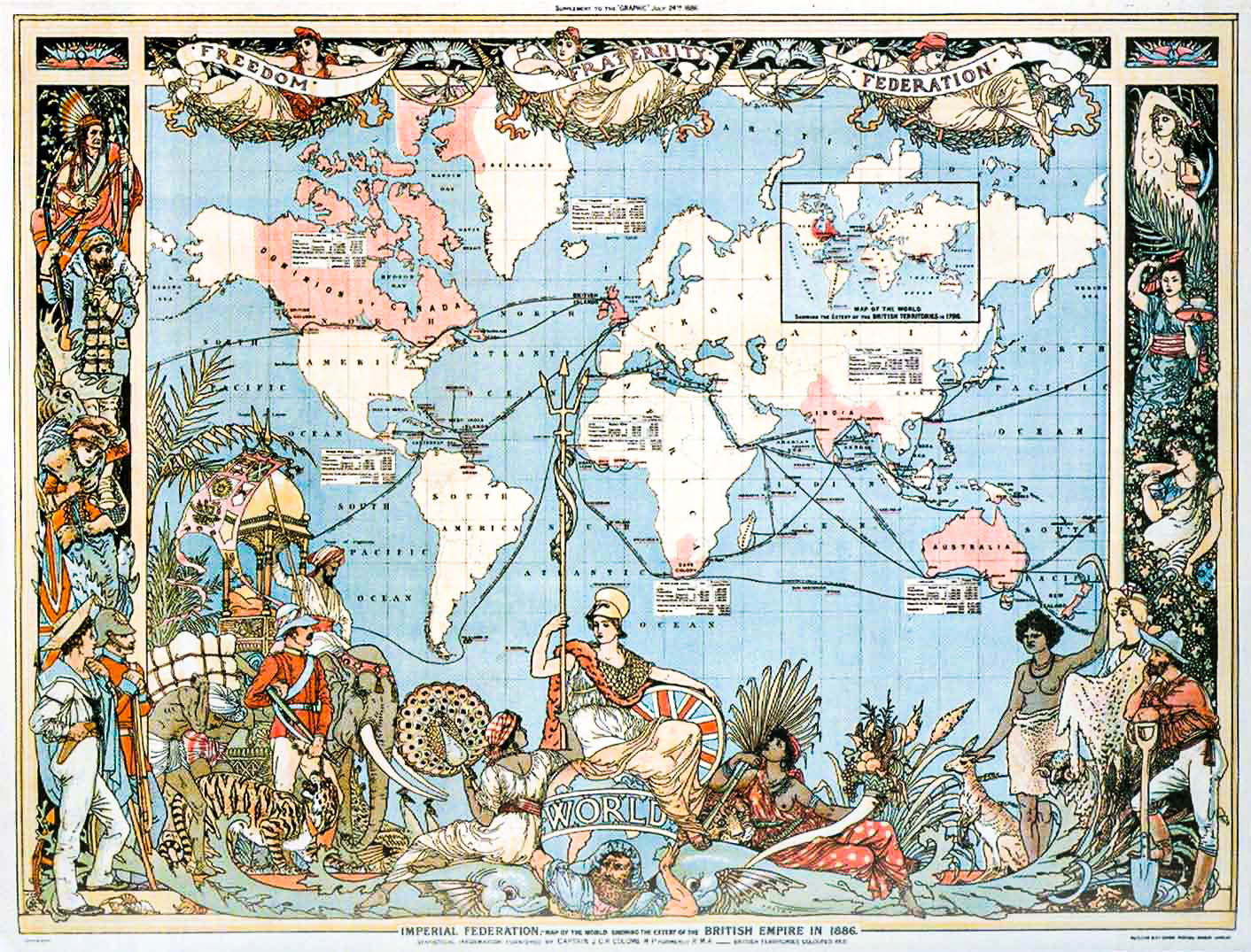
The British Empire in 1886 Britain leaves the EU on December 31, 2020. We mark this historical event by looking at its global, imperial military footprint and the mind-boggling waste of scarce resources its prime minister is proud of standing behind in times that are already extremely hard for the citizens. A few nostalgic types still believe that the Union Jack continues to flutter to sighs and reverence over outposts of the world, from the tropics to the desert. They would be right, if only to a point. Britain, it turns out, has a rather expansive global reach when it comes to bases, military installations and testing sites. While not having the obese heft and lumbering brawn of the United States, it makes a good go of it. Globally, the UK military has a presence in 145 sites in 42 countries. Originally posted by Off Guardian on November 29, 2020 Such figures...
5043c092c025673c100aac9dc0c02a89_L
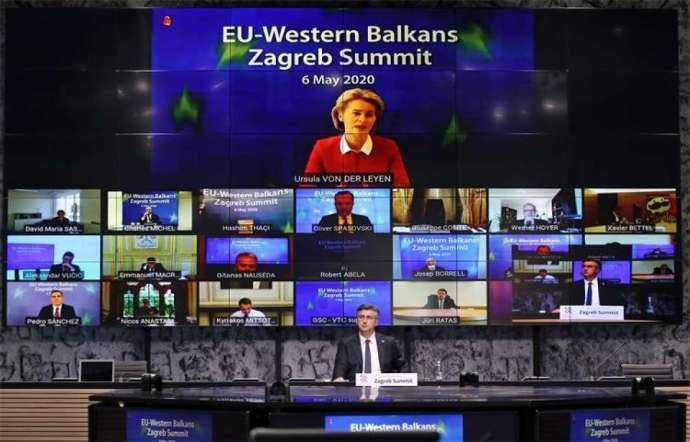
TFF Associate, professor The objective of this paper is to outline and analyse the manner in which governments on the EU’s southeastern periphery (i.e. the Western Balkans) responded to the COVID-19 pandemic and its possible after-effects. The author seeks to shed light on three particular aspects of the crisis: the (de)securitization process of COVID-19, the geopolitics of the EU enlargement process in the post-corona world, and the Balkan way of dealing with the pandemic. Following a prologue that tries to decipher what is behind the façade of this dramatic episode, the article proceeds to characterize both the securitization of COVID-19 and the “gaslighting turnaround”. It then looks at the Balkan version of the so-called “COVID-1984”, i.e. the autocratic tendencies that have blossomed amid (and thanks to) strong security concerns.The central premise is that although the current crisis seems to have been provoked by the spread of an unprecedented disease, COVID-19,...
ChatGPT Image 9 jun 2026, 11_11_33
Julian Assange of Wikileaks languishes in a British jail during a too-long wait for a court to decide if he can be extradicted to the US where the government has made clear that it wants to put him on trial on charges that could land him in prison for the rest of his life, even though President Donald Trump was happy to quote from Wikileaks research on his opponent, Hillary Clinton, during his campaign for president. “I love Wikileaks”, he said. The British and to a lesser extent the US press have done a poor job in uncovering state secrets in their country’s foreign policy until The Guardian and The New York Times linked up with Assange to publish his most damning revelations. And now after a long winding series of events Assange is being punished by a type of confinement that persuaded Nils Melzer, the UN’s rapporteur on torture,...
XxjidwE005001_20170517_BNMFN0A004_11n
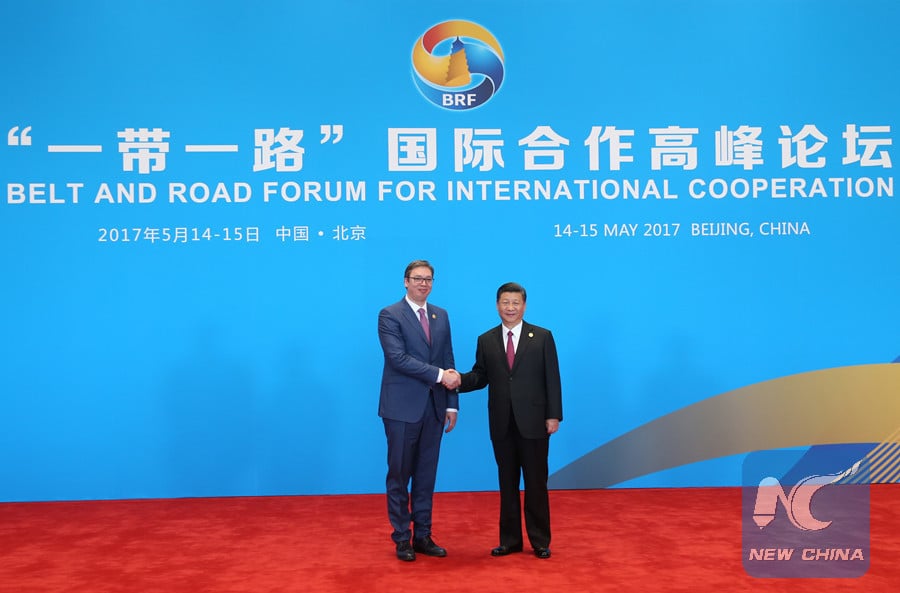
Zivadin Jovanovic* March 25, 2020 The time of adjustment The world is undergoing a period of great development, great change, and adjustment. The international order is changing with the acceleration. The fall of the Berlin Wall thirty years ago (1989) has marked the end of the bipolar World Order. The “winners” of the Cold War adopted a policy of expansion, interventionism and domination. NATO illegal aggression on Yugoslavia 1999 represented the peak of uni-polar world order but, also, the beginning of its downfall. Today, the process of multi-polarization of global relations has already gone far beyond the point of no return. It is impossible any longer that any single power imposes own will or own interests above the will and interests of the others. The driving forces of this historic transformation towards the world of equals, shared responsibilities and community of shared future are China, Russia and other countries of...
photo-rus-china
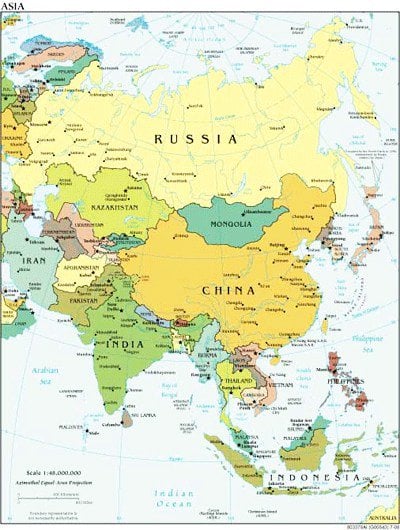
By Gordon M. Hahn January 30, 2020 The apparent overreaction by the U.S. to Iranian provocations represented by the assassination of Revolutionary Guards Corps Commander Qassem Soleiman is one of the stronger blows to hit one of the most important nails in the coffin of U.S.-Russian relations: the revival of Russian-Western geopolitical competition outside Russia’s immediate central Eurasian sphere of influence. At the same, time it is also one of the most important turning points in the formation of an anti-Western Eurasian axis that will shape the 21st century’s geopolitics. The outcome of the political struggle may well rest on Europe and whether or not it decides to stick to its American ally in the latter’s efforts to stave off the end of its unipolar hegemony through greater NATO and EU expansion or abandon at least the former project and positively contribute to the reordering of the international system in...
StreetGarbage_Orig_1000-72dpi
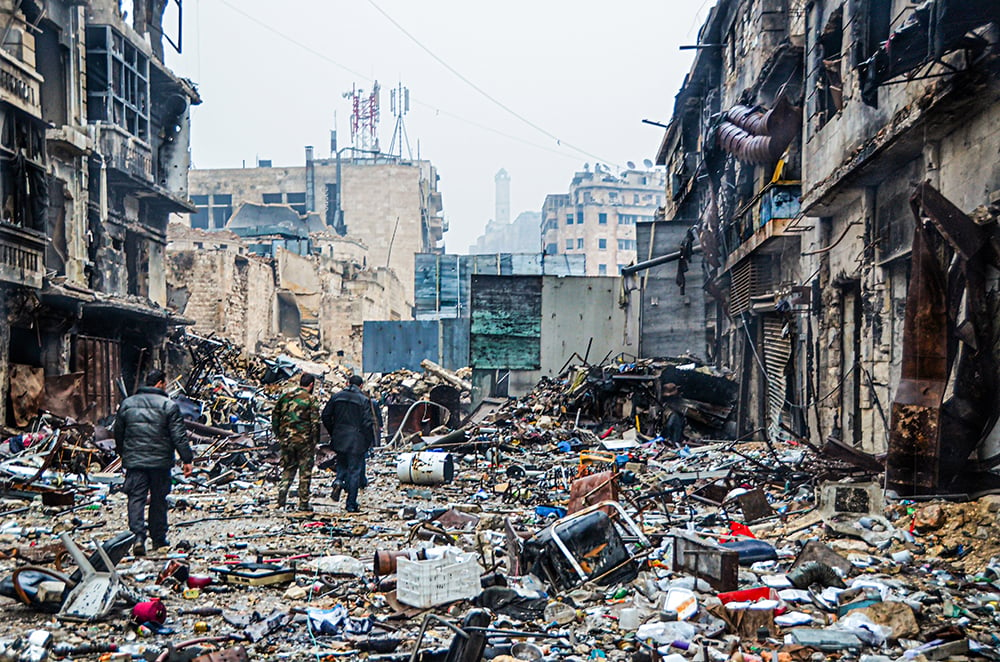
Photo – Eastern Aleppo, December 2016 – © Jan Oberg By Gordon M. Hahn January 17, 2020 If Western leaders are able to put aside the now worn-out cliches such as Russian Vladimir Putin ‘punching above his weight,’ ‘Trump handing Putin a victory on a silver plate’, not to mention ‘Trump as Putin agent’, there are serious lessons that they might still be able to draw from Putin’s looming victory in Syria.  Originally posted on Gordon M. Hahn’s personal blog on December 2, 2019 here First, the era in which the United States and/or the West (NATO) can dictate outcomes anywhere across the globe unilaterally has ended. Events in Syria are but the latest confirmation of this fact, but many in Washington and Brussels still do not see it. NATO expansion drove Russia into China’s arms, and the rest is history and the future.  Second, Washington and Brussels (NATO and...
ChatGPT Image 9 jun 2026, 11_11_33
The struggle for the Donbass region in the eastern and southern Ukraine goes on, seemingly never ending. It’s now six years since dissident militias threw off the yoke of the central government in Kiev and declared their de-facto independence. They were supported by Russian troops which at first president Vladimir Putin denied and then later admitted. It was the Russians who supplied the missile launcher that accidentally shot down a Malaysian Airlines passenger jet. Altogether 17,000 people, mostly civilians, have died in this conflict. Negotiations, brokered by Germany and France, have been held on and off for six years. In December the latest effort was held in Paris. The parameters of a settlement are easily put: in return for Donbass being granted a large amount of autonomy (it could be approximately the same as Scotland has today), Russian troops would withdraw and the militias disbanded. Nevertheless, the gap between the...
ChatGPT Image 9 jun 2026, 11_11_33
The Europeans have not done well in countering President Donald Trump’s onslaught on Iran. When Trump unilaterally decided that the US should withdraw from the 2015 Iran Nuclear Deal, which committed Iran to winding down its nuclear research in return for the West, Russia and China (the latter two were also part of the deal) lifting sanctions which were crippling the Iranian economy, the Europeans huffed and puffed and then did little. The UN membership considered the 2015 deal to be very fair. The Security Council gave it unanimous support. Indeed, the US is now in breech of international law by opting out. But if the Europeans had had the guts when President Donald Trump announced the US withdrawal they would have pushed for debate on this issue at the Security Council and got the US condemned, even punished. Unfortunately, Trump had the Europeans’ guts for braces. After shouting loudly...
fall-of-the-berlin-wall-
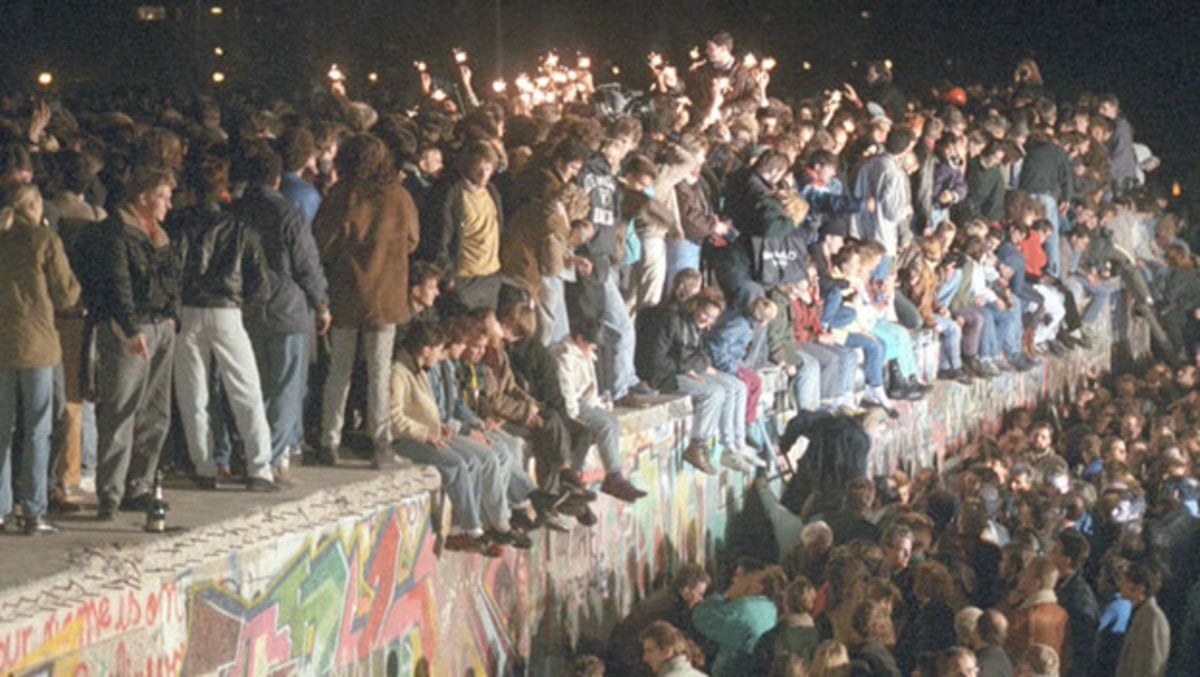
Austere “shock therapy” after the Cold War only shocked the East into reaction. In the West, the corporate political center ultimately did the same. By John Feffer November 18, 2019 The Berlin Wall fell 30 years ago. It was one of the few unambiguously joyous moments in modern history. This popular, nonviolent explosion of dissent effectively toppled East Germany’s despotic regime. And it signaled, if only symbolically, the end of the Cold War that had divided Europe for nearly half a century. Thirty years later, a united Germany remains far and away the largest economy in Europe (and the fourth largest in the world). Most of the countries of the former Warsaw Pact are members of the European Union, and their populations have seen dramatic improvements in living standards. After the horrendous bloodletting that tore apart Yugoslavia in the 1990s, the threat of war in Europe has again receded. Who...
Categories

Year

Author / Contributor

Region