US Empire/West Decline

Category

Year

Author / Contributor

Region

Sort by

Showing 1-10 of 272 stories

911JO
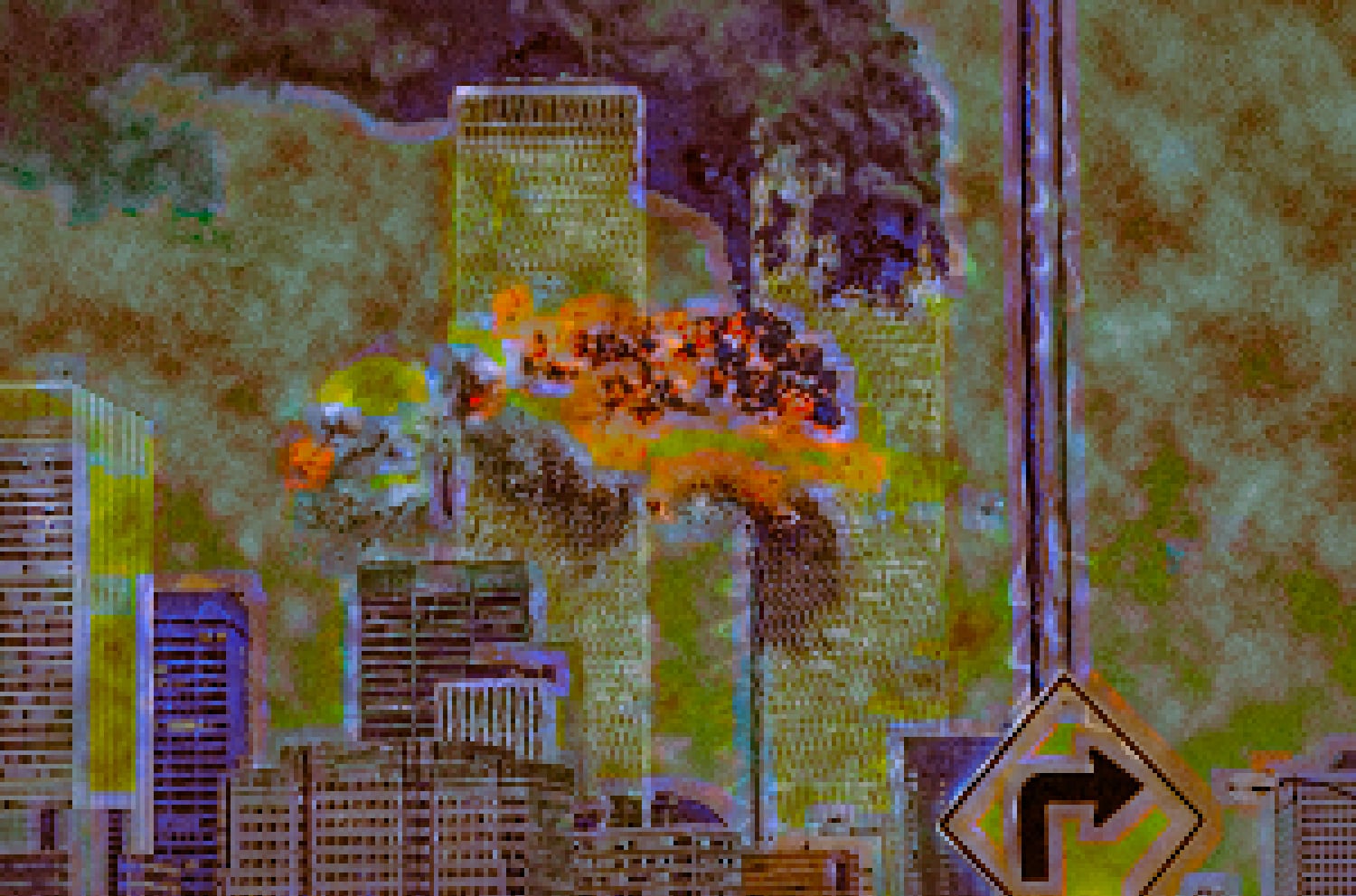
September 11, 2021 Can be read together with this article which contains all the documentation When people ask me what I think of “9/11” my answer has always been: “I have not done any research on it myself but to me the official explanation leaves too many questions unanswered, such as: 1 • Why was the discussion only about who did it and how did they do it but never about why did someone do this? If you look at the fact that the objects of the attacks were the centers of the US/world’s financial, military and political power – and not just a train station or some infrastructure – you’d have a diagnostic indicator. 2 • Why did no US Airforce plane take off from St. Andrews Air Base? The standing mission of it is to keep the air space over Washington clean and shoot down anything that should...
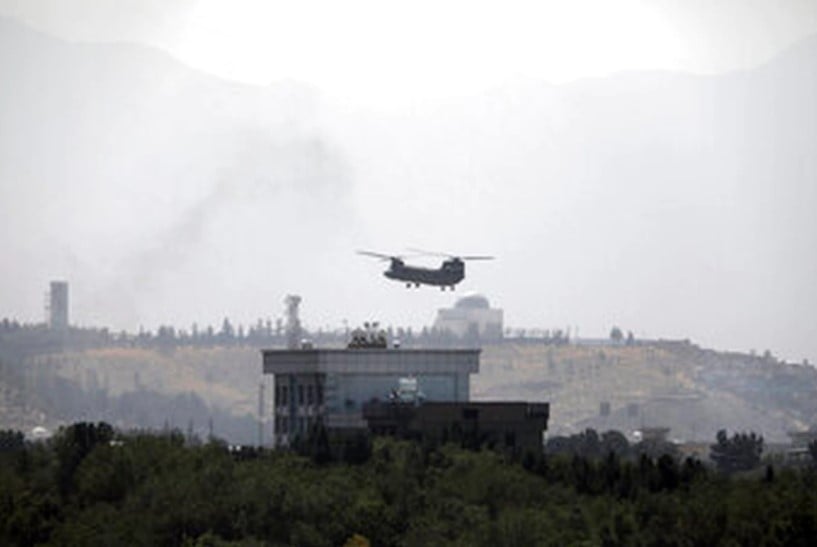
Day_after_Saur_revolution_in_Kabul_773
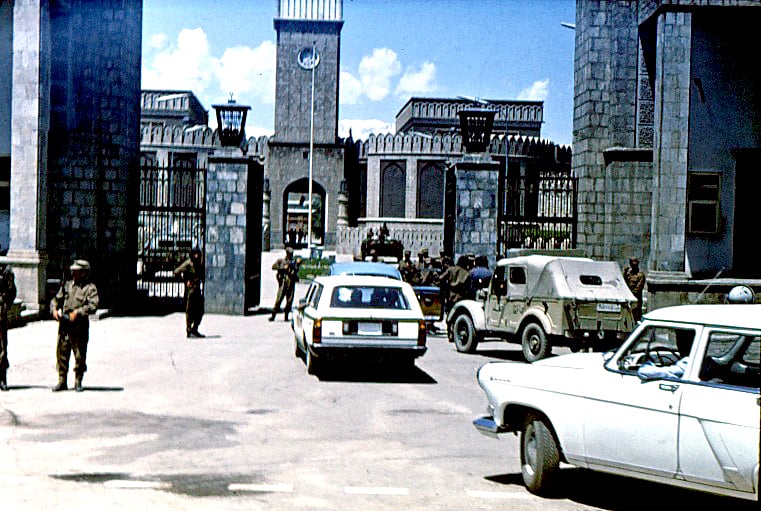
Hear this on Spotify John Pilger September 9, 2021 More than a generation ago, Afghanistan won its freedom, which the U.S., Britain and their “allies” destroyed. As a tsunami of crocodile tears engulfs Western politicians, history is suppressed. More than a generation ago, Afghanistan won its freedom, which the United States, Britain and their “allies” destroyed. In 1978, a liberation movement led by the People’s Democratic Party of Afghanistan (PDPA) overthrew the dictatorship of Mohammad Dawd, the cousin of King Zahir Shah. It was an immensely popular revolution that took the British and Americans by surprise. Foreign journalists in Kabul, reported The New York Times, were surprised to find that “nearly every Afghan they interviewed said [they were] delighted with the coup.” The Wall Street Journal reported that “150,000 persons … marched to honor the new flag … the participants appeared genuinely enthusiastic.” The Washington Post reported that “Afghan loyalty to the government can...

us-army
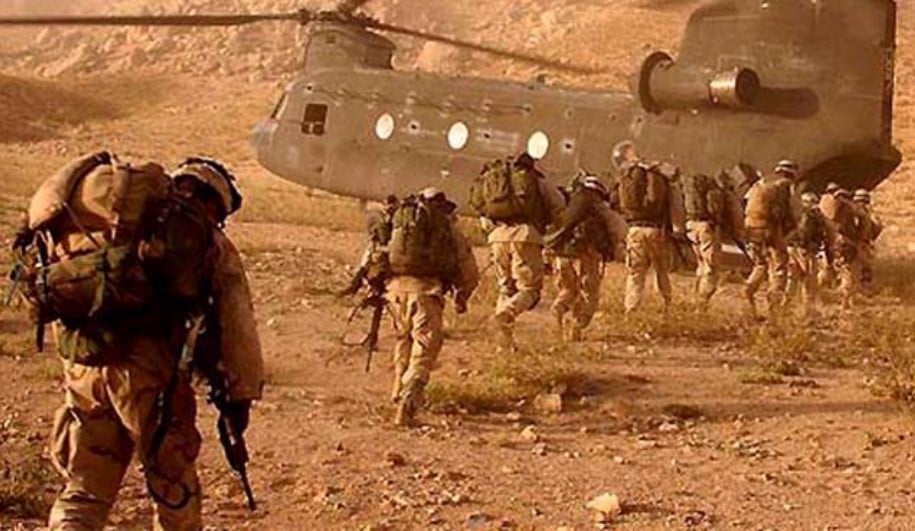
U.S. Army NATO, the United States and its vassal-states in Afghanistan Håkan Wiberg †2010 Former TFF Board member and Associate 9 september, 2021 AS FAR BACK as it is possible to trace the history of what is now Afghanistan, it has alternately been invaded — by among others the Median, Persian, Mongol, British and U.S. empires — and served as the base of expanding regional powers. The history of modern Afghanistan begins in 1747, with the coronation of Ahmed Abdali of the Durrani clan. Re-published online at Nordic News Network British expansion in India soon presented Afghanistan with a new threat — which became a reality in 1839 with the first large-scale British invasion. Shortly thereafter came the Russian expansion into Central Asia, leading to the “Great Game” between the two empires for control of the region. Afghanistan was drawn into minor clashes and some major wars with both of...
taliban-bin-laden
It’s far from the longest U.S. war. There was no peace before or after it. There is no after it until they end it — and bombing has always been most of what it is. It has had nothing to do with opposing terrorism. It has been a one-sided slaughter, a mass killing over two decades by a single invading army and air force dragging along token mascots from dozens of vassal states. After 20 years Afghanistan was one of the worst places to be on Earth, and the Earth as a whole was a worse place to be — the rule of law, the state of nature, the refugee crises, the spread of terrorism, the militarization of governments all worsened. Then the Taliban took over. When the U.S. armed the Afghan military with weapons costing enough to cause panic attacks in U.S. Senators had the expense been for anything...
afghan
Sarah Chayes August 25, 2021 I have been silent for a while. I’ve been silent about Afghanistan for longer. But too many things are going unsaid. I won’t try to evoke the emotions, somehow both swirling and yet leaden: the grief, the anger, the sense of futility. Instead, as so often before, I will use my mind to shield my heart. And in the process, perhaps help you make some sense of what has happened. For those of you who don’t know me, here is my background — the perspective from which I write tonight. I covered the fall of the Taliban for NPR, making my way into their former capital, Kandahar, in December 2001, a few days after the collapse of their regime. Descending the last great hill into the desert city, I saw a dusty ghost town. Pickup trucks with rocket-launchers strapped to the struts patrolled the streets....
Screen-Shot-2018-08-31-at-11.48.57-AM-e1535730768673
Jan Oberg August 22, 2021 When it comes to Western mainstream media’s coverage of international affairs, I would today dare the hypothesis that 10-20% is truthful, 20-30% is fake and narratives and 50-70% is omitted (see definition in point 2 below). This is not a scientific statement or hypothesis that I have tested empirically; rather, it is my judgement based on two things: a) witnessing over some forty years the decay of the mainstream media’s international affairs coverage and b) my experiences from conflict zones such as e.g. all parts of former Yugoslavia, Georgia, Iraq before it was occupied, Iran, Syria and China and comparing them with the media images conveyed by the mainstream Western press. Originally written as an editorial for Transcend Media Service, TMS, here In TFF’s recent analysis ”Behind The Smokescreen. An Analysis of the West’s Destructive China Cold War Agenda And Why It Must Stop”, we...
R2103B_DU
Rana Mitter and Elsbeth Johnson August 23, 2021 Many people have wrongly assumed that political freedom would follow new economic freedoms in China and that its economic growth would have to be built on the same foundations as in the West. The authors suggest that those assumptions are rooted in three essentially false beliefs about modern China: (1) Economics and democracy are two sides of the same coin; (2) authoritarian political systems can’t be legitimate; and (3) the Chinese live, work, and invest like Westerners. But at every point since 1949 the Chinese Communist Party—central to the institutions, society, and daily experiences that shape all Chinese people—has stressed the importance of Chinese history and of Marxist-Leninist doctrine. Until Western companies and politicians understand this and revise their views, they will continue to get China wrong. Originally appeared in the May-June 2021 Harvard Business Review here When we first traveled to China, in the early...
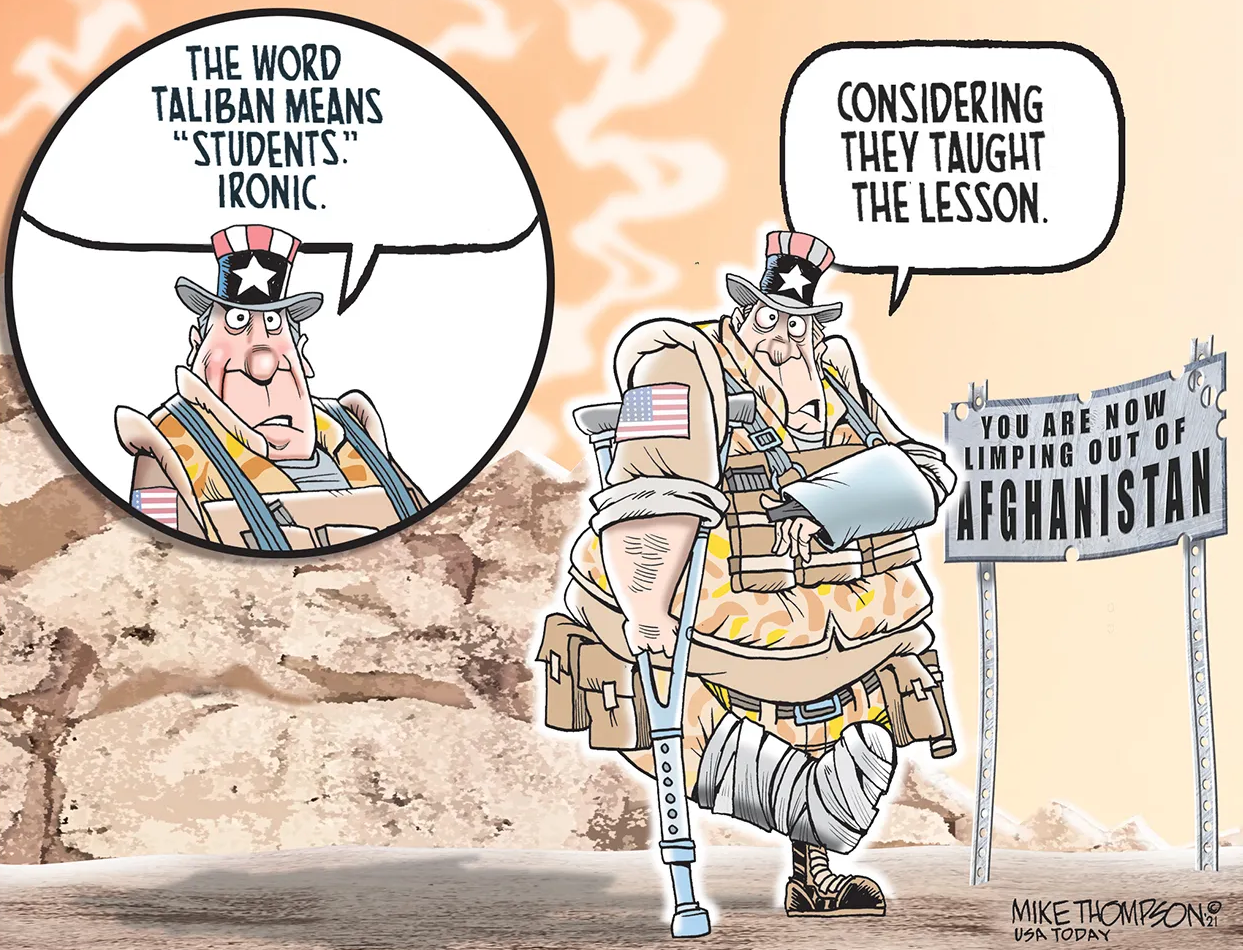
TaliTeaching
, in Washington and New York, everybody talked about who could have done it, how they did it and with what means. The only thing never brought to the fore was: WHY would somebody want to do something like 9/11 to the United States of America? By not asking the Why question, the US could stand as the innocent victim of cataclysmic violence. It would not have to do any soul searching and therefore no change of its global militarist policy. 9/11 was not a response to US foreign policy – but it needed a response. The world felt sympathy for the American suffering – much more so than for the suffering and deaths in other countries around the world. The fact is that the 9/11 attack targeted the US’ global finance-capital (World Trade Center), its global military (Pentagon) and its political (White House, however not hit) centres – not...
Capitol_Jan6_2021_6_1200_72dpi
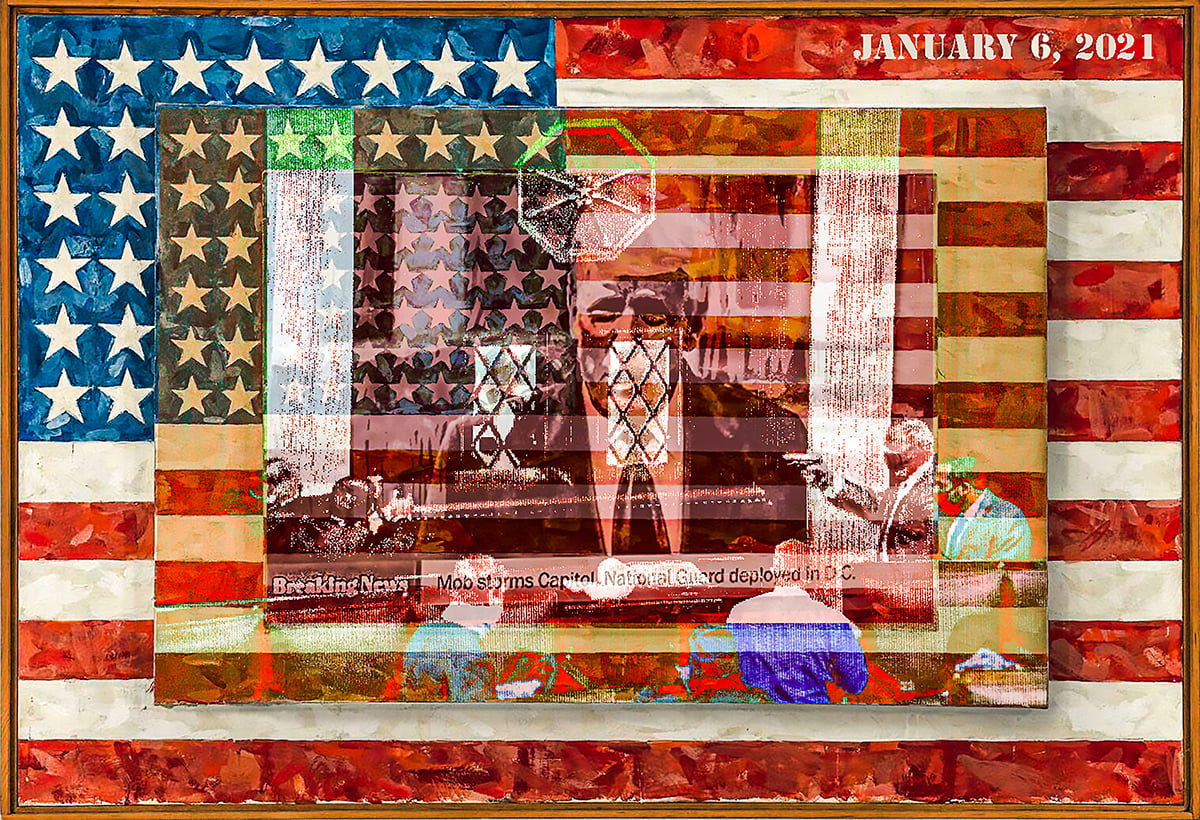
© Jan Oberg, “Capitol Hill, January 6, 2021” By Global Times August 7, 2021 Editor’s Note: “No alternative to the CPC in terms of people or a party with a program and a vision is known of inside or outside China,” said Carsten Boyer Thøgersen, a former diplomat with the Ministry of Foreign Affairs of Denmark and the European Commission. How to objectively evaluate the CPC’s role in China’s social progress? Why cannot some Western media outlets and some Western forces separate the CPC from the Chinese people? How will the West’s prejudice of the CPC affect their China policies? Thøgersen shared his views with Global Times (GT) reporters Yu Jincui and Lu Yuanzhi.  Originally published at Globaltimes.cn GT: You have witnessed China’s reform and opening-up. It was reported that on November 20, 1976, a farmer in Hu county, Shaanxi Province drew a sketch of you, do you still remember...
695-header-base
William H. Overhalt July 20, 2021 President Biden’s foreign policy team says China is the priority, but the team lacks China expertise. Other than trade experience at the Office of the United States Trade Representative, Biden’s Cabinet has no China expertise. Secretary of State Antony Blinken has worked on issues involving Europe, Canada and the Middle East. Defense Secretary Lloyd Austin has a distinguished career as a general in Iraq and as leader of U.S. forces in the Middle East. National security adviser Jake Sullivan’s biography highlights work on Libya, Syria, Iran and Myanmar.  Originally posted by The Hill on July 7th, 2021 Biden’s lead candidate for ambassador to Beijing continues the pattern. Nicholas Burns has served in the Middle East and Europe. An Indiaphile and Sinophobe, he lacks China experience and disdains China experts with more complex views.  I’m a lifelong Democrat who criticized George W. Bush’s foreign policies. But Bush had outstanding success...
MLK
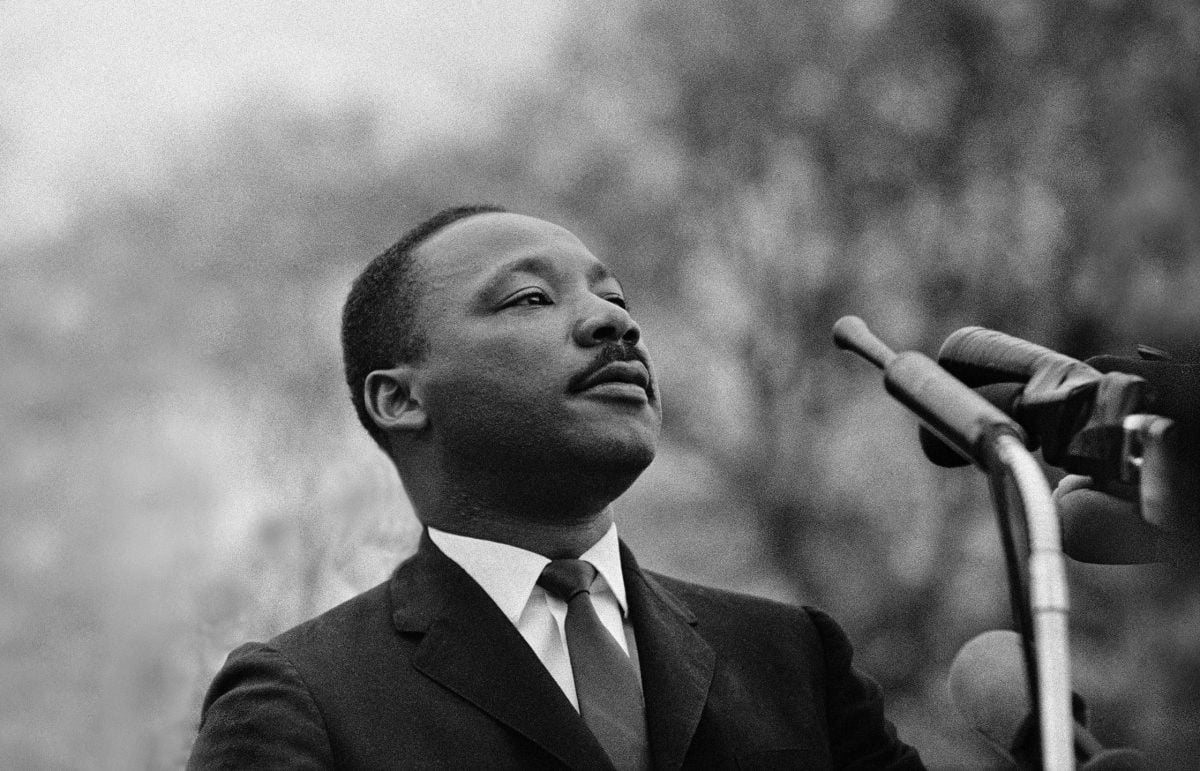
Photo: Martin Luther King. [bswise / CC BY-NC-ND 2.0] Jeff Cohen and Norman Solomon June 29, 2021 The MLK tributes are sure to pour on the anniversary of the civil rights hero’s death, but don’t expect them to acknowledge his anti-militarist ideals. The anniversary of his assassination always brings a flood of tributes to Martin Luther King Jr., and this Sunday will surely be no exception. But those tributes — including from countless organizations calling themselves progressive — are routinely evasive about the anti-militarist ideals that King passionately expressed during the final year of his life. You could call it evasion by omission. The standard liberal canon waxes fondly nostalgic about King’s “I have a dream” speech in 1963 and his efforts against racial segregation. But in memory lane, the Dr. King who lived his last year is persona non grata. Originally published April 21. 2021 at scheerpost.com The pattern is positively Orwellian....
pankajmishwa
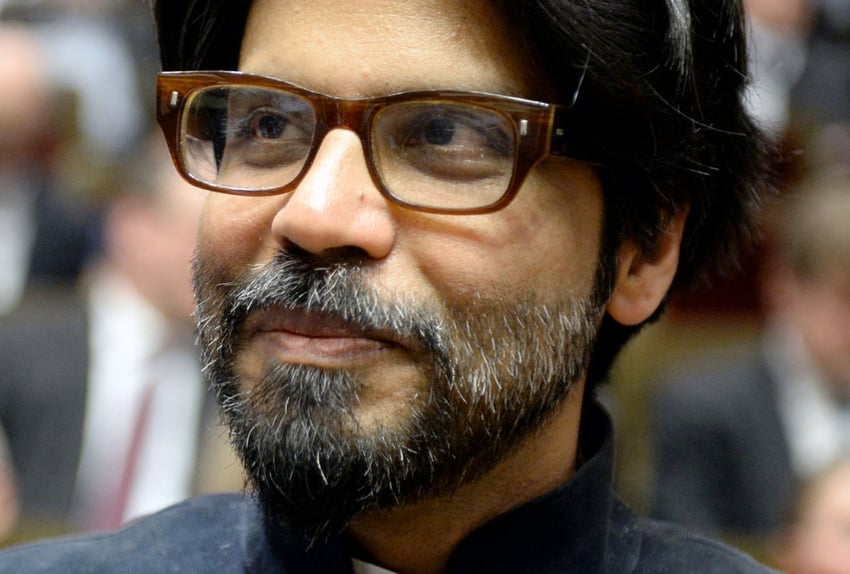
Photo: Pankaj Mishra By Radmila Nakarada and Jelena Vidojević June 29, 2021 This conversation with the Indian-born essayist, novelist and historian Pankaj Mishra, took place before the US elections. Q: In your major writings you deal with the Western model of modernisation and in the suffering involved in its evolution, expansion and emulation. You have emerged as a prominent critic of the empire and its links to liberal ideas. Reviewers often depict you as the voice of the marginalised and excluded, humiliated, the victims. How would you define yourself today?  A: I think I was fortunate to write for mainstream publications in the United States and Britain from the late 1990s onwards, when the illusions of Americanising the world were at their strongest. Britain and America were being held as models for the rest of the world to imitate and no attention was being paid to their long past of slavery and...
Categories

Year

Author / Contributor

Region