United States – Empire and domestic

Category

Year

Author / Contributor

Region

Sort by

Showing 1-10 of 477 stories

the-long-telegram-l
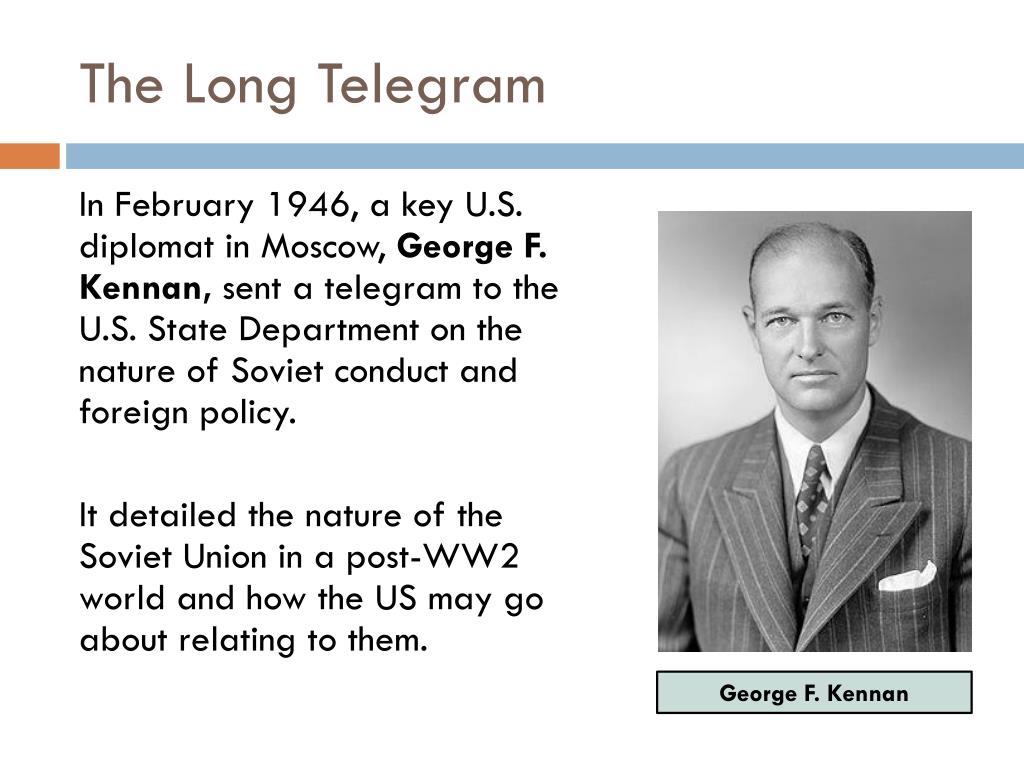
Natylie Baldwin March 15, 2021 February 22nd marks 75 years since George F. Kennan sent his famous “Long Telegram” to the State Department in which he provided an assessment of the Soviet Union that led to the U.S. containment policy of the Cold War. The Cold War, in turn, saw various conflicts, scores of covert operations, regime changes, and a nuclear arms race.  Conventional wisdom generally has it that Kennan’s assessment of the Soviet government was accurate.  But was it?  And if it wasn’t accurate, why has it been treated as a brilliant analysis that underpinned a policy still characterized as an inevitable necessity? In order to answer those questions, it is necessary to look at who George F. Kennan was, what the main points of his analysis were and how they have held up to the historical facts, as well as the political context in which his assessment was...
coronavirus
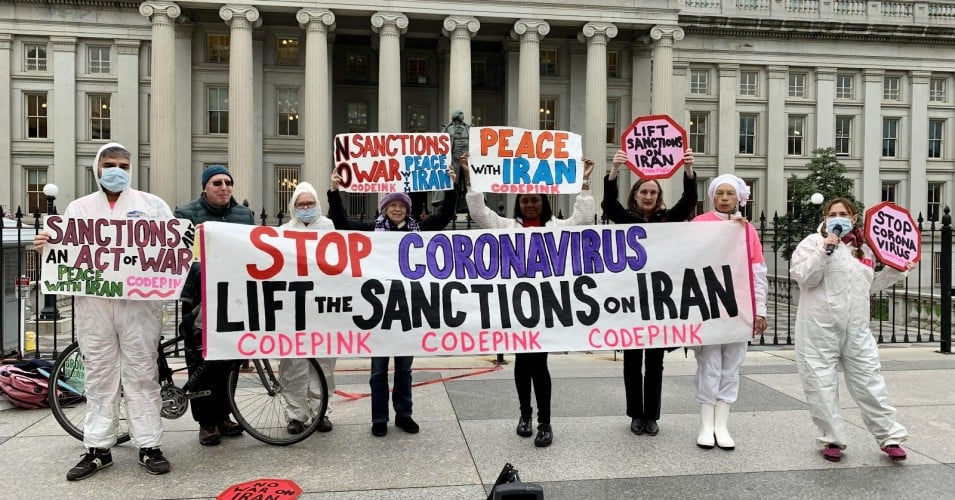
Negar Mortazavi and Sina Toossi February 25, 2020 Iranians’ stories reflect the devastating human costs of US economic sanctions that are often ignored by Washington’s foreign policy elite Originally posted on Global Research on December 8th, 2020 “My young cousin passed away last week,” an Iranian Twitter user recently lamented. “She needed medication for her cancer that doctors said can’t be found.” The tweet tragically went on: “Maybe she’d be alongside her little daughter now if she had this medicine and not under a pile of cold dirt.” These heartbreaking words are from journalist Katayoon Lamezadeh, one of thousands of Iranians who have taken to social media to speak of how sanctions have upended their lives. Their stories reflect the devastating human costs of US economic sanctions that are often ignored by Washington’s foreign policy elite and largely unknown to the American public. The assassination of Iranian scientist Mohsen Fakhrizadeh is the latest in a long-running pressure...
kennedy1
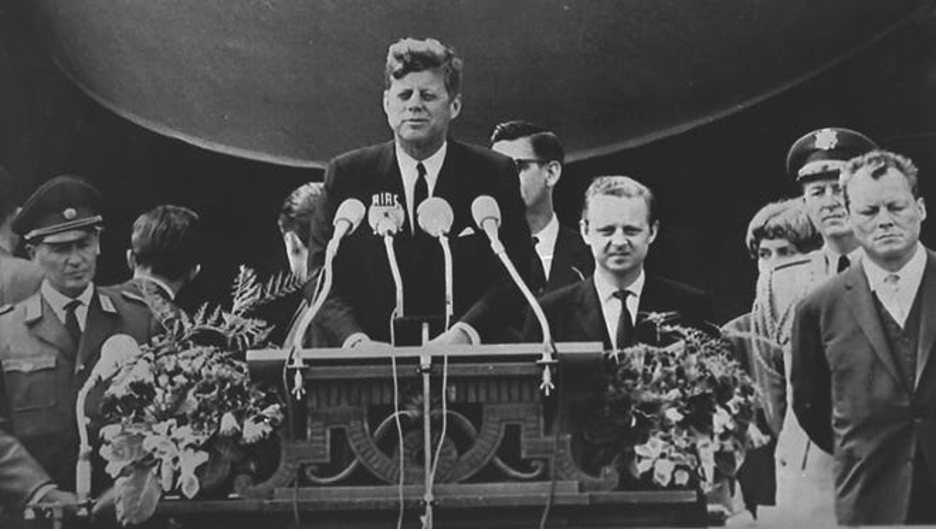
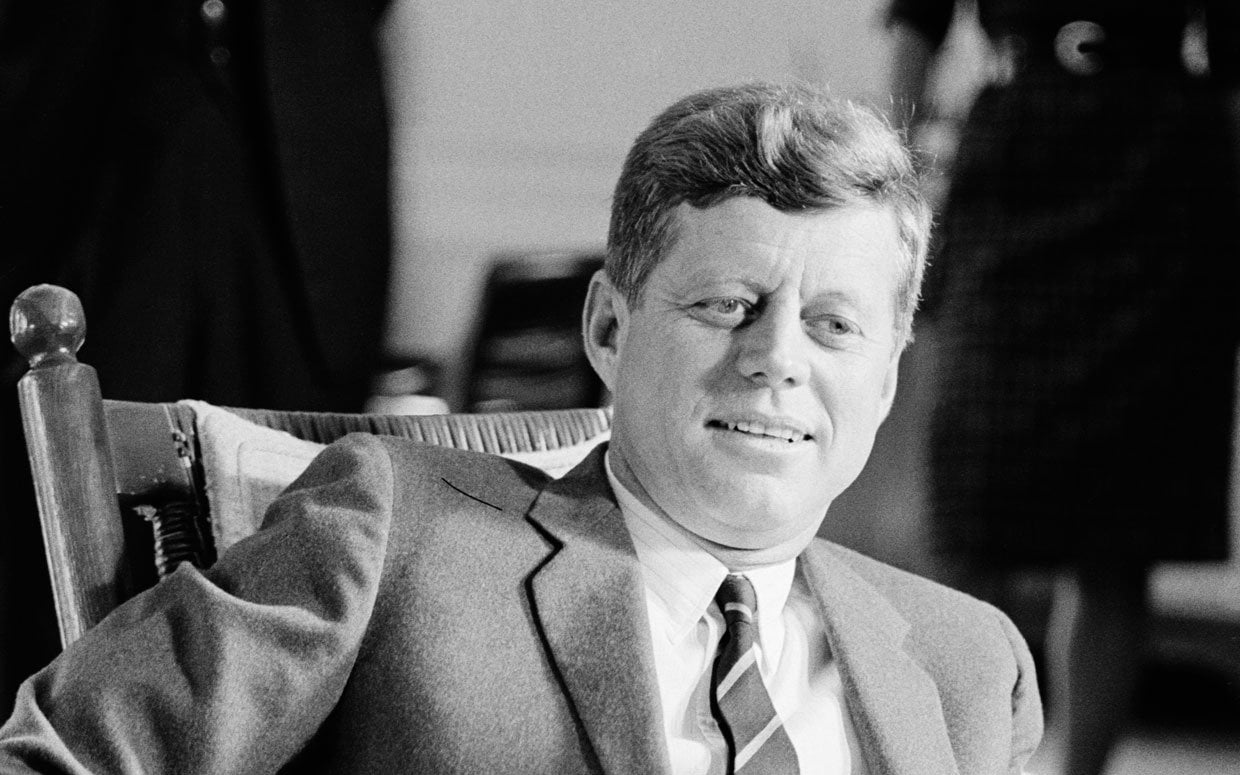
Kennedy delivers the famous speech in West Berlin in June 1963, five months before his assassination. [Source: 20minutos.es] James DiEugenio February 10, 2021 When Oliver Stone’s blockbuster film JFK premiered in 1991, it delivered a hugely embarrassing shock to academic historians, Democratic Party grandees, corporate media pundits and other respected purveyors of conventional wisdom. That’s because, for the preceding 27 years following Kennedy’s assassination, all of them had been faithfully, if falsely, promulgating the myth that Lee Harvey Oswald was the lone gunman, and that Lyndon Johnson’s murderous expansion of the Vietnam War had been a continuation of Kennedy’s policies. Originally published at CovertAction Magazine Stone’s film demolished that myth, establishing very clearly the existence of a conspiracy behind Kennedy’s assassination, while pointing to the fact that, by October of 1963, Kennedy had decided to try and extract America from the growing quagmire in Vietnam. Oliver Stone directing JFK. Kevin Costner, featured behind him, played...

echo-grid-BefmnpXPZ80-unsplash
Dr. Gary G. Kohls February 9, 2021 A half-century ago, The New York Times accused Martin Luther King Jr. of “slander” for decrying the Vietnam War and The Washington Post detected “unsupported fantasies” in his speech, recalled more favourably by Gary G. Kohls. Originally published on Jan. 19, 2014; slightly edited for the time element. Originally posted on Consortium News on January 19, 2021 Martin Luther King Jr.’s Riverside Church speech was titled “Beyond Vietnam: A Time to Break Silence.” It was delivered exactly one year before his April 4, 1968 assassination in Memphis. In the speech, King declared, “A nation that continues year after year to spend more money on military defense than on programs of social uplift is approaching spiritual death.” The people who heard that speech recognized it as one of the most powerful speeches ever given articulating the immorality of the Vietnam War and its destructive impact...
arrest
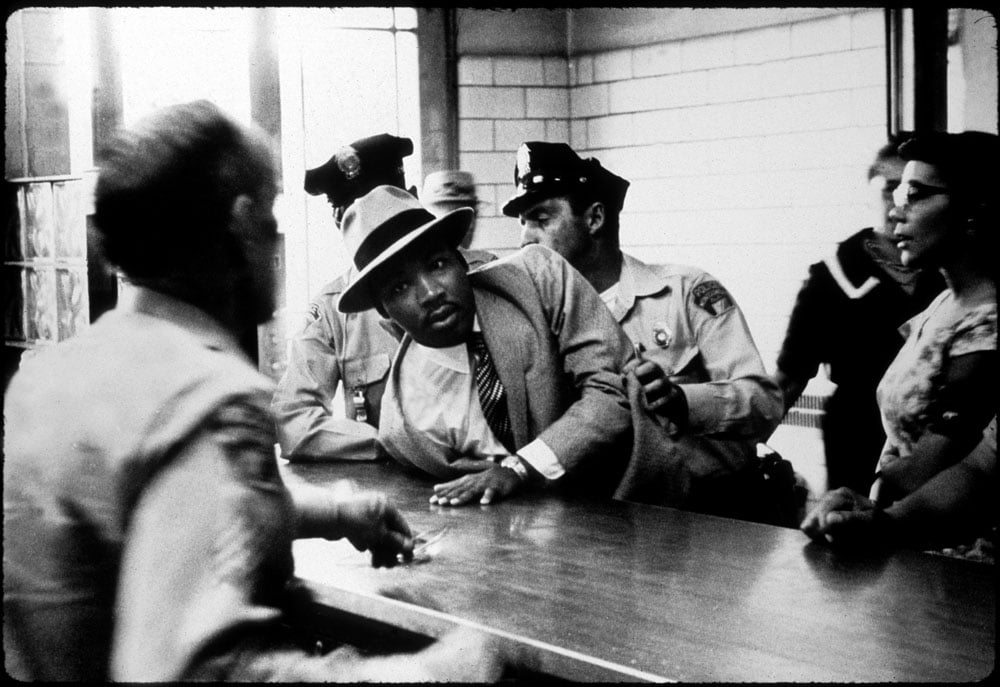
Kazu Haga February 9, 2021 Nonviolence is not simply the absence of violence, but about taking a proactive stand against violence and injustice, and working to repair the harm. Originally posted on Waging NonViolence on January 16, 2020 The following is an edited version of a chapter from Kazu Haga’s new book, “Healing Resistance: A Radically Different Response to Harm,” published with permission from Parallax Press. In Kingian Nonviolence, a philosophy developed out of the teachings of Martin Luther King Jr., there is a distinction made between nonviolence spelled with a hyphen, and nonviolence spelled without a hyphen. “Non-violence” is essentially two words: “without” “violence.” When spelled this way, it only describes the absence of violence. As long as I am “not being violent,” I am practicing non-violence. And that is the biggest misunderstanding of nonviolence that exists. I live in one of the most diverse neighborhoods in Oakland, with an equal mix of...
11-17-john-f-kennedy-ftr
Jan Oberg February 4, 2021 At a time when the intellectual level of much politics has decreased dangerously, it may be useful to remember politicians who earlier on were leaders, visionaries, intellectually alert and able to communicate their message in ways that caught the attention of wide audiences. The Transnational has many student visitors, and if you are 20-25 today you may not have had many chances to experience the mentioned qualities. So we bring you this speech to offer an opportunity to establish some comparative standard and for you to ponder the question: Why is it that politics has become so boring? Why do today’s young people not queue up to participate in their country’s political work? And why are there so few, as it seems, who have the sense of duty that JFK expressed so eloquently in his inauguration speech: “Ask not what your country can do for...
decline-and-fall-of-the-american-empire
(Photo credit: iai.tv) By Tom Engelhardt February 1, 2021 We’re now living in an age of opacity, as Rudy Giuliani pointed out in a courtroom recently. Here was the exchange: “‘In the plaintiffs’ counties, they were denied the opportunity to have an unobstructed observation and ensure opacity,’ Giuliani said. ‘I’m not quite sure I know what opacity means. It probably means you can see, right?’ “‘It means you can’t,’ said U.S. District Judge Matthew Brann. “‘Big words, your honor,’ Giuliani said.” Big words indeed! And he couldn’t have been more on the mark, whether he knew it or not. Thanks in part to him and to the president he’s represented so avidly, even as hair dye or mascara dripped down his face, we find ourselves in an era in which, to steal a biblical phrase from Swedish film director Ingmar Bergman, all of us see as if “through a glass darkly.” Originally published...
US-ChinaCoop
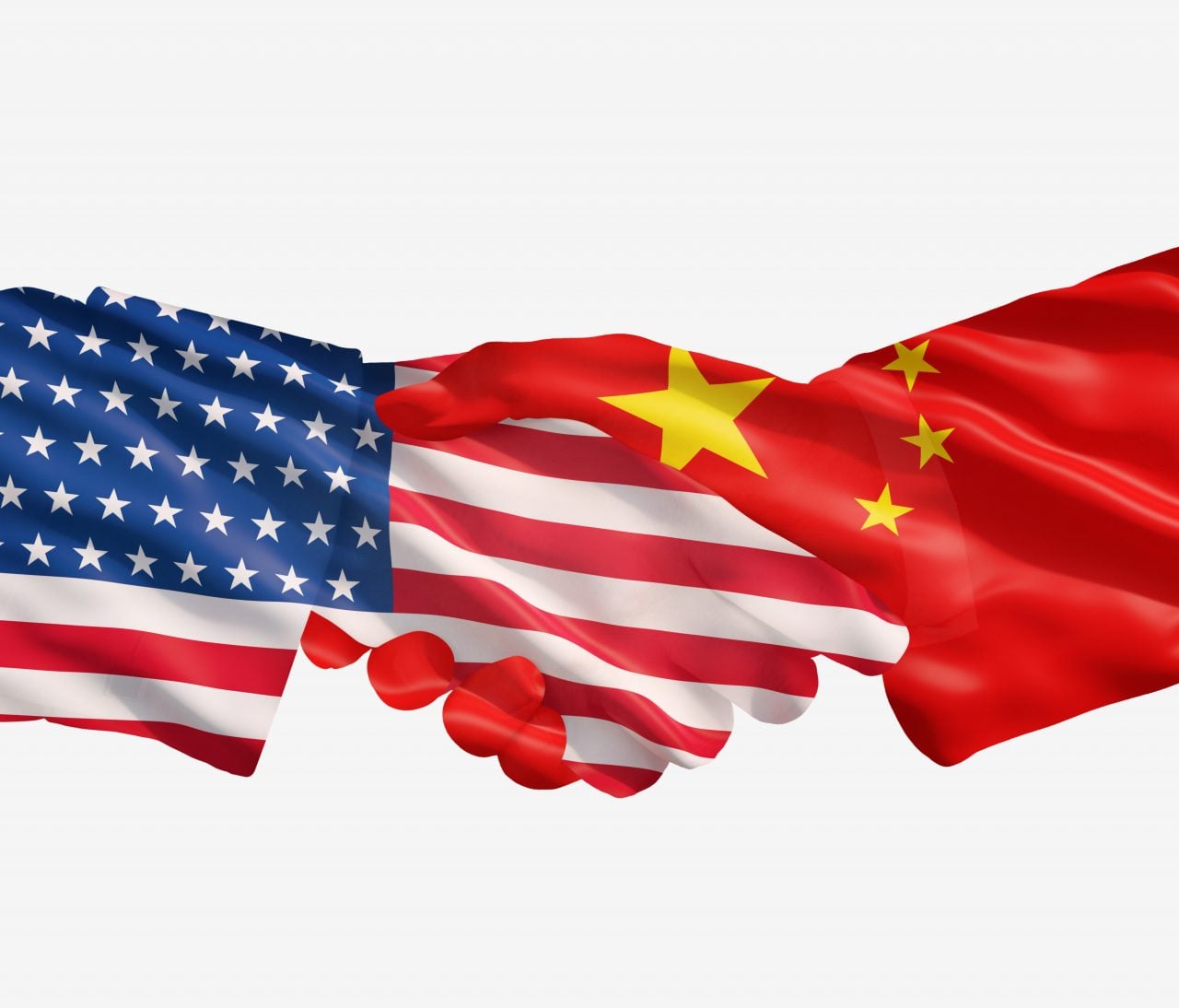
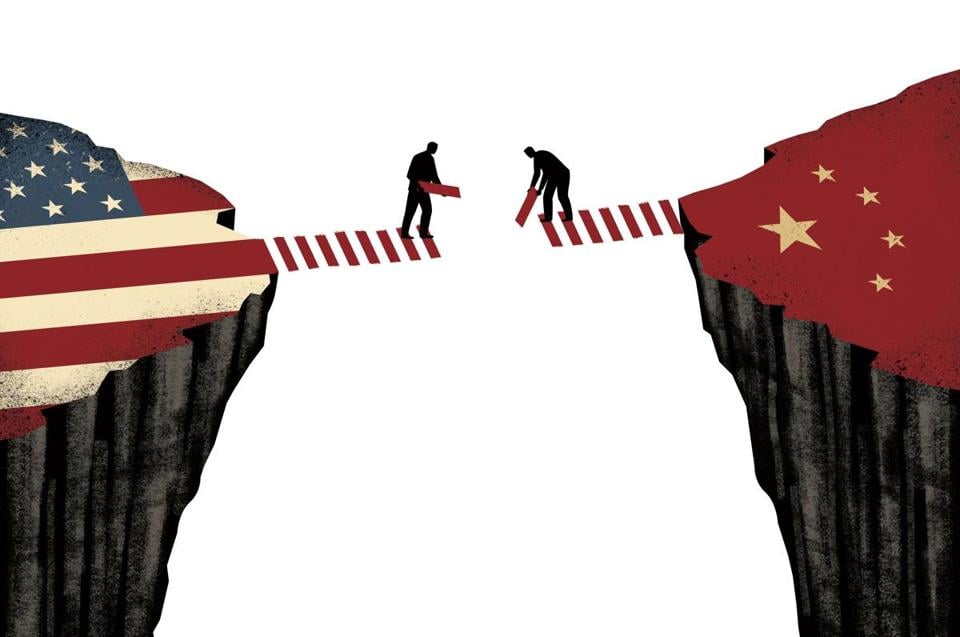
Cooperation would be much better for all, more desirable and perfectly possible. But some want confrontation. Roberto Savio February 2, 2020 It will be quite different from the Cold War with the Soviet Union… While the Coronavirus has rightly taken much of our attention, a fundamental geopolitical realignment has been taking shape in the world, and it will become clearer in 2021. The realignment is the start of a Second Cold War, which hopefully will not become a ‘hot’ war. The new Cold War will be between China and the West, but it will be quite different from the one with the Soviet Union. The world has changed significantly since 1989, the year of the fall of the Berlin Wall. Originally posted on Wall Street International, December 29, 2020 The gap between the two opposing camps is now much smaller. The Soviet Union, a military giant with little industrial development,...
Sergi-Delgado-artwork-865x577-1
Pankaj Mishra January 13, 2020 It’s time to abandon the intellectual narcissism of cold war Western liberalism. In Radical Hope: Ethics in the Face of Cultural Devastation (2006), Jonathan Lear writes of the intellectual trauma of the Crow Indians. Forced to move in the mid-nineteenth century from a nomadic to a settled existence, they catastrophically lost not only their immemorial world but also “the conceptual resources” to understand their past and present. The problem for a Crow Indian, Lear writes, wasn’t just that “my way of life has come to an end.” It was that “I no longer have the concepts with which to understand myself or the world…. I have no idea what is going on.” It is no exaggeration to say that many in the Anglo-American intelligentsia today resemble the Crow Indians, after being successively blindsided by far-right insurgencies, an uncontainable pandemic, and political revolts by disenfranchised minorities. For nearly three decades...
Xi
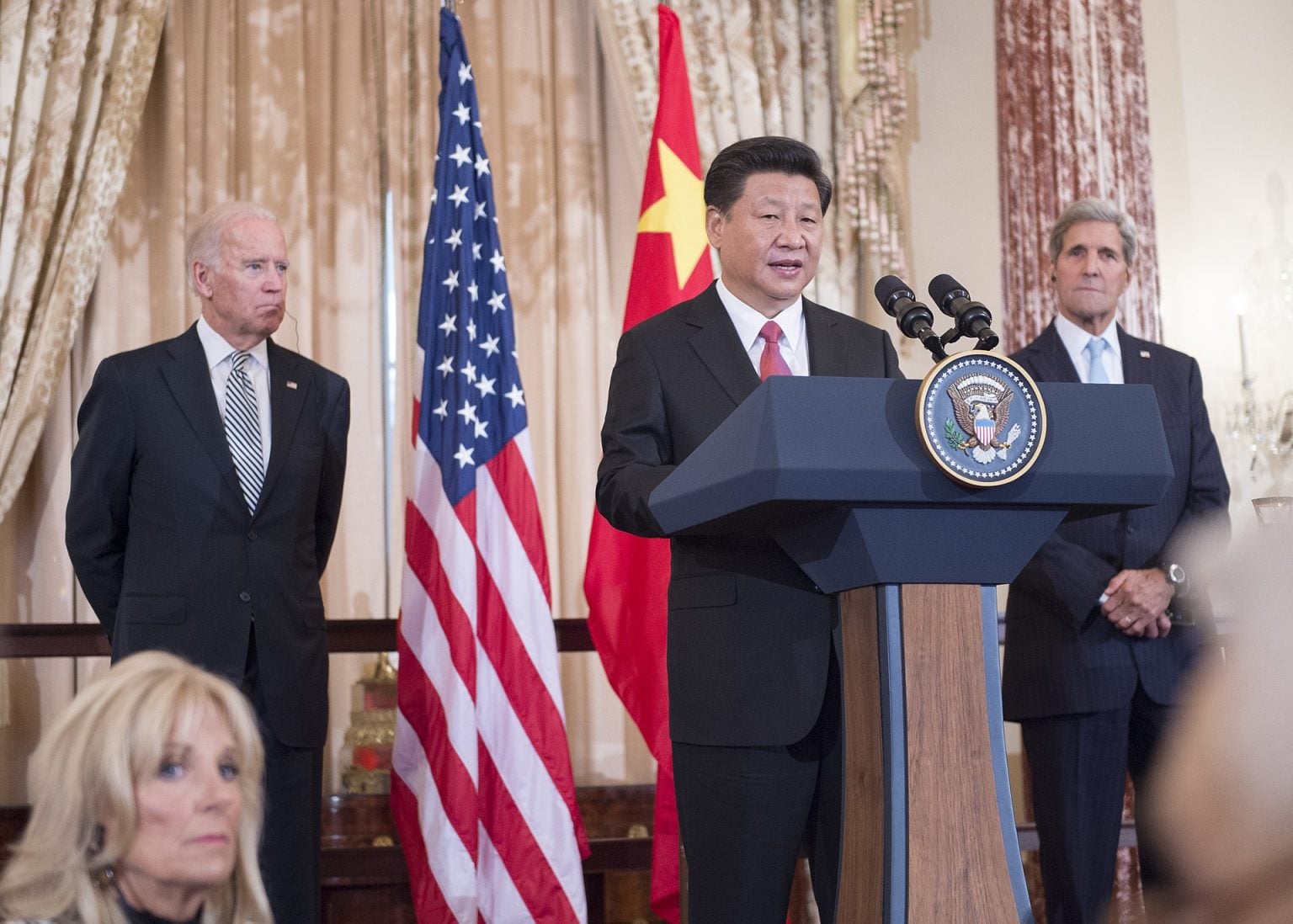
U.S. Department of State/Chinese President Xi Delivers Remarks at a State Luncheon in His Honor at the State Department December 29, 2020 Richard Hanania Across the political spectrum, there is widespread agreement that America must get serious about the threat posed by China. As the Trump administration comes to a close, the State Department has just released a document called ‘The Elements of the China Challenge’. A distillation of conventional wisdom among national security experts and government officials, it argues that the U.S. needs a concerted effort to push back against Beijing. On its first page, the document tells us that “the Chinese Communist Party (CCP) has triggered a new era of great-power competition.” If there was a major intellectual thread running through Trump’s foreign policy, or at least that of the people he appointed, it was that confronting China was the national security issue of our time. America during...
0406davideforweb
 Jeff J. Brown and Jeremy Kuzmarov 15 December, 2020 On July 4, 2020, the U.S. Navy dispatched an unprecedented two aircraft carriers and four other warships to the South China Sea for naval manoeuvres in waters claimed by China. Secretary of State Mike Pompeo subsequently broke with the official U.S. policy of neutrality in territorial conflicts in the South China Sea and declared that China’s claims to most of the Sea were “completely unlawful,” though many of the disputed territories had been part of China prior to being taken over by Japan in the 1895 Sino-Japanese War.[1] World War III nearly erupted on August 25, 2020, when a U.S. spy plane flew into Chinese air space while the People’s Liberation Army (PLA) was conducting drills.[2] Conversely, in 1963 and 1965, China shot down U2 spy planes, while capturing and imprisoning the pilots, though this time, with the international stakes much higher,...
PutinxiRou
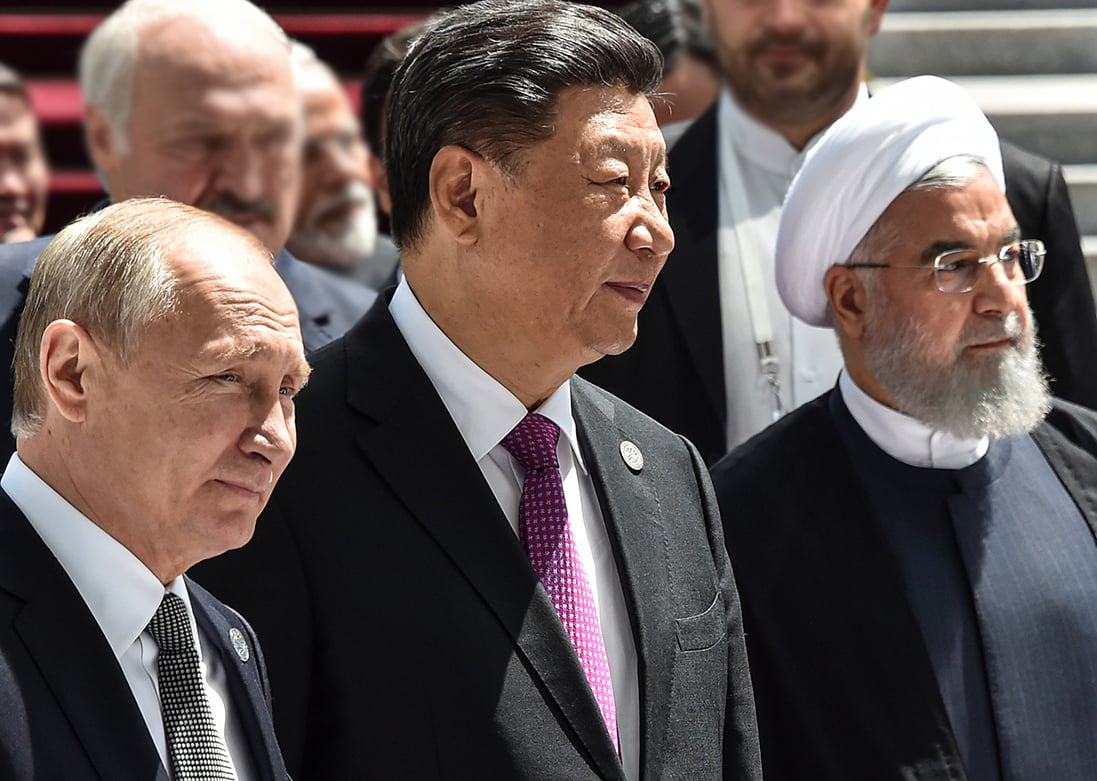
Photo credit: Flickr/ Nick Taylor By Seyed Hossein Mousavian December 12, 2020 Over the past few months, Iran  has been working with China on a sweeping long-term political, economic, and security agreement that would facilitate hundreds of billions of dollars of investments in the Iranian economy. It is also pursuing a long-term partnership with Russia. Politicians in Tehran see the agreements as a necessary means of combating U.S. hegemony and hostility. Iran’s new policy of a “Pivot to the East” involves cultivating strong economic, political, military, and security ties with the giants of the Asian continent, namely, China and Russia. This policy has gained all the more credibility among Iranian officials after the United States’ ill-advised move to withdraw from the Joint Comprehensive Plan of Action (JCPOA, colloquially known as the Iran nuclear deal) and pursue a “maximum pressure” strategy. Originally published at The Diplomat The JCPOA was an international agreement between Iran and...
Categories

Year

Author / Contributor

Region