Peace

Various aspects of and approaches to this “essentially contested” concept.

And various ways of thinking across cultures.

Stuff here is both theoretical and practical – with an emphasis on the former.

We thought that a slightly blurred image of a sunset – the far horizon – could illustrate these endeavours.

The moment we think we know exactly what peace is, it isn’t.

It’s a never-ending process … exploration.

But peace is not just the absence of war and other types of violence.

It is something essential and substantial in and of itself.

Category

Year

Author / Contributor

Region

Sort by

Showing 1-10 of 892 stories

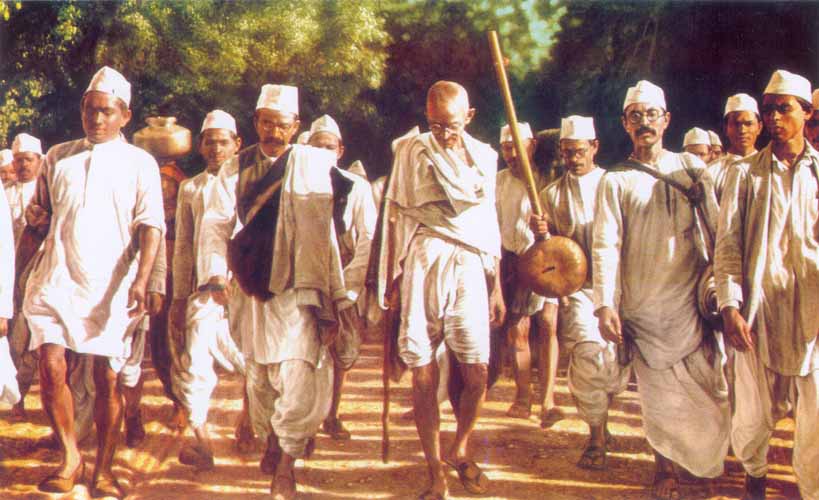
gandhi21
◪ Brian C Barnett (2019) July 9, 2025 In times of rampant militarism and denial of every type of civilian conflict-resolution method, we must speed up our public education work about all the alternatives to military non-resolution of problems. This article is an excellent point to start – or refresh your knowledge about intelligent and civilised conflict-handling. And it has, long ago, proven more effective. The problem is that today’s militarist kakistocrats want and promote war as the only solution, and do not have the intellectual or moral civil courage to see anything outside their dark boxes. This is re-posted from the excellent peace news site that you would do wise to follow if you don’t already – the Transcend Media Service, TMS, once created by Johan Galtung and edited ever since by its tireless legend, Antonio Rosas. Jan ObergTFF director Gandhis-Philosophy-of-NonviolenceDownload
Eclecticism_90cm_300dpi_1200_100dpi
Foreword The Board of The Transnational Foundation in Sweden has decided to publish an easy-to-read, scholarly anthology that addresses one of the most important – and potentially dangerous – issues of our time: Why are the political, economic, and medialised Western images of China so consistently negative – and what can you do to understand China better? These images may be expressions of a political will to present only various shades of grey and black with the aim of building a consciousness about China as an enemy and not a partner. They may also be seen as a sort of world-dominating ethos of ignorance based upon the assumption that “we’ve-got-nothing-to-learn-from-others,’ we are the teacher. Another possibility is that the West, deep down, feels that it is getting relatively weaker from a macro-historical perspective and comforts itself with denial and accusations against “the other” of being the reason for its manifest...
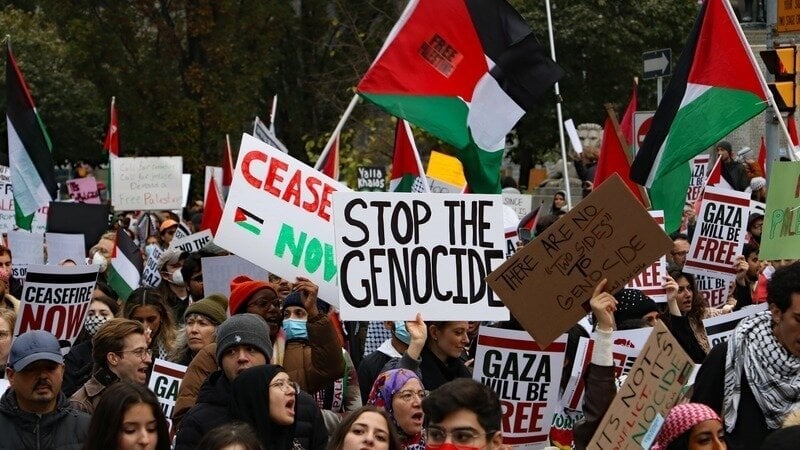
HCqqlGDnQENUewK-800x450-noPad
The Gaza People’s Tribunal, at the end of its first public assembly in Sarajevo, issued a Declaration that expresses our commitment to peace and justice for the Palestinian people in their struggle to realize their basic rights, above all their inalienable right to self-determination. We are inviting like-minded friends to read and endorse the Sarajevo Declaration and to share the link with others who might join our solidarity initiative at this critical time. Here is the link to Change.org where you can find the full text of the Declaration and endorser information.
HMOriginal-1E4590A1-C273-4402-B9D7-552C99535592
Johan Galtung (1930-2024)TFF Associate 1985 to his death June 18, 2025 Johan Galtung wrote this article in 2010, the original here. It is remarkable, bordering on the prophetic, that Galtung already suggested – in section 4 below – what closely resembles China’s and President Xi Jinping’s Belt and Road Initiative (BRI), which was launched in 2013. 1. East Asia With the current regionalization of the world where and even the biggest states will find their place, an East Asian Community of the two Chinas, the two Koreas and the three Japans (with the Ryu Kyu Islands–Okinawa–and an Ainu region both at high autonomy levels), is inevitable.  The European Community-Union got started around steel and coal, ESC; how about starting with the tricky issues, like right now Diaoyu, of the islet clusters and their economic zones in the East Asian Sea?  An East Asian Sea Authority could declare joint sovereignty, and go beyond joint...
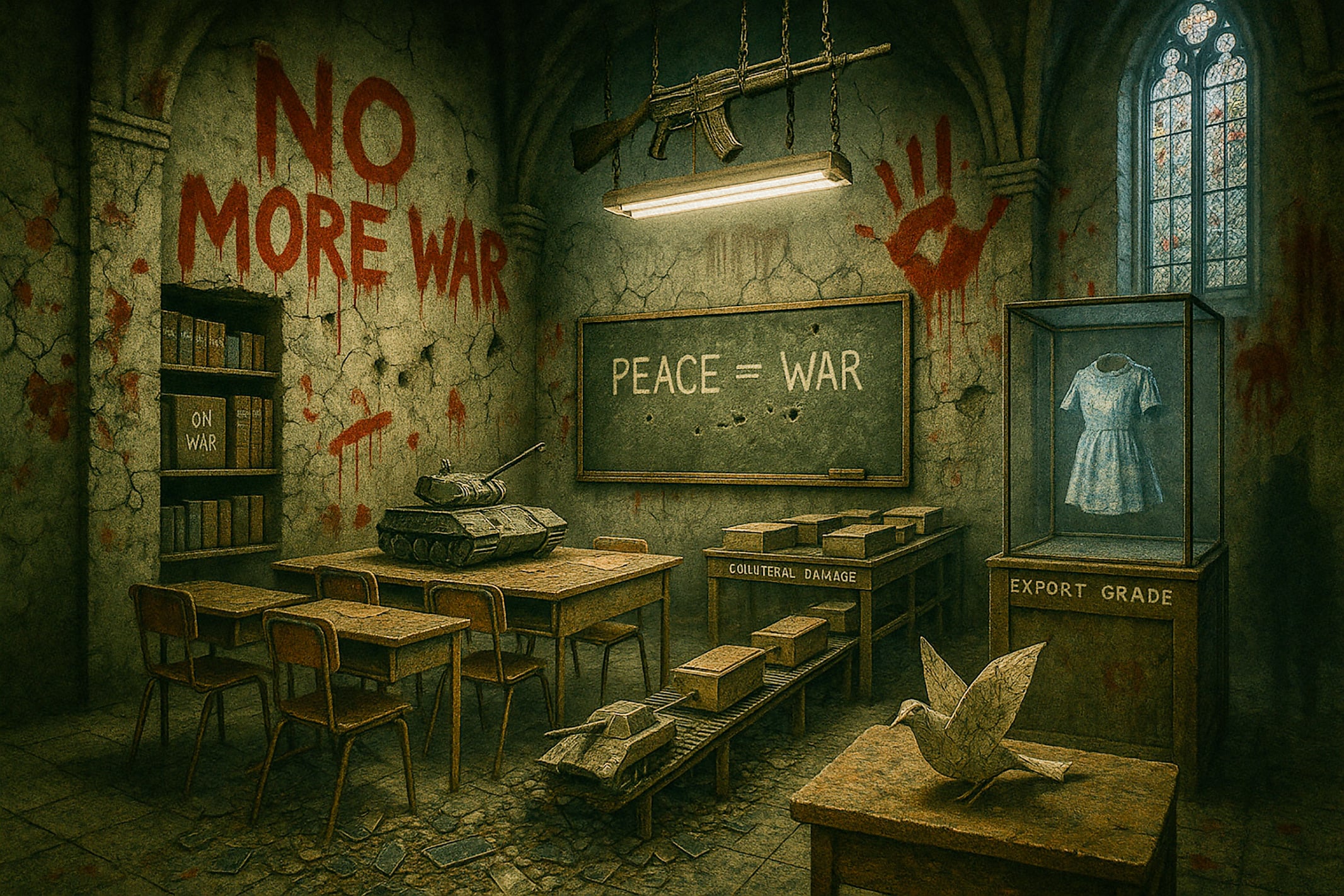
NoMoreWar
War-preparation and militarism are now the main factors that keep the West together, and will make it fall faster. The Western world has lost its consciousness, perception, and instruments of conflict analysis, resolution, peace-making, and reconciliation. They’ve been squeezed out by militarism’s kakistocrats – a political science term that means government by “the worst, least qualified, or most unscrupulous people.” Consequently, there is now a risk of more than 50% that a major war will happen in Europe. I’ve been observing silently for weeks and months now how geopolitical experts – also very qualified ones – and people who comment independently as well as in the mainstream media and many others have worked on the tacit, implicit assumption that President Trump would help create peace in Ukraine; they seem to believe that what we have witnessed has anything to do with knowledge-based, professional peace-making or would have even the slightest...
mw960367054-2JDK5jZZ430-unsplash
On the invisible codes of culture that shape our worldviews long before memory or reason. This analysis was initially published on the author’s “China21 Journal” which contains several analyses of related issues, China-Western relations and how to increase knowledge and mutual understanding. Last week, we picked up our 5-year-old son from his public kindergarten in Beijing. On the way home, he proudly recited a Tang Dynasty poem by heart — 春望 (Chūnwàng, or Spring View, 757 AD), one of the most famous and widely recited works from that vibrant dynastic era over a thousand years ago, written by the renowned poet 杜甫 (Dù Fǔ, 712–770). The poem reflects on wartime and exile — hardly light or child-friendly themes. But that’s not the point. Children (and adults) recite ancient poems not just for their content, but for their rhythm, rhyme, tone, and the cultural feeling embedded in them. This is how cultural programming begins: not through rules or explanations,...
ab283fae-bc08-419e-bc71-6197099a085d_1024x457
TFF board member If we’re being honest, with few exceptions, most of us have stopped counting the days since the genocide in Gaza began. We’ve also lost track of the death toll—especially the number of children. We can offer excuses: being overwhelmed with our personal and professional lives, the sheer intensity and frequency of global crises (Ukraine, trade wars, or the unbearable ease with which Trump is reshaping the world in his own image). But the truth is, sporadic mass protests in some Western cities, citizen petitions, intellectuals’ appeals, and podcast appearances do little to change the reality—or rather, the nightmare—of the people in Palestine. You’ll often read a post saying that eight billion people condemn the genocide that keeps going and going, seemingly with no end in sight. We blame ourselves for our helplessness, our despair, and our rage—at least those of us who refuse to forget the images...
freepik__primitive-violent-caveman__10528
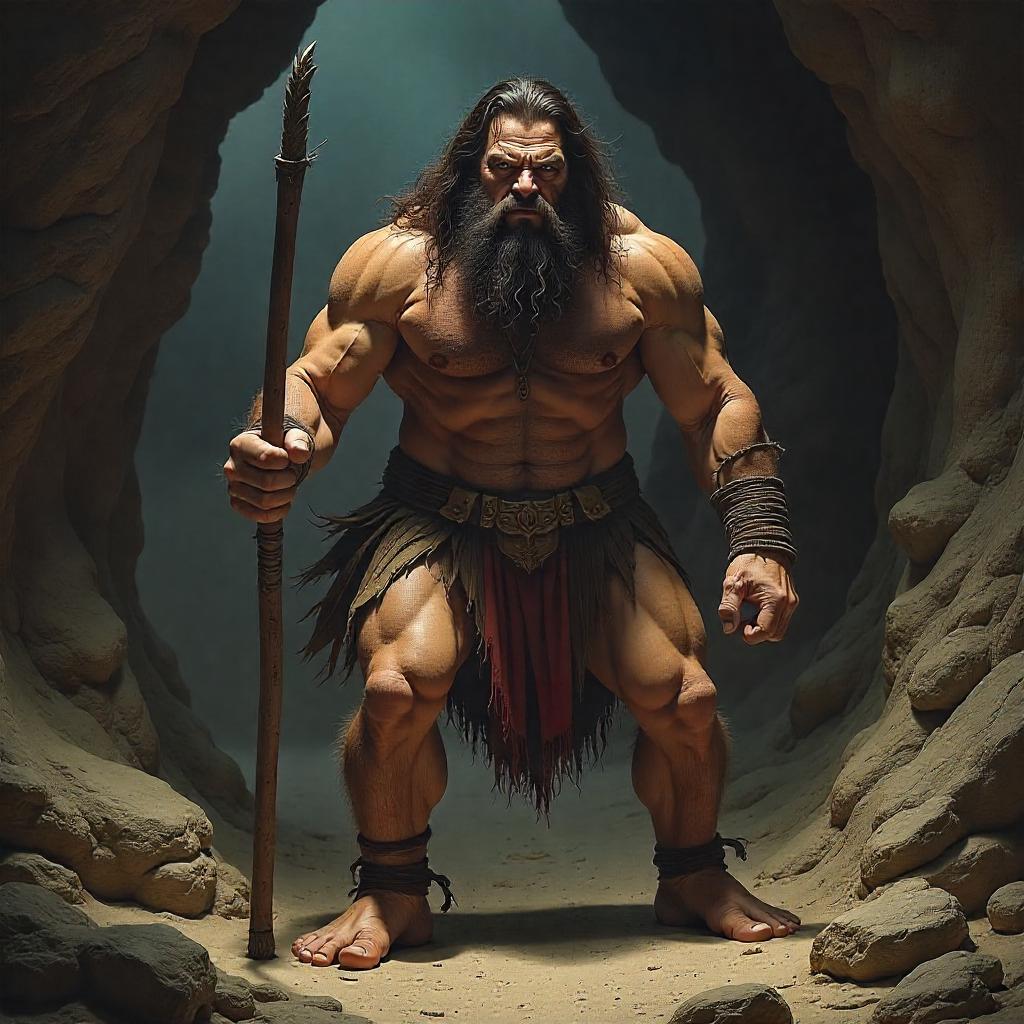
AI generated imagine on Freepik A 2-minute “appetiser” for an extended interview by China’s CGTN. More to come!
ioana-cristiana-0V62GGFqsPc-unsplash
A new, innovative, and visionary anthology about the world that is unfolding behind the doom and gloom that the media and politicians try to foist on you. It’s edited by Bijana Vankovska, Richard Sakwa, Weiwei Zhang and Toni Mileski and obviously provocative in the eyes of some (lesser minds). Preface “This volume is the outcome of what might seem, at first glance, to be an ordinary academic conference. Cooperative Multipolar System: In Quest of a New World Order was held on October 3–4, 2024, organized by the Global Changes Center (GCC), the youngest research center at the Faculty of Philosophy. Тhe Chamber of Emigrants from Macedonia eventually joined as a supporting institution, following a formal agreement with the Faculty. Yet, this gathering was far from conventional. It was designed as an intellectual intervention to engage with the evolving global order and challenge the one-dimensional narratives that dominate academic and political...
SIPRIFront
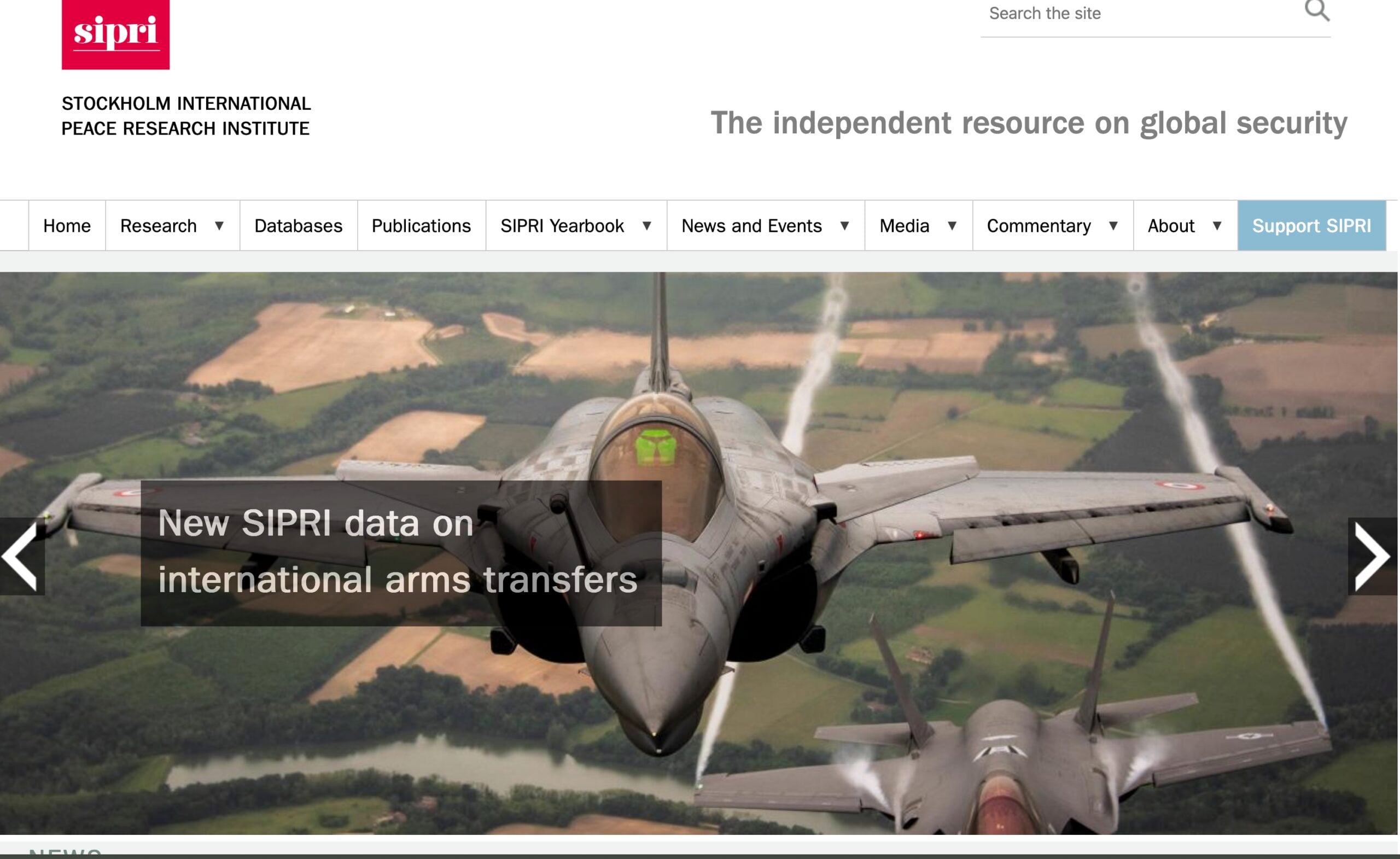
Naturally, nobody cares about that fraud in today’s Sweden. Jan Oberg April 15, 2025 SIPRI is the Stockholm International Peace Research Institute, established in 1966. Read about it here and see how it has twisted its aims to not include the words ‘peace research.’ Because here is what it should do according to § 2 of its statutes: “…to conduct scientific research on questions of conflict and cooperation of importance for international peace and security, with the aim of contributing to an understanding of the conditions for peaceful solutions of interstate conflicts and for stable peace. (My italics). The rather low intellectual level is indicated by the statement that “SIPRI’s vision is a world in which sources of insecurity are identified and understood, conflicts are prevented or resolved, and peace is sustained.” Sources of insecurity shall not be removed, they shall only be identified and understood. Conflicts shall be ‘prevented’...
Eclecticism_90cm_300dpi_1200_100dpi
Wang Yuewei(王玥玮) March 24, 2025 This is a chapter in a TFF anthology in the making “If You Want To Understand China.” Foreword, Introduction, Authors and Table of Content here. How to treat others is a core issue in a nation’s foreign policy and a direct reflection of its moral tradition. Throughout history, the performance of Western civilizations and Chinese civilization has been different. When it comes to dealing with others, China insists on pacifism and coexistence, whereas the West adopts expansionism and interventionism. Pacifism and expansionism are neither inherently good nor bad; each has its own achievements and losses. Pacifist China did not launch bloody colonial conquests despite its strength, but its conservative stance caused it to miss the Industrial Revolution. The expansionist West, through both violence and peace, spread modern technology and systems globally, but this often resulted in slaughter, plunder, and sometimes genocide in the colonies. National...
Eclecticism_90cm_300dpi_1200_100dpi
This is a chapter in a TFF anthology in the making “If You Want To Understand China.” Foreword, Introduction, Authors and Table of Content here. Cultural bias Before looking at concrete patterns of manipulation, it is necessary to point at the cultural bias that is partly driving the manipulation. Not only the regulations and protocols of most international organizations like the UN, WTO, NATO, etc., are culturally biased, the very idea of a ‘rules-based world’ as the ultimate goal of humanity is rooted in Western cultural values that are not supported by most non-Western nations. In fact, the basic idea behind TFF’s Smokescreen Report cannot be fully understood without taking the cultural bias into account. Dimensions of culture This section uses the 7-Dimension (7-D) model of national culture developed by Fons Trompenaars and Charles Hampden-Turner. These two management consultants identified the seven dimensions of culture, and the model was published...
Categories

Year

Author / Contributor

Region