Peace

Various aspects of and approaches to this “essentially contested” concept.

And various ways of thinking across cultures.

Stuff here is both theoretical and practical – with an emphasis on the former.

We thought that a slightly blurred image of a sunset – the far horizon – could illustrate these endeavours.

The moment we think we know exactly what peace is, it isn’t.

It’s a never-ending process … exploration.

But peace is not just the absence of war and other types of violence.

It is something essential and substantial in and of itself.

Category

Year

Author / Contributor

Region

Sort by

Showing 1-10 of 889 stories

martin-luther-king-jr-ftr
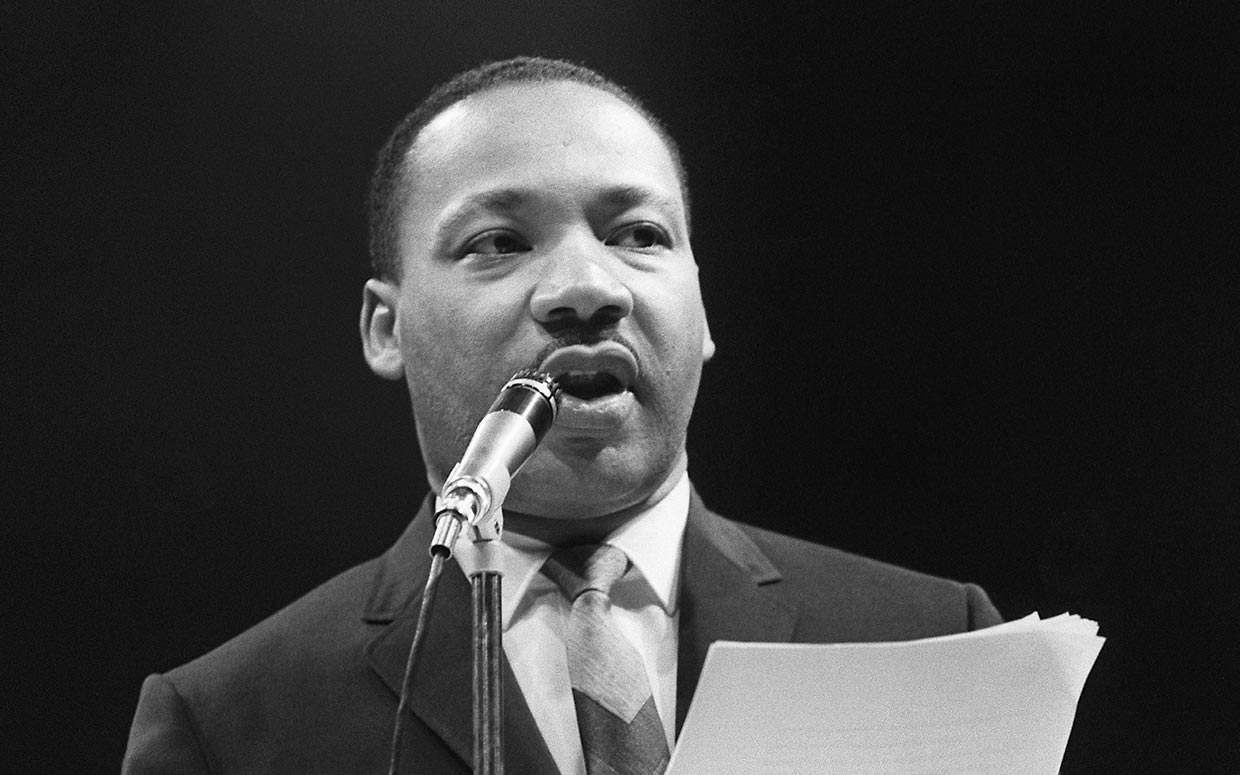
By Eric Mann May 5, 2020 Every year, until The Revolution comes again, the counter-revolution manipulates the historic birthday of Dr Martin Luther King, that so many people fought for, as their symbol of Black “integration” into imperialism and “non-violent” acquiescence to, at best, Barack Obama’s cynical negation of his dream. As Donald Trump has just assassinated Iranian General Quassem Soleimani – with Democratic Party token opposition at best and acquiescence at worse, Dr King reminds us that “the United States, my government, is the greatest purveyor violence in the world.” As Bernie Sanders and Elizabeth Warren squabble for position and too often, reduce the meaning of life to a barren economic populism, Dr King reminds us that U.S. society is a moral disgrace and we need a revolutionary movement to challenge its “racism, militarism, poverty, and materialism.” His thoughts offer Democrats and the Movement a challenge. There is an...
Screenshot
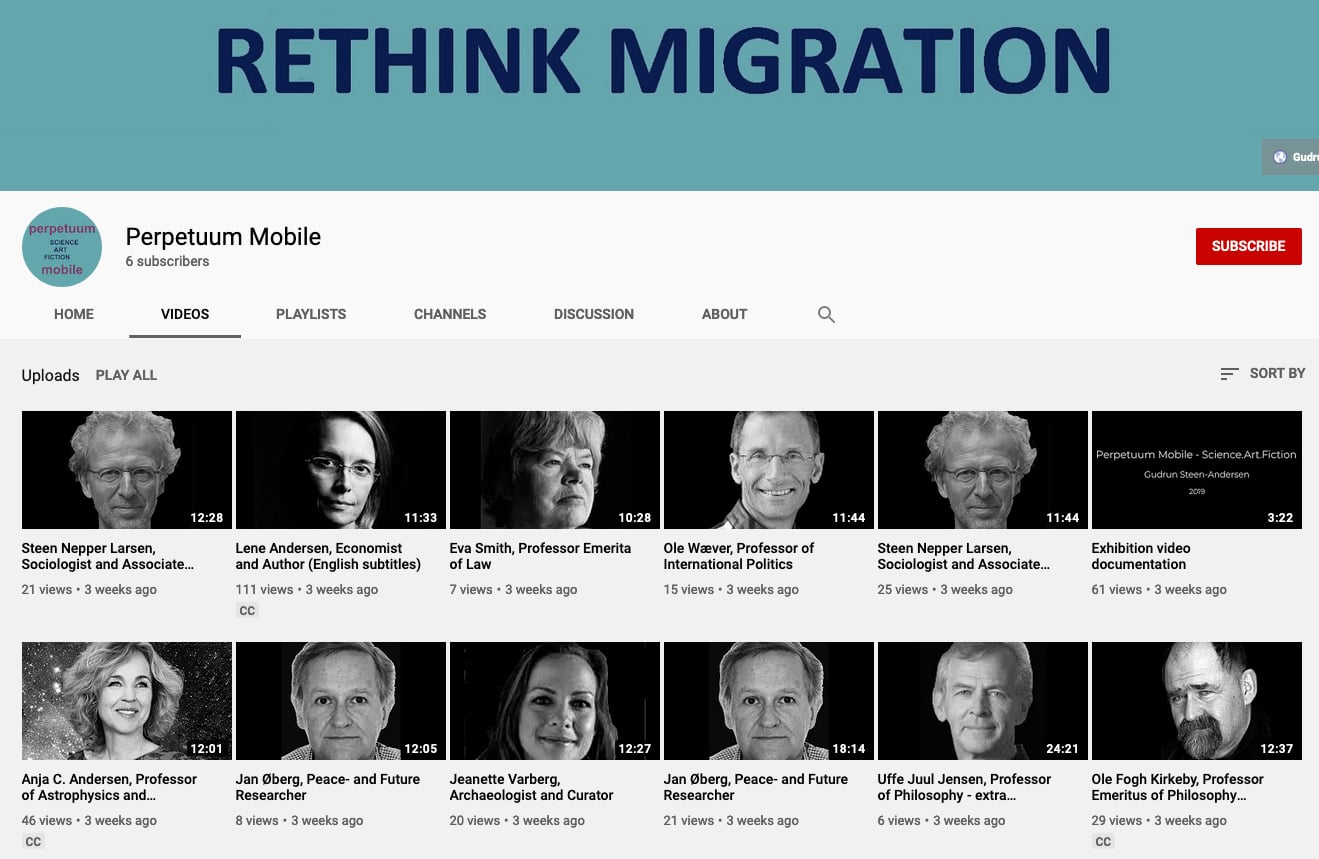
Jan Oberg April 30, 2020 Last year, the Danish artist Gudrun Steen-Andersen created a multimedia installation under the theme: “Perpetuum Mobile – What Would Happen If Migration Was Free Worldwide?” Naturally, it is a thought experiment – not the least in these times of multi-crisis where nationalism, xenophobia, populism and the building of walls seem to have emerged as just another – political – virus way before the Coronavirus. The Danish-language version was made in 2019 and in March this year, we repeated – more or less, that is – the video lectures in English. It was about the time when the Coronavirus had just begun its race to the top of the global agenda. You’ll find them all the videos here or click on this: Steen-Andersen’s heuristic intention – somewhat in the tradition of the great future-thinker Robert Jungk’s future workshop – was realized through her own amazing installation...
un-united-nations-e1494375595426
Stephen Schlesinger April 07, 2020 Sir Brian Urquhart celebrated his 100th birthday in 2019. This is an eventful moment. Sir Brian is one of the most notable figures in the history of the United Nations. Urquhart has spent most of his entire life in service to the UN and, in his tenure, embodied the very narrative of the institution from its inception. Urquhart served from the opening session of the UN in the fall of 1945 until he stepped down in 1986, just as the Cold War neared its end. His 40-year sojourn in the UN was a time of great fear and great upheaval – with the threat of atomic war hanging over humankind, extreme tensions between Communist nations and democratic ones, a series of conflicts risking mayhem around the world, the decolonization of the planet, the enlargement of the UN’s membership and the UN’s wholesale expansion into new...
pic-from-ecohustler-1080x675-1
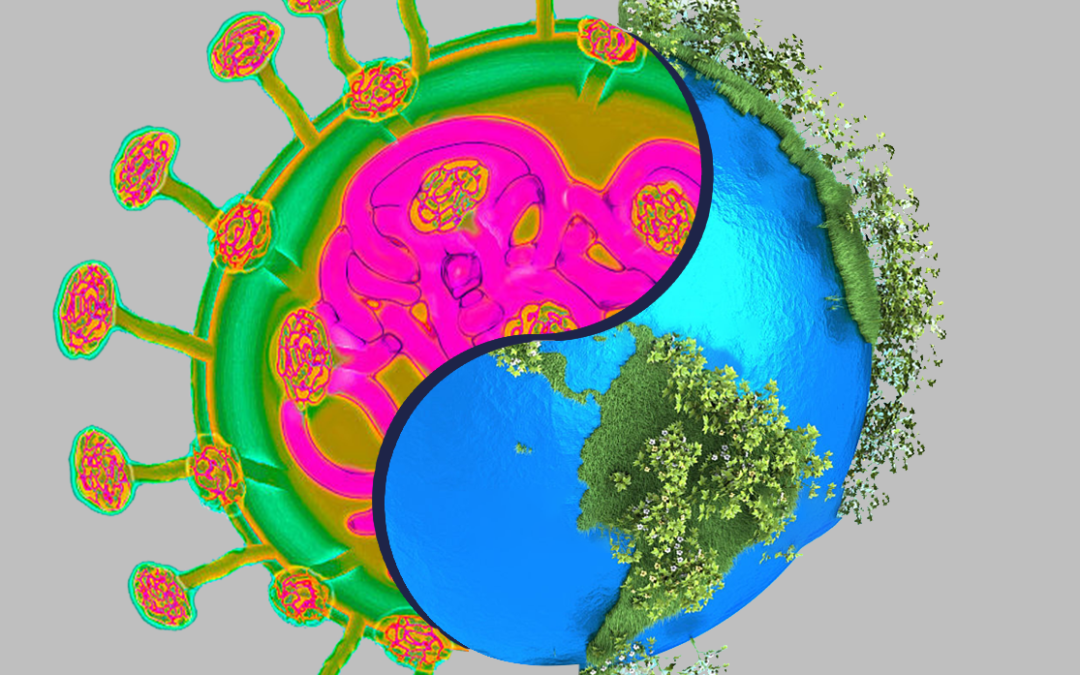
Imagine, it is the year 2050 and we are looking back to the origin and evolution of the coronavirus pandemic over the last three decades.  Extrapolating from recent events, we offer the following scenario for such a view from the future. As we move into the second half of our twenty-first century, we can finally make sense of the origin and impact of the coronavirus that struck the world in 2020 from an evolutionary systemic perspective. Today, in 2050, looking back on the past 40 turbulent years on our home planet, it seems obvious that the Earth had taken charge of teaching our human family. Our planet taught us the primacy of understanding of our situation in terms of whole systems, identified by some far-sighted thinkers as far back as the mid-nineteenth century.  This widening human awareness revealed how the planet actually functions, its living biosphere systemically powered by the...
Ina_feathers_1_855_cropped-kopia
… and for artists to contribute to it … Have you often seen conflicts – big or small – escalate out of control? What do you do when it happens? Do you know how to intervene and de-escalate it again? Do you want more peace in your everyday life? A more peaceful world? Of course, you do! So let’s create something that works with children and adults together. Imagine Creatively is my homepage. It’s a storytelling-for-peace platform. I’m an academic with an MA in peace studies; I have taught courses and written several books before, and I have two children. I’m into both theory and practise. I know what works. You can trust me! It will be another bedtime story for children and a waking up story for parents and adults. I imagine it creatively as a constructive follow-on to the world-renown “Butter Battle Book” of the much endeared Dr...
ChatGPT Image 9 jun 2026, 11_11_33
Julian Assange of Wikileaks languishes in a British jail during a too-long wait for a court to decide if he can be extradicted to the US where the government has made clear that it wants to put him on trial on charges that could land him in prison for the rest of his life, even though President Donald Trump was happy to quote from Wikileaks research on his opponent, Hillary Clinton, during his campaign for president. “I love Wikileaks”, he said. The British and to a lesser extent the US press have done a poor job in uncovering state secrets in their country’s foreign policy until The Guardian and The New York Times linked up with Assange to publish his most damning revelations. And now after a long winding series of events Assange is being punished by a type of confinement that persuaded Nils Melzer, the UN’s rapporteur on torture,...
gospe-for-americans
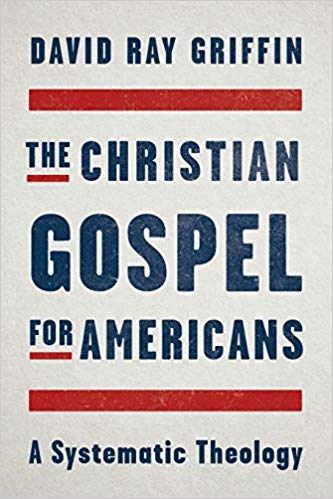
March 26, 2020 By Edward Curtin A Review There are very few writers who have done more to try to open the public’s mind to the evil nature of the American empire than David Ray Griffin.  His series of books on the false flag attacks of September 11, 2001, will endure for a long time, and they will one day when it is safe to do so, be recognized as seminal texts exposing the traitorous conspiracy of elements within the United States’ government to launch the endless so-called war on terror.  That many now know, and many more will, that those so-called “terrorist” attacks were carried out by terrorists in the highest reach of the U.S. government will be due to his extraordinary work. What many do not know is that David Ray Griffin is a Christian theologian with impeccable credentials and a scholarly oeuvre of dozens of theological books....
internationallaw_ShenukaCorea
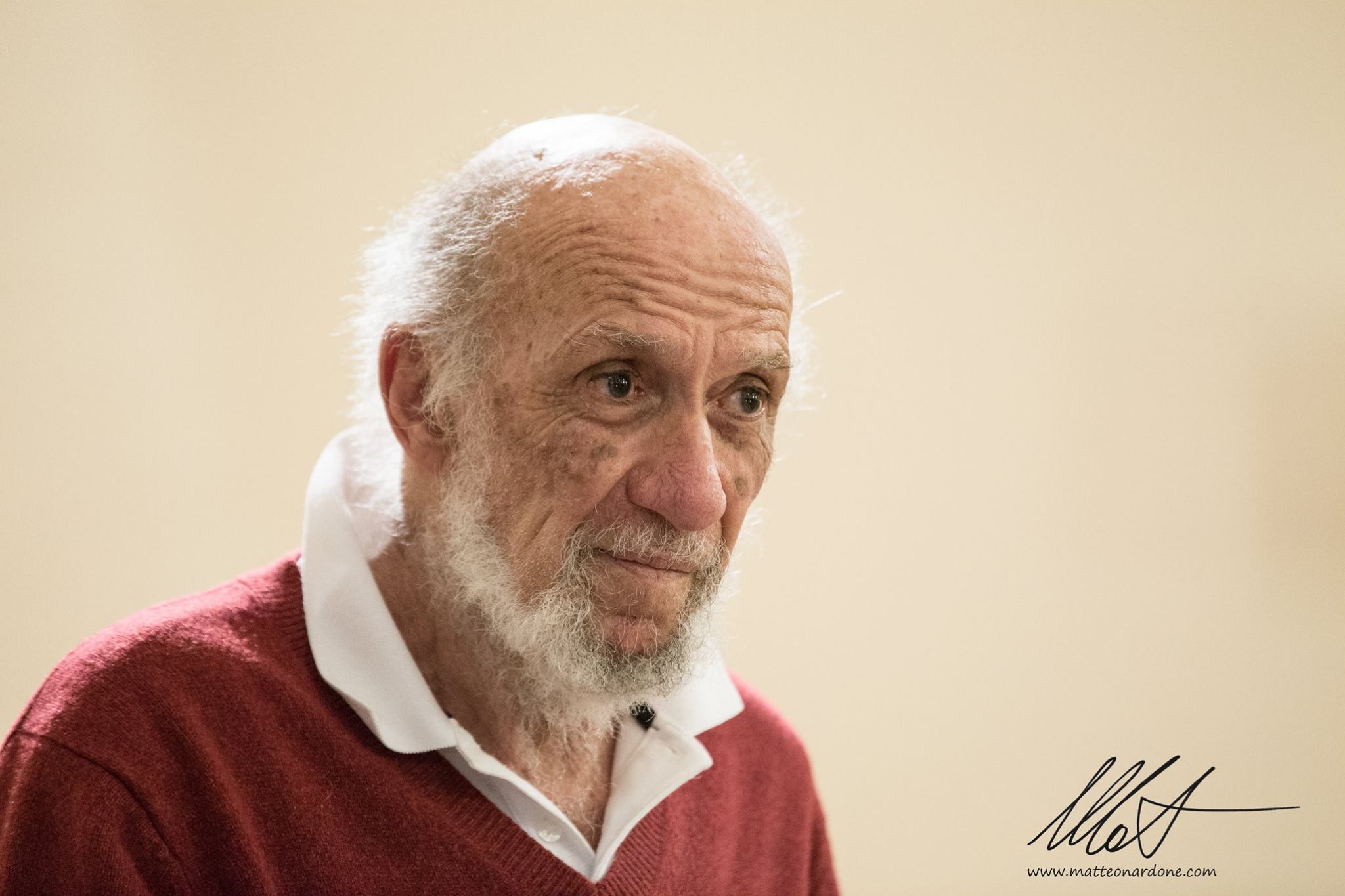
Illustration by Shenuka Corea By Richard Falk, TFF Associate March 12, 2020 Prefatory Note International law – as so much else of value – has fallen on hard times, violated and ignored, where applicable and needed. Although this is a deplorable state of affairs as the planet burns and vulnerable people suffer from ecological hazards and predatory geopolitics, it is the time to heighten struggle, and not sit home in despair. This essay in a slightly modified form was written at the request of Fikir Turu, an online source of commentary operating from Turkey, and published in Turkish. An English version was also published in Transcend Media Service, TMS, 17 February 2020. Published at Richard Falk’s personal blog  Respecting International Law: A Practical Argument International law disappoints in so many ways, making it easy to overlook why, despite its flaws, it remains valuable and indeed vital for human wellbeing. I put here...
RichardFalk
By Richard Falk, TFF Associate March 16, 2020 Prefatory Note This post is something new for me, an autobiographical fragment written at the request of an online listserv as a suggestive model for academics at the start of their careers as diplomatic historians. I publish it here on my blog. It was found unsuitable for publication by the group that made the initial solicitation for unspecified reasons. Maybe because my work and career were not relevant to the scholarly life of a diplomatic historian, maybe because I seemed too flaky professionally to serve as a heuristic model, maybe because what I wrote risked an angry reaction from those who have weaponized anti-Semitism as (mis)defined by the IHRA definition, maybe because…a hundred other good reasons, including what was most plausible, least paranoid, that I was in a different lane when it came to a scholarly career, making my condensed narrative a...
erdo.paint_
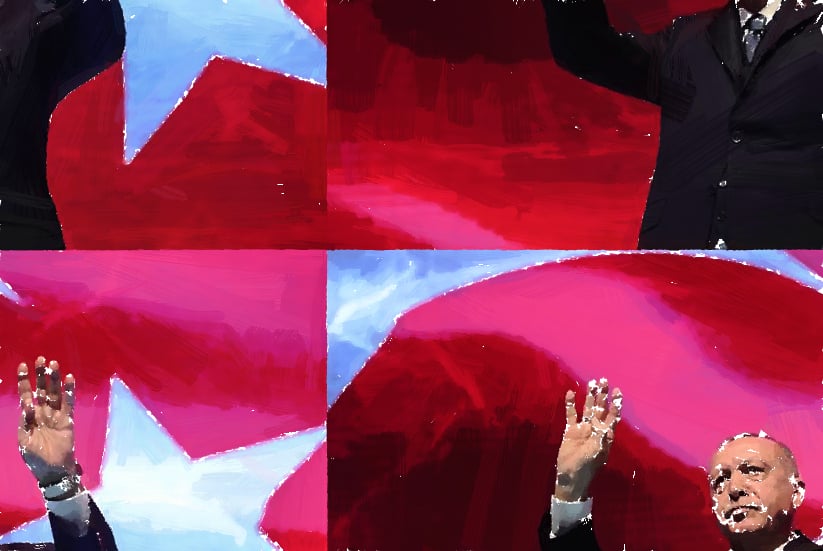
PhotoPainting by the author Diagnosis, prognosis and treatment in the light of Turkey’s invasion and the risk of a larger catastrophic war. By Jan Oberg March 7, 2020 Diagnosis The world looked at the violence but didn’t have the capacity to analyze the underlying conflicts in and around Syria. For sure, it is a civil war but, to a much larger extent, it is an international regime-change war. In 2006 William Roebuck, US chargé d’affaires in Damascus, advocated that US policy should focus on destabilizing the Syrian government and al-Assad. At a meeting in Marrakech on December 12, 2012, lots of countries under Western leadership – perversely calling themselves Friends of Syria on the initiative of French President Sarkozy – decided to oust President Assad by decree and establish a National Council which, from then on, was supposed to be the only legitimate Syrian governing body and representative of the...
mills-1
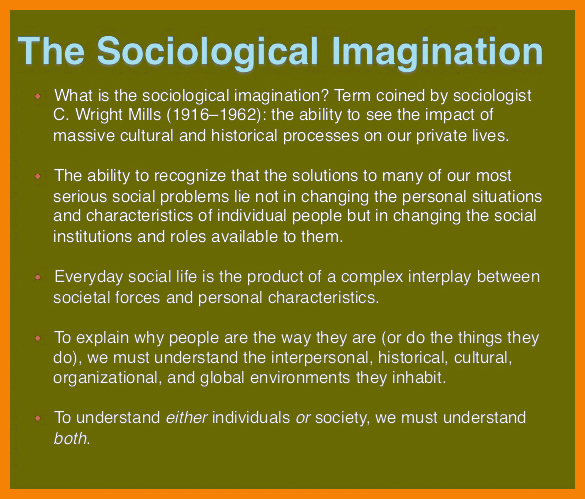
Bits of the sociological imagination at work By Jan Oberg March 5, 2020 Researchers are citizens too – some with a sociological imagination Like everybody else, social scientists are citizens. We live a private life and a professional life and there is a tradition-based rule of thumb that the two should be kept apart in writing – like: ”Oh, the things I experience in my private sphere are just small issues that probably only I have encountered; my scattered everyday observations are not interesting or “scientific” so I ought not bother others with them.” But wait! Isn’t it part of a social scientist’s writing to be concrete, build on empirical facts and observations? To tell how it really is also on the micro-level – also when s/he does not attempt to develop big explanatory theories around such unsystematic observations or try to prove something empirically? Isn’t it important to observe...
mediamoguls
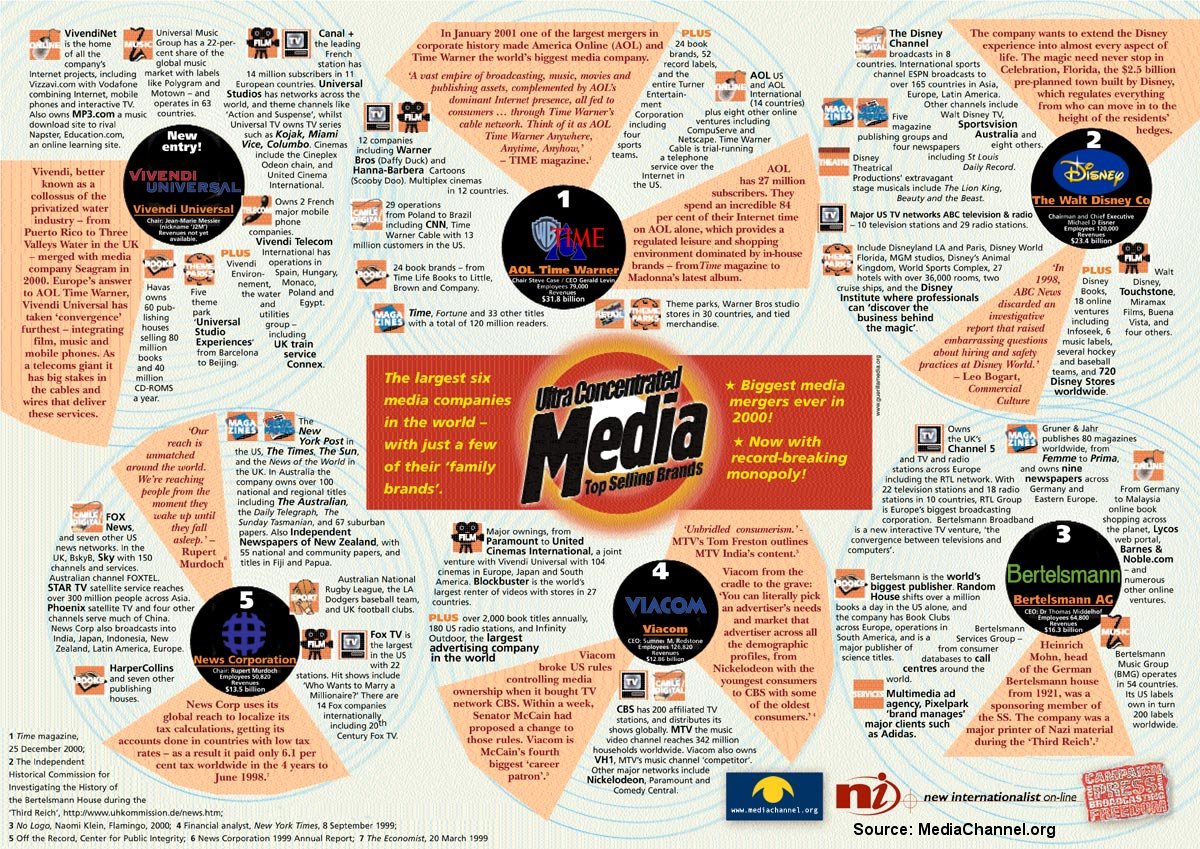
By Johan Galtung March 3, 2020 Some 50 years ago I had been puzzled so much by two problems in connection with foreign news that I decided to do some research on reporting – Cuba, Cyprus, Congo – published first time in January 1963.(*) The first problem was empirical: how do events become news?  There are enormities of events happening, at any point of observation, by professional journalists, foreign correspondents or not: how come that some are elevated to the level of news?  What is news anyhow? The second problem was more normative: why this predilection for negative news, something bad – to somebody – happening?  Why, but then also why not?  You are driving on a road and the flash on the radio “there is a boulder blocking the road around the next sharp turn” matters more than “the road ahead is curvy but smooth”.  The positive and the...
Categories

Year

Author / Contributor

Region