World future

Category

Year

Author / Contributor

Region

Sort by

Showing 1-10 of 193 stories

a1b62101-68d3-4692-b219-f8f4b8228226
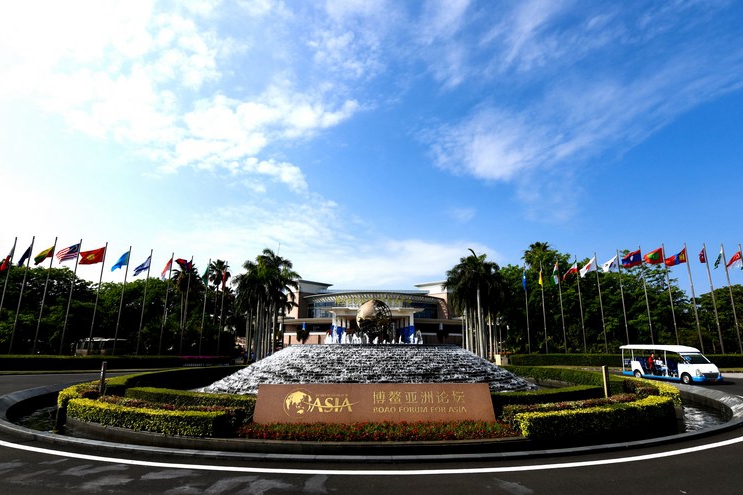
Photo taken on April 17, 2021 shows the Boao Forum for Asia International Conference Center in Boao Town, South China’s Hainan province. [Photo/Xinhua] Tom Fowdy April 28, 2021 At the Boao Forum for Asia, a regional summit for government, business and academia typically hosted in Hainan province, China said that it does not seek hegemony and that it does not strive to displace the United States, only seeking fairness and justice in the international system. This came amid the Western mainstream media repeatedly framing Washington and Beijing as being in a competition for global dominance. Unfortunately, this view is shared by many politicians in the United States increasingly depicting China as a threat and a strategic competitor – espousing the language of the Cold War. Originally published at china.org.cn What is hegemony? In international relations, a hegemon is a state that wields so much undisputed power that has almost complete...
FreeComposition_1_1200_100dpi
En kritisk analys av en rapport från Newlines Institute och Raoul Wallenberg Center Gordon Dumoulin, Jan Oberg och Thore Vestby Transnationella Stiftelsen för Freds- och Framtidsforskning, TFF, Lund, Sverige TFF@transnational.org • The Transnational • Ph +46 (0) 738 525200 Översättning av engelska utgåvan: Rolf Nilsson Den 5. maj, 2021 Den 8 mars 2021 publicerade Newlines Institute for Strategy and Policy i Washington en rapport, The Uyghur Genocide: An Examination of China’s Breaches of the 1948 Genocide Convention i samarbete med Raoul Wallenberg Centre for Human Rights i Montreal. Den säger att ”Denna rapport är den första oberoende experttillämpningen av folkmordskonventionen från 1948 för den pågående behandlingen av uigurerna i Kina. Det genomfördes av Newlines Institute for Strategy and Policy, i samarbete med Raoul Wallenberg Center for Human Rights, som svar på framväxande redogörelser för allvarliga och systematiska grymheter i Xinjiang-provinsen, särskilt riktade mot uigurerna, en etnisk minoritet, för att fastställa...
PutinJinping
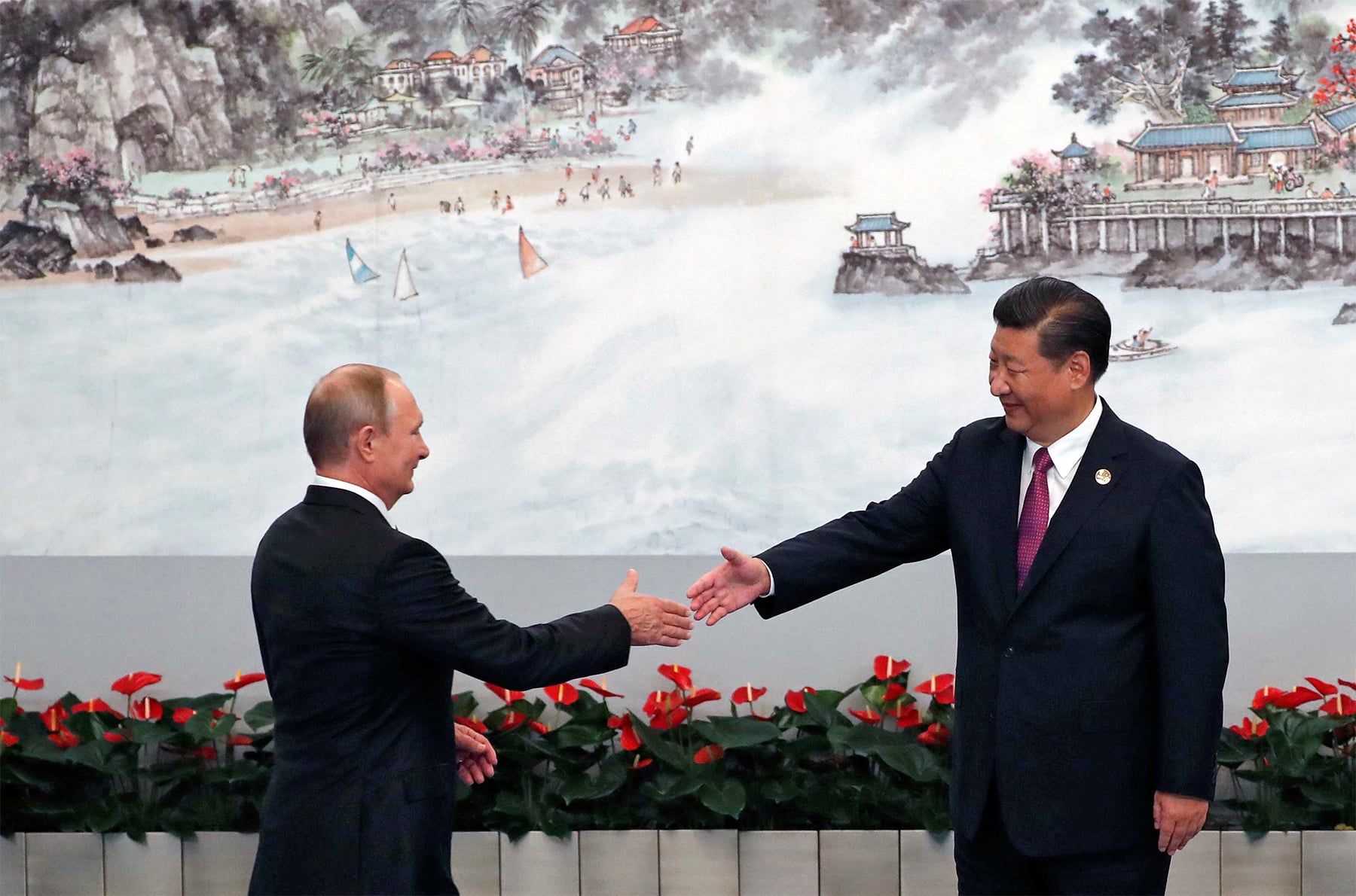
In separate incidents, Moscow and Beijing sent a strong message that they will not tolerate being told what to do or how to behave Tony Kevin April 26, 2021 The past week has marked a watershed moment in Russia’s relations with the West – and the US in particular. In two dramatic, televised moments, US President Joe Biden and Russian President Vladimir Putin changed the dynamics between their countries, perhaps irrevocably. Originally posted on Asia Times on March 26, 2021 Most commentators in the West have focused on Putin’s “trolling” of Biden by dryly – though, according to Putin, unironically – wishing his American counterpart “good health.” This, of course, came after Biden called Putin a “killer.” But a more careful and complete reading of Putin’s message to the US is necessary to understand how a Russian leader is, finally, ready to tell the US: Do not judge us by...
BaldwinMead
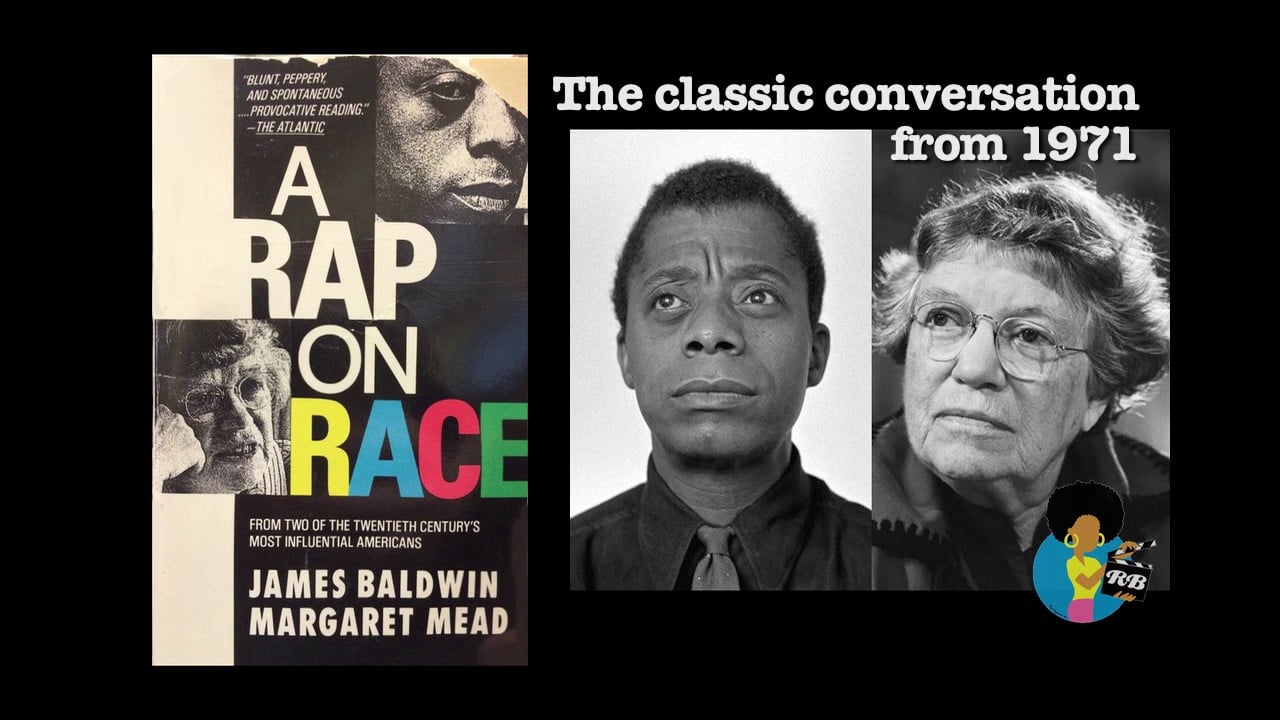
“We’ve got to be as clear-headed about human beings as possible because we are still each other’s only hope.” Maria Popova April 23, 2020 NOTE: This is the first installment in a multi-part series covering Mead and Baldwin’s historic conversation. Part 2 focuses on identity, race, and the immigrant experience; part 3 on changing one’s destiny; part 4 on reimagining democracy for a post-consumerist culture. On the evening of August 25, 1970, Margaret Mead (December 16, 1901–November 15, 1978) and James Baldwin (August 2, 1924–December 1, 1987) sat together on a stage in New York City for a remarkable public conversation about such enduring concerns as identity, power and privilege, race and gender, beauty, religion, justice, and the relationship between the intellect and the imagination. By that point, Baldwin, forty-six and living in Paris, was arguably the world’s most famous living poet, and an enormously influential voice in the civil rights dialogue; Mead, who was about to turn seventy, had become...

The-future-is-now
Photo credit: wsimag.com Ellyn Kaschak April 16, 2021 It is definitely nothing that has come before All of us alive on the planet today are part of the most significant transition in centuries, whether we know it or not, whether it has touched us lightly or heavily and whether we choose to be or not. Not since the Industrial Revolution has such a total and radical social upheaval occurred. As with most major cultural shifts, this one follows a technological innovation of which we are all aware and that is the invention of the Internet along with its ready accessibility on a handheld ubiquitous device. Originally published at World Street International This dependence on technology to spur social change has been the case perhaps since the first person to do so created the wheel. Automobiles and air travel, movies and recordings changed the lives of those who lived in those...
maxresdefault
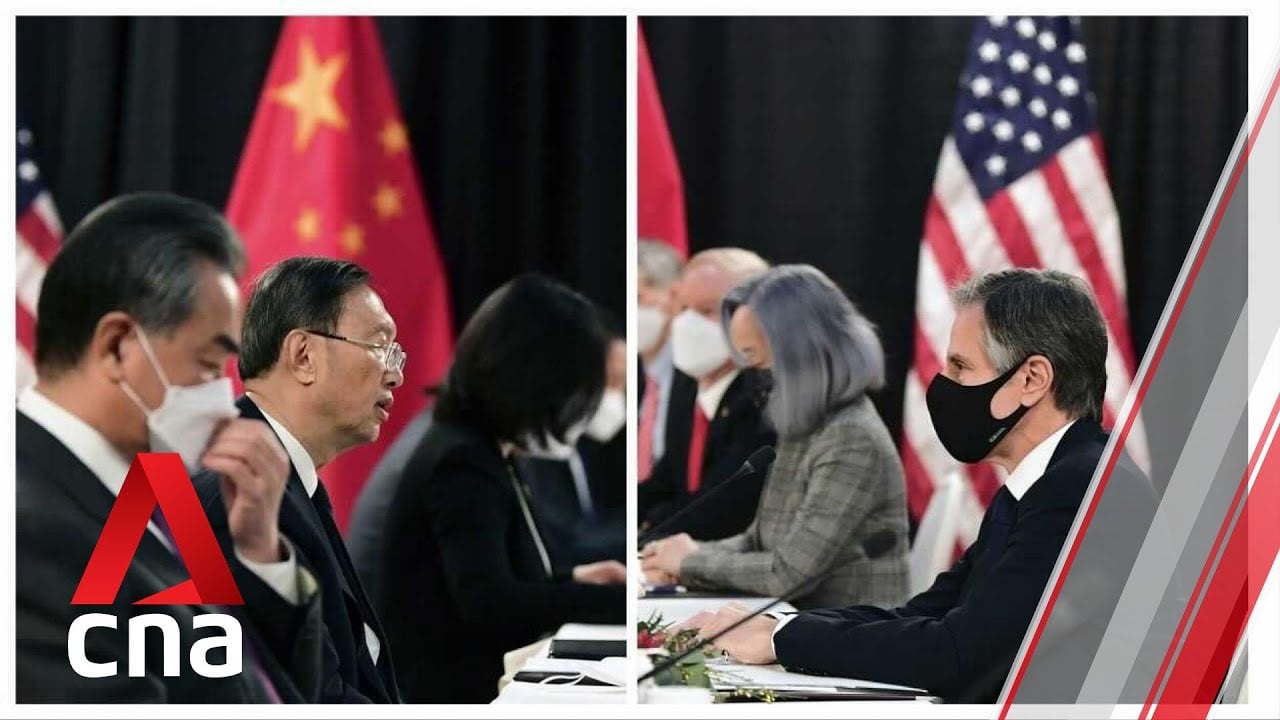
Photo credit: ChannelNewsAsia A U.S. State Department transcript April 3, 2021 Editor’s noteThere are several reasons to assume, or predict, that this meeting will be seen in the future as a serious turning point. One can’t blame the Chinese side for thinking that this is not the way to start dialogues about common matters. Indeed, Secretary of State Antony Blinken here reveals a surprisingly impolite and amateurish style of diplomacy – a style not exactly indicative of global leadership. The Chinese may well have felt, even concluded, that it is, at least at the moment, a hopeless idea to seek long-term cooperation with the United States. Therefore, we bring you the full transcript from the opening day. China’s Yang: ‘Is that the way that you had hoped to conduct this dialogue?’ NEW YORK — This is a U.S. State Department transcript of the opening remarks at the U.S.-China meeting in...
Whaam! 1963 by Roy Lichtenstein 1923-1997
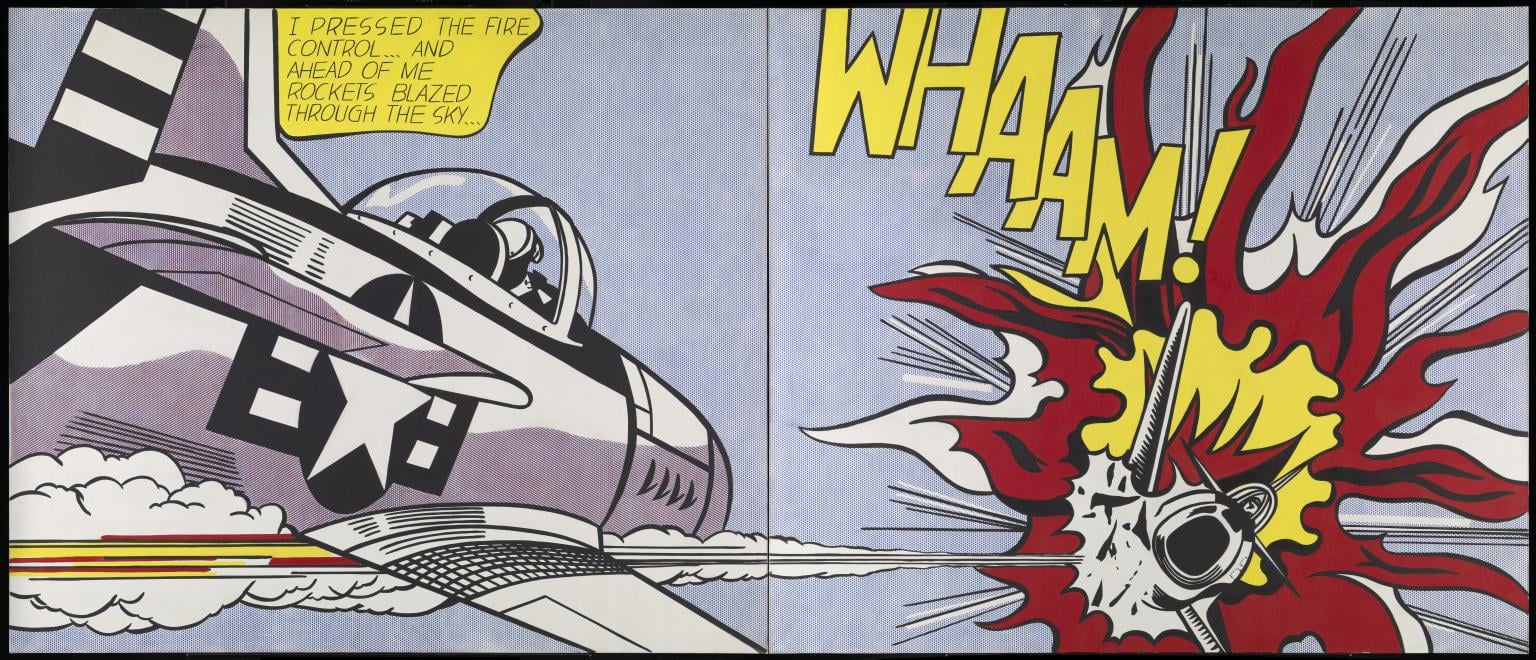
Whaam! 1963 is a large, two-canvas painting by the American pop artist Roy Lichtenstein that takes its composition from a comic book strip. What would the world be like if the U.S. lost control globally? Chalmers Johnson (1931-2010) March 17, 2021 In 1962, the historian Barbara Tuchman published a book about the start of World War I and called it The Guns of August. It went on to win a Pulitzer Prize. She was, of course, looking back at events that had occurred almost 50 years earlier and had at her disposal documents and information not available to participants. They were acting, as Vietnam-era Secretary of Defense Robert McNamara put it, in the fog of war. So where are we this August of 2010, with guns blazing in one war in Afghanistan even as we try to extricate ourselves from another in Iraq?  Where are we, as we impose sanctions on Iran...
RichardFalk
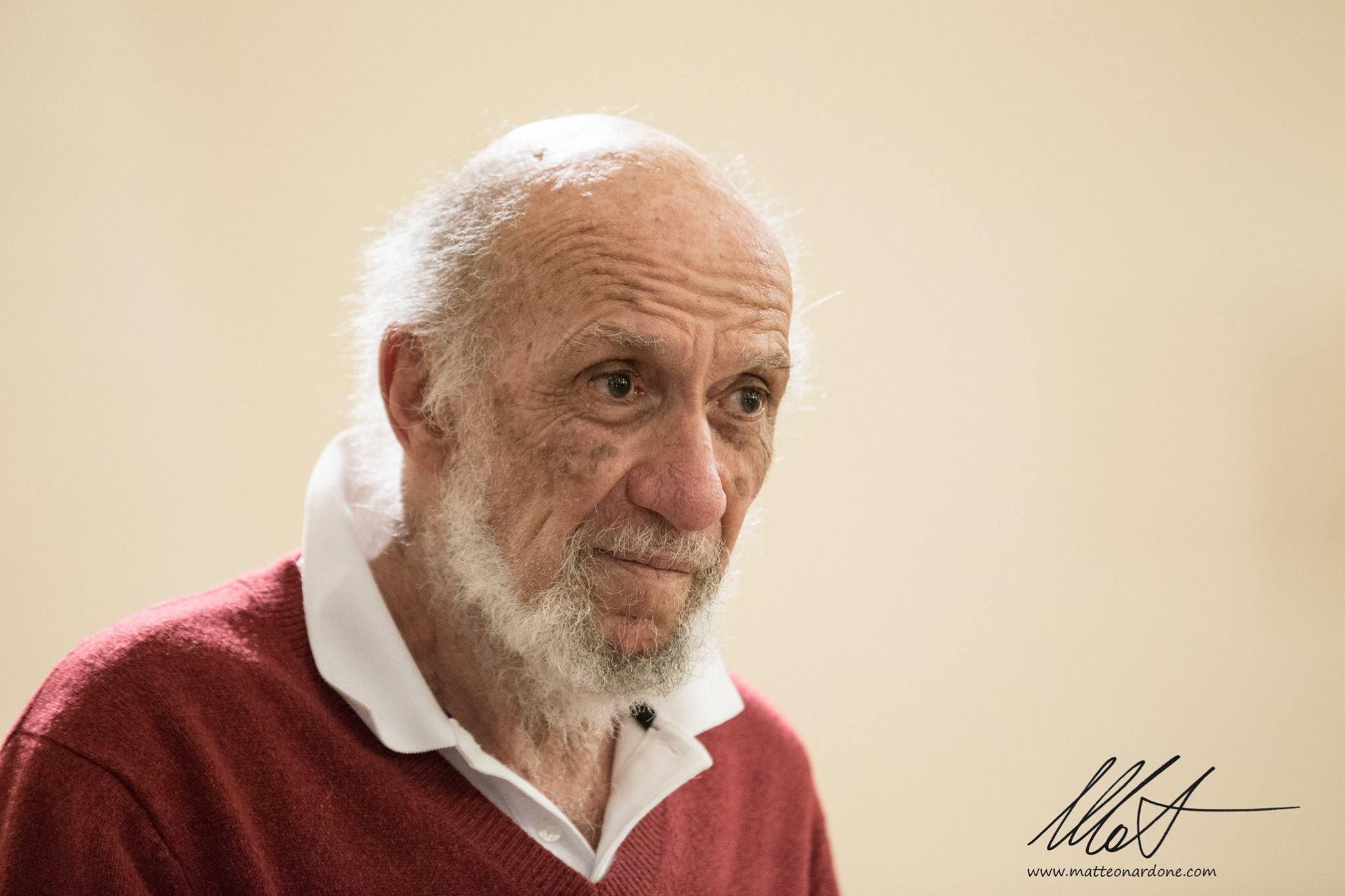
TFF Associate and friend over decades, Richard Falk, last year turned 90. Read more about him here – and use the search engine to find lots of his writings. The latest we’ve published is on championing lost causes... Eric Walberg March 10, 2021 Writing this memoir has been as much about discovering my story, that is, myself as it is about telling it. That’s Falk’s version of Socrates’ ‘the unexamined life is not worth living.’ Or should I say, Forrest Gump’s? Falk’s life reads like a storybook, starting with meeting Supreme Court judges with his father at age 9 in 1939, making friends with Claudette Colbert, Zsa Zsa Gabor, Liz Taylor (long story) at age 15, befriending and befoeing many of the dramatis personae of the Cold War throughout his long and productive life, finally landing on the shores of democratic socialism as the US charges towards the (literal) finish line. Falk came...
arrest
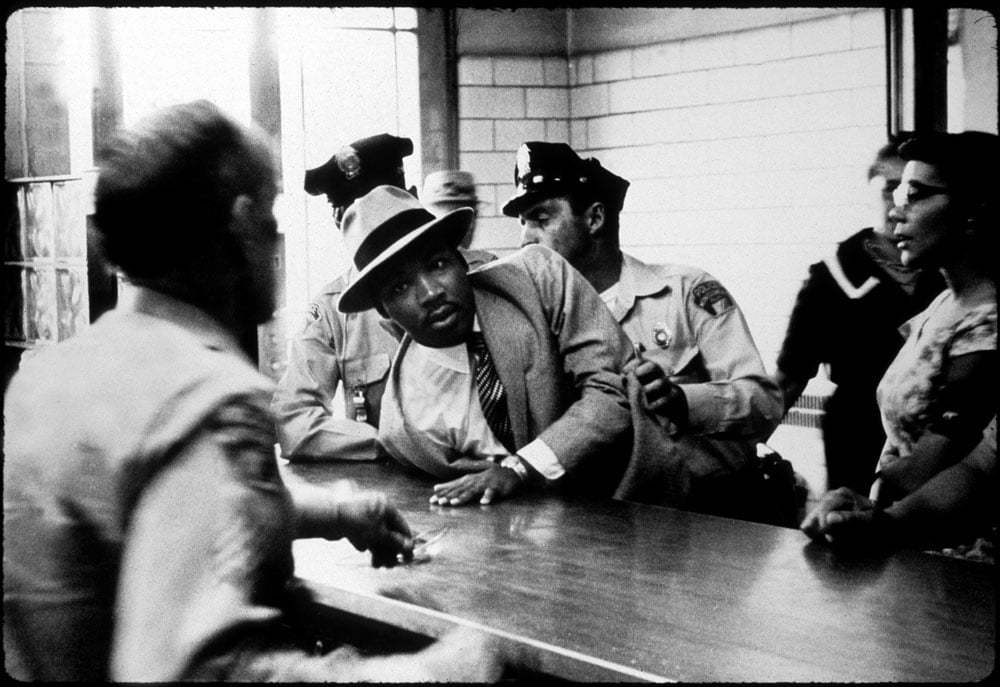
Kazu Haga February 9, 2021 Nonviolence is not simply the absence of violence, but about taking a proactive stand against violence and injustice, and working to repair the harm. Originally posted on Waging NonViolence on January 16, 2020 The following is an edited version of a chapter from Kazu Haga’s new book, “Healing Resistance: A Radically Different Response to Harm,” published with permission from Parallax Press. In Kingian Nonviolence, a philosophy developed out of the teachings of Martin Luther King Jr., there is a distinction made between nonviolence spelled with a hyphen, and nonviolence spelled without a hyphen. “Non-violence” is essentially two words: “without” “violence.” When spelled this way, it only describes the absence of violence. As long as I am “not being violent,” I am practicing non-violence. And that is the biggest misunderstanding of nonviolence that exists. I live in one of the most diverse neighborhoods in Oakland, with an equal mix of...
decline-and-fall-of-the-american-empire
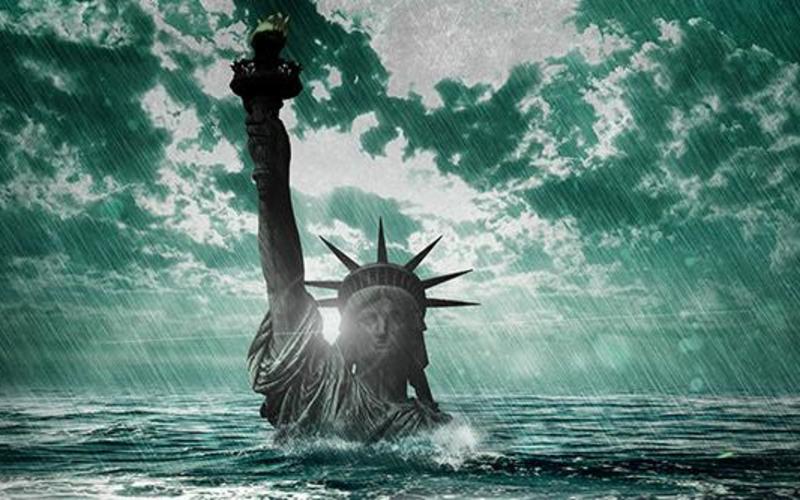
(Photo credit: iai.tv) By Tom Engelhardt February 1, 2021 We’re now living in an age of opacity, as Rudy Giuliani pointed out in a courtroom recently. Here was the exchange: “‘In the plaintiffs’ counties, they were denied the opportunity to have an unobstructed observation and ensure opacity,’ Giuliani said. ‘I’m not quite sure I know what opacity means. It probably means you can see, right?’ “‘It means you can’t,’ said U.S. District Judge Matthew Brann. “‘Big words, your honor,’ Giuliani said.” Big words indeed! And he couldn’t have been more on the mark, whether he knew it or not. Thanks in part to him and to the president he’s represented so avidly, even as hair dye or mascara dripped down his face, we find ourselves in an era in which, to steal a biblical phrase from Swedish film director Ingmar Bergman, all of us see as if “through a glass darkly.” Originally published...
US-ChinaCoop
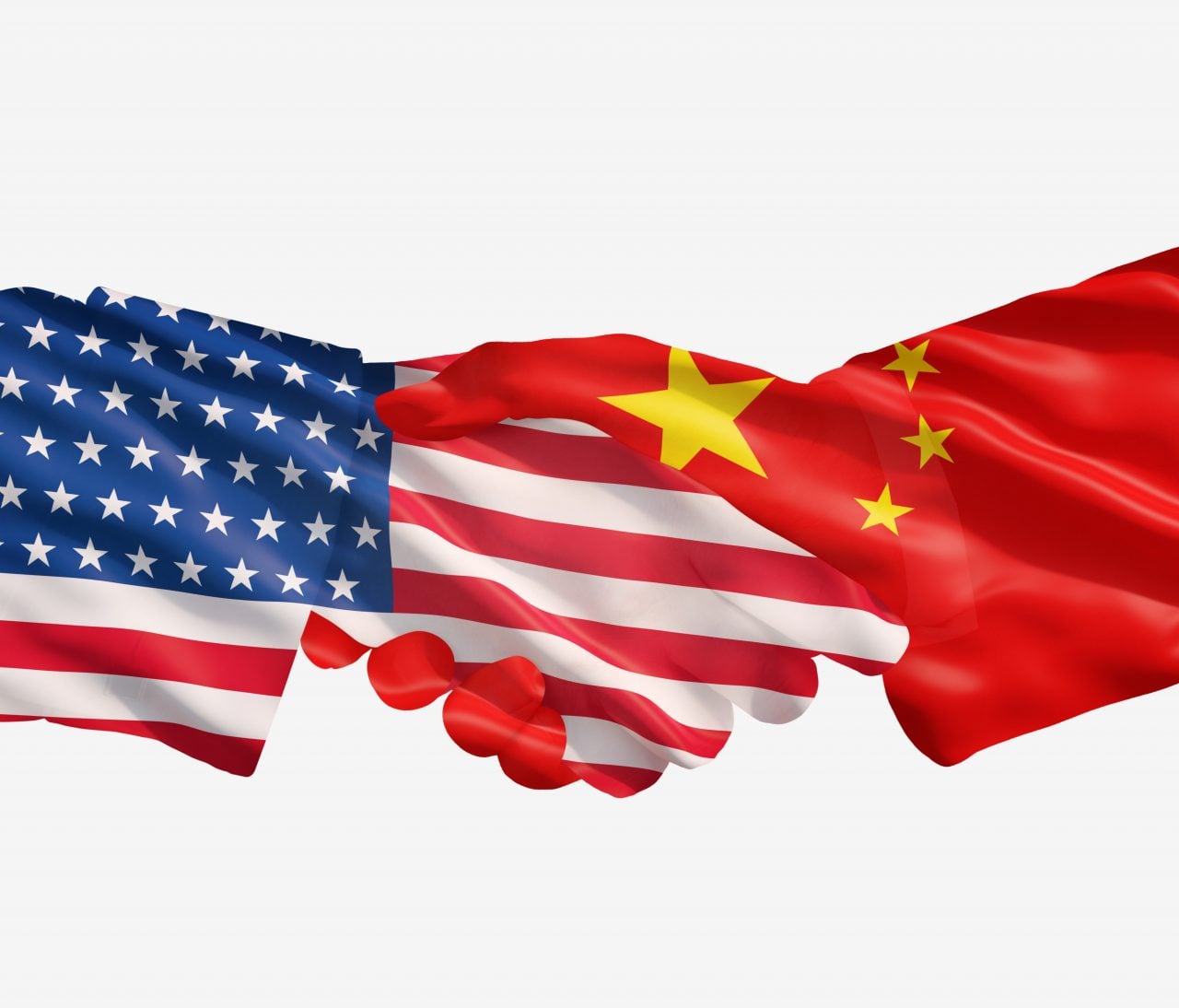
Cooperation would be much better for all, more desirable and perfectly possible. But some want confrontation. Roberto Savio February 2, 2020 It will be quite different from the Cold War with the Soviet Union… While the Coronavirus has rightly taken much of our attention, a fundamental geopolitical realignment has been taking shape in the world, and it will become clearer in 2021. The realignment is the start of a Second Cold War, which hopefully will not become a ‘hot’ war. The new Cold War will be between China and the West, but it will be quite different from the one with the Soviet Union. The world has changed significantly since 1989, the year of the fall of the Berlin Wall. Originally posted on Wall Street International, December 29, 2020 The gap between the two opposing camps is now much smaller. The Soviet Union, a military giant with little industrial development,...
shutterstock_1158237289
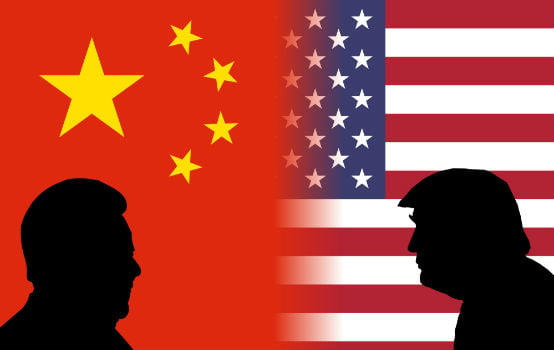
Credit: amagnawa1092/Shutterstock Andrew J. Bacevich February 1, 2020 A new essay casts doubt on the China threat as promulgated by our nation’s ruling elite. Writing in the journal Palladium, Richard Hanania has produced the first must-read essay of 2021. A research fellow at Columbia University’s Saltzman Institute of War and Peace Studies, Hanania is part of an emerging generation of young scholars who reject the increasingly dubious verities of the Cold War and post-Cold War eras. Their arrival comes not a moment too soon. Originally published by The American Conservative on January 4, 2021 The title of Hanania’s piece is “China’s Real Threat is to America’s Ruling Ideology.” In this context, ideology refers not only to a belief system – liberal democratic capitalism, in our case – but also to a theory of history. Hanania’s real subject is delusion: Washington’s insistence despite abundant evidence to the contrary that the American way of life defines the...
Categories

Year

Author / Contributor

Region