Human rights and justice

Category

Year

Author / Contributor

Region

Sort by

Showing 1-10 of 497 stories

branding-un
February 15, 2021 By Mona Ali Khalil By all accounts, 2020 has been a terrible year so far — but is it worse than 1920? In 1920, World War I, which killed 16 million people, had just ended. The two-year influenza pandemic that followed killed 50 million more. In 2020, the Covid-19 pandemic has already killed more than one million people and infected more than 40 million with infections surging worldwide. Originally published at Passblue With 20/20 hindsight, the 20th century was a terrible one. It heralded two world wars that together took more than 85 million lives. The collapse of the Ottoman Empire ushered in an era of British and French colonialism that led to deadly decolonization and national liberation battles in Latin America, Africa and Asia. It was a century of genocides — including the Holocaust in Europe — which was the worst and most remembered — as well...
echo-grid-BefmnpXPZ80-unsplash
Dr. Gary G. Kohls February 9, 2021 A half-century ago, The New York Times accused Martin Luther King Jr. of “slander” for decrying the Vietnam War and The Washington Post detected “unsupported fantasies” in his speech, recalled more favourably by Gary G. Kohls. Originally published on Jan. 19, 2014; slightly edited for the time element. Originally posted on Consortium News on January 19, 2021 Martin Luther King Jr.’s Riverside Church speech was titled “Beyond Vietnam: A Time to Break Silence.” It was delivered exactly one year before his April 4, 1968 assassination in Memphis. In the speech, King declared, “A nation that continues year after year to spend more money on military defense than on programs of social uplift is approaching spiritual death.” The people who heard that speech recognized it as one of the most powerful speeches ever given articulating the immorality of the Vietnam War and its destructive impact...
WomanOnRoad_90cm_2000_150dpi-kopia
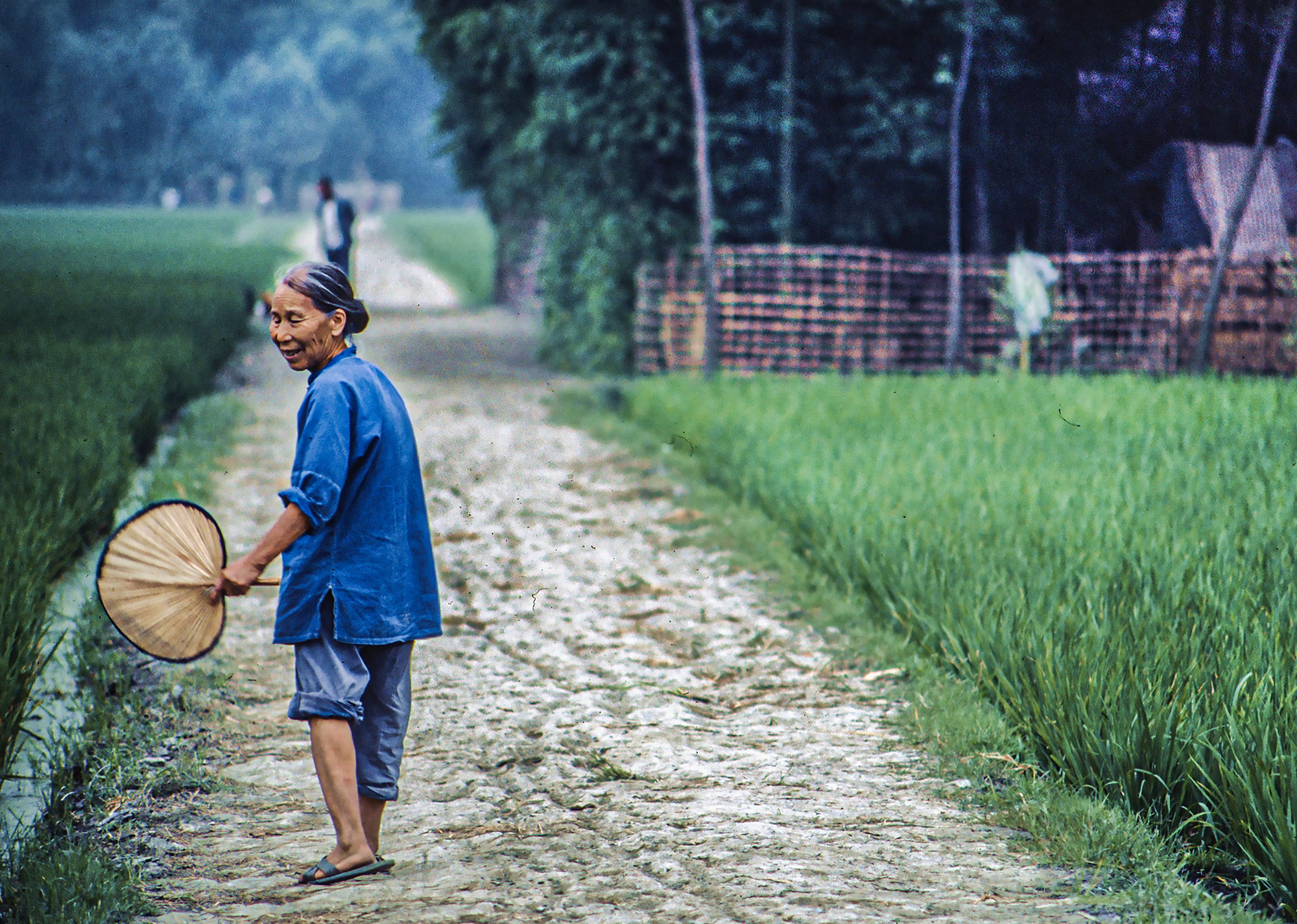
China 1983 © Jan Oberg, Oberg PhotoGraphics Documentary with Lawrence Robert Kuhn January 6, 2021 When the history of the 21st century is to be written, there is no doubt that the story of China’s eradication of poverty – i.e. lifting about 700 million people out of it – will be seen as a milestone, a turning point for humanity. China’s poverty rate fell from 88 per cent in 1981 to 0.7 per cent in 2015, as measured by the percentage of people living on the equivalent of US$1.90 or less per day in 2011 purchasing price parity terms. On November 23rd 2020, China announced that it had eliminated absolute poverty nationwide by uplifting all of its citizens beyond its set ¥2,300 (CNY) per year, or less than a dollar per day poverty line. This result has been achieved within just four decades, after Chinese leader Deng Xiaoping declared the...
saltwater-crop-technology-food-security-1440x1067-1
There is no security without food security. Geoff Tansey argues that meeting the real security needs of humanity necessitates the progressive redistribution of military budgets toward ending hunger and achieving sustainable development. Geoff Tansey December 13, 2020 As Covid-19 exacerbates inequalities nationally and globally, more and more people are becoming food insecure in both richer and poorer countries. According to the UN’s 2020 report on the State of Food Security and Nutrition in the World almost 690 million people went hungry in 2019. And the number of hungry people has been rising since 2014, well before the pandemic hit. COVID-19 could push over 130 million more people into chronic hunger, it says. That means one in every nine humans going hungry most of the time. Originally posted on Rethinking Securityon November 5th, 2020 here This matters for both human security and physical security. Last month saw the 75th anniversary of the founding of...
millions-of-new-poor
Photo credit: wsimag.com By Roberto Savio December 5, 2020 The recent meeting of the G20 – scheduled to take place in Riyadh but held virtually due to the Coronavirus pandemic – has been an eloquent example of how the world is drifting, in a crisis of leadership. It was, in a sense, a showcase. Everybody had to accept the view that the host of the meeting, the ailing King Salman of Saudi Arabia, was accompanied on TV screens by his apparent heir, Prince Mohamed bin Salman, who is clearly the mastermind of the brutal assassination, dismembering and disappearance of the body of dissident Saudi journalist Jamal Khashoggi. Originally published at the Wall Street International Mohamed bin Salman got away with it, also because of the support of Donald Trump who, in his video intervention said, among other pearls, that nobody in US history had done as much as he had...

demonstration
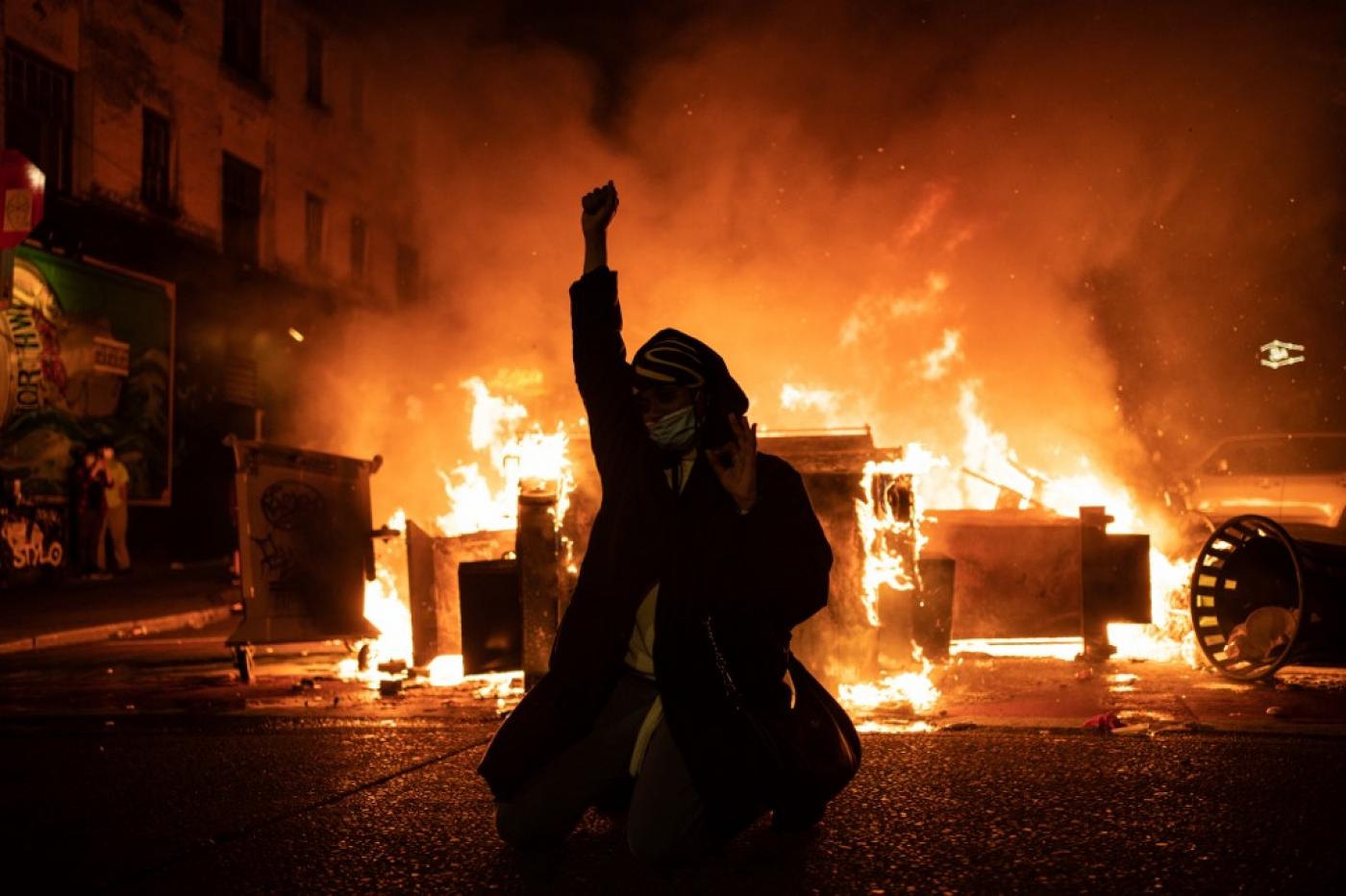
A demonstrator raises a fist after clashes with police in the US city of Seattle on 8 June (AFP) As calls for racial justice reverberate across the country, the field of American Studies requires a radical rethink – namely, the active engagement of people around the globe at the receiving end of US militarism.  By Hamid Dabashi September 15, 2020 “The majority lives in the perpetual practice of self-applause, and there are certain truths which the Americans can only learn from strangers or from experience.”  – Alexis de Tocqueville, Democracy in America “Americans are the unhappiest they’ve been in 50 years,” according to recent polls. “It’s been a rough year for the American psyche.”    The deeply troubling presidency of Donald Trump has led to severe consequences of the coronavirus pandemic in the US, where the per-capita mortality rate is among the highest in the world, exacerbated by claustrophobic despair over lockdowns and social distancing, alongside...
865691-25234-csstcagzbx-1512048462
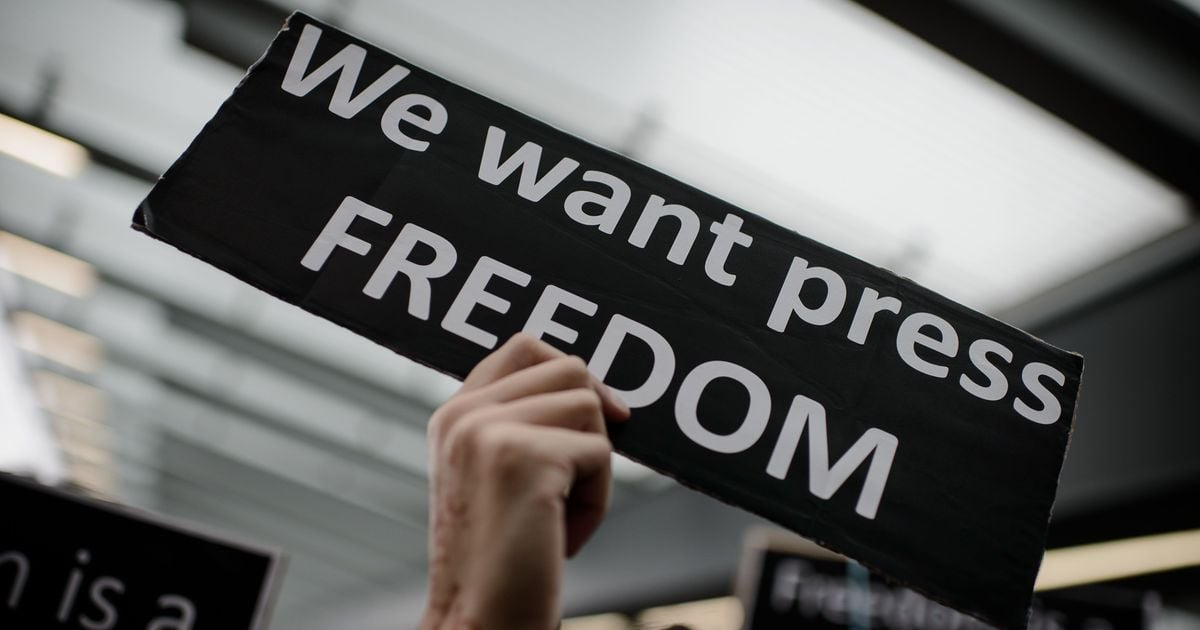
Idag, den 7. september 2020, i London starter en retssag, som får betydning for den frie presse i vesten i fremtiden. Sagen drejer sig om journalist og stifter af mediet WikiLeaks – Julian Assange – som er tiltalt for overtrædelse af den amerikanske spionagelov i forbindelse med at indhente og offentliggøre fortrolige militære- og diplomatiske dokumenter. Retten i London skal tage stilling til, om Julian Assange skal udleveres til USA til retsforfølgelse og potentielt 175 års fængsel. Men hvorfor har denne retssag betydning for hele den frie presse i vesten og for vores danske demokrati? Sagen og historien om Julian Assange og WikiLeaks er lang og kompliceret, og de fleste danske medier ser ud til at have opgivet at følge den til dørs. Men jeg vil forsøge at opsummere sagen kort, og forklare hvorfor den er relevant for dig som borger i Danmark. Demokrati bygger grundlæggende på at flertallet af...
serious-security
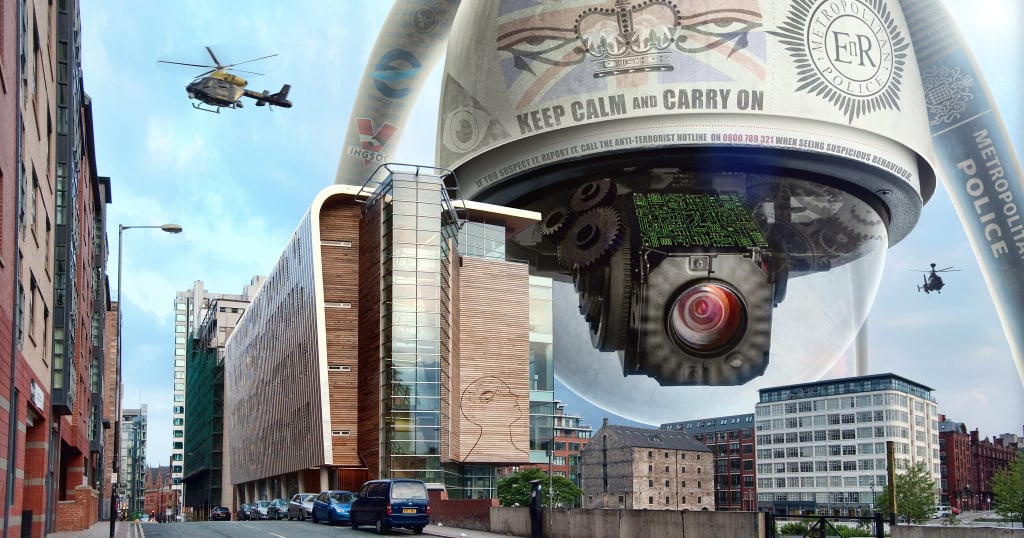
Jørgen Johansen argues that, like terrorism before it, the Covid-19 pandemic is being used by politicians across the world to normalise exceptional restrictions on basic rights with political consequences that will long outlast the health emergency. In his book State of Exception, Giorgio Agamben examined the consequences of policies and regulations introduced in exceptional circumstances, which then become institutionalised as ’normal’, the state of exception becomes the rule. An illustration might be the USA’s Patriot Act of 2001, enacted after the 9/11 attack, which resulted in a massive expansion of government surveillance. Likewise, the Guantanamo Bay detention camp set up in 2002 as part of George W. Bush’s war on terror, where detainees have been held for indefinite periods without trial and subjected to torture. Originally published at rethinkingsecurity.org Proponents of such exceptional measures justified them by reference to the extraordinary context in which they were introduced – they were...
ICC
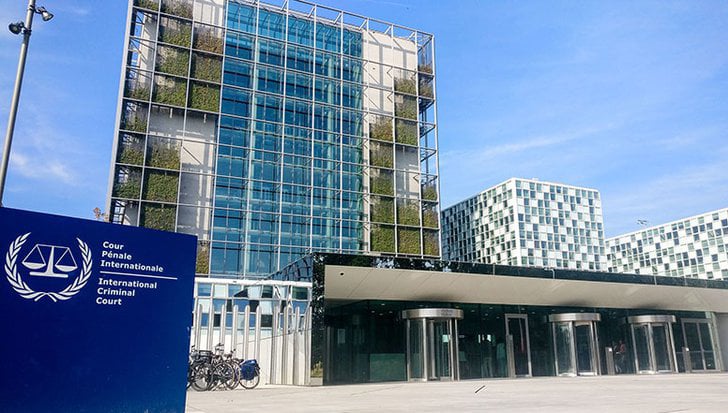
This post is a slightly modified version of an editorial contribution to TMS – Transcend Media Service – June 22-28, 2020 Sanctioning the International Criminal Court, ICC Even Orwell would be at a loss to make sense of some of the recent antics of leading governments. We would expect Orwell to be out-satirized by the American actions to impose penalties and sanctions on officials of the International Criminal Court, not because they are accused of acting improperly or seem guilty of some kind of corruption or malfeasance, but because they were doing their appointed jobs carefully, yet fearlessly. Originally posted on Richard Falk’s personal blog on June 26, 2020 here Their supposed wrongdoing was to accept the request for an investigation into allegations of war crimes committed in Afghanistan by military personnel and intelligence experts of the U.S. armed forces, the Taliban, and the Afghan military. It seemed beyond reasonable...
Slave-Trade-paper-George-Morland-John-Raphael-1812
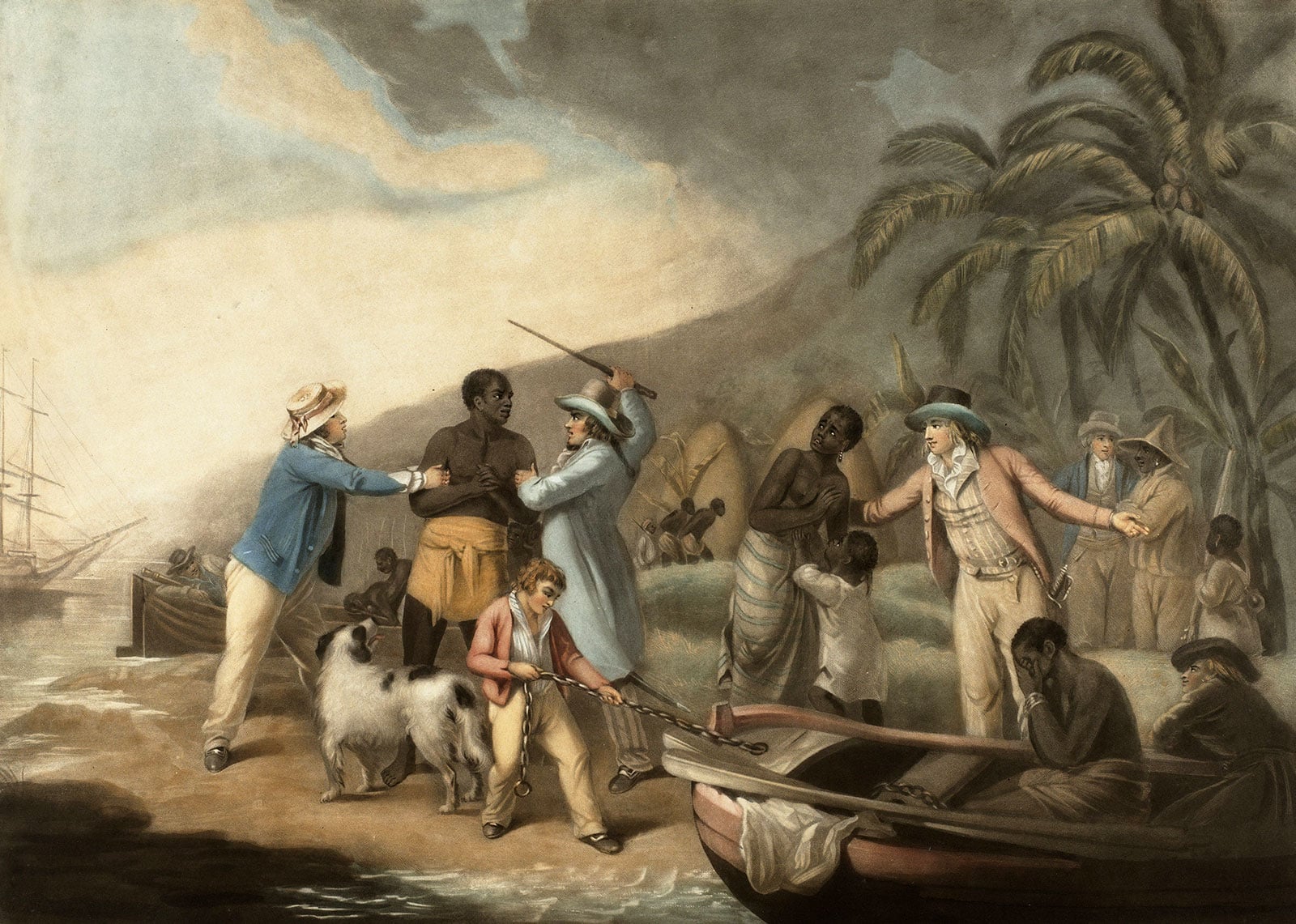
Pulling down statues may make us feel good but will not eliminate the root causes of racism and discrimination Farhang JahanpourTFF Associate June 23, 2020 Part Two – Part 1 here The protests to the cruel killing of George Floyd and many others before him and even some after him have not remained confined to the United States or among black people alone, but have given rise to a global movement for change and an end to racism and discrimination. Many protestors in the United States have called for the toppling of the statues of Confederate generals and for the names of places and institutions named after them to be changed, while in many European countries demonstrators have called for the toppling of statues of those who are symbols of racism, imperialism and white supremacy. Clearly, toppling a few statues may give temporary satisfaction to those who have been the...
Slave-Trade-paper-George-Morland-John-Raphael-1812
Part One – Part 2 here The gruesome killing of George Floyd in Minneapolis, Minnesota, on 25 May 2020 has given rise to an unprecedented campaign against police brutality in the United States, and in turn has acted as a fuse for a worldwide uprising against racism and inequality. Floyd’s killing triggered massive demonstrations in more than 350 cities in the United States and around the world, and has probably started a movement that goes well beyond the civil rights movement of the 1960’s and may prove to be a turning point in human history. What is remarkable is that those who have taken part in those massive demonstrations are not all black and ethnic people, but they have been joined by millions of white people who are ashamed of the legacy of slavery and are determined to help their fellow human beings to achieve the dignity and equality that...
floyd
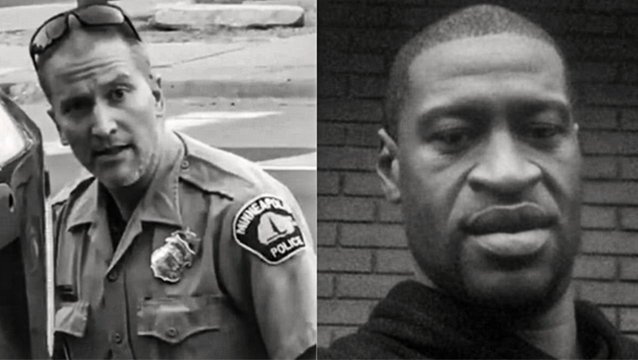
June 10, 2020 Jan Oberg The horrific police murder of the black American George Floyd is, of course, not the first, neither will it be the last. Fortunately, it has set in motion significant protests not only in the United States but around the world – on top of the Corona Crisis. And it has created an opportunity for people to do symbolic acts such as taking a knee, criticising President Trump’s Bible Show after he had – classical dictatorship-style – used violence on peaceful demonstrators, etc. And people posted black images on Instagram. These are individual protests in response to an individual being killed in a single event. They are very human, noble and understandable, indeed, necessary – as markers that enough is enough. But where will it go from that first reaction? The comprehensive perspective To approach and answer, read carefully this statement by Martin Luther King, Jr.:...
Categories

Year

Author / Contributor

Region