History

Category

Year

Author / Contributor

Region

Sort by

Showing 1-10 of 154 stories

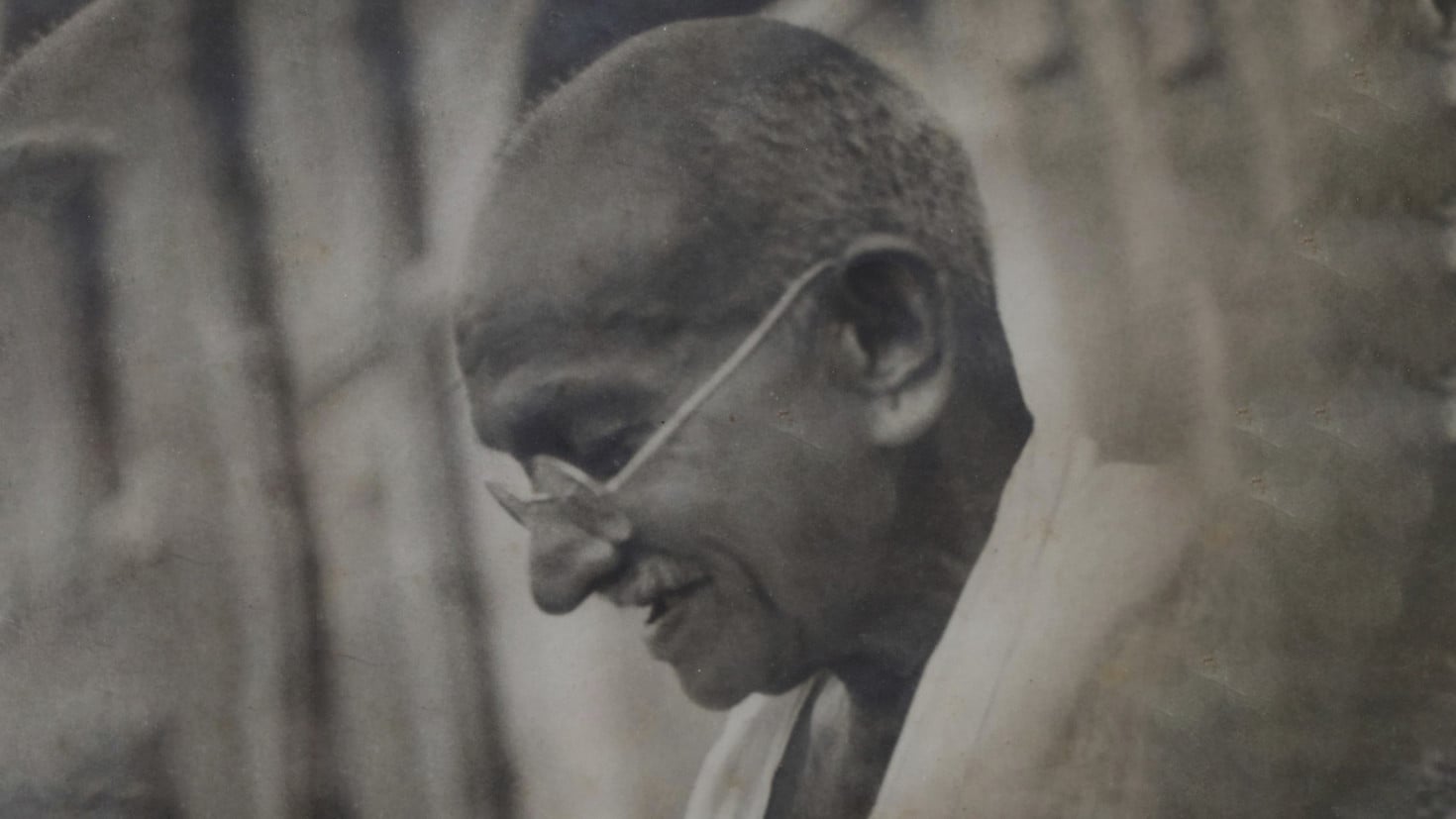
Mahatma-Gandhi-ph-Rajni-Kothari
(Mahatma Gandhi, ph. Rajni Kothari, photo credit: Wall Street International) March 2, 2021 Ashish Kothari In a world that is increasingly torn by conflicts and crises of many kinds. On October 2, political and business and religious leaders in India and elsewhere remember Mahatma Gandhi, sing his praises, and pledge to live by the ideals he espoused. A day later, or perhaps the same evening, he is left behind as suddenly as he was remembered that morning. Worse, they get back to assassinating him and the ideals of non-violence, self-reliance, universal well-being, that he lived and died for. And yet it is worth asking: in this 151st birth anniversary month, does he still hold relevance in a world that is increasingly torn by conflicts and crises of many kinds? Originally published by Wall Street International Interestingly, over the last few years there appears to have been a rekindling of attention to...
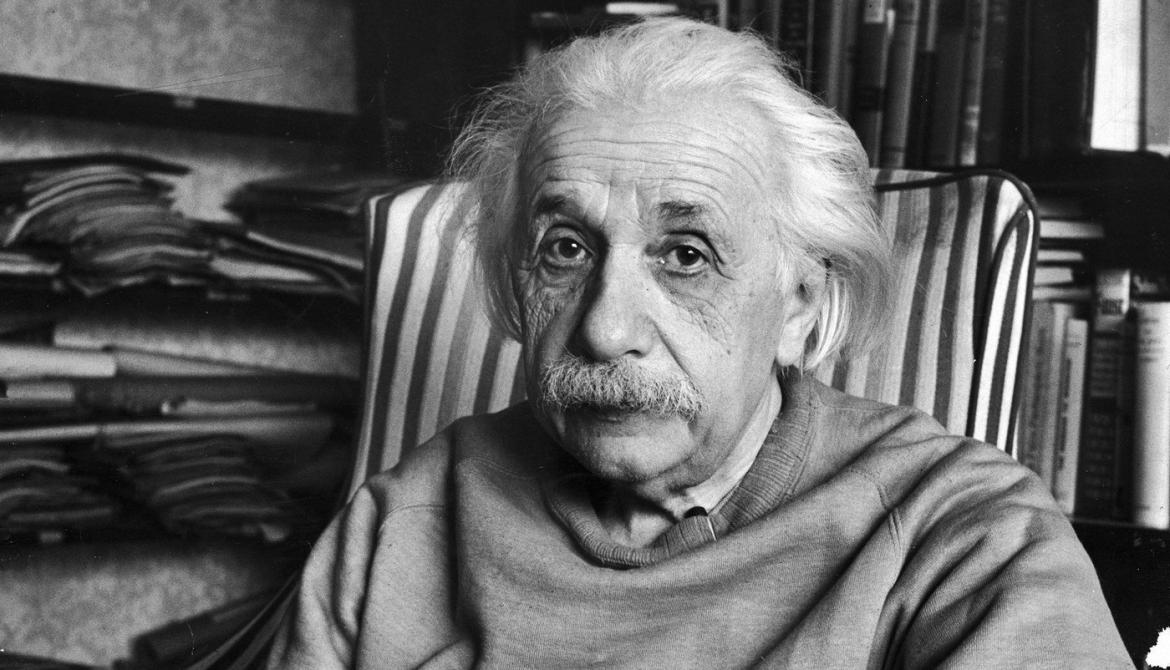
albert-einstein-05-1170x670-1
Albert Einstein February 27, 2021 (Originally published in May 1949) Is it advisable for one who is not an expert on economic and social issues to express views on the subject of socialism? I believe for a number of reasons that it is. Let us first consider the question from the point of view of scientific knowledge. It might appear that there are no essential methodological differences between astronomy and economics: scientists in both fields attempt to discover laws of general acceptability for a circumscribed group of phenomena in order to make the interconnection of these phenomena as clearly understandable as possible. Originally published by Monthly Review But in reality such methodological differences do exist. The discovery of general laws in the field of economics is made difficult by the circumstance that observed economic phenomena are often affected by many factors which are very hard to evaluate separately. In addition,...
human-rights-hands
The United States, Britain and European nations have a history of ‘weaponising’ human rights in foreign policy. Throughout late imperial history, China has rarely blamed other nations, their religion or race, for domestic problems. Martin PowersAn opinion piece in South China Morning PostMarch 4, 2021 The term “human rights” is properly a feature of the modern world, but people have been calling out cruelty for centuries. Who gets blamed for human tragedy reveals a lot about how a nation values human life. Western nations, chief among them the United States, have long assumed the promotion of human rights as one of their natural duties, but in recent years some have questioned their qualifications for doing so. Last Fall in the journal Foreign Affairs James Goldgeier and Bruce W. Jentleson itemised the failures of America’s “tarnished model”, taking note of that “internationally controversial war in Iraq” and a major financial crisis in 2008. Following a...
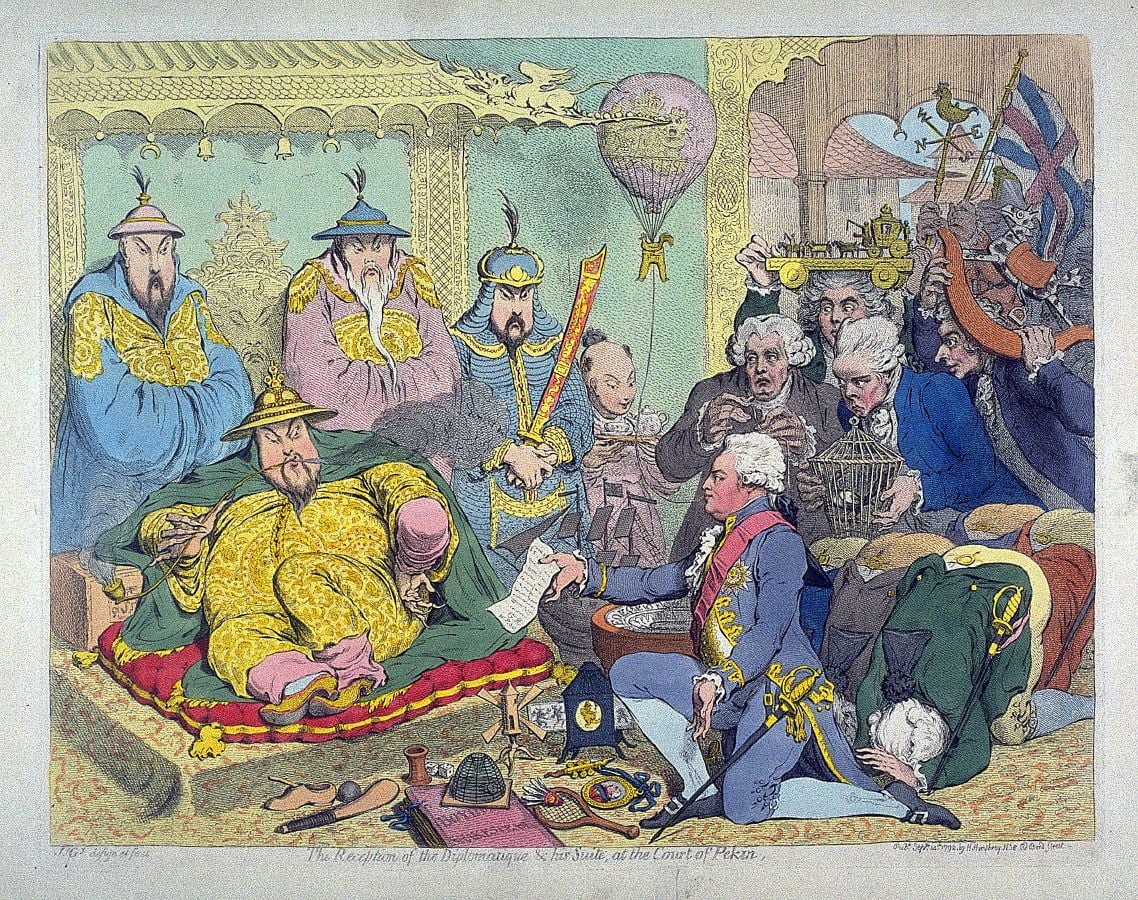
Qianlong-Emperor-and-Lord-Macartney
James Carter February 25, 2020 In popular understanding, the Qianlong Emperor’s rejection of Lord Macartney and King George III was an act of hubris, a failure to recognize the military might of Britain and the West, the last prideful act of a waning empire before a “century of humiliation.” But what if our understanding is all wrong? Originally posted on SupChina on September 9, 2020 “Our Celestial Empire possesses all things in prolific abundance and lacks no product within its borders. There was therefore no need to import the manufactures of outside barbarians in exchange for our own produce.” This was the Qianlong Emperor’s response, in part, to British Lord Macartney in September 1793. For a century, the British, like other seafaring Europeans, had been restricted by the “Canton System” that permitted commerce only at the port of Guangzhou (Canton), through official government monopolies, and during a certain season. Industrialists...
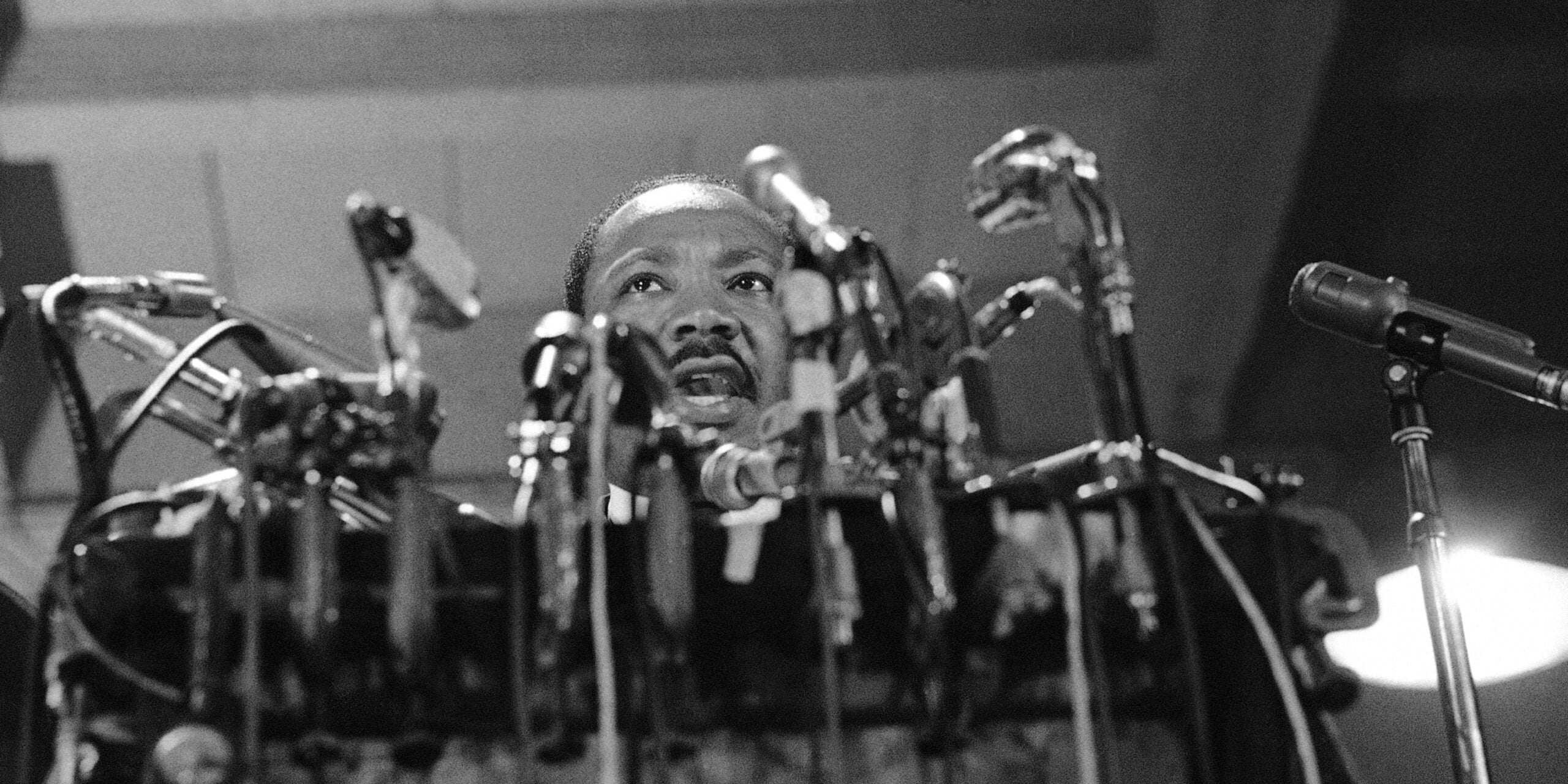
Martin-Luther-King-1515787257
Dr. Martin Luther King, head of the Southern Christian Leadership Conference (SCLC), delivers his speech that opened the National Conference for New Politico Convention in Chicago, Sept. 1, 1967. King, facing a battery of microphones, called for an end to the Vietnam fighting. February 22, 2021 Zaid Jilani Martin Luther King Jr. was much more radical than he is often portrayed. IN 1999, The polling agency Gallup set out to determine the individual American’s most admired in the 20th century. Mother Teresa came in first, with 49 percent of Americans putting her at the top; the Rev. Dr. Martin Luther King Jr. ranked second, with 34 percent placing him on the same list. But, the polling agency would later write, “King was far from universally revered during his lifetime.” Originally published by The Intercept They noted that in 1966, 63 percent of Americans held a negative view of the civil rights leader, while...
kennedy1
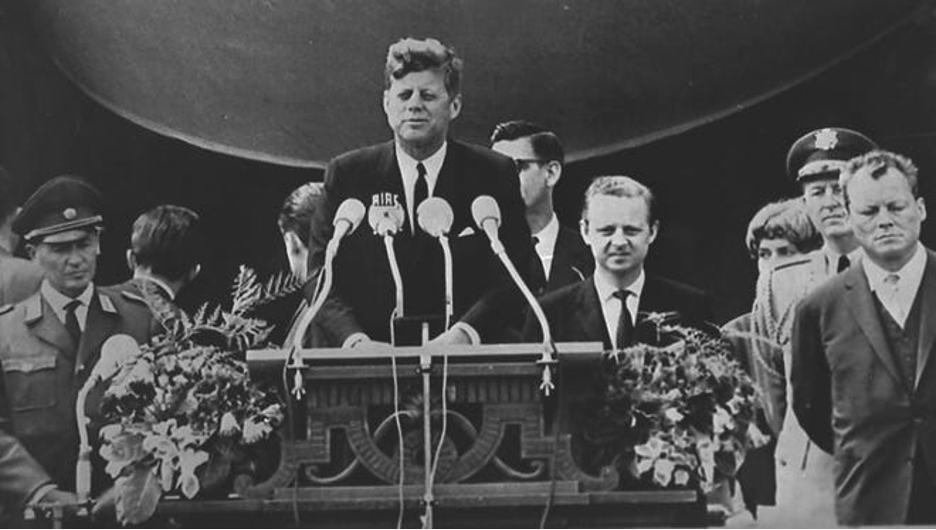
Kennedy delivers the famous speech in West Berlin in June 1963, five months before his assassination. [Source: 20minutos.es] James DiEugenio February 10, 2021 When Oliver Stone’s blockbuster film JFK premiered in 1991, it delivered a hugely embarrassing shock to academic historians, Democratic Party grandees, corporate media pundits and other respected purveyors of conventional wisdom. That’s because, for the preceding 27 years following Kennedy’s assassination, all of them had been faithfully, if falsely, promulgating the myth that Lee Harvey Oswald was the lone gunman, and that Lyndon Johnson’s murderous expansion of the Vietnam War had been a continuation of Kennedy’s policies. Originally published at CovertAction Magazine Stone’s film demolished that myth, establishing very clearly the existence of a conspiracy behind Kennedy’s assassination, while pointing to the fact that, by October of 1963, Kennedy had decided to try and extract America from the growing quagmire in Vietnam. Oliver Stone directing JFK. Kevin Costner, featured behind him, played...

decline-and-fall-of-the-american-empire
(Photo credit: iai.tv) By Tom Engelhardt February 1, 2021 We’re now living in an age of opacity, as Rudy Giuliani pointed out in a courtroom recently. Here was the exchange: “‘In the plaintiffs’ counties, they were denied the opportunity to have an unobstructed observation and ensure opacity,’ Giuliani said. ‘I’m not quite sure I know what opacity means. It probably means you can see, right?’ “‘It means you can’t,’ said U.S. District Judge Matthew Brann. “‘Big words, your honor,’ Giuliani said.” Big words indeed! And he couldn’t have been more on the mark, whether he knew it or not. Thanks in part to him and to the president he’s represented so avidly, even as hair dye or mascara dripped down his face, we find ourselves in an era in which, to steal a biblical phrase from Swedish film director Ingmar Bergman, all of us see as if “through a glass darkly.” Originally published...
Sergi-Delgado-artwork-865x577-1
Pankaj Mishra January 13, 2020 It’s time to abandon the intellectual narcissism of cold war Western liberalism. In Radical Hope: Ethics in the Face of Cultural Devastation (2006), Jonathan Lear writes of the intellectual trauma of the Crow Indians. Forced to move in the mid-nineteenth century from a nomadic to a settled existence, they catastrophically lost not only their immemorial world but also “the conceptual resources” to understand their past and present. The problem for a Crow Indian, Lear writes, wasn’t just that “my way of life has come to an end.” It was that “I no longer have the concepts with which to understand myself or the world…. I have no idea what is going on.” It is no exaggeration to say that many in the Anglo-American intelligentsia today resemble the Crow Indians, after being successively blindsided by far-right insurgencies, an uncontainable pandemic, and political revolts by disenfranchised minorities. For nearly three decades...
WomanOnRoad_90cm_2000_150dpi-kopia
China 1983 © Jan Oberg, Oberg PhotoGraphics Documentary with Lawrence Robert Kuhn January 6, 2021 When the history of the 21st century is to be written, there is no doubt that the story of China’s eradication of poverty – i.e. lifting about 700 million people out of it – will be seen as a milestone, a turning point for humanity. China’s poverty rate fell from 88 per cent in 1981 to 0.7 per cent in 2015, as measured by the percentage of people living on the equivalent of US$1.90 or less per day in 2011 purchasing price parity terms. On November 23rd 2020, China announced that it had eliminated absolute poverty nationwide by uplifting all of its citizens beyond its set ¥2,300 (CNY) per year, or less than a dollar per day poverty line. This result has been achieved within just four decades, after Chinese leader Deng Xiaoping declared the...
Xi
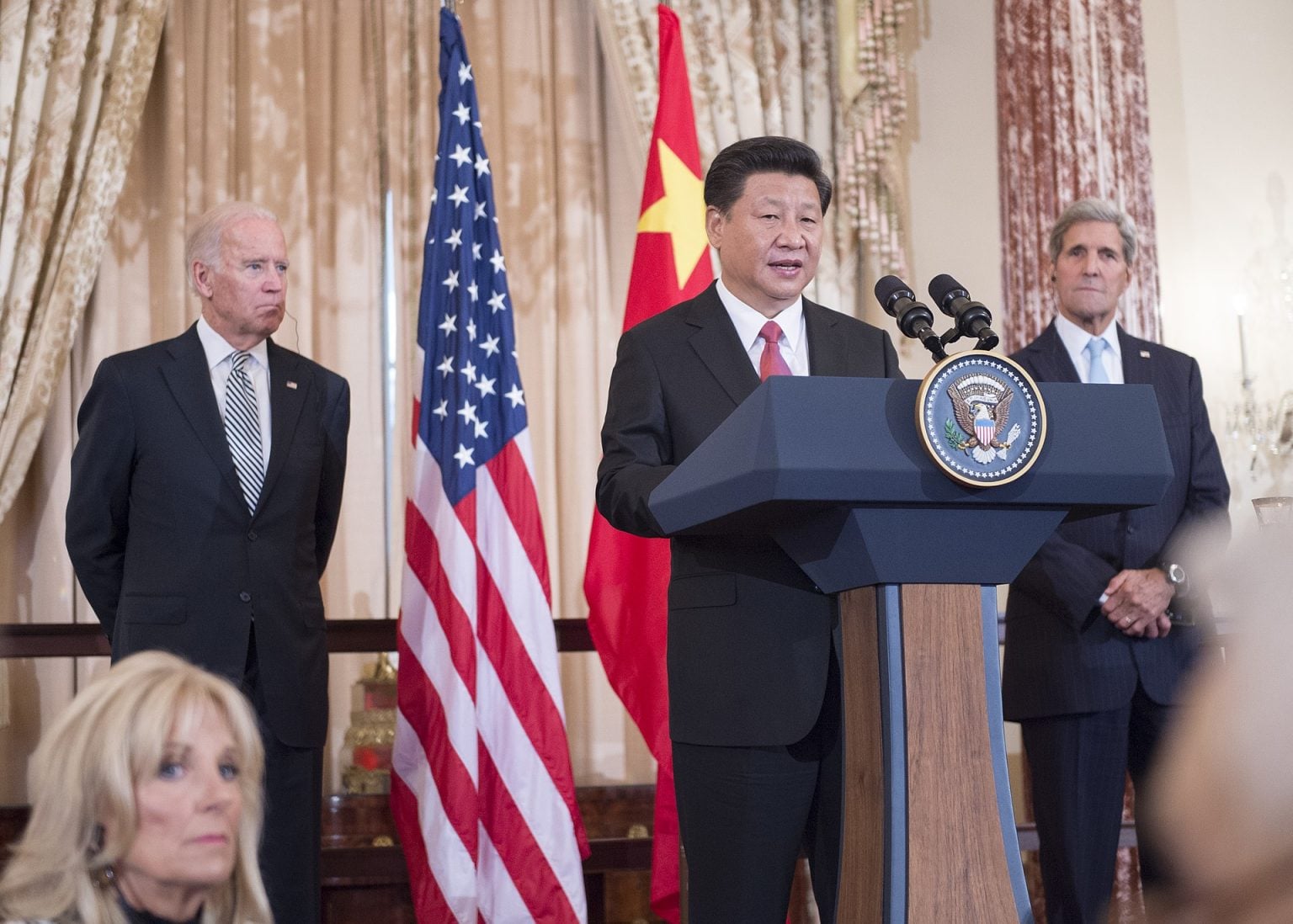
U.S. Department of State/Chinese President Xi Delivers Remarks at a State Luncheon in His Honor at the State Department December 29, 2020 Richard Hanania Across the political spectrum, there is widespread agreement that America must get serious about the threat posed by China. As the Trump administration comes to a close, the State Department has just released a document called ‘The Elements of the China Challenge’. A distillation of conventional wisdom among national security experts and government officials, it argues that the U.S. needs a concerted effort to push back against Beijing. On its first page, the document tells us that “the Chinese Communist Party (CCP) has triggered a new era of great-power competition.” If there was a major intellectual thread running through Trump’s foreign policy, or at least that of the people he appointed, it was that confronting China was the national security issue of our time. America during...
herbert-marcuse
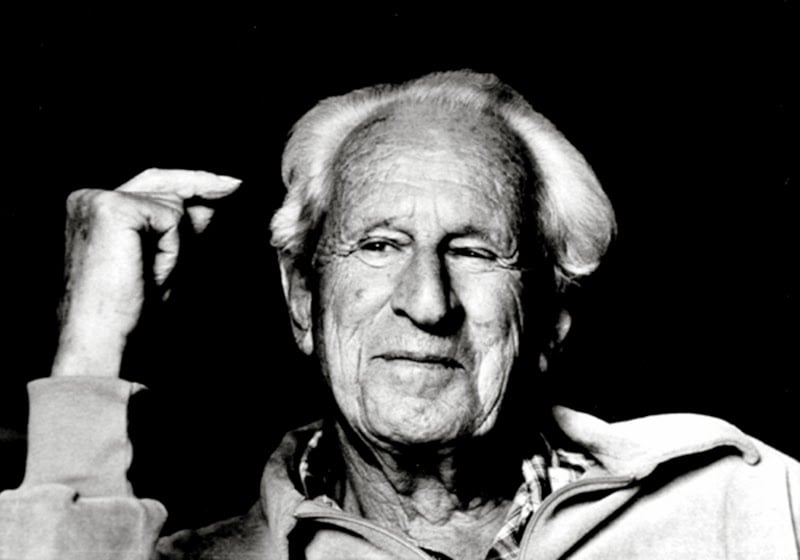
Fifty years later, One-Dimensional Man looks more prescient than its author could have imagined. Ronald Aronson November 23, 2020 When Herbert Marcuse’s One-Dimensional Man appeared fifty years ago, it was a revelation. To many of us who were becoming the New Left, Marcuse reflected and explained our own feeling of suffocation, our alienation from an increasingly totalitarian universe that trumpeted its freedom at every moment. We had grown up in it, we had encountered it in Allen Ginsberg’s Howl; but until One-Dimensional Man, we could scarcely understand, let alone describe, it. A student of Marcuse’s, I wrote at the time in Radical America that the book was “a major step in our breaking out of that closing universe. By naming it, by helping us to get conscious of it, by conveying its overwhelming power, [Marcuse] helped us to define ourselves in opposition to it—total opposition.” Originally published af Boston Review He spoke to a deep sense of...
qing_map3
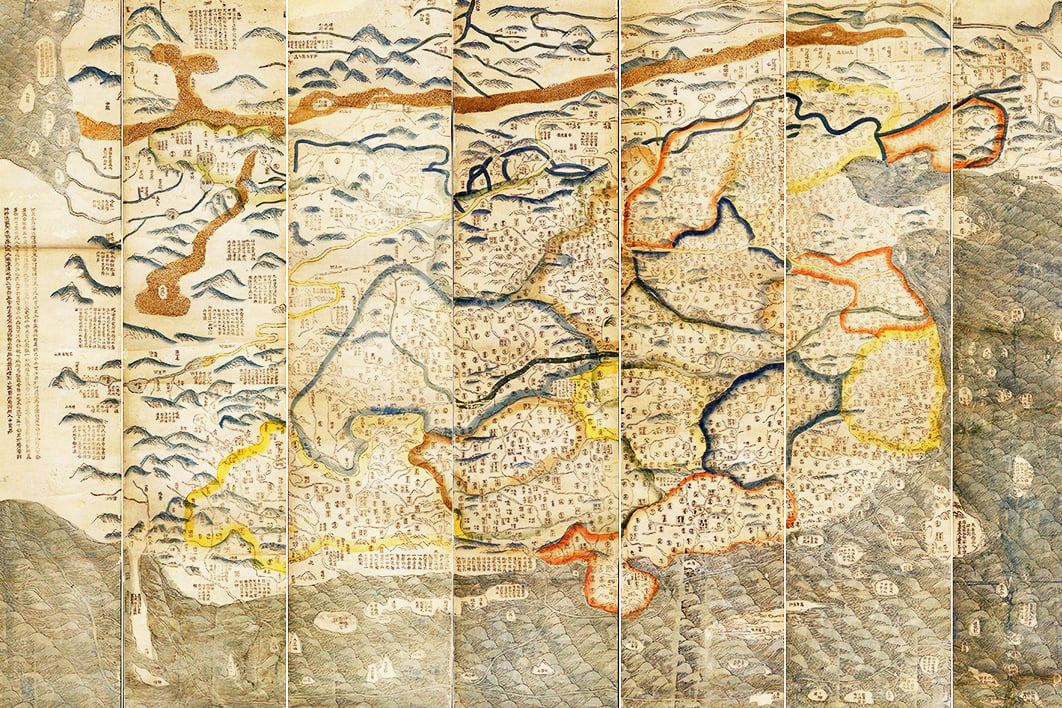
Photo: Creating a nation: a nineteenth-century copy of a 1767 map titled “Da Qing wan nian yi tong tian xia quan tu” (The great Qing Dynasty’s complete map of all under heaven). Science Photo Library/Alamy. By Kerry Brown November 24, 2020 In the desire to change China do we risk rewriting its history? Review of the book “The Invention of China” by Bill Hayton  Bill Hayton is a journalist and historian whose career has included periods working in Asia. His decades of producing news and reportage have given him a sharp sense of what makes good stories, and a clear, uncluttered style with which to write them. That experience stood him in good stead in his previous book, The South China Sea: The Struggle for Power in Asia, which had the great merit of taking a hugely complicated subject and, using vivid characterisation, personal testimony and clear thinking, making it comprehensible. It...
Categories

Year

Author / Contributor

Region