Russia international relations

Category

Year

Author / Contributor

Region

Sort by

Showing 1-10 of 190 stories

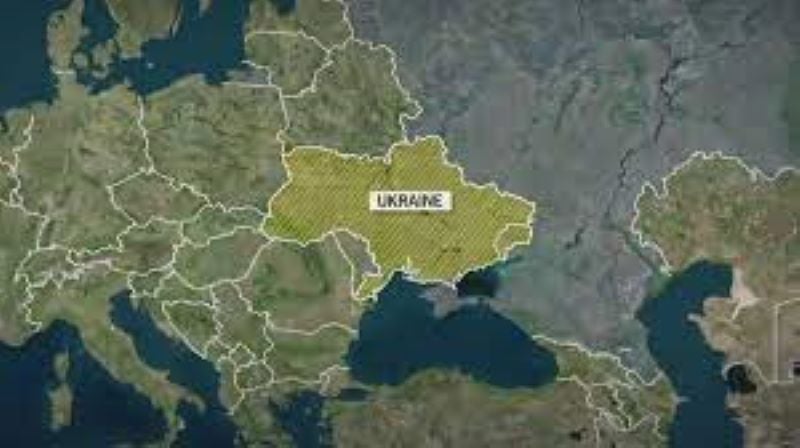
2Ukraine-is-a-buffer-state-nbc-news
Nicolai Petro April 10, 2023 (original 2019) HARD LESSONS TO LEARN FROM THE CLASSICS “Tragedy rests not in the individual destiny…but in the general condition, of a people reducing or destroyingitself because it is not conscious of its true condition” – Raymond Williams, Modern Tragedy Abstract As the war in Ukraine enters its fifth year,  the country remains mired in debt, corruption, and strife. The country seems to be caught up, again, in a vicious cycle that has been repeating itself for decades, if not centuries. Classical Greek tragedy gives us a deeper look at the reasons behind Ukraine’s persistent failure to achieve social stability, and suggests remedies. The tragic cycle can be broken through a compromise in which individual, social and divine aspirations for justice are reconciled. As long as Ukrainian leaders seek to achieve justice without compromise, the nation’s self-destructive cycle is likely to persist. Originally published in...

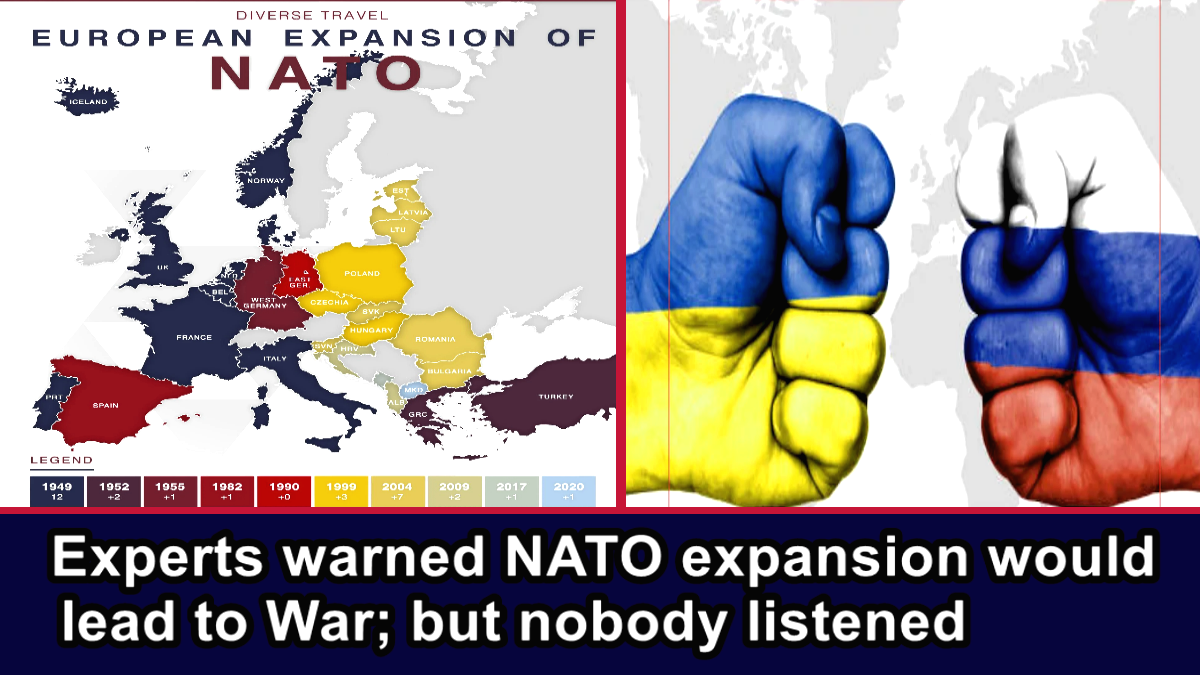
nato-war
Ted Snider April 5, 2023 In 2008, William Burns, who is now Biden’s director of the CIA but was then ambassador to Russia, warned that “Ukrainian entry into NATO is the brightest of all redlines for the Russian elite (not just Putin).” He warned Secretary of State Condoleezza Rice that “I have yet to find anyone who views Ukraine in NATO as anything other than a direct challenge to Russian interests.” Short even of expansion into Ukraine, Burns called NATO expansion into Eastern Europe “premature at best, and needlessly provocative at worst.” If it came to Ukraine, Burns warned, “There could be no doubt that Putin would fight back hard.” But Burns was not the first Russia expert to flash that warning sign to the White House. In 1990, as the Soviet Union broke apart like a jigsaw puzzle into separate countries, the US and NATO were at a crucial...
mearsheimer
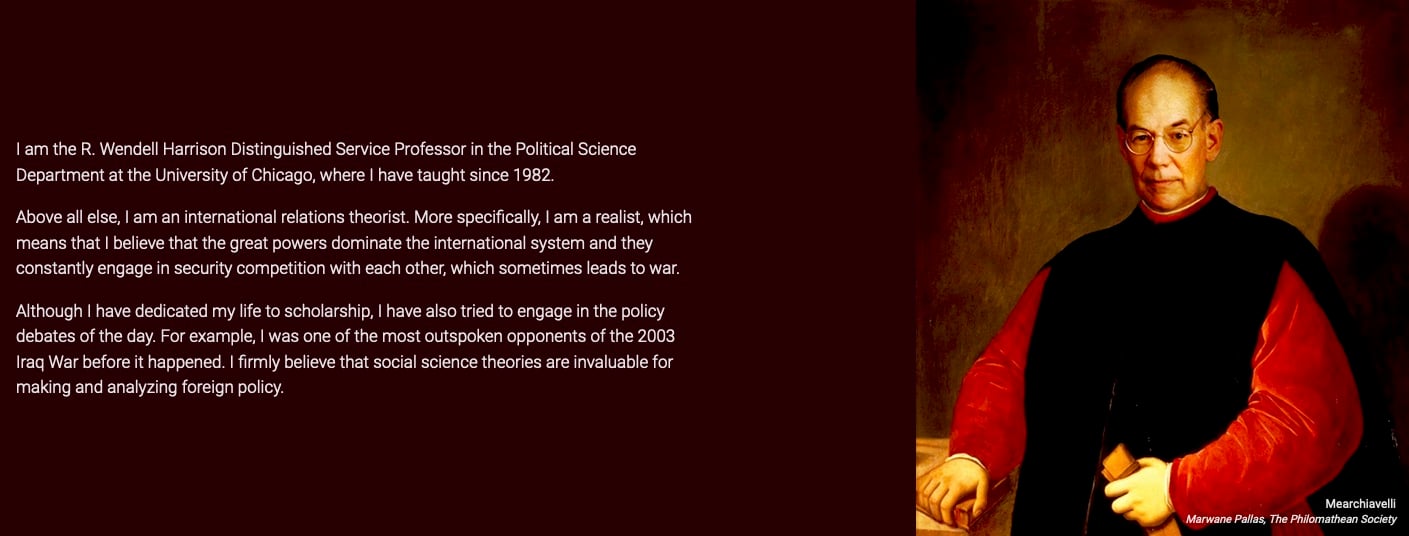
John Mearsheimer April 1, 2023 No introduction is needed. Professor Mearsheimer is a leading scholar of the realist school and, with his texts and lectures, has made himself a major source of an enlightened understanding of the conflicts that blew up in the proxy war now being fought out so tragically and cynically in Ukraine. Indeed, he is also a brilliant pedagogical lecturer who needs neither manuscript nor notes. The quality of content and form, therefore, speaks volumes about what a good intellectual is – contrasting the de-intellectualised field of international politics and much of the study of it. Jan Oberg, editor The author Click on his name above, and you get to his rich personal homepage.
brics-logo
The story of the BRICS countries and their accelerating role in world affairs. Jan Oberg March 31, 2023 We bring you this 13:45 minutes video from US-based Sino Sphere on YouTube about BRICS – Brazil, Russia, India, China and South Africa. Watch it with your colleagues, friends or family and ask yourself why you hear so little about these tremendously important countries and changes in world history. Among many other facts, you’ll learn that BRICS is now economically bigger than the G7 countries… Recommended reading and viewing About BRICS Deutsche WelleA new world order? BRICS nations offer alternative to West Silk Road BriefingThe BRICS Has Overtaken The G7 In Global GDP China’s GovernmentBRICS 2022 China The New Development Bank, NDB (formerly BRICS Development Bank) – including a fine short video presentation.
G7-NATO-EU-Shanghai-Cooperation-Org-West-Global-South
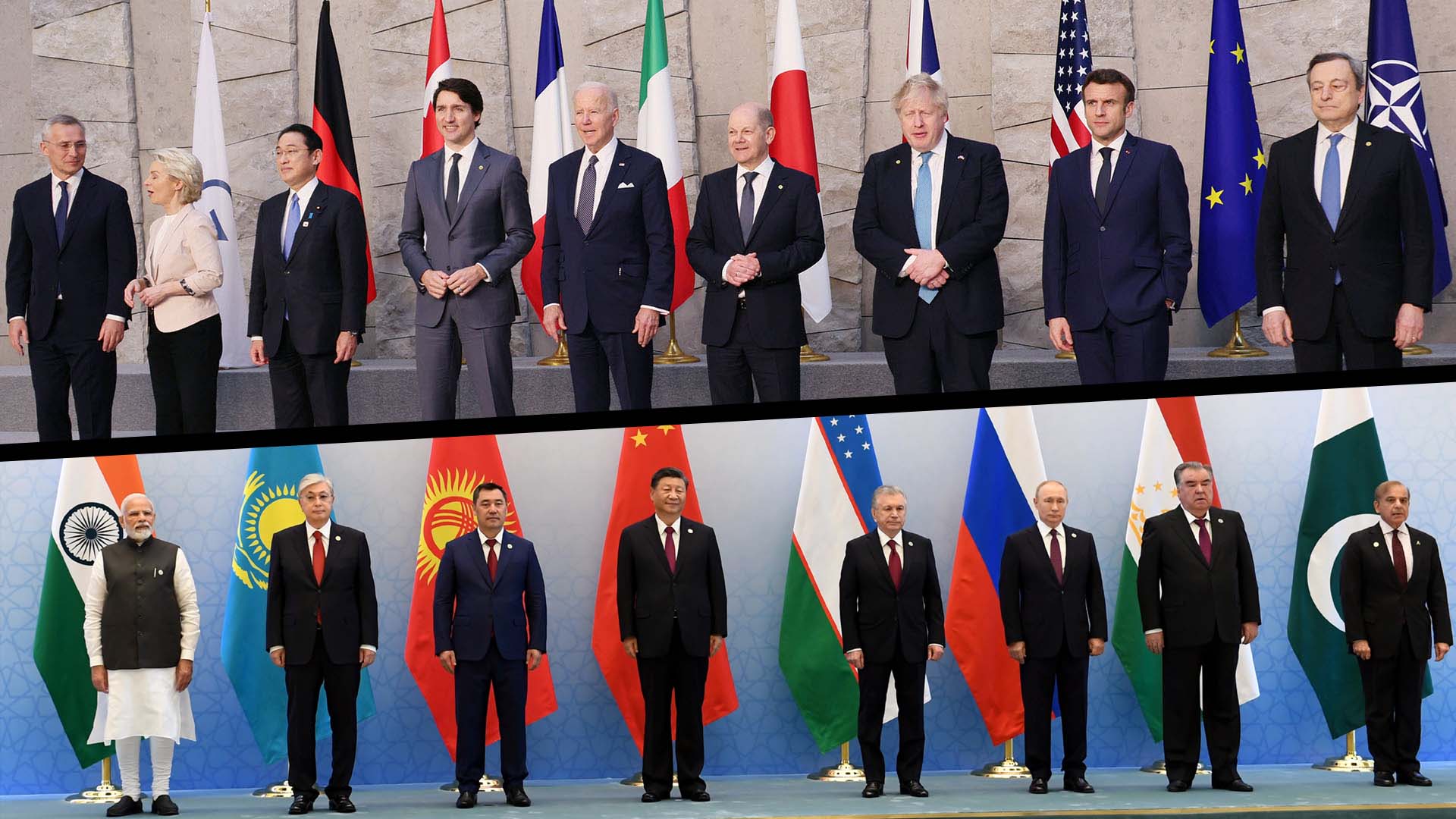
Meetings of the G7 and NATO (top) and Shanghai Cooperation Organization (bottom) Ben Norton March 29, 2023 A study by the elite EU-funded European Council on Foreign Relations found the West is out of touch politically with the rest of the world. Most people in China, India, and Türkiye see Russia as an important ally, and they want multipolarity, not continued “American global supremacy”. Originally published at Geopolitical Economy on February 25, 2023 A study by an elite European government-funded think tank found that, while the United States and Europe are growing closer together, the West is increasingly out of touch politically with the rest of the world. The report, from the EU member state-financed European Council on Foreign Relations, conceded that the system of “American global supremacy” is in rapid decline, and many people in the Global South want a new “multipolar world”. The series of polls concluded that NATO’s proxy...
Feature
Jan Oberg March 21, 2023 Letter from a soul-sister stranger for peace One autumn day in 2022, a mail winged into TFF’s inbox from a woman in the United States. Here first some excerpts; the first sentence reveals a sense of being in a larger world. ” I hope you’re feeling all right, even though it’s difficult to feel that way now. I’d like to send you this letter that I’m sending to as many people that I can think of. Given the urgency of the international situation I figure it’s no time to be shy. Here it is! Hardly a soul responds to me, but I was hoping maybe you would. Peace will never arrive if people are not able to listen to the other side’s perspective. Peace will never arrive if people on one side of conflict tell half-truths and lies to paint the other side as only...
PravdaC_Bristle
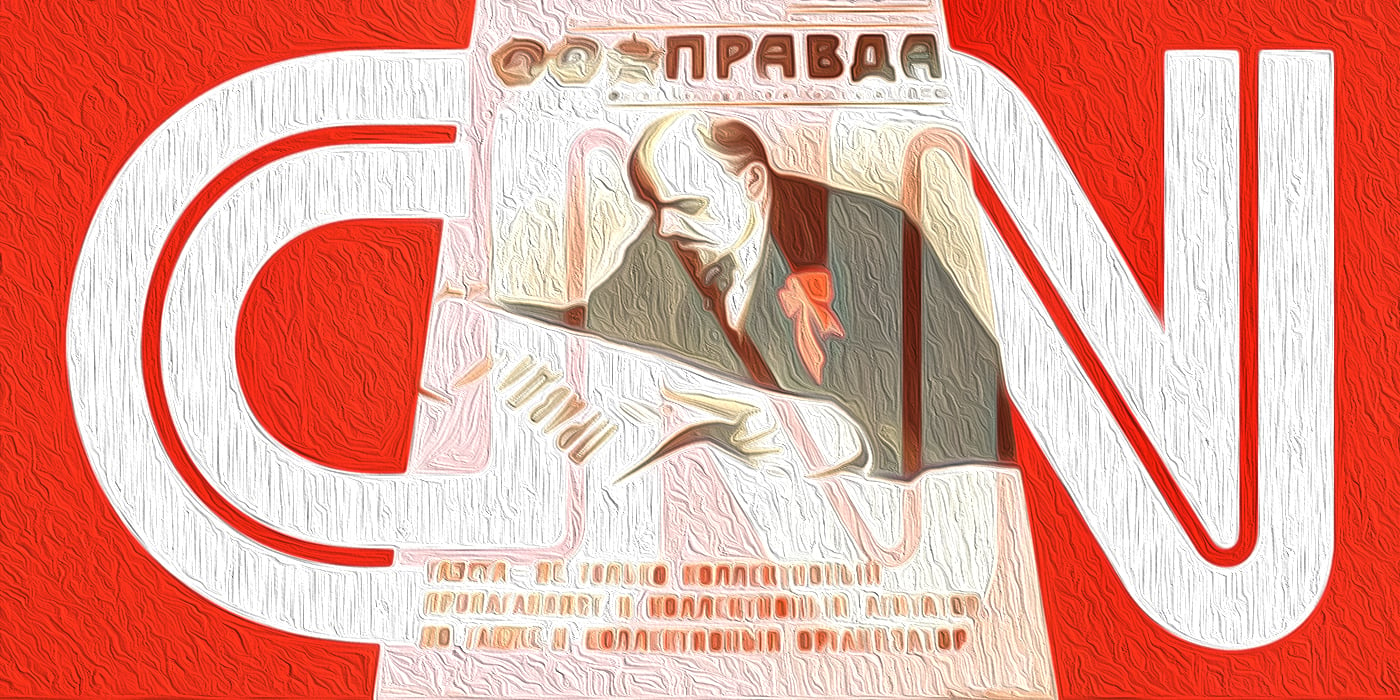
Collage © Jan Oberg 2023 A list to be updated if and when Jan Oberg March 16, 2023 The human right to freely seek information is laid down in the American Convention on Human Rights from 1968. Article 13 states that “Everyone has the right to freedom of thought and expression. This right includes freedom to seek, receive, and impart information and ideas of all kinds.” The Universal Declaration of Human Rights from 1948 states in Article 19 that: “Everyone has the right to freedom of opinion and expression; this right includes freedom to hold opinions without interference and to seek, receive and impart information and ideas through any media and regardless of frontiers.” The International Covenant on Civil and Political Rights of 1966 states in Article 19 that: “1) Everyone shall have the right to hold opinions without interference. 2) Everyone shall have the right to freedom of expression;...
putin-vladimir
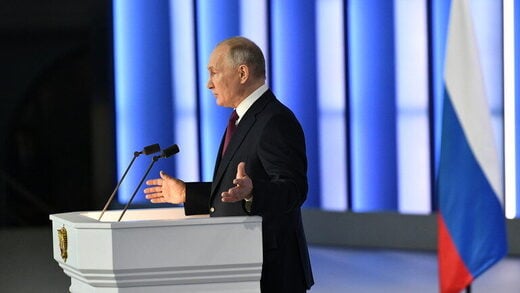
© Sputnik / Maksim Blinov Russian President Vladimir Putin delivers his annual address to the Federal Assembly, including lawmakers of the State Duma, members of the Federation Council, regional governors and other officials, in Moscow, Russia, on February 21, 2023. Dmitry Trenin March 8, 2023 The West’s failed Ukraine strategy has empowered the Global Majority to reject US domination In his recent landmark address to Russia’s parliament, President Vladimir Putin cited the war in Ukraine and US/NATO involvement in the conflict as the main reason for his decision to “suspend” Moscow’s participation in the 2010 New START Treaty on strategic nuclear weapons. Putin also suggested that Russia should be ready to resume nuclear testing. Effectively, this announcement, promptly turned into law by the Russian parliament, means a formal end to the long-ailing institutions of strategic arms control that began over 50 years ago. If New START is followed by the...
minsk
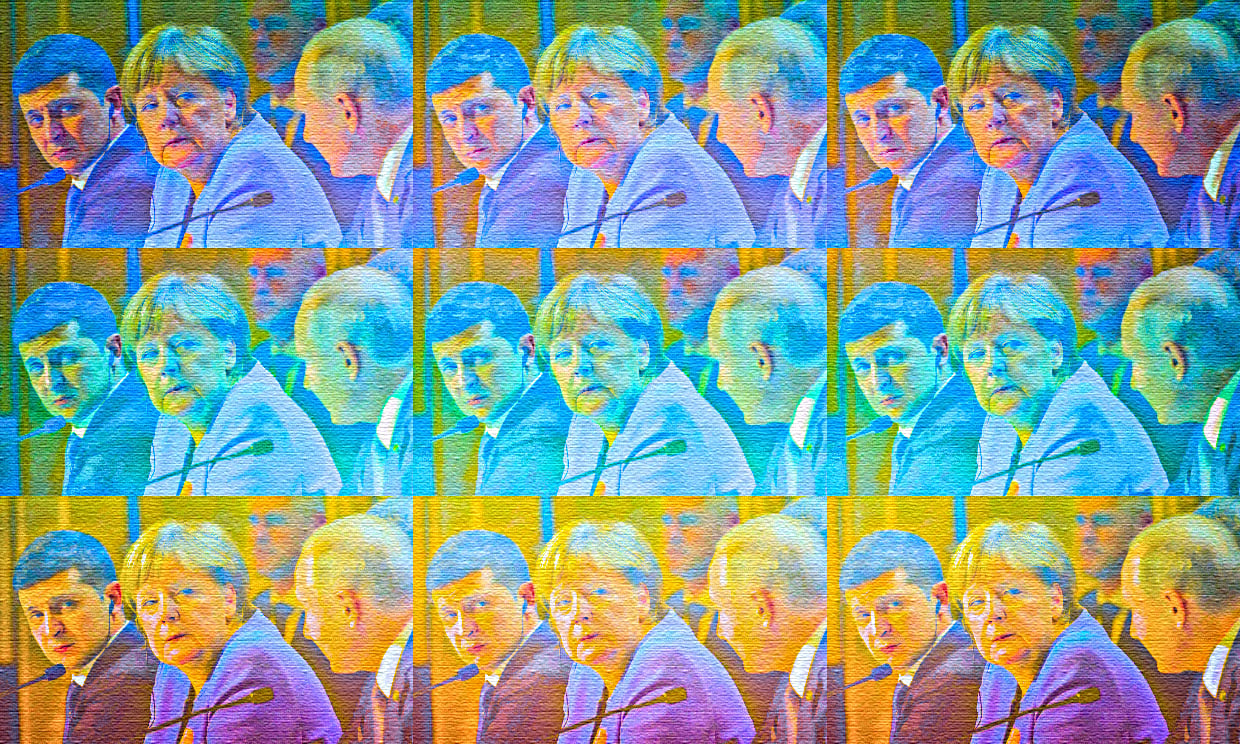
Photo collage by Jan Oberg 2023 Anatol Lieven March 11, 2023 Why did Vladimir Putin invade Ukraine and try to capture Kyiv in February 2022, and not years earlier? Moscow has always wanted to dominate Ukraine, and Putin has given the reasons for this in his speeches and writings. Why then did he not try to take all or most of the country after the Ukrainian revolution of 2014, rather than only annexing Crimea, and giving limited, semi-covert help to separatists in the Donbas? On Friday’s one-year anniversary of Russia’s criminal invasion of Ukraine, it is worth thinking about precisely how we got to this point – and where things might be going. Indeed, Russian hardliners spent years criticising their leader for not invading sooner. In 2014, the Ukrainian army was hopelessly weak; in Viktor Yanukovych, the Russians had a pro-Russian, democratically elected Ukrainian president; and incidents like the killing...
Ollie-Vargas-Image-of-countries-Sanctions-Ukraine-WEF-Energy
Map Shows Countries That Support Western Govt Sanctions Against Russia vs Those Who Do Not By Krishen Mehta February 22, 2023 In October 2022, about eight months after the beginning of the war in Ukraine, the University of Cambridge in the UK harmonized surveys that asked the inhabitants of 137 countries about their views of the West, Russia, and China. The findings in the combined study are robust enough to demand our serious attention. These findings have caused some surprise and even anger in the West. It’s difficult for Western thought leaders to comprehend that two-thirds of the world’s population is just not lining up with the West in this conflict. However, I believe there are five reasons why the Global South is not taking the West’s side. I discuss these reasons in the short essay below.  Originally published at US-Russia Accord on February 22, 2023 1. The Global South does not...
Avery
The Illegality of NATO: Violation of the UN Charter and the Nuremberg Principles John Scales Avery February 27, 2023 In recent years, participation in NATO has made European countries accomplices in US efforts to achieve global hegemony by means of military force, in violation of international law, and especially in violation of the UN Charter, the Nuremberg Principles. Former UN Assistant Secretary-General Hans Christof von Sponeck – also a TFF Associate – used the following words to express his opinion that NATO now violates the UN Charter and international law: “In the 1949 North Atlantic Treaty, the Charter of the United Nations was declared to be NATO’s legally binding framework.” However, the United Nations’ monopoly of the use of force, especially as specified in Article 51 of the Charter, was no longer accepted according to the 1999 NATO doctrine. NATO’s territorial scope, until then limited to the Euro-Atlantic region, was...
Skaermbillede-2023-02-22-134625
Photo by Master Sgt. Sean M. Worrell, U.S. Air Force via ABACAPRESS.COM Branko Marcetic February 22, 2023 The Biden team has quietly blown past red lines of involvement. The question now, is how far is it willing to go. When the United States involves itself militarily in a conflict, it often finds it hard to get itself out, let alone avoid deep entanglements that blow well past lines it had drawn at the start of the intervention.  It happened in Vietnam, when U.S. military advisers helping the South Vietnamese fight Viet Cong eventually became U.S. soldiers fighting an American war. It happened in Afghanistan, when an initial invasion to capture al-Qaida and overthrow the Taliban morphed into a nearly two-decade-long nation-building project. And it could be happening right now in Ukraine.  Originally published at Responsible Statecraft Little by little, NATO and the United States are creeping closer to the catastrophic scenario President...
Categories

Year

Author / Contributor

Region