Dialogue

Category

Year

Author / Contributor

Region

Sort by

Showing 1-10 of 31 stories

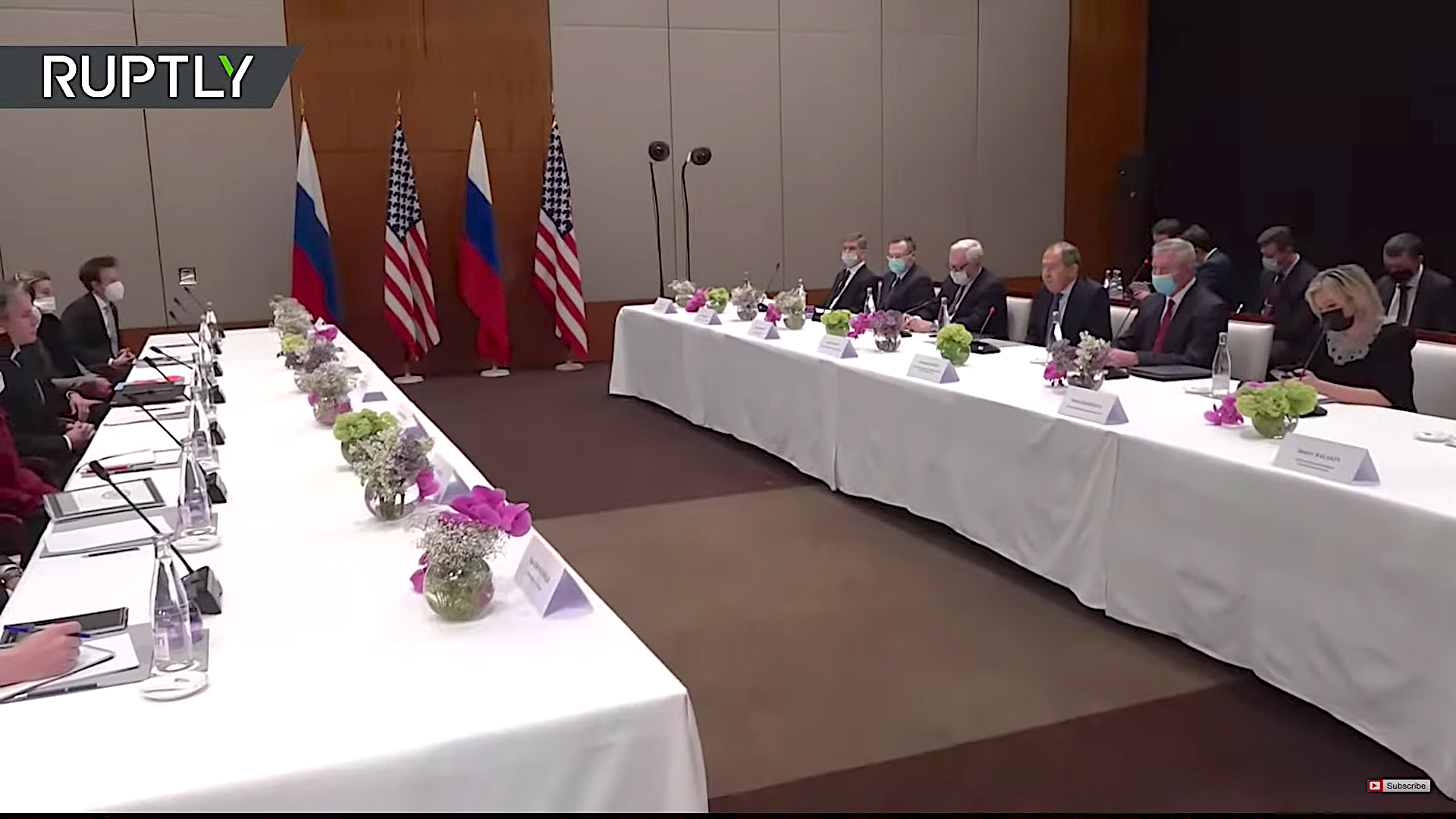
Ruptly-screenshot
Public opening session between Lavrov and Blinken on Friday. (Ruptly screenshot.) The toolbox is empty. Russia knows this. Biden knows this. Blinken knows this. CNN knows this. The only ones who aren’t aware of this are the American people, says Scott Ritter. Scott Ritter January 26, 2022 Originally published by Consortiumnews on January 22, 2022 U.S. Secretary of State Antony Blinken met with his Russian counterpart, Sergei Lavrov, in a hastily scheduled, 90-minute summit in Geneva yesterday, after which both sides lauded the meeting as worthwhile because it kept the door open for a diplomatic resolution to the ongoing crisis in Ukraine. What “keeping the door open” entails, however, represents two completely different realities. For Blinken, the important thing appears to be process, continuing a dialogue which, by its very essence, creates the impression of progress, with progress being measured in increments of time, as opposed to results. A results-oriented outcome was...
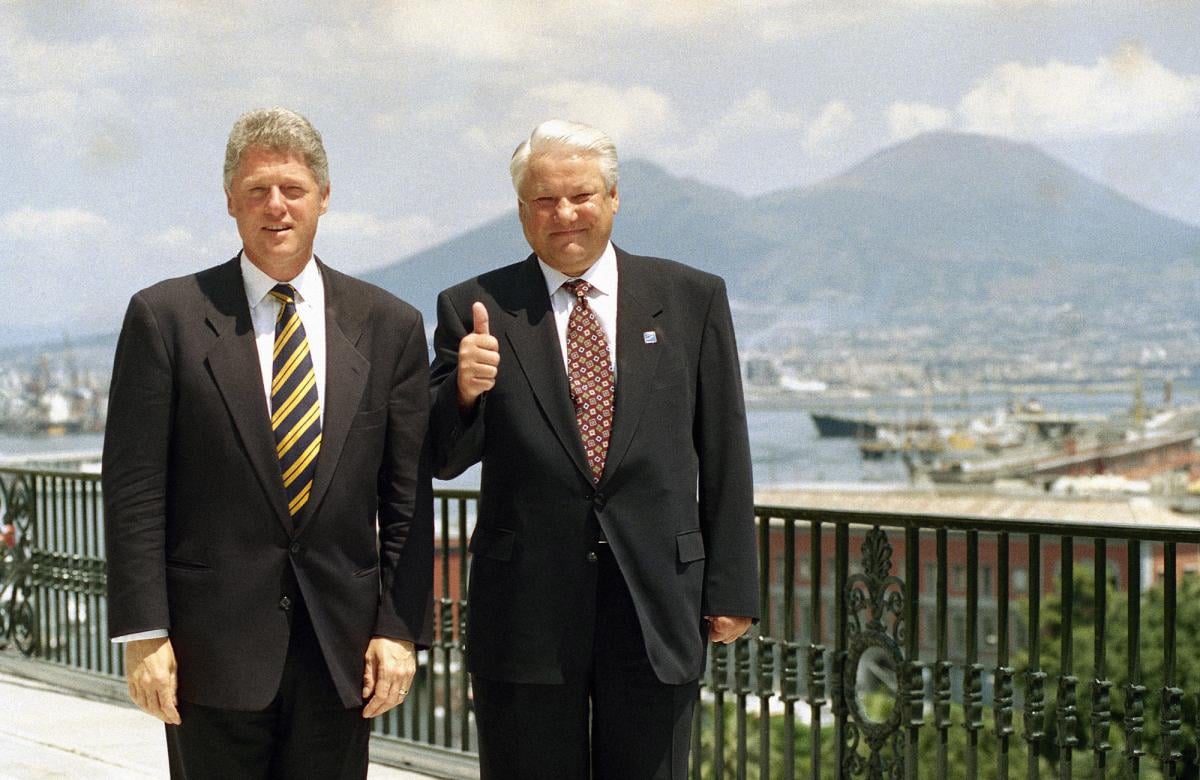
1_naples_1994_
Clinton and Yeltsin in Naples, July 10, 1994.  Dormant Vesuvius is in the background.  (Eruption wouldn’t happen until Budapest).  Source:  Inosmi.ru Declassified documents show security assurances against NATO expansion to Soviet leaders from Baker, Bush, Genscher, Kohl, Gates, Mitterrand, Thatcher, Hurd, Major, and Woerner Slavic Studies Panel Addresses “Who Promised What to Whom on NATO Expansion?” By Svetlana Savranskaya and Tom Blanton (Compiled and edited) January 7, 2022 Washington, D.C., November 24, 2021 – The biggest train wreck on the track to NATO expansion in the 1990s – Boris Yeltsin’s “cold peace” blow up at Bill Clinton in Budapest in December 1994 – was the result of “combustible” domestic politics in both the U.S. and Russia, and contradictions in the Clinton attempt to have his cake both ways, expanding NATO and partnering with Russia at the same time, according to newly declassified U.S. documents published today by the National Security Archive....

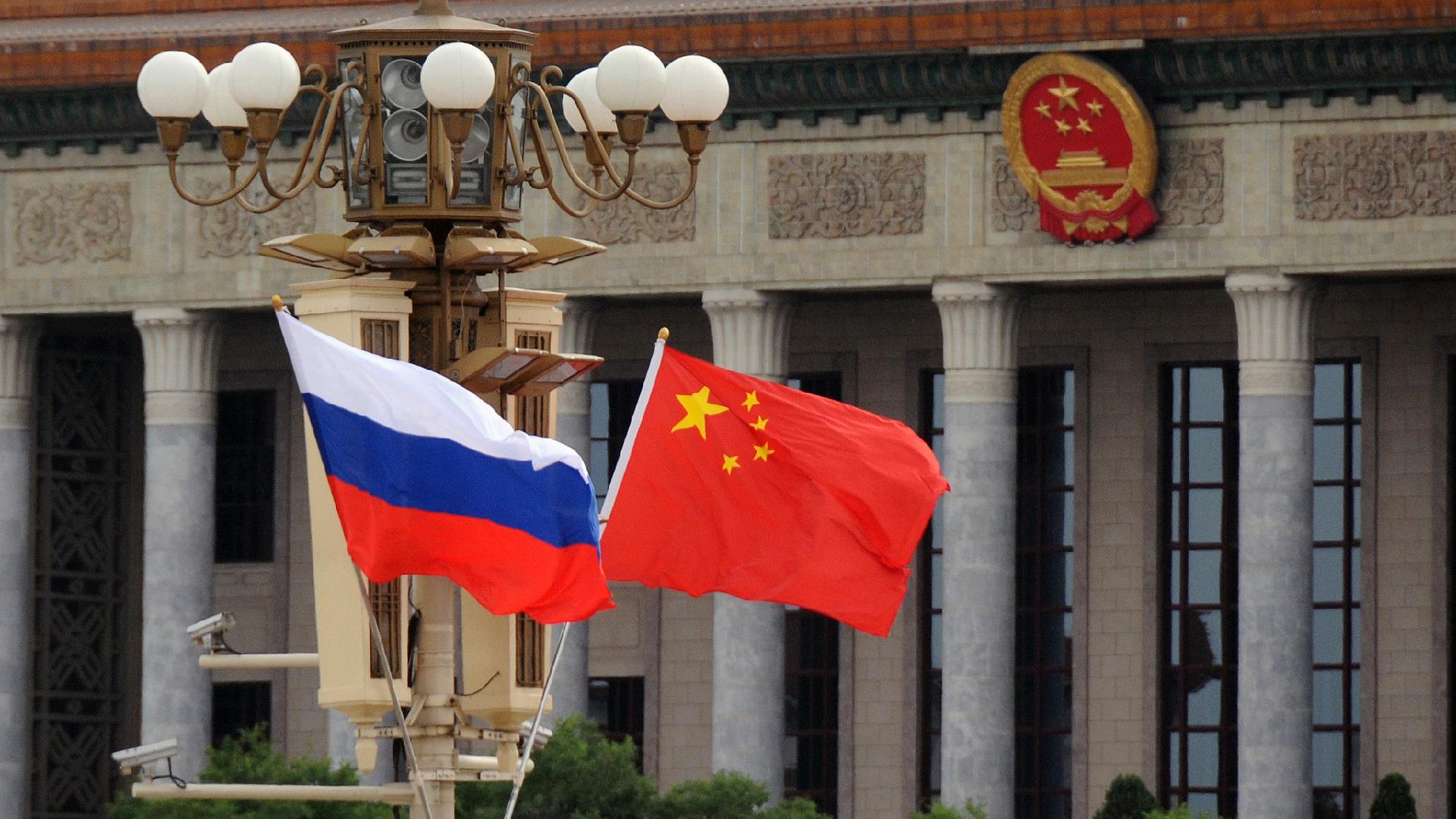
88ac4373e00144709addd67d57871bc2-1920
The embassy of the People’s Republic of China in the United States of America 10 December 2021 This Joint Article was published on ”The National Interest”. Qin Gang is the Chinese Ambassador to the United States. Anatoly Antonov is the Russian Ambassador to the United States. We publish it here on The Transnational because we believe it is a historic document both because of China-Russia cooperation which is increasing rapidly and because it makes the important point that the US no longer has any legitimate – or exceptionalist – right to tell others how to operate. The upcoming American-led online Summit for Democracy will stoke ideological confrontation. Faced with an array of global challenges, countries urgently need to strengthen coordination and cooperation for common progress. The United States will be hosting the online Summit for Democracy on December 9-10, 2021, empowering itself to define who is to attend the event and who is not, who is a “democratic country” and who is not eligible for such status. An evident...
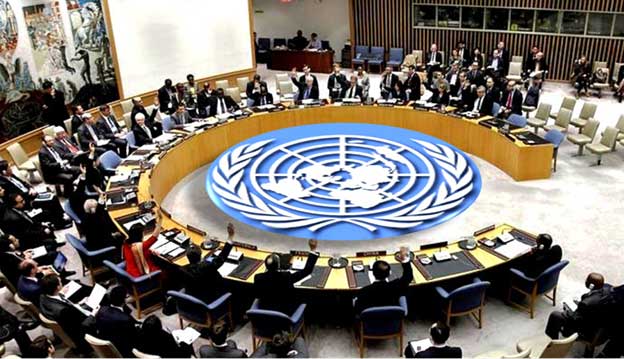
new-Cold-War_
Photo credit: The United Nations The UN Security Council is now the battleground for a new Cold War between the US and China Thalif Deen April 23, 2021 UNITED NATIONS, Apr 14 2021 (IPS) – A new Cold War – this time, between the US and China —is threatening to paralyze the UN’s most powerful body, even as military conflicts and civil wars are sweeping across the world, mostly in Africa, the Middle East and Latin America. The growing criticism against the Security Council is directed largely at its collective failures to resolve ongoing conflicts and political crises in several hot spots, including Syria, Yemen, Afghanistan, Iraq, Myanmar, Somalia, South Sudan, Ukraine and Libya — and its longstanding failure over Palestine. The sharp divisions between China and Russia, on one side, and the Western powers on the other, are expected to continue, triggering the question: Has the Security Council outlived its...
maxresdefault
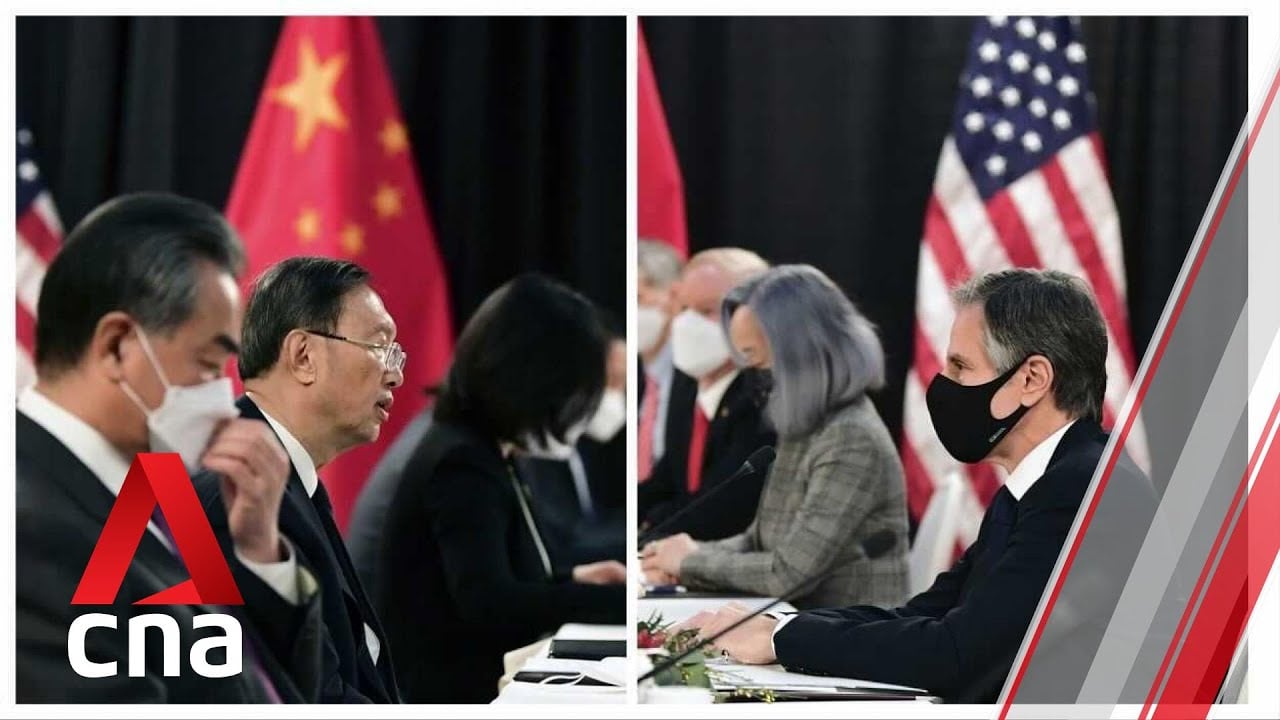
Photo credit: ChannelNewsAsia A U.S. State Department transcript April 3, 2021 Editor’s noteThere are several reasons to assume, or predict, that this meeting will be seen in the future as a serious turning point. One can’t blame the Chinese side for thinking that this is not the way to start dialogues about common matters. Indeed, Secretary of State Antony Blinken here reveals a surprisingly impolite and amateurish style of diplomacy – a style not exactly indicative of global leadership. The Chinese may well have felt, even concluded, that it is, at least at the moment, a hopeless idea to seek long-term cooperation with the United States. Therefore, we bring you the full transcript from the opening day. China’s Yang: ‘Is that the way that you had hoped to conduct this dialogue?’ NEW YORK — This is a U.S. State Department transcript of the opening remarks at the U.S.-China meeting in...
Qianlong-Emperor-and-Lord-Macartney
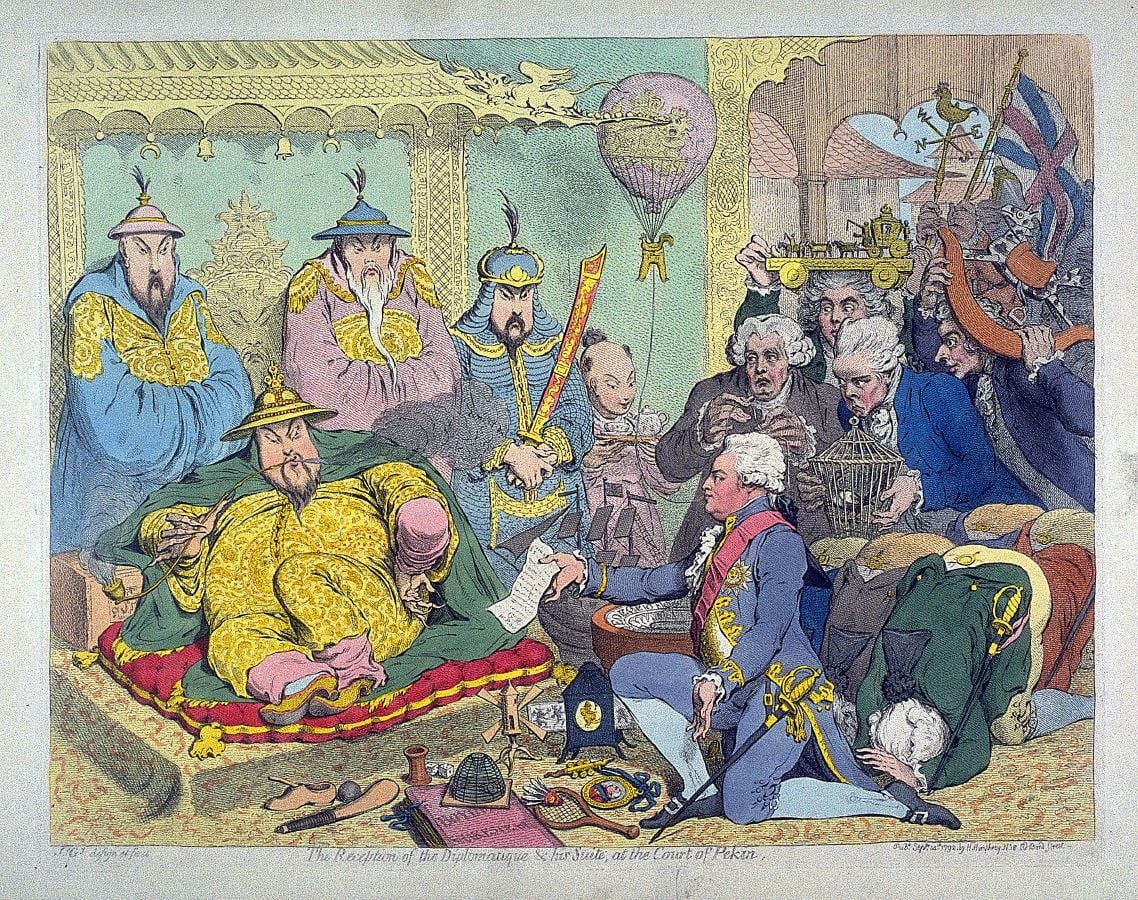
James Carter February 25, 2020 In popular understanding, the Qianlong Emperor’s rejection of Lord Macartney and King George III was an act of hubris, a failure to recognize the military might of Britain and the West, the last prideful act of a waning empire before a “century of humiliation.” But what if our understanding is all wrong? Originally posted on SupChina on September 9, 2020 “Our Celestial Empire possesses all things in prolific abundance and lacks no product within its borders. There was therefore no need to import the manufactures of outside barbarians in exchange for our own produce.” This was the Qianlong Emperor’s response, in part, to British Lord Macartney in September 1793. For a century, the British, like other seafaring Europeans, had been restricted by the “Canton System” that permitted commerce only at the port of Guangzhou (Canton), through official government monopolies, and during a certain season. Industrialists...
branding-un
February 15, 2021 By Mona Ali Khalil By all accounts, 2020 has been a terrible year so far — but is it worse than 1920? In 1920, World War I, which killed 16 million people, had just ended. The two-year influenza pandemic that followed killed 50 million more. In 2020, the Covid-19 pandemic has already killed more than one million people and infected more than 40 million with infections surging worldwide. Originally published at Passblue With 20/20 hindsight, the 20th century was a terrible one. It heralded two world wars that together took more than 85 million lives. The collapse of the Ottoman Empire ushered in an era of British and French colonialism that led to deadly decolonization and national liberation battles in Latin America, Africa and Asia. It was a century of genocides — including the Holocaust in Europe — which was the worst and most remembered — as well...
cover_sanctions_0
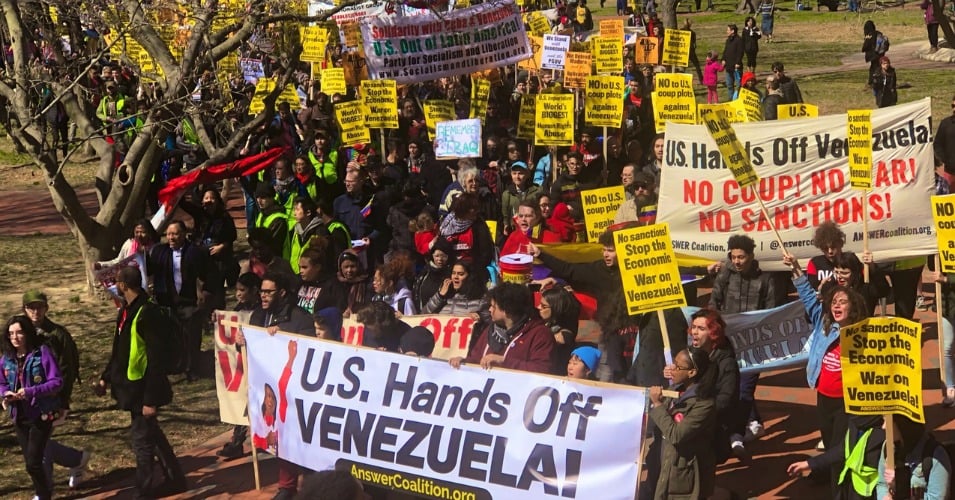
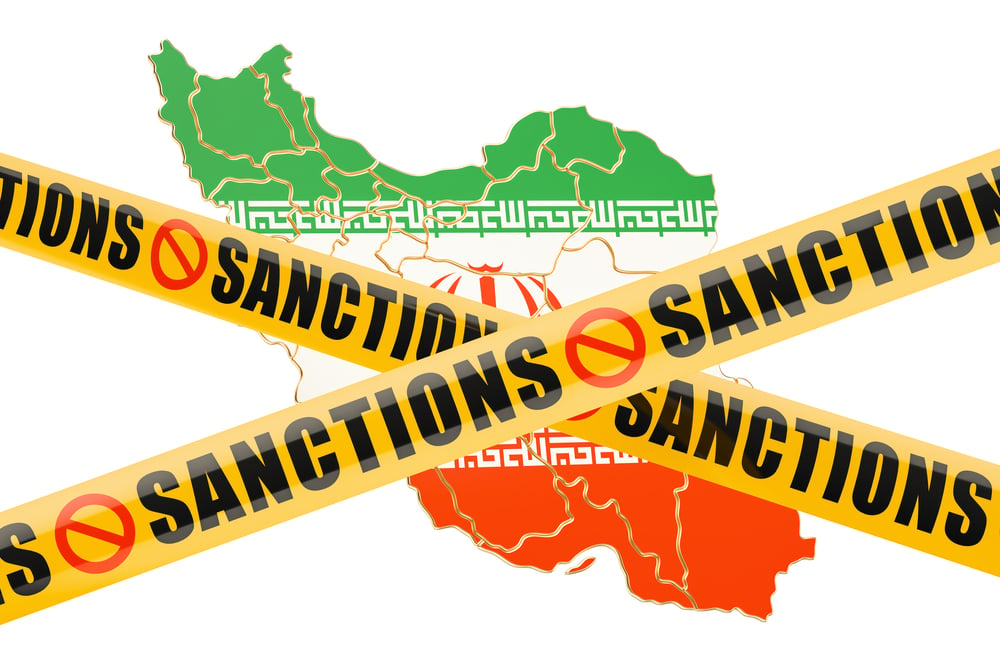
By Kevin Zeese and Margaret Flowers February 10, 2020 The US is currently attacking one-third of the planet’s population with 8,000 economic sanctions, ongoing acts of war against 39 nations. “Their intent is to shrink the economy and cause chronic shortages and hyperinflation while ensuring a lack of access to finance to pay for essentials.” Originally posted in the Black Agenda Report, January 15, 2020 The United States is relying more heavily on illegal unilateral coercive measures (also known as economic sanctions) in place of war or as part of its build-up to war. In fact, economic sanctions are an act of war that kills tens of thousands of people each year through financial strangulation. An economic blockade places a country under siege. A recent example is the increase in economic measures being imposed against Iran, which many viewed as more acceptable than a military attack. In response to Iran...
changingmeconstell
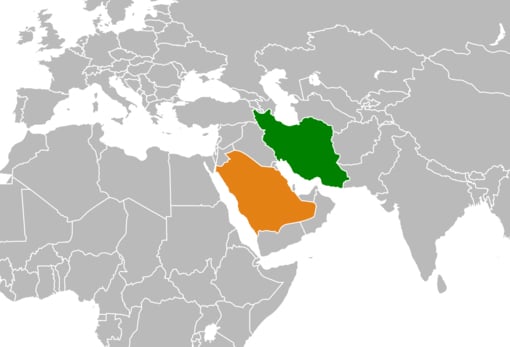
By Conn M. Hallinan November 27, 2019 The fallout from the September attack on Saudi Arabia’s Aramco oil facilities is continuing to reverberate throughout the Middle East, sidelining old enmities – sometimes for new ones – and re-drawing traditional alliances. While Turkey’s recent invasion of northern Syria is grabbing the headlines, the bigger story may be that major regional players are contemplating some historic re-alignments. Originally posted on Counterpunch on November 8, 2019, here After years of bitter rivalry, the Saudis and the Iranians are considering how they can dial down their mutual animosity. The formerly powerful Gulf Cooperation Council (GCC) of the Persian Gulf monarchs is atomizing because Saudi Arabia is losing its grip. And Washington’s former domination of the region appears to be in decline. Some of these developments are long-standing, pre-dating the cruise missile and drone assault that knocked out 50 per cent of Saudi Arabia’s oil...
xjp-iranrowhani-705x437
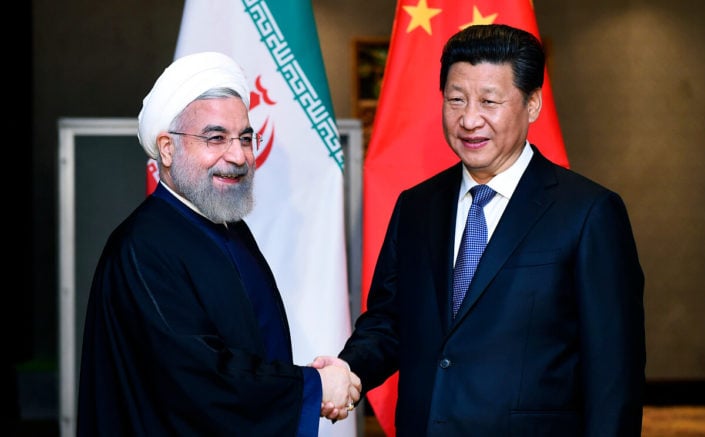
By Sabena Siddiqui September 20, 2019 Facing an economic crisis in large part due to US sanctions, Iran soon may be aligning its policies toward China’s. Having recently updated the terms of a 25-year strategic partnership signed with Beijing in 2016, it looks like Tehran is indeed returning to its Look East foreign policy. Originally posted on Al-Monitor’s website September 17, 2019 here Considered an important player in Chinese President Xi Jinping’s Belt and Road Initiative (BRI) megaproject, introduced in 2013, Iran has been pursued by Beijing for its energy resources and strategic location. But when economic sanctions on Iran were lifted under the Joint Comprehensive Plan of Action (JCPOA) nuclear deal in 2015, Iran preferred to do business on a global basis. Instead of committing to an eastward-looking foreign policy at that time, Tehran tried to maintain a balance. However, since the United States withdrew from the nuclear deal in May 2018, Europe...
Sitara-one-min
By Pressenza New York September 18, 2019 Originally posted on Pressenza New York’s website on September 09, 2019 here On this show we speak with Alice Slater about the historical process of nuclear weapon treaties and the relationship between the US and Russia. Alice is the UN NGO Representative of the Nuclear Age Peace Foundation, sits on the boards of World Beyond War, Nuclear Ban US, and the Global Network Against Weapons and Nuclear Power in Space, and is a member of the Global Council of Abolition 2000. She is on the NYC Working Group for the Nobel Prize-winning International Campaign to Abolish Nuclear Weapons (ICAN) ‘s campaign to promote the newly passed treaty to ban the bomb. Alice is a member of the NYC Bar Association and has written numerous articles and op-eds for Pressenza. Political actions you can take to ban the bomb and cut down the war...
shutterstock_714035503
By Kevin Cashman and Cavin Kharrazian Iranian foreign minister Mohammad Javad Zarif recently visited the Group of Seven (G7) at the invitation of French president Emmanuel Macron, in what was seen as an overture to the Trump administration to negotiate over sanctions that have plagued the Iranian economy. Back in 2018, after months of increasingly hostile rhetoric, the US government withdrew from the Joint Comprehensive Plan of Action (JCPOA), or “Iran Deal,” and imposed a “maximum pressure” campaign that included unilateral, economy-wide sanctions. The Iran Deal was an agreement that provided Iran relief from existing sanctions in exchange for limits on its enrichment of uranium, among other concessions. These sanctions hampered trade between the European Union, whose leaders have sought to salvage the Iran Deal. Originally posted on September 1, 2019, on the Center for Economic and Policy Research (CEPR) here When President Trump reimposed sanctions in November 2018, it cut off...
Categories

Year

Author / Contributor

Region