Peace research

Category

Year

Author / Contributor

Region

Sort by

Showing 1-10 of 72 stories

soldiersnature
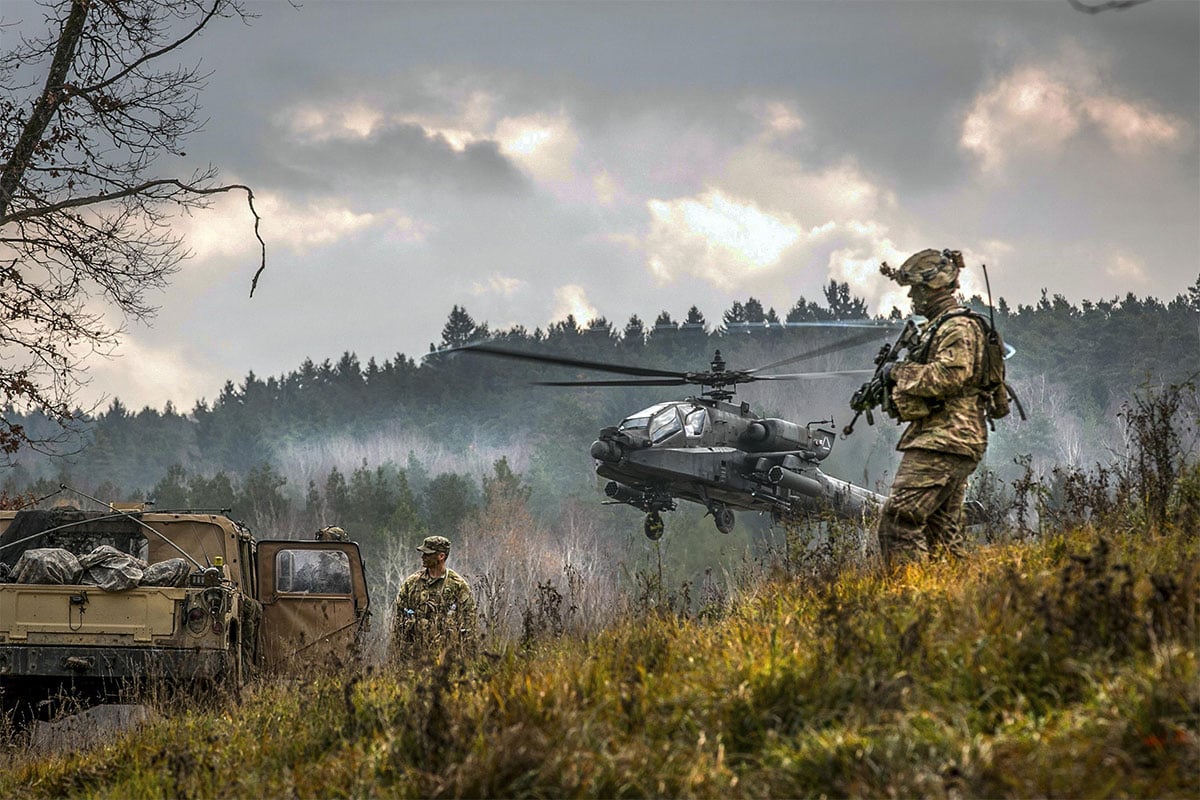
Today TFF launches “Bootprint – Militarism and Environment” – a curated, free-of-charge online magazine that brings you quality knowledge about the connections between the two most urgent problems that humanity faces. These two main clusters of problems which, if not solved, threaten to destroy humanity, our Earth and all future potentials are: Environment – with catchwords such as climate change, global warming, CO2 footprint, non-sustainability, pollution, resource depletion, species extinction, variety and diversity reduction, rain forest destruction, overconsumption, fossil fuels economy, limitless material growth, etc. etc. – and Militarism – with catchwords such as warfare, nuclear weapons, arms production and trade, militarization of land, air, space and oceans, tension creating, interventionism, base networks, terrorism, cyber and propaganda warfare, other weapons of mass destruction, special forces operations, intelligence agency crimes, imperialism, etc. The two clusters a fundamentally connected – militarism is enormously destructive of the environment; climate change and other processes...

1024px-Universitetshuset_i_lund
The main building of Lund University, situated next to the Lund Cathedral in the centre of town And why I lived happily ever after Albeit small, this is a piece of Nordic academic history that deserves to be shared. It’s an early example of the destruction of Nordic peace and conflict research and education that followed By Jan Oberg February 10, 2020 Last November 2019, it was 30 years since I left Lund University as associate professor and head of the Lund University Peace Research Institute, LUPRI, from 1983-1989. I did so, and have been a freelancer ever since because the Faculty of Social Sciences that year had decided to close down all inter or multi-disciplinary research and teaching, units and departments at the university – that is, peace and conflict research, women studies, human rights studies, environmental studies and human ecology studies. In my view, this was a disastrous...
IMG_9126
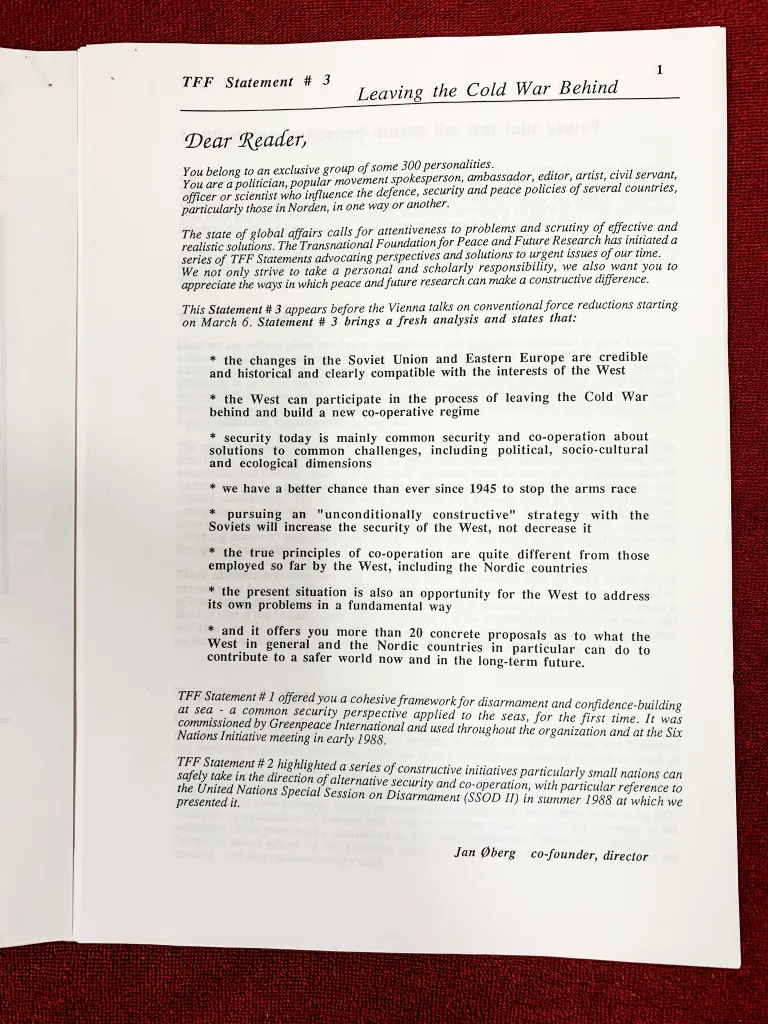
This is the digitalized version of a TFF Statement published by TFF’s Board almost 31 years ago. Could that be of any interest today? First, it reflects the situation and the issues discussed at the time as well as the hopes for a better future – now sadly lost. Secondly, it is one example of how peace researchers were thinking and made constructive political recommendations, available for anyone to take inspiration from – which virtually no one in power did. So, it’s a piece of international political as well as intellectual history. Third, it is an indicator of what the West could – and should – have done to have been in a much better situation than it is today. Admittedly, this is a contra-factual argument, but it can be defended on intellectual grounds although not empirically proven. Fourth, the authors pointed out a series of longterm priorities which match...
Peace-Sign-HD-Background-620x349
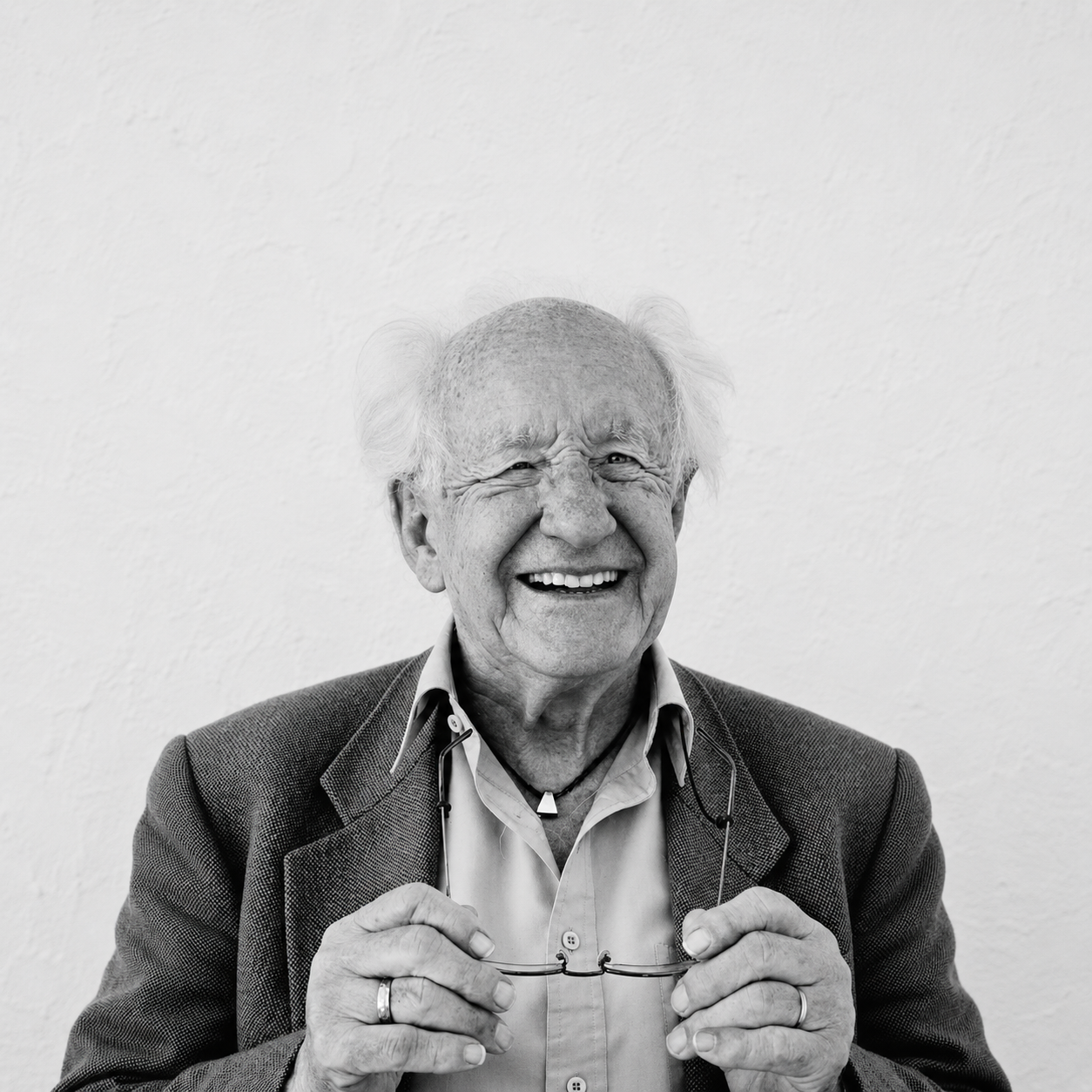
March 26, 2010, and July 3, 2019 Why Johan Galtung (born 1930) decided to devote his life to waging peace through research and action. Galtung who is one of the world’s most prolific and innovative social scientists – for instance, the author of more than 160 books and a global lecturer, mediator and professor – has been a TFF Associate since 1986 and has been published hundreds of times at TFF’s old and present site. He is also one of my two mentors in peace research – the other being Håkan Wiberg – says TFF director and co-founder, Jan Oberg.
kennedy_sotu1-P
By Dr. Lawrence Wittner June 5, 2019 In late April, the highly-respected Stockholm International Peace Research Institute reported that, in 2018, world military expenditures rose to a record $1.82 trillion. The biggest military spender by far was the United States, which increased its military budget by nearly 5 percent to $649 billion (36 percent of the global total). But most other nations also joined the race for bigger and better ways to destroy one another through war. Originally publishes on Counterpunch.org on May 29th, 2019 here This situation represents a double tragedy. First, in a world bristling with weapons of vast destructive power, it threatens the annihilation of the human race. Second, as vast resources are poured into war and preparations for it, a host of other problems―poverty, environmental catastrophe, access to education and healthcare, and more―fail to be adequately addressed. But these circumstances can be changed, as shown by...
1-19-Martin-Luther-King-ftr
– Martin Luther King Day Since The Transnational is also a public education site, we believe a handy, comprehensive guide to materials about Martin Luther King, Jr. should be found here: For his indisputable greatness as a human being, thinker and activist and for you to see just how far today’s United States of America is from its basic ideals, ideals that he stated so clearly and convincingly. Such ideals must never be allowed to die, neither be turned into lifeless traditions over time that are only paid lip service to at memorial occasions. Martin Luther King, Jr. has a series of messages for today’s world – and inspires anyone who wants to bring about change towards peace. We are particularly fascinated by his elaborations of the concept of The Beloved Community. And we’ve published two other guides earlier: Michel Chossudovsky, TFF Associate, Global Research Guide to Martin Luther King,...
1-1
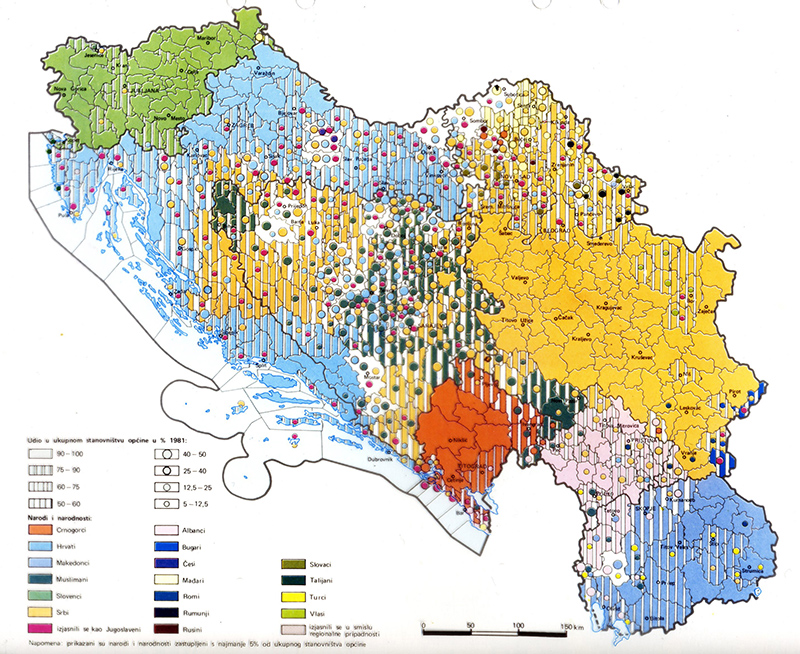
The ethnic map few understood. Should make it clear that cutting up Yugoslavia in independent republics could not be done without bloodshed. (1) Yellow = Serbs, Dark Green = Muslims, Light Blue = Croats,  Light Green = Slovenes, Orange = Montenegrins, Pink = Albanians, Darker Blue = Macedonians   , marks the 19th anniversary of NATO illegal and illegitimate bombing of Yugoslavia, Serbia and its Kosovo, province during 78 days. It has – one is tempted to say: of course – been conveniently forgotten by the West itself. It was masterminded by the United States under Bill Clinton and Secretary of State Madeleine Albright after the so-called negotiations between Serbs and Albanians in Rambouillet outside Paris (the parties never met face-to-face) While Clinton may be best remembered for his relations with Monica Lewinsky and his wife, Hillary Clinton, some of us also remember him (and Albright) for bombing Afghanistan, Sudan,...
johangaltung
* Today marks the 15th Anniversary of the US invasion of Iraq. Neither solid analyses, moral reasoning and decent argument nor history’s probably largest pre-war, anti-war demonstrations worldwide had any discernible impact on the Bush and Blair Administrations’ decision to go to war and do so on a false pretext. Neither could major allies like France and Germany by their opposition to the war on Iraq persuade Washington and London to first try a peaceful resolution in accordance with the UN Charter provisions. TFF was deeply engaged in preventing this war – also by being on the ground in Iraq – and wants to a) document the research we did and how we argued back then and b) contribute to this tragedy never being forgotten. We also want to place our analyses and debate articles at the disposal – in one place – of the students, researchers, concerned citizens and...
figure_1_trends_1978_2018-01-03-01_9
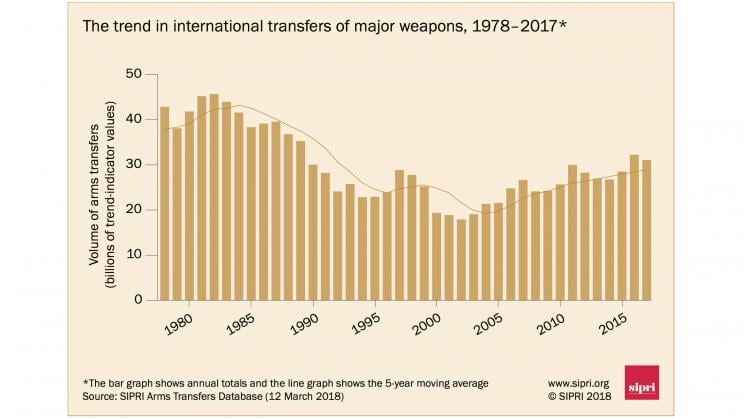
  Asia and the Middle East lead rising trend in arms imports, US exports grow significantly, says SIPRI March 12, 2018 Via sipri.org Continuing the upward trend that began in the early 2000s, the volume of international transfers of major weapons in 2013-17 was 10 per cent higher than in 2008-12, according to new data on arms transfers published today by the Stockholm International Peace Research Institute (SIPRI). The flow of arms increased to Asia and Oceania and the Middle East between 2008–12 and 2013–17, while there was a decrease in the flow to Africa, the Americas and Europe. The five biggest exporters – the United States, Russia, France, Germany and China – together accounted for 74 per cent of all arms exports in 2013–17. ‘The increased flow of arms raises concerns over their impact on international peace and security’, says Ambassador Jan Eliasson, Chair of the SIPRI Governing Board. ‘It stresses the...
GeneSharp
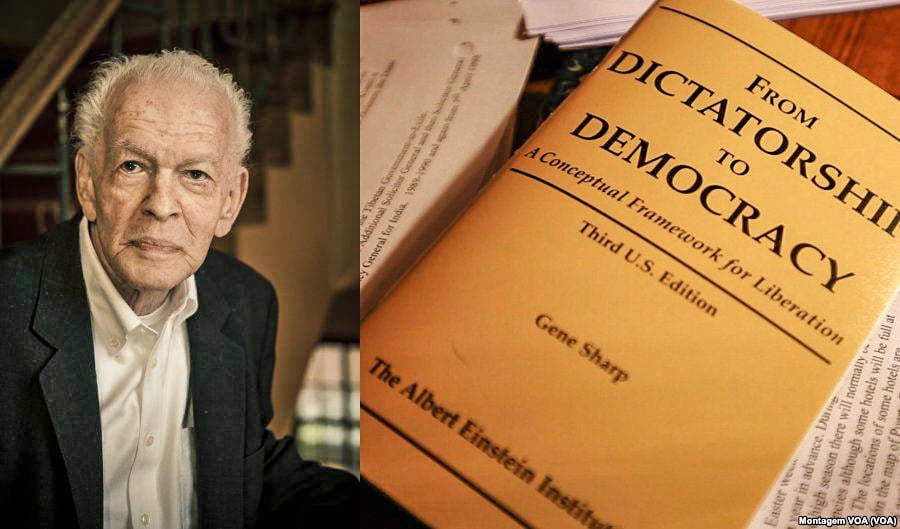
Obituary Just a week after his 90th birthday Gene Sharp passed away. The journal New Statesman once described Gene Sharp as the “Machiavelli of Nonviolence” and Thomas Weber labelled him “the Clausewitz of Nonviolent Action.” Who was this man and what is his contribution to our understanding of the possibilities to use nonviolent actions in large scale societal conflicts? Gene Sharp completed his baccalaureate in 1949, just a few scant years after the close of World War II, and quickly turned his attention to the study of nonviolence. After serving nine months in prison for being a conscientious objector to the Korean War, Sharp worked as secretary for A.J. Muste. He next joined the editorial team of Peace News in London before accepting an invitation from Arne Næss to join him in Oslo with Johan Galtung and others to study the philosophy and practice of Mohandas Gandhi. Throughout this time,...
971139_636465243033352_285095827_n
Whether or not this short video is 100% in accordance with the original, it offers insights into perceptional psychology, the question of what is reality and what does it look like to us – and how do we receive new information. It’s also about science, philosophy, socially acceptable knowledge – and how to punish the messenger. And it’s a comment on truth and ignorance. We posted this educational video 2 days after it had been uploaded by TED; by then it had already been seen by 960.000 people, shared by 17.000 and reacted to by 27.000 people! People are craving for relevant knowledge helping them live their lives better – and think better. There is a formidable educational potential in the modern media – and… you can still read about The Cave and The Republic. When it comes to war and other violence, it seems we are still living in...
cropped-davidindc-1-e1516137163905
By David Swanson Remarks at Peace and Justice Studies Association Conference in Birmingham, Alabama, October 28, 2017. Thank you for inviting me. Can everyone who thinks that war is never, and can never be, justified please raise your hand. Thank you. Now if you think every war is always justified. Thank you. And finally all the moderates holding the balanced subtle middle ground: some wars are justified. Thank you. You may not be surprised to hear that this room is not typical of this country. Typical is for absolutely everyone to pile into that last group. The relationship between peace and war is clearly not understood by the U.S. public as along the lines of that between alive and dead. Peace and war are things people imagine can coexist. In Virginia, where I live, a school board member once said he would support recognizing the international day of peace as...
Categories

Year

Author / Contributor

Region