Peace research

Category

Year

Author / Contributor

Region

Sort by

Showing 1-10 of 66 stories

PeaceResearchProblem
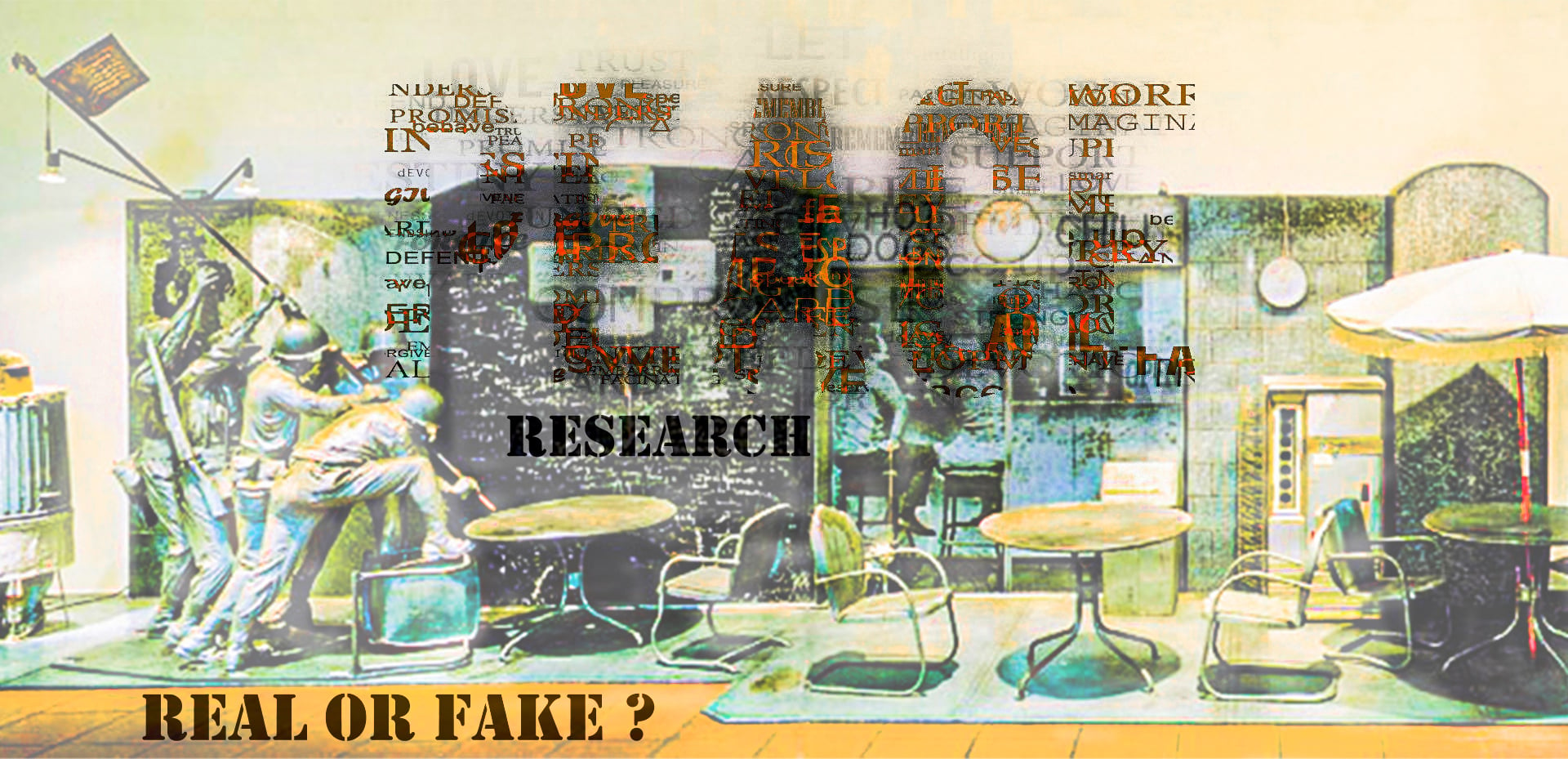
Photo collage © Jan Oberg 2021 Researchers who question the legitimacy of US wars, seem to experience being ousted from their positions in research and media institutions. The example presented here is from the Institute for Peace Research in Oslo (PRIO), an institution that historically has had researchers critical of wars of aggression – and who can hardly be labelled friends of nuclear arms. Ola Tunander, Research Professor Emeritus at PRIO Originally published in Norwegian by “Modern Times/Ny Tid”, Whistleblower supplement, March 1, 2021 A researcher is said to seek objectivity and truth. But he or she learns to select their research topics and arrive at conclusions in accordance with what the authorities and management expect, and this despite the fact that academic freedom is codified in Norway through the “freedom to express oneself publicly”, “freedom to promote new ideas” and “freedom to choose method and material». In today’s societal...
SchoolsNotBombs
The 1987 Right Livelihood Award Acceptance Speech  Peace appeals to the hearts; studies to the brain. Both are needed, indeed indispensable. But equally indispensable is a valid link between brain and heart. The history of peace studies is, of course, a collective story, and it did not start in the 1950s – it is as old as humankind, as is the history of war studies, the study of war with warlike means. Originally published at Transcend I guess the same applies to what today is called security studies, or the study of peace with warlike means, balance of power, balance of terror, deterrence through credible retaliation etc. Needless to say, that is not what peace studies are about. Peace studies are about peace with peaceful means, and I think it is generally accepted today that this has to be done in a holistic manner and with a global perspective, or...
arrest
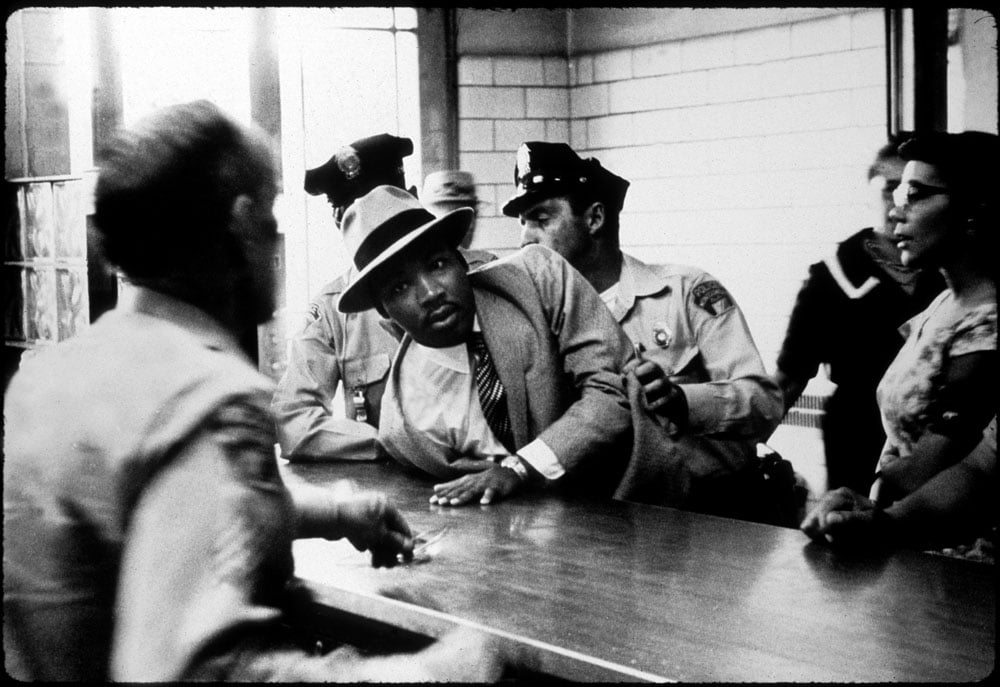
Kazu Haga February 9, 2021 Nonviolence is not simply the absence of violence, but about taking a proactive stand against violence and injustice, and working to repair the harm. Originally posted on Waging NonViolence on January 16, 2020 The following is an edited version of a chapter from Kazu Haga’s new book, “Healing Resistance: A Radically Different Response to Harm,” published with permission from Parallax Press. In Kingian Nonviolence, a philosophy developed out of the teachings of Martin Luther King Jr., there is a distinction made between nonviolence spelled with a hyphen, and nonviolence spelled without a hyphen. “Non-violence” is essentially two words: “without” “violence.” When spelled this way, it only describes the absence of violence. As long as I am “not being violent,” I am practicing non-violence. And that is the biggest misunderstanding of nonviolence that exists. I live in one of the most diverse neighborhoods in Oakland, with an equal mix of...
top
Reflecting important global development, it is also a piece of the academic history of peace, conflict and future research Jan Oberg February 3, 2021 Here is a completely new edition of TFF Associates’ blog 2011-2017. In this blog, you’ll find almost everything posted over these 6 years by TFF Associates, our group of experts on international issues who are committed to the UN Charter’s norm, Article 1, that peace shall be established by peaceful means. There are 1360 posts here. Together with the articles posted on the old 1997-2011 homepage, you’ll find an estimated 7000 accessible articles (yes, some links are broken). During those 6 years, several very important international events took place and trends became clear. Just to mention some catchwords: Ukraine/New Cold War, Syria, the war on terror, Libya, North Korea, The Trump administration, China and the new Silk Roads, 2015 European refugee crisis, changing world order –...

WorldmoiresHeader
Welcome to my worldmoires – a word I have invented for the occasion. It means writing about my life in the perspective of global affairs and trends that have influenced my work and myself since I was born in the middle of the preceding century.  And the occasion? I’m approaching the 50th anniversary of my work as a peace, conflict and future researcher.  The Transnational Foundation for Peace and Future Research, TFF, that my wife Christina and I have established turned 35 on January 1, 2021.  I hope you will find something of interest and follow the creation of the book – of which only the first small fraction is hereby launched. Now explore…
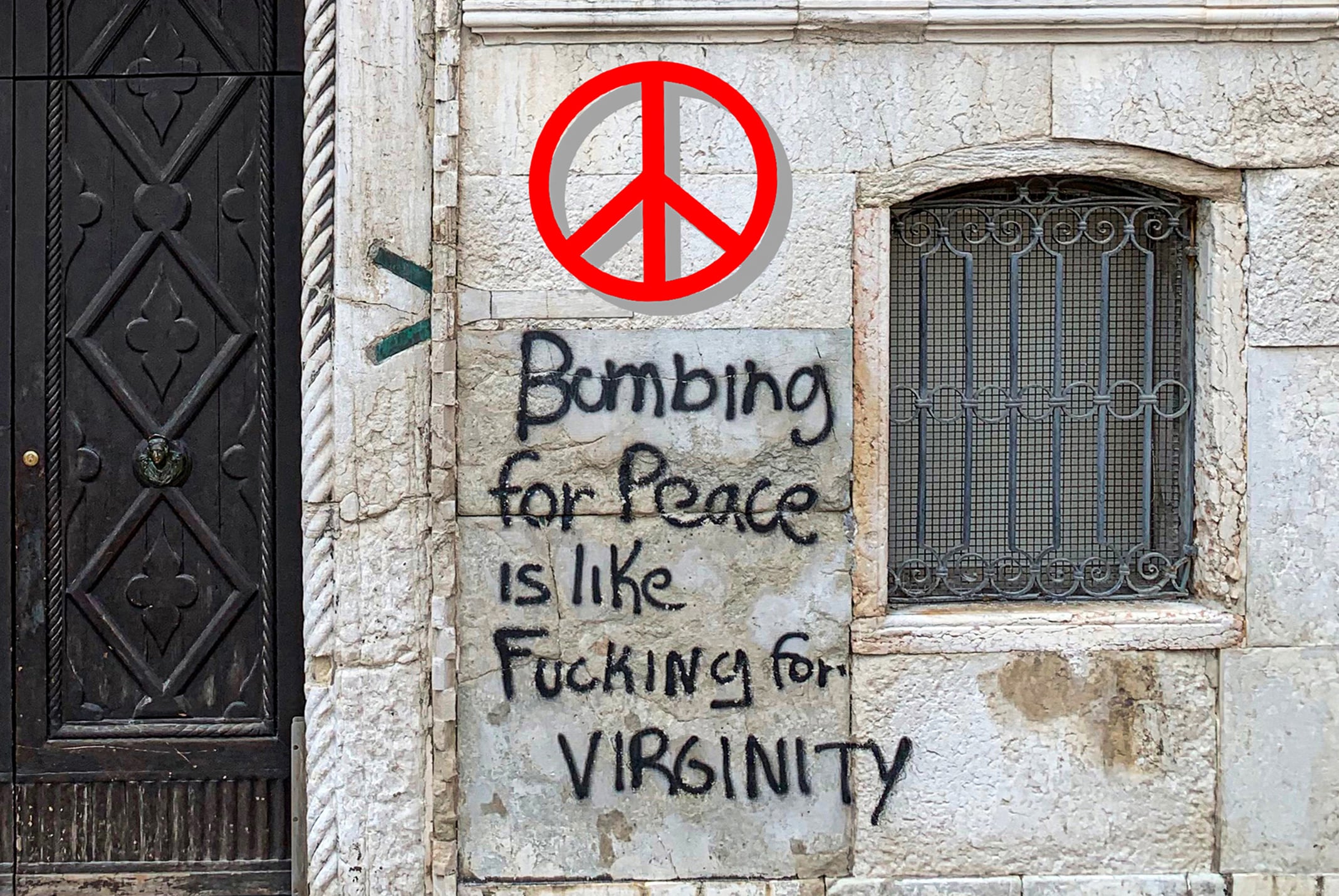
fucking4peace
Jan Oberg December 29, 2020 Look at and listen in to three spheres of contemporary Western society – politics, research and media: The word” peace” and related words, such as the UN Charter norm of “making peace by peaceful means”, nonviolence, negotiations – have disappeared. And with the words, the discourse and with the discourse, the interest, the education and expertise, the focus, the awareness and the strategies. Let us start with the political sphere. In Scandinavia where I happen to live, today’s status is very different from the 1980s. There are no global disarmament policies or disarmament ministers; the UN’s basically non-armed peace-keeping is hardly ever mentioned; while Sweden has integrated with NATO and has soldiers under NATO command, it no longer contributes a single UN peacekeeper. Ideas such as human security, common security and confidence-building measures with the presumed enemy are never mentioned in the political discourse. The...
201802
Karin Utas Carlsson December 1, 2020 The purpose of this article is to highlight the thoughts of peace researcher John W. Burton put forward towards the end of the last century. He is seen as the father of Human Needs Theory, a way of thinking behind the concept of human security, increasingly in focus in today’s debate. According to peace researcher Jan Öberg, the term human security was first used in a research report by him in 1978. Öberg analyses the concept and writes its history (Öberg, 20-05-28). This is a line of thought very different from the established defence and foreign policy, based on power politics. I strongly believe that the world would be less violent and a much better place for most of us if we used constructive methods of conflict resolution, including promoting peace. As we shall see, Human Needs Theory provides a theoretical framework for achieving...
Screenshot
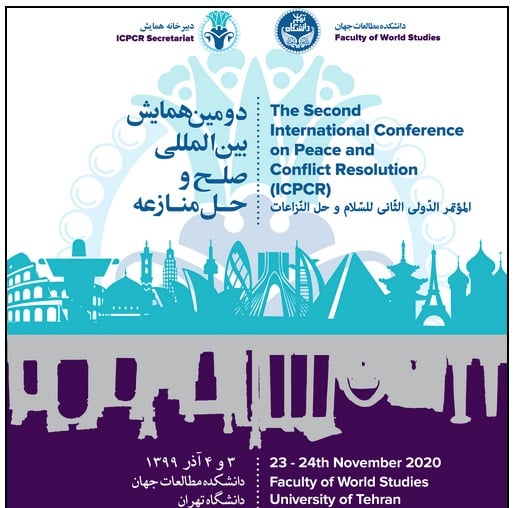
November 23 and 24, 2020, marks an important event in the international academic/university history of peace and conflict research. The reason is that the Faculty of World Studies at Tehran University holds a large – online – conference – “International Conference on Peace and Conflict Resolution (ICPCR)”. My colleague and friend there, associate professor Ali Akbar Alikhani, is the dynamic pioneer of this important endeavour which includes an international Master’s program in peace and conflict studies. It comes in the wake of a lecture I gave at the Faculty 6 years ago about peace and conflict research. As far as I’m informed, Iran is the second country in the Muslim world to establish a fill program of academic peace and conflict studies (Malaysia the first), and this conference marks the opening of this new academic field. Iran’s bustling capital also hosts an interesting, very lively, Tehran Peace Museum – but...
biden
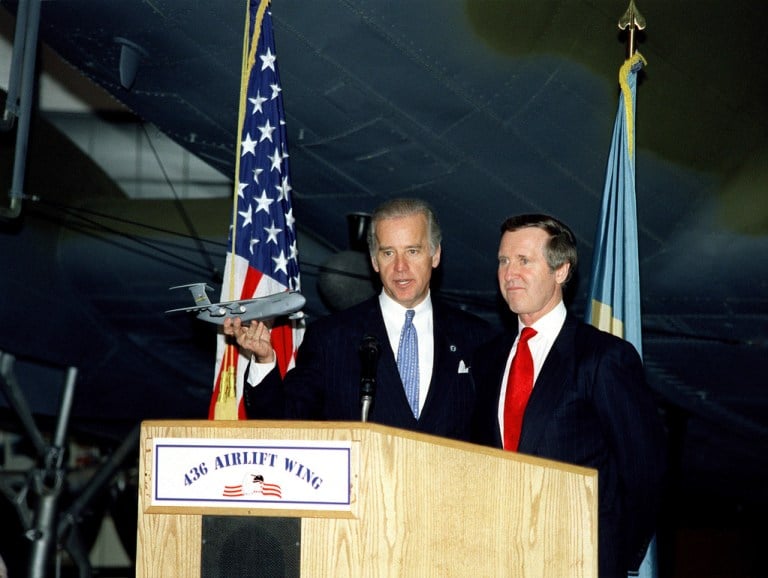
Delaware Senator Joseph Biden presents Secretary of “Defense” William Cohen with a model C5 aircraft at a luncheon in Sec. Cohen’s honor during his visit to Dover Air Force Base on Wednesday, December 15, 1999. 15 November, 2020 In June 2019, Joe Biden promised wealthy so-called donors that nothing would fundamentally change. At this moment hundreds of millions of people — from those shooting off fireworks to those ranting as though they will soon shoot up public places in their MAGA hats — seem convinced that everything will fundamentally change. Biden was wrong. Everybody else is right. Either everything will change for the better or one or both of the twin dangers of environmental and nuclear apocalypse will change everything for the worse. What should someone who cares about ending war think? How can we get from the euphoria of electing a warmonger to mobilizing people to end war? How...
RichardFalk
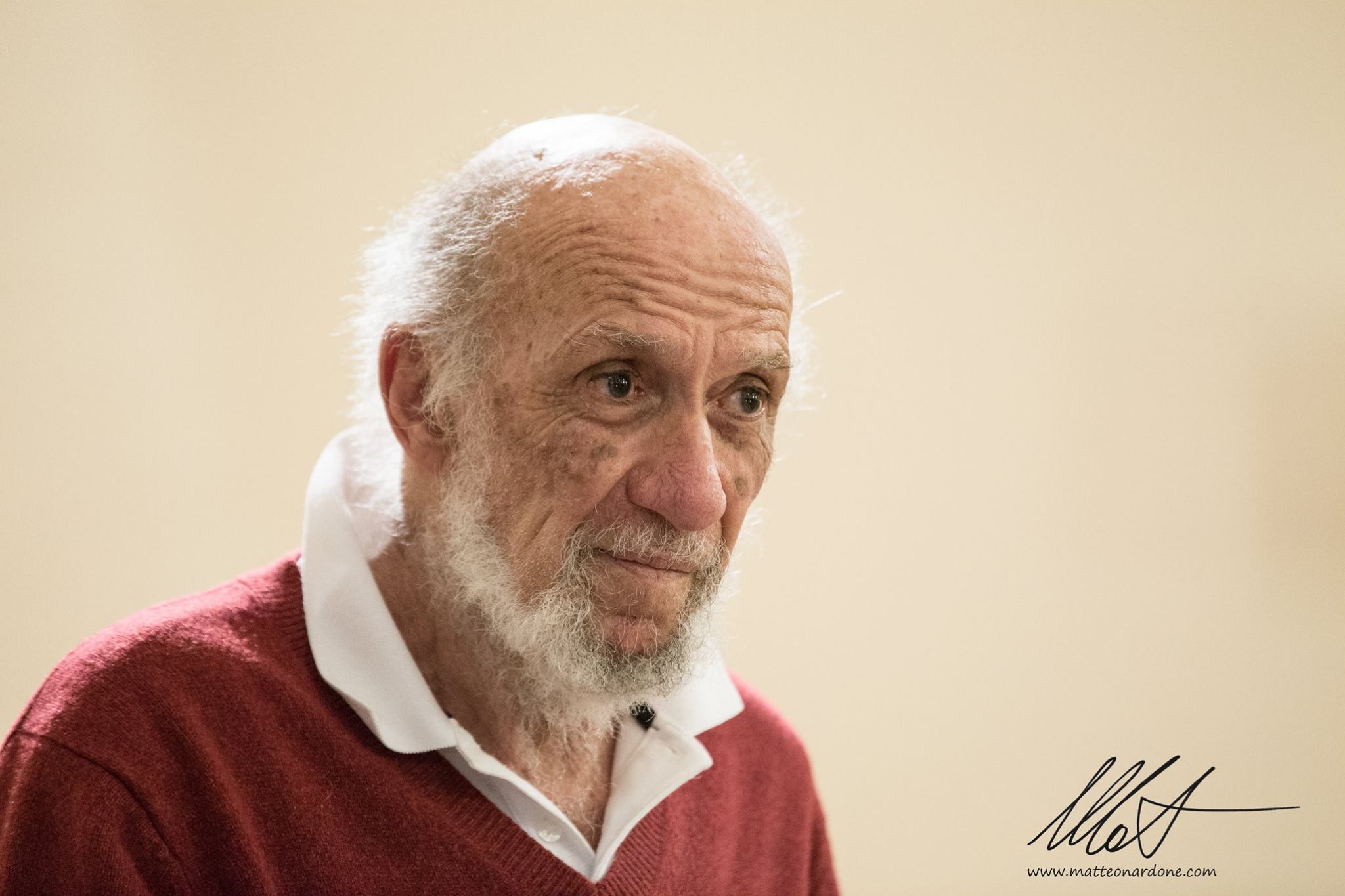
TFF celebrates the world-renowned international law professor, activist, writer, TFF Associate and dear friend By Jan Oberg November 13, 2020 At TFF, we are blessed by having a number of peace and future scholars, world-leading in their professions, who have followed world events over many decades and continue to be committed to world order change and public education. I say “blessed” because I assume that the reader share my reverence for high age and the sharing of long life experience as well as the wisdom that may accompany it in the midst of the youth-worshipping which characterises the ageing and increasingly grumpy West itself – also sometimes called age discrimination. Last month we celebrated Johan Galtung at 90. And today, Richard Falk at 90 – both world-renowned mega-productive scholars restlessly seeking ways to make the world a more peaceful place. And both TFF Associates, mentors and friends of the founders...
GaltungsMetode
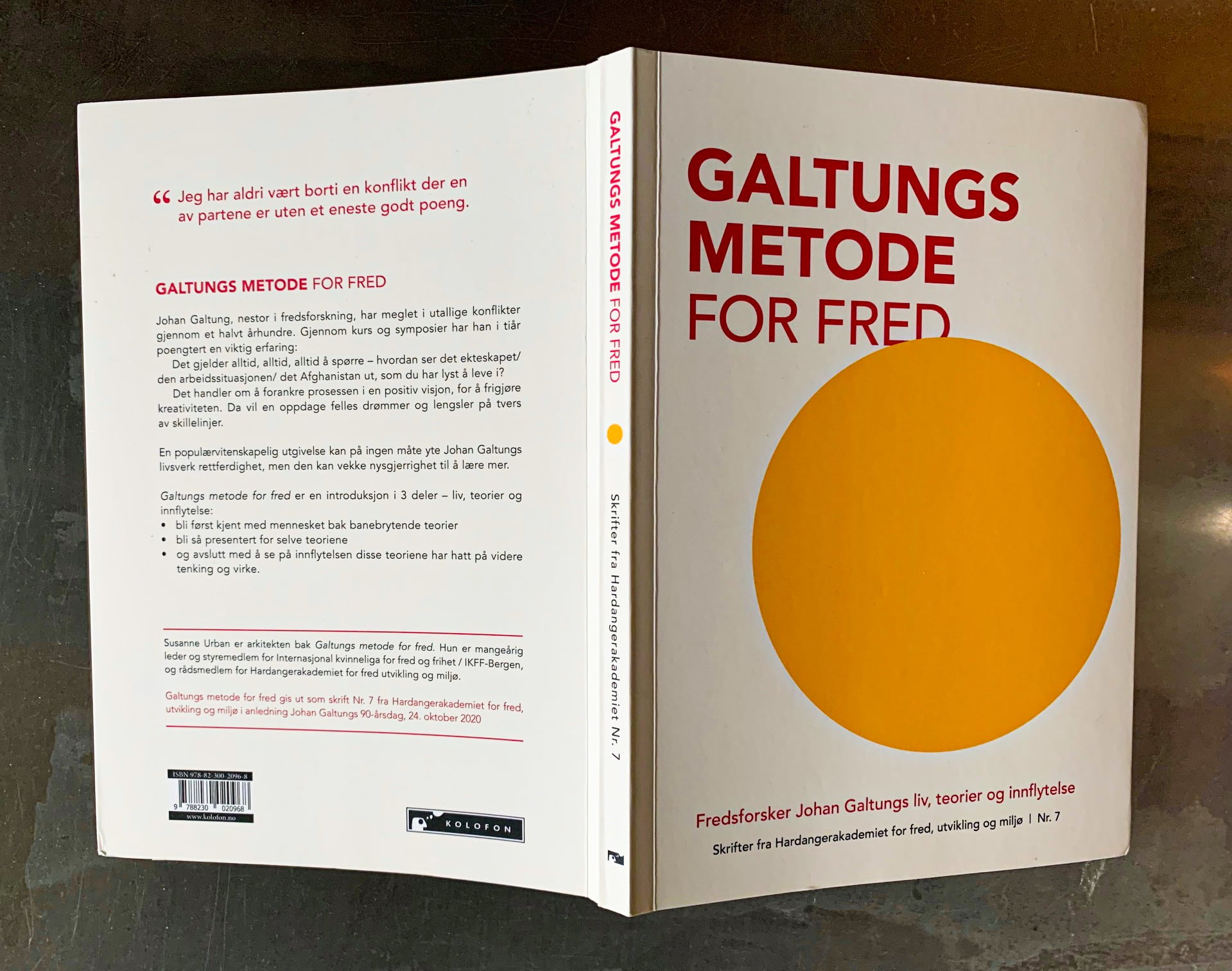
Jan Øberg 23. oktober 2020 Den norske arkitekt og fredsforkæmper, Susanne Urban har forfattet en righoldig bog, som netop er udkommet for at markere at en af verdens absolut ledende samfundsforskere, Johan Galtung, fylder 90 den 24. oktober 2020. Han er matematiker, sociolog, freds- og fremtidsforsker med en utrolig produktion af foredrag, artikler, gæsteprofessorater og hederdoktorater bag sig – f.eks. medvirket i 170 bøger heraf som eneforfatter af 96. Her mere om ham på Norsk Biografisk Leksikon. Den hedder Galtungs Metode For Fred. Fredsforsker Johan Galtungs liv, teorier og innflytelse – som du kan bladre i hér og købe hér. Bogen er det 7. skrift fra Hardangerakademiet for fred, utvikling og miljø. Den er på 115 sider og har tre hovedkapitler – de som udtrykkes i undertitlen – og den er fyldt med forklarende tekster, figurer, tegninger og fotografier – så man drives videre i denne forskers univers på en...
Johan-Mt_2020_1200-72dpi-kopia
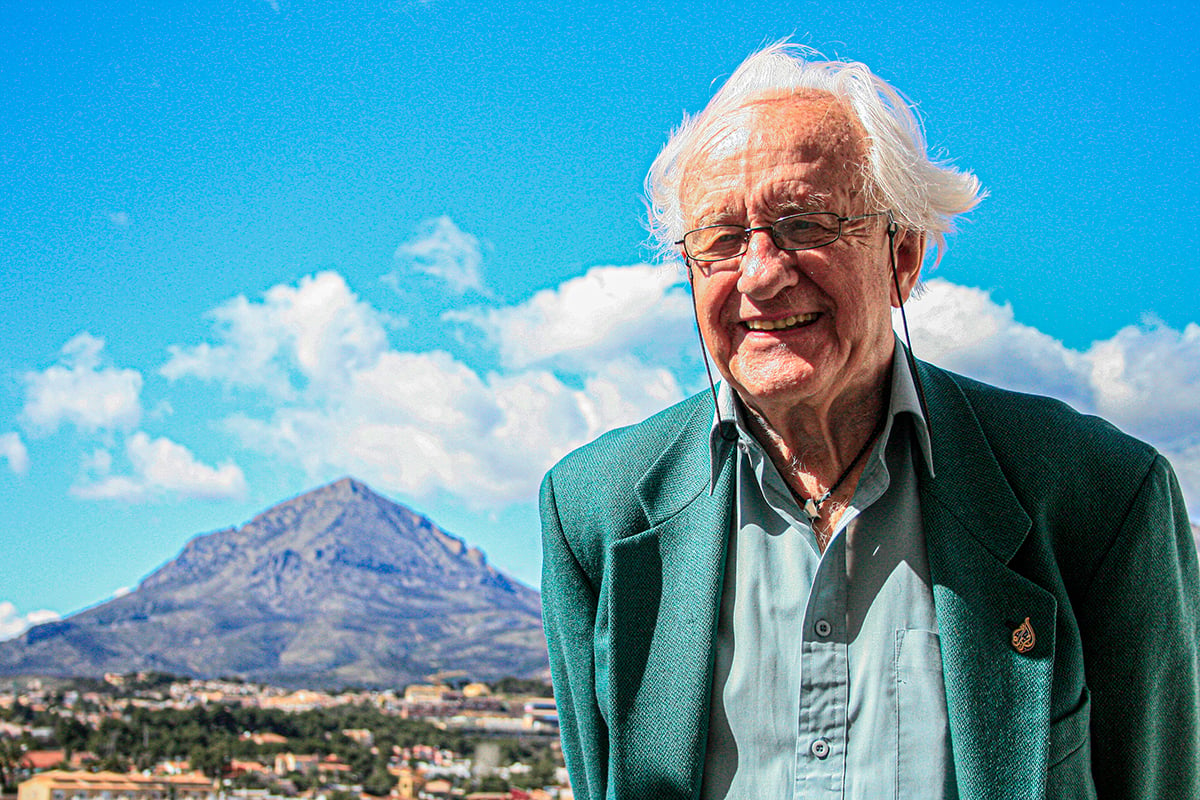
Johan Galtung 2010 © Jan Oberg Johan Galtung October 23, 2020 On the occasion of Galtung’s 90th birthday tomorrow on UN Day, we bring you a conversation he had ten years ago with Riz Khan at Aljazeera about his life. Johan and co-founder Jan Oberg have been friends and collaborated since 1974 and he’s been a TFF Associate since 1985 when TFF was set up. Antonio Rosa, his friend and director of Transcend Media Service (TMS) summarizes: “Johan in a nutshell – wrote more than 170 books on peace and related issues, 96 as the sole author. More than 40 have been translated into other languages and Transcend and Transform was translated into 25 languages. He has published more than 1500 articles and book chapters and over 500 Editorials for TRANSCEND Media Service.” More about Galtung academic life here. You’ll find hundreds of articles by Galtung on our old homepages here and...
Categories

Year

Author / Contributor

Region