Peace philosophy

Category

Year

Author / Contributor

Region

Sort by

Showing 1-10 of 80 stories

2014-10-29-Peace
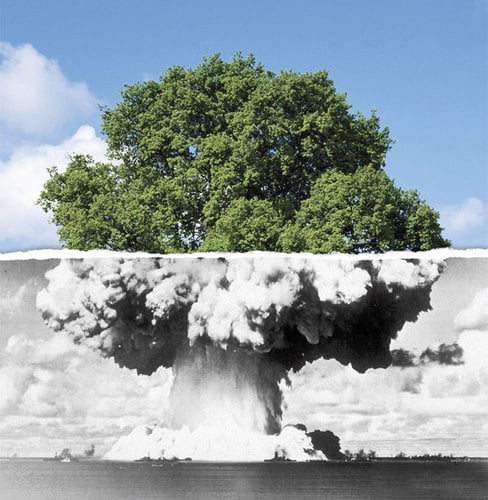
60 years of peace theory and peace practice can be summarized in:                                                 EQUITY x HARMONY                              PEACE =   ——————————-                                                 TRAUMA x CONFLICT Four theory foci, four policy tasks, and four education topics. Any true education should prepare for practice, guided by general theory. Moving from denominator right to numerator left, this means: Mediation is verbal, based on dialogues with the parties, but the four tasks are very concrete, practical.  For doers not only talkers; for practical people like officers.  Hence the Big Question: Is peace theory-practice-education compatible with the military mind – however defined, and there are many military cultures in the world – or not? Originally published at TRANSCEND Thinkers so diverse as Nietzsche and Gandhi saw the military as exemplary because of the ésprit de corps and willingness to sacrifice, even their own lives. For Gandhi the kshatriya (military) caste was a model: he wanted non-violent warriors, with the same perseverance, also indispensable...
Gandhi-Writing-1100x1098-1
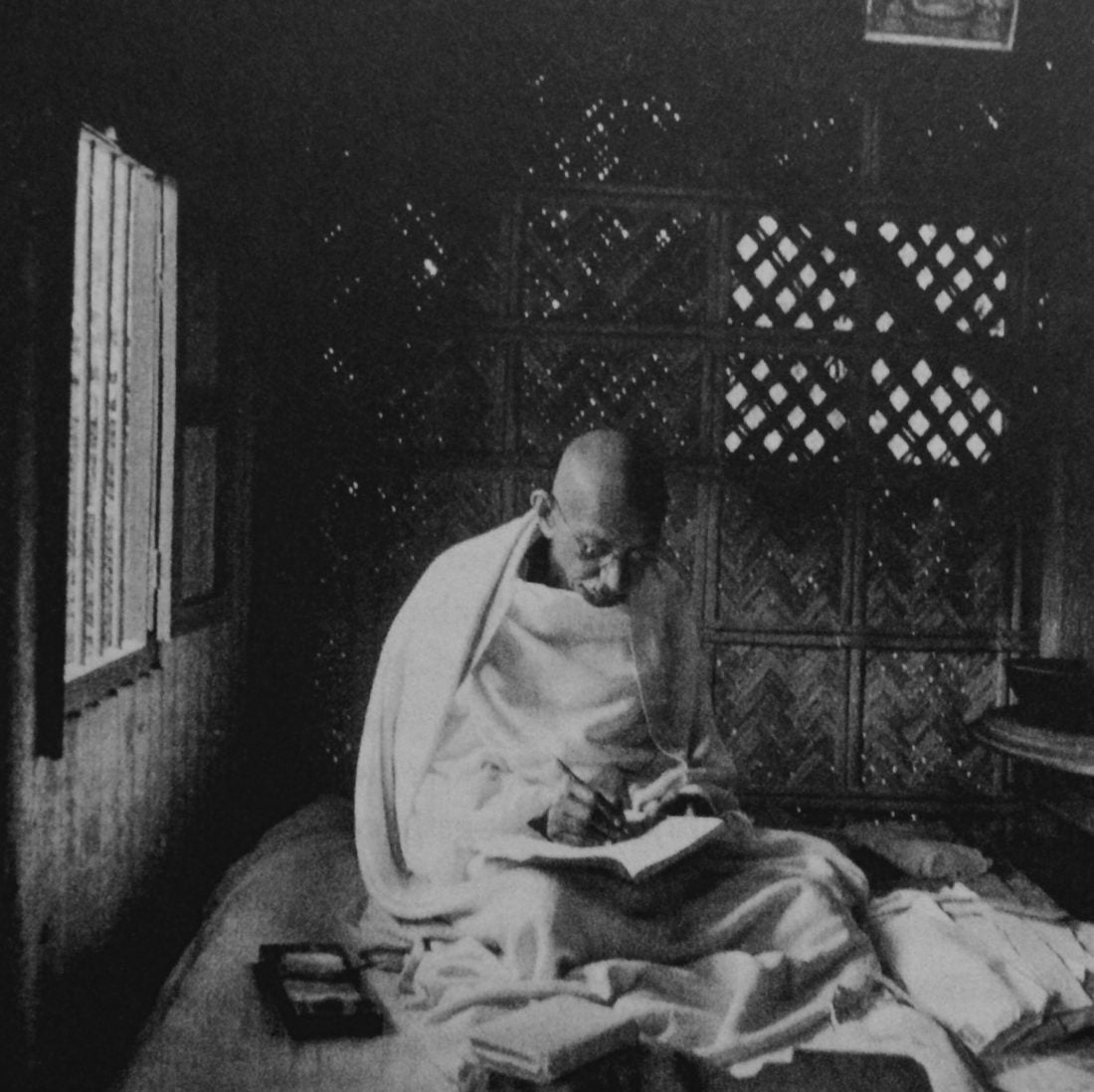
June 5, 2020 By Lynn Burnett Mahatma Gandhi’s teachings of nonviolent resistance had a famous and profound impact on the civil rights movement in the United States. That impact was facilitated in part by the journeys of two of Martin Luther King’s future mentors – Howard Thurman and Benjamin Mays, who were good friends with King’s father – to meet with Gandhi in 1936. However, the Black American interest in Gandhi goes all the way back to 1919, when the Indian freedom struggle exploded in the wake of World War I after the British Empire failed to extend greater autonomy to India despite the Indian participation in the war. Gandhi’s interests in the Black American freedom struggle date back even further – to the 1890s – when he first studied the abolitionist movement that destroyed slavery. This article traces those earlier connections between Gandhi and Black Americans, in the decades...
2YEPkRGC4cYnuGuU07RawU3kSrD17K9Qdeh3kG6CwV8
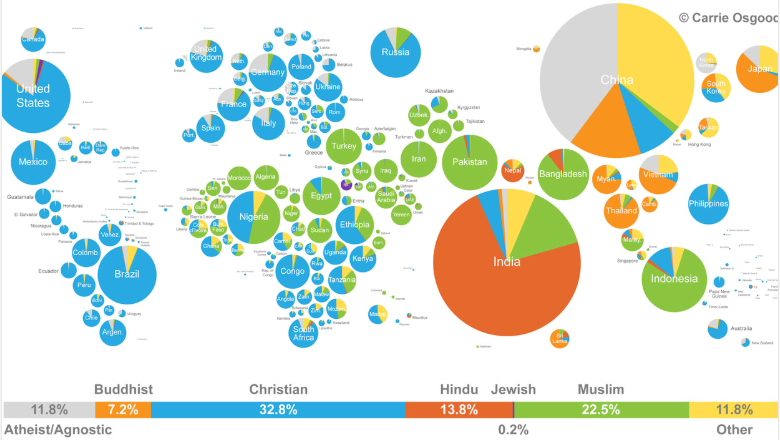
Johan Galtung June 02, 2020 Here is a Table with fifteen faiths organized according to mono-poly-pan-atheism; some might find the table somewhat controversial: Originally posted on Transcend Media Service’s website February 3rd, 2020 here Table 1.  Figures of thought, faiths, and beliefs of true believers Figures Faiths Beliefs Mono Judaism Israel, Zion; as Chosen People Mono Catholicism Pope (infallible), Vatican Mono Evangelism Dualism-Manicheism-Armageddon, DMA Mono Islam Togetherness under Alla’h, sharing Poly Hinduism Creation-Preservation-Destruction Pan Buddhism dukkha-sukha, sentient life networks Pan Daoism Holism-Dialectics-Transcendence, HDT Pan Confucianism Authority-Harmony; educated old men Pan Shintoism Japan; as Chosen People Pan Polynesism lokahi, ‘ohana, alo’ha, mana A Humanism Humans; as Chosen species with rights A Liberalism Individuals-Choice-Equilibrium;Markets A Marxism Classes-Struggle-History;Plans A Nature Diversity, Symbiosis The focus of this table is on concrete, this world, implications. Abrahamism, mono-centric, indicative of a centrism that could serve Occident I.  Jesus Christ universalized tribal Judaism to global Christianity, expressed institutionally...

Buddha-3
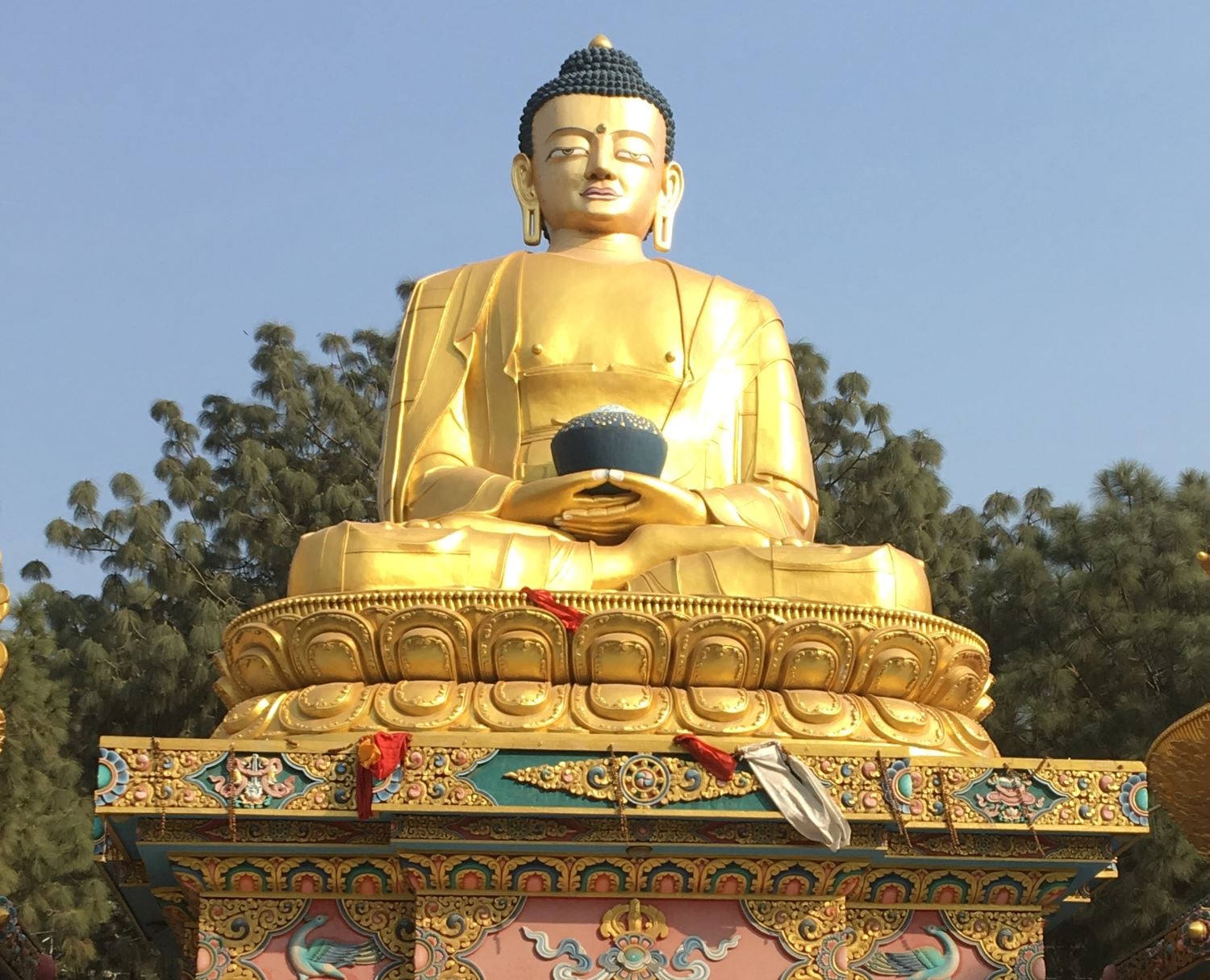
May 26, 2020 By David Loy Maybe every modern generation feels confronted by some crisis that will affect the fate of the world, but unless your head is buried in the sand (or some Buddhist equivalent) it’s impossible to be ignorant of the extraordinary planetary emergency that confronts us today. The recent IPCC report states clearly that ecological collapse no longer merely threatens — we are well into it. It’s become apparent that civilization as we know it is about to be transformed in some very uncomfortable ways by climate breakdown, mass extinction of species, resource depletion and various types of pollution — perhaps including some kinds we don’t even know about yet. Originally published at Huffington Post Although our globalizing economic system is a wholly-owned subsidiary of the biosphere, most of the CEOs who supervise it (as much as anyone controls it) can’t seem to plan much further than...
martin-luther-king-jr-ftr
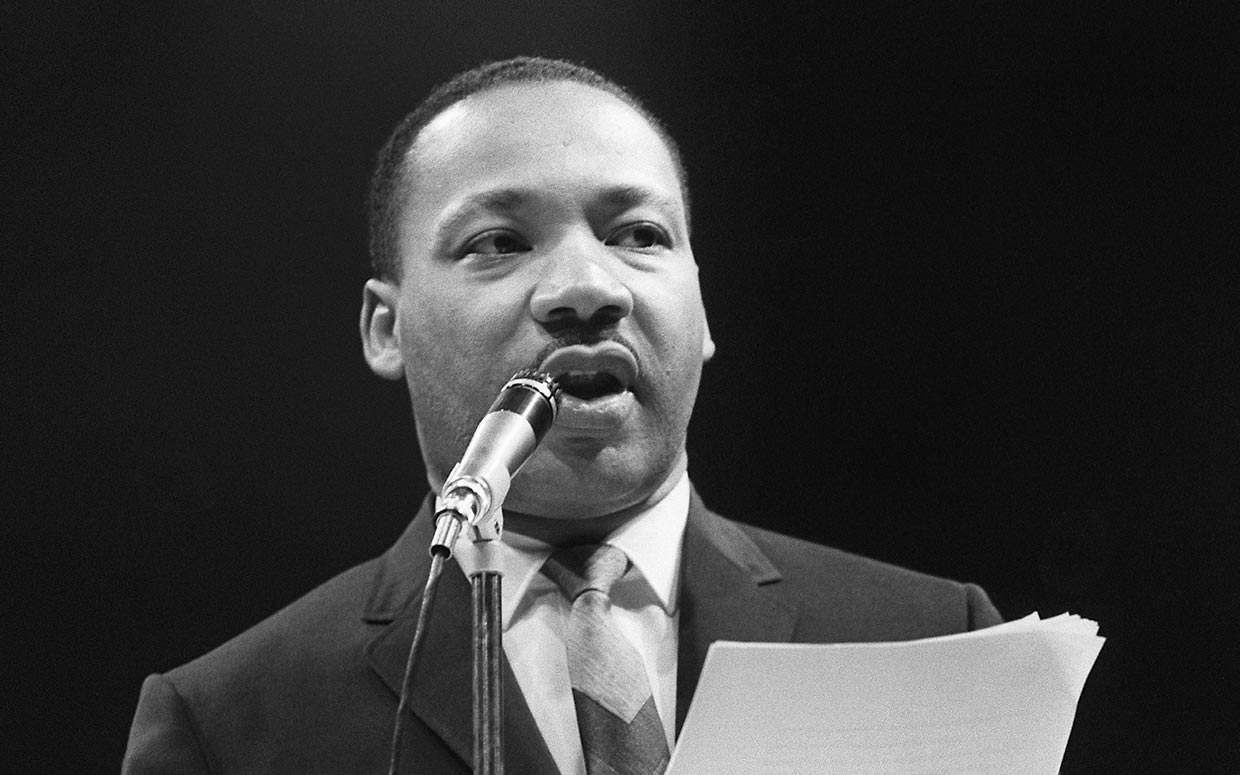
By Eric Mann May 5, 2020 Every year, until The Revolution comes again, the counter-revolution manipulates the historic birthday of Dr Martin Luther King, that so many people fought for, as their symbol of Black “integration” into imperialism and “non-violent” acquiescence to, at best, Barack Obama’s cynical negation of his dream. As Donald Trump has just assassinated Iranian General Quassem Soleimani – with Democratic Party token opposition at best and acquiescence at worse, Dr King reminds us that “the United States, my government, is the greatest purveyor violence in the world.” As Bernie Sanders and Elizabeth Warren squabble for position and too often, reduce the meaning of life to a barren economic populism, Dr King reminds us that U.S. society is a moral disgrace and we need a revolutionary movement to challenge its “racism, militarism, poverty, and materialism.” His thoughts offer Democrats and the Movement a challenge. There is an...
internationallaw_ShenukaCorea
Illustration by Shenuka Corea By Richard Falk, TFF Associate March 12, 2020 Prefatory Note International law – as so much else of value – has fallen on hard times, violated and ignored, where applicable and needed. Although this is a deplorable state of affairs as the planet burns and vulnerable people suffer from ecological hazards and predatory geopolitics, it is the time to heighten struggle, and not sit home in despair. This essay in a slightly modified form was written at the request of Fikir Turu, an online source of commentary operating from Turkey, and published in Turkish. An English version was also published in Transcend Media Service, TMS, 17 February 2020. Published at Richard Falk’s personal blog  Respecting International Law: A Practical Argument International law disappoints in so many ways, making it easy to overlook why, despite its flaws, it remains valuable and indeed vital for human wellbeing. I put here...
david-loy
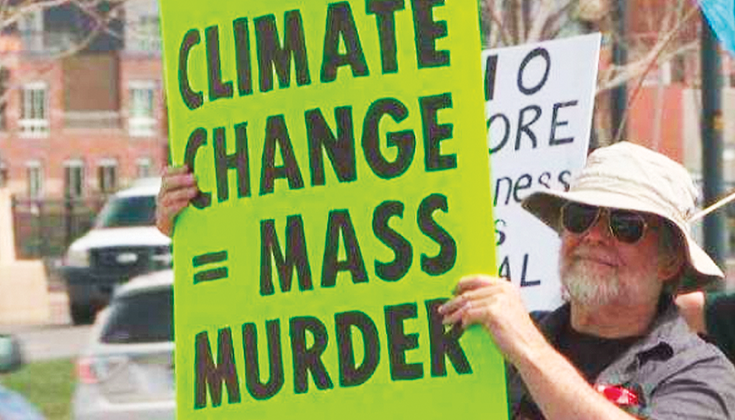
Photo: David Loy at an Extinction Rebellion protest in Denver. Photo by denver.cbslocal.com How do bodhisattvas respond to the greatest crisis of our time? Appropriately, says Buddhist teacher, activist and TFF Associate, David Loy. By David Loy One of my favorite Zen stories is short and simple. A student asks the master, “What is the constant activity of all the buddhas and bodhisattvas?” In other words, what’s special about the day-to-day lives of awakened people? The master replies: “Responding appropriately.” That’s all. No special powers, except being fully attentive to what’s actually happening and acting accordingly. “We don’t know what is possible, we don’t know what will work, but we do our best.” That’s an easy thing to do in a monastery. When the bell rings, you put on your robe and go to the Buddha Hall for meditation. But what about when one leaves the monastery gates and steps...
goodinevil
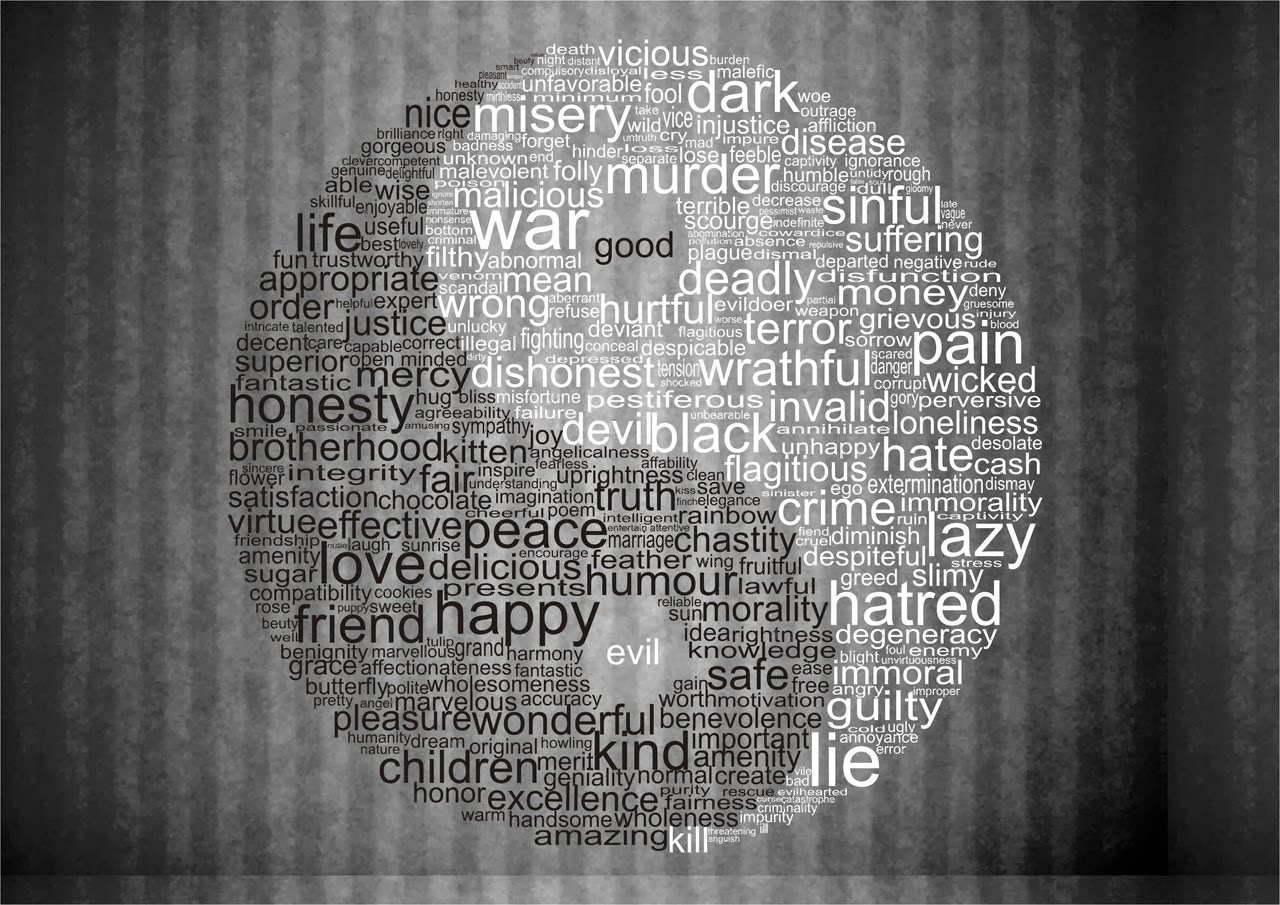
By David Loy Buddhism encourages us to be wary of antithetical concepts, not only good and evil, but success and failure, rich and poor, even the duality between enlightenment and delusion. Originally posted in Tricycle’s Magazine in spring 2002, here If only there were evil people somewhere, insidiously committing evil deeds, and it were necessary only to separate them from the rest of us and destroy them. But the line dividing good and evil cuts through the heart of every human being. And who is willing to destroy a piece of his own heart? Alexander Solzhenitsyn Because it emphasizes mindfulness of our thought processes, Buddhism encourages us to be wary of antithetical concepts, not only good and evil but success and failure, rich and poor, even the duality between enlightenment and delusion. We distinguish between the opposing terms because we want one rather than the other, yet the meaning of each depends...
6134159648_65ce7e9024_z
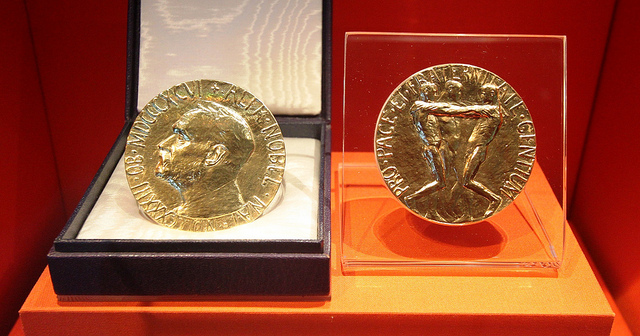
February 3, 2020 By Fredrik Heffermehl The annual screening of candidates for the Nobel Peace Prize 2020 by the Nobel Peace Prize Watch (NPPW) has now been posted on its website and sent to the Nobel Committee. We have found 30 of the known candidates qualified and eligible, within the purpose of Nobel’s will. NPPW offers advice and assistance to nominators and candidates and each year supplies the committee with a wide range of genuine candidates. Believing in openness and transparency as indispensable to reaching good decisions and preventing corruption, here as everywhere else, we also publish the secret nominations. In 2020, the NPPW recommends the Committee to recognize the indispensable role of international law, pointing in particular to Klaus Schlichtmann and Ikuro Anzai, both Japan. Their efforts to complete the original security structure of the UN by empowering the Security Council is at the epicentre of the “brotherhood of...
78627073_2619360608110954_2894142164558675968_n
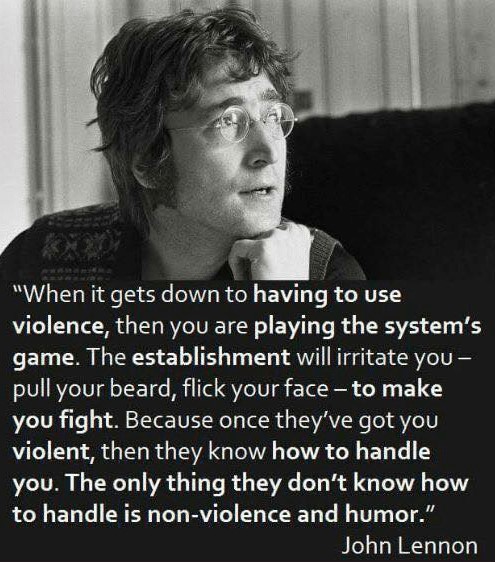
Each and every problem humanity faces is rooted in violence. Why do so many continue believing in violence, the most counter-productive, unintelligent and expensive means of all? Violence invariably makes a problem between conflicting parties deeper and broader and every solution more difficult. It makes the original problem ten times bigger. All problems in this world are tied to one thing: Violence – the tacit or open acceptance of the use of violence in all its many forms. Think of wars, hatred, human rights violations, torture, poverty, injustice, prejudice, media profits (fake-omission-deception), arms trade, racism, regime-change, imperialism, nuclear weapons, environmental destruction, corruption – and hateful comments on social media… Will anybody, from social democrats and left out, listen better in 2020 as they once did? I mean, if we imagine it is still meaningful to talk about Left and Right. Will others? Or shall we leave them out of civilized...
Mahatma-gandhiquote
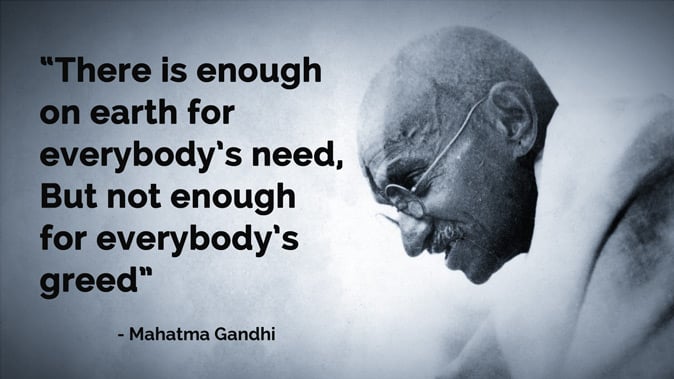
By David Cortright December 11, 2019 Last month I was invited by the Indian Permanent Mission to the United Nations to give a presentation on the International Day of Nonviolence, which was also the 150th anniversary of Gandhi’s birth. Below is the full text of my remarks, which were delivered at the United Nations headquarters in New York. Originally posted on Davidcortright.net on November 9, 2019 here In the remarks, I identified three aspects of Gandhian thought and action that are directly relevant to the challenge of protecting the environment and preventing climate disruption. At the end of my presentation, I added a brief comment on the situation in Kashmir, which seemed necessary to include in an event organized by the Indian government. “Gandhi’s message is highly relevant to today’s global climate crisis. I emphasize here three of his most important themes: simplicity, equity and nonviolence. Simplicity Gandhi became the “greatest...
GandhiVirtues
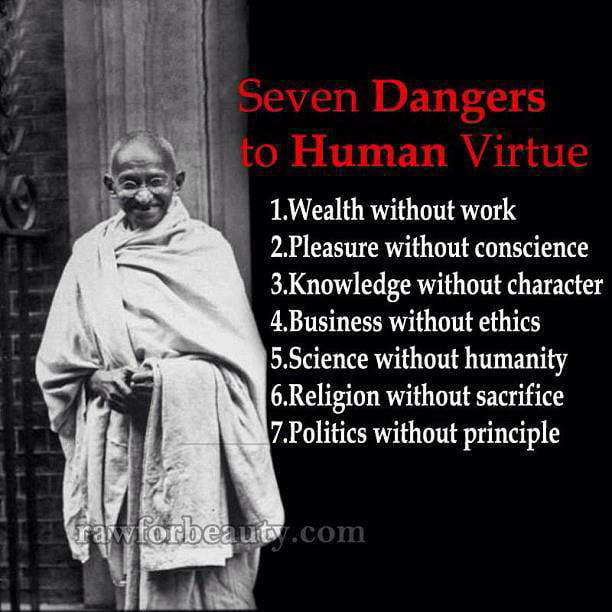
This is what TFF sent out as TFF PressInfo 532 today. It gives you an impression of what you will get if you have not already subscribed to this, one of the oldest peace mail services. Just fill in the form to your right. Above Gandhi’s prophetic diagnosis of today’s Western, or O/Accidental, malaise. Gandhi’s message is not backed up by statistics, figures and charts. It’s the type of statement of wisdom which seems to have disappeared in our modern times. He was born today 150 years ago. Some believe his theory and practice is just historical or irrelevant. However… Millions of people believe in and use non-violence every day. About a week ago, 6 million marched for humans and societies to re-learn to relate non-violently to Nature. Many other millions practice dialogue, negotiations, friendly quarrels, mediation, meetings, writings, speeches, humour etc to deal with their conflicts. It’s non-violence even...
Categories

Year

Author / Contributor

Region