Peace

Various aspects of and approaches to this “essentially contested” concept.

And various ways of thinking across cultures.

Stuff here is both theoretical and practical – with an emphasis on the former.

We thought that a slightly blurred image of a sunset – the far horizon – could illustrate these endeavours.

The moment we think we know exactly what peace is, it isn’t.

It’s a never-ending process … exploration.

But peace is not just the absence of war and other types of violence.

It is something essential and substantial in and of itself.

Category

Year

Author / Contributor

Region

Sort by

Showing 1-10 of 892 stories

The-future-is-now
Photo credit: wsimag.com Ellyn Kaschak April 16, 2021 It is definitely nothing that has come before All of us alive on the planet today are part of the most significant transition in centuries, whether we know it or not, whether it has touched us lightly or heavily and whether we choose to be or not. Not since the Industrial Revolution has such a total and radical social upheaval occurred. As with most major cultural shifts, this one follows a technological innovation of which we are all aware and that is the invention of the Internet along with its ready accessibility on a handheld ubiquitous device. Originally published at World Street International This dependence on technology to spur social change has been the case perhaps since the first person to do so created the wheel. Automobiles and air travel, movies and recordings changed the lives of those who lived in those...
21dew
When a Nordic dispute over the strategically important Åland Islands arose in the early 20th century, Finland and Sweden turned to international mediation to resolve the issue peacefully. Photo permission and credit by Douglas P. Fry. Douglas P. Fry, Geneviève Souillac March 30, 2021 The ancestral tribes of the Iroquois lived in constant fear of each other and of societies further afield. Archaeological evidence shows that they constructed high stockades around their villages for protection. Then, the Mohawk, Oneida, Onondaga, Cayuga, and Seneca transformed themselves into a union of cooperating neighbors. According to legend, they planted a great white pine and buried their weapons of war beneath it, symbolizing the adoption of new norms, values, and intertribal relations based on peace. Could we tap the knowledge of how such successful transformations from war to peace operate and apply these guiding principles globally? Could emulating the features of existing non-warring systems provide insights and...
Screenshot
DNS/TFF Peace & Justice course from April to September 2021 starts now… Jan Oberg has been invited by the Denmark-based Necessary Teacher Training College (DNS) to introduce six topics that are then discussed at a one-hour Zoom session with people at the College. Fortunately, it is also open to anyone anywhere in the world. The main purpose of this first session is to discuss what to learn from the global corona crisis, what longterm impact it may have and how to envision what must be done when – as we hope – it will be over. In 27 minutes, Jan Oberg goes through 8 points for discussion of the post-Corona world – some of them healthily provocative and all meant to stimulate dialogue. Why? Because there will be a very different world after the pandemic and because the only thing we can be sure of is that there can be...
PeaceResearchProblem
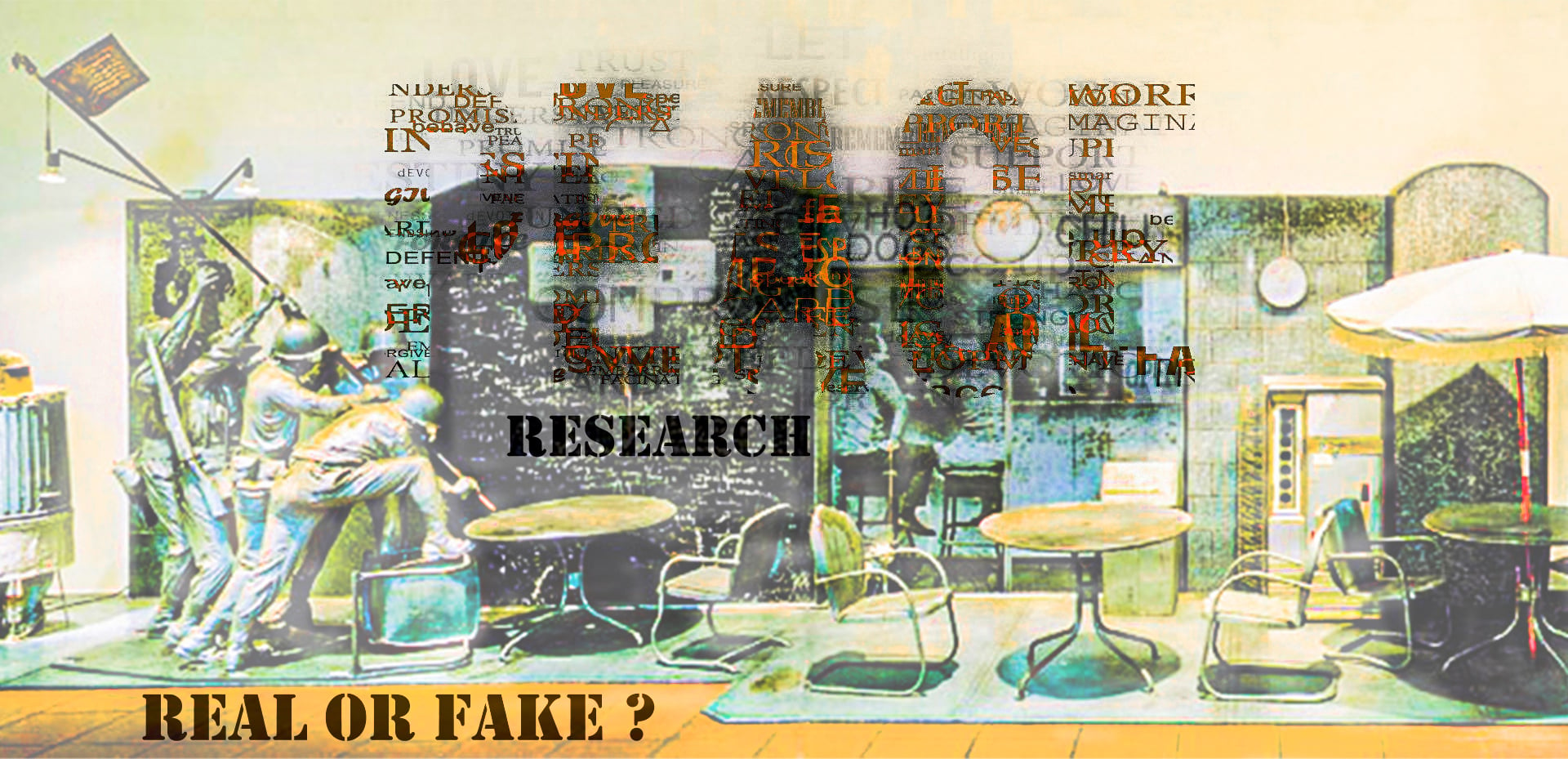
Photo collage © Jan Oberg 2021 Researchers who question the legitimacy of US wars, seem to experience being ousted from their positions in research and media institutions. The example presented here is from the Institute for Peace Research in Oslo (PRIO), an institution that historically has had researchers critical of wars of aggression – and who can hardly be labelled friends of nuclear arms. Ola Tunander, Research Professor Emeritus at PRIO Originally published in Norwegian by “Modern Times/Ny Tid”, Whistleblower supplement, March 1, 2021 A researcher is said to seek objectivity and truth. But he or she learns to select their research topics and arrive at conclusions in accordance with what the authorities and management expect, and this despite the fact that academic freedom is codified in Norway through the “freedom to express oneself publicly”, “freedom to promote new ideas” and “freedom to choose method and material». In today’s societal...
RichardFalk
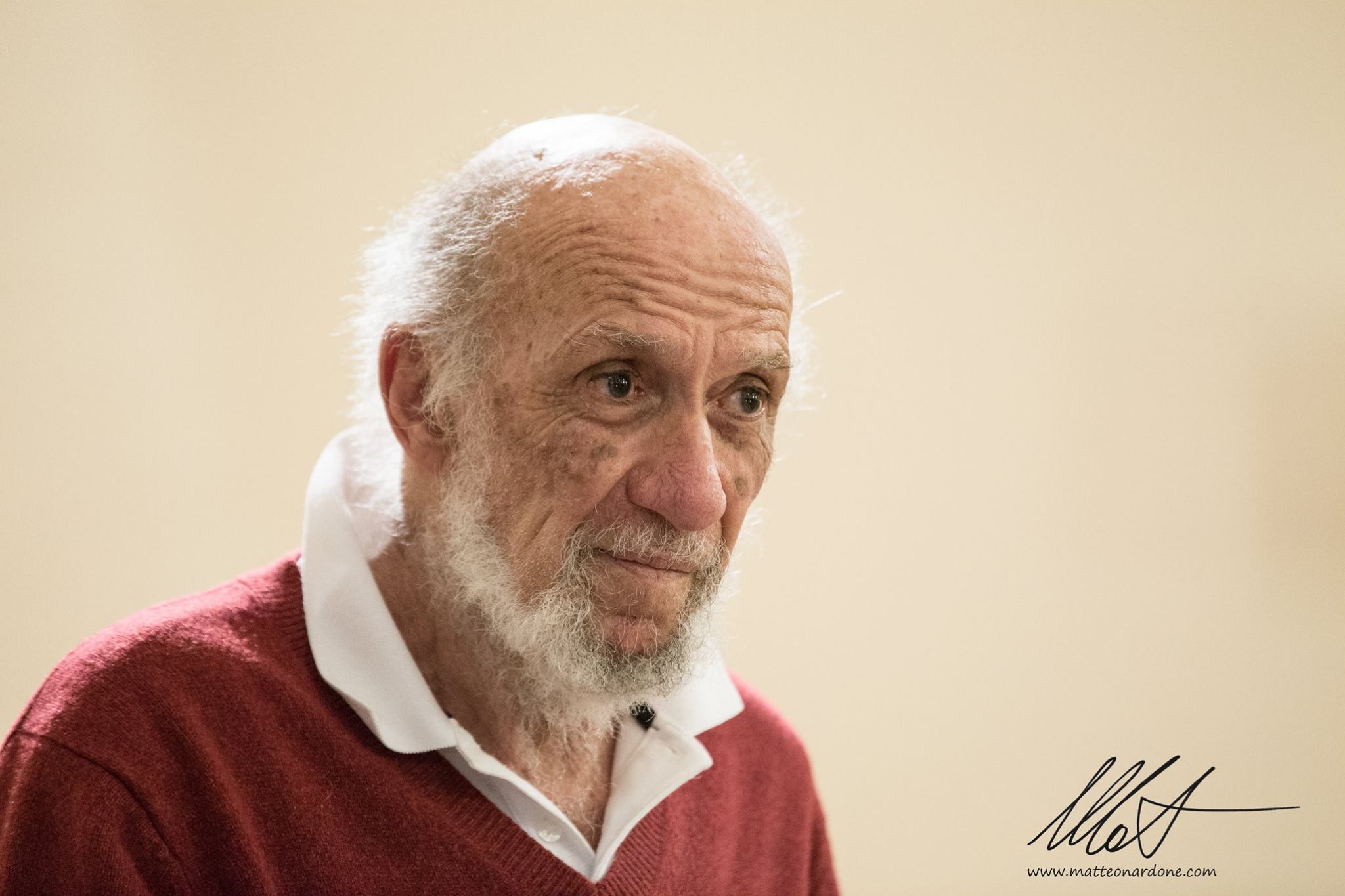
TFF Associate and friend over decades, Richard Falk, last year turned 90. Read more about him here – and use the search engine to find lots of his writings. The latest we’ve published is on championing lost causes... Eric Walberg March 10, 2021 Writing this memoir has been as much about discovering my story, that is, myself as it is about telling it. That’s Falk’s version of Socrates’ ‘the unexamined life is not worth living.’ Or should I say, Forrest Gump’s? Falk’s life reads like a storybook, starting with meeting Supreme Court judges with his father at age 9 in 1939, making friends with Claudette Colbert, Zsa Zsa Gabor, Liz Taylor (long story) at age 15, befriending and befoeing many of the dramatis personae of the Cold War throughout his long and productive life, finally landing on the shores of democratic socialism as the US charges towards the (literal) finish line. Falk came...
Mahatma-Gandhi-ph-Rajni-Kothari
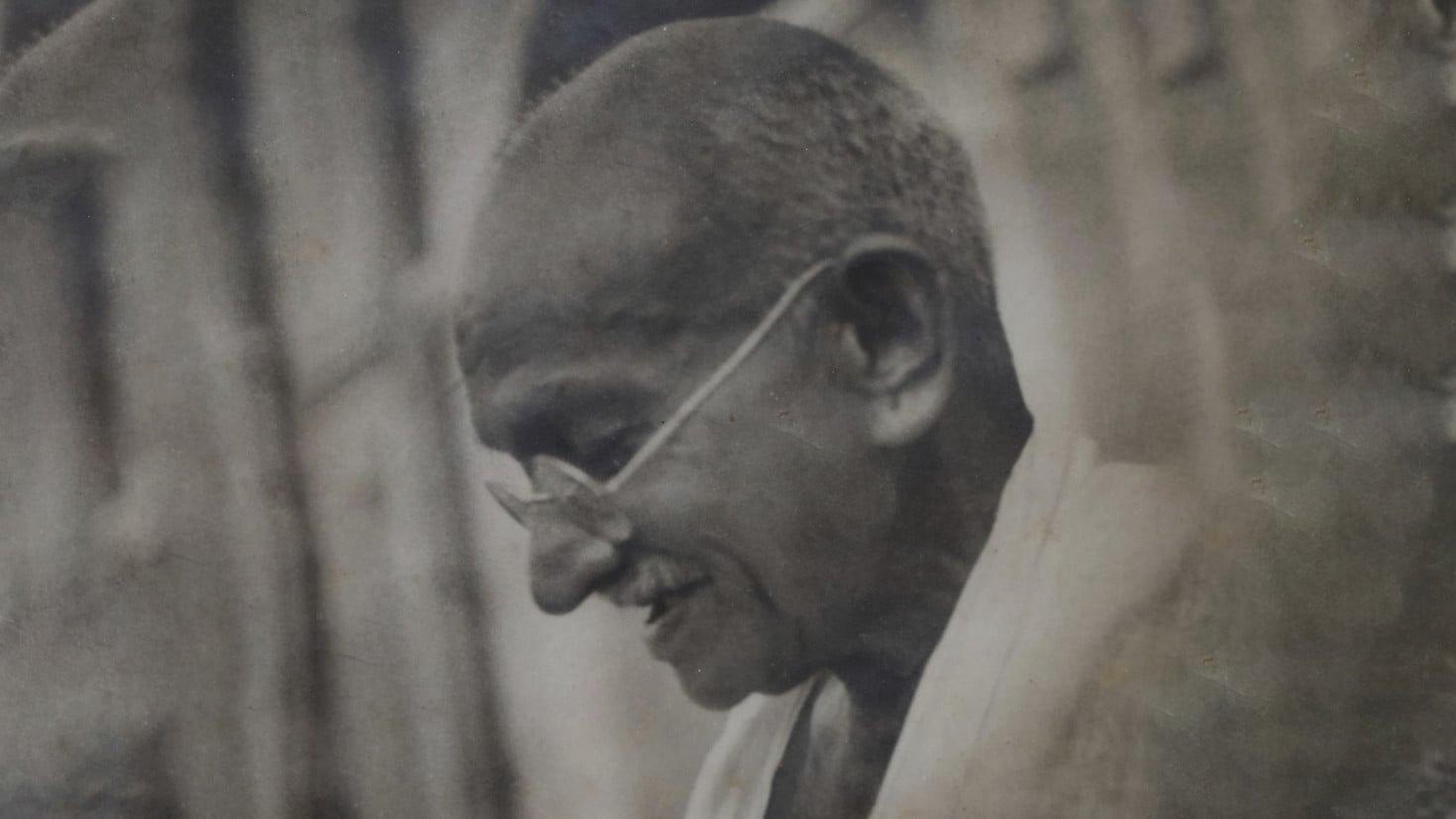
(Mahatma Gandhi, ph. Rajni Kothari, photo credit: Wall Street International) March 2, 2021 Ashish Kothari In a world that is increasingly torn by conflicts and crises of many kinds. On October 2, political and business and religious leaders in India and elsewhere remember Mahatma Gandhi, sing his praises, and pledge to live by the ideals he espoused. A day later, or perhaps the same evening, he is left behind as suddenly as he was remembered that morning. Worse, they get back to assassinating him and the ideals of non-violence, self-reliance, universal well-being, that he lived and died for. And yet it is worth asking: in this 151st birth anniversary month, does he still hold relevance in a world that is increasingly torn by conflicts and crises of many kinds? Originally published by Wall Street International Interestingly, over the last few years there appears to have been a rekindling of attention to...
d670278af5c6ae4eb9f058f45f1b5bda78e9b55c-698x418-1
Fredrik Heffermehl 18. februar, 2021 TFF er stolt over at være den institution i verden, som flest Nobelpris-nominerede (7) er knyttet til: Scilla Ellworthy, Richard Falk, Johan Galtung, David Krieger, Evelin Lindner, Jan Oberg og David Swanson. Den norske Nobelkomite har mottatt nær 400 nominasjoner for 2021. Å velge den beste er selvsagt en krevende oppgave. Men den ville bli mye enklere om det kunne bli slutt på den uryddige blandingen av juss og politikk som i alle år har preget den norske forvaltningen av prisen. Som forklart i min nyeste bok Medaljens Bakside er oppgaven å drive fredspolitikk med den retning og ramme som Nobel beskrev i sitt testament.Det første og viktigste grepet – som også ville gjøre avgjørelsen mye enklere – er å tolke testamentet, stille det selvsagt nødvendige og grunnleggende spørsmålet: Hva ville Nobel med den “prisen for fredsforkjempere” som han beskrev i sitt testamente i 1895?...
Shibuya-Crossing-in-Tokyo-Japan
The Shibuya Crossing in Tokyo – what would Gandhi think and say today? Ayako Uno February 17, 2021 Since 2000, I have been teaching courses such as “History of South Asia” as a part-time lecturer at the International Christian University (ICU), my alma mater which was founded after the WWII in order to raise peacebuilders in war-devastated Japan, and I always introduce Gandhiji in my courses. Gandhiji is well known and respected in Japan as “the Father of the Nation of India” who successfully led the non-violent struggle for independence. So young people in Japan that I teach usually have learned something about Gandhiji before. But when I introduce Gandhiji’s life and thinking, many of the students are surprised to learn that his life-long dream of realizing Swaraj or “self-rule” was shattered by Partition. When I invite the students to read Gandhiji’s writings, such as parts of his Autobiography and...
SchoolsNotBombs
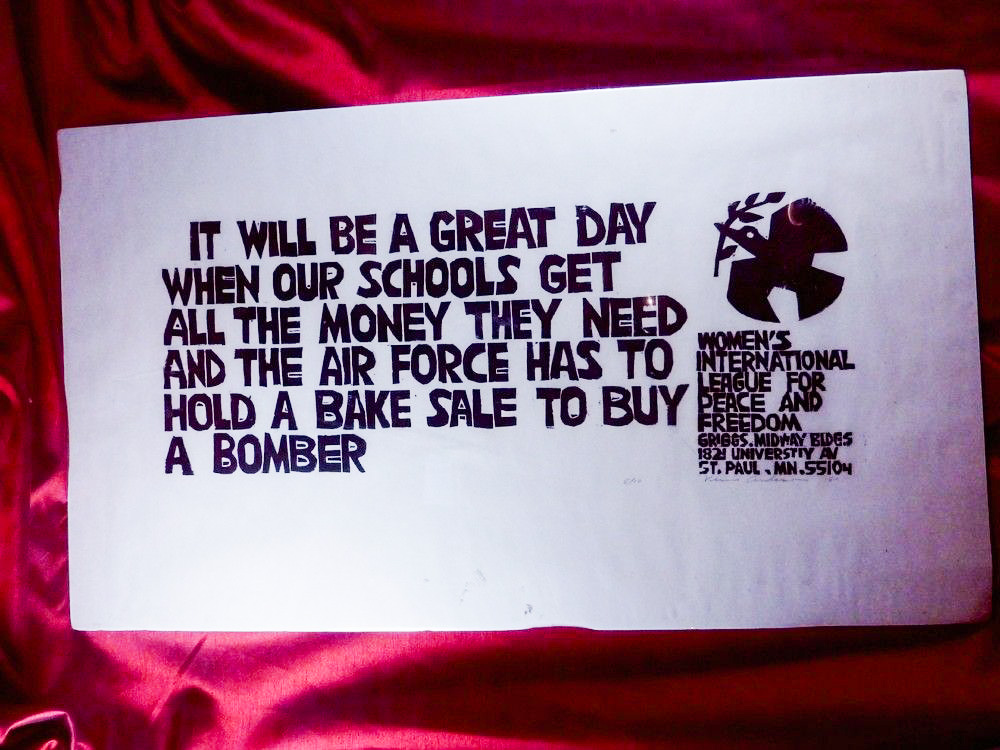
The 1987 Right Livelihood Award Acceptance Speech  Peace appeals to the hearts; studies to the brain. Both are needed, indeed indispensable. But equally indispensable is a valid link between brain and heart. The history of peace studies is, of course, a collective story, and it did not start in the 1950s – it is as old as humankind, as is the history of war studies, the study of war with warlike means. Originally published at Transcend I guess the same applies to what today is called security studies, or the study of peace with warlike means, balance of power, balance of terror, deterrence through credible retaliation etc. Needless to say, that is not what peace studies are about. Peace studies are about peace with peaceful means, and I think it is generally accepted today that this has to be done in a holistic manner and with a global perspective, or...
echo-grid-BefmnpXPZ80-unsplash
Dr. Gary G. Kohls February 9, 2021 A half-century ago, The New York Times accused Martin Luther King Jr. of “slander” for decrying the Vietnam War and The Washington Post detected “unsupported fantasies” in his speech, recalled more favourably by Gary G. Kohls. Originally published on Jan. 19, 2014; slightly edited for the time element. Originally posted on Consortium News on January 19, 2021 Martin Luther King Jr.’s Riverside Church speech was titled “Beyond Vietnam: A Time to Break Silence.” It was delivered exactly one year before his April 4, 1968 assassination in Memphis. In the speech, King declared, “A nation that continues year after year to spend more money on military defense than on programs of social uplift is approaching spiritual death.” The people who heard that speech recognized it as one of the most powerful speeches ever given articulating the immorality of the Vietnam War and its destructive impact...
arrest
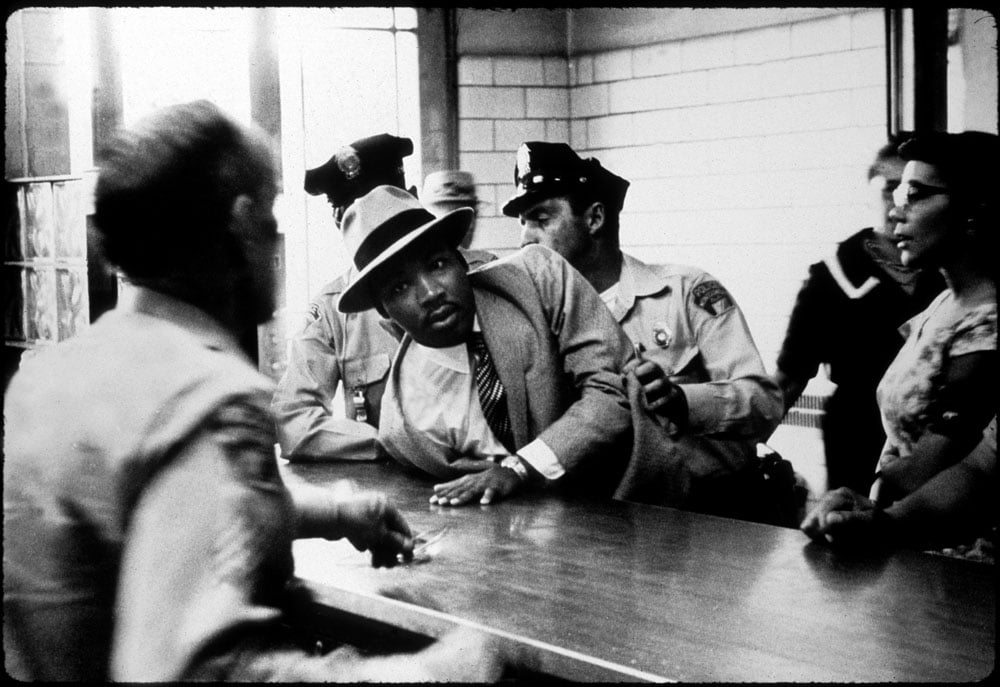
Kazu Haga February 9, 2021 Nonviolence is not simply the absence of violence, but about taking a proactive stand against violence and injustice, and working to repair the harm. Originally posted on Waging NonViolence on January 16, 2020 The following is an edited version of a chapter from Kazu Haga’s new book, “Healing Resistance: A Radically Different Response to Harm,” published with permission from Parallax Press. In Kingian Nonviolence, a philosophy developed out of the teachings of Martin Luther King Jr., there is a distinction made between nonviolence spelled with a hyphen, and nonviolence spelled without a hyphen. “Non-violence” is essentially two words: “without” “violence.” When spelled this way, it only describes the absence of violence. As long as I am “not being violent,” I am practicing non-violence. And that is the biggest misunderstanding of nonviolence that exists. I live in one of the most diverse neighborhoods in Oakland, with an equal mix of...
11-17-john-f-kennedy-ftr
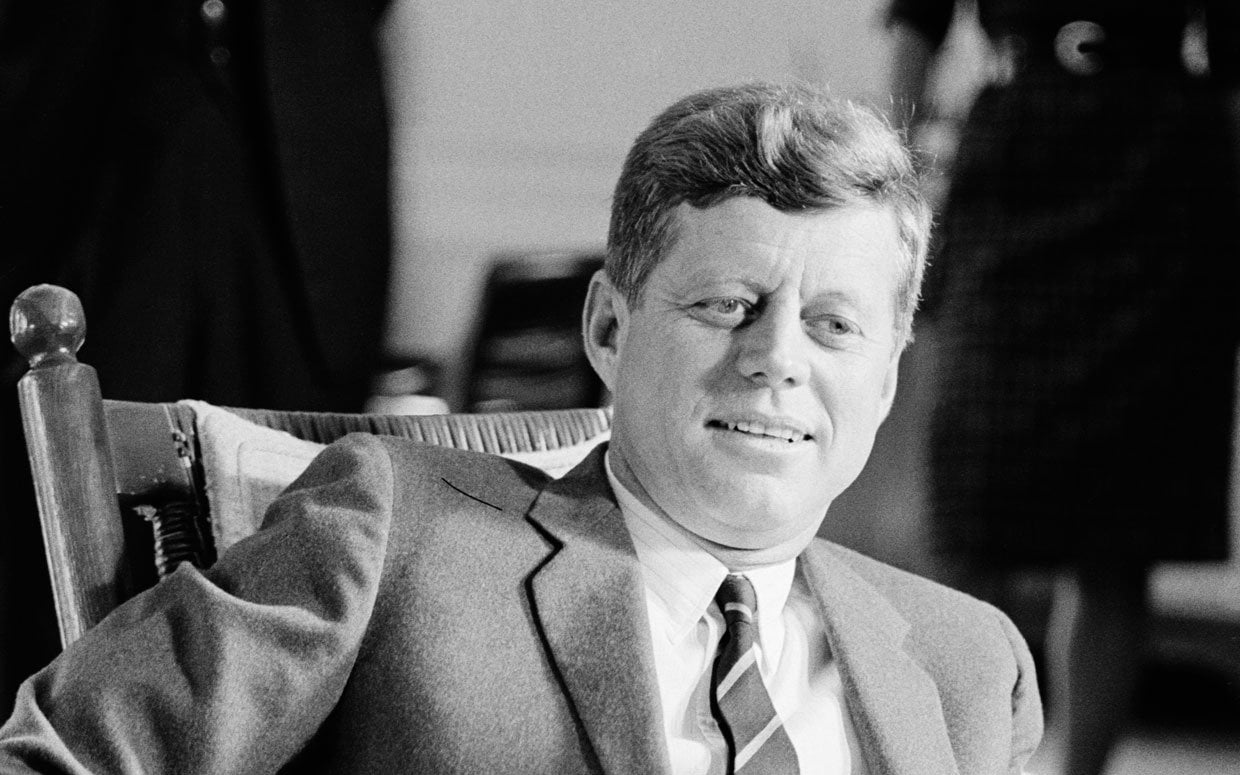
Jan Oberg February 4, 2021 At a time when the intellectual level of much politics has decreased dangerously, it may be useful to remember politicians who earlier on were leaders, visionaries, intellectually alert and able to communicate their message in ways that caught the attention of wide audiences. The Transnational has many student visitors, and if you are 20-25 today you may not have had many chances to experience the mentioned qualities. So we bring you this speech to offer an opportunity to establish some comparative standard and for you to ponder the question: Why is it that politics has become so boring? Why do today’s young people not queue up to participate in their country’s political work? And why are there so few, as it seems, who have the sense of duty that JFK expressed so eloquently in his inauguration speech: “Ask not what your country can do for...
Categories

Year

Author / Contributor

Region