Nonviolence

Category

Year

Author / Contributor

Region

Sort by

Showing 1-10 of 358 stories

image001
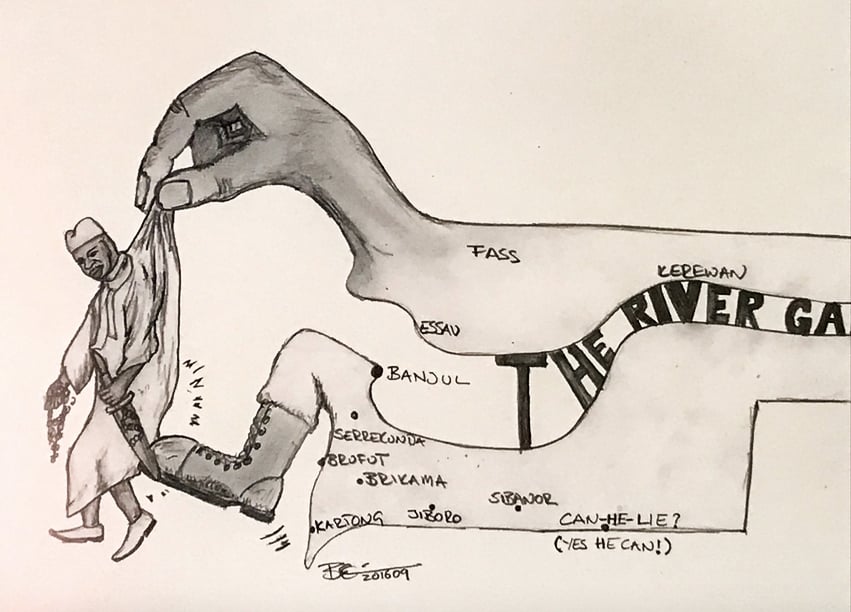
Gambia – or properly The Gambia – a small country in West Africa with about 2 million inhabitants, was peaceful since its internal independent rule was established in 1963. There were good relations with its only neighbour, Senegal. For a long time there was no military force in the country. One could then expect that there would be no militant coups, as in so many other African countries. However, in 1981 a “Revolutionary Council” took power. The revolutionaries were soon ousted by troops from Senegal who reinstated the president.  Now obviously Gambia needed an army “to establish stability” and an army was established. The outcome was that in 1994 a group of soldiers, led by lieutenant Yahya Jammeh, took power. He became the leader of the country, and was elected and re-elected president in 1996, 2001, 2006 and 2011. At least in the early years of his reign, he was...
InaVideo
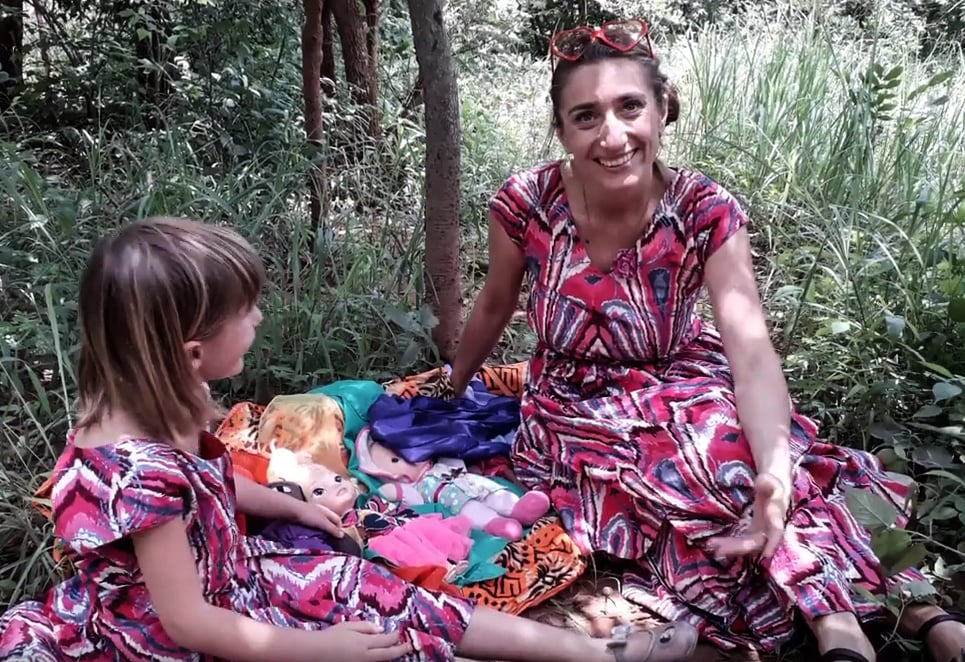
By Ina Curic February 8, 2019 The story teller who also just became TFF board member for a second time has set up her video channel on YouTube, of course called Imagine Creatively. She did that while working in Zambia – as you will see in the videos. So play for peace, use the love glasses and create happiness making children smile across borders and differences. Isn’t that peace? Now explore the first spontaneous videos on the Imagine Creatively channel! Ina Curic And read more about Ina here.
1-19-Martin-Luther-King-ftr
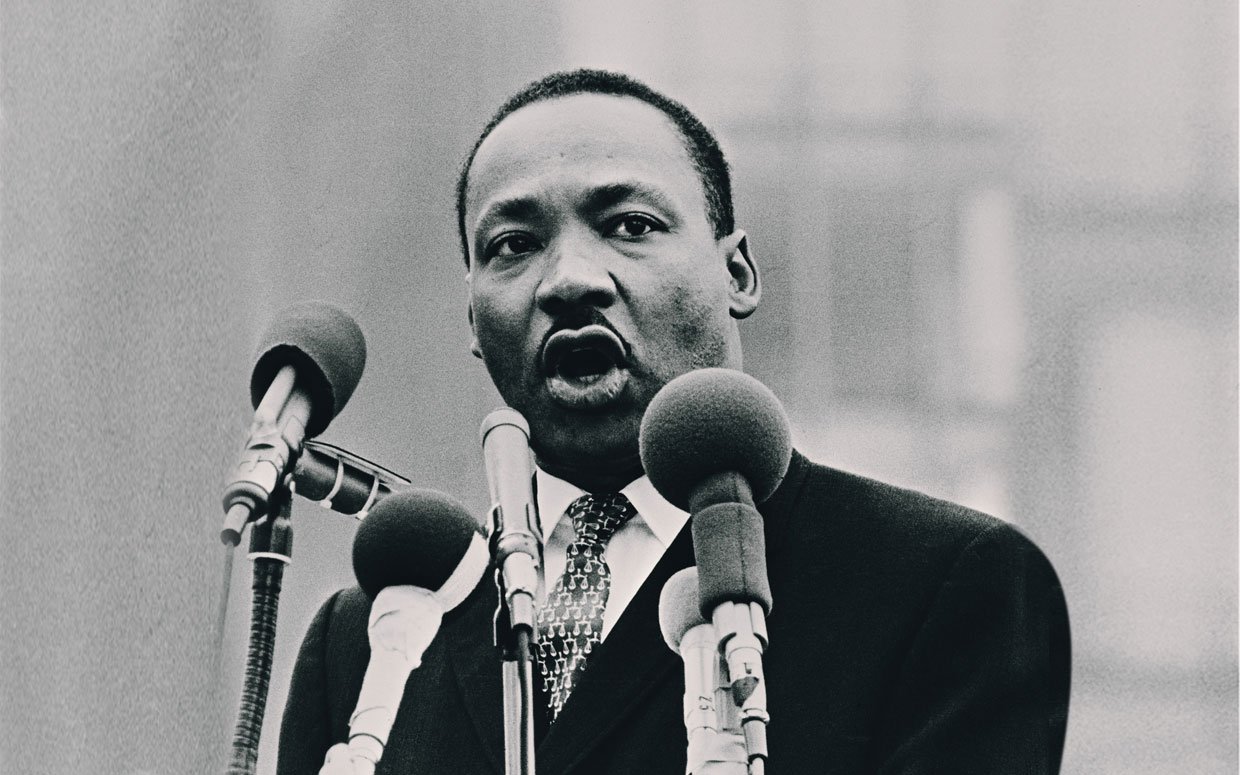
– Martin Luther King Day Since The Transnational is also a public education site, we believe a handy, comprehensive guide to materials about Martin Luther King, Jr. should be found here: For his indisputable greatness as a human being, thinker and activist and for you to see just how far today’s United States of America is from its basic ideals, ideals that he stated so clearly and convincingly. Such ideals must never be allowed to die, neither be turned into lifeless traditions over time that are only paid lip service to at memorial occasions. Martin Luther King, Jr. has a series of messages for today’s world – and inspires anyone who wants to bring about change towards peace. We are particularly fascinated by his elaborations of the concept of The Beloved Community. And we’ve published two other guides earlier: Michel Chossudovsky, TFF Associate, Global Research Guide to Martin Luther King,...
PeopleCharterNV
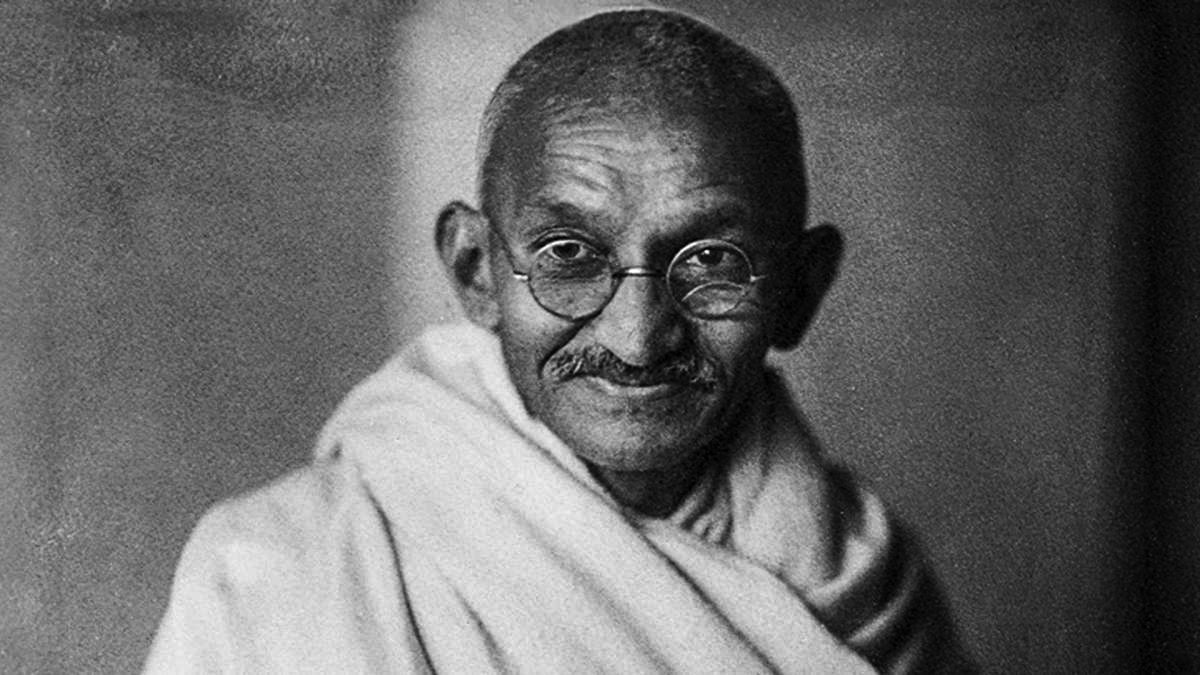
By Robert J. Burrowes January 18, 2019 ‘When I despair, I remember that all through history the ways of truth and love have always won. There have been tyrants, and murderers, and for a time they can seem invincible, but in the end they always fall. Think of it – always.’ M.K. Gandhi As we remember Gandhi Jayanti on 2 October, the Mahatma’s 149th birthday and the International Day of Nonviolence or his death on January 30, there is plenty of room for despair. Never before has the Earth and its many inhabitants been under siege as they are now, more than 100 years after Gandhi started warning us of the predicament in which we are embroiled and presenting his strategy for addressing it before it spiraled out of control. Whether it is the threat of nuclear war, the ongoing wars in many parts of the world and particularly the...
mishra-768x480
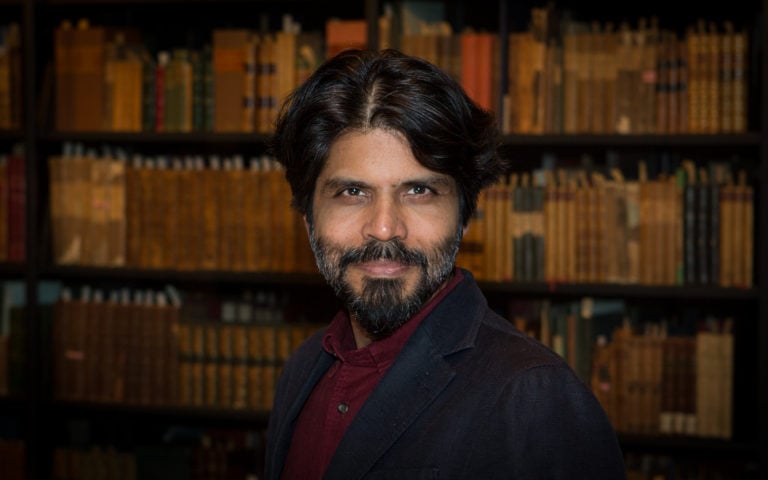
By Pankaj Mishra January 15, 2019 Mohandas Gandhi was the twentieth century’s most famous advocate of nonviolent politics. But was he also its most spectacular political failure? The possibility is usually overshadowed by his immense and immensely elastic appeal. Even Glenn Beck recently claimed to be a follower, and Gandhi’s example has inspired many globally revered figures, such as Martin Luther King, Jr., Nelson Mandela, the Dalai Lama, and Aung San Suu Kyi. Gandhi, rather than Mark Zuckerberg, may have been the presiding deity of the Arab Spring, his techniques of resistance—nonviolent mass demonstrations orchestrated in the full glare of the world’s media—fully absorbed by the demonstrators who prayed unflinchingly on Kasr al-Nil, in Cairo, as they were assaulted by Hosni Mubarak’s water cannons. This article was originally published by The New Yorker on May 2, 2011 And yet the Indian leader failed to achieve his most important aims, and...
mahatma-gandhi-a-legacy-of-peace
By Tom Shillam January 14, 2019 Seventy years after Gandhi’s assassination on the streets of New Delhi, Ramachandra Guha’s new book, Gandhi: The Years That Changed the World, 1914-48, reopens a familiar debate around his legacy. What was Gandhi’s message? What were his politics? What can we learn from him today? And is he still relevant? Guha, presenting the second half of a biography that began with his 2013 book, Gandhi Before India, offers a straightforward but detailed narrative in which “the Mahatma” negotiates a principled path between the warring political trends of the age. This article was originally published by The Conversation on November 28, 2018 Historian of empire, Bernard Porter, welcomed Guha’s work and its subtle defence of a “gentler, more tolerant and consensual forms of politics” that is now, in the age of Donald Trump, Brexit and Jair Bolsonaro in Brazil, on the decline in the West...

181022_r33055
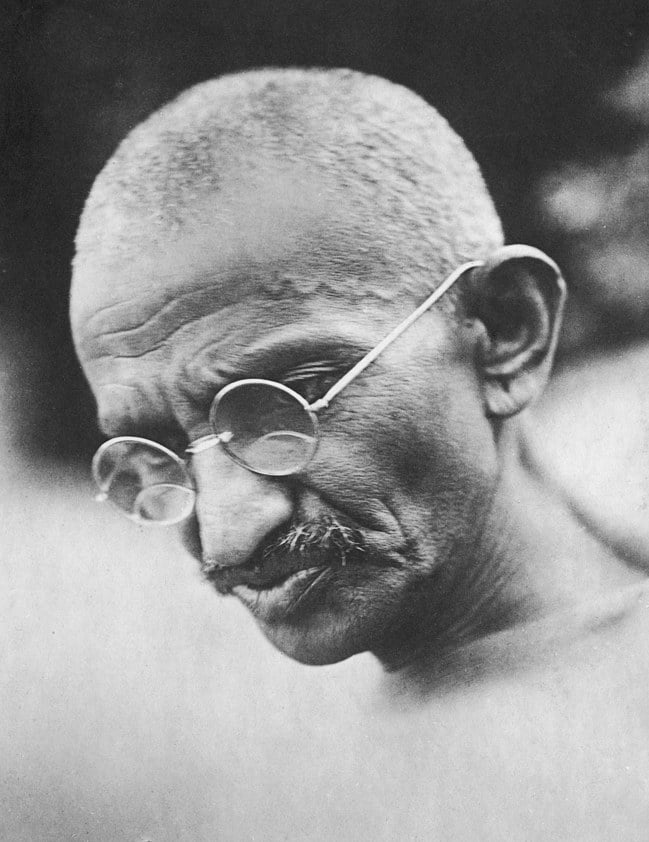
The icon’s legacy is no longer secure, but he anticipated much about our current political moment By Pankaj Mishra January 11, 2019 In 2015, in South Africa, where Mohandas Gandhi lived from 1893 to 1914, a statue of him was defaced by protesters. The following year, the University of Ghana agreed to remove Gandhi’s statue from its campus, after an online campaign with the (misspelled) hashtag #Ghandimustfall charged the Indian leader with racism against black Africans. Compared with other recent targets of political iconoclasts—stalwarts of the Confederacy and Cecil Rhodes—Gandhi seems an unlikely symbol of racial arrogance. Nelson Mandela claimed that Gandhi’s tactics offered “the best hope for future race relations”; Martin Luther King, Jr., held Gandhi up as a model; decades before that, black activists such as Adam Clayton Powell, Sr., and Benjamin Mays were enthralled by the phenomenon of an Indian leading people of color in the campaign...
human-rights-day
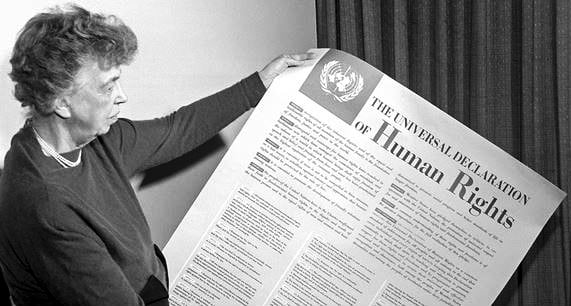
Today the Universal Declaration of Human Rights turns 70. All reason to celebrate. Without the norms embedded in this extremely important document, humankind would be much worse off. Because normativity is important even though it is only words. It enables us to make those who violate human rights accountable. And that is, in general terms, an extremely important aspect of the UN and its Charter. So too the norm expressed in its Article 1 – that peace shall be established by peaceful means and only when all such means have been tried an found in vain, can the UN member states take to violent means. As a last resort. That said, the only two problems I have with the human rights philosophy and concept are: One could also formulate it this way: Human beings have duties vis-a-vis those whose rights are not embedded in any declaration, i.e. other living creatures,...
Skaermbillede-4
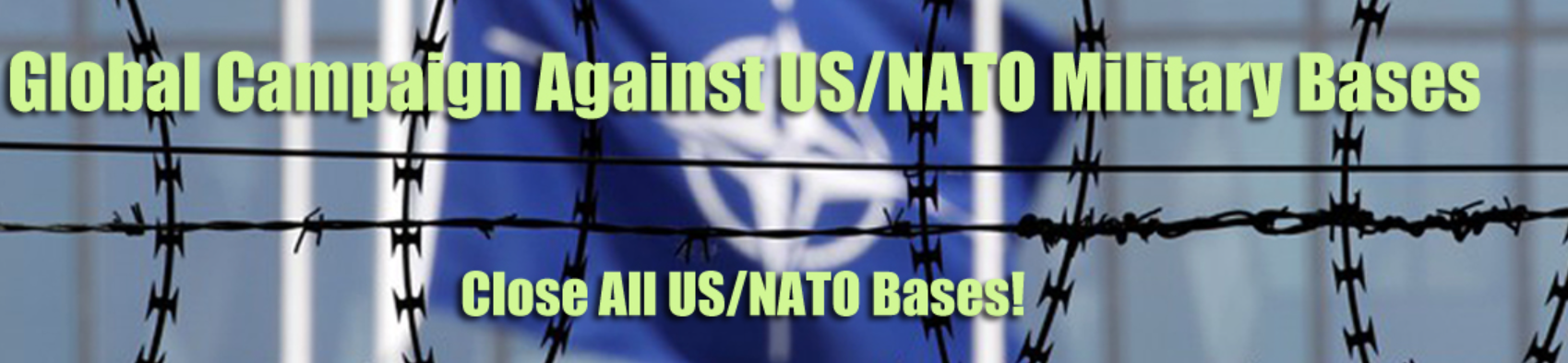
Photocredit: nousnatobases.org   By Mairead Maguire, Nobel Peace Laureate and TFF Associate Presented at the International Conference against US/NATO Military Bases, 16-18 Nov 2018, Dublin, Ireland. November 27, 2018   Dear Friends, It is good to be here with you all. I would like to thank the organizers for inviting me to address the conference. Firstly I thank you all for your work for peace. It is good that we will have an opportunity in the next few days to get to know each other and together discuss what kind of a world we want to live in? There will be many different perspectives on this and the way forward, but let us agree to respect each other and to engage in deep listening and conversation no matter how hard and where the dialogue might take us! Originally published at transcend.org Let us be encouraged by the fact that we have made...
Namnlost
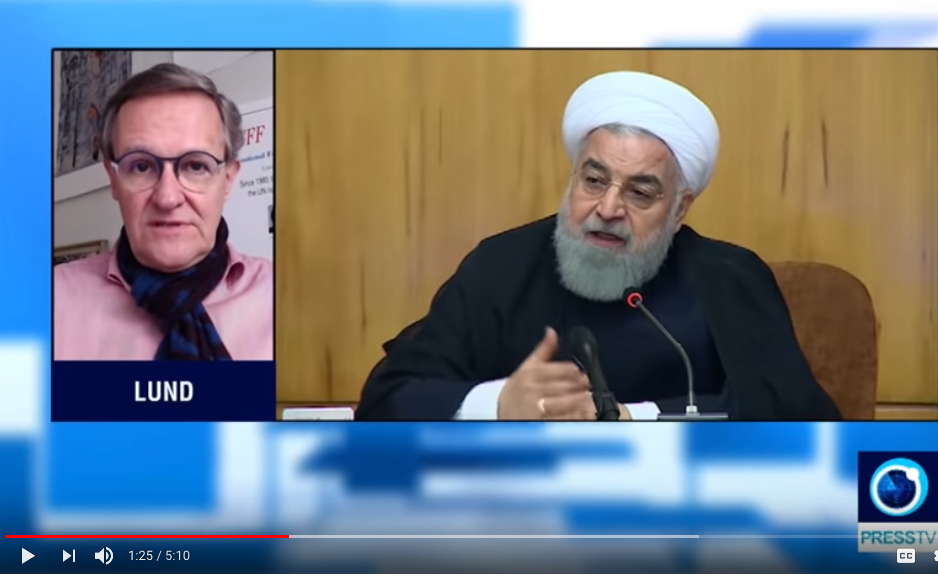
By Jan Oberg It’s high time for EU and NATO allies to develop a different policy on Iran. It must not only disagree diplomatically with the unethical and international law-violating U.S. primary and secondary sanctions. It must represent an alternative that clearly isolates the U.S. But do we see any signs that they are able to? Do these countries actually have more political action permission and capacity – not to speak of intellectual capacity to think independently – than had, say, the Warsaw Pact countries vis-a-vis the Soviet Union at the time? TFF director Jan Oberg on Iran’s PressTV, November 14, 2018:
robert-j-burrowes
  August 14, 2018 By Robert J. Burrowes Given the overwhelming evidence that activist efforts are failing to halt the accelerating rush to extinction precipitated and maintained by dysfunctional human behavior, it is worth reflecting on why this is happening. Of course, you might say that the rush to extinction is being slowed. But is it? Even according to BP’s chief economist: ‘despite the extraordinary growth in renewables in recent years, and the huge policy efforts to encourage a shift away from coal into cleaner, lower carbon fuels, there has been almost no improvement in the power sector fuel mix over the past 20 years. The share of coal in the power sector in 1998 was 38% – exactly the same as in 2017…. this is one area where at the global level we haven’t even taken one step forward, we have stood still: perfectly still for the past 20 years....
JOAleppo_FBPage
• This is the second of two articles about the coming end of NATO as we know it and what can be done. The first you find here. It may be good to have at least browsed that one before you read on here. The Banality of Militarism In the field of science, business and culture, new ideas, innovative methods, doing new things and doing old things in new ways are activities usually rewarded and admired. That keeps these fields vibrant, alive and interesting to others too. However, in the field of the all-pervasive, omni-present paradigm of basic military defence and security thinking and policy – drop peace because no one has a peace policy – no such dynamics exist. The same old tune is played over and over again – to make you fearful and pay: The same old tune is played over and over again – to make...
Categories

Year

Author / Contributor

Region