Nonviolence

Category

Year

Author / Contributor

Region

Sort by

Showing 1-10 of 358 stories

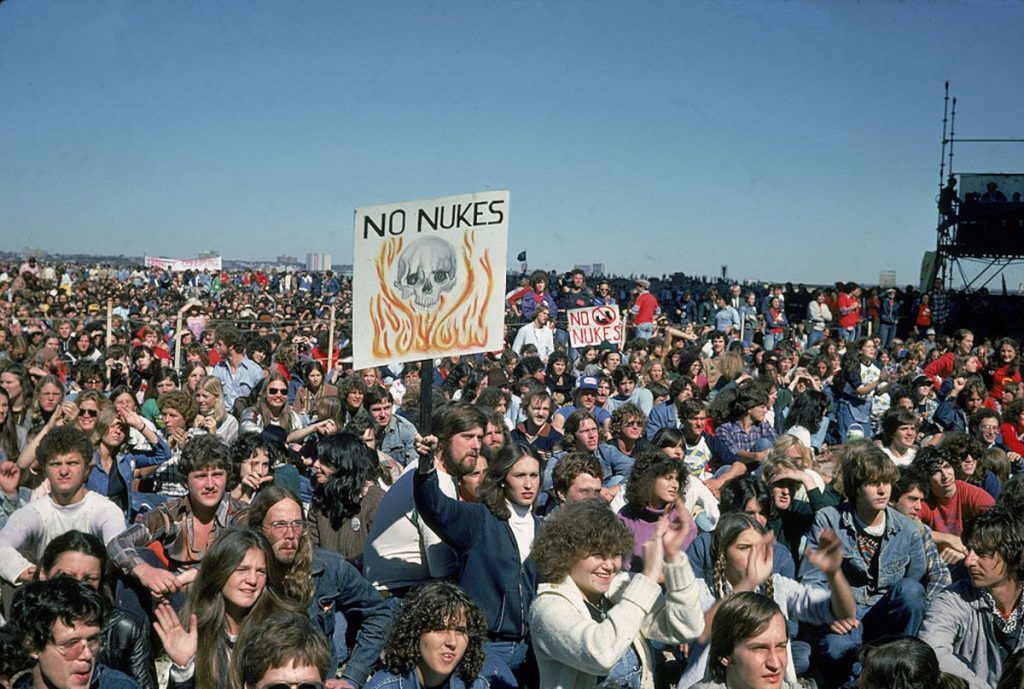
the-anti-nuclear-march-in-new-york-citys-central-park-june-12-1982-1024x689-1
By Dr. Lawrence Wittner January 17, 2020 Although today’s public protests against nuclear weapons can’t compare to the major antinuclear upheavals of past decades, there are clear indications that most Americans reject the Trump administration’s nuclear weapons policies. Originally posted on History News Network on December 22, 2019 here Since entering office in 2017, the Trump administration has withdrawn the United States from the nuclear agreement with Iran, scrapped the Intermediate-Range Nuclear Forces (INF) Treaty with Russia, and apparently abandoned plans to renew the New START Treaty with Russia. After an overwhelming majority of the world’s nations agreed on a landmark UN Treaty on the Prohibitions of Nuclear Weapons in July 2017, the Trump administration quickly announced that it would never sign the treaty.  The only nuclear arms control measure that the Trump administration has pursued―an agreement by North Korea to abandon its nuclear weapons program―appears to have collapsed, at least in part because the Trump administration badly mishandled the negotiations. Moreover, the Trump...
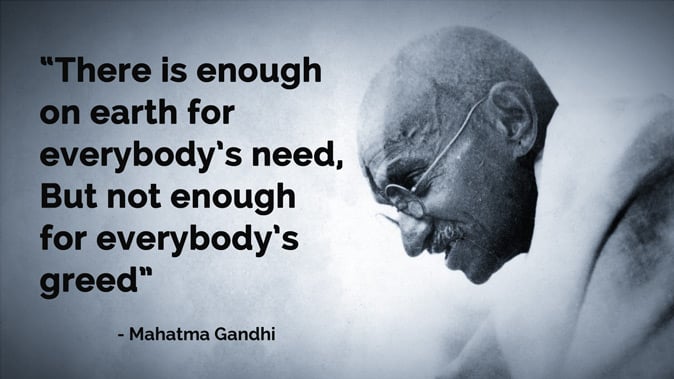
Mahatma-gandhiquote
By David Cortright December 11, 2019 Last month I was invited by the Indian Permanent Mission to the United Nations to give a presentation on the International Day of Nonviolence, which was also the 150th anniversary of Gandhi’s birth. Below is the full text of my remarks, which were delivered at the United Nations headquarters in New York. Originally posted on Davidcortright.net on November 9, 2019 here In the remarks, I identified three aspects of Gandhian thought and action that are directly relevant to the challenge of protecting the environment and preventing climate disruption. At the end of my presentation, I added a brief comment on the situation in Kashmir, which seemed necessary to include in an event organized by the Indian government. “Gandhi’s message is highly relevant to today’s global climate crisis. I emphasize here three of his most important themes: simplicity, equity and nonviolence. Simplicity Gandhi became the “greatest...
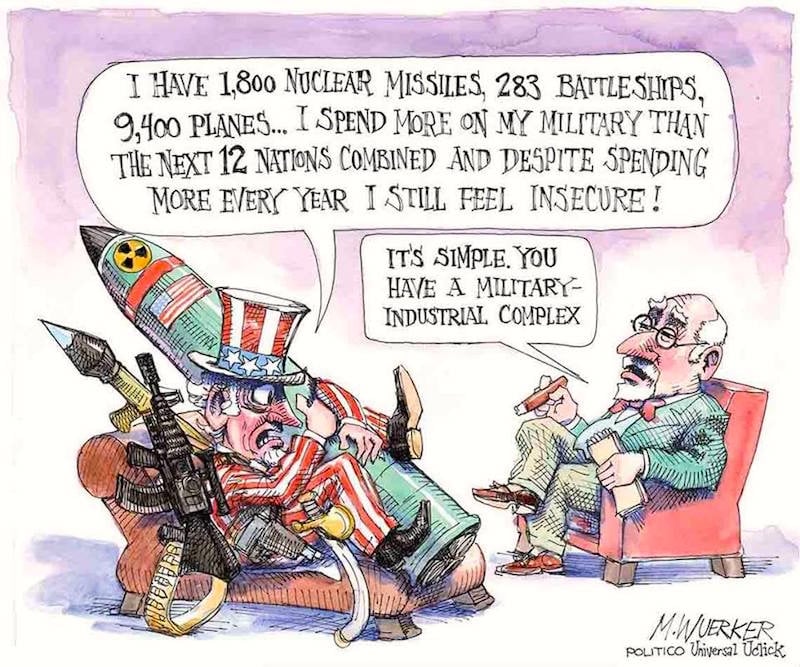
wuerkercomplex
By William J. Astore November 14, 2019 The expanding cultural authority of the armed forces is a problem for U.S. democracy, writes William J. Astore. When Americans think of militarism, they may imagine jackbooted soldiers goose-stepping through the streets as flag-waving crowds exult; or, like our president, they may think of enormous parades featuring troops and missiles and tanks, with warplanes soaring overhead. Or nationalist dictators wearing military uniforms encrusted with medals, ribbons, and badges like so many barnacles on a sinking ship of state. (Was President Donald Trump only joking recently when he said he’d like to award himself a Medal of Honor?) And what they may also think is: that’s not us. That’s not America. After all, Lady Liberty used to welcome newcomers with a torch, not an AR-15. We don’t wall ourselves in while bombing others in distant parts of the world, right? Article posted on ConsortiumNews.com on October 31, 2019 (original article is posted on TomDispatch.com) here But...
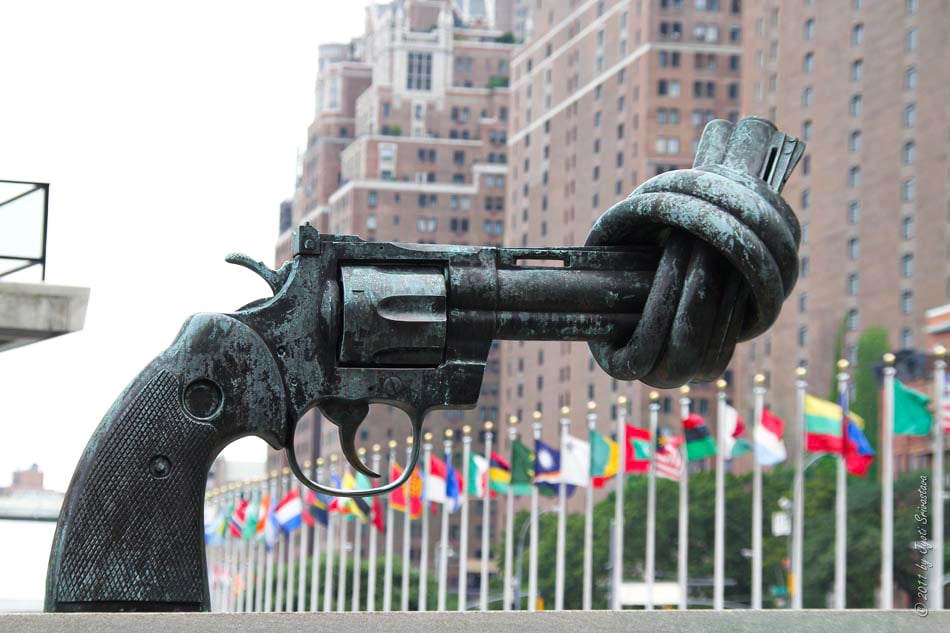
gun-un-from-chcago-outdoor-sculpture-blog
As entrenched as the military is in our society and minds, a new book shows that civilians can defend a society without using violence. Imagine that government leaders make an announcement: “We’re going to abdicate responsibility for defense. Over the next few years, our military forces will be phased out. They are too dangerous and counterproductive. It will be up to everyone to figure out how to defend us all without violence.” Environmentalists immediately get to work setting up local renewable energy systems. They know that an aggressor can hold a society to ransom by controlling a few refineries and large power plants. In contrast, aggressors, and terrorists too, will see little point in attacking energy-efficient buildings and rooftop solar panels. Originally published by Transcend Media Service and Journal of Resistance Studies here Town planners adopt the same thinking. They rapidly expand opportunities for travel by foot and cycling, thereby...
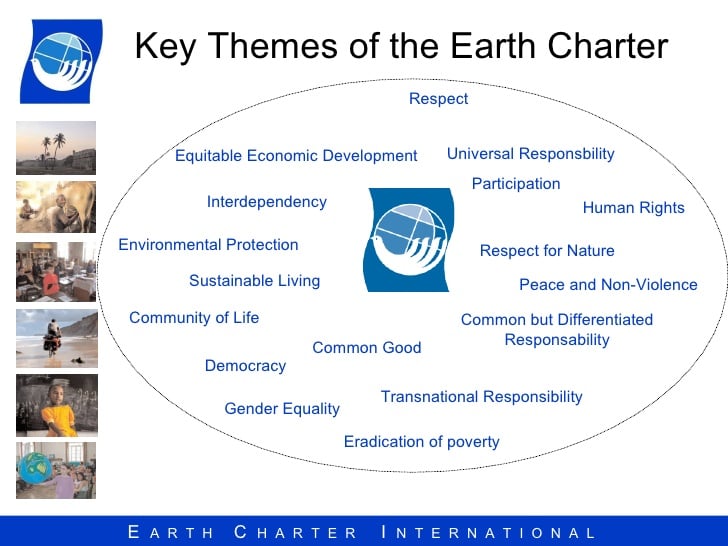
sustainable-development-and-the-earth-charter-23-728
Prefatory Note: The following essay will appear as a chapter in Peter Burden & Klaus Bosselmann, eds., The Future of Global Ethics (Edward Elgar, 2018),  with the title: Revisiting the Earth Charter 20 Years Later: A Response to Ron Engel Ron Engel has articulated an insider review of the Earth Charter so thoughtfully, urbanely, and persuasively that my initial temptation was to restrict my response to a single word: ‘Amen!’ Yet I am familiar enough with the academic ways of gathering diverse voices to explore a topic or to evaluate the scholarship of a distinguished author, as to discard my one-word option. At the same time, it would be misleading if I didn’t praise Ron Engel for putting so many elusive issues before us in such a lucid and compelling manner as to make my efforts at dialogue feel a bit forced, given the high level of agreement. Originally posted on...
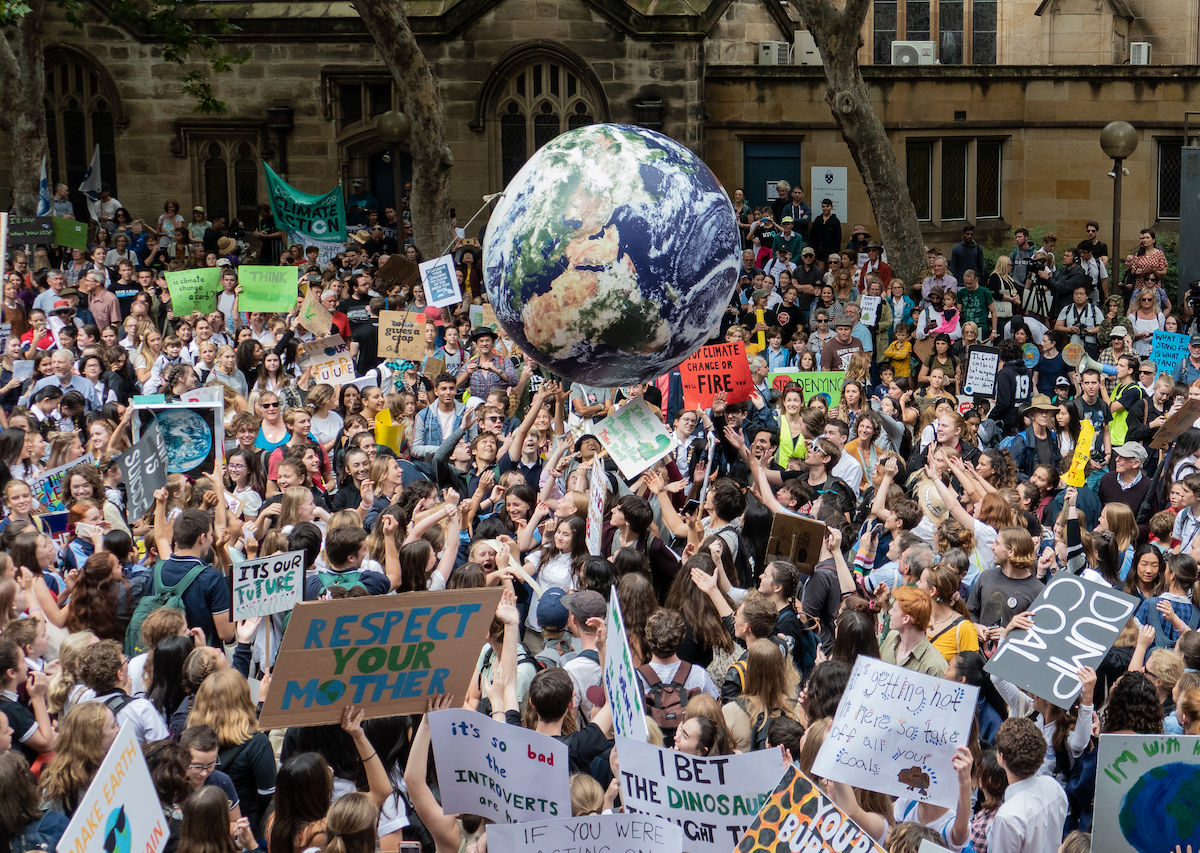
global-climate-strike-protesters-1200x853
Prefatory Note: The post below of my remarks at the opening session of the Maker Majlis Conference, College of Islamic Studies, Hamed Bin Khalif University (HBKU) in Doha, Qatar on 22 Sept 2019. The theme of the three-day conference was on the role of youth in furthering the UN process associated with the 17 Sustainable Development Goals, SDGs (as further clarified by 169 targets), ambitiously set to be achieved by 2030. The massive Global Climate Strike on 20 September seemed to have similar intentions to conference, that is, how to explain and  overcome the absence of political will on the part of the governments of the world, none more lacking in this respect than the U.S. Government, with respect to the ecological agenda of the world, with particular consideration of climate change threats and harms. This civil society challenge from below, transnationally and inspired and organized by youth, offers us...
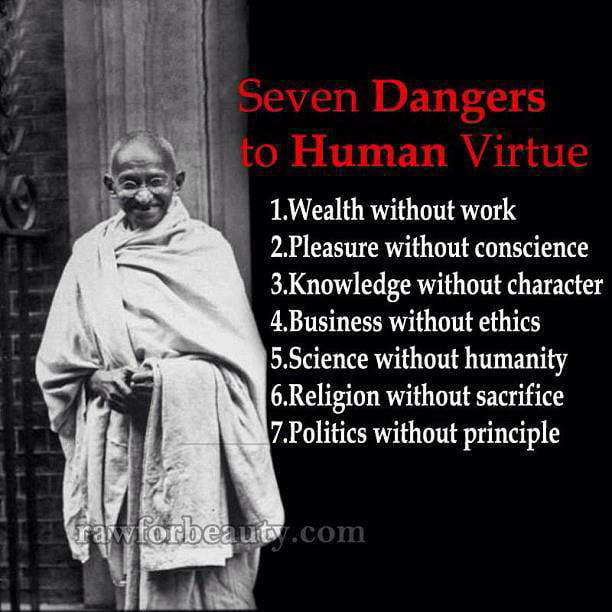
GandhiVirtues
This is what TFF sent out as TFF PressInfo 532 today. It gives you an impression of what you will get if you have not already subscribed to this, one of the oldest peace mail services. Just fill in the form to your right. Above Gandhi’s prophetic diagnosis of today’s Western, or O/Accidental, malaise. Gandhi’s message is not backed up by statistics, figures and charts. It’s the type of statement of wisdom which seems to have disappeared in our modern times. He was born today 150 years ago. Some believe his theory and practice is just historical or irrelevant. However… Millions of people believe in and use non-violence every day. About a week ago, 6 million marched for humans and societies to re-learn to relate non-violently to Nature. Many other millions practice dialogue, negotiations, friendly quarrels, mediation, meetings, writings, speeches, humour etc to deal with their conflicts. It’s non-violence even...
greta1
is likely to be seen by future generations as pathbreaking or, as they say today, iconic. One of several reasons she attracts so much attention is that she combines three factors that, in these dark times, seldom go together but which – undoubtedly – people worldwide long for: knowledge (facts), passion/emotions and a commitment to nonviolence. While politicians go populist, nationalist and militarist and many individuals tend to be obsessed with themselves, their body – looks, food, weight, ways to relate and how to show off (inner emptiness) – here is a 16-year young woman who speaks on behalf of humanity and does so as if she was Nature’s appointed ambassador too. She operates in a world in which there is more and more fake – and more important, omission – in which it’s great to keep cool and unemotional in public (and often say nothing of interest but delivering...
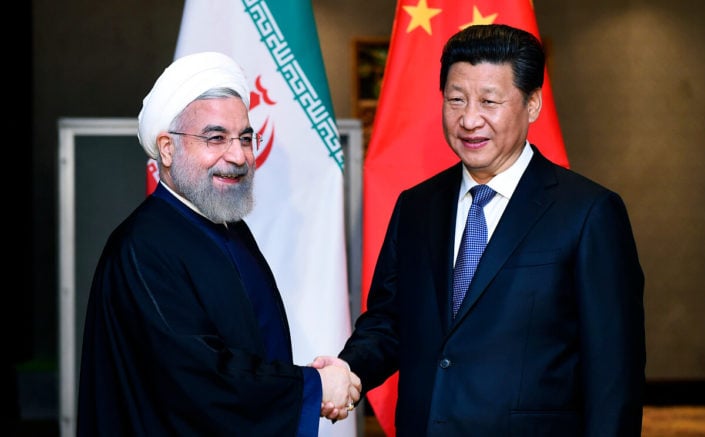
xjp-iranrowhani-705x437
By Sabena Siddiqui September 20, 2019 Facing an economic crisis in large part due to US sanctions, Iran soon may be aligning its policies toward China’s. Having recently updated the terms of a 25-year strategic partnership signed with Beijing in 2016, it looks like Tehran is indeed returning to its Look East foreign policy. Originally posted on Al-Monitor’s website September 17, 2019 here Considered an important player in Chinese President Xi Jinping’s Belt and Road Initiative (BRI) megaproject, introduced in 2013, Iran has been pursued by Beijing for its energy resources and strategic location. But when economic sanctions on Iran were lifted under the Joint Comprehensive Plan of Action (JCPOA) nuclear deal in 2015, Iran preferred to do business on a global basis. Instead of committing to an eastward-looking foreign policy at that time, Tehran tried to maintain a balance. However, since the United States withdrew from the nuclear deal in May 2018, Europe...
ChatGPT Image 9 jun 2026, 11_11_33
s who used dogs against the civil rights protestors and cracked heads. It reminds me too of 1968 when the Soviet Union sent its tanks into Prague to overthrow a reforming (but still communist) government only to meet defiance from large sections of the population. On both occasions the brutality was met not with petrol-bombs and stones but with non-violence and passive obstruction. It worked. Stones and fire-bombs would have been counterproductive. The combined strength of the troops of the Soviet Union and its allies was 500,000. For six days the Czech people met their invaders as fellow communists face to face, sometimes arguing with them, sometimes scorning them, always resisting them and refusing too obey their orders. The reaction was totally spontaneous. The improvised radio broadcasts during the first hours of the invasion simply told the populace not to use force and to keep calm. Slogans were painted on...
kennedy_sotu1-P
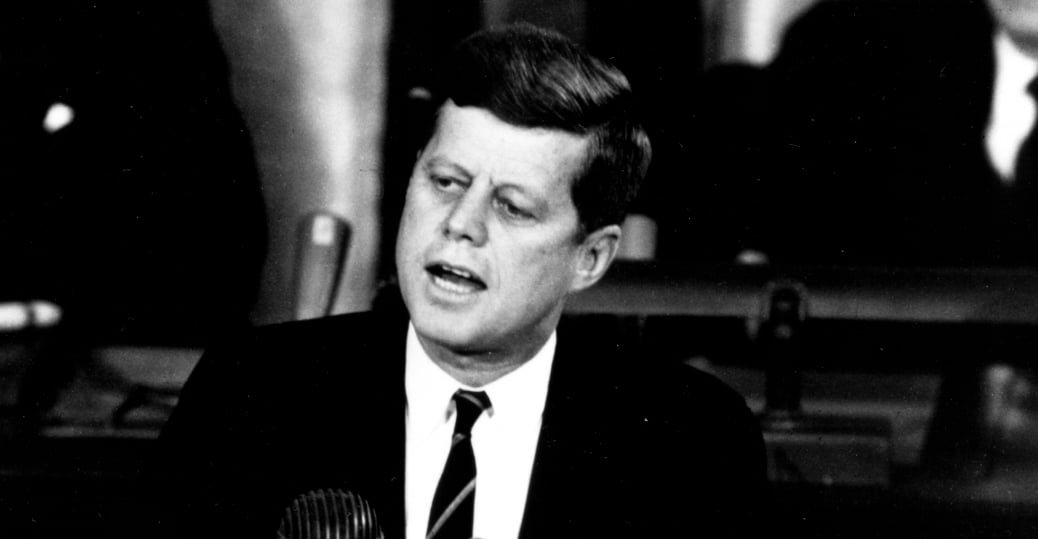
By Dr. Lawrence Wittner June 5, 2019 In late April, the highly-respected Stockholm International Peace Research Institute reported that, in 2018, world military expenditures rose to a record $1.82 trillion. The biggest military spender by far was the United States, which increased its military budget by nearly 5 percent to $649 billion (36 percent of the global total). But most other nations also joined the race for bigger and better ways to destroy one another through war. Originally publishes on Counterpunch.org on May 29th, 2019 here This situation represents a double tragedy. First, in a world bristling with weapons of vast destructive power, it threatens the annihilation of the human race. Second, as vast resources are poured into war and preparations for it, a host of other problems―poverty, environmental catastrophe, access to education and healthcare, and more―fail to be adequately addressed. But these circumstances can be changed, as shown by...

GretaT
The amazing person and phenomenon called Greta Thunberg can be looked at from many perspectives. What connects them all is the energies of hope. Thus, for instance, her own personal story and what drives her so passionately – and scientifically – at the age of only 16. Or, how she is challenging the entire global establishment as a youth leader not allowed to vote herself but demanding that decision-makers take into account the millions and millions she speaks for as well as the yet unborn generations. That’s a non-contractual, non-reciprocal way of thinking foreign to Western culture’s “I do something for you if/when you do something for me”. And you can’t ask something in return from the yet unborn. Or, how the role she plays now makes visible and catapults a fundamentally moral criticism into the political discourse where it hasn’t existed, I would say, for decades. Or, how her...
Categories

Year

Author / Contributor

Region