Militarism (MIMAC)

Category

Year

Author / Contributor

Region

Sort by

Showing 1-10 of 229 stories

CLimate-change-850x567-1
Image credit: Pixabay Dr Andrew Glikson January 20, 2021 As the world is trying to hopefully recover from the tragic effects of COVID-19, it is reminded there is no vaccine for the existential threat for its life support systems posed by global warming, nor for the looming threats of future wars and nuclear wars fueled by warmongers and $trillion preparations by military-industrial complexes. Originally published at Countercurrents Between 1740 and 1897 some 230 wars and revolutions in Europe suggested war remained deeply ingrained in the human psyche and civilization. The question is whether the currently approaching catastrophes can be averted. No one wishes to believe in the projections made in the recent book ‘The Uninhabitable Earth’, except that these projections, made by David Wallace-Wells, are disturbingly consistent with the current shift in state of the climate toward +4 degrees and even +6 degrees Celsius above pre-industrial levels, as indicated by the current trends (Figure 1) and...
Orust
SummaryOn top of all the global problems we must solve as soon as possible comes the Corona. This statement argues that the priorities of the world are – well, perverse; everything the UN does amounts to 3% of the global military expenditures.TFF’s Board suggests that all countries reduce their military by 50% immediately. That would save about US$ 1000 billion. And that that huge sum should be re-allocated to solve the problems we had and the socio-economic consequences of the Corona pandemic. That would also – finally – be a step to prove that governments are willing to implement a policy for true disarmament and move towards human and common security for the common good.In a civilised world, this should be common sense. If you do not want to read the whole argument, just scroll down and sign this statement. “We’ve likely only seen the beginnings of the worldwide economic...
britishempire1886
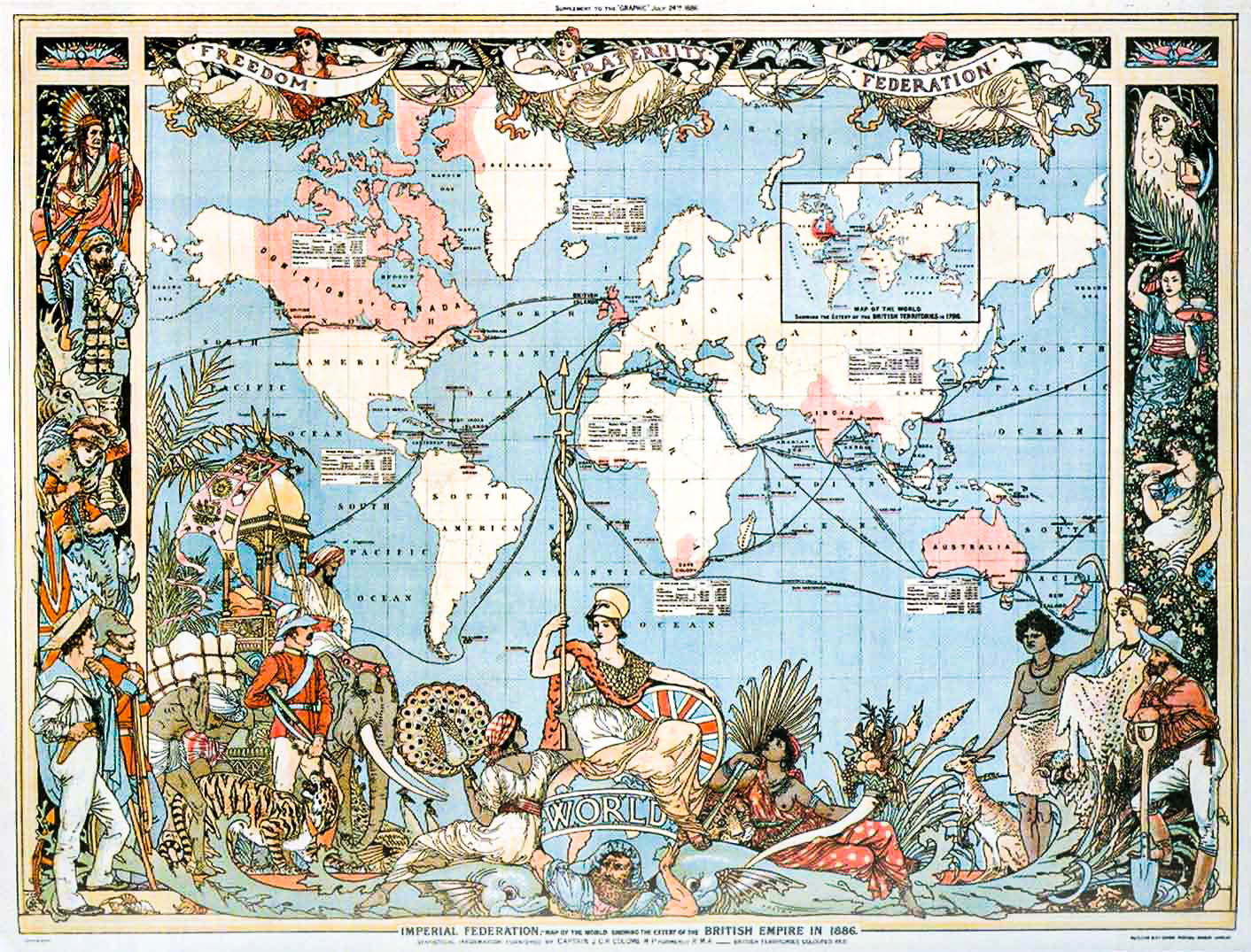
The British Empire in 1886 Britain leaves the EU on December 31, 2020. We mark this historical event by looking at its global, imperial military footprint and the mind-boggling waste of scarce resources its prime minister is proud of standing behind in times that are already extremely hard for the citizens. A few nostalgic types still believe that the Union Jack continues to flutter to sighs and reverence over outposts of the world, from the tropics to the desert. They would be right, if only to a point. Britain, it turns out, has a rather expansive global reach when it comes to bases, military installations and testing sites. While not having the obese heft and lumbering brawn of the United States, it makes a good go of it. Globally, the UK military has a presence in 145 sites in 42 countries. Originally posted by Off Guardian on November 29, 2020 Such figures...
0406davideforweb
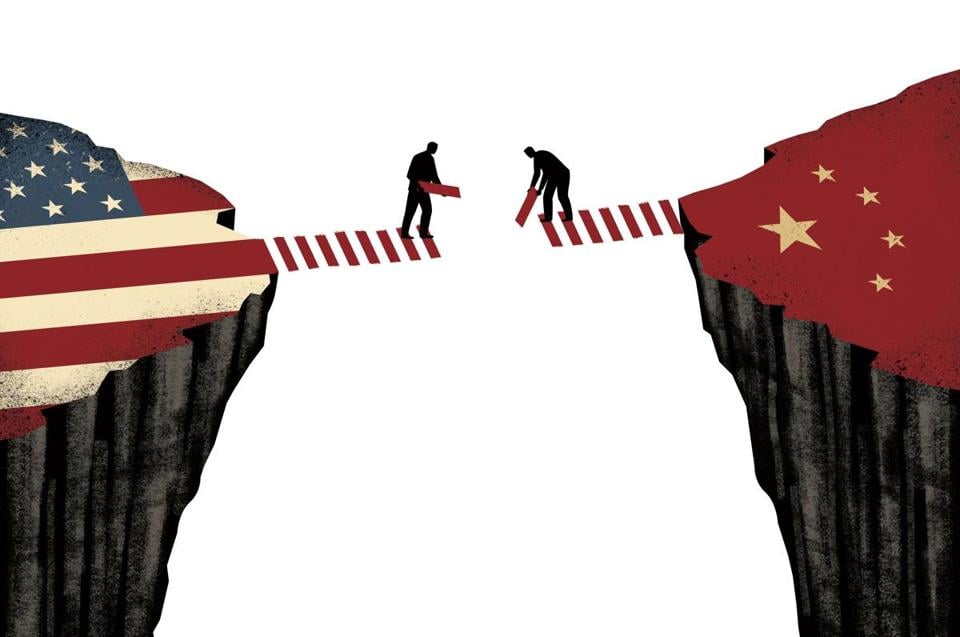
 Jeff J. Brown and Jeremy Kuzmarov 15 December, 2020 On July 4, 2020, the U.S. Navy dispatched an unprecedented two aircraft carriers and four other warships to the South China Sea for naval manoeuvres in waters claimed by China. Secretary of State Mike Pompeo subsequently broke with the official U.S. policy of neutrality in territorial conflicts in the South China Sea and declared that China’s claims to most of the Sea were “completely unlawful,” though many of the disputed territories had been part of China prior to being taken over by Japan in the 1895 Sino-Japanese War.[1] World War III nearly erupted on August 25, 2020, when a U.S. spy plane flew into Chinese air space while the People’s Liberation Army (PLA) was conducting drills.[2] Conversely, in 1963 and 1965, China shot down U2 spy planes, while capturing and imprisoning the pilots, though this time, with the international stakes much higher,...
saltwater-crop-technology-food-security-1440x1067-1
There is no security without food security. Geoff Tansey argues that meeting the real security needs of humanity necessitates the progressive redistribution of military budgets toward ending hunger and achieving sustainable development. Geoff Tansey December 13, 2020 As Covid-19 exacerbates inequalities nationally and globally, more and more people are becoming food insecure in both richer and poorer countries. According to the UN’s 2020 report on the State of Food Security and Nutrition in the World almost 690 million people went hungry in 2019. And the number of hungry people has been rising since 2014, well before the pandemic hit. COVID-19 could push over 130 million more people into chronic hunger, it says. That means one in every nine humans going hungry most of the time. Originally posted on Rethinking Securityon November 5th, 2020 here This matters for both human security and physical security. Last month saw the 75th anniversary of the founding of...
AleppoTank2020_1180-72dpi
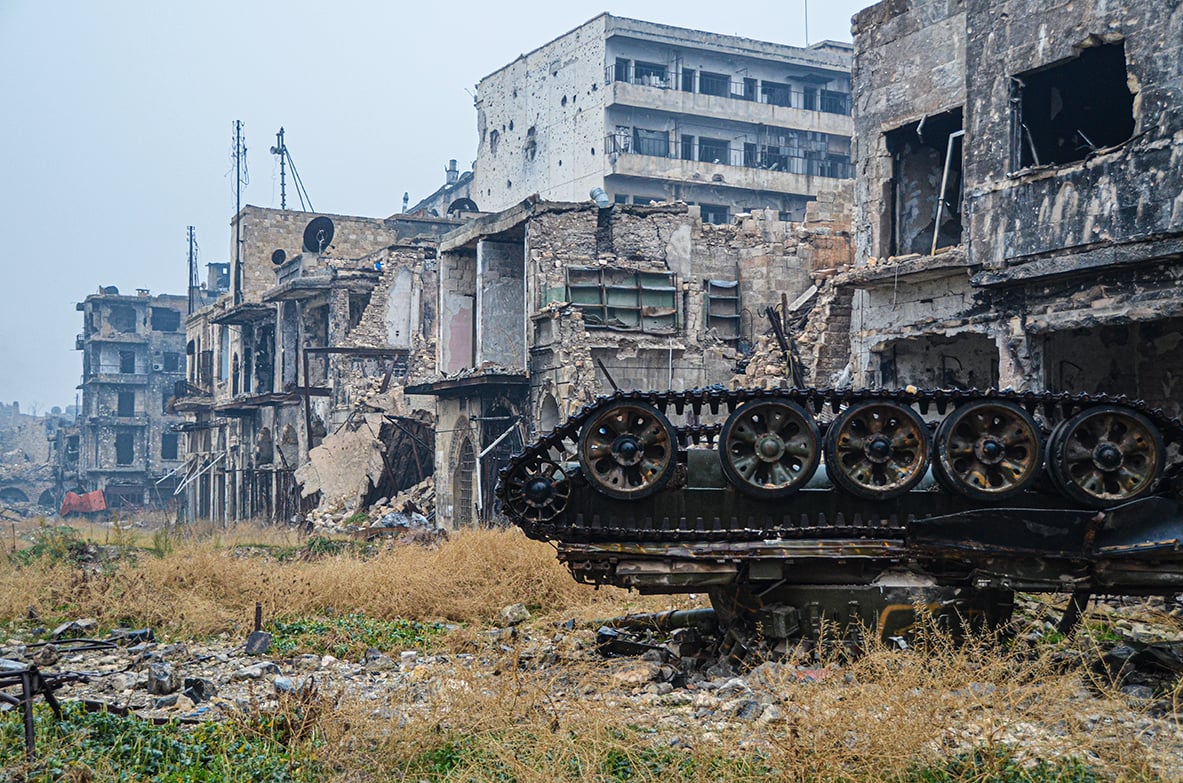
Photo – Aleppo December 2016 © Jan Oberg Against the Institution of War – announcing the publication of the book, The Ecological Impact of Militarism John Scales Avery November 27, 2020 As we start the 21st century and the new millennium, our scientific and technological civilization seems to be entering a period of crisis. Today, for the first time in history, science has given to humans the possibility of a life of comfort, free from hunger and cold, and free from the constant threat of infectious disease. At the same time, science has given us the power to destroy civilization through thermonuclear war, as well as the power to make our planet uninhabitable through pollution and overpopulation. The question of which of these alternatives we choose is a matter of life or death to ourselves and our children. The crisis of civilization, which we face today, has been produced by...
Eutopia_15_PhSh-kopia
“Eutopia 15” Abstract photograph 2015 © Jan Oberg David R. LoyTFF Associate October 21, 2020 “Hell is truth seen too late.” (Anonymous) Why would a small group of people want to crash hijacked airplanes into skyscrapers, killing thousands and terrorizing millions? Perhaps only religion can provide the motivation and collective support for such heinous deeds (occasionally including our dominant secular God, the modern nation-state). Does this mean that religious terrorism can be dismissed as just another example of religious fanaticism? Or is there a “logic” to fundamentalist terrorism, which makes it a regrettable but nonetheless understandable reaction to modernity? Mark Juergensmeyer and Karen Armstrong have shown that religious fundamentalism is not a return to premodern ways of being religious. Jewish, Christian and Islamic fundamentalisms are all recent developments reacting to what is perceived – to a large extent correctly, I shall argue – as the failure of secular modernity. Such...
biden
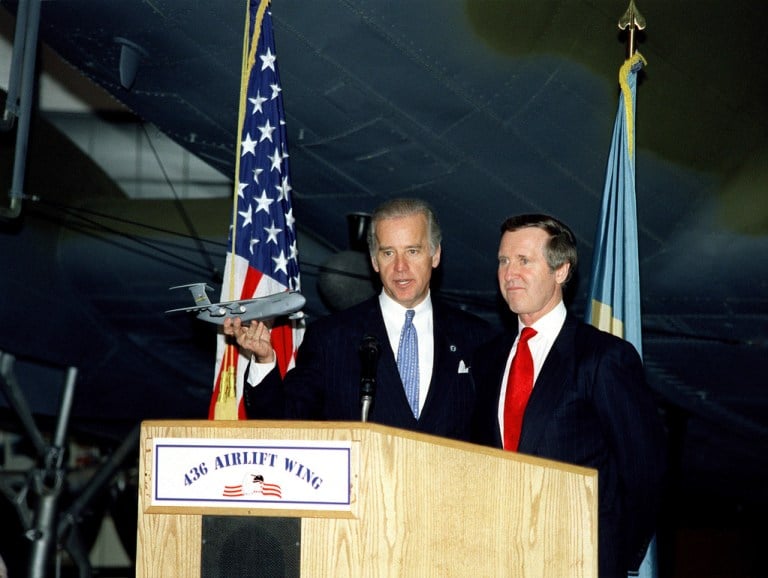
Delaware Senator Joseph Biden presents Secretary of “Defense” William Cohen with a model C5 aircraft at a luncheon in Sec. Cohen’s honor during his visit to Dover Air Force Base on Wednesday, December 15, 1999. 15 November, 2020 In June 2019, Joe Biden promised wealthy so-called donors that nothing would fundamentally change. At this moment hundreds of millions of people — from those shooting off fireworks to those ranting as though they will soon shoot up public places in their MAGA hats — seem convinced that everything will fundamentally change. Biden was wrong. Everybody else is right. Either everything will change for the better or one or both of the twin dangers of environmental and nuclear apocalypse will change everything for the worse. What should someone who cares about ending war think? How can we get from the euphoria of electing a warmonger to mobilizing people to end war? How...
Obama_Biden_and_Clinton_in_the_Oval_Office
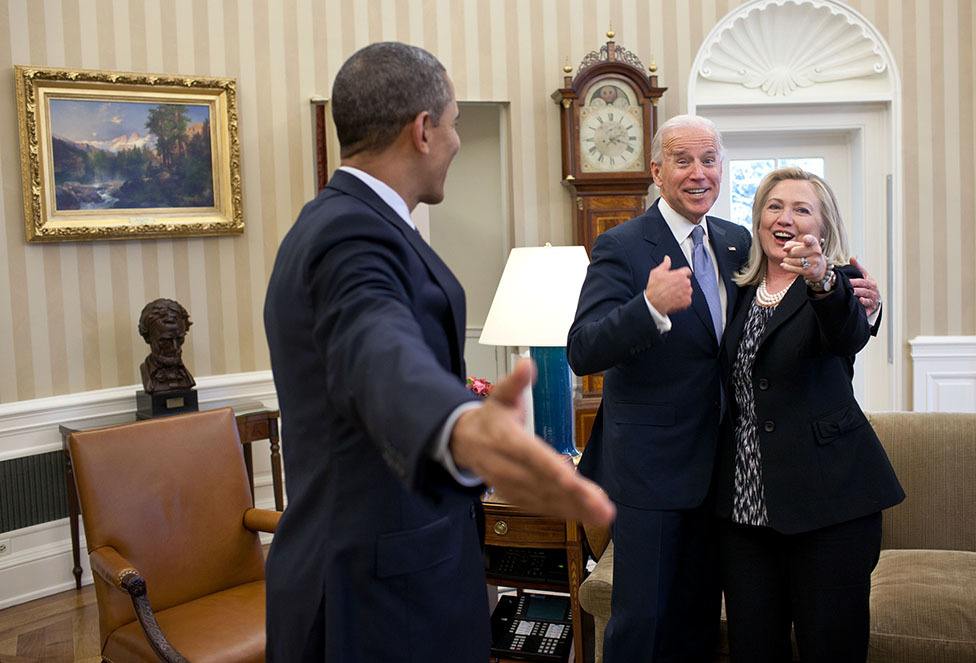
Photograph Source: Pete Souza, White House Official Photograph – CC BY 2.0 Eric Draitser September 15, 2020 The scorching desert sun streams through narrow slats in the tiny window. A mouse scurries across the cracked concrete floor, the scuttling of its tiny feet drowned out by the sound of distant voices speaking in Arabic. Their chatter is in a western Libyan dialect distinctive from the eastern dialect favored in Benghazi. Somewhere off in the distance, beyond the shimmering desert horizon, is Tripoli, the jewel of Africa now reduced to perpetual war. But here, in this cell in a dank old warehouse in Bani Walid, there are no smugglers, no rapists, no thieves or murderers. There are simply Africans captured by traffickers as they made their way from Nigeria, Cameroon, Chad, Eritrea, or other disparate parts of the continent seeking a life free of war and poverty, the rotten fruit of Anglo-American...

demonstration
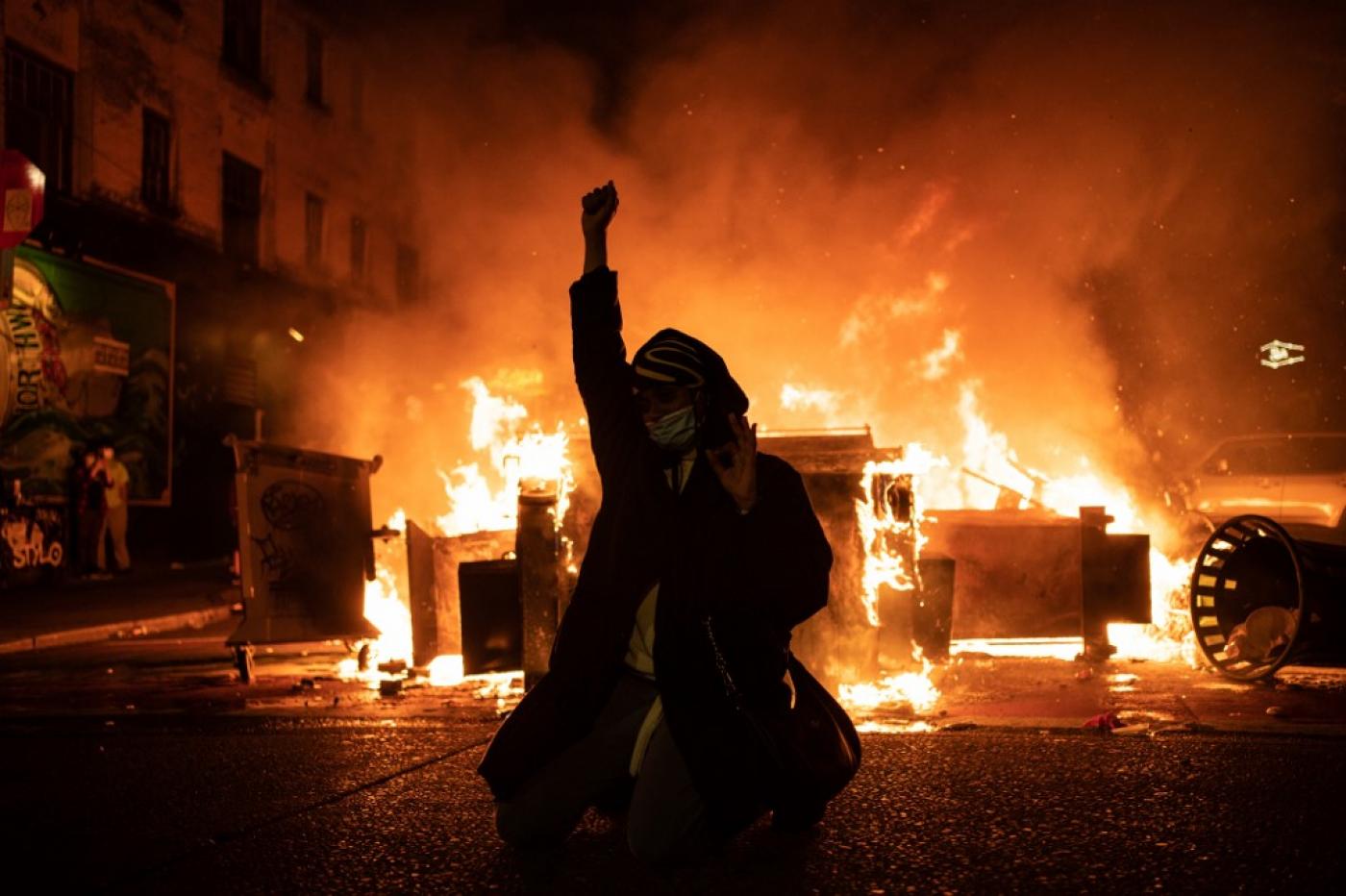
A demonstrator raises a fist after clashes with police in the US city of Seattle on 8 June (AFP) As calls for racial justice reverberate across the country, the field of American Studies requires a radical rethink – namely, the active engagement of people around the globe at the receiving end of US militarism.  By Hamid Dabashi September 15, 2020 “The majority lives in the perpetual practice of self-applause, and there are certain truths which the Americans can only learn from strangers or from experience.”  – Alexis de Tocqueville, Democracy in America “Americans are the unhappiest they’ve been in 50 years,” according to recent polls. “It’s been a rough year for the American psyche.”    The deeply troubling presidency of Donald Trump has led to severe consequences of the coronavirus pandemic in the US, where the per-capita mortality rate is among the highest in the world, exacerbated by claustrophobic despair over lockdowns and social distancing, alongside...
Imagen-thumbnail-The-Transnational
Chris Hedges September 4, 2020 Chris Hedges discusses “Ghost Riders of the Baghdad: Soldiers, Civilians, and the Myth of the Surge,” with author Danny Sjursen, combat veteran and West Point. It’s RT’s “On Contact”. If you want to know more about Sjursen, here is his SceptialVet homepage. Originally posted on Scheerpost’s website on August 17, 2020. Please help TFF remain truly independent by contributing if you benefited from this article Chris Hedges is a Pulitzer Prize–winning journalist who was a foreign correspondent for fifteen years for The New York Times, where he served as the Middle East Bureau Chief and Balkan Bureau Chief for the paper. He previously worked overseas for The Dallas Morning News, The Christian Science Monitor, and NPR. He is the host of the Emmy Award-nominated RT America show On Contact. He has written 12 books, including the New York Times best-seller “Days of Destruction, Days of Revolt” (2012), which he co-authored with the cartoonist Joe...
Nixon_and_Zhou_toast
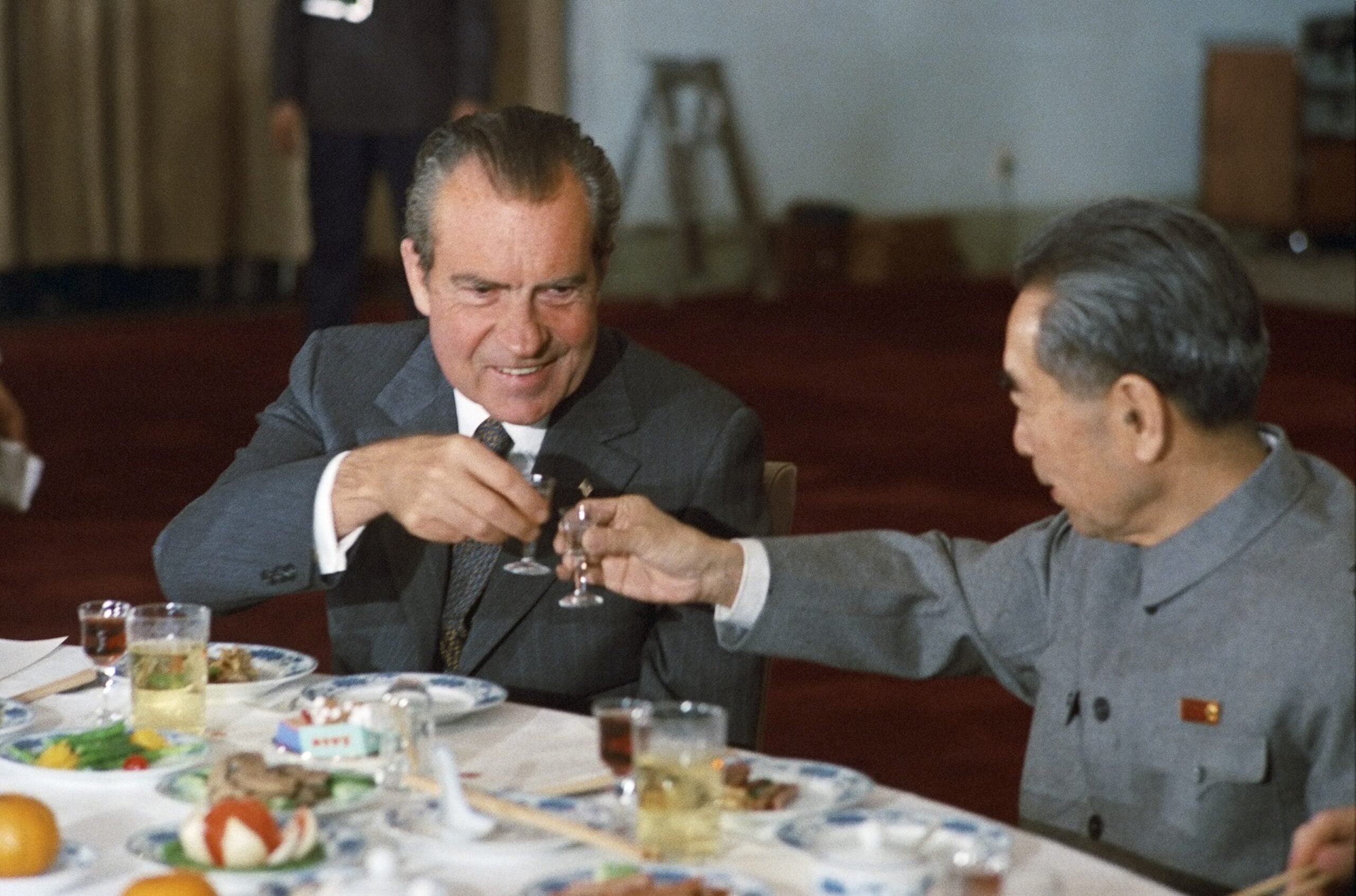
Photo: U.S. President Richard Nixon and Chinese Premier Zhou Enlai toast, Feb. 25, 1972. (White House/Wikimedia Commons) A rant by Mike Pompeo regarding what the U.S. should do with China led to a fruitful exchange between an old China, and an old Soviet hand, writes Ray McGovern. August 24. 2020 Ray McGovern Quick. Somebody tell Mike Pompeo. The secretary of state is not supposed to play the role of court jester — the laughing stock to the world. There was no sign that any of those listening to his “major China policy statement” last Thursday at the Nixon Library turned to their neighbor and said, “He’s kidding, right? Richard Nixon meant well but failed miserably to change China’s behavior? And now Pompeo is going to put them in their place?” Originally published at consortiumnews.com Yes, that was Pompeo’s message. The torch has now fallen to him and the free world. Here’s...
Categories

Year

Author / Contributor

Region