Essays – broadly

Category

Year

Author / Contributor

Region

Sort by

Showing 1-10 of 25 stories

mills-1
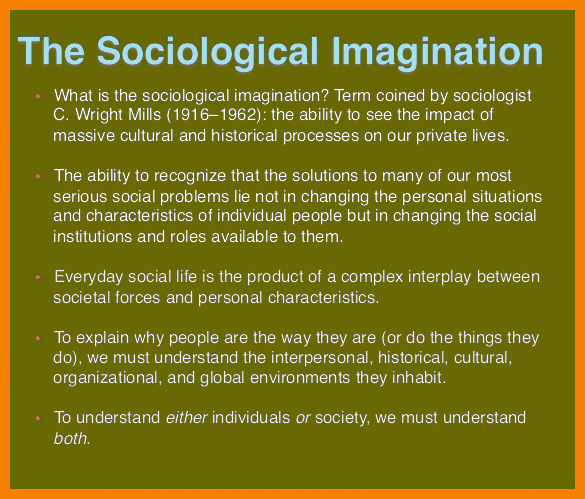
Bits of the sociological imagination at work By Jan Oberg March 5, 2020 Researchers are citizens too – some with a sociological imagination Like everybody else, social scientists are citizens. We live a private life and a professional life and there is a tradition-based rule of thumb that the two should be kept apart in writing – like: ”Oh, the things I experience in my private sphere are just small issues that probably only I have encountered; my scattered everyday observations are not interesting or “scientific” so I ought not bother others with them.” But wait! Isn’t it part of a social scientist’s writing to be concrete, build on empirical facts and observations? To tell how it really is also on the micro-level – also when s/he does not attempt to develop big explanatory theories around such unsystematic observations or try to prove something empirically? Isn’t it important to observe...
Imagen-thumbnail-The-Transnational
By Dean Baker Last month George Soros had a New York Times column arguing that Mark Zuckerberg should not be running Facebook. (Does the NYT reserve space on its opinion page for billionaires?) The gist of Soros’ piece is that Zuckerberg has made a deal with Trump. He will allow all manner of outrageous lies to be spread on Facebook to benefit Trump’s re-election campaign. In exchange, Trump will defend Zuckerberg from efforts to regulate Facebook. Originally posted in Counterpunch.org on February 18, 2020, here Soros is of course right. Zuckerberg has said that Facebook will not attempt to verify the accuracy of the political ads that it runs. This is a green light for any sleazebag to push the most outrageous claims that they want in order to further the election of their favoured candidate. This will almost certainly benefit Donald Trump’s re-election since the one area where he...
mussolinifist
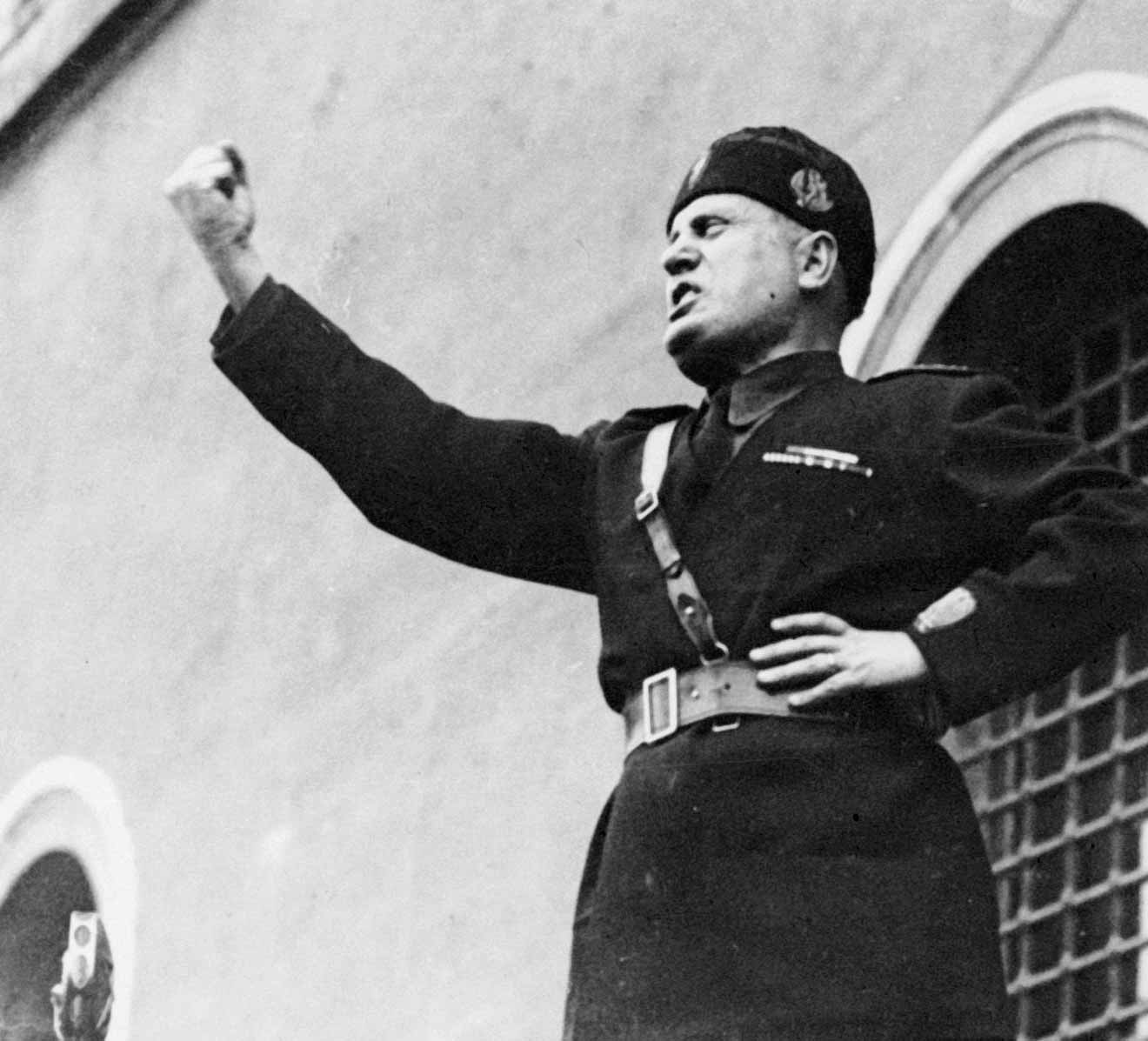
By Umberto Eco February 24, 2020 One of the key questions facing both journalists and loyal oppositions these days is how do we stay honest as euphemisms and trivializations take over the discourse? Can we use words like “fascism,” for example, with fidelity to the meaning of that word in world history? The term, after all, devolved decades after World War II into the trite expression fascist pig, writes Umberto Eco in his 1995 essay “Ur-Fascism,” “used by American radicals thirty years later to refer to a cop who did not approve of their smoking habits.” In the forties, on the other hand, the fight against fascism was a “moral duty for every good American.” (And every good Englishman and French partisan, he might have added.) Originally posted on OpenCulture on November 22, 2016, here Eco grew up under Mussolini’s fascist regime, which “was certainly a dictatorship, but it was not totally totalitarian,...

TFF_AfternoonWalkAfter
Prefatory Note At this age, having exhausted prose options, I indulge myself during holidays, by sharing poems that seek also your indulgence. I searched 2019 for some glimmers of good news, and felt stymied. Of course, here, there, everywhere there were glorious private exceptions, yet hovering over the public marketplaces of the world, I cringe beneath menacing storm clouds and below chaos and misery, and catastrophes waiting to happen. It is with this spirit that I looked back on 2019, and yet reject despair, and pledge to fight for what I believe in 2020 with the conviction that it can happen, and of course should happen. Forgetting 2019 asphalt rain darkens green fields eco-extinction flares Amazon skies fake leaders slithering toward real dangers hither and yon seek safe havens gated nations hiding from truth screaming ‘no’ migrants fleeing despair pleading ‘please’ hiding from evils Aung San Suu Kyi defending genocide this fallen...
Radical-Evil-629x500-1
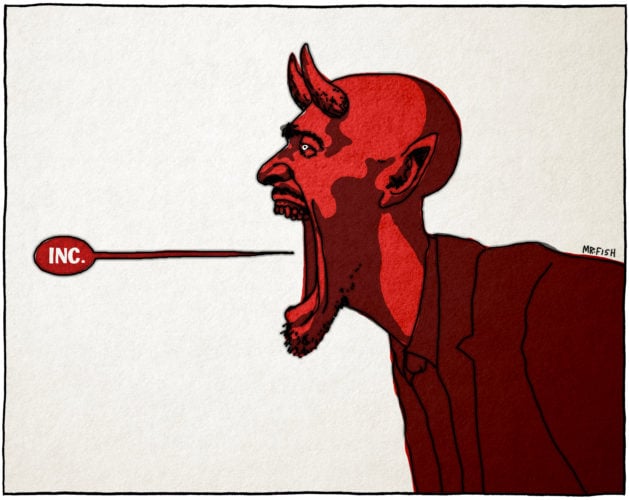
Illustration by Mr Fish, from truthdig By Chris Hedges December 19, 2019 Immanuel Kant coined the term “radical evil.” It was the privileging of one’s own interest over that of others, effectively reducing those around you to objects to be manipulated and used for your own ends. But Hannah Arendt, who also used the term “radical evil,” saw that it was worse than merely treating others as objects. Radical evil, she wrote, rendered vast numbers of people superfluous. They possessed no value at all. They were, once they could not be utilized by the powerful, discarded as human refuse. This article was originally published by truthdig on October 14, 2019 We live in an age of radical evil. The architects of this evil are despoiling the earth and driving the human species toward extinction. They are stripping us of our most basic civil liberties and freedoms. They are orchestrating the...
wuerkercomplex
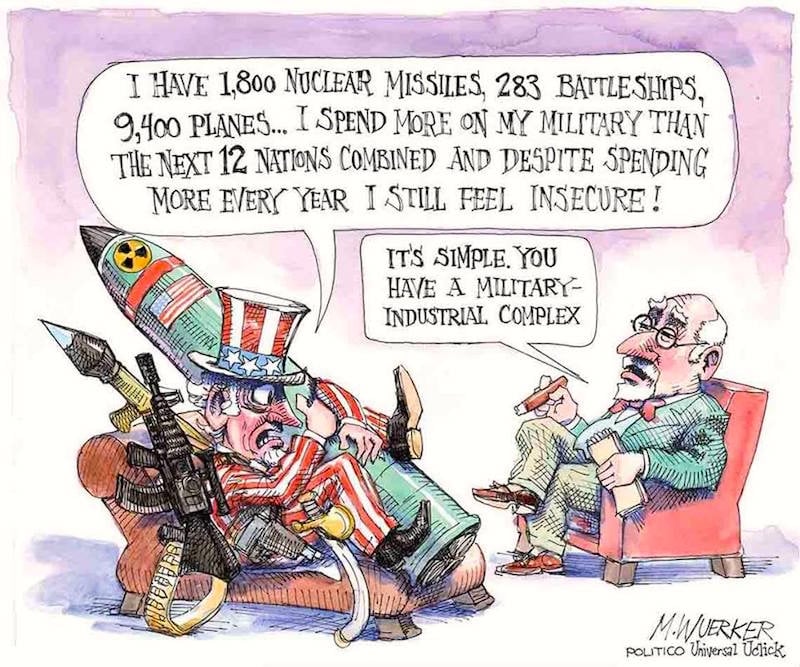
By William J. Astore November 14, 2019 The expanding cultural authority of the armed forces is a problem for U.S. democracy, writes William J. Astore. When Americans think of militarism, they may imagine jackbooted soldiers goose-stepping through the streets as flag-waving crowds exult; or, like our president, they may think of enormous parades featuring troops and missiles and tanks, with warplanes soaring overhead. Or nationalist dictators wearing military uniforms encrusted with medals, ribbons, and badges like so many barnacles on a sinking ship of state. (Was President Donald Trump only joking recently when he said he’d like to award himself a Medal of Honor?) And what they may also think is: that’s not us. That’s not America. After all, Lady Liberty used to welcome newcomers with a torch, not an AR-15. We don’t wall ourselves in while bombing others in distant parts of the world, right? Article posted on ConsortiumNews.com on October 31, 2019 (original article is posted on TomDispatch.com) here But...
Picture1
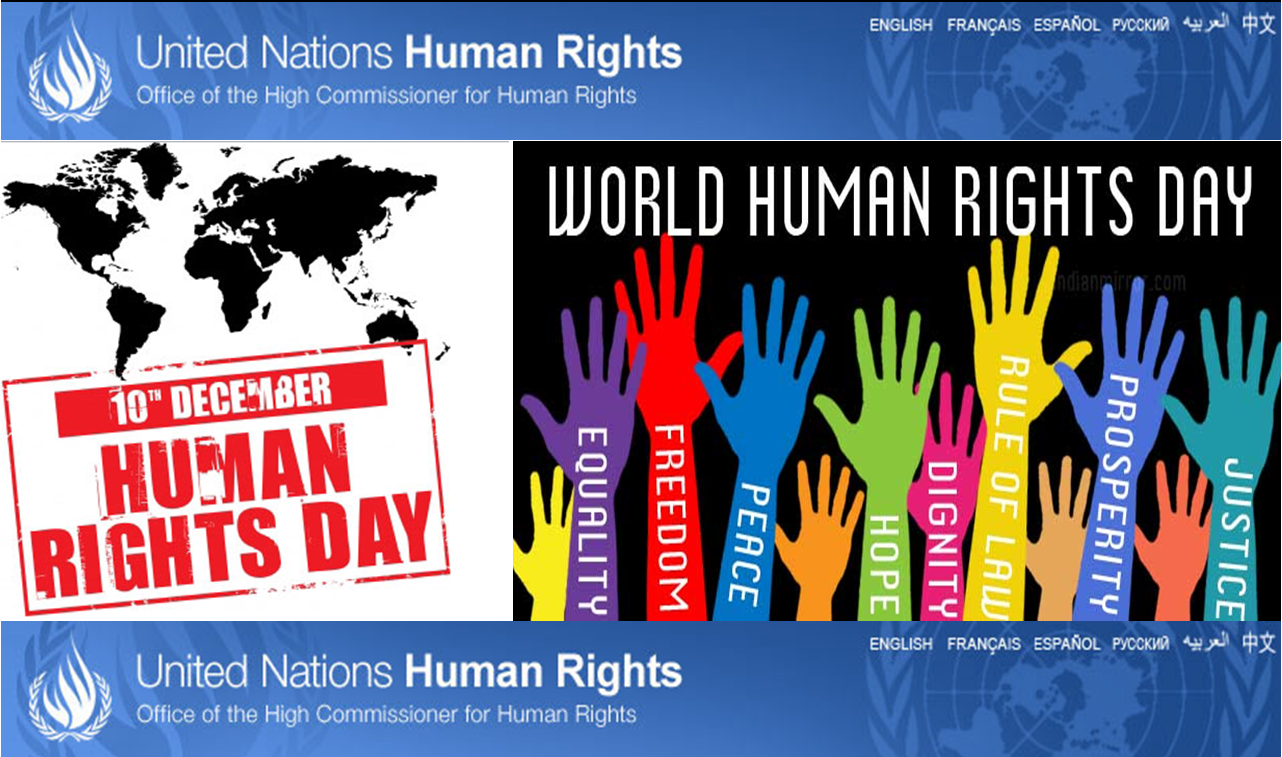
The Future of Human Rights: Regressive Trends and Restorative Prospects Points of Departure Reviewing the global situation, the then UN High Commissioner for Human Rights, Zaed Raad Al Hussein of Jordan, opened a 2018 conference devoted to the 25th anniversary of the 1993 UN Conference on Human Rights and Development held in Vienna, on a decidedly pessimistic note. Instead of doing the usual on such occasions, that is, celebrating the progress made since the earlier event, Prince Zaed emphasized the disturbing evidence of regression with respect to a broad range of issues bearing on the protection of human rights embedded in international treaty instruments as evidenced by the practice of states. He insisted that without fundamental changes in patterns of governance by sovereign states and in the operation of the world economy it would be naïve to expect an improved international atmosphere for human rights. Originally posted on Richard Falk’s blog...
DSC_8592
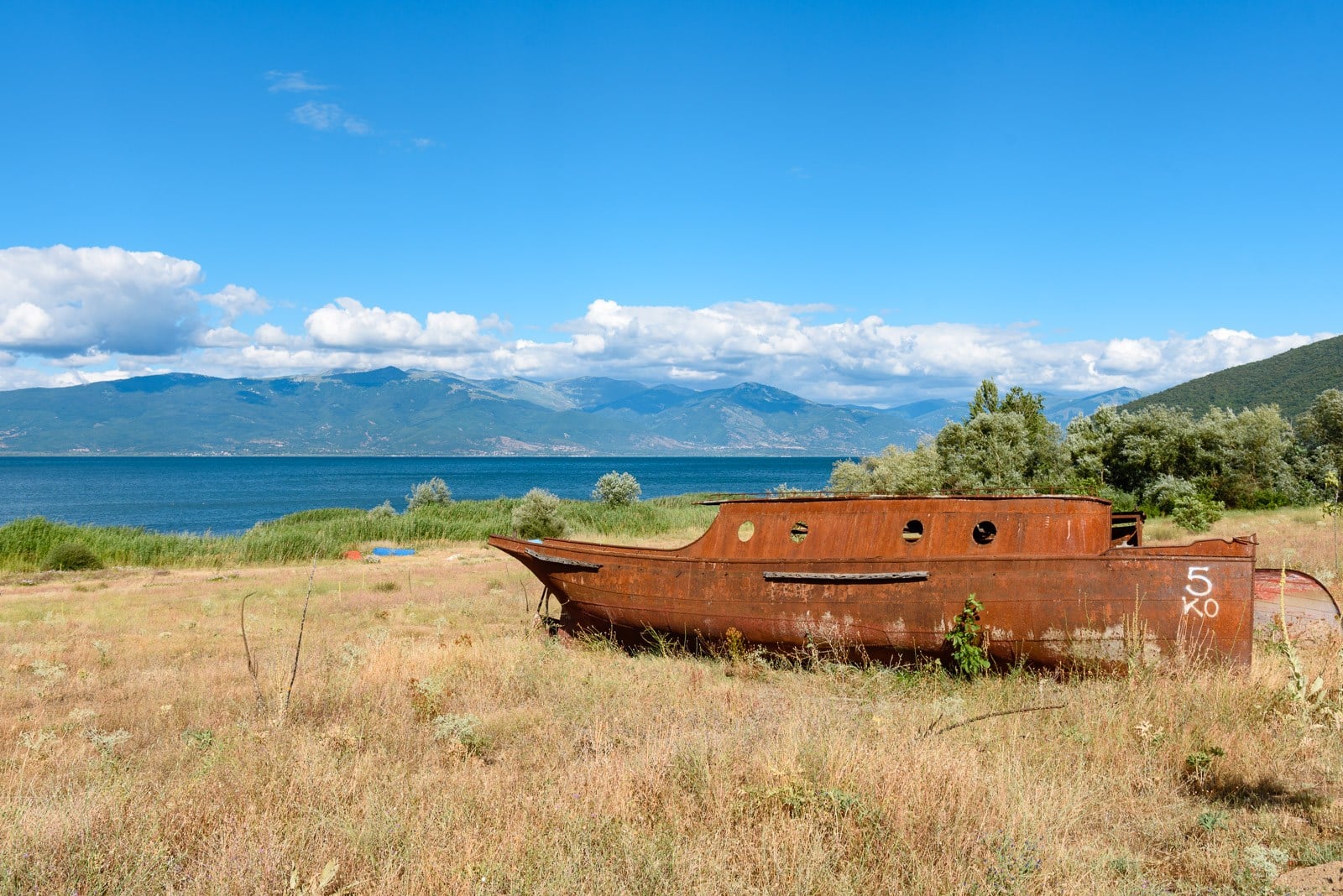
Lake Prespa in Macedonia Abstract The Prespa Agreement (PA) between Athens and Skopje was meant to be a final solution to the ‘name issue’. Yet the dispute has never been only about the state name, which is proved by the 20-pages long text. A plethora of other provisions is to be implemented erga omnes (internationally and domestically). Despite the insistence of the external mediators that the name dispute has never concerned the issues of ethnicity, nationality, culture, and language, these issues indeed appear to be simultaneously central as well as the Achilles heel of the deal. This paper does not deal with conceptual and theoretical aspects of ethnicity and nationality; yet its focus is on the fact that the Agreement indeed regulates identity issues, i.e. it represents a legal intervention in spheres pertaining to both ethnicity and national identity with implications for each. The basic premise is that instead of...
decline
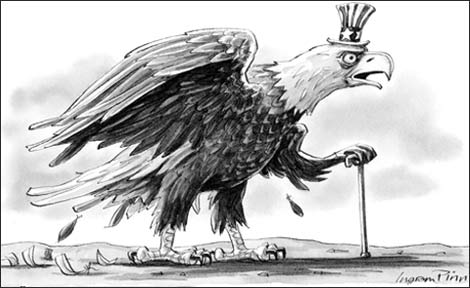
  By Richard Falk Prefatory Note With apologies for this long post, which attempts to situate the struggle for an ethically and ecologically viable political future for the United States and the world in the overheated preoccupation with Trump and Trumpism, which is itself a distraction from the species challenges confronting the whole of humanity at the present time. Many of us, and I include myself, have allowed the side show to become the main attraction, which is itself a reason for struggle against the enveloping darkness.   The Psycho-Politics of Geopolitical Depression It should not be all about Trump, although his election in 2016 as U.S. president is symptomatic of a menacing national tailspin. This downward political drift in the United States, not only imperils Americans, but threatens the world with multiple catastrophes, the most worrisome of which involves Trump’s double embrace of nuclearism and climate denialism. Unfortunately at...
APT-cu-desen-si-scris-UPDATE-CU-IC
Dear story lover! I’m a peace-building practitioner and I have just launched a storytelling-for-peace platform.  I translate integral peace education themes into stories for both children and parents to practice together – for harmonious relationships within the web of life. With two forthcoming books that bring peace education issues at family level, I need support to raise the profile of my work. Two of the forthcoming, illustrated storybooks are available for free to a group of advance readers who can assist with the launches on Amazon.com in May and June 2018. Now, please click on these links to download the new e-books for free: Queen Rain, King Wind – The Practice of Heart Gardening Anagrania’s Challenge – Turning Conflict into Opportunity (Whole Nutrition Series) Enjoy the stories and stay tuned to hear about the upcoming launches where any small contribution will be very much appreciated. Spreading an educational message takes community...
earth-as-an-exploding-bomb-720x510
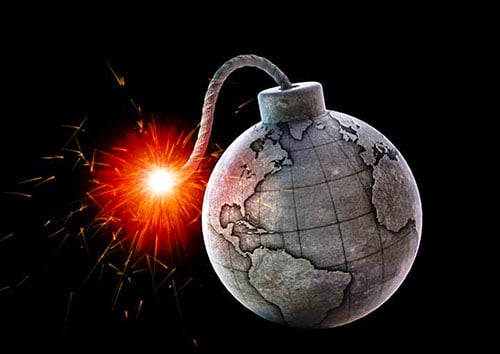
By William Bowles • Before I began this essay I read through some of my past forays that mentioned climate change and capitalism, the first I think, being in 2006 where I opined in a piece on the ‘War on Terror’: Perhaps the impending climate catastrophe as well as the genocidal actions of the US will force us to finally start thinking and acting ‘outside of the box’ but without a clear idea of where we are heading or how to get there, currently the situation looks dire. — WOT is to be done? 2 November, 2006 In the intervening years, things have gotten even more dire on pretty much every front. It appears that the world’s political and business elite are even more entrenched inside their box. Except, we do know what has to be done, so why, in the face of the obvious, do we not act to forestall catastrophe? Original posted...
1
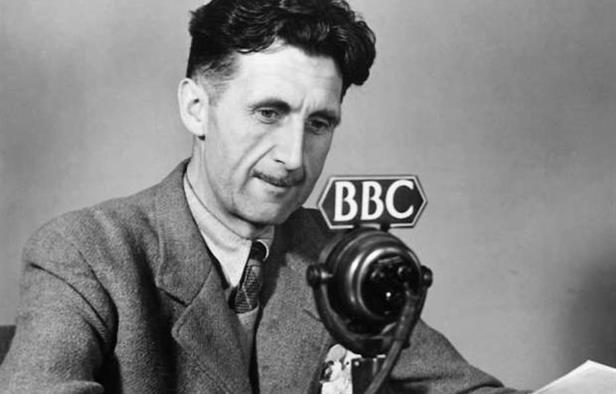
Introduction This is a collection of biographical sketches showing people whose wise voices from the past can help to guide us today. All of the women and men, brief glimpses of whose lives and ideas are portrayed here, gave a high place to compassion. None of them was a slave to greed. We need their voices today! A Lower-Upper Middle Class Family and Education Eric Arthur Blair (1903-1950), better known by his pen name George Orwell, was the great-grandson of Charles Blair, a wealthy country gentleman, and Lady Mary Fane, daughter of the Earl of Westmorland. Over the generations that separated Eric Blair from his great-grandparents, some of the gentility remained but most of the wealth disappeared, and he described his family as being “lower-upper middle class”. Eric Blair was born in British India where his father was working, but when he was one year old his mother took the...
Categories

Year

Author / Contributor

Region