Corona politics

Category

Year

Author / Contributor

Region

Sort by

Showing 1-10 of 35 stories

Orust
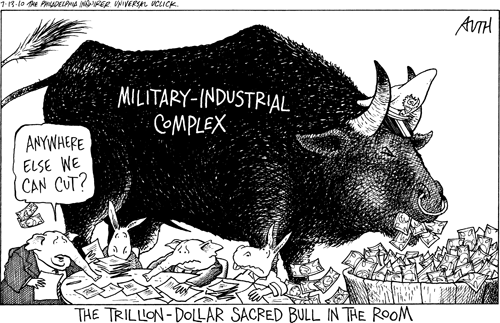
SummaryOn top of all the global problems we must solve as soon as possible comes the Corona. This statement argues that the priorities of the world are – well, perverse; everything the UN does amounts to 3% of the global military expenditures.TFF’s Board suggests that all countries reduce their military by 50% immediately. That would save about US$ 1000 billion. And that that huge sum should be re-allocated to solve the problems we had and the socio-economic consequences of the Corona pandemic. That would also – finally – be a step to prove that governments are willing to implement a policy for true disarmament and move towards human and common security for the common good.In a civilised world, this should be common sense. If you do not want to read the whole argument, just scroll down and sign this statement. “We’ve likely only seen the beginnings of the worldwide economic...
PM-JO
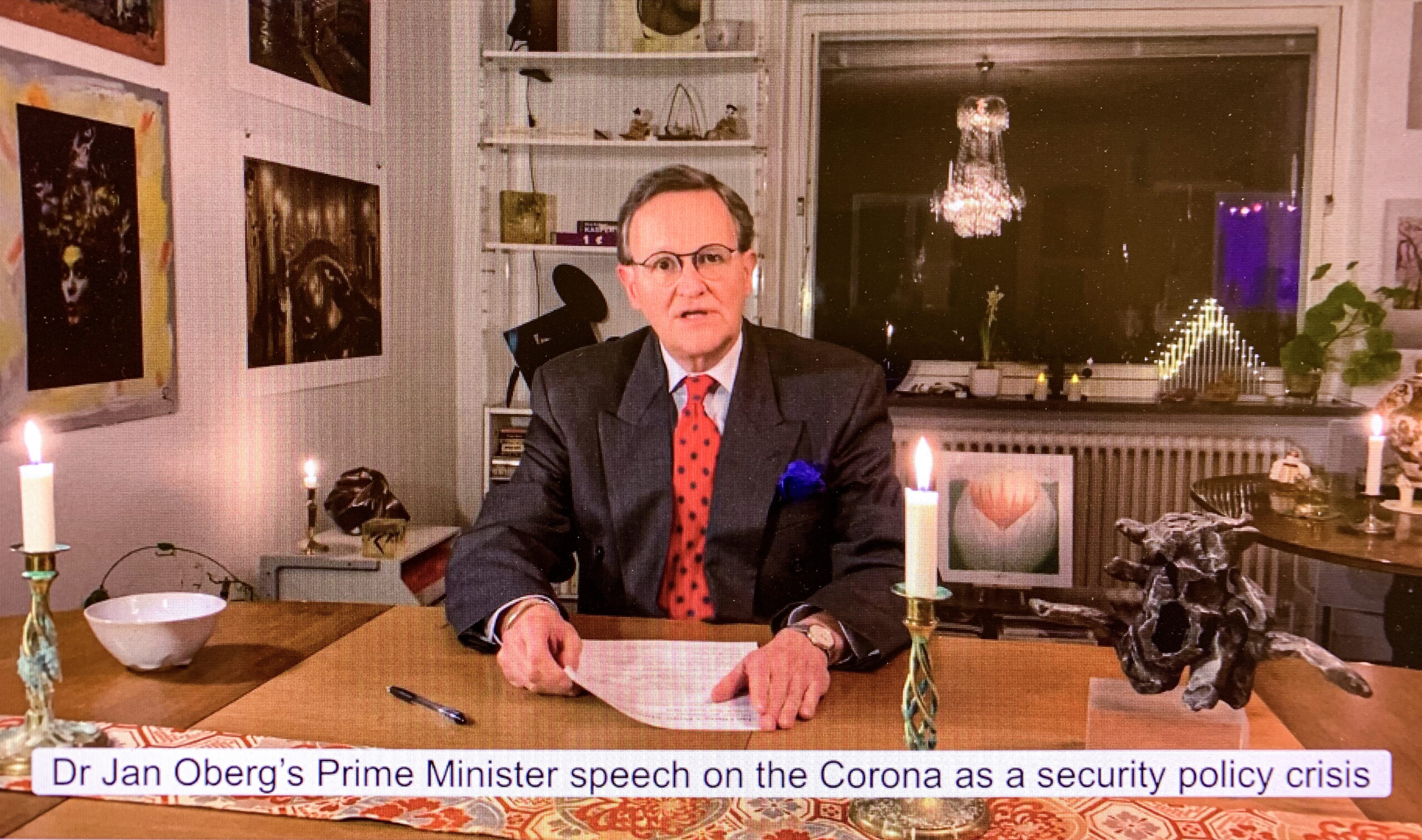
Or your government leader’s Coronavirus speech that was never given. Do not believe the future will be better before you hear leaders say something like this… The speech can be seen as part of TFF’s Campaign “Convert Military Expenditures to Global Problem-Solving”. See and listen to the speech by clicking on Vimeo above, or read the transcript below. Fellow Citizens, good evening Tonight, I want to share with you the main lessons my government and I have drawn from the Coronavirus crisis – a crisis which has caused so much suffering and so many deaths. And a crisis that will take very long time for our economy to recover from. That lesson – and my central message to you tonight – is that your suffering has been caused by our failed security policies. Only, secondarily, is this a crisis of our health system. Therefore, I want to extend my most...
saltwater-crop-technology-food-security-1440x1067-1
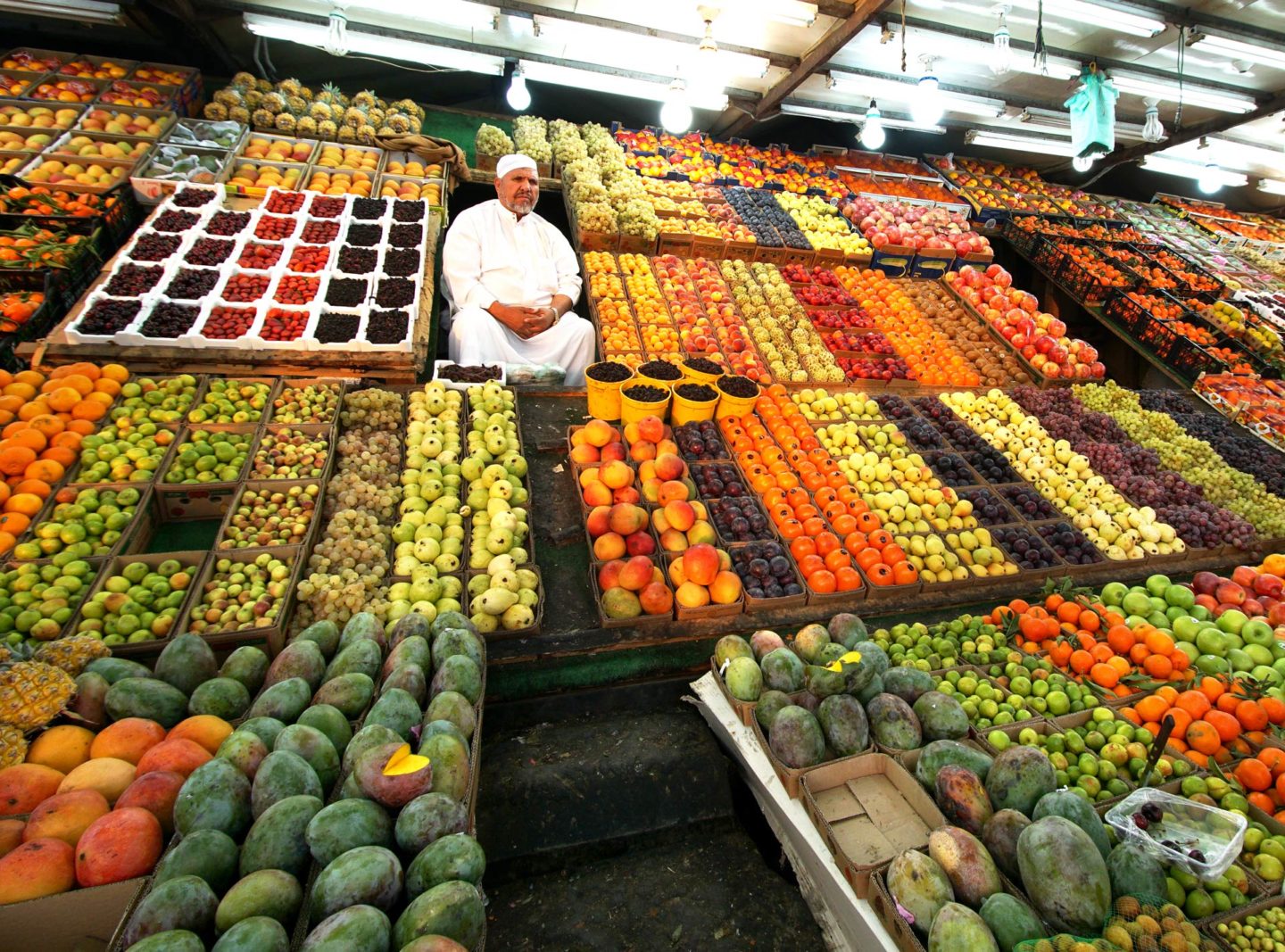
There is no security without food security. Geoff Tansey argues that meeting the real security needs of humanity necessitates the progressive redistribution of military budgets toward ending hunger and achieving sustainable development. Geoff Tansey December 13, 2020 As Covid-19 exacerbates inequalities nationally and globally, more and more people are becoming food insecure in both richer and poorer countries. According to the UN’s 2020 report on the State of Food Security and Nutrition in the World almost 690 million people went hungry in 2019. And the number of hungry people has been rising since 2014, well before the pandemic hit. COVID-19 could push over 130 million more people into chronic hunger, it says. That means one in every nine humans going hungry most of the time. Originally posted on Rethinking Securityon November 5th, 2020 here This matters for both human security and physical security. Last month saw the 75th anniversary of the founding of...
ethiopia-experienced_
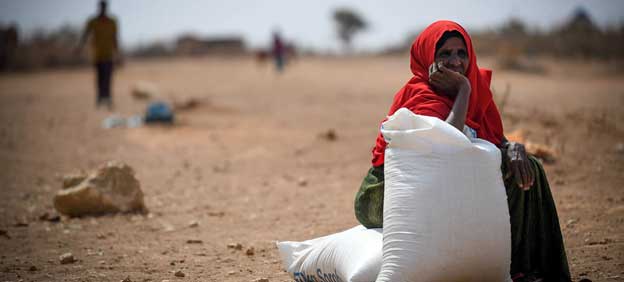
In 2019, Ethiopia experienced the fifth-worst food crisis worldwide. Credit: FAO/IFAD/WFP/Michael Tewelde By Thalif Deen December 14, 2020 UNITED NATIONS, Nov 27 2020 (IPS) – The numbers are staggering— as reflected in the ongoing coronavirus pandemic which has triggered a new round of food shortages, famine and starvation. According to the Rome-based World Food Programme (WFP) 690 million people do not have enough to eat. while 130 million additional people risk being pushed to the brink of starvation by the end of the year. “Hunger is an outrage in a world of plenty. An empty stomach is a gaping hole in the heart of a society,” Secretary-General Antonio Guterres said last week pointing out that famine is looming in several countries. Originally published at Humans Wrong Watch Striking a personal note, Guterres said he could have never imagined that hunger would rise again during his time in office as Secretary-General....
millions-of-new-poor
Photo credit: wsimag.com By Roberto Savio December 5, 2020 The recent meeting of the G20 – scheduled to take place in Riyadh but held virtually due to the Coronavirus pandemic – has been an eloquent example of how the world is drifting, in a crisis of leadership. It was, in a sense, a showcase. Everybody had to accept the view that the host of the meeting, the ailing King Salman of Saudi Arabia, was accompanied on TV screens by his apparent heir, Prince Mohamed bin Salman, who is clearly the mastermind of the brutal assassination, dismembering and disappearance of the body of dissident Saudi journalist Jamal Khashoggi. Originally published at the Wall Street International Mohamed bin Salman got away with it, also because of the support of Donald Trump who, in his video intervention said, among other pearls, that nobody in US history had done as much as he had...

Dignism_3
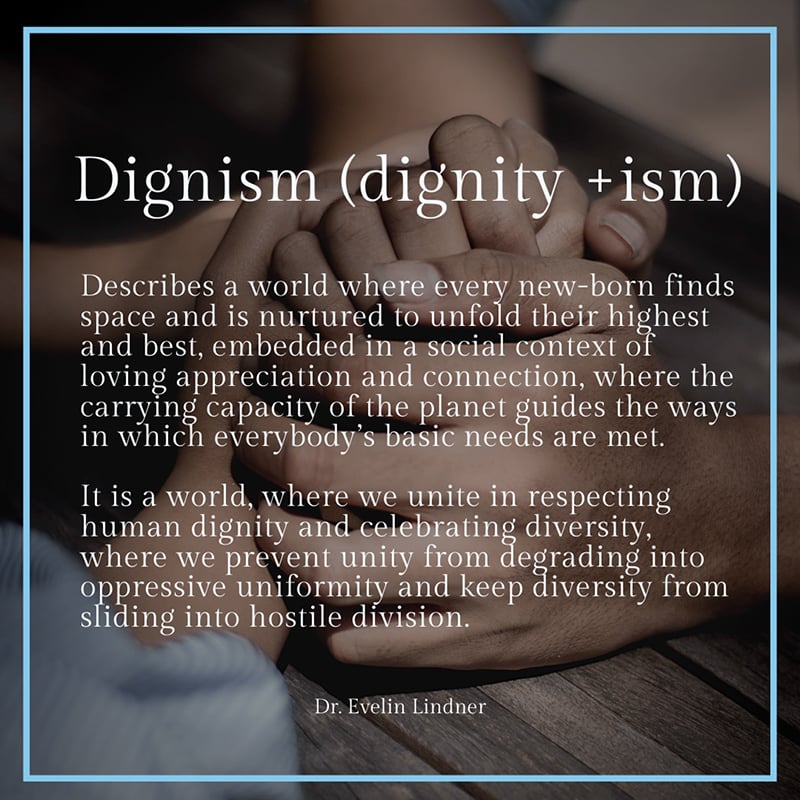
Evelin Lindner TFF Associate September 21, 2020 What We Can Do We humans have dug ourselves into a multitude of perilous crises, both despite of and because of what we call progress. Still, few people seem to realize that we live in a historic moment of unparalleled promise. For the first time, humankind has the capacity to bring about the changes we need for a Great Transition. Unlike our forebears, we have the privilege of growing awareness of the planet-as-a-whole and the understanding that we humans are one species living on one tiny planet. The conditions are in place for nurturing mutual trust and solidarity as a global species, and acting to humanize globalization and reap the benefits that flow from our interdependence. What We Do Instead of realizing this potential, we continue to shred our relations with our habitat and with each other—ecocide and sociocide. We degrade our sociosphere and our...
serious-security
Jørgen Johansen argues that, like terrorism before it, the Covid-19 pandemic is being used by politicians across the world to normalise exceptional restrictions on basic rights with political consequences that will long outlast the health emergency. In his book State of Exception, Giorgio Agamben examined the consequences of policies and regulations introduced in exceptional circumstances, which then become institutionalised as ’normal’, the state of exception becomes the rule. An illustration might be the USA’s Patriot Act of 2001, enacted after the 9/11 attack, which resulted in a massive expansion of government surveillance. Likewise, the Guantanamo Bay detention camp set up in 2002 as part of George W. Bush’s war on terror, where detainees have been held for indefinite periods without trial and subjected to torture. Originally published at rethinkingsecurity.org Proponents of such exceptional measures justified them by reference to the extraordinary context in which they were introduced – they were...
ac1e892e16eb46e99283484a04b21c97
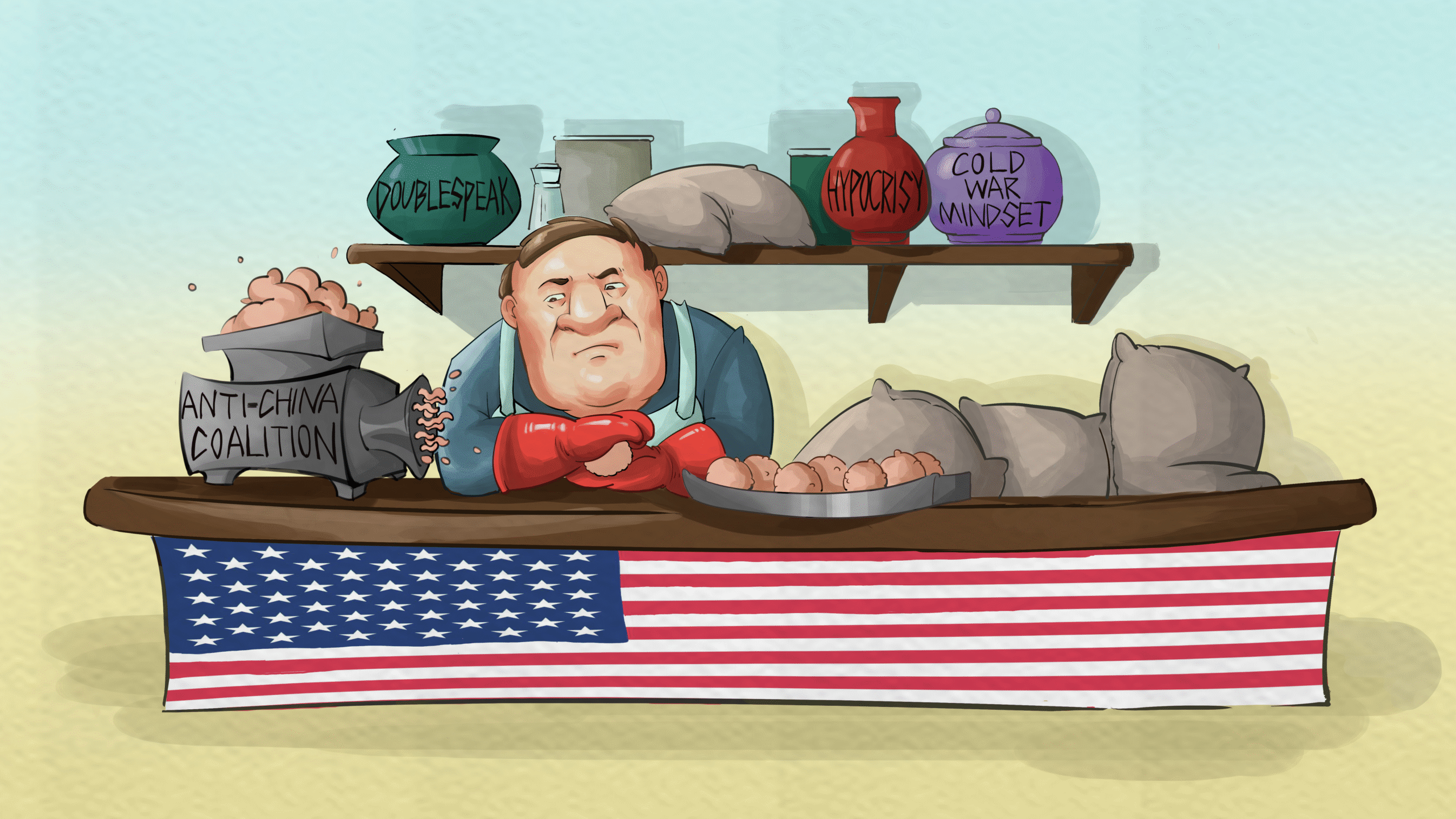
Designer: Yu Jiansu at CGTN.com Martin Powers September 4, 2020 Ann Arbor (Special to Informed Comment) – On the left, there is widespread agreement that Trump’s immigration policies are informed by white supremacist doctrines. His travel ban on Middle Eastern nations was racially charged, not to mention restricting aid to Puerto Ricans ravaged by a hurricane. Combined with the utter absence of sympathy for families of murdered Americans, it would appear that race connects the dots in this administration’s policy puzzle, yet Trump-team’s hysterical China-bashing is often accepted as a legitimate response to an existential threat. Can we be certain that race plays no part in that drama? Originally posted on Informed Comment on August 29, 2020. Many recognize crude name-calling, like “Kung-flu,” as racist, but apart from that, a common give-away is contempt for outstanding performance by members of supposedly inferior groups. Kamala Harris is too “ambitious” (for a...
ChatGPT Image 9 jun 2026, 11_11_33
Perspective and proportion are everything in this Pandemic of Fear that now consumes our attention and our daily lives. With very rare exceptions the media ignores this. As I write there have been world-wide 436,005 deaths from coronavirus. But a remarkable, barely noticed, 4,137,712 have recovered. In comparison, the number who died last year from AIDS/HIV is 770,000. In its worst year – 2004 – it claimed 1,600,000 lives. The number who died from alcohol consumption last year was 3 million.  Smoking claimed 8 million deaths last year. The number from malaria was almost the same as deaths from Corona – 416,000. The number who died in motor accidents was 1.4 million. Traffic injuries are now the top killer of people aged five to twenty-nine. The screamers must stop or at least get a hold of themselves – except in countries like India and Brazil where the Coronavirus is in...
ChatGPT Image 9 jun 2026, 11_11_33
Shouldn’t we be Panglossian when it comes to the progress now being made to defeat the Coronavirus? Pangloss in his youth was unreasonably optimistic. He was in Voltaire’s novel “Candide” Candide’s mentor, and coined the phrase, “All this is for the best in this best of all possible worlds.” But how can one be Panglossian, you might say, when Russia still seems to be bogged down with the pandemic and Britain now has the developed world’s highest number of deaths per capita, and the US recently reached a total of 100,000 deaths? Partly because there are Panglossian islands, some very large like Germany, Vietnam and South Korea, which started early as soon as the warnings from China came in and chose to have less severe lockdowns or none at all. Germany has shown the way in Europe with its policy of intensive testing and tracing and, as a result, never...
3d iillustration of globe with China corona virus Spreads in Asia
Part 4 Part 1 and 2 were introductory and then made the diagnosis. Part 3 analysed the fraudulent threat analysis that fuels militarism.This 4th part focus on some theories and concepts about human security and how that concept differs fundamentally from the state-anchored, military policies that have dominated so far. Part 1 of this series • Part 2 of this series • Part 3 Jan Oberg May 28, 2020 As pointed out in earlier parts of this series, the obsolete security concept was about national security – national military-first security. A new concept must take its departure elsewhere, namely in individual security, humanity’s security and – thereby, implicitly – the security of the environment. That is, individual and global human security and the security of the environment. It’s a much-needed holistic way of looking at it – also in the sense that human life cannot be secured if the environment...
96f258eb81837d6ccb7088f100f6aebd
May 25, 2020 Dr. Lawrence Wittner Decades ago, when I began teaching international history, I used to ask students if they thought it was possible for nations to end their fighting of wars against one another. Their responses varied. But the more pessimistic conclusions were sometimes tempered by the contention that, if the world’s nations faced a common foe, such as an invasion from another planet, this would finally pull them together. Originally published on Counterpunch on April 14, 2020 here I was reminded of this on March 23, when the UN Secretary-General, António Guterres, called for “an immediate global ceasefire.” The time had come, he said, to “end the sickness of war and fight the disease that is ravaging our world.” A UN summary noted that the Secretary-General had “urged warring parties across the world to lay down their weapons in support of the bigger battle against COVID-19: the...
Categories

Year

Author / Contributor

Region