China and Silk

Category

Year

Author / Contributor

Region

Sort by

Showing 1-10 of 181 stories

PepeEscobar-1
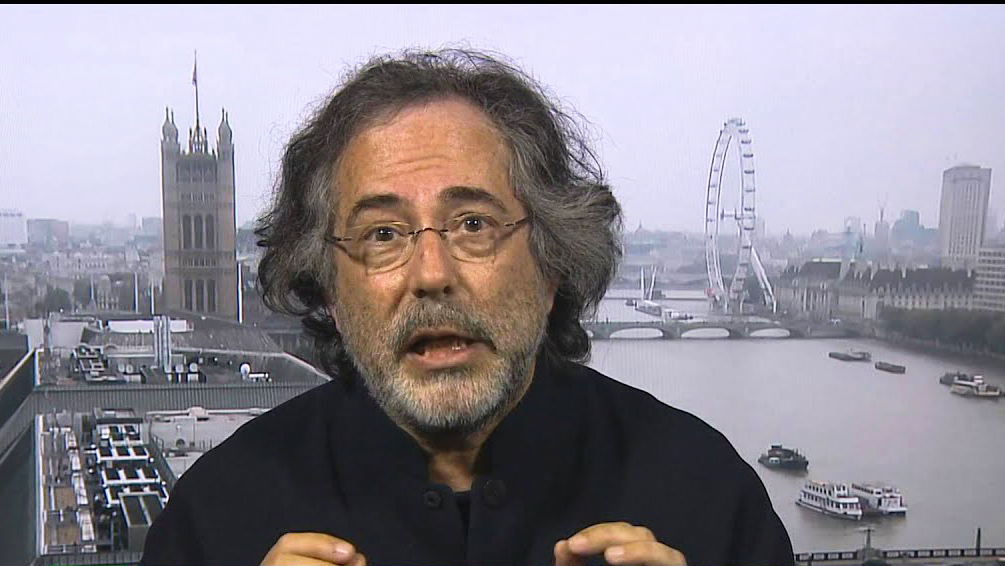
Photo: Pepe Escobar The coming decade could see the US take on Russia, China and Iran over the New Silk Road connection May 18, 2020 Pepe Escobar The Raging Twenties started with a bang with the targeted assassination of Iran’s General Qasem Soleimani. Yet a bigger bang awaits us throughout the decade: the myriad declinations of the New Great Game in Eurasia, which pits the US against Russia, China and Iran, the three major nodes of Eurasia integration. Every game-changing act in geopolitics and geoeconomics in the coming decade will have to be analyzed in connection to this epic clash. The Deep State and crucial sectors of the US ruling class are absolutely terrified that China is already outpacing the “indispensable nation” economically and that Russia has outpaced it militarily. The Pentagon officially designates the three Eurasian nodes as “threats.” Originally published by AsiaTimes on January 16, 2020 Hybrid War techniques...
ShanghaiPanoPeople_Warped_Canvas_1200_100dpi
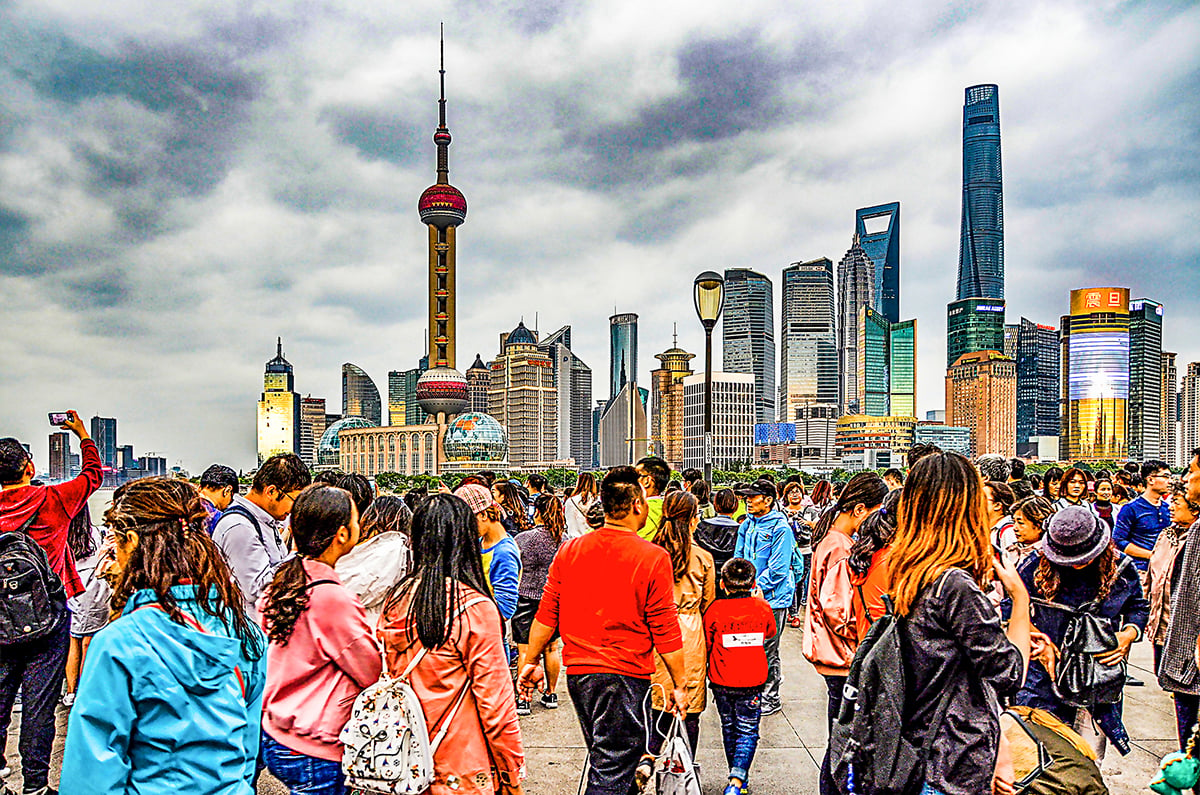
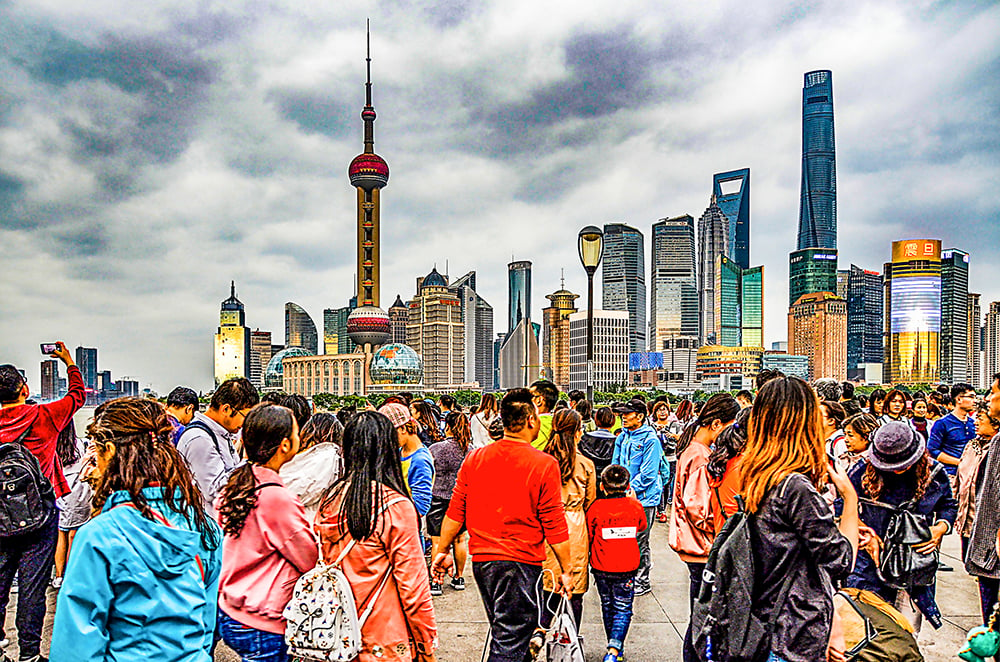
Photo – Jan Oberg Gordon Dumoulin May 5, 2020 People from abroad ask me lately how it is to be ‘back to normal’ in Beijing after the lockdown? A little introduction First of all we have not witnessed a strict lockdown here in Beijing such as in Wuhan, Hubei province, some other cities in China e.g. Hangzhou or even in Lombardy or Paris and Madrid. Even though we have not been forced to stay at home since the beginning, public life had been minimized in Beijing and we have resiliently stayed inside most of the time for our own safety, minimizing the risk of further outbreak and in solidarity with the people fighting at the battlefield. We have been subject to intense measure and data organisations to provide a bigger picture of the pandemic and virus, both through on-site checks of temperature and whereabouts and through high-tech with apps checking...
Imagen-thumbnail-The-Transnational
Martin Jacques May 4, 2020 One of the world’s leading experts on China – and its relations with the West – presents a few absolutely essential building blocks of understanding China’s rise and why it will never become Western. If in your view these thoughts were useful, you may reward TFF for posting them here – just the equivalent of a cup of coffee… More about Martin Jacques His rich homepage Articles in The Guardian Jacques YouTube Channel On Wikipedia
gr1
By Hussein Askary April 22, 2020 When China was fighting alone against the Corona virus in January and February, Western media mocked China and its leadership for mismanaging the health affairs of the nation. A Danish newspapers gleefully published a cynical cartoon of the Chinese flag with a cluster of Corona viruses instead of the stars. Others called the COVID-19, a “Chinese virus” and “Wuhan virus”. China was described as “Asia’s sick man” in the Wall Street Journal. Chinese and Asian nationals suffered racist attacks in Europe and the United States. Orginally posted on Brix’s official website on March 21, 2020 The Chinese people and their leadership were busy fighting ferociously, making huge sacrifices in lives and wealth to control the epidemic. Their fight was praised by the World Health Organization (WHO), which called on the other nations of the world to learn from China in dealing with the outbreak...
coronavirus-3
By Liu Jian, TFF Associate in Beijing Read the author’s first article here March 30, 2020 On January 18, after attending a meeting in Hangzhou, I planned to return to my home in Beijing. At that time, the Spring Festival in China was approaching. Although I had started buying tickets one week in advance, I still did not get a high-speed train ticket from Hangzhou to Beijing so I had to go from Hangzhou to Shanghai and wait for several hours before changing to a later train to return to Beijing. There are high-speed trains between Beijing and Hangzhou and Shanghai every five to ten minutes. Even so, it can’t meet people’s travel needs during the Spring Festival. High-speed railway stations and airports in all major cities were overcrowded and at security checkpoints, people lined up in long queues. China’s transportation sector is doing its best to ensure the world’s...
202001asia_china_coronavirus
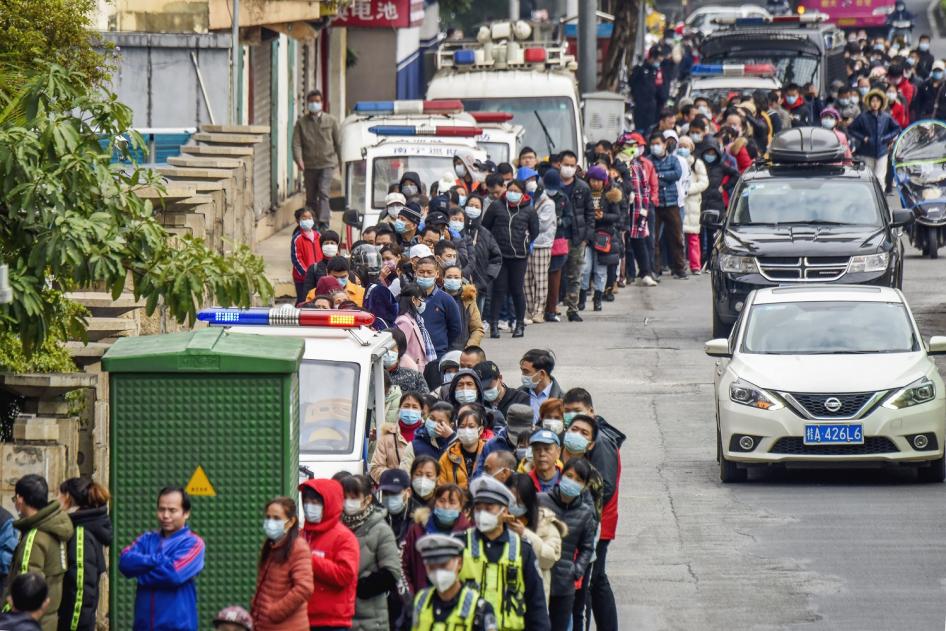
People line up to buy face masks from a medical supply company in Nanning, southern China’s Guangxi Zhuang Autonomous Region on Wednesday, January 29, 2020. © 2020 Chinatopix. By Liu Jian, TFF Associate in Beijing Read the author’s second article here March 30, 2020 What we have experienced in the past two months is too dreamy and now, in retrospect, it seems not so real. On January 23, the day before Chinese New Year’s Eve, people who were ready to celebrate the New Year were shocked by the sudden outbreak of the virus. Wuhan, a super big city with a population of 11 million, was declared closed by the government. Anxiety and unease quickly enveloped the whole country. According to the government’s guidance, people cancelled New Year’s travels and family reunions one after another, stayed in their own homes according to experts’ suggestions, and kept updating the news with anxiety. Usually,...
XxjidwE005001_20170517_BNMFN0A004_11n
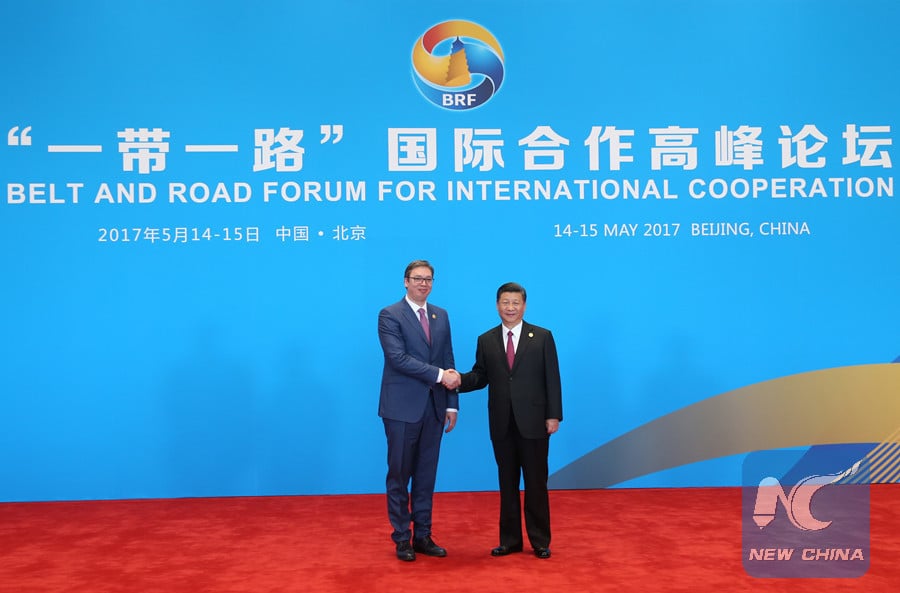
Zivadin Jovanovic* March 25, 2020 The time of adjustment The world is undergoing a period of great development, great change, and adjustment. The international order is changing with the acceleration. The fall of the Berlin Wall thirty years ago (1989) has marked the end of the bipolar World Order. The “winners” of the Cold War adopted a policy of expansion, interventionism and domination. NATO illegal aggression on Yugoslavia 1999 represented the peak of uni-polar world order but, also, the beginning of its downfall. Today, the process of multi-polarization of global relations has already gone far beyond the point of no return. It is impossible any longer that any single power imposes own will or own interests above the will and interests of the others. The driving forces of this historic transformation towards the world of equals, shared responsibilities and community of shared future are China, Russia and other countries of...
us-china-relations
Ambassador Chas W. Freeman, Jr. (USFS, Ret.) Senior Fellow, Watson Institute for International and Public Affairs, Brown University Washington, DC  29 November 2018 Ladies and Gentlemen: You have asked me to say a few words about China’s rise and its role in the post-American world.  There is a lot of nonsense being voiced on this topic at present.  It’s timely to address it.  I played a minor part in the original opening of China to the West.  Somewhat like Leonard Zelig or Forrest Gump in other contexts, over the course of fifty years as China returned to wealth and power, I was often on or in the scene.   I am happy to share some impressions with you. Originally posted on Chas W. Freeman, Jr.’s personal blog on November 29, 2018 here After serving in India, working to keep China out of the United Nations, and studying Chinese in Taiwan, I...
ChatGPT Image 9 jun 2026, 11_11_33
In Munich this past weekend at the Security Conference the speaker of the US House of Representatives, Nancy Pelosi, nailed her anti-Chinese colours to the mast. Despite being a liberal on many issues and the leader of the fight to impeach President Donald Trump, she has joined forces with Trump in preaching that the West must not allow itself to be penetrated by Huawei’s 5G phone technology, (which is cheaper than any Western counterpart). But she appeared to have no response to a former Chinese ambassador to the UK who asked what was wrong with Huawei seeking Western markets when Microsoft, Google and Facebook were such big players in China. The Chinese government didn’t feel its security was threatened by them. He could also have added that if they do anything that the Chinese government doesn’t like China is always able to deal with it – it has blocked out...
Central-Asia-Silk-Road-Camel-Caravan-Trade-900x540-1
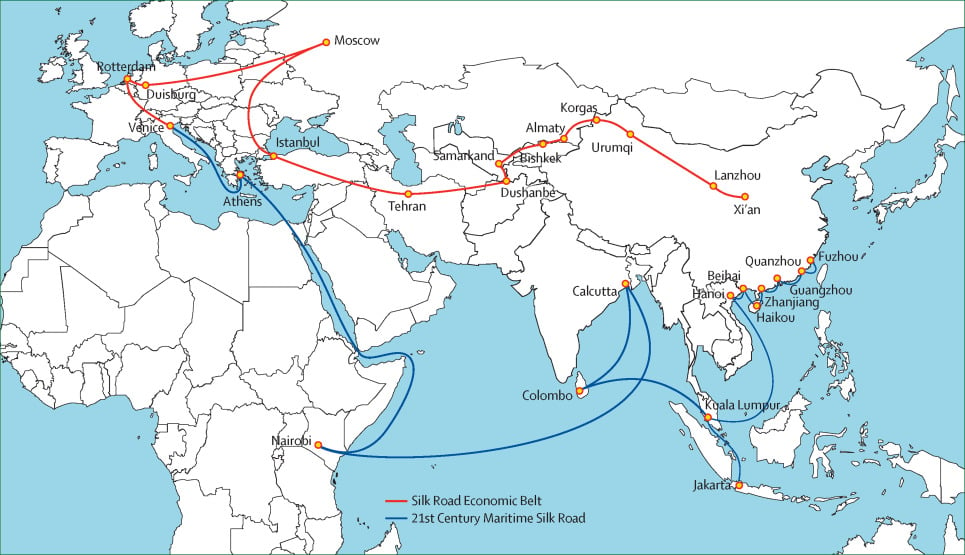
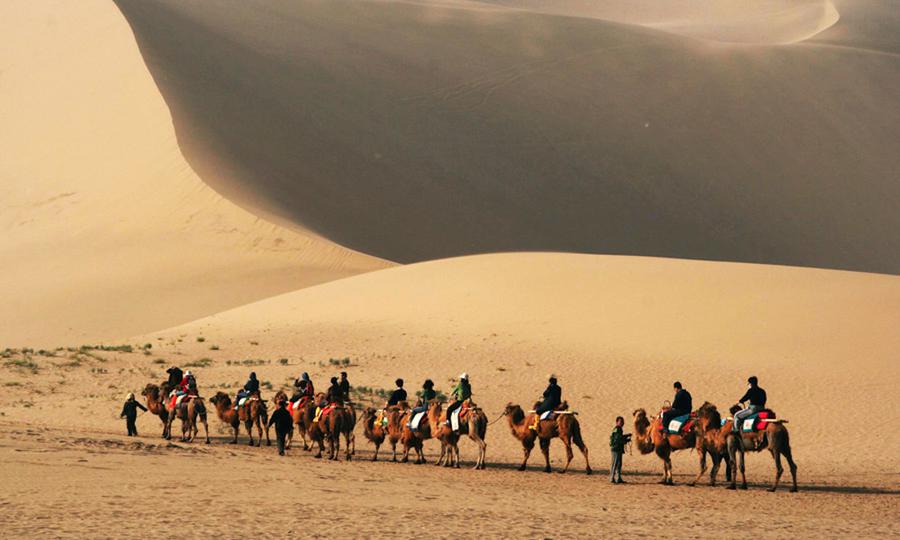
Photo: Facebook/AsiaTimes The Middle East is the key to wide-ranging, economic, interlinked integration, and peace February 16, 2020 By Pepe Escobar Under the cascading roar of the 24/7 news cycle cum Twitter eruptions, it’s easy for most of the West, especially the US, to forget the basics about the interaction of Eurasia with its western peninsula, Europe. Asia and Europe have been trading goods and ideas since at least 3,500 BC. Historically, the flux may have suffered some occasional bumps – for instance, with the irruption of 5th-century nomad horsemen in the Eurasian plains. But it was essentially steady up to the end of the 15th century. We can essentially describe it as a millennium-old axis – from Greece to Persia, from the Roman empire to China. Originally published by Asiatimes on January 24, 2020 A land route with myriad ramifications, through Central Asia, Afghanistan, Iran and Turkey, linking India and...

huawei-shenzenpicoexhibition-ifa-small_b30a443a
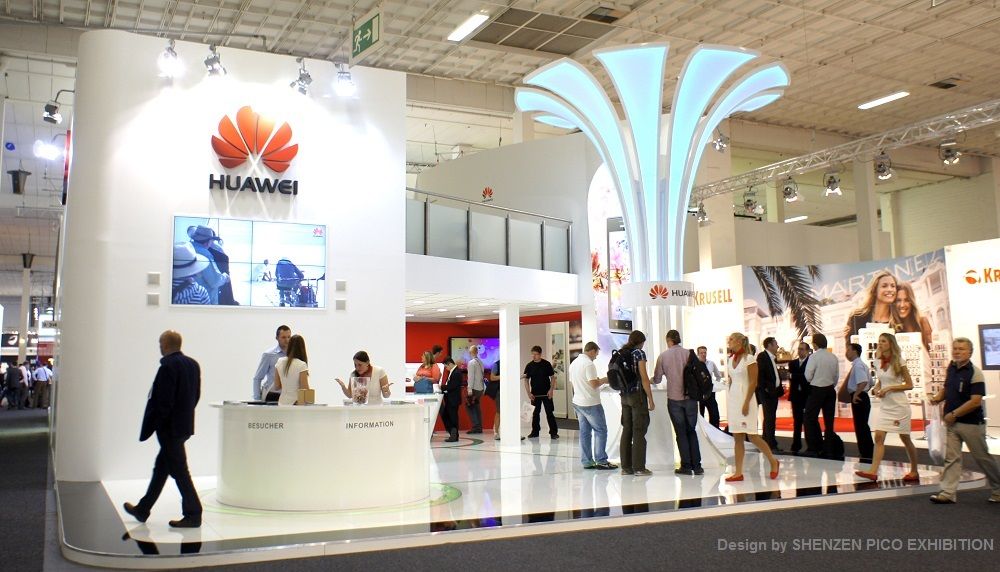
October 25, 2019 Christine Tan from CNBC sits down with Huawei’s founder and CEO, Ren Zhengfei, to discuss the company’s attitude and response in the wake of being placed on the U.S. Entity List. How did the company’s leaders feel? Has the ban seriously affected international business? How is the company restructuring in order to thrive, moving into the future?
ShanghaiPanoPeople_Warped_Canvas_1000_100dpi
Asia specialist and distinguished columnist David P Goldman is convinced the US and Europe stand a chance against the Red Dragon – but the clock is ticking He was a phantom amongjournalists, using the mysterious nom de plume, “Spengler.” Like his German philosopher namesake, the cultural critic returned again and again to his despairing theories of the decline of the West. The work of “Spengler” drew from a deep and rich intellectual pool.And since the herald has revealed his true identity, we learn why. David P Goldman – philosopher, economist, mathematician and musicologist – is a Renaissance man. A former investment banker for the Bank of Americaand Credit Suisse, the American is known for his widely read column for Forbes magazine and Asia Times. Dutch writer Leon de Winter crowns Goldman’s work as “among the most interesting in the world.” This article was originally published by Switzerland’s Weltwoche We meet at the noble Princeton...
Categories

Year

Author / Contributor

Region