building

Category

Year

Author / Contributor

Region

Sort by

Showing 1-10 of 50 stories

xjp-iranrowhani-705x437
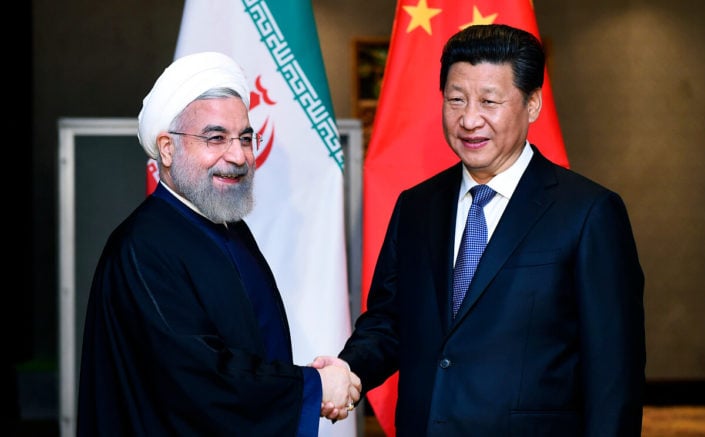
By Sabena Siddiqui September 20, 2019 Facing an economic crisis in large part due to US sanctions, Iran soon may be aligning its policies toward China’s. Having recently updated the terms of a 25-year strategic partnership signed with Beijing in 2016, it looks like Tehran is indeed returning to its Look East foreign policy. Originally posted on Al-Monitor’s website September 17, 2019 here Considered an important player in Chinese President Xi Jinping’s Belt and Road Initiative (BRI) megaproject, introduced in 2013, Iran has been pursued by Beijing for its energy resources and strategic location. But when economic sanctions on Iran were lifted under the Joint Comprehensive Plan of Action (JCPOA) nuclear deal in 2015, Iran preferred to do business on a global basis. Instead of committing to an eastward-looking foreign policy at that time, Tehran tried to maintain a balance. However, since the United States withdrew from the nuclear deal in May 2018, Europe...
stonemen2-1-
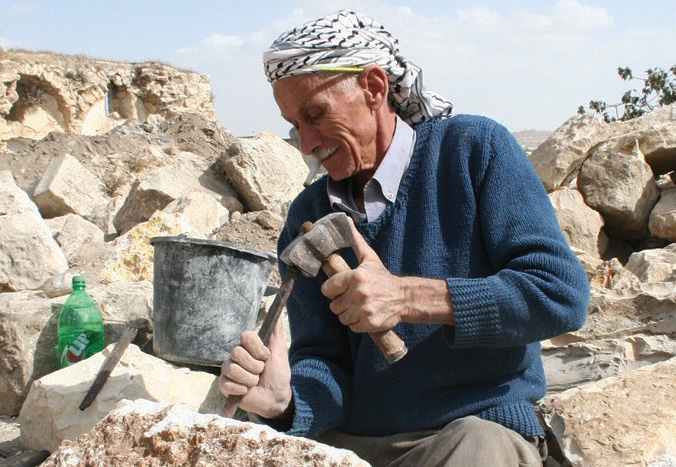
Andrew Ross’s Stone Men: The Palestinians Who Built Israel, Verso, 2019. On May 10th Andrew Ross came to University of California, Santa Barbara for a discussion of his extraordinary book, Stone Men, offering the audience a lively presentation enlivened by a Powerpoint array of informative pictures. I took part in a conversation with Andrew that was held prior to giving the small, yet intense, audience an opportunity to participate with questions. Andrew expressed the most startling aspect of Stone Men in these words:“..it would be no exaggeration to say that the ‘stone men’ of Palestine have built every state in the region except their own.” (3) Originally published on May 13th, 2019 on Richard Falk’s blog here His very readable text mainly adopts a somewhat narrower focus, concentrating its efforts on the particular role of Palestinian workers and the rich stone quarries of Palestine in the physical evolution of the Israeli state, not only establishing its architectural...
kennedy_sotu1-P
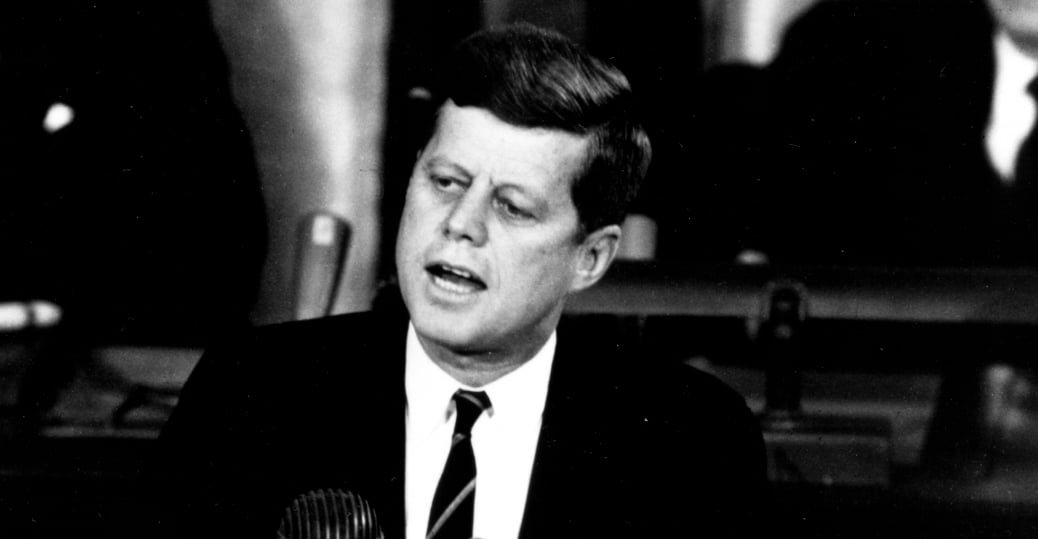
By Dr. Lawrence Wittner June 5, 2019 In late April, the highly-respected Stockholm International Peace Research Institute reported that, in 2018, world military expenditures rose to a record $1.82 trillion. The biggest military spender by far was the United States, which increased its military budget by nearly 5 percent to $649 billion (36 percent of the global total). But most other nations also joined the race for bigger and better ways to destroy one another through war. Originally publishes on Counterpunch.org on May 29th, 2019 here This situation represents a double tragedy. First, in a world bristling with weapons of vast destructive power, it threatens the annihilation of the human race. Second, as vast resources are poured into war and preparations for it, a host of other problems―poverty, environmental catastrophe, access to education and healthcare, and more―fail to be adequately addressed. But these circumstances can be changed, as shown by...
487822825-58b9d1023df78c353c38bbd6
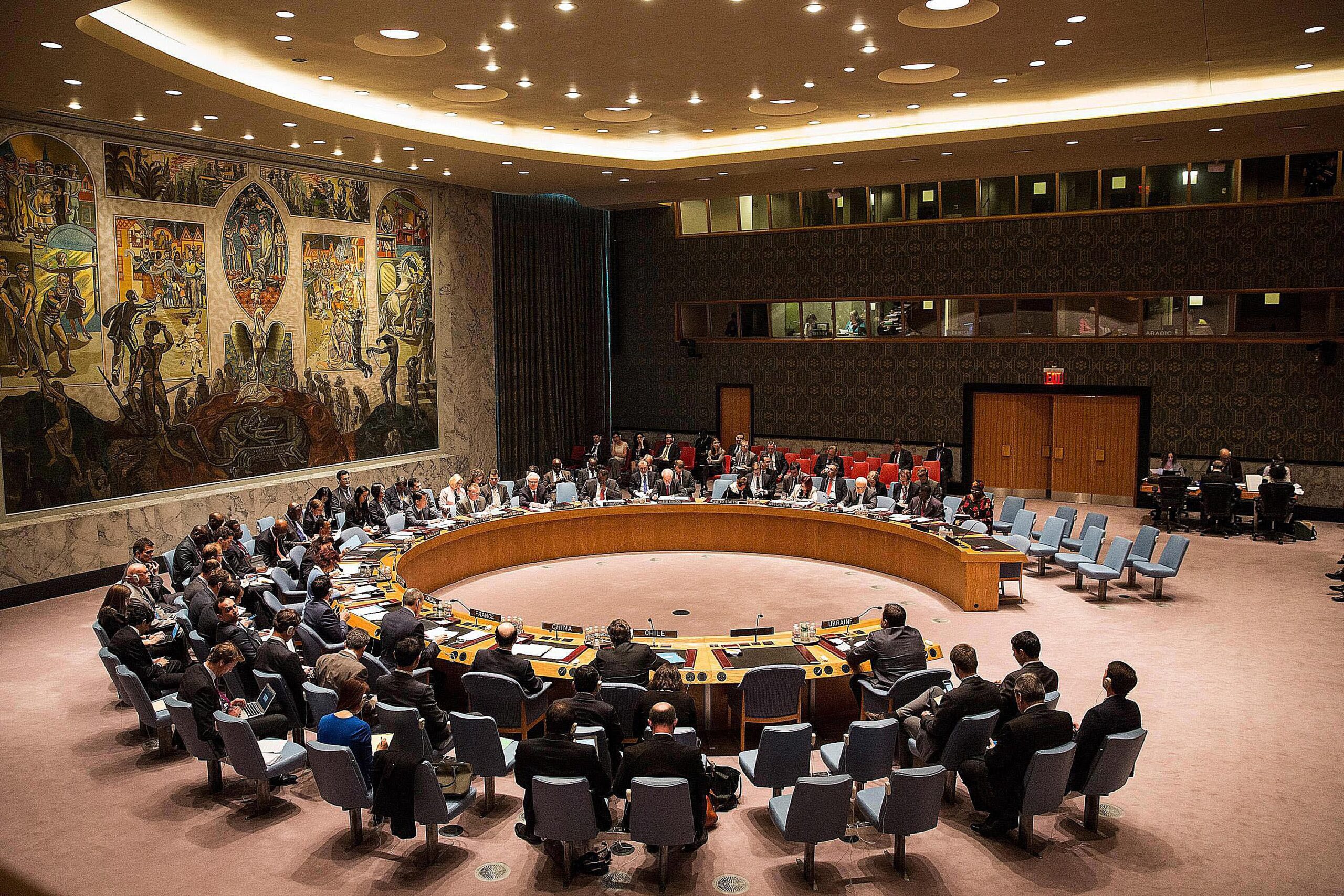
HE Secretary-General of the United NationsAntónio GuterresUnited NationsNew York NY REGARDING: Request for action in accordance with the UN Charter Article 99 to seek to prevent war between the United States of America and the Islamic Republic of Iran. The relation between the USA and Iran has been tense for many years. After the abrogation of the Joint Comprehensive Plan of Action and the stifling sanctions imposed by the USA on Iran, the hostility has increased to a dangerous level. The President of the USA has repeatedly threatened Iran with military action, even talking about the total destruction of the country. These threats must be taken seriously. Even if a war is not started intentionally, a misunderstanding could lead to an escalation and finally to war. The situation in the Middle East is very complicated and other parties than Iran and the USA might contribute a sparkle to start the...
71de2133-5ae9-45ef-80a0-c1b5d0bb5ec0
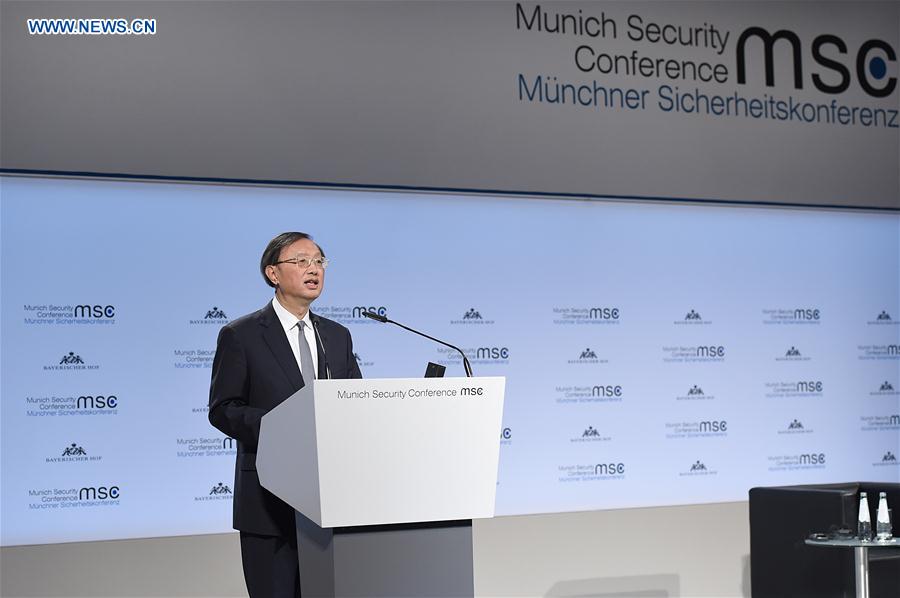
“Working for a Community with a Shared Future for Mankind by Promoting International Cooperation and Multilateralism” By Yang Jiechi February 18, 2019 MUNICH, Germany, Feb. 16 (Xinhua) – Yang Jiechi, a member of the Political Bureau of the Communist Party of China (CPC) Central Committee, Director of the Office of the Central Commission for Foreign Affairs, delivered China’s keynote speech on February 16, 2019 at the 55th Munich Security Conference. Italics added by The Transnational for pedagogical, easier-read reasons. This is the English translated version of the speech reprinted from China Org. cn here: Mr. Wolfgang Ischinger, Chairman of the Munich Security Conference, Ladies and Gentlemen, It is my great pleasure to join you at this year’s Munich Security Conference (MSC). As a global forum on security policy, the MSC provides an important platform for people around the world to express views and share insights on major issues concerning world...
1-19-Martin-Luther-King-ftr
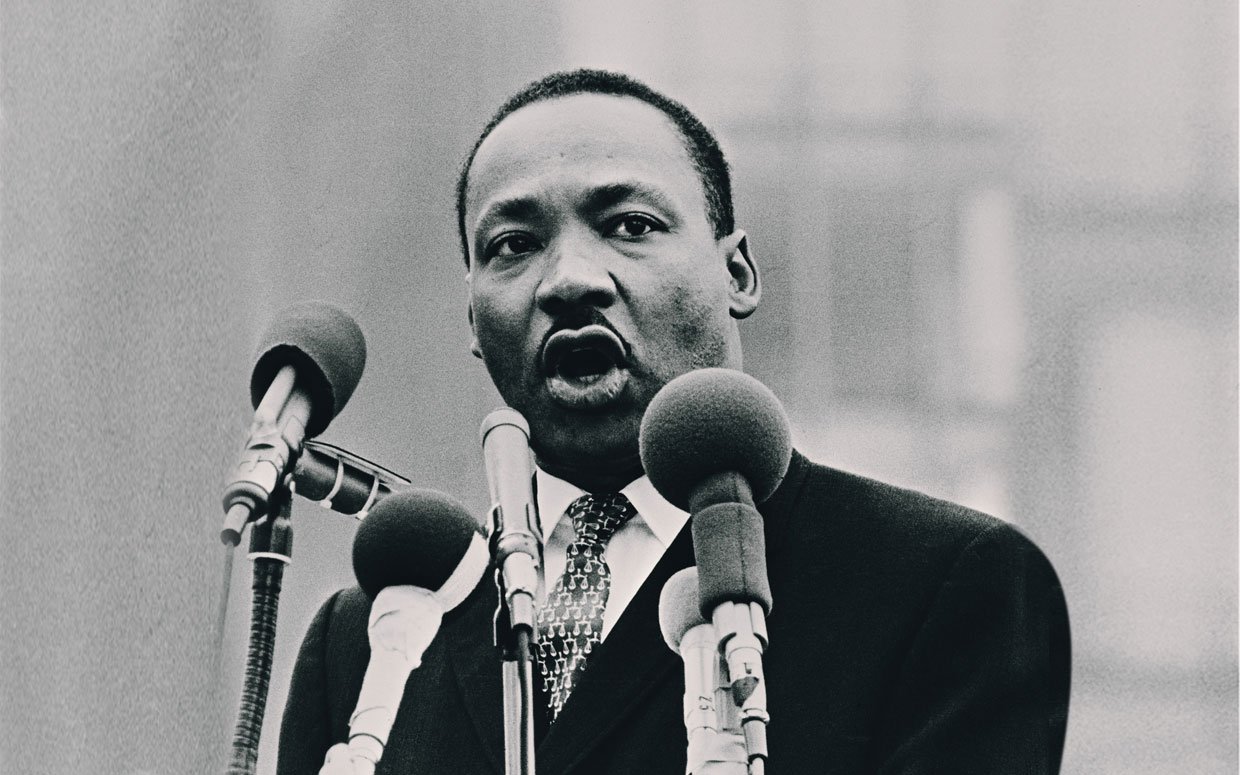
– Martin Luther King Day Since The Transnational is also a public education site, we believe a handy, comprehensive guide to materials about Martin Luther King, Jr. should be found here: For his indisputable greatness as a human being, thinker and activist and for you to see just how far today’s United States of America is from its basic ideals, ideals that he stated so clearly and convincingly. Such ideals must never be allowed to die, neither be turned into lifeless traditions over time that are only paid lip service to at memorial occasions. Martin Luther King, Jr. has a series of messages for today’s world – and inspires anyone who wants to bring about change towards peace. We are particularly fascinated by his elaborations of the concept of The Beloved Community. And we’ve published two other guides earlier: Michel Chossudovsky, TFF Associate, Global Research Guide to Martin Luther King,...
ChatGPT Image 9 jun 2026, 11_11_33
The general election has been postponed yet again. Will this country, the largest and potentially the richest in Africa, ever escape from its continuous dictatorship, and its propensity to civil war? It’s not so long ago that Susan Rice, then the US’s Ambassador to the United Nations, was talking about the Congo as the site of “Africa’s First World War”. Has the UN at long last really pacified this country that has been continuously in a state of unrest since the Belgian colonisers, after effectively looting the country, fled in 1960, turning the country over to a hastily improvised African government? Today we can say that the fighting that has consumed the Congo is within sight of being over, apart from some localized violence in Kivus and Kasai provinces. But, given the history of the most turbulent of all African countries, we should say, let’s wait and see. Nevertheless, it...
SPARInstaLogoNOTextShadowLogo
  . This exciting opportunity stimulated the development of a bigger idea that combines Oberg’s work for peace and art photography with a focus on the Chinese-initiated Silk Belt and Road Initiative, the largest and most visionary in today’s world in terms of linking people and cultures into cooperation rather than confrontation. In various ways the project – with the Road as metaphor – stretches from Shanghai over Myanmar, Kazakhstan, Georgia, Iran and Syria to Venice and seeks to promote cooperation and peace in the process. The “Silk PeaceArt Road” project is made public at this very early development stage where no funding is secured to encourage you to share co-operative ideas, contacts you may have in China and along the Silk Road or to potential partners, artists, sponsors, art institutions, etc. The project integrates peace work and art photography and it is the first cooperative endeavour by TFF and...
1-1
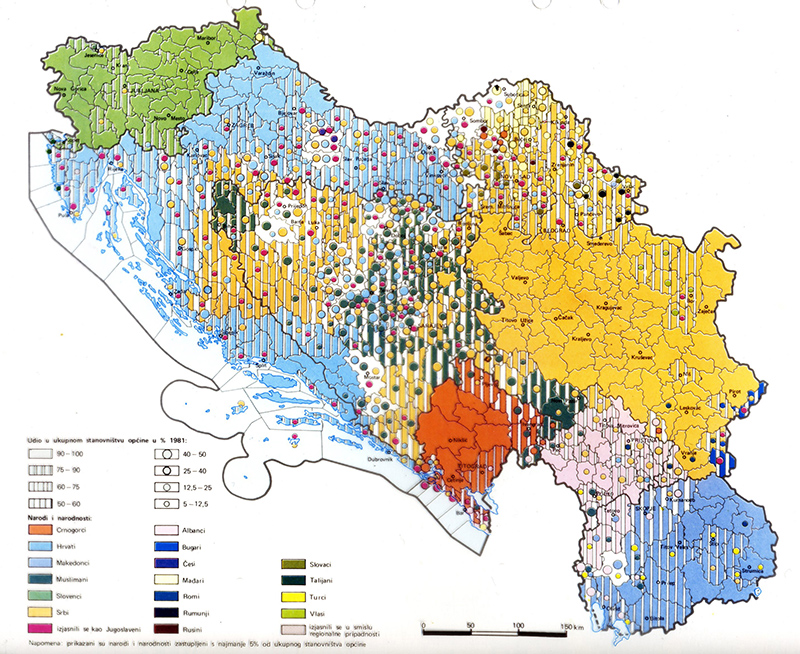
The ethnic map few understood. Should make it clear that cutting up Yugoslavia in independent republics could not be done without bloodshed. (1) Yellow = Serbs, Dark Green = Muslims, Light Blue = Croats,  Light Green = Slovenes, Orange = Montenegrins, Pink = Albanians, Darker Blue = Macedonians   , marks the 19th anniversary of NATO illegal and illegitimate bombing of Yugoslavia, Serbia and its Kosovo, province during 78 days. It has – one is tempted to say: of course – been conveniently forgotten by the West itself. It was masterminded by the United States under Bill Clinton and Secretary of State Madeleine Albright after the so-called negotiations between Serbs and Albanians in Rambouillet outside Paris (the parties never met face-to-face) While Clinton may be best remembered for his relations with Monica Lewinsky and his wife, Hillary Clinton, some of us also remember him (and Albright) for bombing Afghanistan, Sudan,...
ChatGPT Image 9 jun 2026, 11_11_33
  . No other country has seen so many “blue berets”- UN peacekeeping troops- in its short history. The Belgian colonialists may have exploited it and transferred massive amounts of its wealth back to Belgium but one leader after another has continued in its steps, making use of the country’s vast mineral deposits to build an edifice of wealth and unilateral power. Leaders have played on tribal fears and insecurity. War has been the outcome. In the last few years there has been talk of winding down the large contingent. A kind of peace seemed to have arrived. No longer. There are still 16,000 UN troops there. The way the UN peacekeepers work has changed a lot since their first deployment soon after independence. Then the accent was on not using arms. UN soldiers accused of misbehavior were rare. Today force, even killing, is widely used by peacekeepers. So are...
Burundi
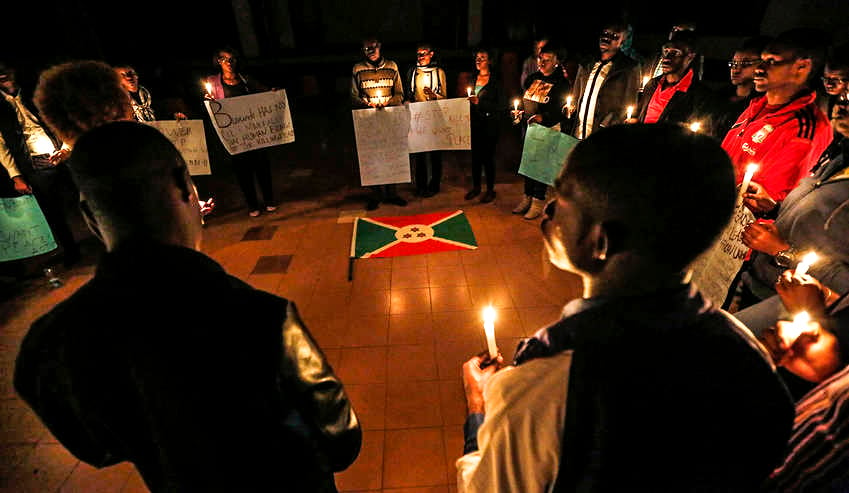
Burundi’s ongoing political instability highlights the stark divide between global conflict prevention rhetoric and practice.   By Priyal Singh for ISS TODAY.  First published by ISS Today • Since Burundian President Pierre Nkurunziza announced that he would run for a third term in early 2015, political instability across the country has tested the limits of global conflict prevention responses. This instability has included a failed coup d’état, violent clashes between government and opposition forces, increasing suppressionof the media and civil society, as well as targeted assassinations. The violence has resulted in more than 400,000 Burundians fleeing to neighbouring states and over 55,000 internally displaced, amid allegations of serious human rights violations in the country. Burundi’s instability, however, appears not to feature the central elements or drivers generally associated with the conflicts of other countries. The presence of transnational organised criminal syndicates has not featured prominently, nor have the influence or...
luce
  By Heather Dubois • Religion, after all, is a powerful constituent of cultural norms and values, and because it addresses the most profound existential issues of human life (e.g., freedom and inevitability, fear and faith, security and insecurity, right and wrong, sacred and profane), religion is deeply implicated in individual and social conceptions of peace. Scott Appleby explains that the ambivalence of religion lies in the interpretation of the sacred, in imperfect human perception: “At any given moment any two religious actors, each possessed of unimpeachable devotion and integrity, might reach diametrically opposed conclusions about the will of God and the path to follow.” In other words, religion can underwrite both conflict and peace on its own terms. It is an intervening variable that sometimes escalates, sometimes de-escalates conflict behavior. Via Journal of Religion, Conflict and Peace As Appleby notes, “Religious leaders and their followers make choices as to...

Categories

Year

Author / Contributor

Region