

On The Marginal Utility of Working for Peace Today

November 6, 2026

Over the past fifty years, I have devoted roughly 175,000 hours to research and public education for a more peaceful world: thinking, researching, writing, organising, publishing, debating, maintaining websites, corresponding, reaching out, leading a foundation, work in conflict and war zones, professorships, teaching courses and giving public lectures and doing media work.

In short, ten hours a day, seven days a week, for half a century.

The focus was on international political peace – analysing and trying to stop wars, address underlying conflicts and making alternative peace plans – at the desk and on the ground. Important as that has been and remains, it is only one kind of peace and it is now in a tragic militarist state compared with what it could have been. 

Lately, however, I have found myself thinking about a concept from economics as well as everyday life: marginal utility.

Consider your morning coffee. The first cup is wonderful. The second is still enjoyable. The third adds only a little. By the fourth, the pleasure is negligible, if at all. In other words, marginal utility refers to the value/benefit or results of the next increment of effort, time, money or attention.

Applied to myself, the question becomes:

What additional value do I and the world gain from my spending one more hour working for peace?

After much reflection, I have concluded that the marginal utility of working ten hours a day rather than five or seven moves toward zero.

Peace has not become less important to work for. Quite the opposite. But in a time when military thinking dominates public discourse and independent peace perspectives receive woefully little attention, the additional benefit generated by those last few hours each day seems smaller than it once was.

I still believe that many of the hours are worthwhile. What I am questioning are the final, extra hours.

At the age of seventy-five, I have therefore returned repeatedly to a simple question:

Is the peace utility of the next hour greater than the utility of spending that hour on something else?

For the moment, my answer is no.

Here we encounter another concept from life and economics: opportunity cost.

Every choice we make involves foregoing something else. Choosing one activity means declining another. When we focus on wars, we don’t focus on peace. We cannot, as the saying goes, both eat the cake and have it too.

Peace researchers often use this concept when discussing military expenditures. What might societies achieve if resources allocated to armaments and war preparation were instead invested elsewhere? This is sometimes called the “guns versus butter” dilemma.

I have realised that a similar question now applies to my own life.

Many people reach a point where they retire not only professionally but psychologically. Having done one thing all their lives, they gradually withdraw from the world.

Having been a freelance person since 1989 when, fortunately, I left Lund University and having engaged in new projects continuously with no formal retirement, I am not one of them. 

I have enough ideas, projects and fields of exploration to keep me occupied until I turn one hundred, should life grant me that privilege. For despite wars, crises and political disappointments, the world remains an endlessly fascinating place. And one my curiosity compels me to explore more.

Growing up in an artful home, I have been deeply attracted to art and culture, throughout my life. Since 2009 I have run my own art photography studio here in Lund and created about 400 works. Out of pleasure and curiosity, not to sell.

Over the years, I have come to believe that art contributes more to intercultural understanding and peaceful coexistence than most of what today passes for strategic, security thinking and foreign policy.

Art is not primarily concerned with power and certainly not with violence and killing. It does not threaten death and destruction against anyone. It seeks meaning, interpretation, beauty, imagination and human connection. It explores dimensions of life that politics and related social science fail to grasp.

And it can provide what I miss most in today’s geopolitical discourse, namely a sense of enchantment: joy, hope, vision, curiosity, new ways of seeing the world and constructive imagination. It can focus on alternative futures and ways of doing things, too. Experimentation is essential. In politics it is prohibited.

There are other kinds of – and kinder – peace that has fascinated me for many years and that I have spent too little time exploring.

This personal message is not about working less. It is about broadening the meaning of peace. It is about moving from peace as the opposite of violence – negative peace – toward peace as the cultivation of life and its limitless potentials – positive peace.

It is not the international political peace of governments, military balances, security politics and ceasefires based on deal-making, important though these may or could be. It is the peace that can be found in culture and art, in social cosmology, psychology and philosophy, in the social imagination described by C. Wright Mills, in new forms of intercultural understanding, and in ordinary human encounters. In the understanding dialogue, but not in the competing debate.

It is the peace that is macro in time and space, not the one that may have relevance in the news and punditry world of one event and its implications for today and tomorrow.

Reducing peace to the management or reduction of violence risks overlooking some of the most profound dimensions of peace and human coexistence.
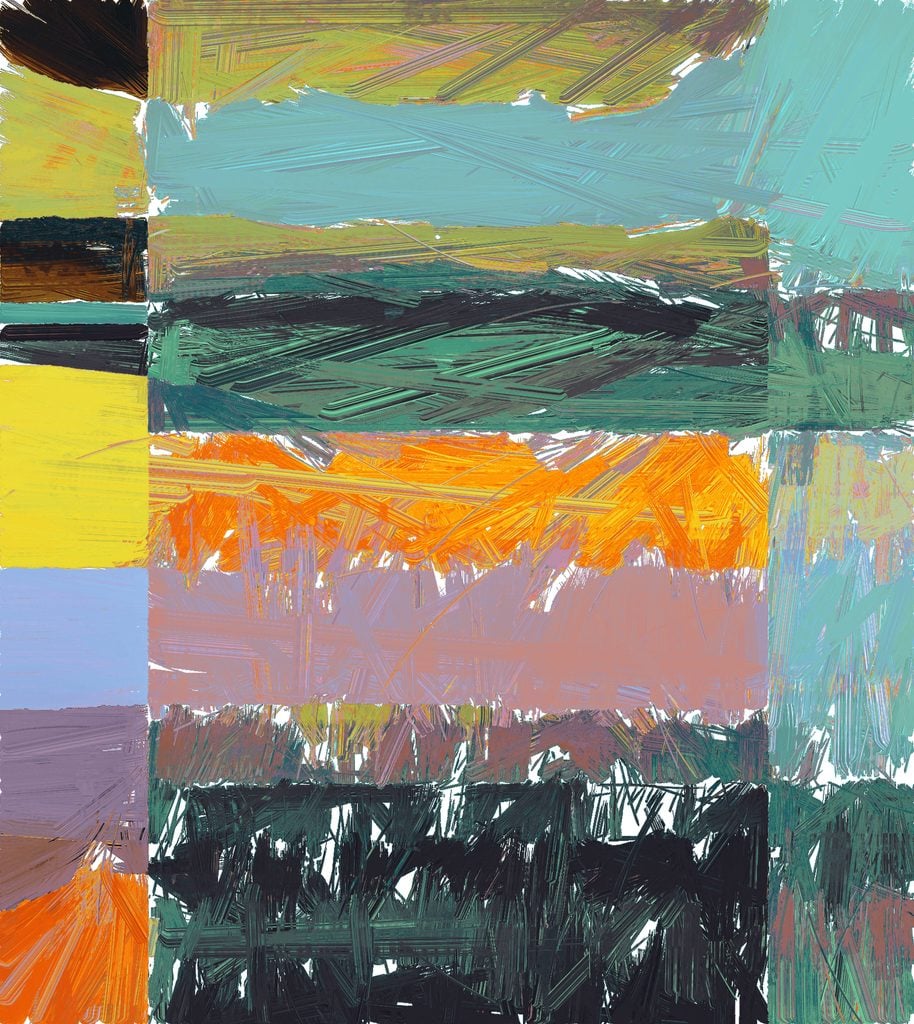
I am pointing, in other words, to a larger and much more inspiring peace beyond geopolitical calculations and the negative peace. A convivial, life-affirming and enchanting peace.

Engaging with those other kinds of peace requires a certain intellectual liberation from the endless twenty-four-hour cycle of war rather than conflict analysis, military speculation and predictions of catastrophe. Such things are part of reality, but they are not reality in its entirety. They also miss ideas, innovation of new concepts and theories and, perhaps most importantly, they miss the non-material aspects of our lives and societies – and of peace. The politico-economic strategic ‘base’ is important, yes. But we’ve forgotten the ideational superstructure.

Life and the world is infinitely rich. Why focus only on a violent corner or spot?

Some of the daily hours I now reclaim will be devoted to preserving, digitising and presenting four decades of true peace research undertaken through TFF, ensuring that its Associates’ production and ideas remain available after those of us who created them are gone – summarising history to secure the future. The foundation turned 40 this year, celebrated with the new TFF homepage that – when ready – will contain about 10,000 original articles and videos. It remains one of the few genuine independent peace and future research institutions in the world.

They will be allocated to my image-creation at Oberg PhotoGraphics – experimenting with ideas, methods, materials and expressions. Enchantingly so. My PhotoGraphics Magazine on Substack is already about peace culture, or perhaps peace through culture.

I also wish to continue writing my non-memoires, which I call “Goodbye Peace. Worldmoires Into A Peaceful Future.” I want to travel, not least in China. I want to spend more time with those closest to me, live intensely and mindfully. 

And I want to follow what some call the one-hour rule: setting aside at least one hour every day to read and think and learn something new. Curiosity and learning has nothing to do with age.

There is no winding down in this. No retirement in any sense. No bitterness or giving up and no turning my back to the real world and its problems. Furthermore, passion and detachment in the Gandhian sense is fully compatible.

I have not changed my overall analysis of the contemporary world. I continue to believe that the present Western-dominated international order is in long-term decline and that a more diverse and genuinely global world will gradually emerge. And peace will then be relevant again. You know, I am no doomsayer but an opportunity-maker.

What has changed is not my view of the world but my assessment of where my next hour creates the greatest value.

Focusing on the 24/7 stream of negative energies, violence and discussion of it can not will never create a more peaceful world, as little as endless discussions about the cancer cells will heal the patient.

The marginal utility of additional peace work varies with historical trends. It can rise and fall, and these years, it is falling.

Should conditions change, should serious political peace thinking and action once again find greater intellectual and ethical resonance, and should the marginal utility of additional effort increase, I will reconsider my allocation of time and energy. 

But only time will tell. For now, my next few life hours will be devoted to all the other – positive and enchanting – ‘peaces.’

Note
Beyond the links above, you may learn more about my work at my mini-blog and my personal blog (just updated).
Images above © Jan Oberg


PhD, Peace & future researcher + ‌Art Photographer, Professor Emeritus and media commentator

Leave a Reply

Your email address will not be published. Required fields are marked *

Related Posts

UNITE-tillid, DREAM-velstand og andre konstruktive komponenter Normally we publish articles in English here. But this is a translation of a very important TFF document that should reach as many as possible in Denmark since this country’s government has been one of the most hardline in Europe and, up till now at least, has refused to use diplomacy and, instead, spent tremendous sums on arming Ukraine with the express goal of defeating Russia. Thus this – unique – article is in Danish. Vi er Johnny Baltzersen og hans Fælles Sikkerhed – Fælles Fremtid på Substack overmåde taknemmelige for at have oversat og publiceret TFF’s 2025-portfølje for fredsidéer med henblik på Ukraines fremtid. Vi håber den nu kan nå mange flere danskere – som også vil sprede den og skabe debat – nu den danske regerings og folketingspartiernes politik på dette område siden 2022 står nu – forudsigeligt – ved vejs ende....
Jan Oberg TFF director October 28, 2026 Exactly one month has now passed since I published my criticism of the introduction to the special issue on Johan Galtung published by the Journal of Global Security Studies, JoGSS, and of Tor Egil Førland’s chapter about Galtung which serves as a preview to his forthcoming biography of Galtung to be published by PRIO. See the original on The Transnational here and the same article on TFF Substack with many general and critical comments and, in particular, the people who decided to withdraw from the biography project in protest. The special issue itself was extraordinary. It was devoted to the intellectual legacy of one of the founders of peace research and contained a number of strong assessments of his personality, scholarship, intellectual trajectory, and public role. Such assessments are, of course, entirely legitimate. No scholar is beyond criticism, and neither was Johan Galtung....
An aspect of Iran’s culture and civilisation you’ve probably never heard about. Don’t be surprised if the US and Israel also try to bomb them. Jan ObergTFF director October 26, 2026 Today – under the “USraeli” threat of new “annihilating” bombings – opens the 7th International Conference on Peace and Conflict Resolution at Tehran’s University. As far as I can tell, this is the only permanent, advanced peace research institution in West Asia/the Middle East. Perhaps more countries in that region could be inspired? I mean, how many military “security” institutes and military academies do they have? Many peace research institutes and university departments have been established since the 1950s in the West. They are now all under attack; some have closed down, some have gone mainstream, yet others kept the name but do nothing to research peace and disseminate results or advice; instead, they cooperate with militarism’s platforms such...

Recent Articles

Photo above: Carl Fredrik Reuterswärd’s Non-Violence outside UN Headquarters in New York. Kirill Levin, CC BY-NC-SA 2. Jan Oberg November 3, 2026 I am happy to be published in Horizons which is produced by the Center for International Relations and Sustainable Development, CIRSD, in Belgrade. My contribution brings out a radical re-thinking of what concepts such as defence, security, deterrence – and peace – may mean if we want to create a more peaceful world. It also summarises a few things I have been working with the last few decades. Please read it here Og her er den på dansk, takket være Johnny Baltzersens lynhurtige oversættelse
UNITE-tillid, DREAM-velstand og andre konstruktive komponenter Normally we publish articles in English here. But this is a translation of a very important TFF document that should reach as many as possible in Denmark since this country’s government has been one of the most hardline in Europe and, up till now at least, has refused to use diplomacy and, instead, spent tremendous sums on arming Ukraine with the express goal of defeating Russia. Thus this – unique – article is in Danish. Vi er Johnny Baltzersen og hans Fælles Sikkerhed – Fælles Fremtid på Substack overmåde taknemmelige for at have oversat og publiceret TFF’s 2025-portfølje for fredsidéer med henblik på Ukraines fremtid. Vi håber den nu kan nå mange flere danskere – som også vil sprede den og skabe debat – nu den danske regerings og folketingspartiernes politik på dette område siden 2022 står nu – forudsigeligt – ved vejs ende....
Jan Oberg TFF director October 28, 2026 Exactly one month has now passed since I published my criticism of the introduction to the special issue on Johan Galtung published by the Journal of Global Security Studies, JoGSS, and of Tor Egil Førland’s chapter about Galtung which serves as a preview to his forthcoming biography of Galtung to be published by PRIO. See the original on The Transnational here and the same article on TFF Substack with many general and critical comments and, in particular, the people who decided to withdraw from the biography project in protest. The special issue itself was extraordinary. It was devoted to the intellectual legacy of one of the founders of peace research and contained a number of strong assessments of his personality, scholarship, intellectual trajectory, and public role. Such assessments are, of course, entirely legitimate. No scholar is beyond criticism, and neither was Johan Galtung....

TFF on Substack

Discover and subscribe to more peace materials on TFF Substack

Most Popular

Photo above: Carl Fredrik Reuterswärd’s Non-Violence outside UN Headquarters in New York. Kirill Levin, CC BY-NC-SA 2. Jan Oberg November 3, 2026 I am happy to be published in Horizons which is produced by the Center for International Relations and Sustainable Development, CIRSD, in Belgrade. My contribution brings out a radical re-thinking of what concepts such as defence, security, deterrence – and peace – may mean if we want to create a more peaceful world. It also summarises a few things I have been working with the last few decades. Please read it here Og her er den på dansk, takket være Johnny Baltzersens lynhurtige oversættelse
UNITE-tillid, DREAM-velstand og andre konstruktive komponenter Normally we publish articles in English here. But this is a translation of a very important TFF document that should reach as many as possible in Denmark since this country’s government has been one of the most hardline in Europe and, up till now at least, has refused to use diplomacy and, instead, spent tremendous sums on arming Ukraine with the express goal of defeating Russia. Thus this – unique – article is in Danish. Vi er Johnny Baltzersen og hans Fælles Sikkerhed – Fælles Fremtid på Substack overmåde taknemmelige for at have oversat og publiceret TFF’s 2025-portfølje for fredsidéer med henblik på Ukraines fremtid. Vi håber den nu kan nå mange flere danskere – som også vil sprede den og skabe debat – nu den danske regerings og folketingspartiernes politik på dette område siden 2022 står nu – forudsigeligt – ved vejs ende....
Jan Oberg TFF director October 28, 2026 Exactly one month has now passed since I published my criticism of the introduction to the special issue on Johan Galtung published by the Journal of Global Security Studies, JoGSS, and of Tor Egil Førland’s chapter about Galtung which serves as a preview to his forthcoming biography of Galtung to be published by PRIO. See the original on The Transnational here and the same article on TFF Substack with many general and critical comments and, in particular, the people who decided to withdraw from the biography project in protest. The special issue itself was extraordinary. It was devoted to the intellectual legacy of one of the founders of peace research and contained a number of strong assessments of his personality, scholarship, intellectual trajectory, and public role. Such assessments are, of course, entirely legitimate. No scholar is beyond criticism, and neither was Johan Galtung....
Read More
TFFPortfolioVign
UNITE-tillid, DREAM-velstand og andre konstruktive komponenter Normally we publish articles in English here. But this is a translation of a very important TFF document that should reach as many as possible in Denmark since this country’s government has been one of the most hardline in Europe and, up till now at least, has refused to use diplomacy and, instead, spent tremendous sums on arming Ukraine with the express goal of defeating Russia. Thus this – unique – article is in Danish. Vi er Johnny Baltzersen og hans Fælles Sikkerhed – Fælles Fremtid på Substack overmåde taknemmelige for at have oversat og publiceret TFF’s 2025-portfølje for fredsidéer med henblik på Ukraines fremtid. Vi håber den nu kan nå mange flere danskere – som også vil sprede den og skabe debat – nu den danske regerings og folketingspartiernes politik på dette område siden 2022 står nu – forudsigeligt – ved vejs ende....
JoGSS-Silent
Jan Oberg TFF director October 28, 2026 Exactly one month has now passed since I published my criticism of the introduction to the special issue on Johan Galtung published by the Journal of Global Security Studies, JoGSS, and of Tor Egil Førland’s chapter about Galtung which serves as a preview to his forthcoming biography of Galtung to be published by PRIO. See the original on The Transnational here and the same article on TFF Substack with many general and critical comments and, in particular, the people who decided to withdraw from the biography project in protest. The special issue itself was extraordinary. It was devoted to the intellectual legacy of one of the founders of peace research and contained a number of strong assessments of his personality, scholarship, intellectual trajectory, and public role. Such assessments are, of course, entirely legitimate. No scholar is beyond criticism, and neither was Johan Galtung....
Screenshot 2026-10-26 115647
An aspect of Iran’s culture and civilisation you’ve probably never heard about. Don’t be surprised if the US and Israel also try to bomb them. Jan ObergTFF director October 26, 2026 Today – under the “USraeli” threat of new “annihilating” bombings – opens the 7th International Conference on Peace and Conflict Resolution at Tehran’s University. As far as I can tell, this is the only permanent, advanced peace research institution in West Asia/the Middle East. Perhaps more countries in that region could be inspired? I mean, how many military “security” institutes and military academies do they have? Many peace research institutes and university departments have been established since the 1950s in the West. They are now all under attack; some have closed down, some have gone mainstream, yet others kept the name but do nothing to research peace and disseminate results or advice; instead, they cooperate with militarism’s platforms such...
Screenshot 2026-10-15 141837
Let’s discuss using AI to create peace – in contrast to boring geopolitics devoid of creative healing and visions. Jan Oberg TFF director October 15, 2026 I asked VEED to create a short video exemplifying how peace is preferable to war, then chose the lady as a template. Simple as that. In less than a minute, it produced this video, which any peace-loving person would appreciate. The only problem is that human intelligence (HI), at least the one that exists among Western decision-makers, isn’t half as moral or smart as AI. I have used AI to dialogue about peace and peace plans, creative conflict resolution and visions of a better future for humankind. It so happens that I am having more stimulating, intelligent, creative and moral discussions with AI than I could possibly have with any EU or NATO leader today. Yes, AI has very problematic and dangerous aspects; used...
girl-5894831_1280
Below are TFF-related media mentions, comments, videos and social media posts published elsewhere but not on this homepage. We happen to catch and list only a fraction. Regarding video comments and debates, we recommend that you go to the TFF Video Channel on Substack where many of them are reproduced. Jan Oberg is a contributor to China Daily – 52 million daily clicks – and Global Times, CGTN and CCTV (the national television), China Investment, Xinhua News Agency and several others. Articles and videos on these media very often multiply into countless Chinese (and Western media) that re-post them from these main media. Thanks to The China Academy, his analyses, interviews and comments are frequently posted on YouTube channels such as Thinkers Forum and Wave Media. These videos are often re-posted on Bilibili (China’s YouTube), the China Content Center on TikTok, and on the Chinese edition of TikTok, Douyin.com. This means reaching hundreds of millions of viewers worldwide over a year. While there are too many to catch on all these...
Nobel-Prize-Plaque
Jan Oberg TFF director October 13, 2026 According to Alfred Nobel’s will, the Nobel Peace Prize shall be awarded: ”to the person who has done the most or best to advance fellowship among nations, the abolition or reduction of standing armies, and the establishment and promotion of peace congresses.” Further down, he also expresses how the prize for the “champions of peace” shall be decided: “that for champions of peace by a committee of five persons to be selected by the Norwegian Storting. Alfred Nobel’s will is remarkably short and clear. But few seem to have read it. Nobel did not say that the committee itself should consist of members of parliament. He entrusted the Storting with appointing five persons. In principle, it could have selected diplomats, mediators, peace researchers, conflict-resolution specialists, or other individuals with recognised expertise in matters of peace from around the world. Instead, the Storting gradually...




