US Empire decline

Category

Year

Author / Contributor

Region

Sort by

Showing 1-10 of 385 stories

WechatIMG754
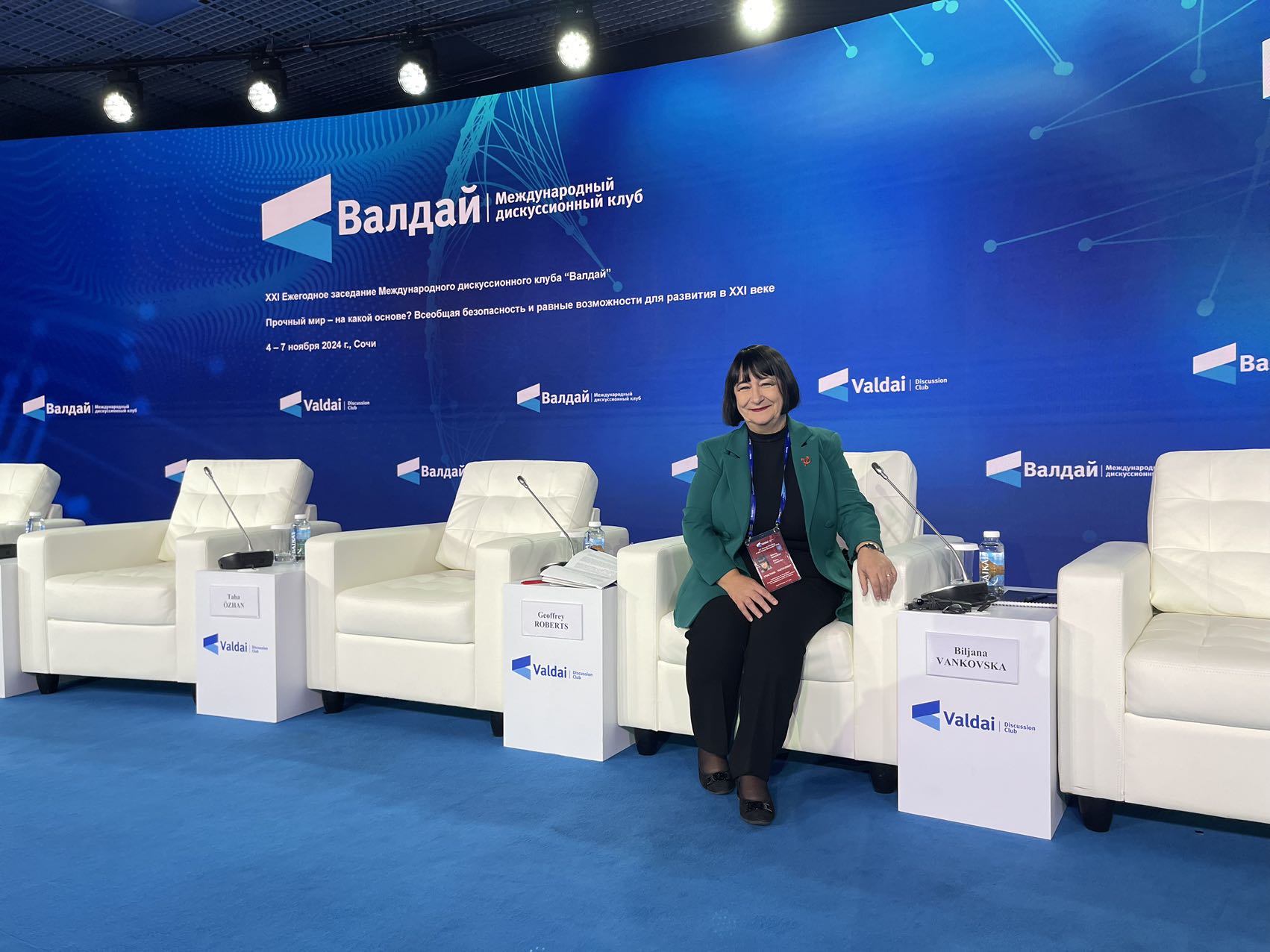
A report from the Valdai Discussion Club event in November 2024 Biljana Vankovska Professor and director of the Global Changes Centre in Skopje, Macedonia and TFF Board member November 25, 2024 The intelligence services have probably noted this meticulously, but let me publicly share my experience of attending, for the first time, the annual conference of the renowned Valdai Discussion Club in Russia. For 20 years now, it has convened near Sochi, nestled among the stunning mountain peaks of the Russian Caucasus. Personally, this year stands out for many reasons. My first visits to China, and now to Russia, are undoubtedly among the most significant. Due to the format of the conference, I can’t describe Russia to you in the same way I recounted my experience in China. Over four days, around 130 participants (professors, analysts, strategists, diplomats, former generals, journalists—mostly from foreign countries, with fewer from Russia) representing over...

Eclecticism_90cm_300dpi_1200_100dpi
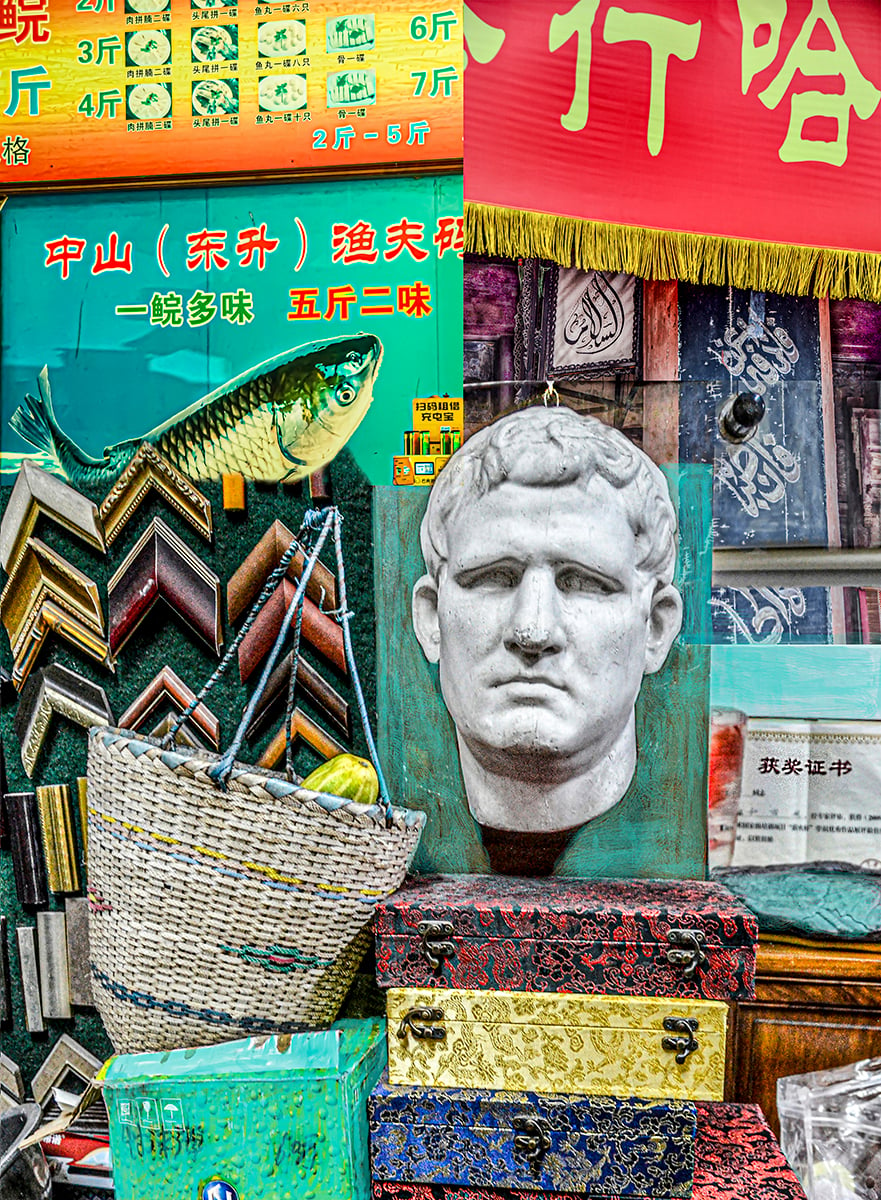
Peter Peverelli November 22, 2024 This is a chapter in a TFF anthology in the making – “If You Want To Understand China.” Foreword, Introduction, Authors and Table of Content here. Gordon DumoulinEchoes Of Volatile And Delusive Memory: Challenging Historical Interpretations Introduction ”Should the West see China as a threat or as an opportunity, a friend or an enemy? Are we heading for a third world war? Does the seemingly inexorable rise of China spell the doom of many values in which we have long believed? Might some form of communism prevail after all? Are China’s motives sinister? Is it trying to subvert us? Is it plotting mischief? Given the very bad press China has been getting in Western media, one might certainly think so. But the word ‘sinister’ has an interesting derivation. Its original meaning has nothing to do with wily orientalism. It means simply left-handed. Most of us...
YiningAvenueWoman_1200-copy
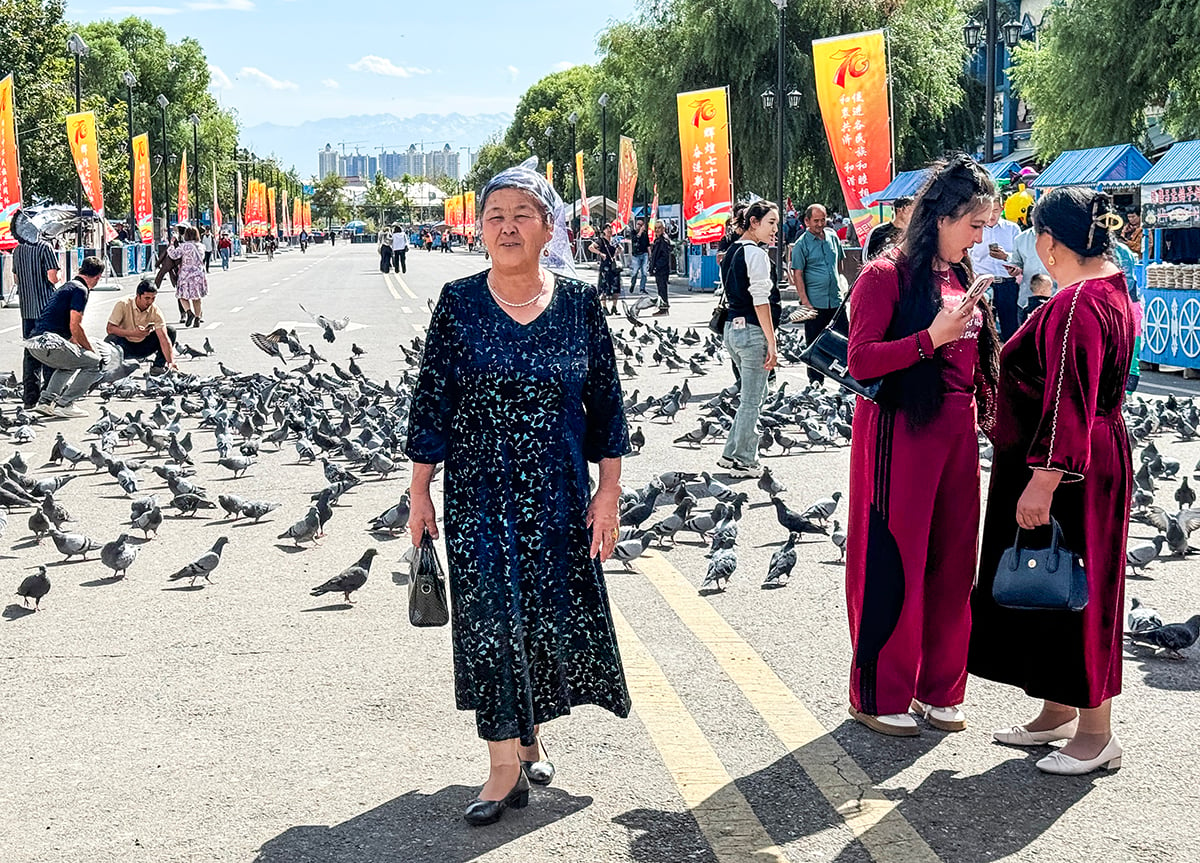
For the last time, I am stating my views on the West’s genocide accusation and why I refuse to let the US/NATO/EU Cold War policy set the agenda and discourse about China in general and Xinjiang in particular. Jan Oberg November 19, 2024 PART I Part II A daring prediction I shall be surprised if, in about 10-15 years, Xinjiang – the North-Western province of China, its largest province three times larger than France – has not become a world-leading cultural and economic hub in humanity’s multipolar/nodal future world. It exhibits a tremendous cultural variety that seems to be moving towards unity in an amazing diversity. It has a vast natural resource potential. It interacts with eight very important neighbouring countries. It’s the crossroads of past, present and future. Xinjiang is the sine qua non of the new Silk Roads, also called the Belt and Road Initiative (BRI), which involves...
YiningAvenueWoman_1200-copy
Why it is essential to travel and see for yourself and then build networks and promote dialogues in the world’s likely most serious conflict. PART II PART I I recommend you read Part I before reading this second part. A dynamic melting pot You may ask where Xinjiang’s immense cultural diversity comes from. While I have not studied its history, I have learned that it has always been one big meeting place, dating back to the first Silk Roads, where people travelled, traded, explored, and migrated. Crisscrossing also borders with eight neighbours so that over time, it became a melting pot. There is a lot of diversity; each national group or ethnicity seems to have preserved vital elements of its own culture, language, aesthetics, way of living, dancing, etc. and also become part of the unity called Xinjiang and China. A woman I met told me that each nationality’s way of dancing could be...
a226e378-ed4b-4aaa-a9c3-c26dd6be7eb3
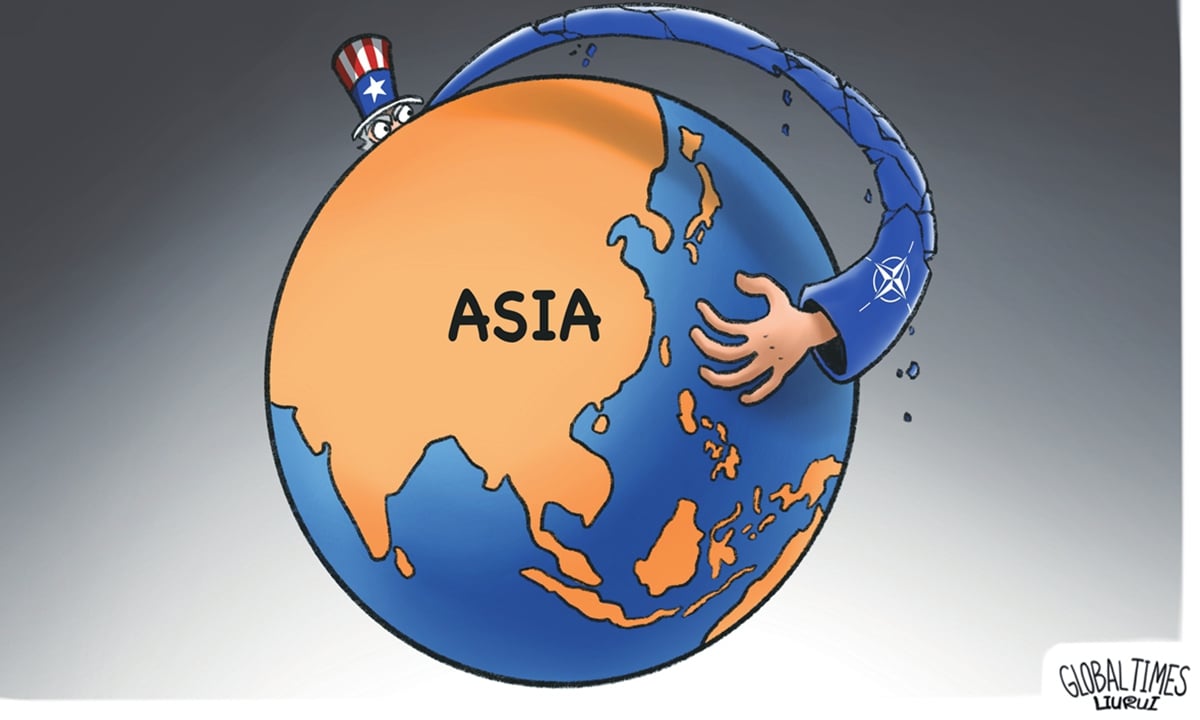
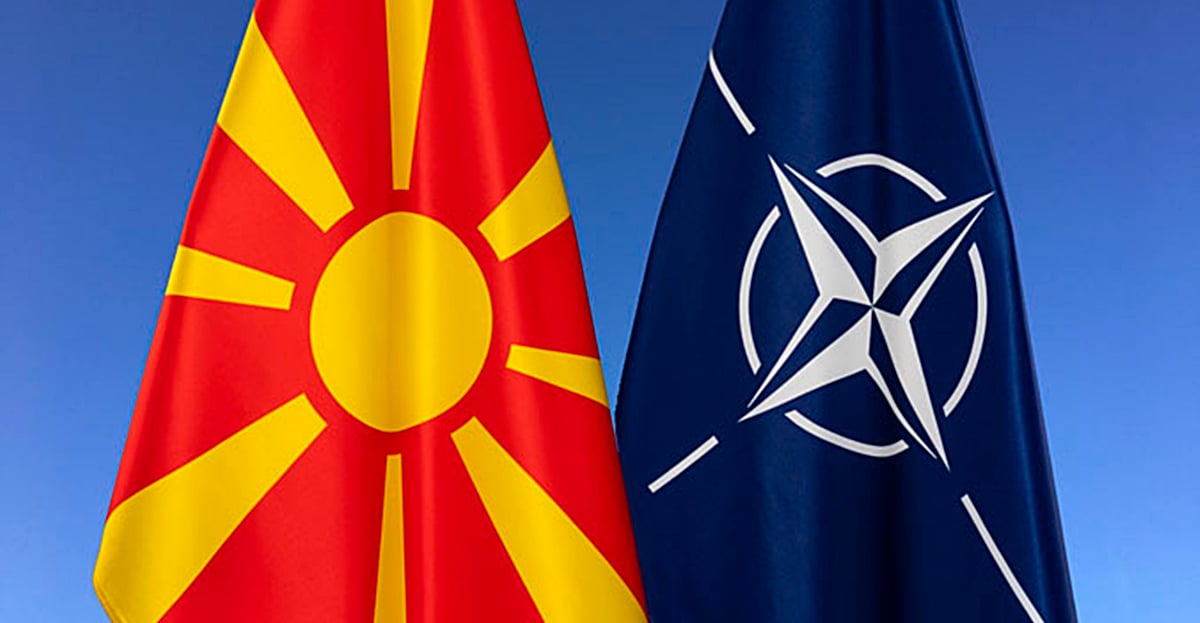
South Korea, Japan, Australia, and New Zealand sent their defence ministers to a NATO meeting in October 2024. While their heads of state and others have attended before, this was the first time these countries’ defence ministers joined. 
 This more military-operative attendance signals that NATO is serious about its expansion into this region. From a politico-psychological angle, it also shows that expansion for the sake of expansion has become the raison d’etre of the once-defensive alliance. NATO has been searching for such a reason to exist ever since the Soviet Union and the Warsaw Pact dissolved about 35 years ago, and, by all logic, it ought to have been closed down, too. The expansion happens in violation of NATO’s Treaty of 1949. That Treaty is a copy of the UN Charter, refers disputes to the UN and states (Art 5) that members of the alliance are obliged to support...
Eclecticism_90cm_300dpi_1200_100dpi
Making sense of China by snapshot is impossible without watching the film Gordon Dumoulin October 17, 2024 This is a chapter in a TFF anthology in the making – “If You Want To Understand China.” Foreword, Introduction, Authors and Table of Content here. Peter PeverelliEnemy or Mirror Image? ‘Scholars once thought secularisation is an irreversible trend in the age of modernity,’ a note by Chinese sociologist Zhao Dingxin (赵鼎新), Professor in Sociology at Zheijiang University (Hangzhou) and the University of Chicago when explaining the Daoist perspective that history does not progress toward some teleological terminus that can “lay claim to universal or eternal truths … because the significance and function of any causal forces invariably change with different contexts.” The Daoist perspective stands in stark contrast with the essay “The End of History” written by American political scientist Francis Yoshihiro Fukuyama in 1989. Fukuyama mentioned that the triumph of the...
Mahbu
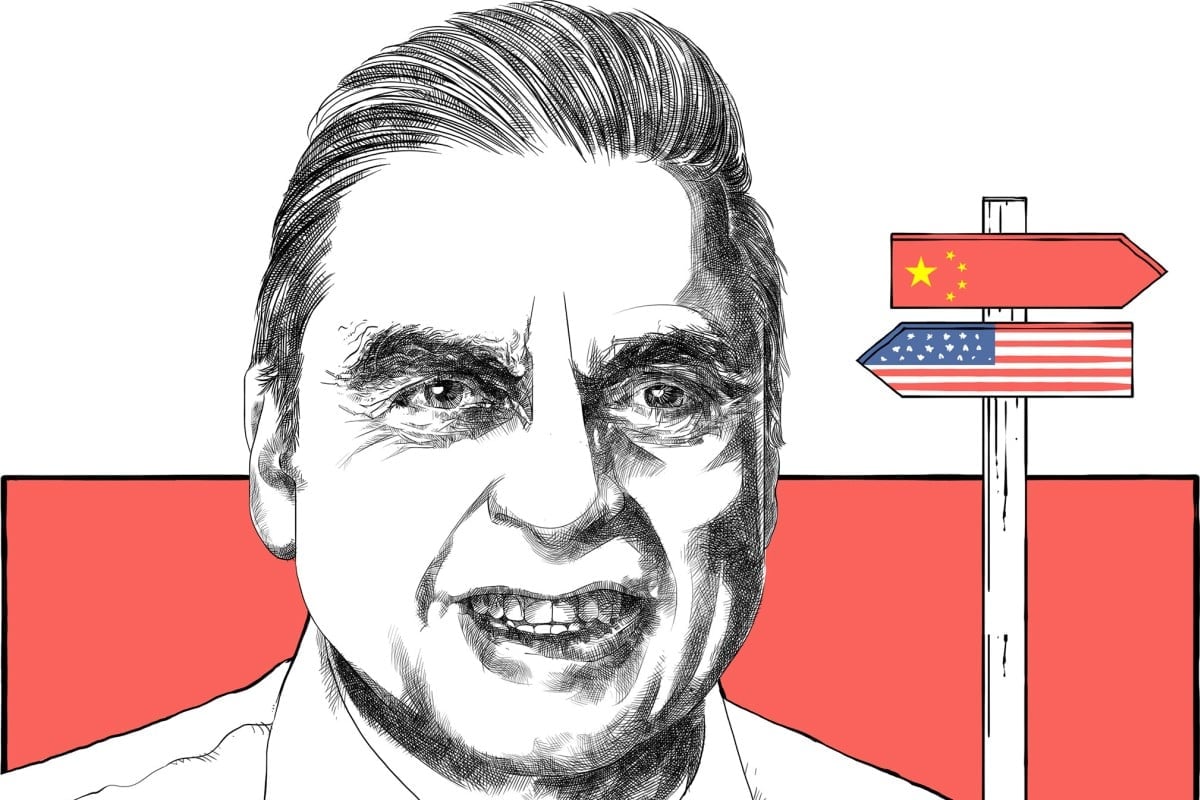
Veteran Singapore envoy on what the West gets wrong about China, Asean as a bellwether region and why the US should prepare for No. 2 status Dewey Sim of the South China Morning Post talks with Kishore Mahbubani on October 7, 2024 Seasoned former diplomat Kishore Mahbubani is a distinguished fellow at the National University of Singapore’s Asia Research Institute and author of nine books, including “Has China Won?” This interview first appeared in SCMP Plus. For other interviews in the Open Questions series, click here. You’ve predicted that the geopolitical contest between the US and China is set to intensify and stretch beyond the next decade. However, US national security adviser Jake Sullivan just visited China and a call between Presidents Xi Jinping and Joe Biden is expected soon. Are these exchanges a signal that things are looking up? I would say the best compliment that I can pay...
gazageno
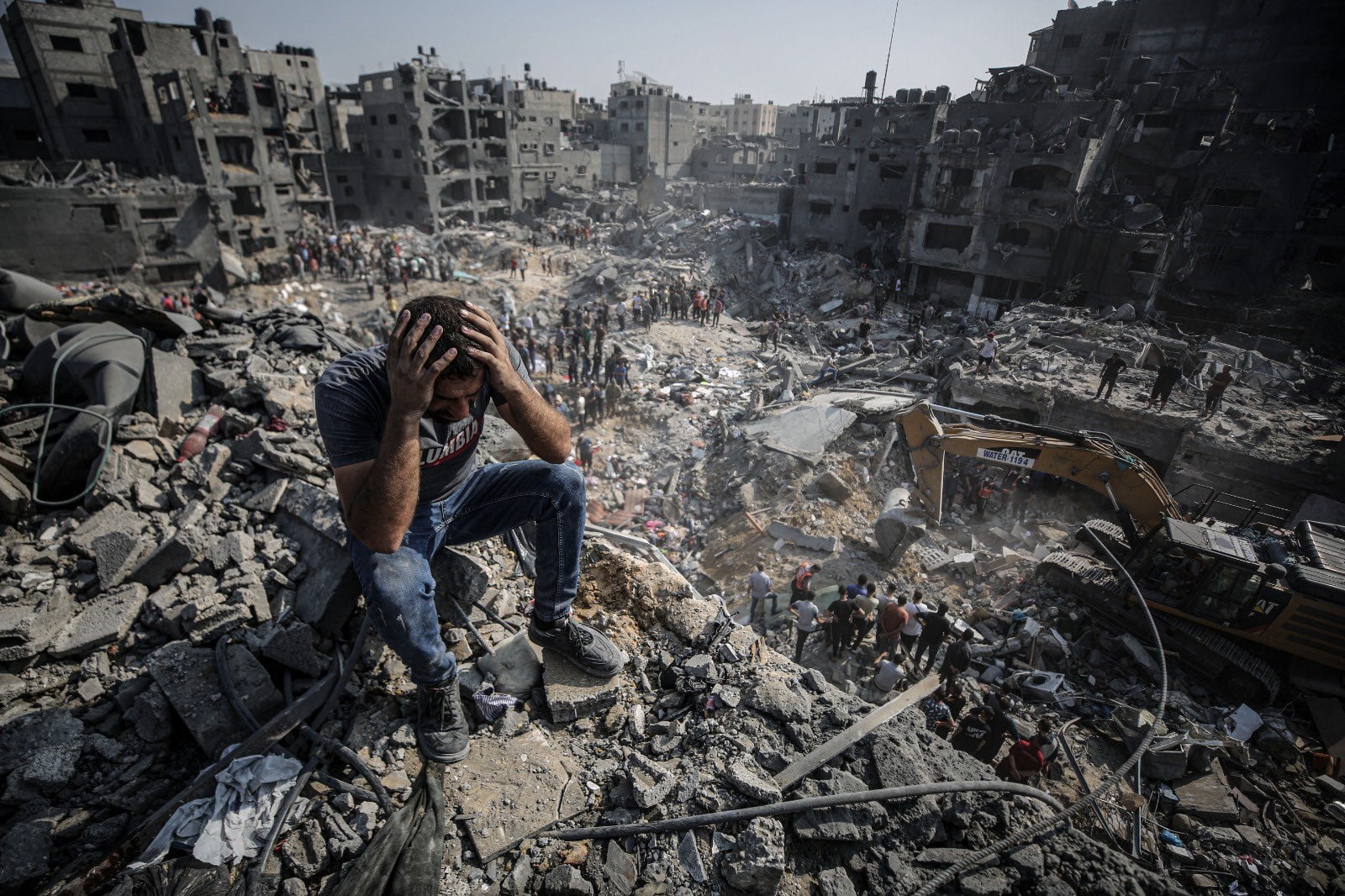
Richard FalkPrinceton professor emeritus and TFF Associate since 1986. October 7, 2024 Israel has long been renowned for its ability to shape public discourse pertaining to its behaviour toward the Palestinians, particularly in the West. Its greatest triumph is undoubtedly the manner in which it managed the media treatment of its response to October 7 (2023) in North America and Europe. Israel’s response was depicted as purely a matter of defensive security against Palestinian terrorists who staged an unprovoked and barbaric surprise attack by Hamas. This public distortion of the event gave the Western governments the political space needed to justify their closed eyes military, diplomatic, and intelligence support of Israel while genocide unfolded daily in Gaza. This article is drawn from two articles published on October 7, 2024, on the author’s blog. This political manipulation of this incident in the long struggle between Israel and Palestine has several different...
IMG_5336-2
Political scientist specialised in peace and conflict research. Professor and Head of the Global Changes Center at the Faculty of Philosophy, Ss. Cyril and Methodius University in Skopje, Macedonia – and TFF Associate Here I am, back from China—or more precisely, back from another planet, another dimension of space and time. For days, and even now as I write these words, I remind myself not to fall under the influence of those first powerful impressions from my initial encounter with such a magnificent country. China is too vast and too complex to grasp or understand through reading or just one visit. Even during my stay, impressions were rushing in so fast that I thought I was gathering material for many columns. Now, knowing that my next column coincides with the October 7th—the beginning of the bloody drama that turned into a genocide, which the sacred watches with eyes wide shut—I...
Boks
And its positive attitude to the West Jan Oberg Shanghai, China, September 16, 2024 When travelling around China, one of many things to note is that the Chinese are very positive toward the West, make use of Western inspirations, and know much more about the West than Westerners know about China.This is quite remarkable because, historically, China has been the object of ruthless Western colonialism and warfare as well as racism—e.g. the ”yellow fewer/danger” syndrome—while China has done nothing similar to the West. Here are some examples, big and small, of the mentioned knowledge and fascination of the West: • Many young Chinese have chosen to have a Western name, like, say, Alison or Kevin. They say it is difficult for us in the West to remember and pronounce Chinese names. • The Chinese know all the Western brands and gladly call their products something related to the West. They...
102e6a_91933646263c76535124e6a355c92b37_srz_3028_2042_85_22_0.50_1.20_0
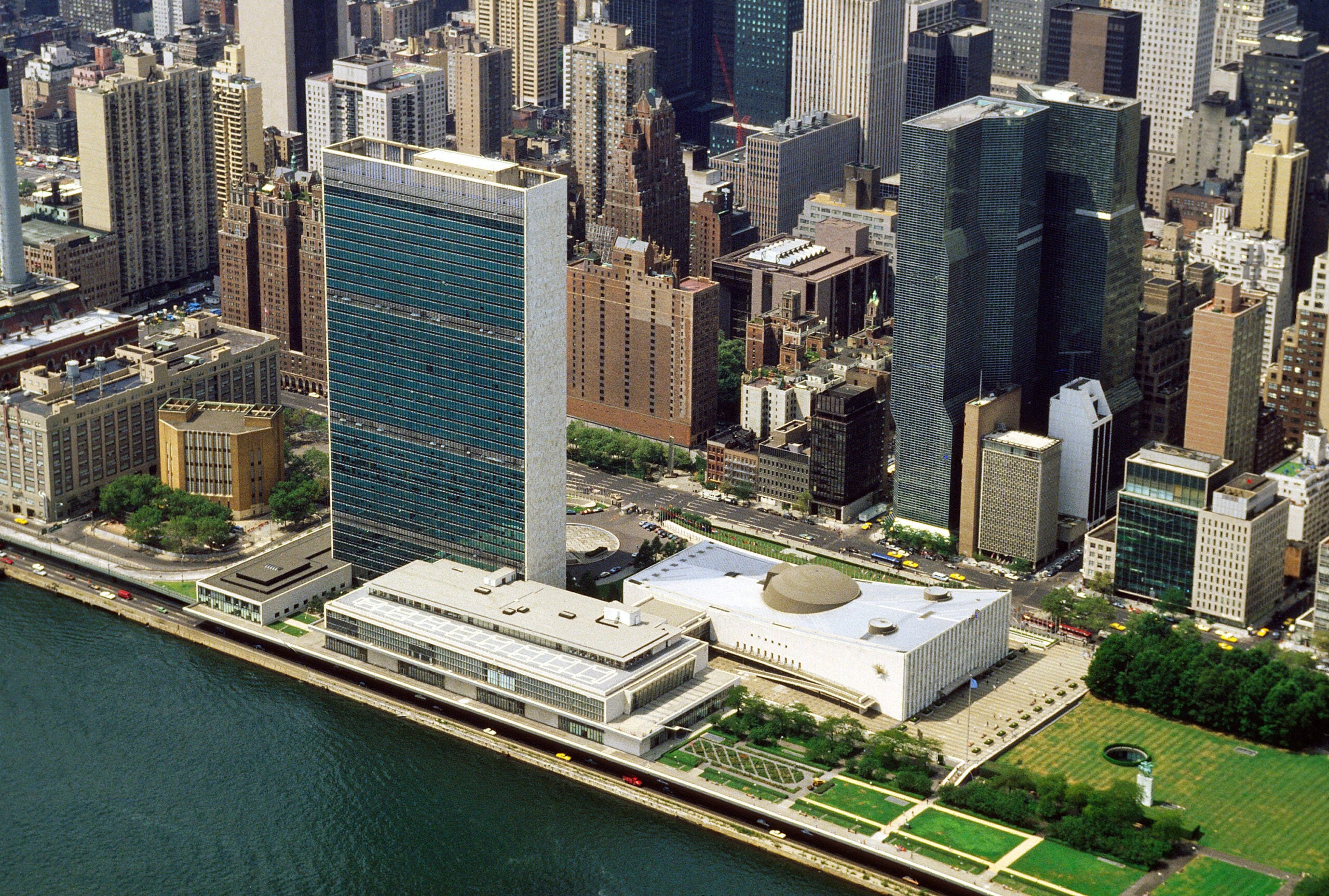
Contemporary reports of the birth of the United Nations in June 1945 in San Francisco warmly welcomed the news of its establishment and congratulated the United States for conceiving and delivering the new international organisation. President Truman’s remarks at the closing ceremony – “what a great day this can be in history” – were widely shared. There were enormous expectations that, in contrast to the discredited League of Nations, there was now a strong institution that would keep the peace and promote international cooperation. The momentum of San Francisco was maintained in the later months of 1945 in London where with the new Labour government and decisive leadership from the Foreign Office, the necessary practical measures were taken very quickly to put in place the principal organs, especially the Security Council, the General Assembly and the secretariat. A major deficiency of the Charter – the absence of provisions on human...
flags-macedonia-and-nato
It’s produced by The China Academy in Shanghai and speaks for itself with no need for an introduction.
Categories

Year

Author / Contributor

Region