United Nations

Category

Year

Author / Contributor

Region

Sort by

Showing 1-10 of 104 stories

2014-10-29-Peace
60 years of peace theory and peace practice can be summarized in:                                                 EQUITY x HARMONY                              PEACE =   ——————————-                                                 TRAUMA x CONFLICT Four theory foci, four policy tasks, and four education topics. Any true education should prepare for practice, guided by general theory. Moving from denominator right to numerator left, this means: Mediation is verbal, based on dialogues with the parties, but the four tasks are very concrete, practical.  For doers not only talkers; for practical people like officers.  Hence the Big Question: Is peace theory-practice-education compatible with the military mind – however defined, and there are many military cultures in the world – or not? Originally published at TRANSCEND Thinkers so diverse as Nietzsche and Gandhi saw the military as exemplary because of the ésprit de corps and willingness to sacrifice, even their own lives. For Gandhi the kshatriya (military) caste was a model: he wanted non-violent warriors, with the same perseverance, also indispensable...
61898c8628d848129d3fcd0b160773da_18
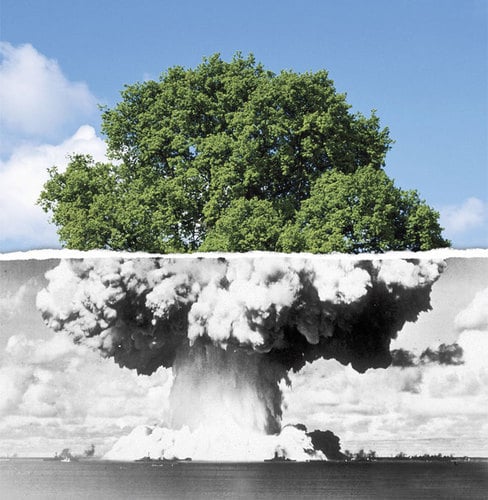
Richard Falk May 08, 2020 More than earlier crises of my lifetime, including the Great Depression, World War II, 9/11, the COVID-19 pandemic illuminates as never before, how precarious and uncertain is the future wellbeing, and possibly survival, of the human species. The concreteness, immediacy, and haunting uncertainties of the pandemic is quite terrifying on its own, but its heuristic pedagogy seems applicable to a range of potentially catastrophic threats of global scope, most obviously climate change, biodiversity, nuclear weaponry. Originally posted on Richard Falk’s blog on May 3, 2020 What we should now be able to realize even while asleep is that when the under-preparedness of governance and political leadership is based on ignoring a scientific consensus is combined with radical uncertainty and myopic nationalism the stage is set for planetary and species disaster, and not only personal grief and national emergency. These signature traits of the 21st century heighten...

ObergComment_OnSite
President Trump has taken one more step toward self-isolation of the US from the world community. This BBC post tells who the main contributors to the WHO were in 2018-2019 and – yes – you’ll see that the US was the largest contributor. But at least three things are striking. 1) The US contribution seems to be only US$ 400; that is the same sum Trump recently gave in military support to Ukraine. The price of just one Lockheed Martin F-35 Lightning II fighter aircraft ranges between US$ 90 and 115 million.In the larger scheme of things, the WHO is a cheap organisation and the real priorities of the US are crystal clear: We can’t afford millions on something so useless as the WHO. We have more useful things to spend our money on! 2) China contributes US$ 86 million to the WHO and doesn’t rank among the ten largest...
un-united-nations-e1494375595426
Stephen Schlesinger April 07, 2020 Sir Brian Urquhart celebrated his 100th birthday in 2019. This is an eventful moment. Sir Brian is one of the most notable figures in the history of the United Nations. Urquhart has spent most of his entire life in service to the UN and, in his tenure, embodied the very narrative of the institution from its inception. Urquhart served from the opening session of the UN in the fall of 1945 until he stepped down in 1986, just as the Cold War neared its end. His 40-year sojourn in the UN was a time of great fear and great upheaval – with the threat of atomic war hanging over humankind, extreme tensions between Communist nations and democratic ones, a series of conflicts risking mayhem around the world, the decolonization of the planet, the enlargement of the UN’s membership and the UN’s wholesale expansion into new...
earthmask-1024x623-1
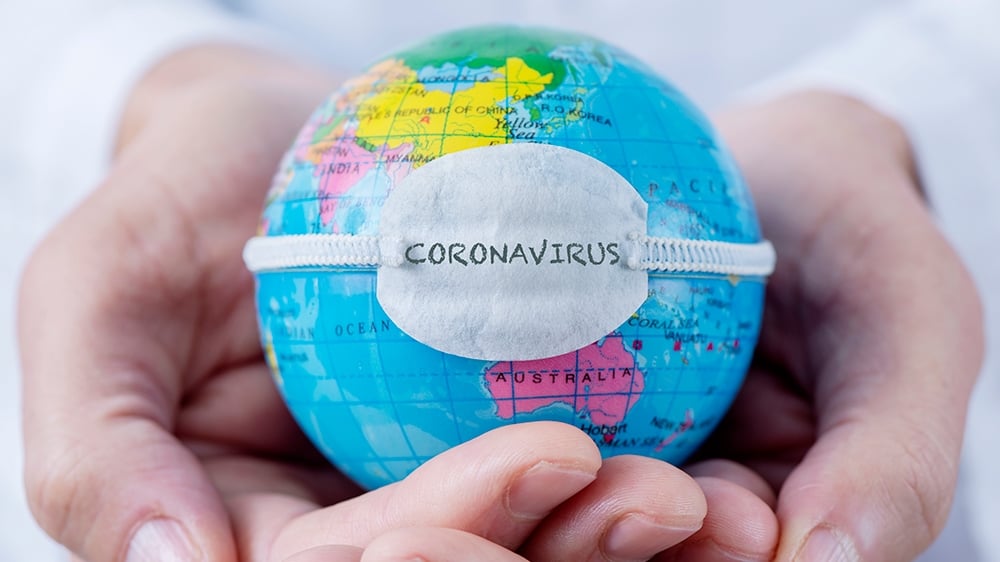
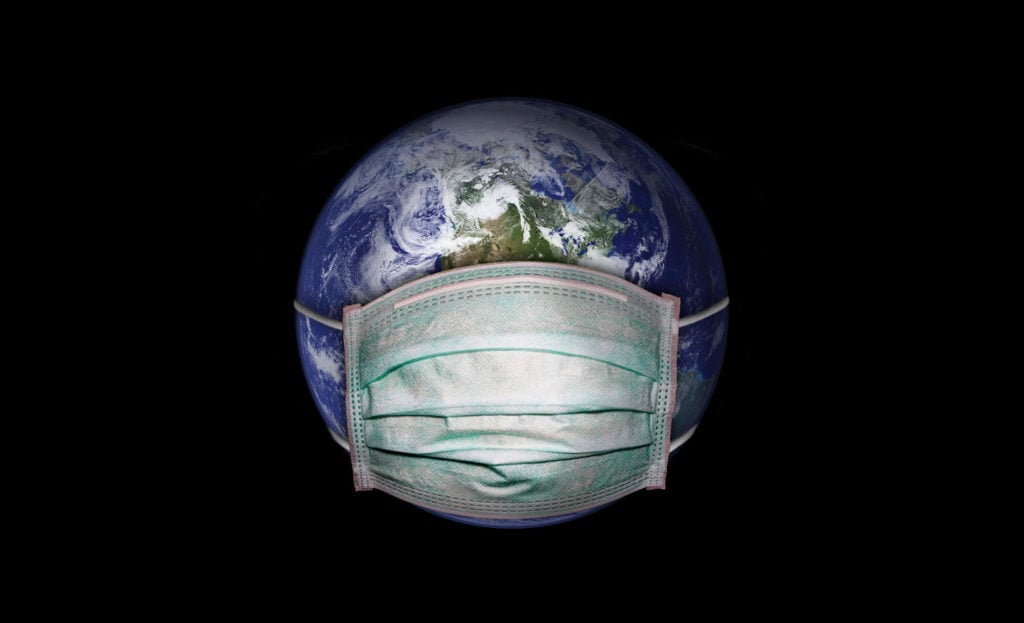
Part 1 Governments have spent trillions on preparing for military threats created by their own policies. No one prioritised human and societal security. The unique over-reaction to COVID-19 should worry us much more than the virus itself. It can be seen as a panicky attempt to cover-up the failure of an outdated militarist security policy. #coronaissecuritypolitics Part 2 of this series • Part 3 • Part 4 Jan Oberg April 2, 2020 The Coronavirus is a comparatively small killer Over the last 3 months, about 40.000+ people have died worldwide because of (or with) the Coronavirus. No other phenomenon in contemporary history has caused so many drastic decisions in democratic and authoritarian governments alike as thi pandemic. Constitutions, a series of freedoms, including the freedom of movement, and much else have been suspended and new emergency laws passed fast enough to qualify for the Guinness World Records. Not to diminish...
toHell
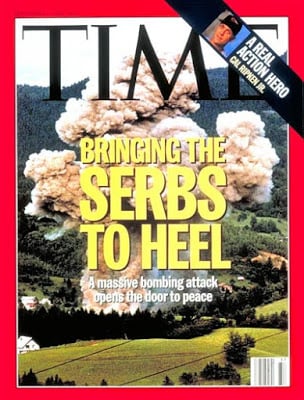
Text in TFF PressInfo # 560 It was NATO’s first out-of-area operation, against its own Treaty and without a UN mandate. On March 24, 1999. Independent Kosovo was established – against UN SC resolution 1244. Thanks to the Clinton administration and Madeleine Albright. CNN’s Amanpour endorsed it generously on TV with her State Department husband, James Rubin, a chief operator in the non-negotiations at Rambouillet. And TIME, of course, knew the truth too. Serbia suffered tremendously from the 78 days of indiscriminate, hard bombing. I know because I was there. Finally, Serbia and its president Milosevic was threatened with total destruction of Belgrade. And gave in. Western hubris after the Cold War was won? Of course! Russia was on its knees. International law and the UN Charter sidelined. Militarism embraced. Full-spectrum dominance. The winner takes it all! Right – but with the risk of losing it all later. It’s called...
RichardFalk
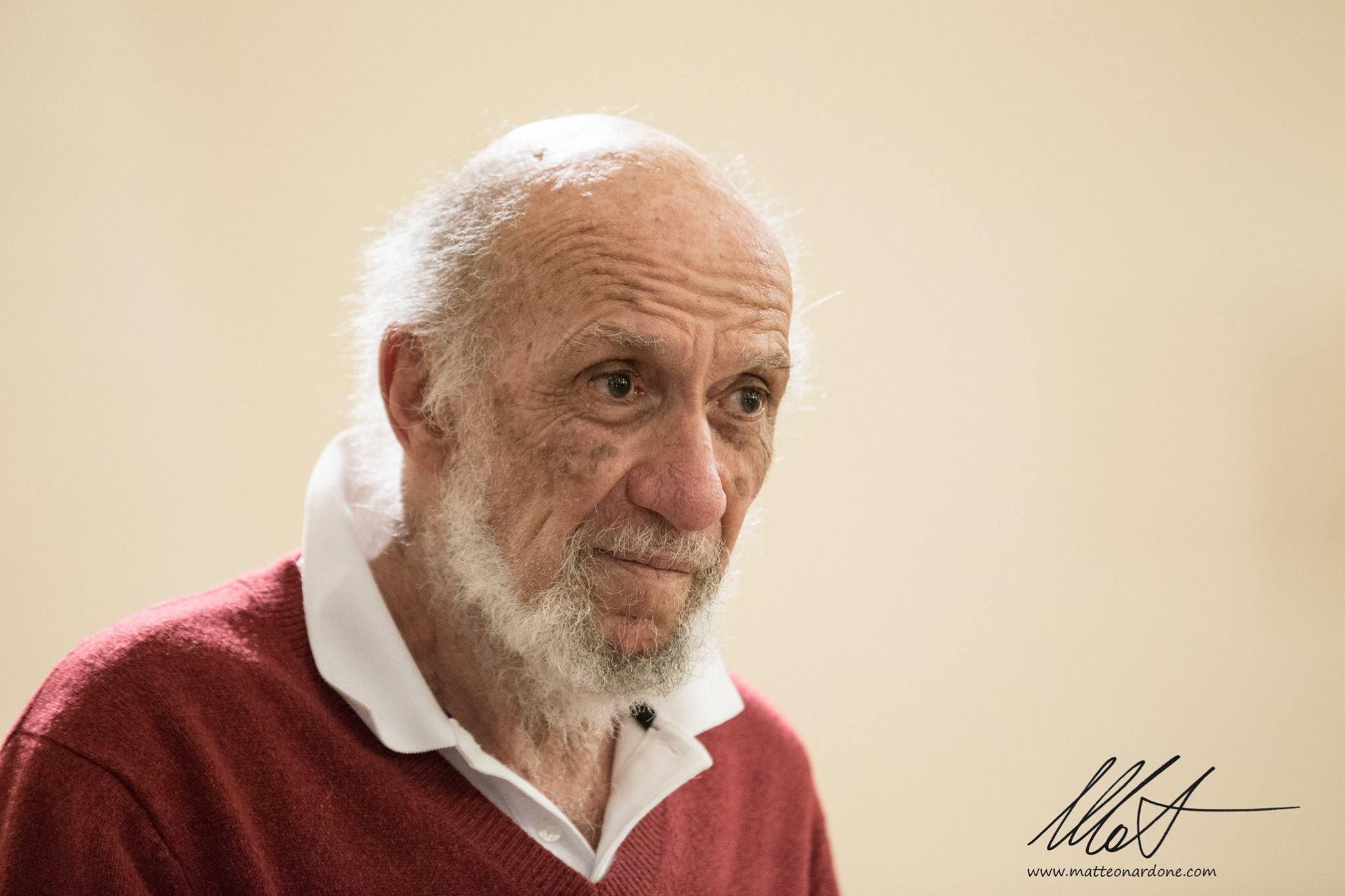
By Richard Falk, TFF Associate Januar 22, 2020 Prefatory Note: The post below is a somewhat amplified version of an interview with C. J. Polychroniou, journalist and professor of political economy at West Chester University, which was published on January 7, 2020, in the online journal, Global Policy. As the interview was conducted in December 2019, it fails to address the various disruptive consequences of the assassination of Qasem Soleimani, including the violation of Iraqi sovereignty, Baghdad being the site of the drone attack, as well as the risks of war arising from an escalating tit-for-tat cycle of actions and reactions. Given growing tensions between the interconnectedness of the world and the state-centric character of international law, including contradictions between totalizing and disregarding territorial sovereignty, state-centric world order is being increasingly marginalized by geopolitical behaviour that both generates and suppresses transnational political violence. A normative crisis with structural implications exists,...
StreetGarbage_Orig_1000-72dpi
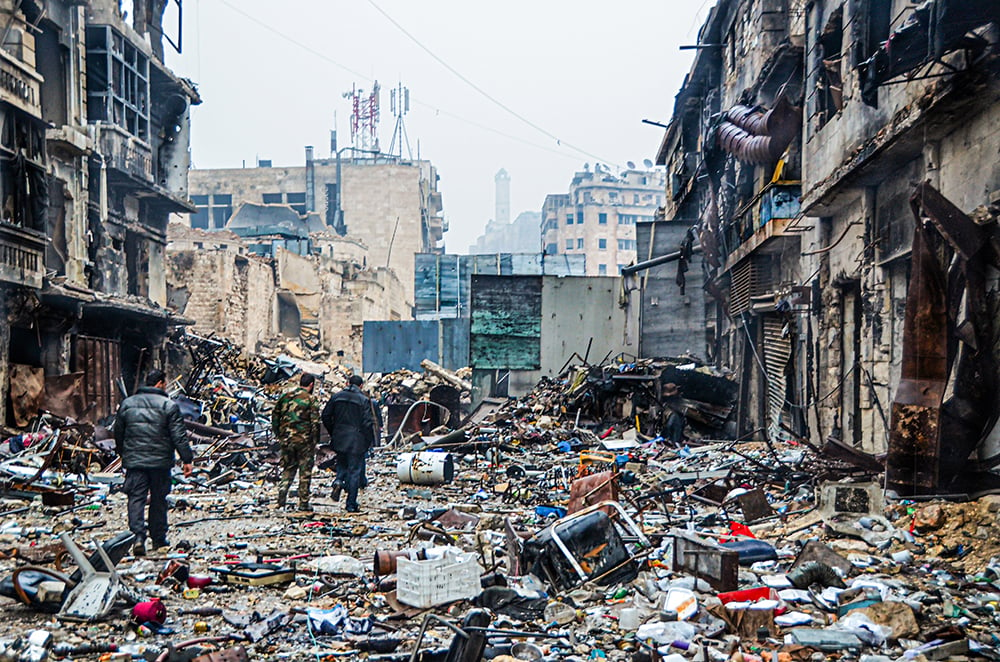
Photo – Eastern Aleppo, December 2016 – © Jan Oberg By Gordon M. Hahn January 17, 2020 If Western leaders are able to put aside the now worn-out cliches such as Russian Vladimir Putin ‘punching above his weight,’ ‘Trump handing Putin a victory on a silver plate’, not to mention ‘Trump as Putin agent’, there are serious lessons that they might still be able to draw from Putin’s looming victory in Syria.  Originally posted on Gordon M. Hahn’s personal blog on December 2, 2019 here First, the era in which the United States and/or the West (NATO) can dictate outcomes anywhere across the globe unilaterally has ended. Events in Syria are but the latest confirmation of this fact, but many in Washington and Brussels still do not see it. NATO expansion drove Russia into China’s arms, and the rest is history and the future.  Second, Washington and Brussels (NATO and...
AleppoGirl-761x1024
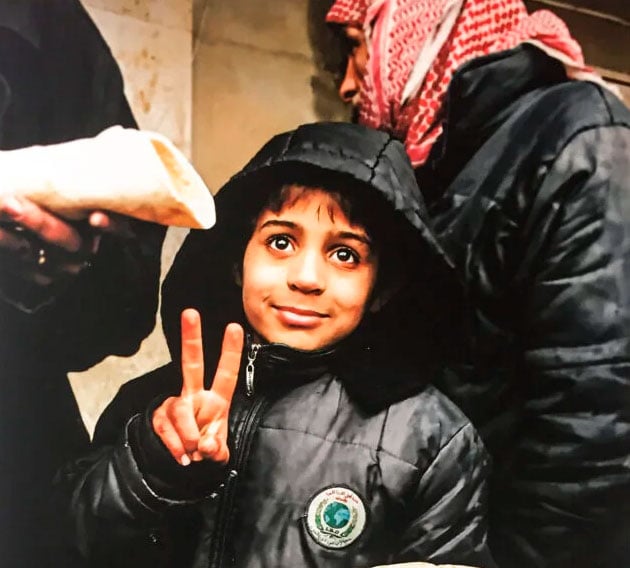
. On December 12, 2012, on the day, 4 years earlier, Western countries and allies – perversely calling themselves ‘Friends of Syria’ – carried through a regime change by statement and set up a Syrian National Council of people never elected by anyone in Syria and told the world that it was, from now on, the only ‘legitimate representative of the Syrian people!’ During the 4 years, Western, Saudi, Turkish and the Gulf States supported innumerable illegal, destructive and mainly foreign terrorist groups with the goal to undermine the legitimate Syrian government and destabilise the country – as had been recommended by US ambassador William Roebuck (1) in Damascus as far back as in 2006 (WikiLeaks documentation here). December 12, 2016, marked a fundamental turning point. Aleppo did not “fall to the dictator/butcher/mass murderer” aka President Bashar al-Assad – no, it was liberated and the occupation by terrorist groups such...
Mahatma-gandhiquote
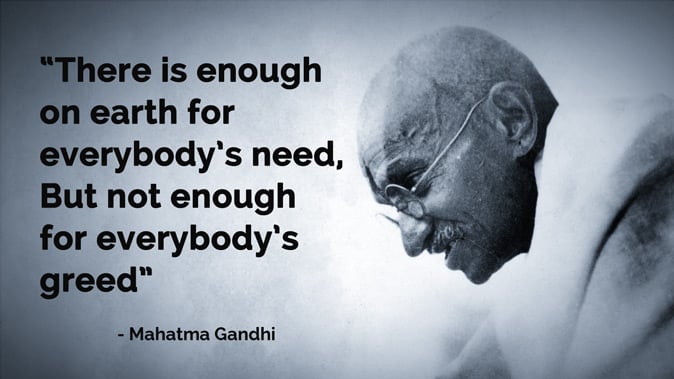
By David Cortright December 11, 2019 Last month I was invited by the Indian Permanent Mission to the United Nations to give a presentation on the International Day of Nonviolence, which was also the 150th anniversary of Gandhi’s birth. Below is the full text of my remarks, which were delivered at the United Nations headquarters in New York. Originally posted on Davidcortright.net on November 9, 2019 here In the remarks, I identified three aspects of Gandhian thought and action that are directly relevant to the challenge of protecting the environment and preventing climate disruption. At the end of my presentation, I added a brief comment on the situation in Kashmir, which seemed necessary to include in an event organized by the Indian government. “Gandhi’s message is highly relevant to today’s global climate crisis. I emphasize here three of his most important themes: simplicity, equity and nonviolence. Simplicity Gandhi became the “greatest...
Screenshot
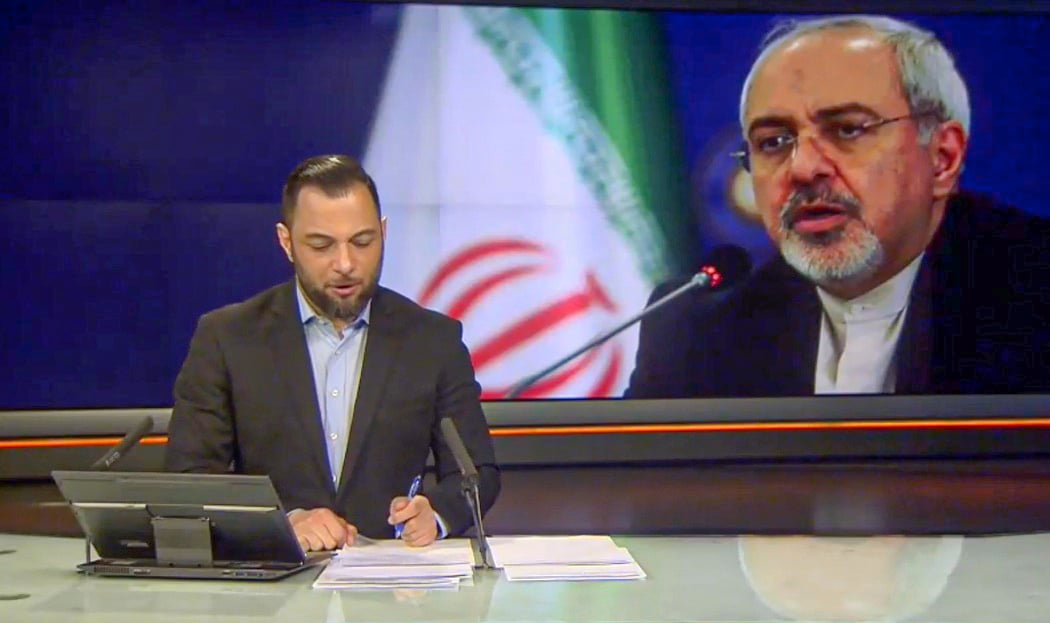
Here is the background – Germany’s, France’s and the UK’s letter to the UN Security Council accusing Iran of violating the 2015 nuclear deal. Iran’s PressTV asked me to comment on this issue in the larger framework of global nuclear policies.
OPCW-Den-Haag
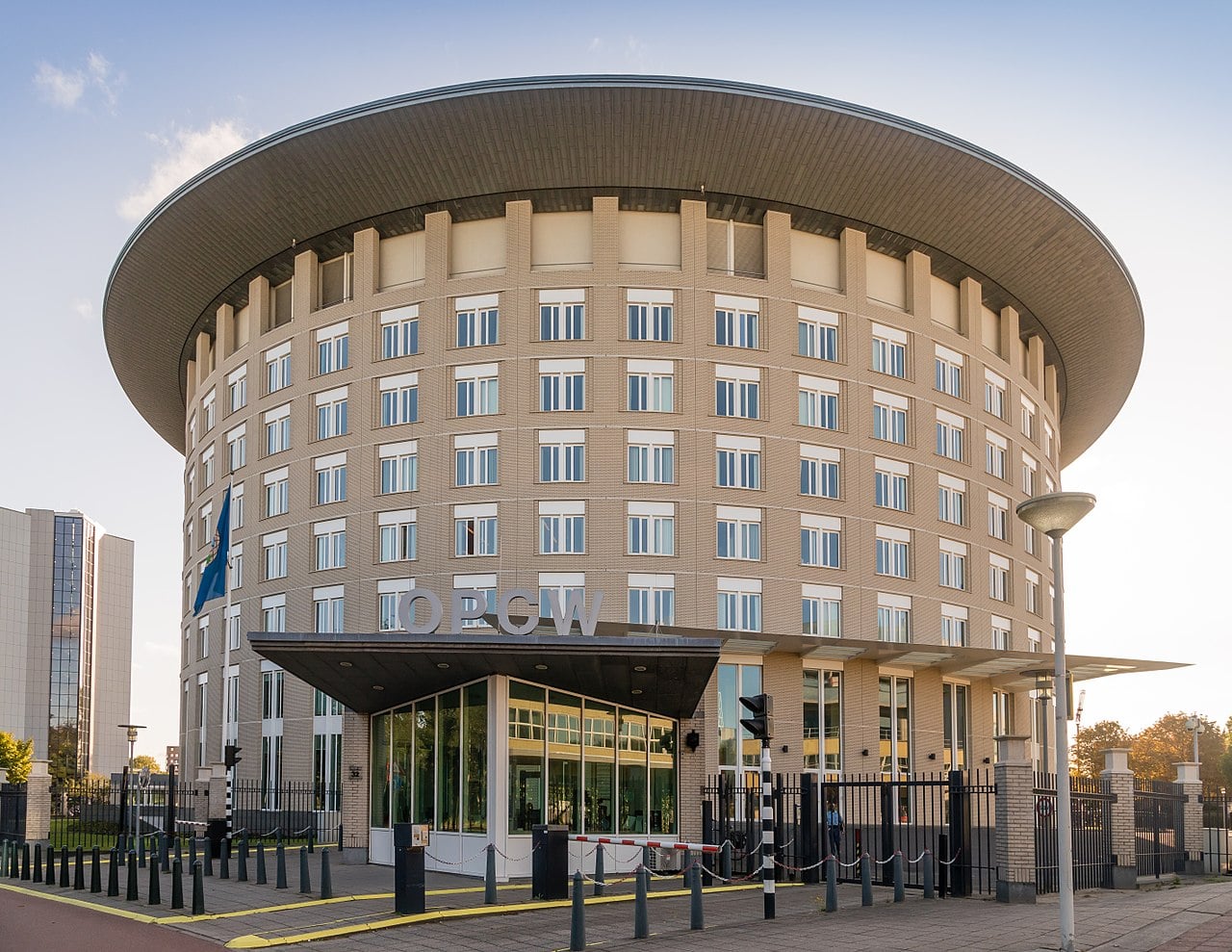
Following revelations of grave flaws in its Syria reporting, the Organisation for the Prohibition of Chemical Weapons (OPCW) must allow whistleblowers’ evidence to be heard at the coming OPCW Conference of States Parties.  That’s the message from the following public figures who have signed an Open Letter to OPCW permanent representatives: José Bustani, Ambassador of Brazil, first Director General of the OPCW and former Ambassador to the United Kingdom and France. William Binney, a former technical director at NSA George Carey, former Archbishop of Canterbury Noam Chomsky, Emeritus Professor, MIT Alain Chouet, former chief of the Security Intelligence Service within the French external intelligence service (DGSE) Marcello Ferrada de Noli, Professor Emeritus, former head Research group Cross-cultural Injury Epidemiology, Karolinska Institute. Chair Swedish Doctors for Human Rights – SWEDHR Anne Gazeau-Secret, former French Ambassador, The Hague Katharine Gun, former GCHQ (UKGOV), Whistleblower John Kiriakou, Former CIA Officer and Former Senior...
Categories

Year

Author / Contributor

Region