TFF Blog

The roll-down menus give you access to (almost) everything TFF Associates have produced since end of 2017 – their writings and videos, their media comment, broadcasts, essays and poetry.

The Treasures of their writings 2006-2012 can be found here.

And all that we published by them 2012-2017 is here.

Time to explore and see how world developments were processed over the years by one of the finest communities of genuine peace intellectuals and practitioners.
 

Category

Year

Author / Contributor

Region

Sort by

Showing 1-10 of 766 stories

papa-francesco
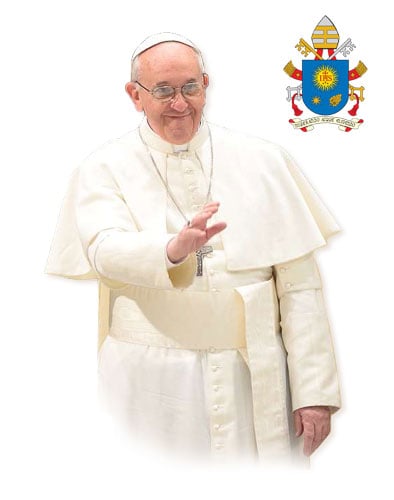
  – Pope Francis sent out a message that should have created headlines everywhere. It advocated a journalism for peace. The discussion of fake news has spread around the globe and there are all kinds of proposals on how to detect fake news and combat it – as the truly civilizational threat it is. Indeed one could day that fake is the debate 2017-2018. A quick DuckDuckGo search – no, I don’t use Google Search anymore because of its tracking and blatant censorship – reveals that a few leading US media took up the story, so did a series of religious media, of course, but the amazing statement didn’t obtain much attention. Objectively speaking, that is particularly strange since any editor and journalist should be professionally observant of a statement on their own profession from the leader of the world’s 1.2 billion Roman Catholics. But what can surprise you anymore...
GeneSharp
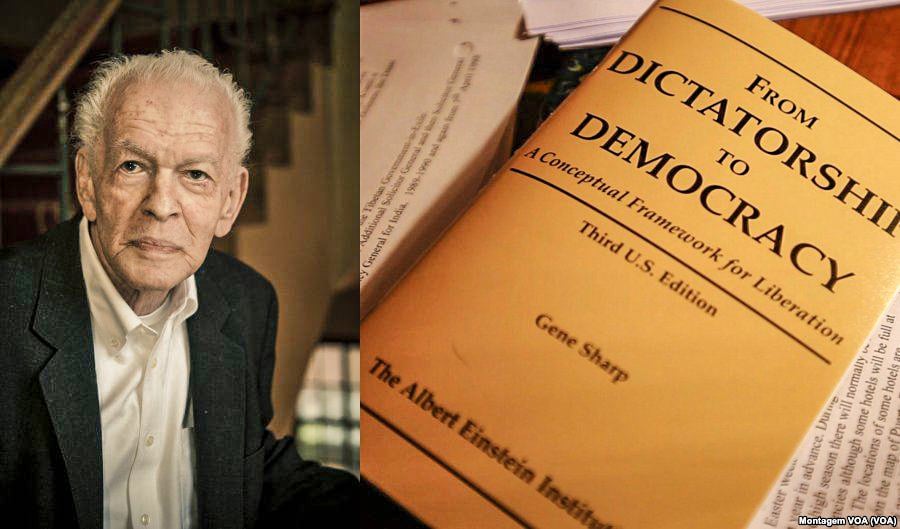
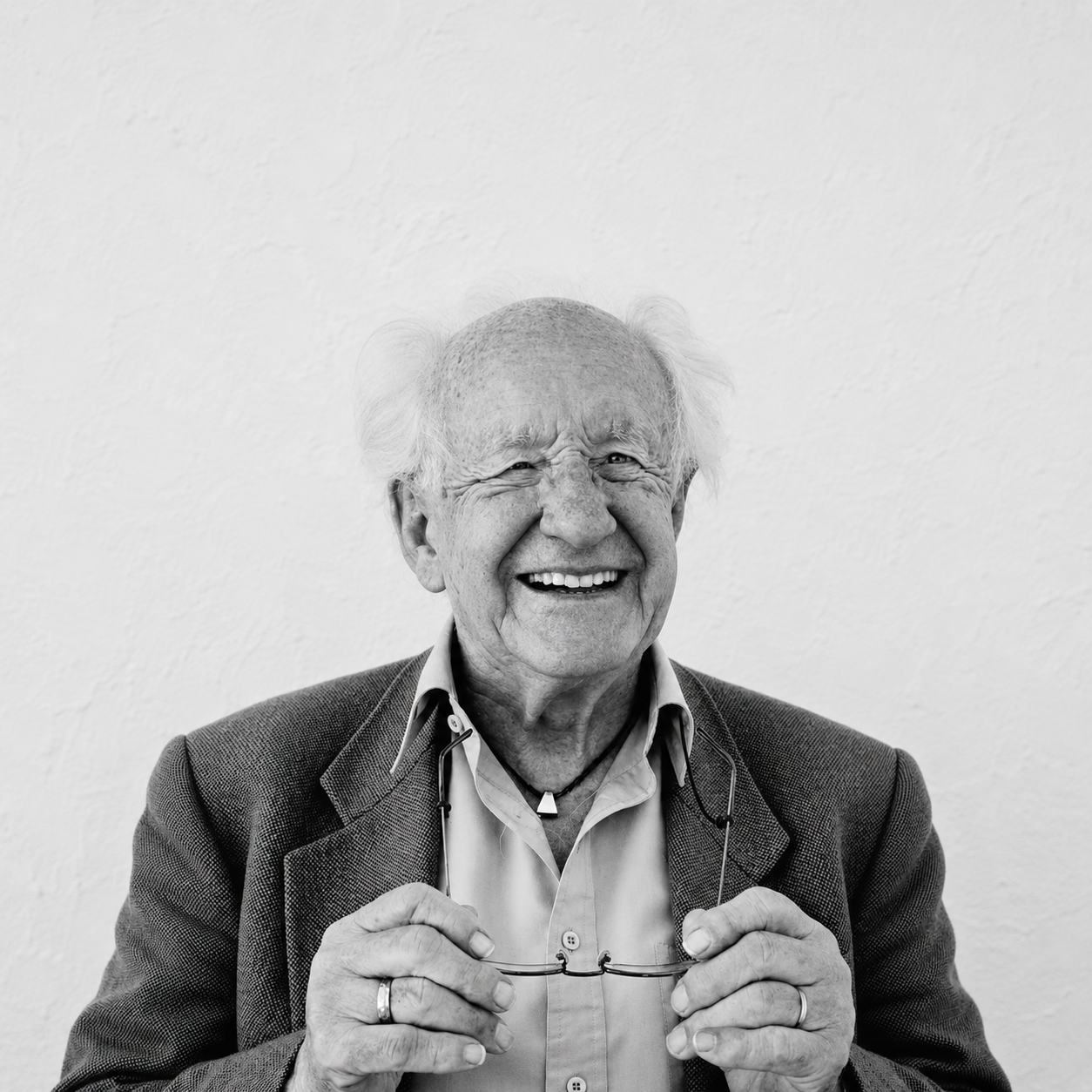
Obituary Just a week after his 90th birthday Gene Sharp passed away. The journal New Statesman once described Gene Sharp as the “Machiavelli of Nonviolence” and Thomas Weber labelled him “the Clausewitz of Nonviolent Action.” Who was this man and what is his contribution to our understanding of the possibilities to use nonviolent actions in large scale societal conflicts? Gene Sharp completed his baccalaureate in 1949, just a few scant years after the close of World War II, and quickly turned his attention to the study of nonviolence. After serving nine months in prison for being a conscientious objector to the Korean War, Sharp worked as secretary for A.J. Muste. He next joined the editorial team of Peace News in London before accepting an invitation from Arne Næss to join him in Oslo with Johan Galtung and others to study the philosophy and practice of Mohandas Gandhi. Throughout this time,...
ChatGPT Image 9 jun 2026, 11_11_33
    President Donald Trump said it would never happen. Now it is. During the election he said he did not want more interventions – no more Iraqs, no more Afghanistans,  Libyas or Syrias. A year into his presidency the American military is involved in all these places and he’s aching to get boots on the ground in North Korea and perhaps even Iran. At least he’s not thinking about it in Ukraine – that would really set the cat among the pigeons. Last week his secretary of state, Rex Tillerson, said that waging war in Syria is “crucial to our national defence”. This is a big deal but few seem to be talking about it. The pundits and congressmen are either asleep at the switch or taking a holiday. It’s true that Barack Obama initiated this Syrian intervention but he never intended it to be an occupying force but...
Screenshot
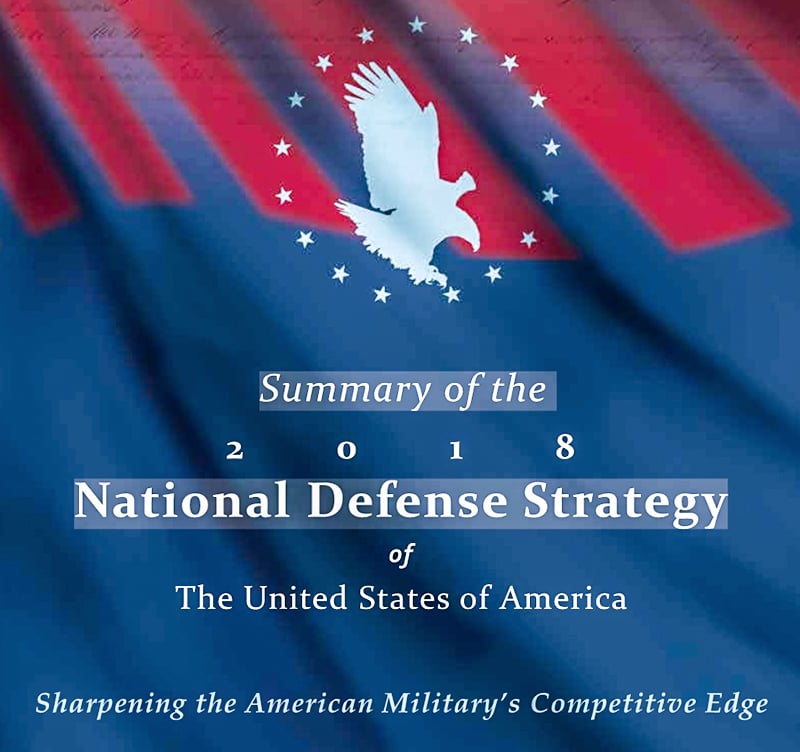
    Excerpts from Summary of the 2018 National Defense Strategy of the United States of America: “For decades the United States has enjoyed uncontested or dominant superiority in every operating domain. We could generally deploy our forces when we wanted, assemble them where we wanted, and operate how we wanted. Today, every domain is contested air, land, sea, space, and cyberspace.” In plain words: An admission of two things, namely that the US considers it right, or natural, to dominate the entire world and do what it pleases. And that it’s relative power is decreasing. • 
”Challenges to the U.S. military advantage represent another shift in the global security environment. Our network of alliances and partnerships remain the backbone of global security. China and Russia are now undermining the international order from within the system by exploiting its benefits while simultaneously undercutting its principles and ‘rules of the road.’...
FarhangOld
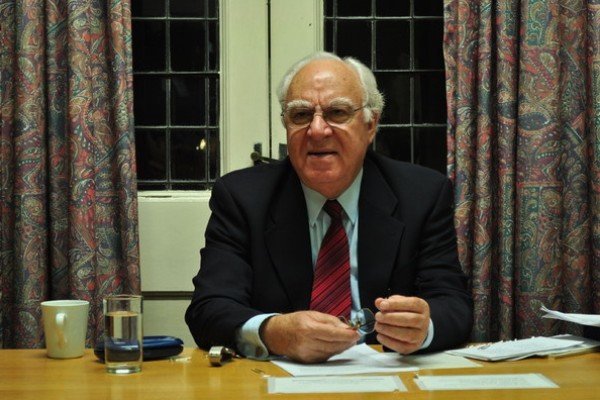
By Javad Heirannia, The Tehran Times January 24, 2018   TEHRAN – Professor Farhang Jahanpour, part-time tutor on the Middle East in the Department of Continuing Education at the University of Oxford, tells the Tehran Times that “President Trump’s recent speech on Iran was the most belligerent speech by any U.S. president about Iran since the Iranian revolution.” “As everybody knows, the Joint Comprehensive Plan of Action (JCPOA) was not a bilateral agreement between Iran and the United States,” Jahanpour tells the Tehran Times in an exclusive interview. Following is the full text of the interview:   Q: President Trump has decertified the JCPOA. How important is this decision for the survival of the nuclear agreement? A: President Trump’s recent speech on Iran was the most belligerent speech by any U.S. president about Iran since the Iranian revolution. However, its importance for undermining the nuclear agreement should not be exaggerated....
LoudAnd
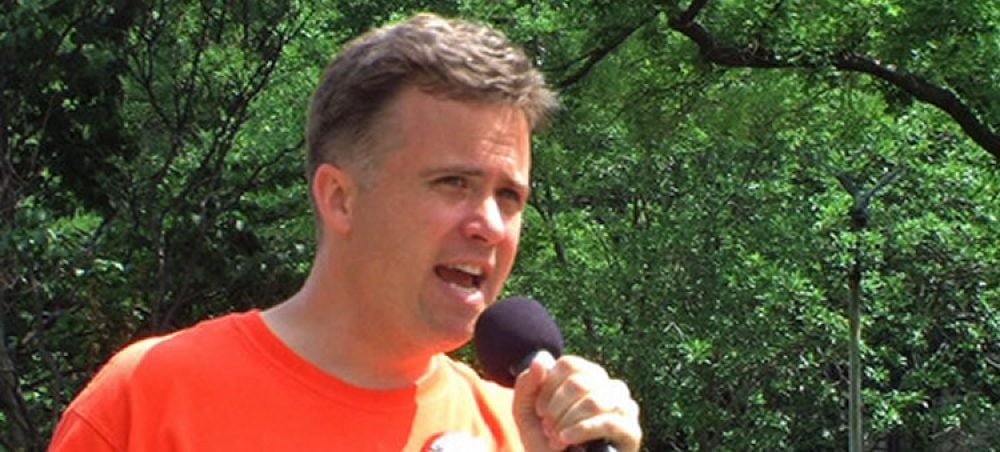
By Jan Oberg • Interview on “Loud & Clear” of Radio Sputnik, New York, January 22, 2018   Other posts about this issue Jan Oberg, The 2018 US National Defence Stratgey In Plain Words: Tragi-Comic! Defence News  
ChatGPT Image 9 jun 2026, 11_11_33
  • Last week, the American secretary of defence, Jim Mattis, declared a new era: “There has been a return of great power competition……great power competition – not terrorism- is now the primary focus of US security”. In the new national defence strategy document China and Russia are singled out as “adversaries”. Although the US is now spending on defence three times as much as China (1.7% of its GNP as against America’s 3.3%), Mattis is worried that the US’s military advantage over its adversary has eroded “in every domain of warfare”. The military, he said, “was coping with “inadequate resources” and he called for Congress to appropriate it more billions of dollars. Pro Mattis/Trump analysts are arguing that China could be set on replacing the US as the hegemon of East Asia and will then start projecting military power into other regions, even the West. They claim that military...
Tillerson
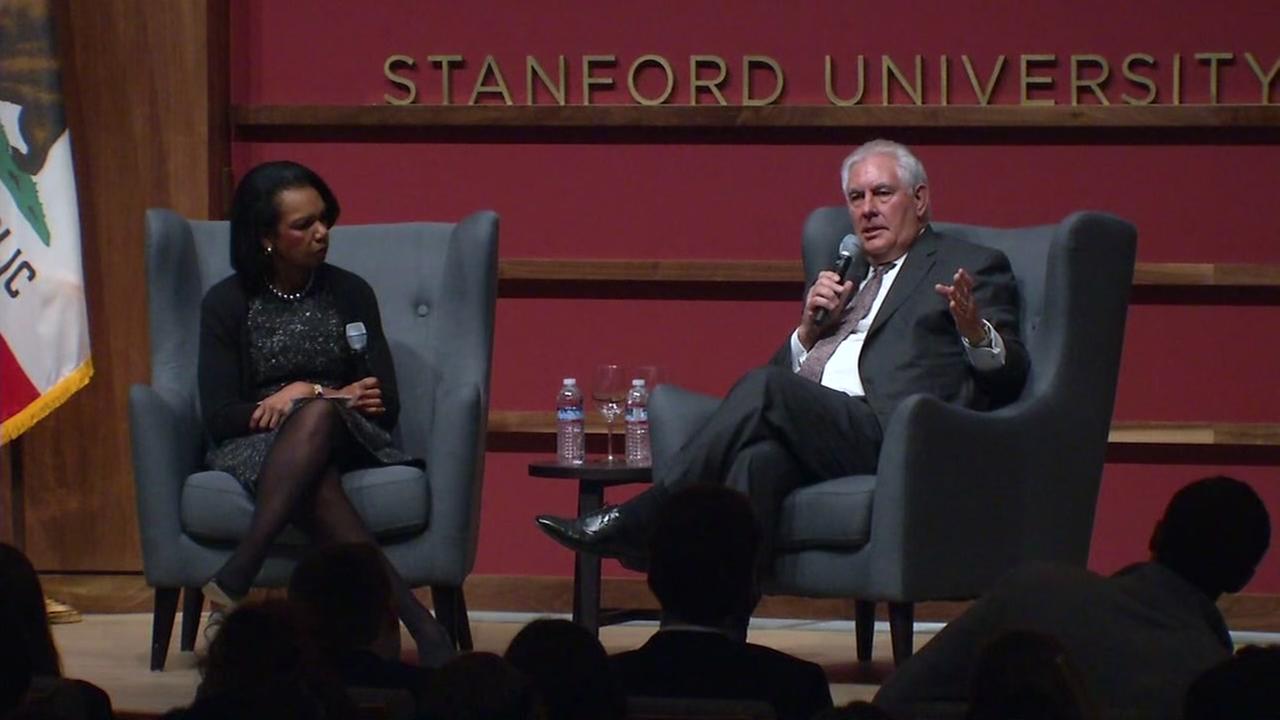
Most media covering the speech that US Secretary of State, Rex Tillerson, gave at the Hoover Institution on January 17, 2018 merely points out that he said that the United States would stay in Syria – open-ended – in the future and until President Bashar al-Assad has left the scene. Read the full speech here. Reuters even twists it all to mean that the US is now more patient about Assad’s removal. Before I continue it is a significant sign of the Western crisis, including moral and legal decay, that it raises few eyebrows – and none in NATO circles – that a top official of the leader of the Western world: a) expresses no regrets about anything done so far in this conflict or in the larger Middle East, b) states clearly that it will continue what must in legal terms be characterized as foreign military aggression and presence...
johangaltung
Foreword to Michael Haas’ Book What is that American Diplomacy, after US bombing killed 3,5 million in Pyongyang in 1952 and the US Army killed 3 million in Vietnam from 1961 (Kennedy) to 30 Apr 1975 (Ford)?  Softer? This very rich, well researched book by Michael Haas–a senior, major US political scientist–gives detailed “softer” empirical, factual answers in Part II.  Indeed, highly recommended. In this foreword, however, I will explore US deep culture implications for US foreign policy, close to “American Diplomacy”. The US self-image as successor to Israel as MFN – most favored nation – by God, with Chosen People-Promised Land, CPPL, status, is from 1620, on Mayflower. Since about Year 70 Israel clearly no longer enjoyed CPPL status; that was under King David and under King Solomon. The position as CPPL was empty, may those with credentials apply. Puritan Pilgrims from East Anglia via Leiden in Holland, did,...
IranColoured
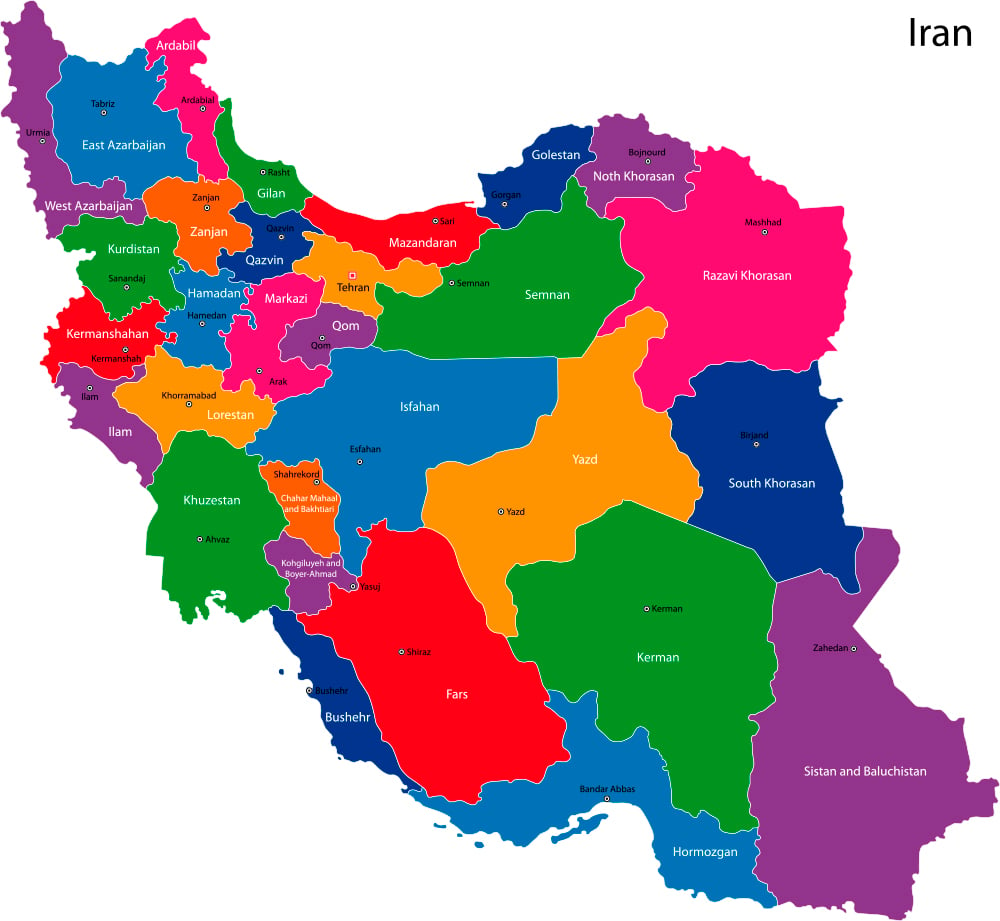
/01/16/the-islamic-republic-of-hysteria-iran-middle-east-trump/”>Stephen M. Walt’s “The Islamic Republic of Hysteria” published in Foreign Policy on January 16, 2018 is the one you should choose. Here is how Walt’s starts out – “In October, the White House announced that moving forward, the official U.S. policy is aimed at “neutralizing Iran’s destabilizing influence and constraining its aggression.” … “Yet this ongoing full-court press against Iran makes little sense because it is nowhere close to being a regional hegemon. If anything, the willingness of pundits and politicians to embrace this alarmist fantasy says more about the cavalier nature of U.S. strategic discourse than it does about the actual challenge Iran may pose.” And here is Walt’s conclusion – “The bottom line is that an all-out campaign to counter an Iranian hegemon is unnecessary. Unfortunately, there is little reason to think the Trump administration will recognize this and adopt the sensible course outlined here. If it...
cropped-davidindc-1-e1516137163905
By David Swanson Remarks at Peace and Justice Studies Association Conference in Birmingham, Alabama, October 28, 2017. Thank you for inviting me. Can everyone who thinks that war is never, and can never be, justified please raise your hand. Thank you. Now if you think every war is always justified. Thank you. And finally all the moderates holding the balanced subtle middle ground: some wars are justified. Thank you. You may not be surprised to hear that this room is not typical of this country. Typical is for absolutely everyone to pile into that last group. The relationship between peace and war is clearly not understood by the U.S. public as along the lines of that between alive and dead. Peace and war are things people imagine can coexist. In Virginia, where I live, a school board member once said he would support recognizing the international day of peace as...
fjahanpour
By Javad Heiranni The Tehran Times, January 14, 2018 TEHRAN – Professor Farhang Jahanpour, part-time tutor on the Middle East in the Department of Continuing Education at the University of Oxford, tells the Tehran Times that “It should be remembered that a greater part of the statement released by President Trump is for domestic consumption, and also it is a face-saving formula to persuade his base that he has remained firm in his decision.” “The nuclear agreement does not prohibit the development of ballistic missiles by Iran,” Jahanpour tells the Tehran Times in an exclusive interview. He also adds that “The Security Council Resolution that confirmed the deal, in an annex “calls on Iran” to refrain from manufacturing ballistic missiles, but it has been made clear that it is not a binding requirement.” Originally published by The Tehran Times here Following is the full text of the interview:   Q:...
Categories

Year

Author / Contributor

Region