Sociology

Category

Year

Author / Contributor

Region

Sort by

Showing 1-10 of 76 stories

The-future-is-now
Photo credit: wsimag.com Ellyn Kaschak April 16, 2021 It is definitely nothing that has come before All of us alive on the planet today are part of the most significant transition in centuries, whether we know it or not, whether it has touched us lightly or heavily and whether we choose to be or not. Not since the Industrial Revolution has such a total and radical social upheaval occurred. As with most major cultural shifts, this one follows a technological innovation of which we are all aware and that is the invention of the Internet along with its ready accessibility on a handheld ubiquitous device. Originally published at World Street International This dependence on technology to spur social change has been the case perhaps since the first person to do so created the wheel. Automobiles and air travel, movies and recordings changed the lives of those who lived in those...
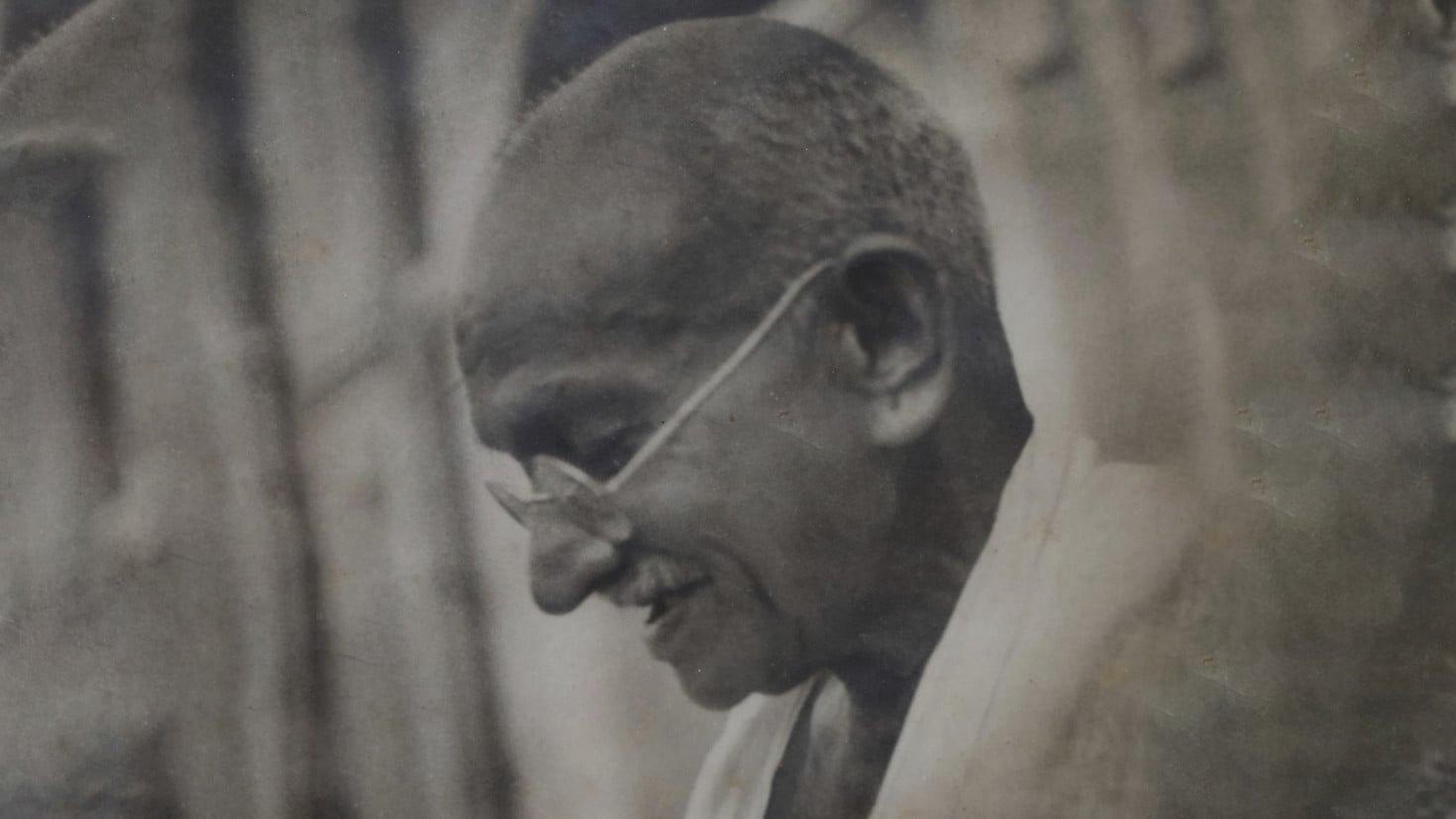
Mahatma-Gandhi-ph-Rajni-Kothari
(Mahatma Gandhi, ph. Rajni Kothari, photo credit: Wall Street International) March 2, 2021 Ashish Kothari In a world that is increasingly torn by conflicts and crises of many kinds. On October 2, political and business and religious leaders in India and elsewhere remember Mahatma Gandhi, sing his praises, and pledge to live by the ideals he espoused. A day later, or perhaps the same evening, he is left behind as suddenly as he was remembered that morning. Worse, they get back to assassinating him and the ideals of non-violence, self-reliance, universal well-being, that he lived and died for. And yet it is worth asking: in this 151st birth anniversary month, does he still hold relevance in a world that is increasingly torn by conflicts and crises of many kinds? Originally published by Wall Street International Interestingly, over the last few years there appears to have been a rekindling of attention to...

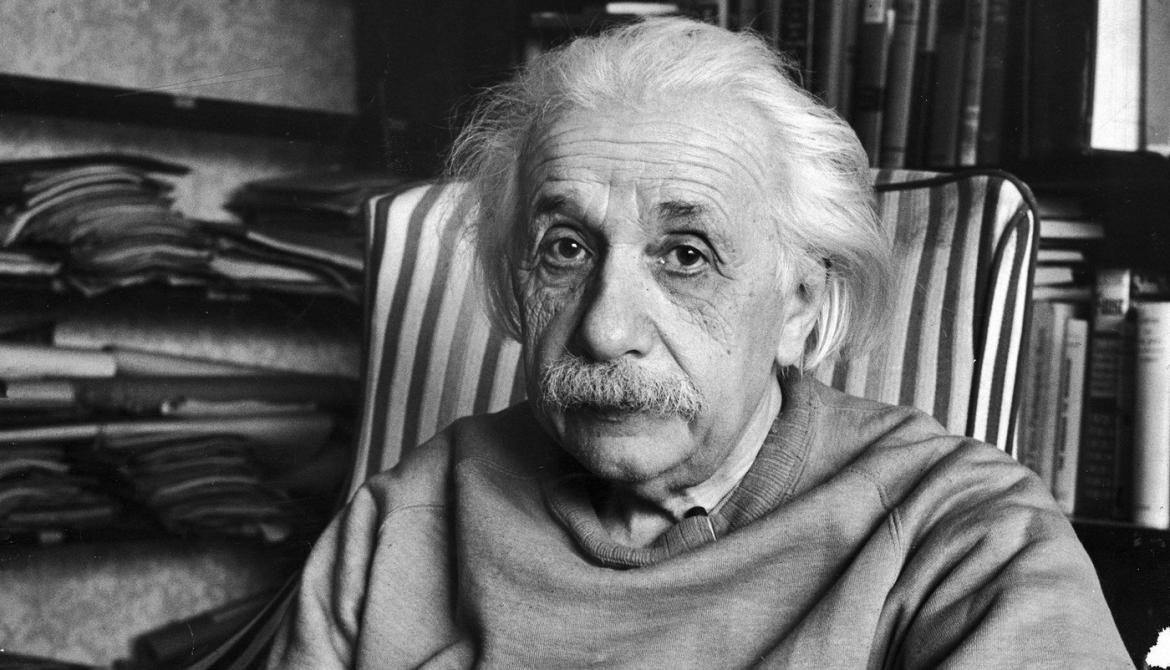
albert-einstein-05-1170x670-1
Albert Einstein February 27, 2021 (Originally published in May 1949) Is it advisable for one who is not an expert on economic and social issues to express views on the subject of socialism? I believe for a number of reasons that it is. Let us first consider the question from the point of view of scientific knowledge. It might appear that there are no essential methodological differences between astronomy and economics: scientists in both fields attempt to discover laws of general acceptability for a circumscribed group of phenomena in order to make the interconnection of these phenomena as clearly understandable as possible. Originally published by Monthly Review But in reality such methodological differences do exist. The discovery of general laws in the field of economics is made difficult by the circumstance that observed economic phenomena are often affected by many factors which are very hard to evaluate separately. In addition,...
millions-of-new-poor
Photo credit: wsimag.com By Roberto Savio December 5, 2020 The recent meeting of the G20 – scheduled to take place in Riyadh but held virtually due to the Coronavirus pandemic – has been an eloquent example of how the world is drifting, in a crisis of leadership. It was, in a sense, a showcase. Everybody had to accept the view that the host of the meeting, the ailing King Salman of Saudi Arabia, was accompanied on TV screens by his apparent heir, Prince Mohamed bin Salman, who is clearly the mastermind of the brutal assassination, dismembering and disappearance of the body of dissident Saudi journalist Jamal Khashoggi. Originally published at the Wall Street International Mohamed bin Salman got away with it, also because of the support of Donald Trump who, in his video intervention said, among other pearls, that nobody in US history had done as much as he had...
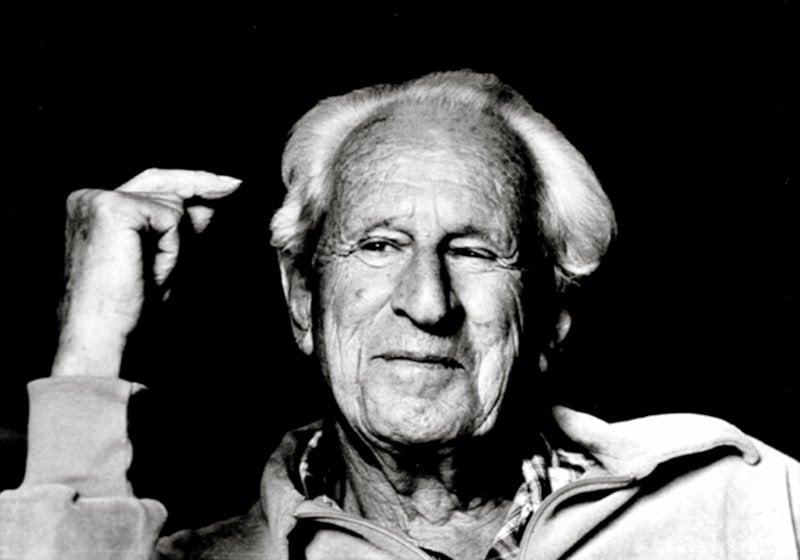
herbert-marcuse
Fifty years later, One-Dimensional Man looks more prescient than its author could have imagined. Ronald Aronson November 23, 2020 When Herbert Marcuse’s One-Dimensional Man appeared fifty years ago, it was a revelation. To many of us who were becoming the New Left, Marcuse reflected and explained our own feeling of suffocation, our alienation from an increasingly totalitarian universe that trumpeted its freedom at every moment. We had grown up in it, we had encountered it in Allen Ginsberg’s Howl; but until One-Dimensional Man, we could scarcely understand, let alone describe, it. A student of Marcuse’s, I wrote at the time in Radical America that the book was “a major step in our breaking out of that closing universe. By naming it, by helping us to get conscious of it, by conveying its overwhelming power, [Marcuse] helped us to define ourselves in opposition to it—total opposition.” Originally published af Boston Review He spoke to a deep sense of...
US-VOTE-TRUMP
Photo credit: Donald Trump at a rally in Montoursville, Pennsylvania. Source: AFP/Getty Images/sbs.com The Frankfurt School on the appeal of authoritarianism – and how to counteract it. By Charles H. Clavey* November 5, 2020 A number of recent books have put the methods of the social sciences in the service of understanding Trump, his movement, and his enablers, from Russell Muirhead and Nancy Rosenblum’s A Lot of People Are Saying (2019) to Jennifer Mercieca’s Demagogue for President (2020). But it may be equally constructive to examine the older works of social science and theory upon which these new studies, at least implicitly, rest. On this list would be canonical sociological studies such as Max Weber’s Economy and Society (1922) and historical essays such as Richard Hofstadter’s “The Paranoid Style in American Politics” (1964) as well as the radically interdisciplinary projects undertaken by the researchers and theorists who comprised the Frankfurt School—Max Horkheimer, Theodor Adorno, and Herbert...
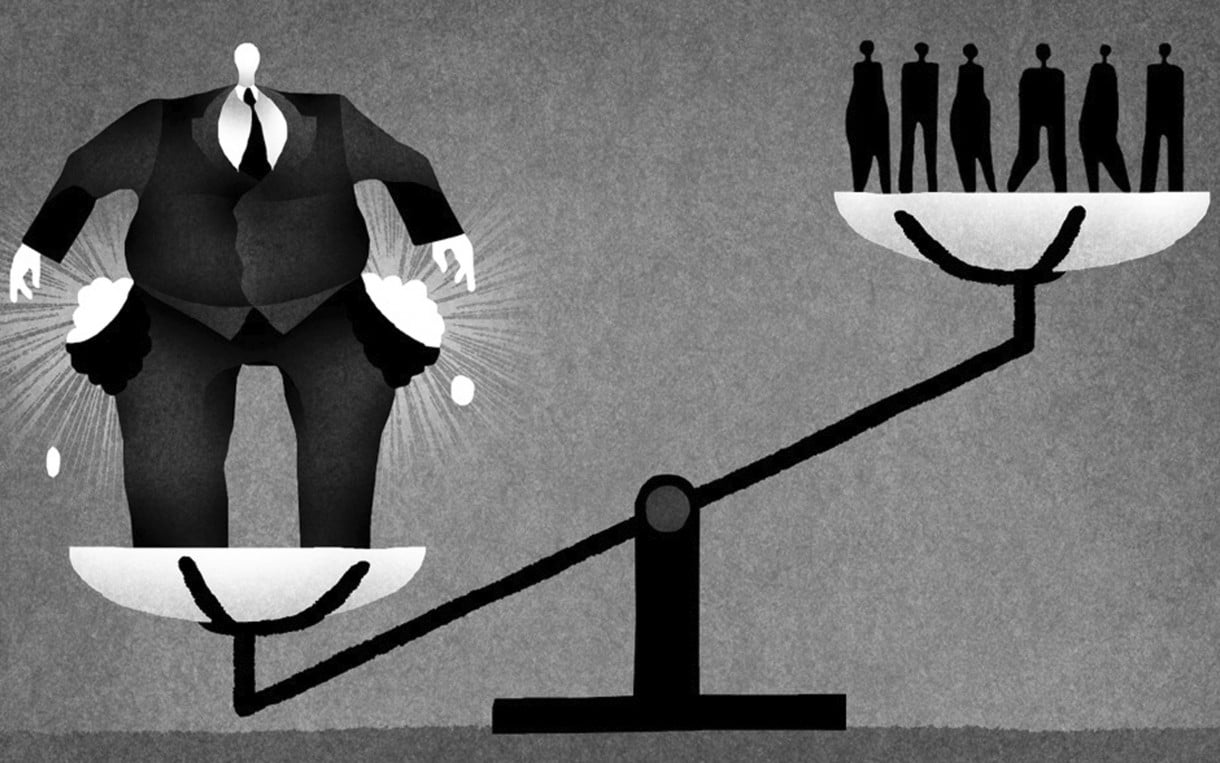
Inequality-3
A new freely downloadable book I would like to announce the publication of a new book, which discusses the question of how oligarchs maintain their grasp on an excessive share of wealth and power when, as Shelley pointed out, the have-nots are many, while the power-holders are few. Please click to access “Ye Are Many They Are Few” The Peterloo Massacre Rise, like lions after slumberIn unvanquishable number!Shake your chains to earth like dewWhich in sleep had fallen on you:Ye are many, they are few! Percy Bysshe Shelley wrote his poem “The Masque of Anarchy”, from which the above quotation is taken, in response to the Peterloo Massacre, which took place at St. Peter’s field in Manchester on the 16th of August 1819. Cavalry soldiers of the government charged a crowd of 60,000 citizens who were peacefully assembled to ask for better representation in Parliament. They were suffering from unemployment...
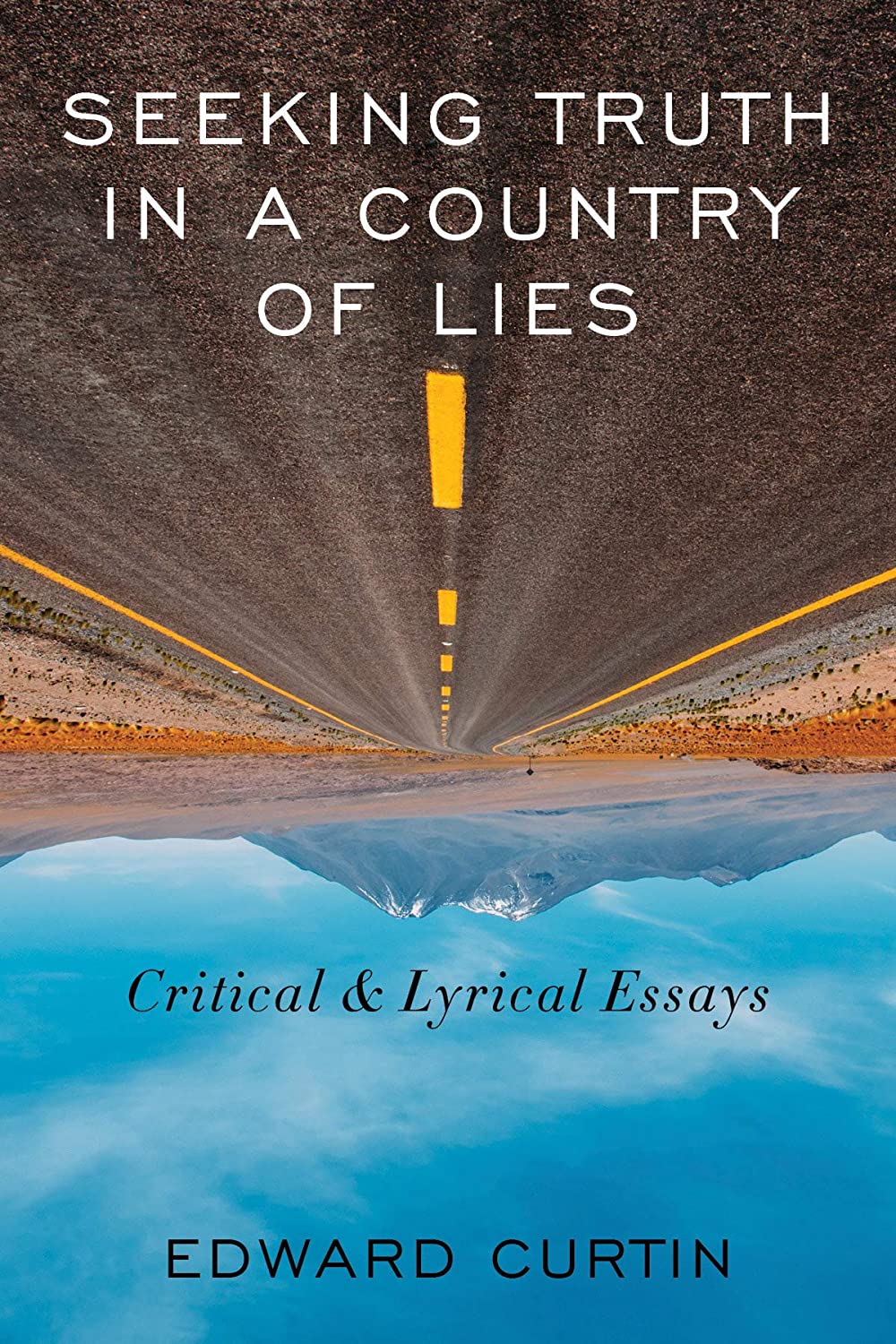
bog-by-Edward
John Steppling October 7, 2020 Some books demand slower reading than others. Ed Curtin’s new book is such a case. But then this assemblage of essays, many published elsewhere, is a corrective to the growing intoxication with technology, with the surveillance and the policing it is being used for, and to what Jonathan Crary wrote about in 24/7, a world where an artificial speed (or hurriedness) is layered over daily life: “Sleep is an uncompromising interruption of the theft of time from us by capitalism.” A corrective to the de-humanizing assault of capitalism. Originally published at Off Guardian This is a book that draws attention to what Curtin references (via James Douglass) as the *unspeakable* — the US capitalist order of crimes, from assassination to the continuing assault on the poor and marginalized. It is appropriate that the first chapter begins with a quote from Harold Pinter’s Noble Prize speech....
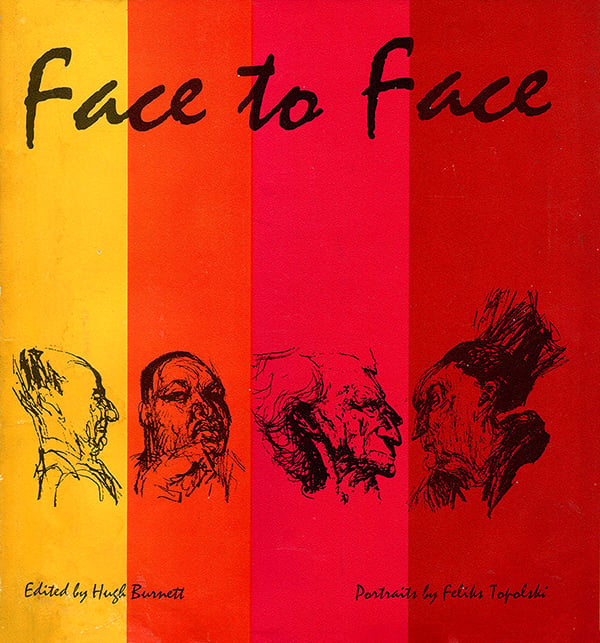
fred-image
By Maria Popova October 8, 2020 In the mid-1950s, as the icy terror of the Cold War was cloaking the embering rubble of two World Wars, the BBC producer and cartoonist Hugh Burnett envisioned an unexampled program to serve both as a cross-cultural bridge and a mirror beaming back to a dimmed and discomposed humanity the noblest and most beautiful ideas of its noblest and most beautiful minds. Originally published at brainpickings Face to Face — a series of intimate conversations with people of genius, influence, and exceptional largeness of spirit, interviewed by the British broadcaster and politician John Freeman — began as short-wave radio broadcasts to listeners in the Far East and soon became a BBC television program. Television was then a young medium, aglow as any young medium with the promise of its potential and blind to its peril — something reflected with chilling clarity in Burnett’s own...
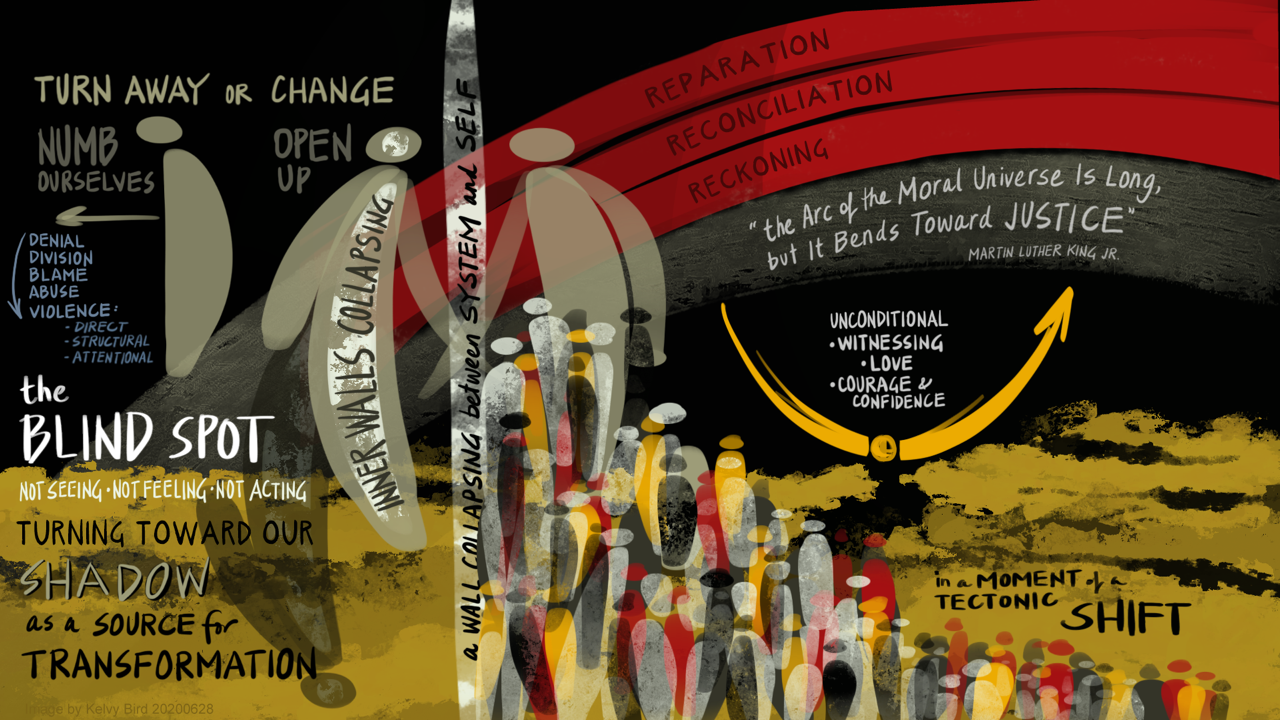
1_atg_ksH8jkR-IHlmFodAzQ
Fig. 1: From the Collapse of the Berlin Wall in 1989 to the Collapse of Our Inner Walls in 2020. Image by Kelvy Bird By Otto Scharmer October 3, 2020 We are living in a moment of tectonic shift in society. Something changed when we all watched the same images — 8 minutes and 46 seconds — the killing of George Floyd. During that unbearable experience, something broke down and broke open in our hearts, in how we relate to one another, and in how we want to live together. Originally published Medium.com/@ottoscharmer From the collapse of the Berlin Wall in 1989… When the Berlin Wall collapsed in 1989, we witnessed the end of the 20th-century Cold War era. A wall collapsed between two conflicting social systems: capitalism and socialism. Today we see a different type of wall collapsing: not a wall between systems, but between system and self — a wall that has kept...
We-suffer-through-todays-a-difficult-complicated-and-partially-obfuscated-time
Photo: We suffer through today’s difficult, complicated and partially obfuscated time (Photo credit: wsimag.com) By Ellyn Kaschak October 3, 2020 It is hard to know where things began when we are already in the middle of it all. This is especially so as we suffer through today’s difficult, complicated and partially obfuscated time. Originally published at Wall Street International Perhaps the beginning occurred in 1865 when the American Civil War was officially declared ended, but continued to seethe in less organized ways. Maybe the declaration by the American government in the 1950’s that Italians, Irish and Jewish people were now suddenly and irrevocably considered to be White is part of it. Perhaps some more seeds were planted during the presidency of Ronald Reagan or carefully cultivated as a backlash to the first presidency of a Black man, Barack Obama. The causes of and connections to the current multiple crises are...
420836_1_En_1_Fig7_HTML
Louis Kriesberg By Louis Kriesberg September 25, 2020 Since Donald J. Trump was inaugurated as president, many Americans have carried out a wide variety of collective nonviolent actions to oppose many of his and his administration’s policies. The actions include massive marches in Washington, D.C. in concert with marches in cities across the nation. They also include strikes, boycotts, walkouts, and regular meetings to plan and conduct ongoing programs of resistance. The actions have been conducted by diverse segments of the American people. These nonviolent strategies and tactics follow and build on those used throughout American history. Many of the social movements relying on nonviolent methods of struggle have yielded widely beneficial changes in American society. But often they have failed to make substantial lasting change and sometimes they have been counterproductive. Frequently, there are mixed results over time. Originally published at lkriesbe.expressions.syr.edu Fortunately, there are resources that increase the...
Categories

Year

Author / Contributor

Region