Politics

Category

Year

Author / Contributor

Region

Sort by

Showing 1-10 of 136 stories

https-cdn.theatlantic.com-thumbor-MAfDJ54ET5kzTzWH4ofT407rl3Q-0x204-3000x1892-720x405-media-img-mt-2020-11-GettyImages_695702370_bw-original
Richard Falk November 9, 2020 The victory by the Biden/Harris ticket in the 2020 American National Elections are basically good news for the country and the world, although not as good as expected (by pollsters or enthusiasts) or nearly as decisive as desirable given the dreadfully regressive behavior of Trump and the Republican Party over the past four years. And there is some bad news, as well, lurking just beneath the surface. Not only the strength of Trumpism in America, but the likely drift toward the center-right of the Biden presidency Why Good News? Above all, Trump’s reelection would have meant a tighter embrace of an American version of fascism with constitutionalism, the rule of law, and human rights repudiated, and an autocratic/plutocratic style of leadership consolidated around an ideology of chauvinistic or nativist nationalism.  The vote was not as one-sided anti-fascist as one might have hoped, but the Biden...
BidenIvoJima
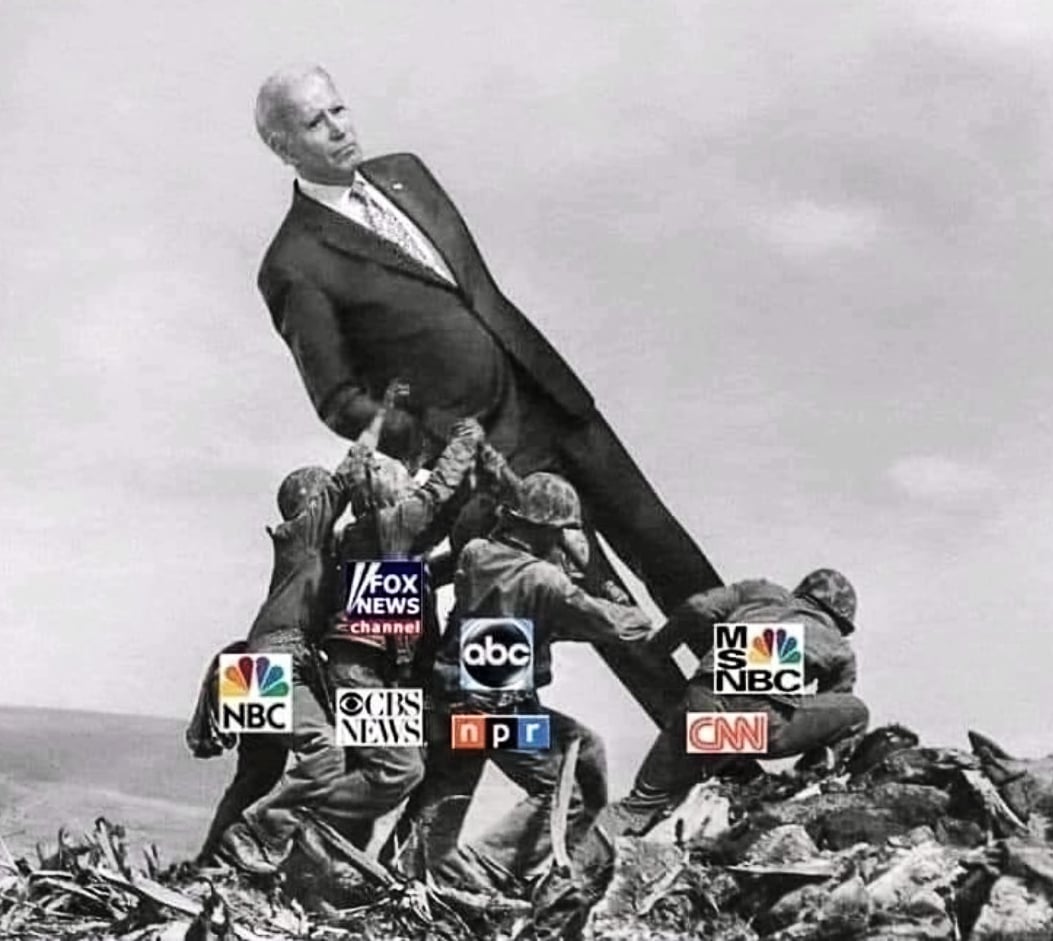
On November 7, 2020, I wrote a comment on my Facebook Profile that stirred some comments: “Led by CNN and other US media, including Fox News, most Western media now declare Biden the next US president. Is there not some kind of institution in a democracy that shall officially declare who is the winner?It seems they want to appear ignorant about the serious constitutional crisis that is around the corner as Donald Trump is not going to accept this result.We are in for very interesting times…” As you see, there are three elements in this comment. Let me go through them: Here is how the final results of the elections should be announced: “Since the mid-20th century, on January 6 at 1:00 pm before a Joint Session of Congress, the Vice President opens the votes from each state in alphabetical order. He passes the votes to four tellers—two from the...
Inequality-3
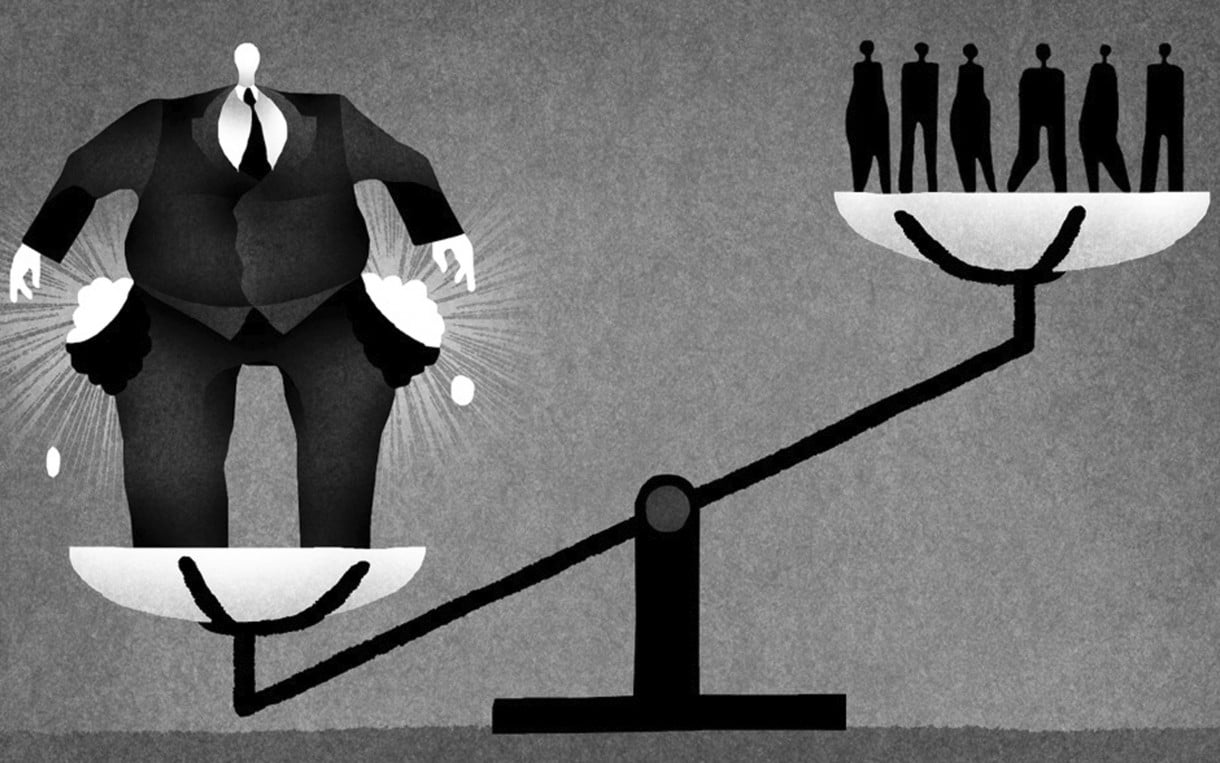
A new freely downloadable book I would like to announce the publication of a new book, which discusses the question of how oligarchs maintain their grasp on an excessive share of wealth and power when, as Shelley pointed out, the have-nots are many, while the power-holders are few. Please click to access “Ye Are Many They Are Few” The Peterloo Massacre Rise, like lions after slumberIn unvanquishable number!Shake your chains to earth like dewWhich in sleep had fallen on you:Ye are many, they are few! Percy Bysshe Shelley wrote his poem “The Masque of Anarchy”, from which the above quotation is taken, in response to the Peterloo Massacre, which took place at St. Peter’s field in Manchester on the 16th of August 1819. Cavalry soldiers of the government charged a crowd of 60,000 citizens who were peacefully assembled to ask for better representation in Parliament. They were suffering from unemployment...
bog-by-Edward
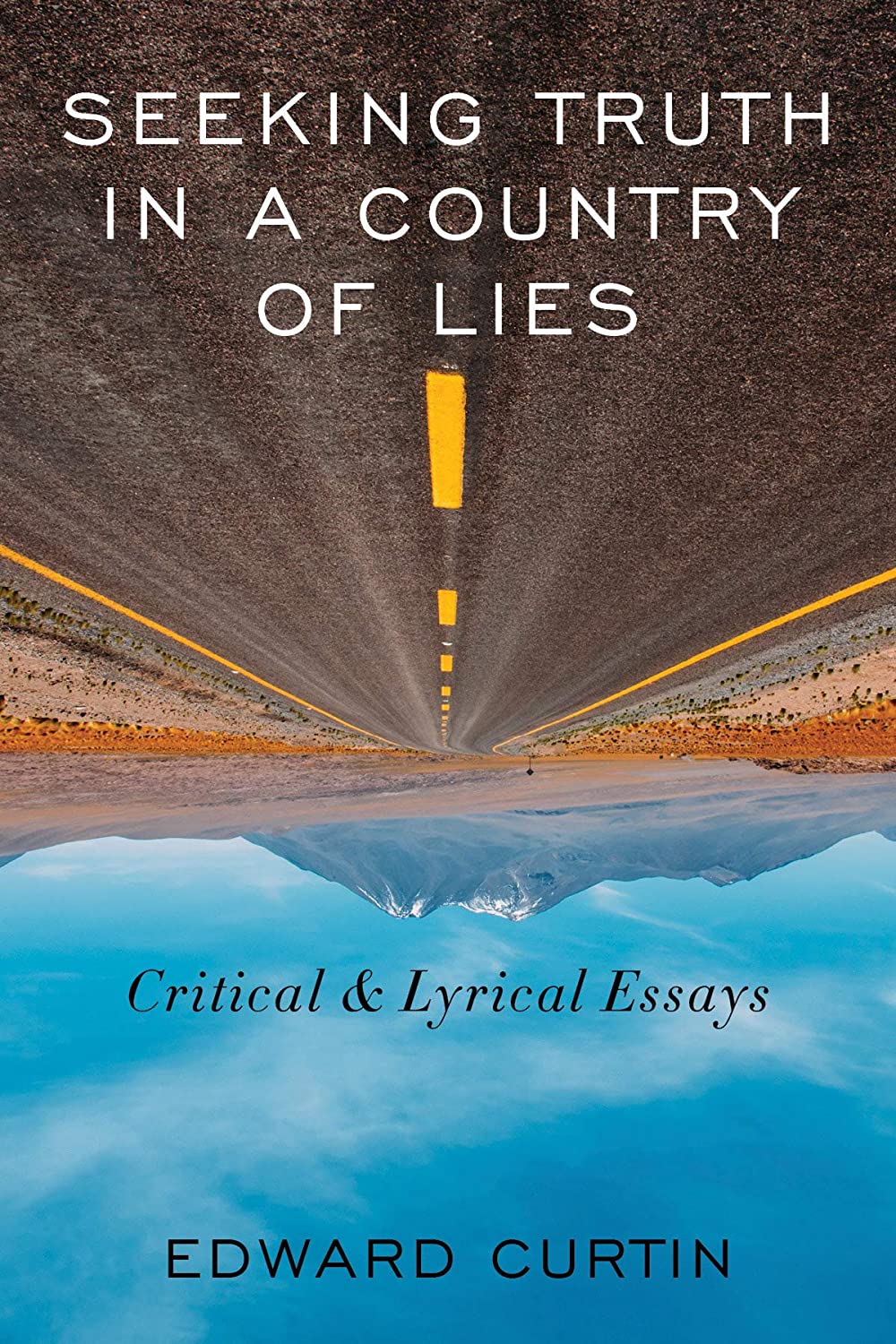
John Steppling October 7, 2020 Some books demand slower reading than others. Ed Curtin’s new book is such a case. But then this assemblage of essays, many published elsewhere, is a corrective to the growing intoxication with technology, with the surveillance and the policing it is being used for, and to what Jonathan Crary wrote about in 24/7, a world where an artificial speed (or hurriedness) is layered over daily life: “Sleep is an uncompromising interruption of the theft of time from us by capitalism.” A corrective to the de-humanizing assault of capitalism. Originally published at Off Guardian This is a book that draws attention to what Curtin references (via James Douglass) as the *unspeakable* — the US capitalist order of crimes, from assassination to the continuing assault on the poor and marginalized. It is appropriate that the first chapter begins with a quote from Harold Pinter’s Noble Prize speech....
1_atg_ksH8jkR-IHlmFodAzQ
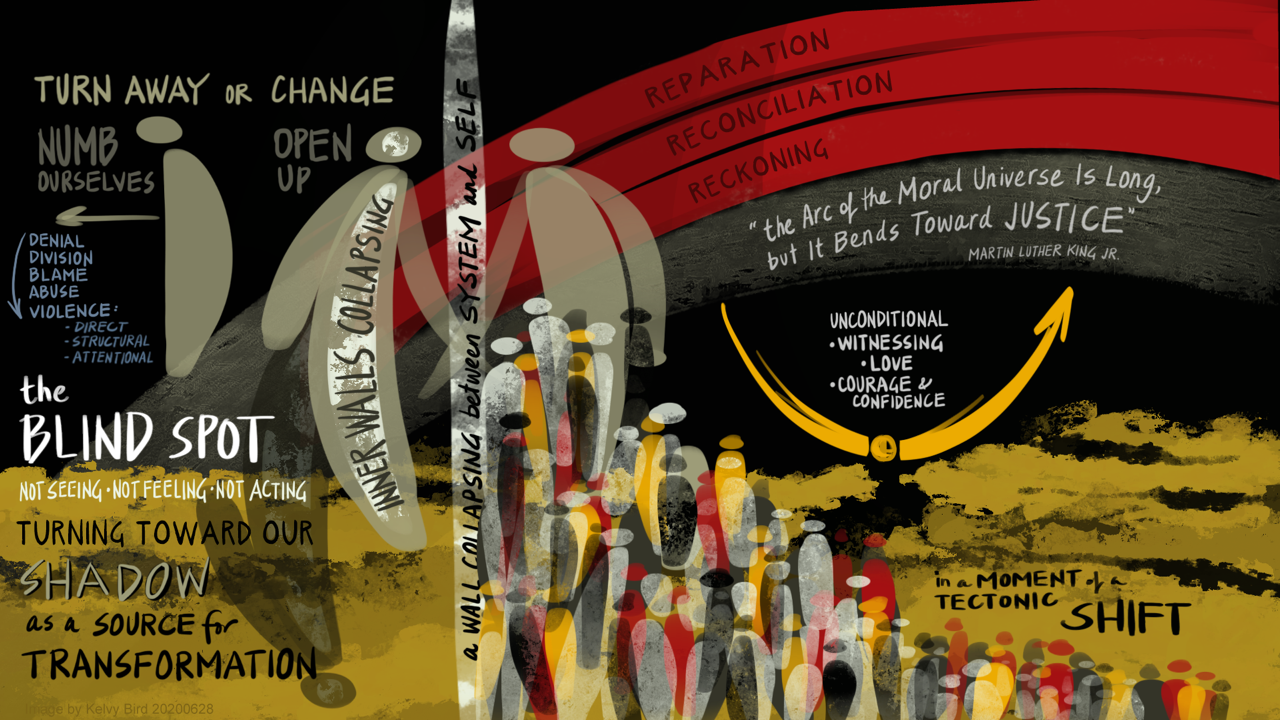
Fig. 1: From the Collapse of the Berlin Wall in 1989 to the Collapse of Our Inner Walls in 2020. Image by Kelvy Bird By Otto Scharmer October 3, 2020 We are living in a moment of tectonic shift in society. Something changed when we all watched the same images — 8 minutes and 46 seconds — the killing of George Floyd. During that unbearable experience, something broke down and broke open in our hearts, in how we relate to one another, and in how we want to live together. Originally published Medium.com/@ottoscharmer From the collapse of the Berlin Wall in 1989… When the Berlin Wall collapsed in 1989, we witnessed the end of the 20th-century Cold War era. A wall collapsed between two conflicting social systems: capitalism and socialism. Today we see a different type of wall collapsing: not a wall between systems, but between system and self — a wall that has kept...
420836_1_En_1_Fig7_HTML
Louis Kriesberg By Louis Kriesberg September 25, 2020 Since Donald J. Trump was inaugurated as president, many Americans have carried out a wide variety of collective nonviolent actions to oppose many of his and his administration’s policies. The actions include massive marches in Washington, D.C. in concert with marches in cities across the nation. They also include strikes, boycotts, walkouts, and regular meetings to plan and conduct ongoing programs of resistance. The actions have been conducted by diverse segments of the American people. These nonviolent strategies and tactics follow and build on those used throughout American history. Many of the social movements relying on nonviolent methods of struggle have yielded widely beneficial changes in American society. But often they have failed to make substantial lasting change and sometimes they have been counterproductive. Frequently, there are mixed results over time. Originally published at lkriesbe.expressions.syr.edu Fortunately, there are resources that increase the...
demonstration
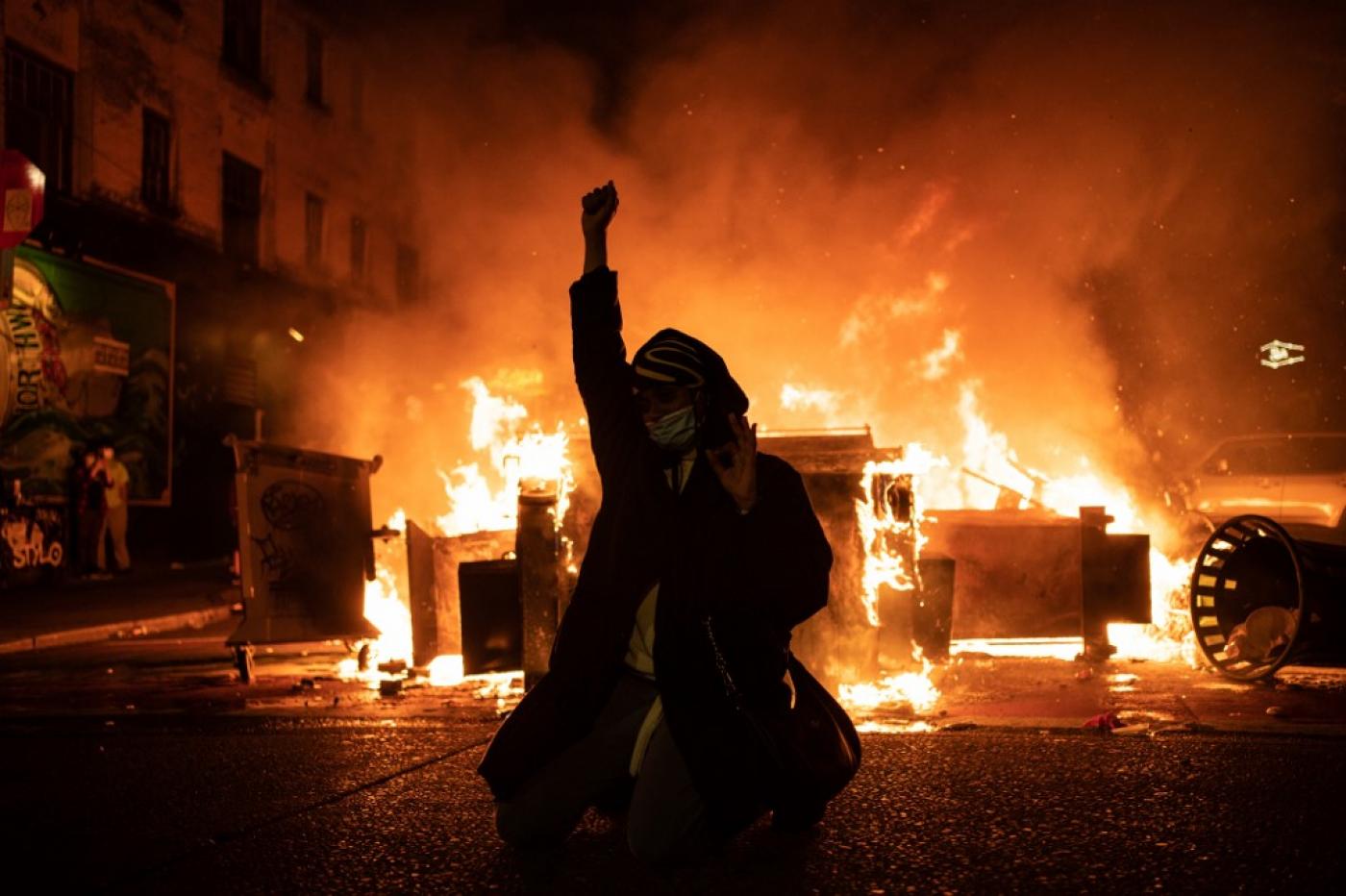
A demonstrator raises a fist after clashes with police in the US city of Seattle on 8 June (AFP) As calls for racial justice reverberate across the country, the field of American Studies requires a radical rethink – namely, the active engagement of people around the globe at the receiving end of US militarism.  By Hamid Dabashi September 15, 2020 “The majority lives in the perpetual practice of self-applause, and there are certain truths which the Americans can only learn from strangers or from experience.”  – Alexis de Tocqueville, Democracy in America “Americans are the unhappiest they’ve been in 50 years,” according to recent polls. “It’s been a rough year for the American psyche.”    The deeply troubling presidency of Donald Trump has led to severe consequences of the coronavirus pandemic in the US, where the per-capita mortality rate is among the highest in the world, exacerbated by claustrophobic despair over lockdowns and social distancing, alongside...
serious-security
Jørgen Johansen argues that, like terrorism before it, the Covid-19 pandemic is being used by politicians across the world to normalise exceptional restrictions on basic rights with political consequences that will long outlast the health emergency. In his book State of Exception, Giorgio Agamben examined the consequences of policies and regulations introduced in exceptional circumstances, which then become institutionalised as ’normal’, the state of exception becomes the rule. An illustration might be the USA’s Patriot Act of 2001, enacted after the 9/11 attack, which resulted in a massive expansion of government surveillance. Likewise, the Guantanamo Bay detention camp set up in 2002 as part of George W. Bush’s war on terror, where detainees have been held for indefinite periods without trial and subjected to torture. Originally published at rethinkingsecurity.org Proponents of such exceptional measures justified them by reference to the extraordinary context in which they were introduced – they were...
Scheerpost
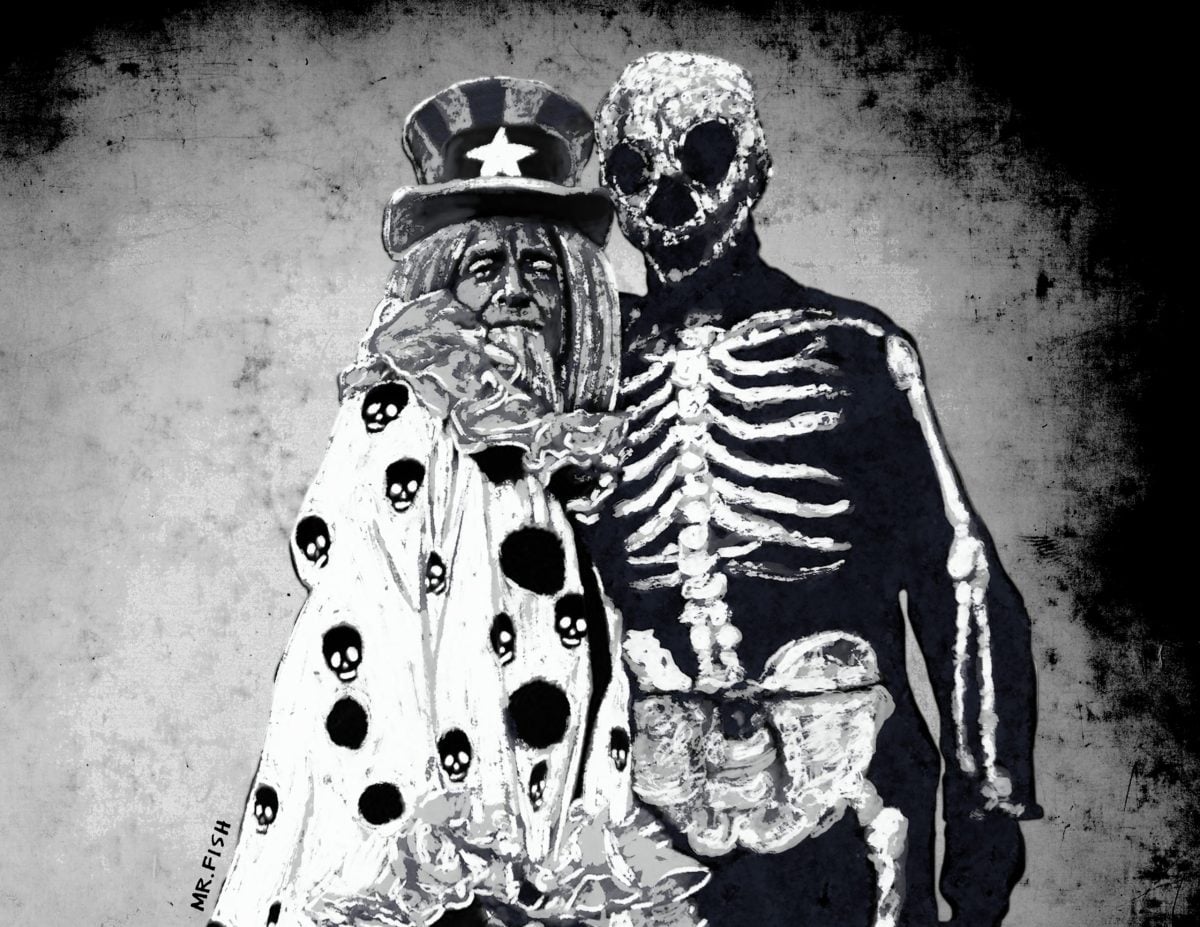
(Photo: Art by Mr. Fish/Original to Scheerpost) Regardless of the outcome, the election will not stop the rise of hypernationalism, crisis cults and other signs of an empire’s terminal decline. By Chris Hedges September 1, 2020 The terminal decline of the United States will not be solved by elections. The political rot and depravity will continue to eat away at the soul of the nation, spawning what anthropologists call crisis cults — movements led by demagogues that prey on an unbearable psychological and financial distress. These crisis cults, already well established among followers of the Christian Right and Donald Trump, peddle magical thinking and an infantilism that promises — in exchange for all autonomy — prosperity, a return to a mythical past, order and security. The dark yearnings among the white working class for vengeance and moral renewal through violence, the unchecked greed and corruption of the corporate oligarchs and...
09ce516bc31f26f3f53fad75792422c9
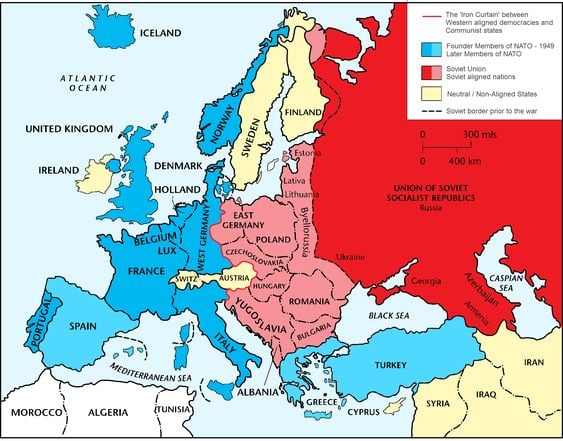
Patrick Lawrence September 1, 2020 Diana Johnstone’s newly-published memoir offers an incisive, gritty, politically alert, and expansive account of post-war Europe, reports Patrick Lawrence in this interview with the author.  Originally posted on Consortium New’s on May 17, 2020 Diana Johnstone first sojourned in Paris during the early postwar years, as France and the rest of Europe were coming back to life—and as America set out to build an empire amid the Cold War frenzies of the McCarthy years. Nearly seven decades later, Johnstone’s place among the distinguished Europe correspondents of our time lies beyond dispute. A Minnesota native, she is a French citoyen now and remains a Parisienne. “If I must claim a label,” Johnstone, 89, writes in her just-published personal and political memoir, “it would be that of an independent truth-seeker.”   Circle in the Darkness (Clarity Press)—Johnstone takes the title from Einstein—is a moving, incisive, gritty, politically alert, and always humane account...

ObergComment_OnSite
In times of fake and omission – not to speak of deliberate deception and lies – society’s very foundation is shaken: What can we believe? Who can we trust? What is reliable and truthful information – and how do I know? Tragically, substantial knowledge with complex reasoning about our complex world and its problems has been overwhelmed by marketing, smart soundbites, tweets and ignorance. Diversity has been substituted by uniformity, political correctness and, more recently, the awfully destructive cancel culture and its close companion, self-censorship. People read less, and less and less the long argument – such as (good) books about global problems. Perhaps because we think we are so busy? Whatever the reason, the attention span has shrunk and many have a comfort zone the size of a pinhead. It bodes ill – no matter the kind of social body in which this disease takes root. It spread like...
ocasio-cortez_0
Jan Oberg July 29, 2020 Rep. Alexandria Ocasio-Cortez (D-N.Y.) decried July 23 remarks from Rep. Ted Yoho (R-Fla.) This is a political speech to be remembered for what she says and how she says it. It’s an important contribution to non-violent ethics and politics – although this is not stated explicitly. It should also be remembered for the fine way she connects the personal and the political. Alexandria Ocasio-Cortez’s consistent stand against US militarism and for social justice evidently comes from a deeper place. Concerning justice and peace, she does a great spontaneous walking talk on this link. In it, Ocasio-Cortez illustrates how structural violence and direct violence are connected and argues that you should never just demand that violence stops without asking what caused it in the first place. And that the remedy is to make changes that abolish those causes. She ends with justice and peace. As any...
Categories

Year

Author / Contributor

Region