Pro-peace proposals

Category

Year

Author / Contributor

Region

Sort by

Showing 1-10 of 78 stories

US-sanctions
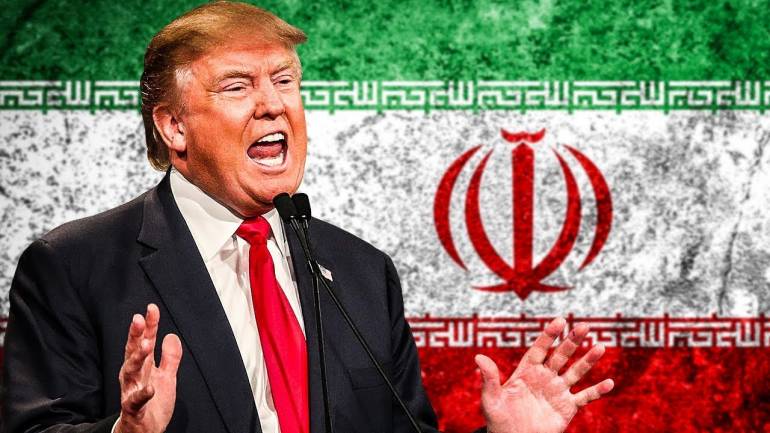
Prefatory Note: The post below is a slightly modified version of an interview published in The Nation on September 25th, following the September 14th attack on Saudi oil facilities. It follows a pattern with respect to Iran of accusations, denials, and public uncertainties. This combination of elements, given the leadership in Washington and Tehran, one blustering, the other inflexible, can easily produce an unintended stumble into war. A second shorter interview is appended, conducted prior to the attacks by an Iranian journalist, M.J. Hassani of Tasnim News Agency. It illustrates the seeming rigidity of Iran’s Supreme Guide, considered as having the final word on government policy, exceeding that of the elected leadership. Originally posted on Richard Falk’s personal blog on October 1, 2019, here Daniel Falcone Introduction to the Interview: After accusations of Iranian drone attacks on Saudi oil facilities, Iranian officials and authorities indicated that “full-fledged war” with the United States could...
kennedy_sotu1-P
By Dr. Lawrence Wittner June 5, 2019 In late April, the highly-respected Stockholm International Peace Research Institute reported that, in 2018, world military expenditures rose to a record $1.82 trillion. The biggest military spender by far was the United States, which increased its military budget by nearly 5 percent to $649 billion (36 percent of the global total). But most other nations also joined the race for bigger and better ways to destroy one another through war. Originally publishes on Counterpunch.org on May 29th, 2019 here This situation represents a double tragedy. First, in a world bristling with weapons of vast destructive power, it threatens the annihilation of the human race. Second, as vast resources are poured into war and preparations for it, a host of other problems―poverty, environmental catastrophe, access to education and healthcare, and more―fail to be adequately addressed. But these circumstances can be changed, as shown by...
Global-Challenges
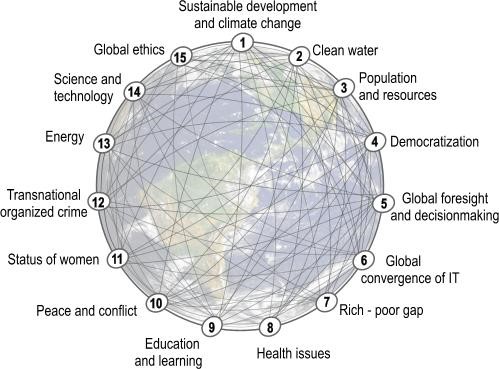
New networking by NGOs and individuals Three main challenges to humanity’s survival We are handing to the new generations three overriding dangers to the health and maybe survival of the entire human population: 1. Nuclear war. 2. Climate changes, and 3. Increasing class differences. This last danger, the consequences of the increasing economic differences, is a subject too political for this presentation, but I am of the opinion that if we do not stop the increasing social injustice it will be even more difficult to save the planet. Working against nuclear war “Nuclear war is the greatest danger to the health and survival of mankind”, according to the World Health Organization. Since 1981 I have worked with the organization International Physicians for the Prevention of Nuclear War, IPPNW. We believed that if we could just make people understand the consequences of nuclear war, understand that nuclear war might be the...
Ina_portrait_1_800_cropped-kopia-300x270
September 21, 2018 – Peace Day  “Home To Gaia” – An illustrated storybook about finding peace and love inside to share it outside – Age 3 and up Can we work for peace in the world when being conflict-ridden inside? Are we collectively responsible for the conflicts and violence in the world? These are questions and conversations we’ve had many times with professionals in the peacebuilding field. Going for both/and as well as the link between inner and outer realities is a good start when we become aware that everything we are, think and act upon influences our whole environment and the collective consciousness. Political peace is not just about envisioning with the heart but also about putting forward reasonable possibilities to actually create harmony inside out. Fair chances to co-create together wonderful visions for all humankind may appear when we are secure about our own worthiness to be loved...
MairedMaguire_PhSh
In examining the future, we must look to the past. As we watch the media today, we are spoon fed more and more propaganda and fear of the unknown, that we should be afraid of the unknown and have full faith that our government is keeping us safe from the unknown. But by looking at media today, those of us who are old enough will be reminded of the era of Cold War news articles, the hysteria of how the Russians would invade and how we should duck and cover under tables in our kitchens for the ensuing nuclear war. Under this mass hysteria, all Western governments were convinced that we should join Western allies to fight the unknown evil that lies to the east. Later through my travels in Russia during the height of the Cold War with a peace delegation, we were shocked by the poverty of the...
18932770_401
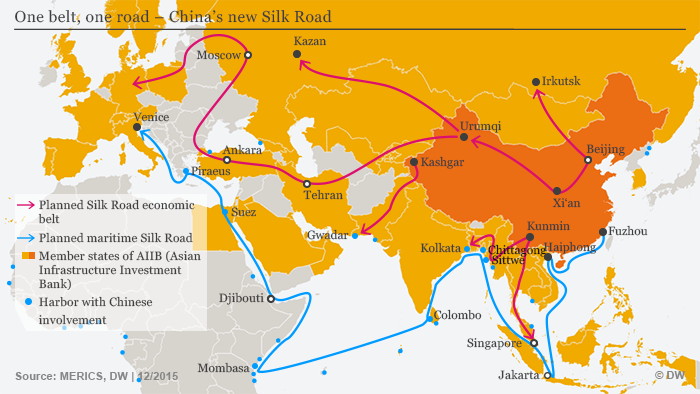
The Belt and Road Initiative has turned 5 years. On September 7, 2013, at the Nazarbayev University in Astana, Kazakhstan, President Xi Jinping of China launched the Belt and Road Initiative (BRI). This initiative – which has attracted a lot of attention from all over the world – was launched to “promote the economic prosperity of the countries, strengthen mutual learning between different civilizations and promoting world peace and development.” The historical roots, of course, is the ancient Silk Road from China through Eurasia to Europe and Africa. At the time of the mentioned speech, 60+ countries were on the list. Now, 5 years later and as the initiative gains momentum, there are more than 100 countries involved in various ways and roles. And the “Silk Roads” now points in all directions, including Australia, New Zealand, Japan, even the USA. The BRI has become a global force – a civilian...
nuclearism
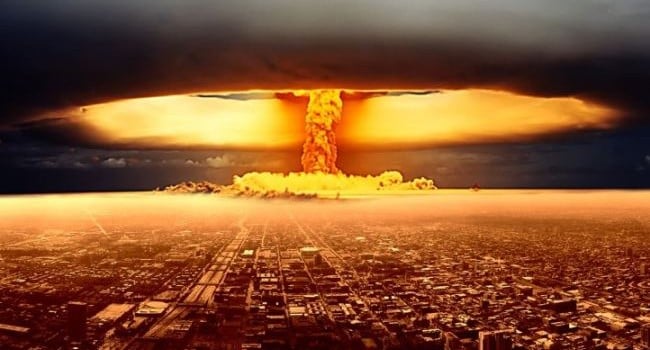
By David Krieger Nuclear Age Peace Foundation, NAPF August 2018 Nuclear weapons pose a grave threat to the future of civilization. As long as we allow these weapons to exist, we flirt with the catastrophe that they will be used, whether intentionally or accidentally. Meanwhile, nuclear weapons skew social priorities, create imbalances of power, and heighten geopolitical tension. Diplomacy has brought some noteworthy steps in curbing risks and proliferation, but progress has been uneven and tenuous. The ultimate aim of abolishing these weapons from the face of the earth—the “zero option”—faces formidable challenges of ignorance, apathy, and fatigue. Yet, the total abolition of nuclear weapons is essential for a Great Transition to a future rooted in respect for life, global solidarity, and ecological resilience. This will require an emboldened disarmament movement working synergistically with kindred movements, such as those fighting for peace, environmental sustainability, and economic justice, in pursuit of...

militarism_vs._diplomacy_in_the_us_fy2016_budget_bar_chart-1
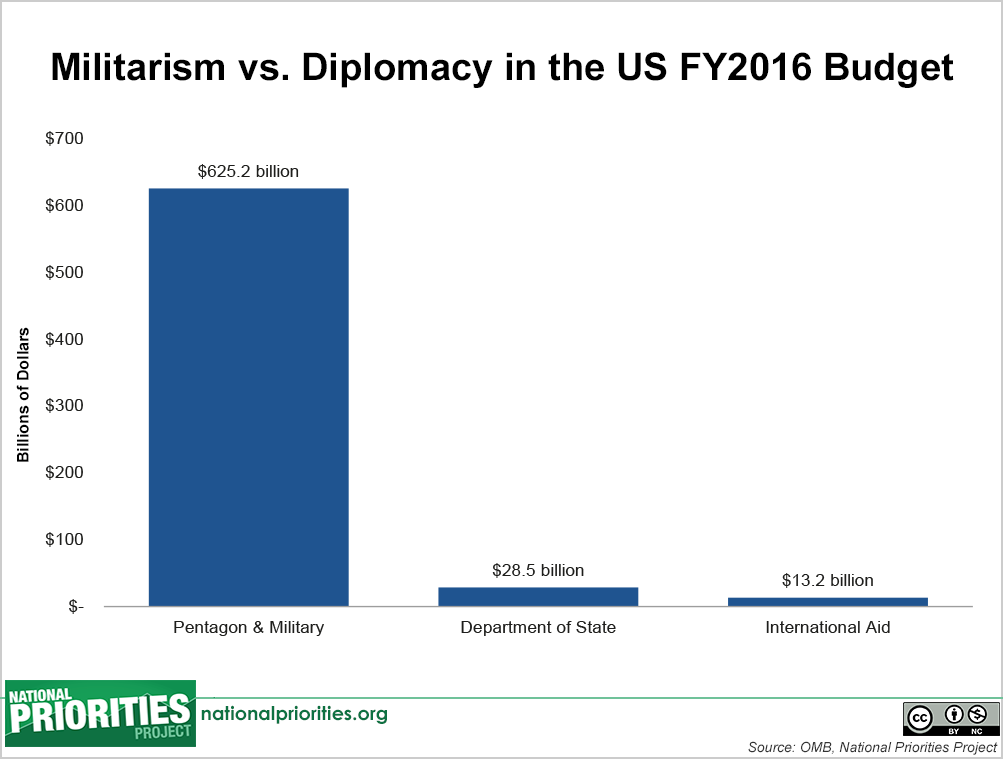
By David Swanson TFF Associate David Swanson delivers, in his usual crystal clear and well-documented manner, the arguments against higher U.S. military spending and illustrates how much better it would be for the U.S. itself and for the world to reduce the military expenditures and allocate even just a fraction of these incomprehensibly huge sums to constructive purposes. TFF is proud to inform you that David has been awarded the US Peace Memorial Foundation’s 2018 Peace Prize. Congratulations, David! So well deserved.
FHTT
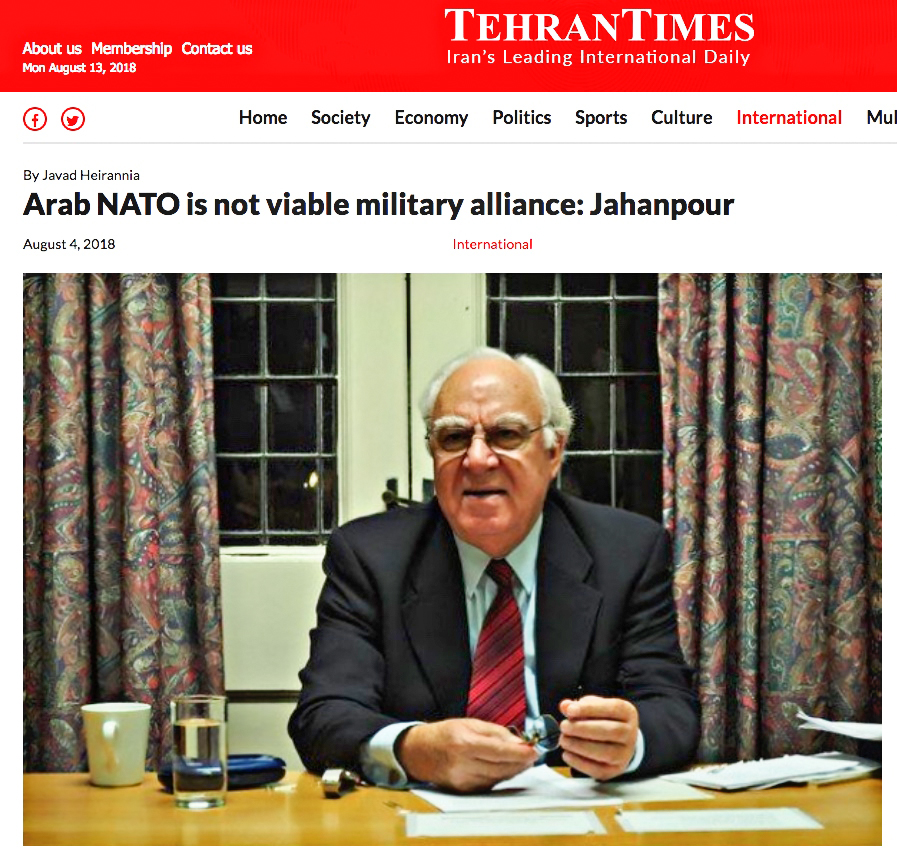
By Farhang Jahanpour, TFF Board member August 13, 2018   In an interview with Tehran Times, professor Farhang Jahanpour, part-time tutor on Middle Eastern affairs in the Department of Continuing Education, University of Oxford, and a member of Kellogg College says that he does not believe that Arab NATO is “a viable military alliance.” Former Senior Research Scholar at Harvard adds that “Many earlier U.S. attempts to develop a formal alliance with Arab monarchies have failed and, at the moment, there is even less unity among various PGCC members than ever before.” Professor Jahanpour suggests that President Trump should be invited to Iran to see the destruction wrought on her people thanks to Saddam Hussein’s Western-supported invasion of Iran and then he should visit all the other places the US has helped destroy and meet the victims there. Following is the full text of the interview which was published by...
Imagen-thumbnail-The-Transnational
  On the occasion of the Summit in NATO – North Atlantic Treaty Outdated/Obsolete. Here the 8 main arguments. Please share if you like! The Western media will not raise these critical questions, the rest of us must… Here the original link at Facebook Live with all comments and viewer statistics      
TFF-Live_FB_1-kopia
    Comment “We deeply regret the re-imposition of sanctions by the US, due to the latter’s withdrawal from the Joint Comprehensive Plan of Action (JCPOA)” – say High Representative Federica Mogherini and Foreign Ministers of E3 (Jean-Yves Le Drian of France, Heiko Maas of Germany, Jeremy Hunt of the United Kingdom). That’s an important statement. But more is needed. While the EU needs to protect its member states against US attempts to bully and punish everyone who from today deals with Iran, it needs to step up all kinds of co-operation with Iran and be ready to endure whatever conflicts with the U.S. this may entail. The future of the EU is at stake. No less. Also – says Oberg – it is peculiar that the US has chosen August 6, Hiroshima Day, to re-impose its sanctions on Iran in the wake of its decision to withdraw from the...
MikoPeled
Video interview with Miko Peled of July 20, 2018 We strongly recommend that you go to Peled’s excellent blog, see his articles and video and read about his now classical book, “The General’s Son. Journey of an Israeli in Palestine.” You’ll also find an interesting one on his recent visit to Iran and how people react to his going to Iran. And why not subscribe to his blog? Here is civil courage, analytical mind, passion and truth in one, a man who knows – compare that with the mainstream media’s coverage of the issue that are his.
Categories

Year

Author / Contributor

Region