Peace philosophy

Category

Year

Author / Contributor

Region

Sort by

Showing 1-10 of 80 stories

sergey-vinogradov-4cxaS-9lqlw-unsplash
Sergey Vinograd, Unsplash Richard Falk TFF Associate February 7, 2022 The post below is my stimulus essay for a Forum sponsored by Great Transition Initiative, a project of the Tellus Institute, dedicated to the exploration of humane and ecologically resonant adjustments to the challenges and threats posed by the onset of the Anthropocentric Age. The text of the full Forum can be found by clicking here. It contains many wise and illuminating responses to my reflections, including by leading thinkers of our time. The Forum closes with my effort to respond to the responses, but due to space limitations, in a very truncated manner. Also, the Forum format conveys some information about the underlying philosophy that guides this ambitious undertaking. Global Solidarity: Toward a Politics of Impossibility  A Captive Imagination As the COVID-19 pandemic slowly subsides, it is not clear what lessons will be drawn by political leaders and publics around...
49551058501_bd3c7b317d_4k-scaled-1
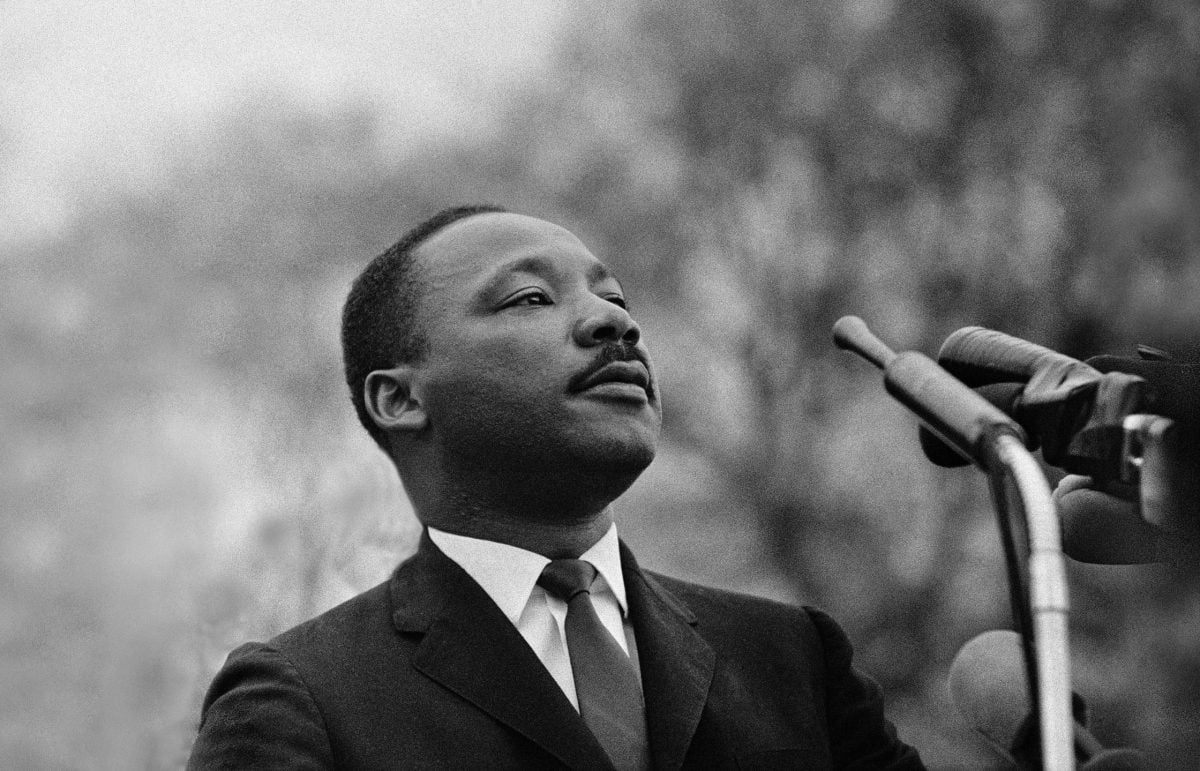
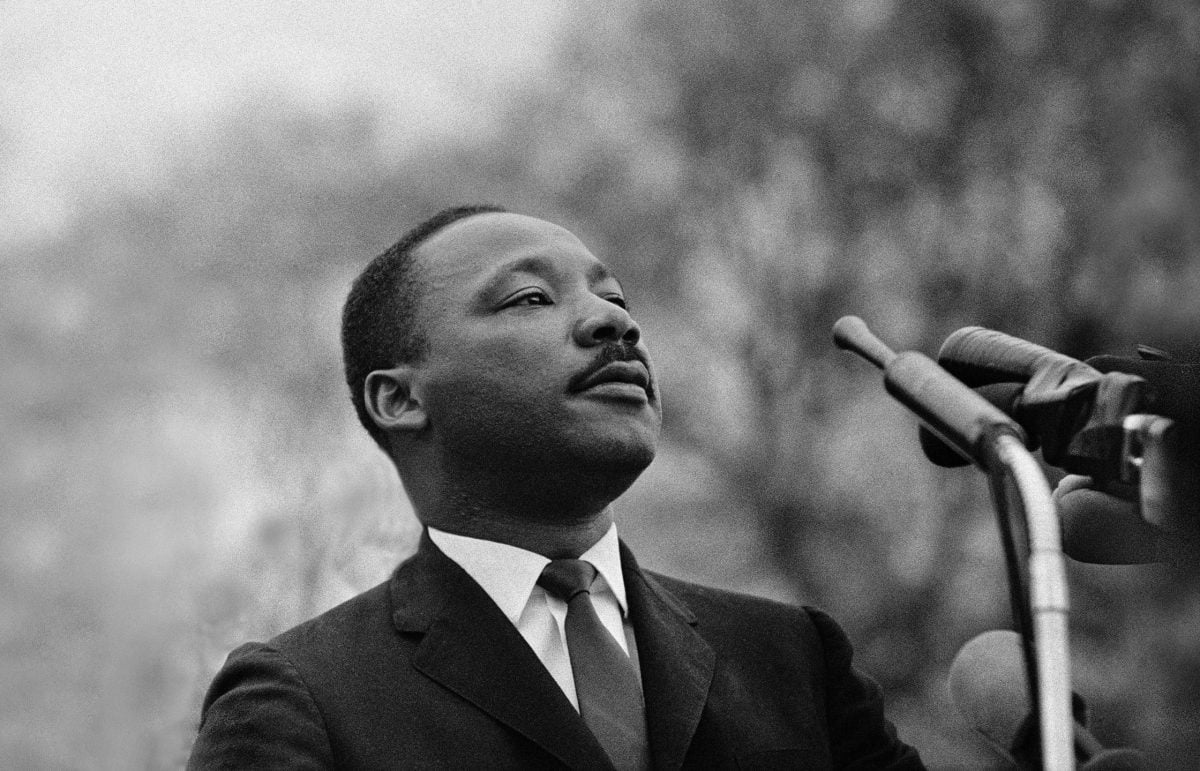
[bswise / CC BY-NC-ND 2.0] See the deeply moving photos from Motel Lorraine on Gordon Belray’s page. By Jeff Cohen and Norman Solomon October 22, 2021 The anniversary of his assassination – April 4, 1968 – always brings a flood of tributes to Martin Luther King Jr., and this year will surely be no exception. But those tributes — including from countless organizations calling themselves progressive — are routinely evasive about the anti-militarist ideals that King passionately expressed during the final year of his life. You could call it evasion by omission. Originally published at Scheerpost on April 4, 2021 The standard liberal canon waxes fondly nostalgic about King’s “I have a dream” speech in 1963 and his efforts against racial segregation. But in memory lane, the Dr. King who lived his last year is persona non grata. The pattern is positively Orwellian. King explicitly condemned what he called “the madness of militarism.” And...
JOhnAvery
We at TFF are proud to present one of our most amazing Associates who – in so many different ways – has worked for peace over 67 years. His knowledge is encyclopaedic and covers so many fields that it is hard to grasp. Even at the age of 88 and with various health problems and failing eyesight, he writes every day, most of the day – in the belief that we are all responsible for doing all that we can and that it is only through knowledge, humanity and vision we can survive in the long-term perspective as one humanity. The book you can download below runs over 500+ pages – and it’s just one of John’s many. It contains much more than the story of Avery’s work for peace: articles, essays, comments and whole books on various aspects of global affairs. Better scroll and browse and be inspired than...
MLK
Photo: Martin Luther King. [bswise / CC BY-NC-ND 2.0] Jeff Cohen and Norman Solomon June 29, 2021 The MLK tributes are sure to pour on the anniversary of the civil rights hero’s death, but don’t expect them to acknowledge his anti-militarist ideals. The anniversary of his assassination always brings a flood of tributes to Martin Luther King Jr., and this Sunday will surely be no exception. But those tributes — including from countless organizations calling themselves progressive — are routinely evasive about the anti-militarist ideals that King passionately expressed during the final year of his life. You could call it evasion by omission. The standard liberal canon waxes fondly nostalgic about King’s “I have a dream” speech in 1963 and his efforts against racial segregation. But in memory lane, the Dr. King who lived his last year is persona non grata. Originally published April 21. 2021 at scheerpost.com The pattern is positively Orwellian....
gandhi
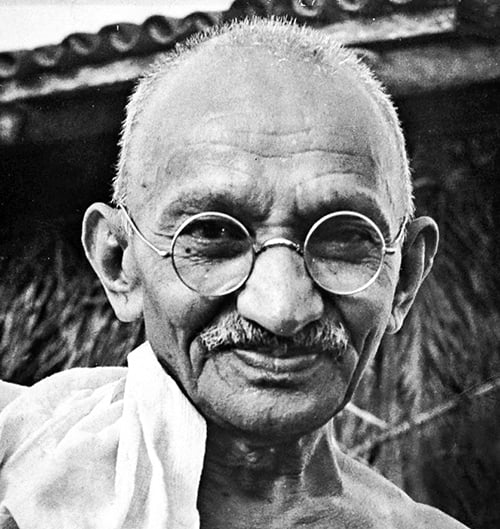
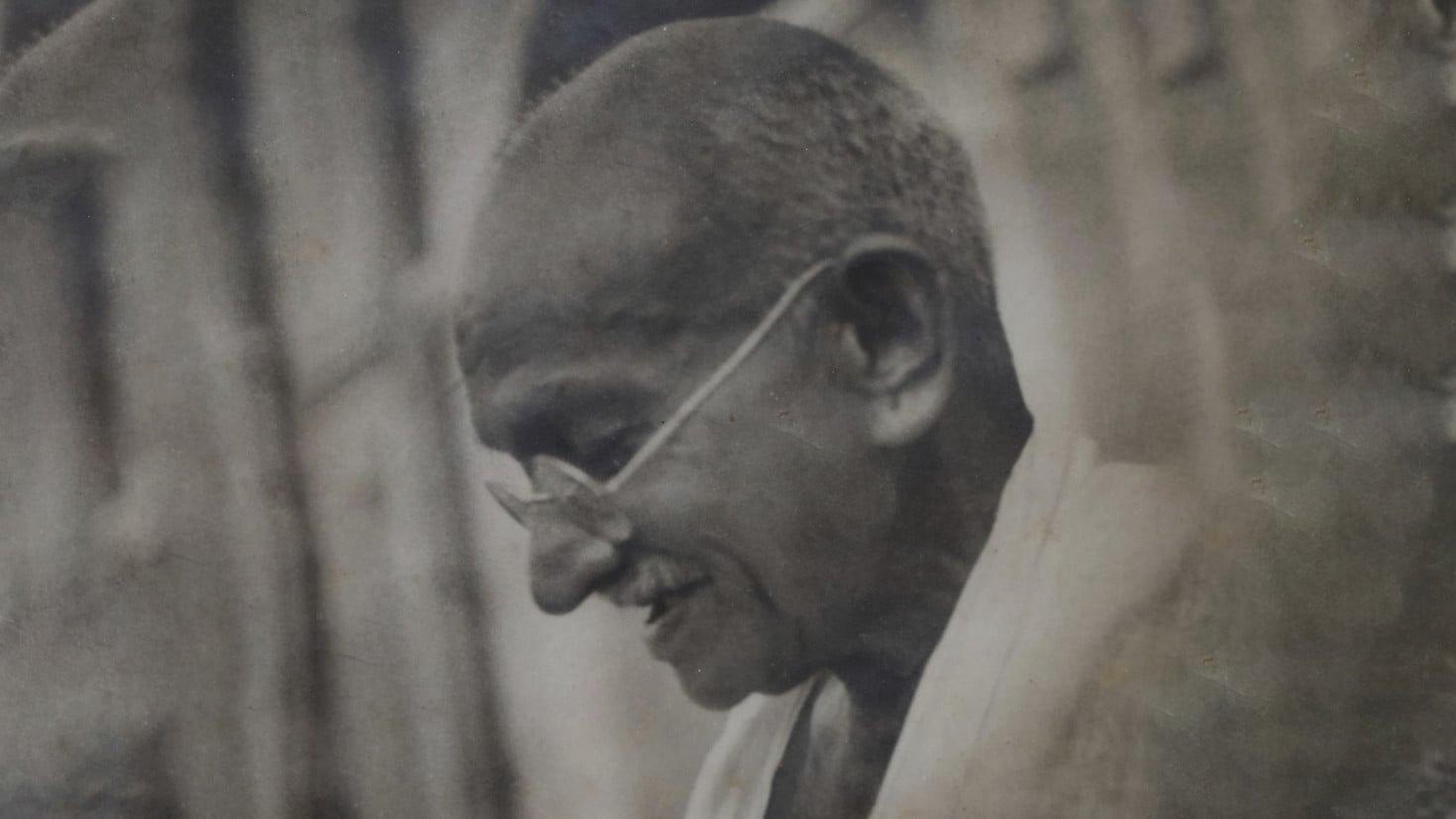
 People’s Union For Civil Liberties May 16, 2021 On 30th January, 2021, we marked the 73rd anniversary of the very date when Mahatma Gandhi was assassinated by someone who did not share his vision of an inclusive and plural India. The PUCL – People’s Union for Civil Liberties – would like to mark this important date by remembering the values which Gandhiji stood for which are under threat today. We want to remember a Gandhiji which the current establishment would rather forget, namely someone who was deeply committed to the ideal of ‘political freedom’ which was not just ‘freedom from the British’ but a commitment to fundamental values and principles. For Gandhiji, “Civil liberties consistent with the observance of non-violence are the first step towards Swaraj. It is the breath of political and social life. It is the foundation of freedom. There is no room there for dilution or compromise....
21dew
When a Nordic dispute over the strategically important Åland Islands arose in the early 20th century, Finland and Sweden turned to international mediation to resolve the issue peacefully. Photo permission and credit by Douglas P. Fry. Douglas P. Fry, Geneviève Souillac March 30, 2021 The ancestral tribes of the Iroquois lived in constant fear of each other and of societies further afield. Archaeological evidence shows that they constructed high stockades around their villages for protection. Then, the Mohawk, Oneida, Onondaga, Cayuga, and Seneca transformed themselves into a union of cooperating neighbors. According to legend, they planted a great white pine and buried their weapons of war beneath it, symbolizing the adoption of new norms, values, and intertribal relations based on peace. Could we tap the knowledge of how such successful transformations from war to peace operate and apply these guiding principles globally? Could emulating the features of existing non-warring systems provide insights and...
Mahatma-Gandhi-ph-Rajni-Kothari
(Mahatma Gandhi, ph. Rajni Kothari, photo credit: Wall Street International) March 2, 2021 Ashish Kothari In a world that is increasingly torn by conflicts and crises of many kinds. On October 2, political and business and religious leaders in India and elsewhere remember Mahatma Gandhi, sing his praises, and pledge to live by the ideals he espoused. A day later, or perhaps the same evening, he is left behind as suddenly as he was remembered that morning. Worse, they get back to assassinating him and the ideals of non-violence, self-reliance, universal well-being, that he lived and died for. And yet it is worth asking: in this 151st birth anniversary month, does he still hold relevance in a world that is increasingly torn by conflicts and crises of many kinds? Originally published by Wall Street International Interestingly, over the last few years there appears to have been a rekindling of attention to...

Shibuya-Crossing-in-Tokyo-Japan
The Shibuya Crossing in Tokyo – what would Gandhi think and say today? Ayako Uno February 17, 2021 Since 2000, I have been teaching courses such as “History of South Asia” as a part-time lecturer at the International Christian University (ICU), my alma mater which was founded after the WWII in order to raise peacebuilders in war-devastated Japan, and I always introduce Gandhiji in my courses. Gandhiji is well known and respected in Japan as “the Father of the Nation of India” who successfully led the non-violent struggle for independence. So young people in Japan that I teach usually have learned something about Gandhiji before. But when I introduce Gandhiji’s life and thinking, many of the students are surprised to learn that his life-long dream of realizing Swaraj or “self-rule” was shattered by Partition. When I invite the students to read Gandhiji’s writings, such as parts of his Autobiography and...
SchoolsNotBombs
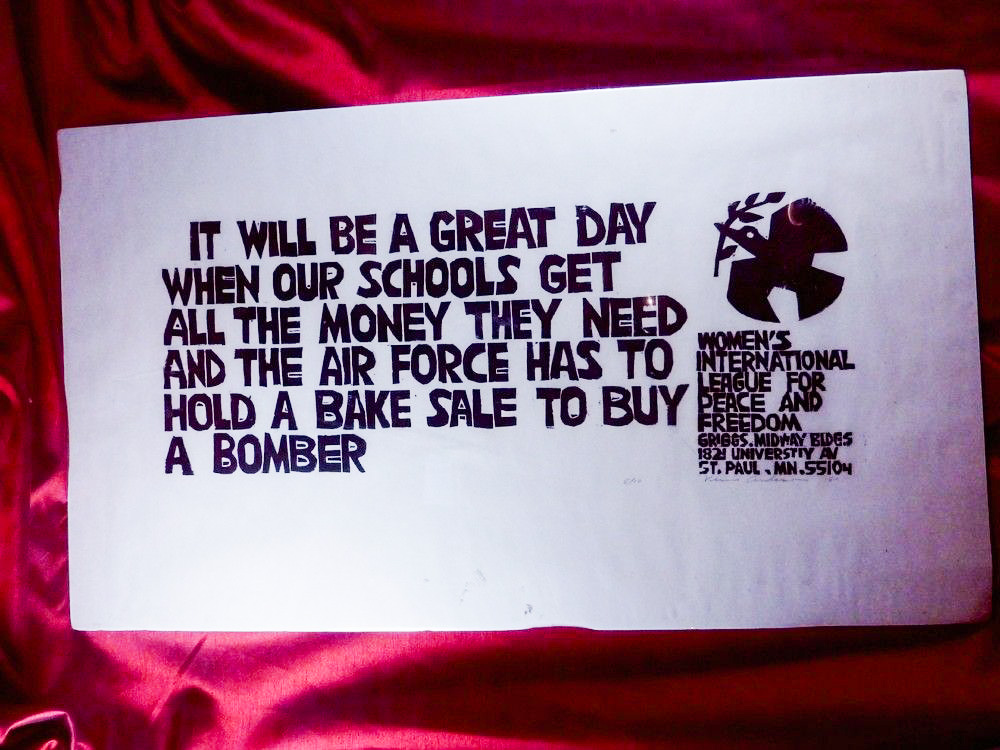
The 1987 Right Livelihood Award Acceptance Speech  Peace appeals to the hearts; studies to the brain. Both are needed, indeed indispensable. But equally indispensable is a valid link between brain and heart. The history of peace studies is, of course, a collective story, and it did not start in the 1950s – it is as old as humankind, as is the history of war studies, the study of war with warlike means. Originally published at Transcend I guess the same applies to what today is called security studies, or the study of peace with warlike means, balance of power, balance of terror, deterrence through credible retaliation etc. Needless to say, that is not what peace studies are about. Peace studies are about peace with peaceful means, and I think it is generally accepted today that this has to be done in a holistic manner and with a global perspective, or...
11-17-john-f-kennedy-ftr
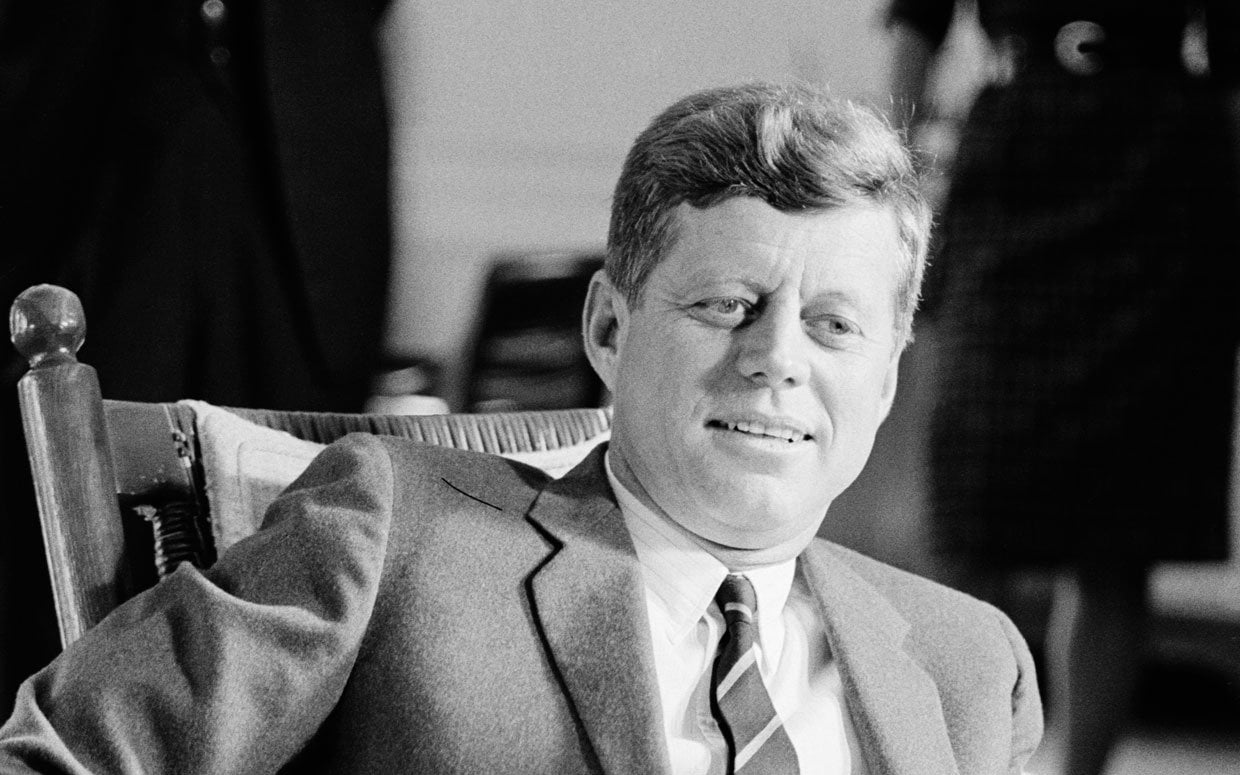
Jan Oberg February 4, 2021 At a time when the intellectual level of much politics has decreased dangerously, it may be useful to remember politicians who earlier on were leaders, visionaries, intellectually alert and able to communicate their message in ways that caught the attention of wide audiences. The Transnational has many student visitors, and if you are 20-25 today you may not have had many chances to experience the mentioned qualities. So we bring you this speech to offer an opportunity to establish some comparative standard and for you to ponder the question: Why is it that politics has become so boring? Why do today’s young people not queue up to participate in their country’s political work? And why are there so few, as it seems, who have the sense of duty that JFK expressed so eloquently in his inauguration speech: “Ask not what your country can do for...
RichardFalk
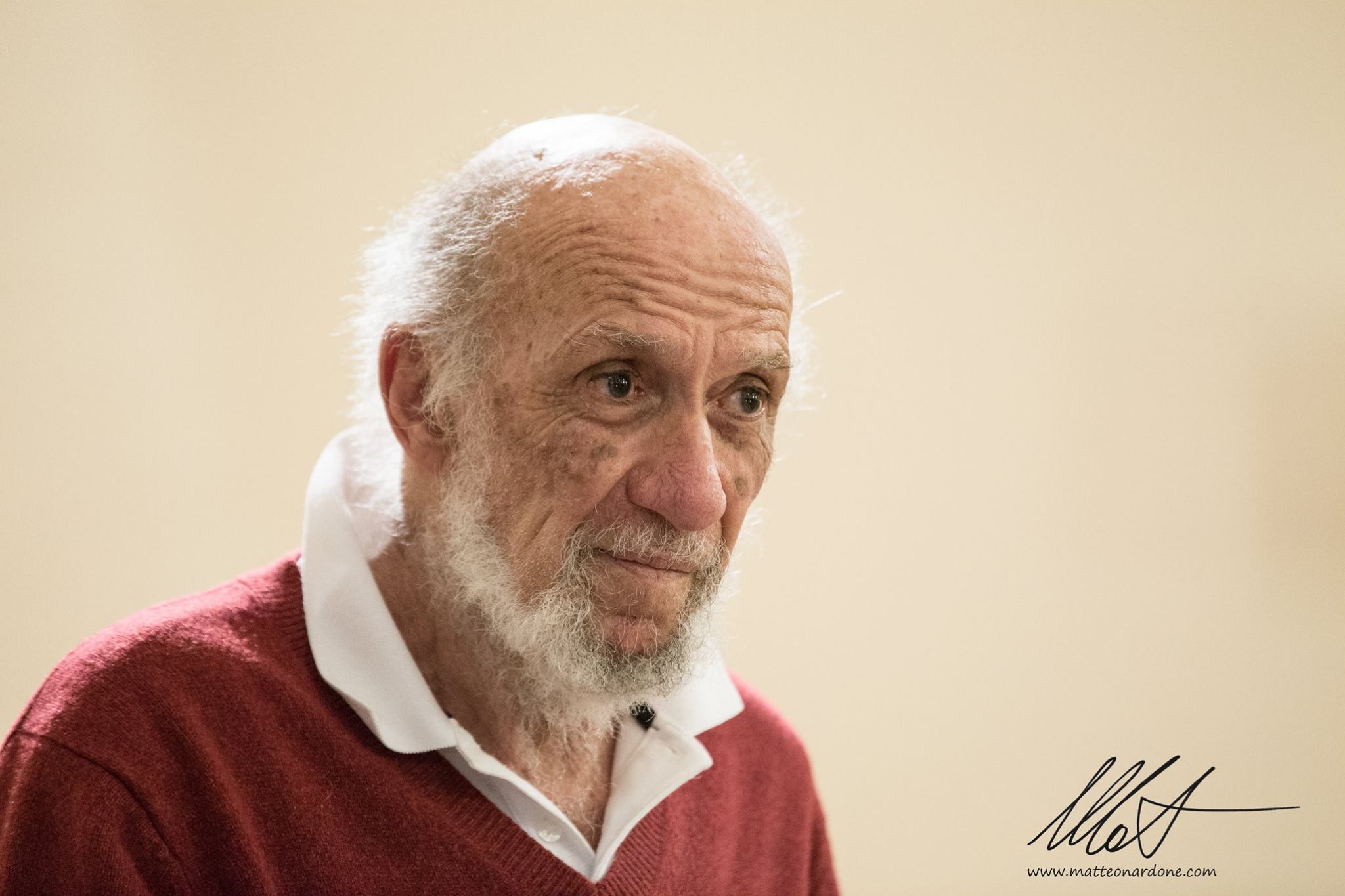
Richard Falk February 3, 2021 This article is a repost from TFF’s homepage, January 20, 2015 By chance I was reading César Vallejo’s poem, “Black Stone on a White Stone,” in a translation by Geoffrey Brock, and was struck by the opening stanza: I’ll die in Paris in the pouring rain a day I have a memory of already. I’ll die in Paris – I won’t try to run – a Thursday perhaps, in Autumn, like today. Without being literal, I was reminded that I could appraise my death while alive, and not leave a final reckoning to some solemn memorial event in which speakers are challenged to find humorous anecdotes to lighten the occasion, otherwise uttering honorific platitudes quite unrelated to the experiential core of my being. I had been thinking quite a bit recently about ‘lost causes.’ Recently I gave a lecture at Columbia University on this theme,...
WorldmoiresHeader
Welcome to my worldmoires – a word I have invented for the occasion. It means writing about my life in the perspective of global affairs and trends that have influenced my work and myself since I was born in the middle of the preceding century.  And the occasion? I’m approaching the 50th anniversary of my work as a peace, conflict and future researcher.  The Transnational Foundation for Peace and Future Research, TFF, that my wife Christina and I have established turned 35 on January 1, 2021.  I hope you will find something of interest and follow the creation of the book – of which only the first small fraction is hereby launched. Now explore…
Categories

Year

Author / Contributor

Region