Peace

Various aspects of and approaches to this “essentially contested” concept.

And various ways of thinking across cultures.

Stuff here is both theoretical and practical – with an emphasis on the former.

We thought that a slightly blurred image of a sunset – the far horizon – could illustrate these endeavours.

The moment we think we know exactly what peace is, it isn’t.

It’s a never-ending process … exploration.

But peace is not just the absence of war and other types of violence.

It is something essential and substantial in and of itself.

Category

Year

Author / Contributor

Region

Sort by

Showing 1-10 of 889 stories

johangaltung
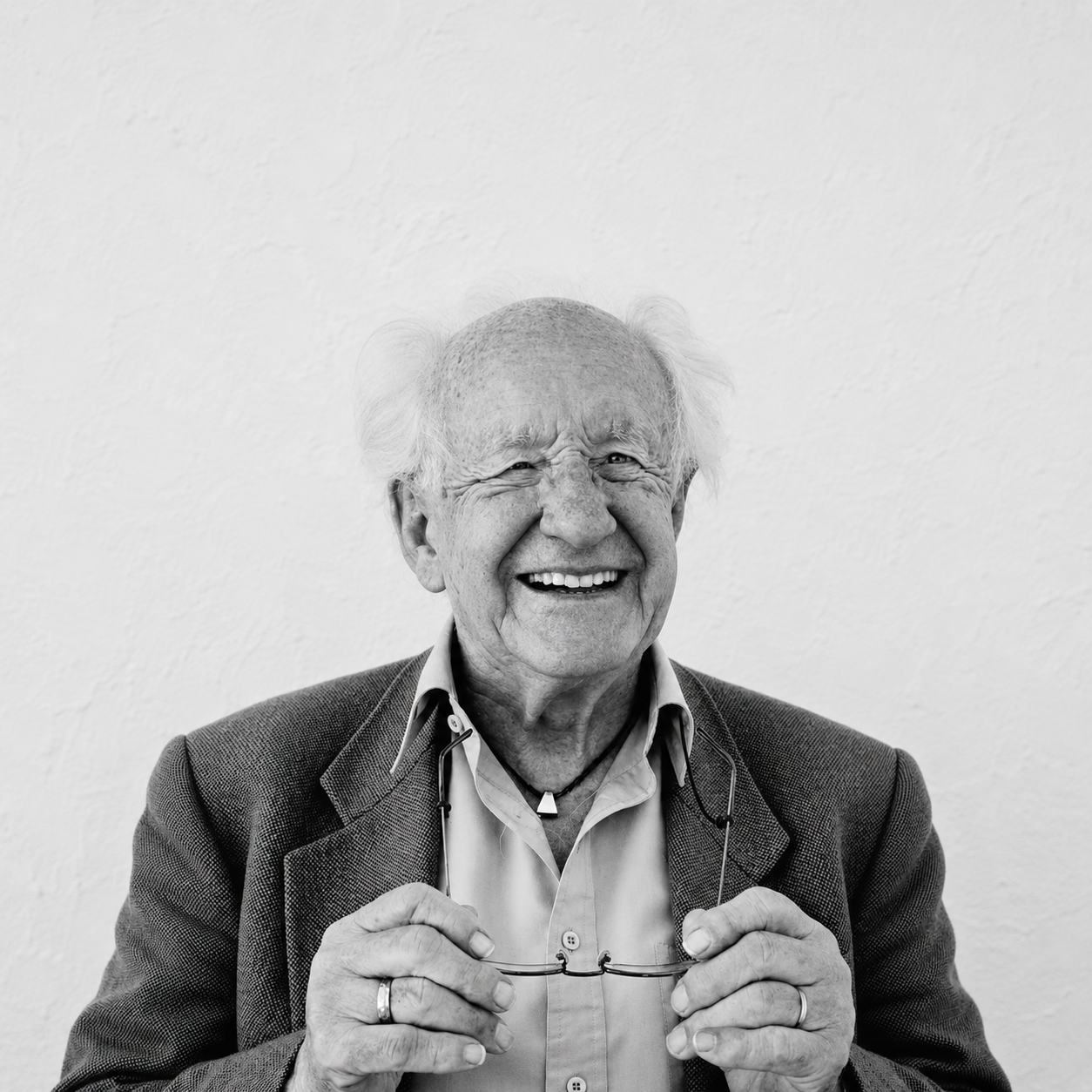
There is much diversity.  Let us praise that mega aspect of our world as multipolar, passive but peaceful, coexistence of civilizations: Anglo-American; Latin American-Caribbean; Islamic; African pre-, post-colonial; European from Ireland to Russia Far East; West Asian Islamic; with Israel Jewish; Iran Persian; South Asian, SAARC, Hindu and Islamic with India; Southeast Asian, ASEAN, Buddhist, Christian, multi-cultural; Northeast Asian daoist-shinto with China and Japan; Asian-Pacific, multi-cultural, with Maoris, Aborigines, Polynesians, Micronesians, Melanesians from one rim to the other. 14 civilizations.  Others stop counting at 8, 10.  Around that. What a wonderful, diverse, polyphonic world!  Not monophonic US or European all over, as they both have wanted and maybe still want. It should be celebrated as part of a formula for endurance and duration. The other side of this is symbiosis.  Man-woman diversity is fine; the other part is man-woman symbiosis – that is probably celebrated in half of world literature?...
GretaT
The amazing person and phenomenon called Greta Thunberg can be looked at from many perspectives. What connects them all is the energies of hope. Thus, for instance, her own personal story and what drives her so passionately – and scientifically – at the age of only 16. Or, how she is challenging the entire global establishment as a youth leader not allowed to vote herself but demanding that decision-makers take into account the millions and millions she speaks for as well as the yet unborn generations. That’s a non-contractual, non-reciprocal way of thinking foreign to Western culture’s “I do something for you if/when you do something for me”. And you can’t ask something in return from the yet unborn. Or, how the role she plays now makes visible and catapults a fundamentally moral criticism into the political discourse where it hasn’t existed, I would say, for decades. Or, how her...
earth-as-an-exploding-bomb-720x510
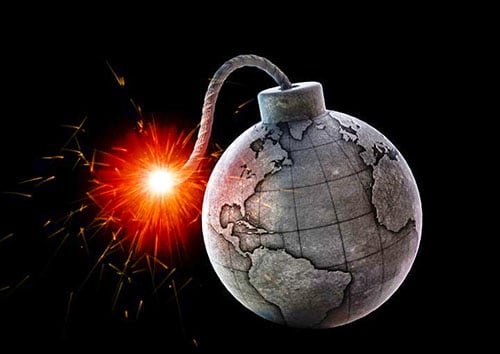
The most stunning and frightening truth about the nuclear age is this: Nuclear weapons are capable of destroying civilization and most complex life on the planet, yet next to nothing is being done about it. Humanity is flirting with extinction and is experiencing the “frog’s malaise.” It is as though the human species has been placed into a pot of tepid water — metaphorically with regard to nuclear dangers and literally with regard to climate change — and appears to be calmly treading water while the temperature rises toward the boiling point. In this piece, I focus on the metaphorical pot of heating water, heading toward a boil, representing the increasing nuclear dangers confronting all humanity.  Disconcertingly, there is virtually no political will on the part of nations in possession of nuclear arsenals to alter this dangerous situation; and, despite legal obligations to negotiate in good faith for an end...
image001
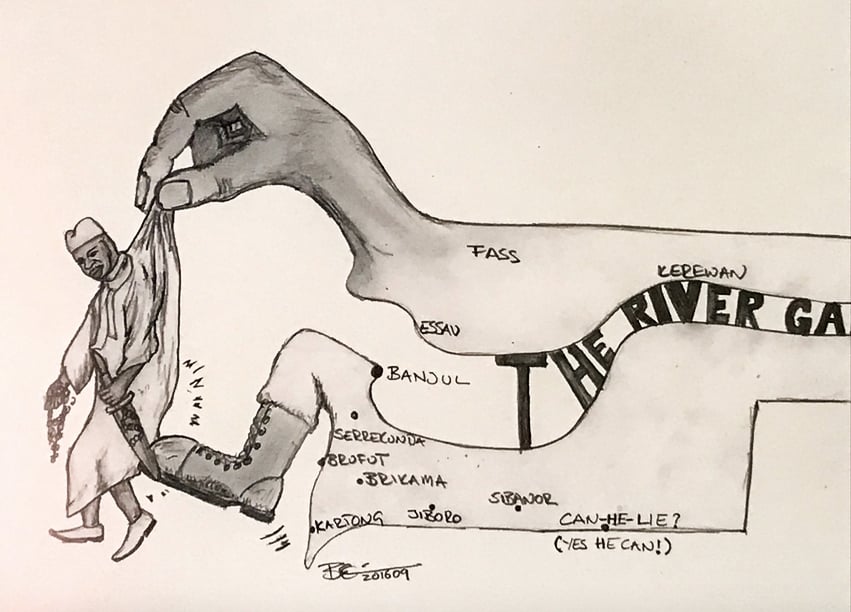
Gambia – or properly The Gambia – a small country in West Africa with about 2 million inhabitants, was peaceful since its internal independent rule was established in 1963. There were good relations with its only neighbour, Senegal. For a long time there was no military force in the country. One could then expect that there would be no militant coups, as in so many other African countries. However, in 1981 a “Revolutionary Council” took power. The revolutionaries were soon ousted by troops from Senegal who reinstated the president.  Now obviously Gambia needed an army “to establish stability” and an army was established. The outcome was that in 1994 a group of soldiers, led by lieutenant Yahya Jammeh, took power. He became the leader of the country, and was elected and re-elected president in 1996, 2001, 2006 and 2011. At least in the early years of his reign, he was...
johangaltung
In 1883 P. J. Reuter, head of the news agency carrying his name, wrote the following memorandum: To: Agents and CorrespondentsFrom: P. J. ReuterDate: 1883 Re: Please cover the following: “…fires, explosions, floods, inundations, railway accidents, destructive storms, earthquakes, shipwrecks attended with loss of life, accidents to war vessels and to mail steamers, street riots of a grave character, disturbances arising from strikes, duels between and suicides of persons of note, social or political, and murders of a sensational or atrocious character.” (*) Sounds familiar?  Yes, it is called “news”. It is all about action, nothing about structures generating them. It is about persons high up, “of note, social or political”. (People low down generate street riots and strike disturbances.) It is all negative. There is not a single positive thing to “cover”. (To the contrary: a simple murder is not enough, it has to be preferably “sensational or atrocious” to merit cover.) Of...
8e60ae37-fede-4b63-95c1-3198cc25e5cd
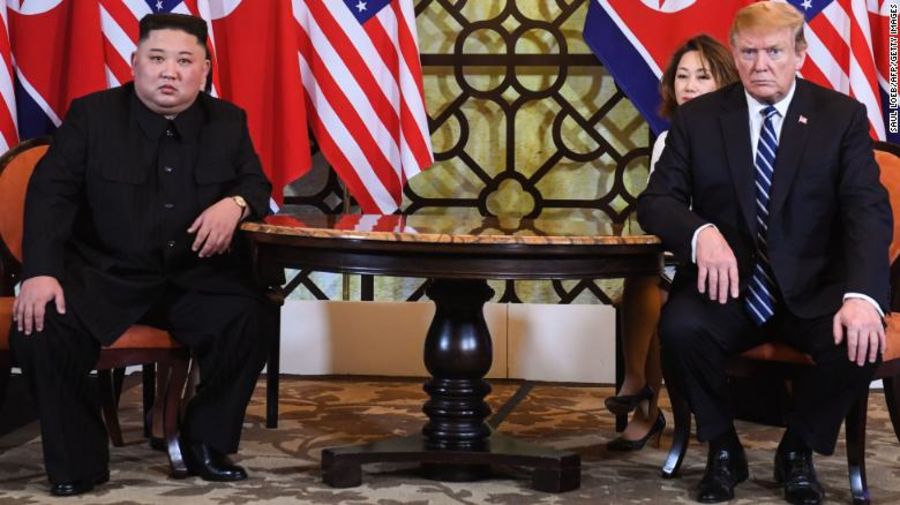
Peace can never be achieved this way a) The issue is about peace, not only nuclear weapons. The US has not been willing to sign a peace agreement after all these years. After some kind of peace process and treaty has been achieved, you can turn to the specific issue of nuclear weapons. b) Making peace takes time, thorough preparations, lots of different expertise, long consultations and only face-to-face meetings when all are sure that, when the parties finally meet at top level, some kind of deal will be signed. c) This would have been an issue for the UN if it were respected and used fairly by member states around the world. Naive and egotist people believe they can do miracles without the institutions of the international system. Probably Trump and Kim are in the same category believing that they are all capable and great guys of history (worthy...
71de2133-5ae9-45ef-80a0-c1b5d0bb5ec0
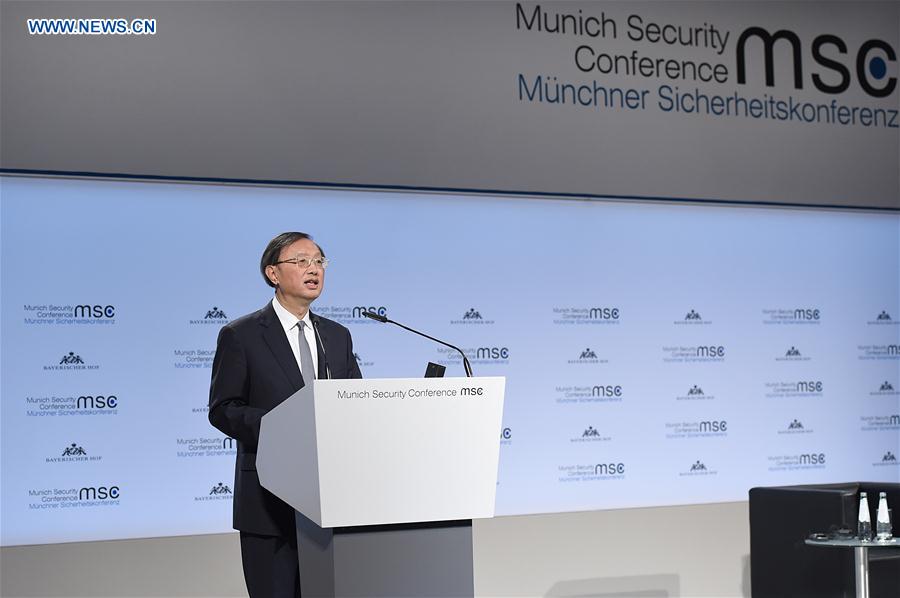
“Working for a Community with a Shared Future for Mankind by Promoting International Cooperation and Multilateralism” By Yang Jiechi February 18, 2019 MUNICH, Germany, Feb. 16 (Xinhua) – Yang Jiechi, a member of the Political Bureau of the Communist Party of China (CPC) Central Committee, Director of the Office of the Central Commission for Foreign Affairs, delivered China’s keynote speech on February 16, 2019 at the 55th Munich Security Conference. Italics added by The Transnational for pedagogical, easier-read reasons. This is the English translated version of the speech reprinted from China Org. cn here: Mr. Wolfgang Ischinger, Chairman of the Munich Security Conference, Ladies and Gentlemen, It is my great pleasure to join you at this year’s Munich Security Conference (MSC). As a global forum on security policy, the MSC provides an important platform for people around the world to express views and share insights on major issues concerning world...
InaVideo
By Ina Curic February 8, 2019 The story teller who also just became TFF board member for a second time has set up her video channel on YouTube, of course called Imagine Creatively. She did that while working in Zambia – as you will see in the videos. So play for peace, use the love glasses and create happiness making children smile across borders and differences. Isn’t that peace? Now explore the first spontaneous videos on the Imagine Creatively channel! Ina Curic And read more about Ina here.
1-19-Martin-Luther-King-ftr
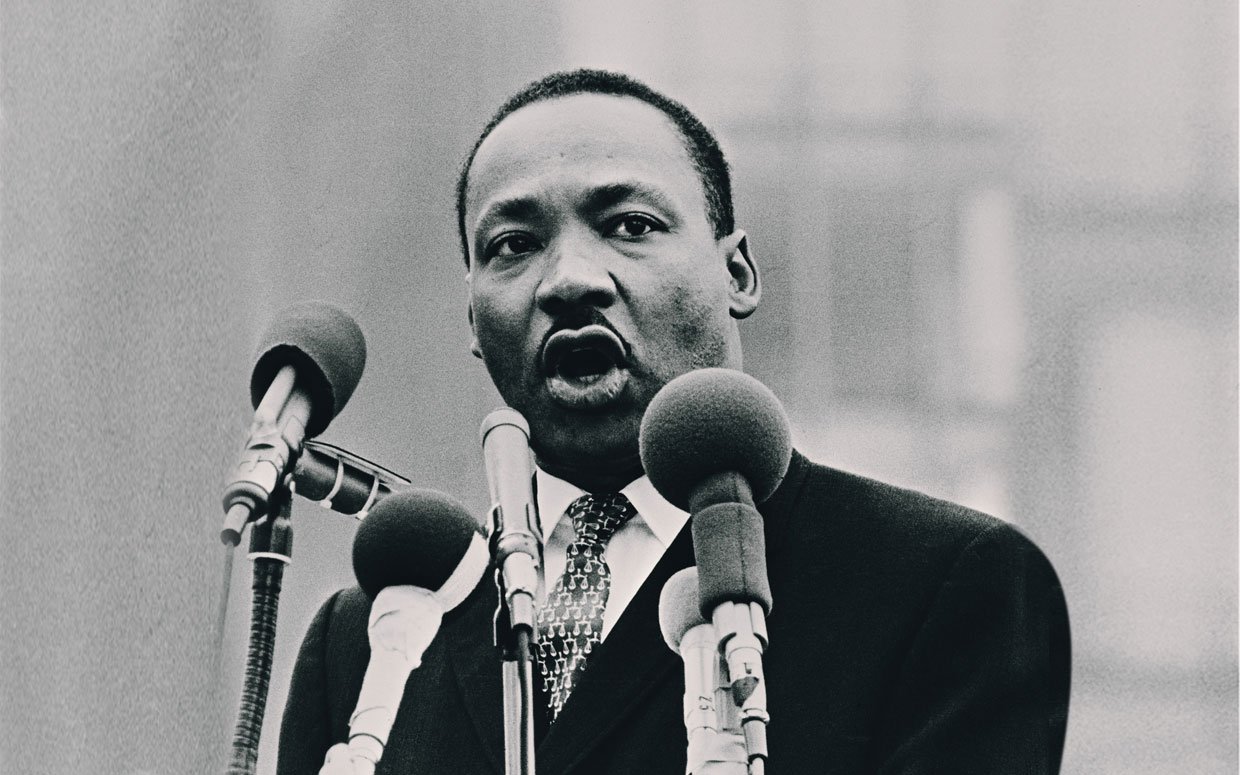
– Martin Luther King Day Since The Transnational is also a public education site, we believe a handy, comprehensive guide to materials about Martin Luther King, Jr. should be found here: For his indisputable greatness as a human being, thinker and activist and for you to see just how far today’s United States of America is from its basic ideals, ideals that he stated so clearly and convincingly. Such ideals must never be allowed to die, neither be turned into lifeless traditions over time that are only paid lip service to at memorial occasions. Martin Luther King, Jr. has a series of messages for today’s world – and inspires anyone who wants to bring about change towards peace. We are particularly fascinated by his elaborations of the concept of The Beloved Community. And we’ve published two other guides earlier: Michel Chossudovsky, TFF Associate, Global Research Guide to Martin Luther King,...
PeopleCharterNV
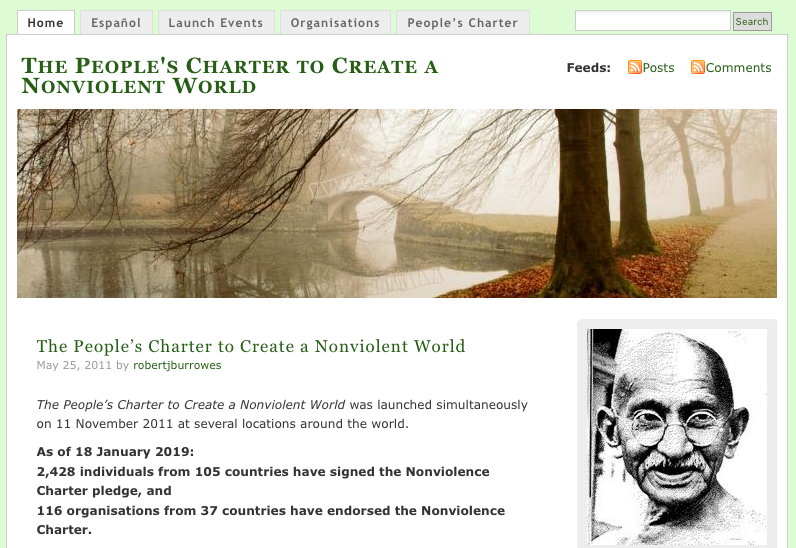
By Robert J. Burrowes January 18, 2019 ‘When I despair, I remember that all through history the ways of truth and love have always won. There have been tyrants, and murderers, and for a time they can seem invincible, but in the end they always fall. Think of it – always.’ M.K. Gandhi As we remember Gandhi Jayanti on 2 October, the Mahatma’s 149th birthday and the International Day of Nonviolence or his death on January 30, there is plenty of room for despair. Never before has the Earth and its many inhabitants been under siege as they are now, more than 100 years after Gandhi started warning us of the predicament in which we are embroiled and presenting his strategy for addressing it before it spiraled out of control. Whether it is the threat of nuclear war, the ongoing wars in many parts of the world and particularly the...
mishra-768x480
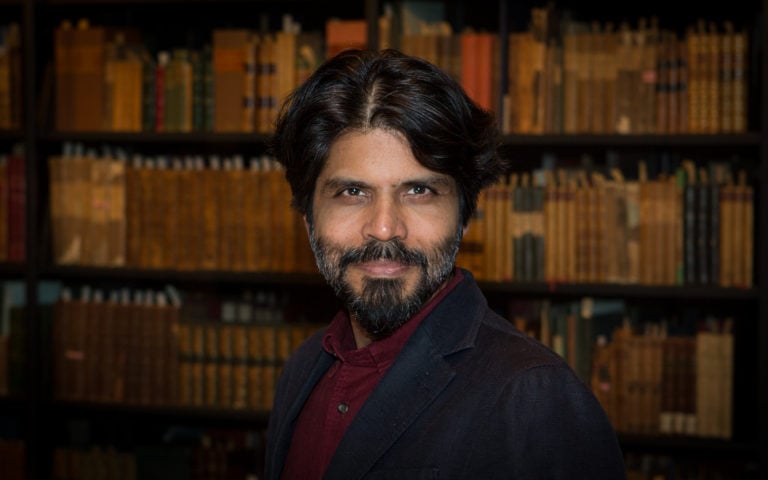
By Pankaj Mishra January 15, 2019 Mohandas Gandhi was the twentieth century’s most famous advocate of nonviolent politics. But was he also its most spectacular political failure? The possibility is usually overshadowed by his immense and immensely elastic appeal. Even Glenn Beck recently claimed to be a follower, and Gandhi’s example has inspired many globally revered figures, such as Martin Luther King, Jr., Nelson Mandela, the Dalai Lama, and Aung San Suu Kyi. Gandhi, rather than Mark Zuckerberg, may have been the presiding deity of the Arab Spring, his techniques of resistance—nonviolent mass demonstrations orchestrated in the full glare of the world’s media—fully absorbed by the demonstrators who prayed unflinchingly on Kasr al-Nil, in Cairo, as they were assaulted by Hosni Mubarak’s water cannons. This article was originally published by The New Yorker on May 2, 2011 And yet the Indian leader failed to achieve his most important aims, and...
mahatma-gandhi-a-legacy-of-peace
By Tom Shillam January 14, 2019 Seventy years after Gandhi’s assassination on the streets of New Delhi, Ramachandra Guha’s new book, Gandhi: The Years That Changed the World, 1914-48, reopens a familiar debate around his legacy. What was Gandhi’s message? What were his politics? What can we learn from him today? And is he still relevant? Guha, presenting the second half of a biography that began with his 2013 book, Gandhi Before India, offers a straightforward but detailed narrative in which “the Mahatma” negotiates a principled path between the warring political trends of the age. This article was originally published by The Conversation on November 28, 2018 Historian of empire, Bernard Porter, welcomed Guha’s work and its subtle defence of a “gentler, more tolerant and consensual forms of politics” that is now, in the age of Donald Trump, Brexit and Jair Bolsonaro in Brazil, on the decline in the West...
Categories

Year

Author / Contributor

Region