Nuclear abolition

Category

Year

Author / Contributor

Region

Sort by

Showing 1-10 of 43 stories

PM-JO
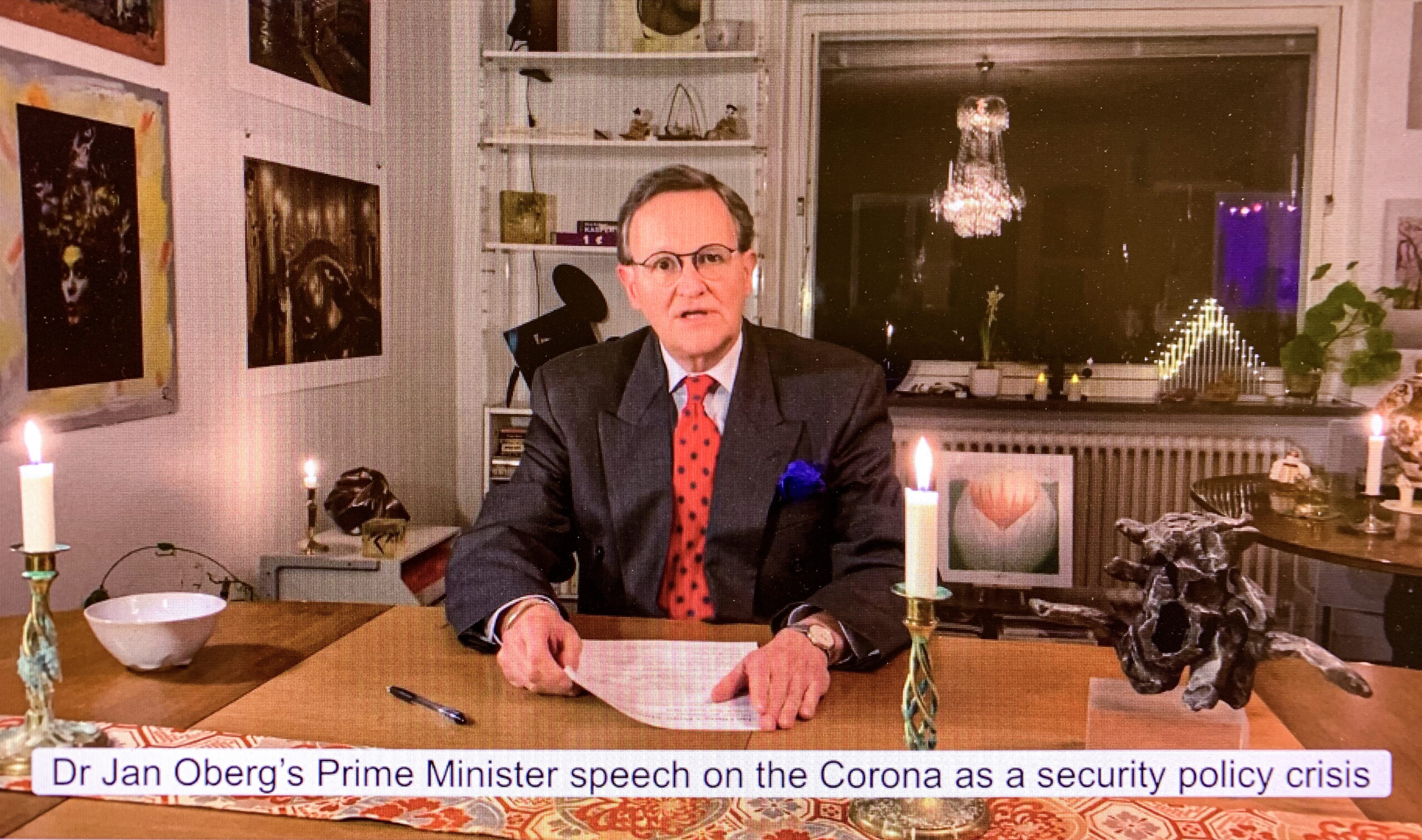
Or your government leader’s Coronavirus speech that was never given. Do not believe the future will be better before you hear leaders say something like this… The speech can be seen as part of TFF’s Campaign “Convert Military Expenditures to Global Problem-Solving”. See and listen to the speech by clicking on Vimeo above, or read the transcript below. Fellow Citizens, good evening Tonight, I want to share with you the main lessons my government and I have drawn from the Coronavirus crisis – a crisis which has caused so much suffering and so many deaths. And a crisis that will take very long time for our economy to recover from. That lesson – and my central message to you tonight – is that your suffering has been caused by our failed security policies. Only, secondarily, is this a crisis of our health system. Therefore, I want to extend my most...
Nuclear-Weapons-Ban
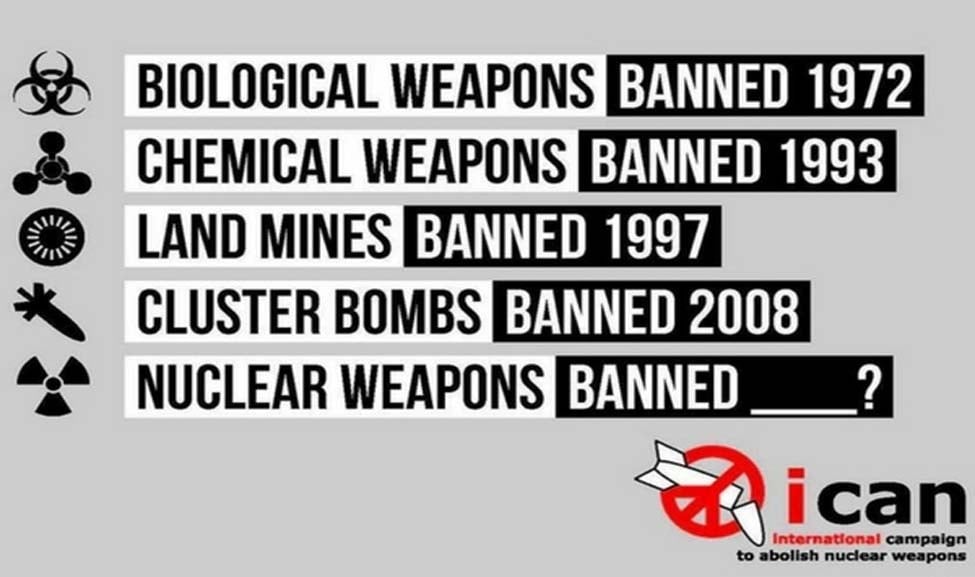
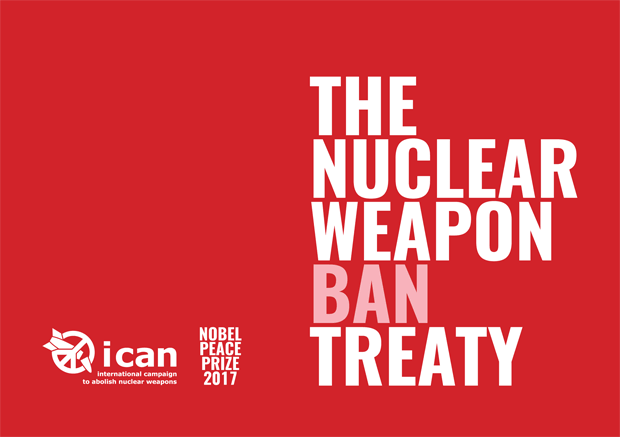
On the 7th UN Day – two days ago – the 50th UN member, Honduras, ratified the Nuclear Weapon Ban Treaty – or the Treaty On the Prohibition Of Nuclear Weapons (TPNW). It’s a milestone in the global struggle to make nuclear weapons a parenthesis in human history. We have much to thank millions of peace workers for as well as, of course, ICAN (International Campaign to Abolish Nuclear Weapons) – winner of the Nobel Peace Prize 2017. It’s well-known to most that Iran has been harassed for years – you may say for not having nuclear weapons and for having signed the Nuclear Non-Proliferation Treaty and votes in favour of adopting the TPNW; Israel which is a nuclear country has not signed any relevant treaty and obstructs the ongoing work of Middle Eastern UN members to secure that the region of the Middle East will become a nuclear-free zone....
Peace-Sign-HD-Background-620x349
20. oktober 2020 Det er nok så tænkeligt at du aldrig har hørt om Arne Nielsen Hansen – men han er en uhyre interessant og mangfoldig nordjyde på 81 år. Du kan læse mere om ham hér. Jeg vil gerne fortælle dig at Arne er en af Danmarks mest betydende mediepersonligheder – igennem flere år end de fleste – en fremstående humanist og landets eneste freds- og global-journalist (læg mærke til kombinationen). Og så sidder han på en lokal-radio – den i Frederikshavn. Han er primus motor bag den righoldige side, Flygtninge og Fred, hvor han producerer alt materiale selv. Og det handler om et bredt spektrum – udover flygtninge og fred også demokrati, klima, miljø og menneskerettigheder. Og han har gjor det i over 20 år. Sådan hér ser manden med de levende, nysgerrige øjne ud. Han er et meget beskedent menneske og ville sikkert helst have sig frabedt...
2014-10-29-Peace
Jan Oberg August 6, 2020 It is natural and human to commemorate what happened in Hiroshima and Nagasaki. But these stories, films and photos from back then must never come to serve as a museum for just a historical event. It would also be fairly naive – now 75 years later – to believe that showing such images of the destruction and listening to Hibakushas (survivors) will help abolish the nukes of today. They’ve been seen too many times to make such an impact on today’s people; there is a certain psychic numbing and a mass denial of the fact that “it could happen this afternoon too.” 1) If they had such a – desirable deterrent – effect, nuclear weapons would be gone long ago. While of course Hiroshima and Nagasaki and their victims must never be forgotten, it’s extremely important that Hiroshima and Nagasaki Days are used to focus...
96f258eb81837d6ccb7088f100f6aebd
May 25, 2020 Dr. Lawrence Wittner Decades ago, when I began teaching international history, I used to ask students if they thought it was possible for nations to end their fighting of wars against one another. Their responses varied. But the more pessimistic conclusions were sometimes tempered by the contention that, if the world’s nations faced a common foe, such as an invasion from another planet, this would finally pull them together. Originally published on Counterpunch on April 14, 2020 here I was reminded of this on March 23, when the UN Secretary-General, António Guterres, called for “an immediate global ceasefire.” The time had come, he said, to “end the sickness of war and fight the disease that is ravaging our world.” A UN summary noted that the Secretary-General had “urged warring parties across the world to lay down their weapons in support of the bigger battle against COVID-19: the...
ObergComment_OnSite
On March 21 this year, Bulletin of the Atomic Scientists (BAS) published an article headlined Coronavirus in Russia: How Putin’s disinformation efforts could backfire at home and written by Judy Twigg, professor of political science at Virginia Commonwealth University. Take a look and get a sense of its quality, balance and bias. Having read it, I submitted the following comment underneath: I’m dismayed by this article. While there is no doubt that Russia is (mis)using information, this sort of thing must be seen as a tool, or weapon, in a conflict – a conflict Russia has with the 29-member NATO alliance. It is normal praxis for such high-ranking, respected and reliable media as yours to not talk about “the other” side’s weapons but looking at armament dynamics on both (or all) sides of a conflict formation. Just pointing fingers at one and keep quiet about the other side risks to...
urmedium
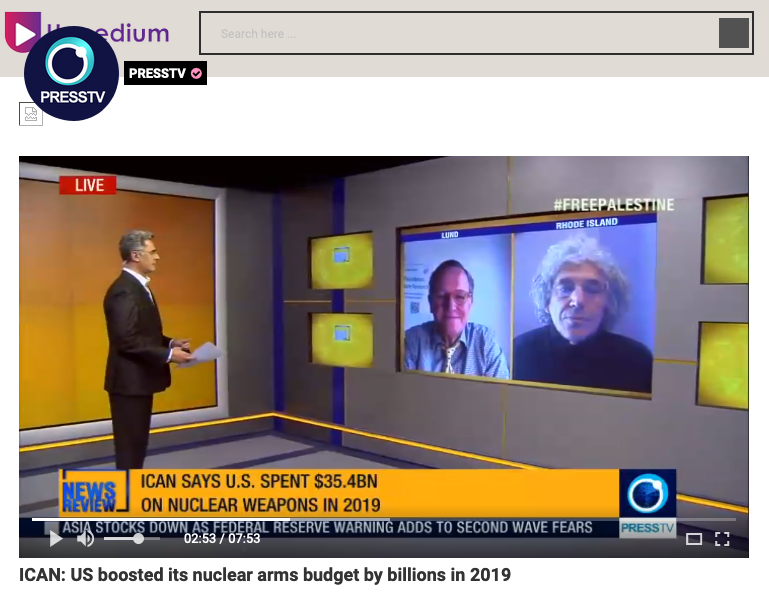
ICAN: The US boosted its nuclear arms budget A record $73 billion spent on nukes in 2019 – says ICAN. Nuclear-armed states spent a record $73 billion on nuclear weapons in 2019, a nearly 10% increase from 2018, and the US accounted for almost half of the spending, a new report states. Please find a short conversation about that at PressTV’s Channel at Urmedium.
RichardFalk
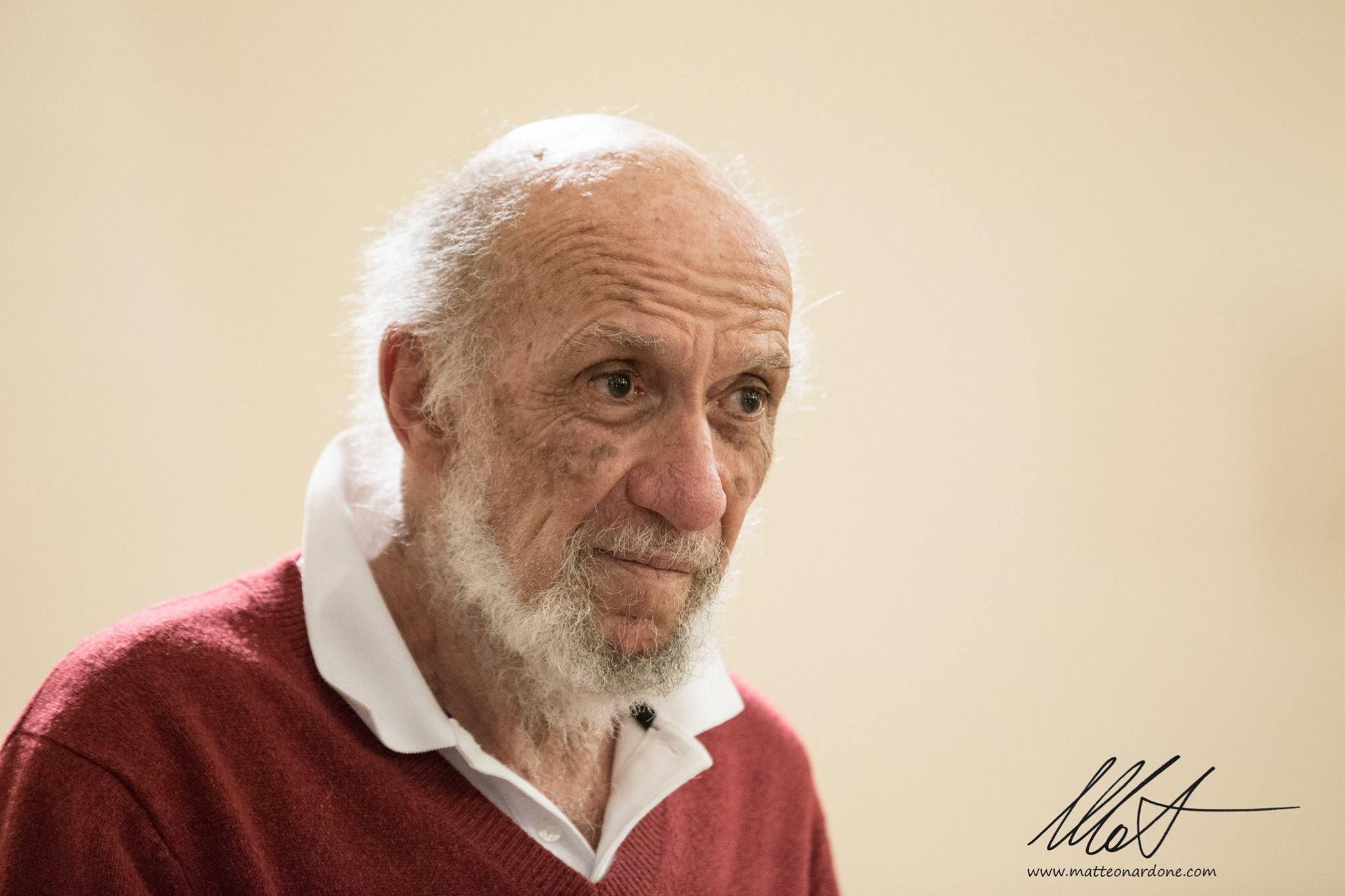
By Richard Falk, TFF Associate Januar 22, 2020 Prefatory Note: The post below is a somewhat amplified version of an interview with C. J. Polychroniou, journalist and professor of political economy at West Chester University, which was published on January 7, 2020, in the online journal, Global Policy. As the interview was conducted in December 2019, it fails to address the various disruptive consequences of the assassination of Qasem Soleimani, including the violation of Iraqi sovereignty, Baghdad being the site of the drone attack, as well as the risks of war arising from an escalating tit-for-tat cycle of actions and reactions. Given growing tensions between the interconnectedness of the world and the state-centric character of international law, including contradictions between totalizing and disregarding territorial sovereignty, state-centric world order is being increasingly marginalized by geopolitical behaviour that both generates and suppresses transnational political violence. A normative crisis with structural implications exists,...

the-anti-nuclear-march-in-new-york-citys-central-park-june-12-1982-1024x689-1
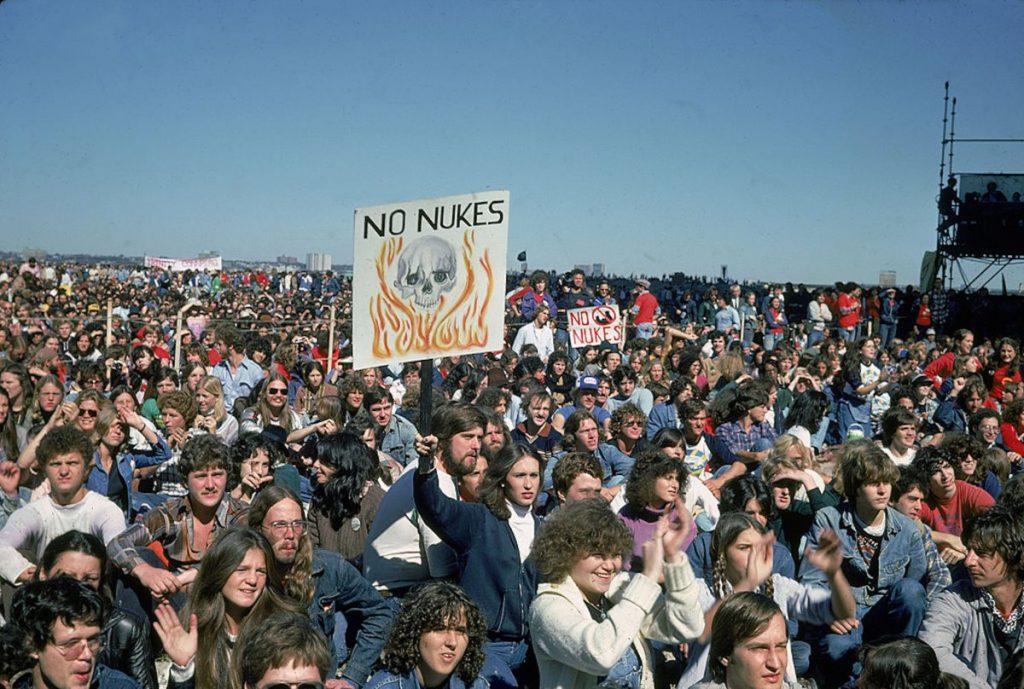
By Dr. Lawrence Wittner January 17, 2020 Although today’s public protests against nuclear weapons can’t compare to the major antinuclear upheavals of past decades, there are clear indications that most Americans reject the Trump administration’s nuclear weapons policies. Originally posted on History News Network on December 22, 2019 here Since entering office in 2017, the Trump administration has withdrawn the United States from the nuclear agreement with Iran, scrapped the Intermediate-Range Nuclear Forces (INF) Treaty with Russia, and apparently abandoned plans to renew the New START Treaty with Russia. After an overwhelming majority of the world’s nations agreed on a landmark UN Treaty on the Prohibitions of Nuclear Weapons in July 2017, the Trump administration quickly announced that it would never sign the treaty.  The only nuclear arms control measure that the Trump administration has pursued―an agreement by North Korea to abandon its nuclear weapons program―appears to have collapsed, at least in part because the Trump administration badly mishandled the negotiations. Moreover, the Trump...
ChatGPT Image 9 jun 2026, 11_11_33
There’s a lot of end-of-the-world hyperbole around on climate change. So there should be. But it blankets out other important causes that are even more imminently important – wiping out malaria and sleeping sickness and introducing pure water supplies, sewerage systems and education for girls – all of which would save many more people than those likely to be hurt by global warning, at least this side of twenty-five years. Global warming, although very much apparent, is happening relatively slowly. Indeed, I feel like coining a slogan: “Kill mosquitoes today, save the icebergs tomorrow”. In fact the world has the resources to do both – a small portion of the money spent on arms would do it. So too would diverting the money spent on cat food, cosmetics, red meat and gas-guzzling SUVs (In the US they make up 60% of car sales.) Fading ever more into the background as...
Sitara-one-min
By Pressenza New York September 18, 2019 Originally posted on Pressenza New York’s website on September 09, 2019 here On this show we speak with Alice Slater about the historical process of nuclear weapon treaties and the relationship between the US and Russia. Alice is the UN NGO Representative of the Nuclear Age Peace Foundation, sits on the boards of World Beyond War, Nuclear Ban US, and the Global Network Against Weapons and Nuclear Power in Space, and is a member of the Global Council of Abolition 2000. She is on the NYC Working Group for the Nobel Prize-winning International Campaign to Abolish Nuclear Weapons (ICAN) ‘s campaign to promote the newly passed treaty to ban the bomb. Alice is a member of the NYC Bar Association and has written numerous articles and op-eds for Pressenza. Political actions you can take to ban the bomb and cut down the war...
shutterstock_714035503
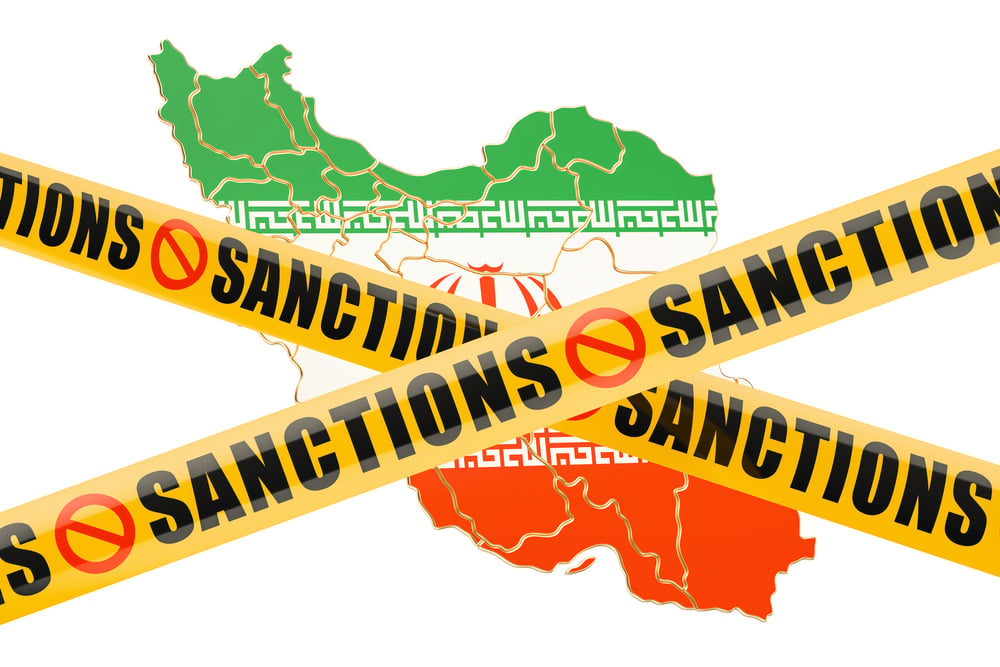
By Kevin Cashman and Cavin Kharrazian Iranian foreign minister Mohammad Javad Zarif recently visited the Group of Seven (G7) at the invitation of French president Emmanuel Macron, in what was seen as an overture to the Trump administration to negotiate over sanctions that have plagued the Iranian economy. Back in 2018, after months of increasingly hostile rhetoric, the US government withdrew from the Joint Comprehensive Plan of Action (JCPOA), or “Iran Deal,” and imposed a “maximum pressure” campaign that included unilateral, economy-wide sanctions. The Iran Deal was an agreement that provided Iran relief from existing sanctions in exchange for limits on its enrichment of uranium, among other concessions. These sanctions hampered trade between the European Union, whose leaders have sought to salvage the Iran Deal. Originally posted on September 1, 2019, on the Center for Economic and Policy Research (CEPR) here When President Trump reimposed sanctions in November 2018, it cut off...
Categories

Year

Author / Contributor

Region