Middle East conflict formation

Category

Year

Author / Contributor

Region

Sort by

Showing 1-10 of 118 stories

ObergComment_OnSite
Some may remember way back when US President Obama said that the US had now isolated Iran. The only problem was that on the very same day, some 130 leaders from the Non-Aligned Movement, NAM, were meeting in Tehran. The more the US withdraws from international treaties, imposes sanctions, threatens wars and otherwise antagonizes the rest of the world, the more that rest will search – and find – new partners and create a future world order that is not Western- or US-dominated. That’s what Iran is now doing. After sanctions since 1979, verbal harassment, a broken JCPOA (nuclear deal), accusations of being the world’s leading supporter of terrorism, maximal pressure policies, threat of massive war, bombings, liquidation of a top government representative, infiltrations and much else – why on earth should the leaders in Tehran (no matter what you may think about them and their policies) continue to seek...

ObergComment_OnSite
Another tragic turning point for the – falling – West as civilization. Its moral irresponsibility is expressed by its roaring silence on this crystal clear and gross violation of international law and evil done to the Palestinian people for decades. It can be seen as a particularly nasty, nationalist form of a victim psychology à la Sigmund Freud’s Wiederholunszwang and Alice Miller’s repetition compulsion – you project onto others today what was done to you earlier. Add to that exceptionalism (like the US), state formation through ethnic cleansing (like the US), a belief in being a Chosen People (like the US), being an extremely militarist, over-armed and nuclear power (like the US) and seeing enemies everywhere without the thought that your own behaviour may create some of them – leading to constant fear/paranoia – and you have most of a recipe for self-destruction (like the US). Two leading countries, with...
o-LAWRENCE-WILKERSON-facebook
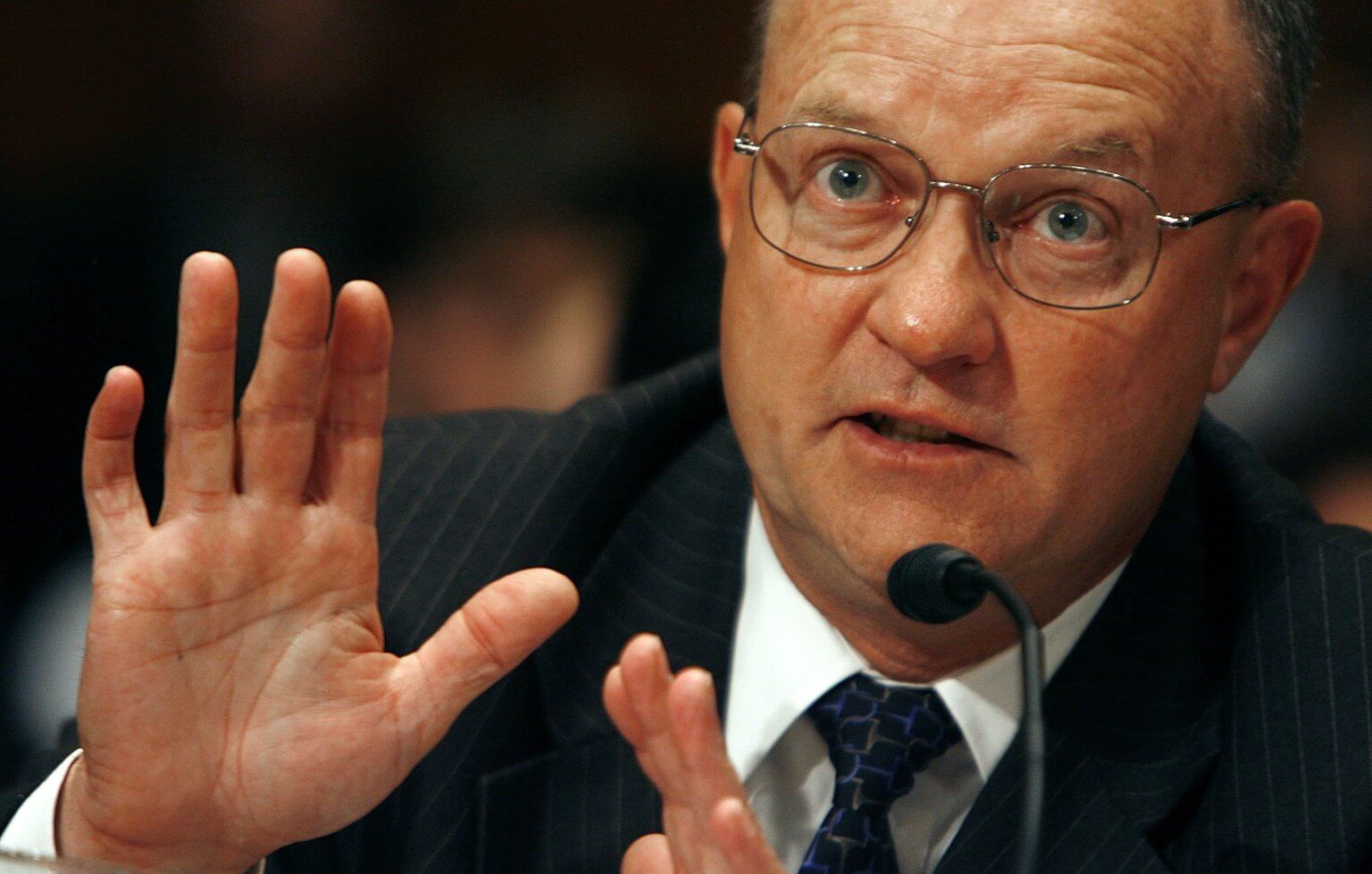
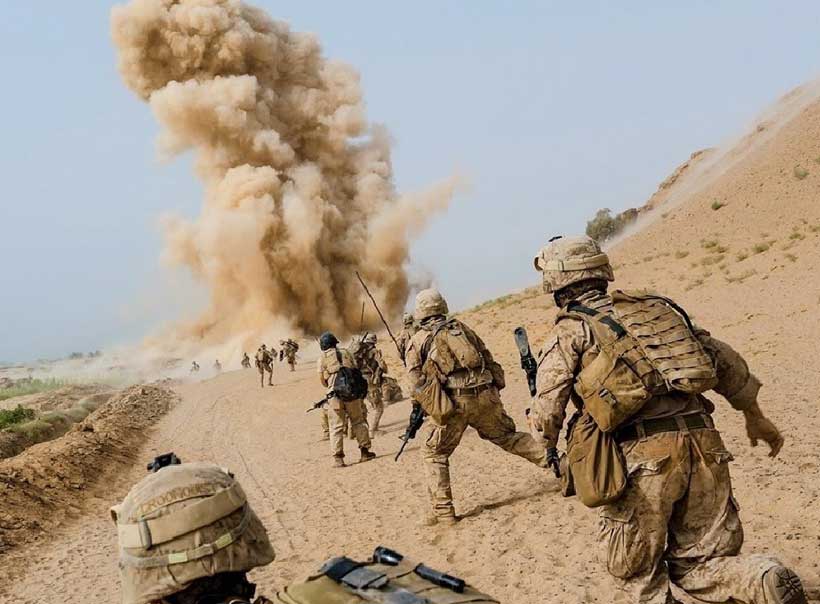
May 19, 2020 Lawrence Wilkerson, US Army Colonel This is a stunning piece of documentary and a clear and sharp analysis of the moral and intellectual decay of the foreign interventionist policy of the United States. By a man who obviously knows. Retired U.S. Army Colonel Lawrence Wilkerson, who served as Secretary of State Colin Powell’s chief of staff from 2002 to 2005, says the escalation of tensions between the U.S. and Iran today is a continuation of two decades of U.S. policy disasters in the Middle East, starting with the 2003 run-up to war with Iraq under the Bush administration. “America exists today to make war. How else do we interpret 19 straight years of war and no end in sight? It’s part of who we are. It’s part of what the American Empire is,” says Wilkerson. “We are going to cheat and steal to do whatever it is...
RichardFalk
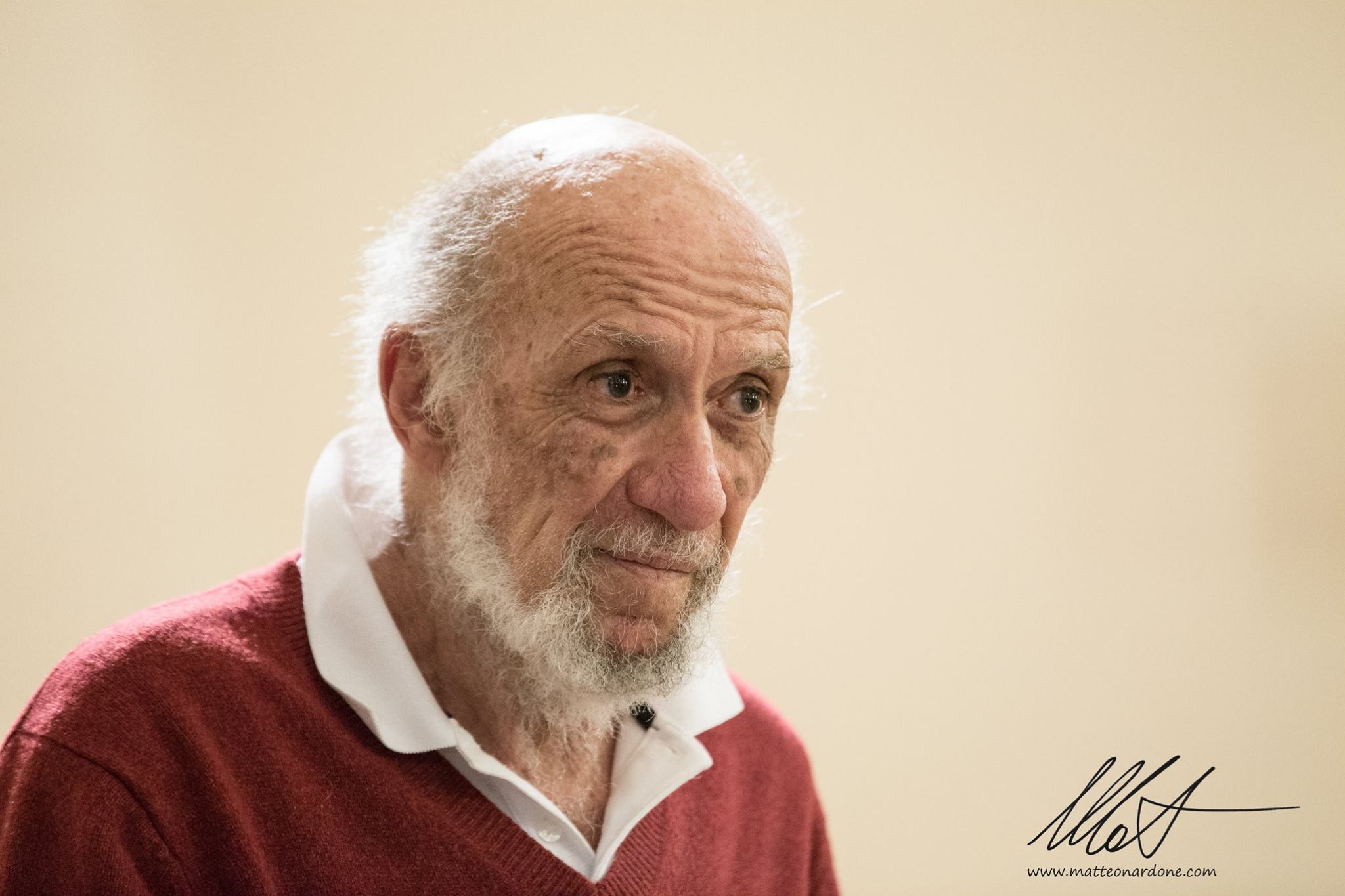
Richard Falk May 16, 2020 Prefatory Note Republication of opinion piece published in Al Jazeera English on May 13, 2020. The published AJE text has been slightly modified. Annexation foreplay These are the strangest of times. On this almost everyone will agree. Lives all over the planet are being torn apart either by COVID-19 or as a result of its devastating social and economic dislocations. In such a moment, it is hardly surprising that the best and worst of humanity is being showcased. Yet what seems worse beyond even these forebodings is the persistence of gangster geopolitics in its various manifestations. Intensifying U.S. sanctions in the midst of the health crisis on already deeply afflicted societies and suffering populations such as Iran and Venezuela is one striking example. This display of the primacy of geopolitics is highlighted by its rejections of numerous high profile humanitarian appeals for the suspension of...
ChatGPT Image 9 jun 2026, 11_11_33
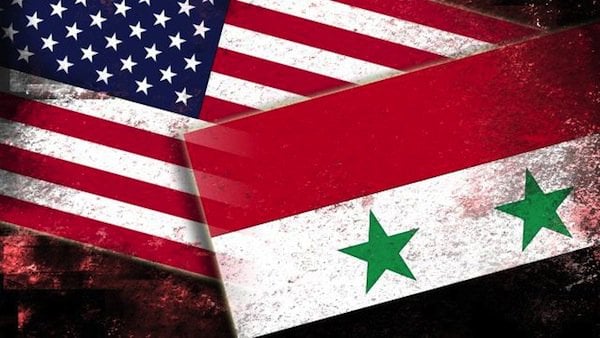
The war in Syria has dropped out of the news, like almost everything else, in a time when the Coronavirus seems to dominate all discourse and reporting. But the regime of Bashar al-Assad continues to strangle its own country. The Russians continue to bomb on his behalf, terrifying civilians and hospitals. The Americans work semi-clandestinely to undermine both the regime and its Russian backers. There is no sign in the US-Soviet relationship of what was called in the 1970s and 80s détente. The big powers, Russia, the US, the UK and France appear intent on maintaining their interests in the Middle East. Russia has long been a friend of Syria and has had its single foreign base there since Soviet days. For even longer the US, France and the UK have been a friend of Saudi Arabia and today provide weapons for the Saudi air force so it can support...
syria-regime-change
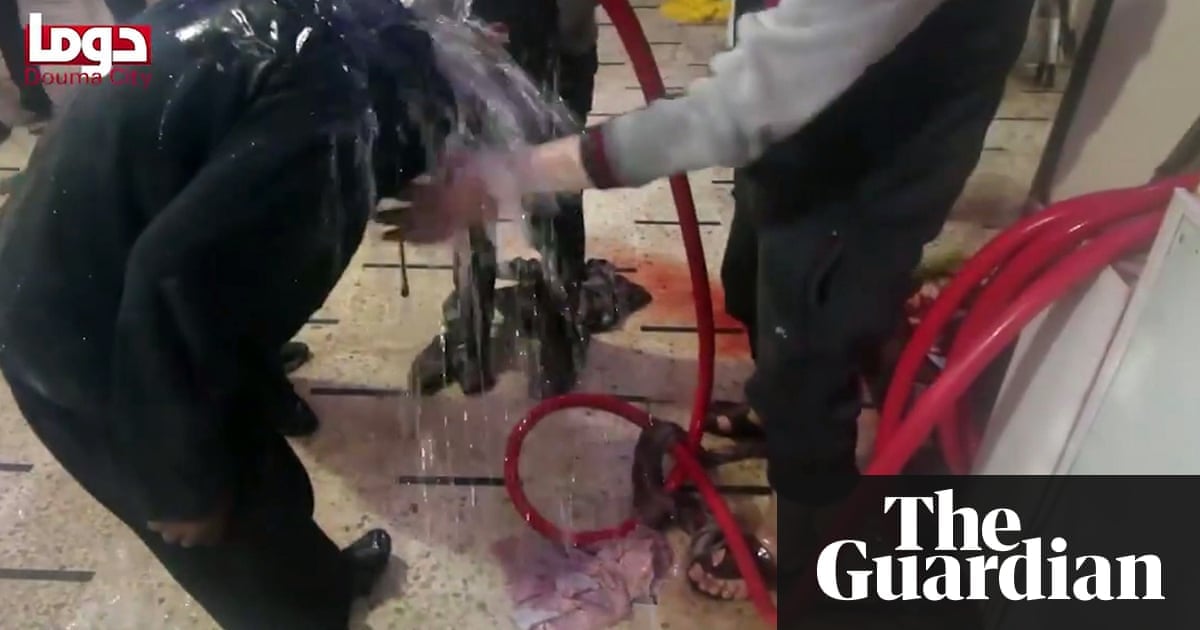
April 3, 2020 Robert Reuel Naiman Given the systematic distortion of the Syrian conflict that we have pointed out here on The Transnational many times before, we find it important to highlight the – always omitted – early role of the United States in fomenting what broke out in violence in early 2011. This is an essentially important documentation. In 2010, WikiLeaks became a household name by releasing 251,287 classified State Department cables. Now, a new book collects in-depth analyses of what these cables tell us about the foreign policy of the United States, from authors including Truthout staff reporter Dahr Jamail and our regular contributors Gareth Porter, Robert Naiman, Phyllis Bennis and Stephen Zunes. “The essays that make up The WikiLeaks Files (2016) shed critical light on a once-secret history,” says Edward Snowden. The following is Chapter 10 of The WikiLeaks Files: On August 31, 2013, US president Barack...
war-on-terror
February 21, 2020 By Garikai Chengu Much like Al Qaeda, the Islamic State (ISIS) is made-in-the-USA, an instrument of terror designed to divide and conquer the oil-rich Middle East and to counter Iran’s growing influence in the region. The fact that the United States has a long and torrid history of backing terrorist groups will surprise only those who watch the news and ignore history. Originally published September 19, 2014, by Counterpunch The CIA first aligned itself with extremist Islam during the Cold War era. Back then, America saw the world in rather simple terms: on one side, the Soviet Union and Third World nationalism, which America regarded as a Soviet tool; on the other side, Western nations and militant political Islam, which America considered an ally in the struggle against the Soviet Union. The director of the National Security Agency under Ronald Reagan, General William Odom recently remarked, “by...
Indus
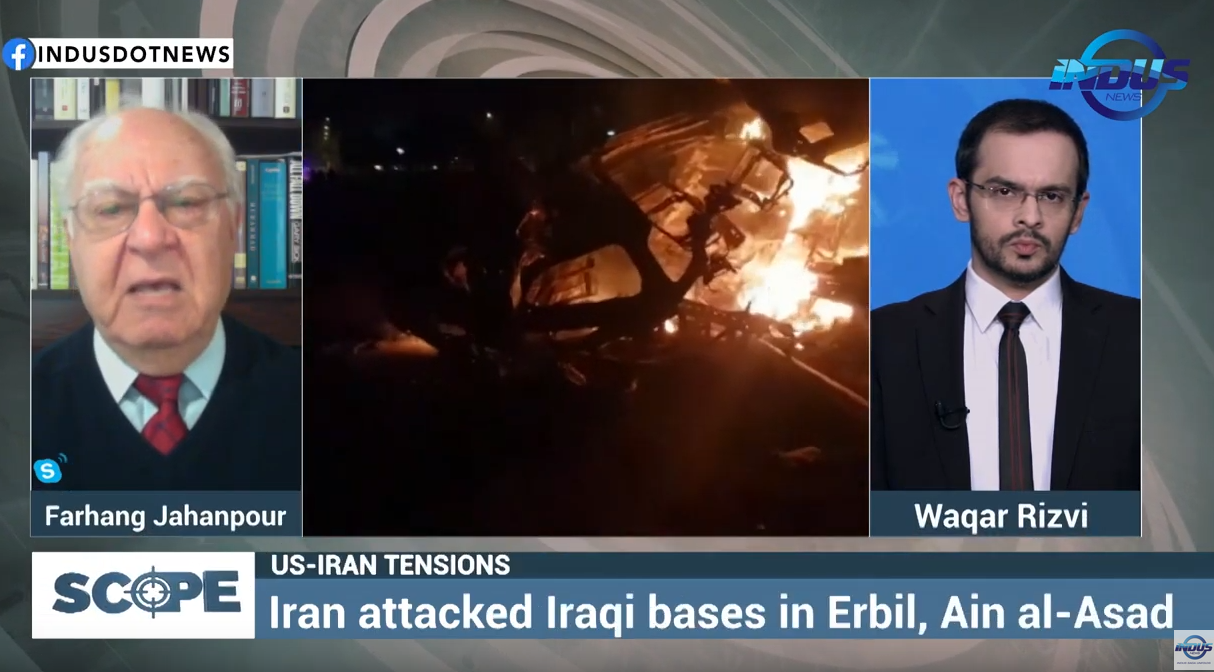
It lasts for about the first 20 minutes of this IndusNews program anchored by Waqar Rizvi in his usual insightful way. We recommend it highly. And so too the succeeding discussion about the War Powers Act and the impeachment that President Trump is facing. All is fundamentally related to how he and the US administration as a whole has handled this scary escalation and how they will do it in the future.
baghdad-airport25
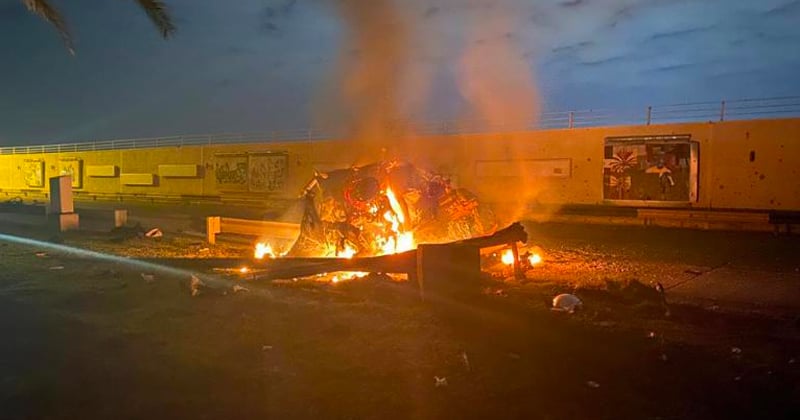
By Chas Freeman January 4, 2020 This was not a retaliation, as claimed, but the pre-planned exploitation of a pretext to assassinate a foreign official designated as an enemy as well as the commander of an Iraqi militia hostile to the United States. It was an act of war that will inevitably evoke reprisal. Iran has already promised that it will exact “savage” retribution for the murder of a senior official of its government by the United States. Major General Qasim Suleimani was the equivalent of the U.S. national security adviser or the commanders of CENTCOM, SOCOM, and SOCCENT. All are now potential Iranian targets. In Iraq itself, the followers of Abu Mahdi (Al Muhandis) in Kataeb Hezbollah will seek their own revenge. The fact that they are part of the Iraqi national security establishment and armed forces is not irrelevant. The Iraqi government, already under pressure to expel U.S....
AleppoGirl-761x1024
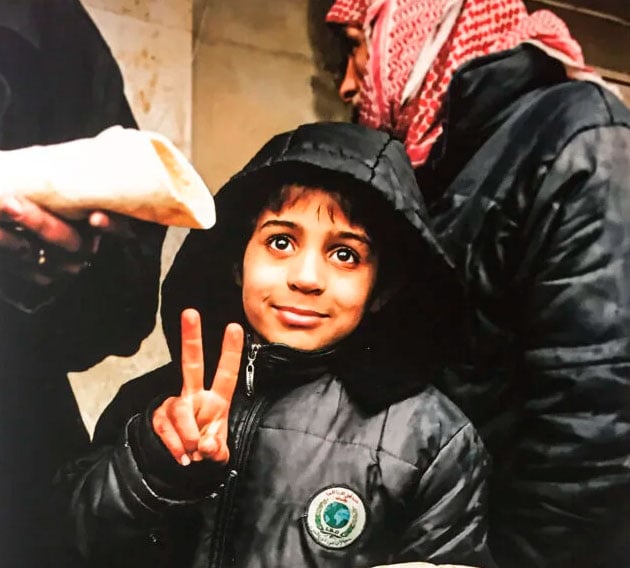
. On December 12, 2012, on the day, 4 years earlier, Western countries and allies – perversely calling themselves ‘Friends of Syria’ – carried through a regime change by statement and set up a Syrian National Council of people never elected by anyone in Syria and told the world that it was, from now on, the only ‘legitimate representative of the Syrian people!’ During the 4 years, Western, Saudi, Turkish and the Gulf States supported innumerable illegal, destructive and mainly foreign terrorist groups with the goal to undermine the legitimate Syrian government and destabilise the country – as had been recommended by US ambassador William Roebuck (1) in Damascus as far back as in 2006 (WikiLeaks documentation here). December 12, 2016, marked a fundamental turning point. Aleppo did not “fall to the dictator/butcher/mass murderer” aka President Bashar al-Assad – no, it was liberated and the occupation by terrorist groups such...
1693
Imagine that you tell a friend something and you say it’s a fact and you know the sources are reliable – but then, a few weeks later, you learn that there was more to it, perhaps even that what you were in good faith believing was unfortunately factually wrong. Would you not call that friend and say – “hey, I’ve just learned that what I told you wasn’t really true; rather, it turned out to be a story, more or less constructed for a purpose, and the facts are much more complex?” Well, you are surely a decent person so you would. But what about our mainstream media? Do you remember to have seen a front-page item stating something to the effect that “we are sorry to inform you that the news story this media published some weeks back, turned out to be a planted propaganda story. We have now...
changingmeconstell
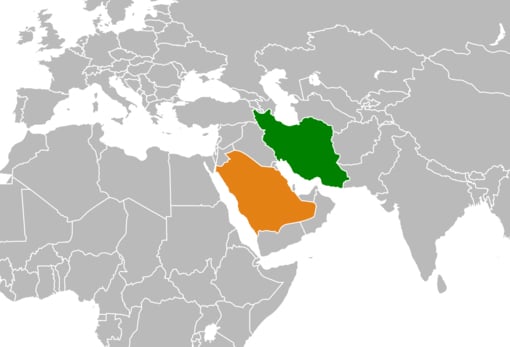
By Conn M. Hallinan November 27, 2019 The fallout from the September attack on Saudi Arabia’s Aramco oil facilities is continuing to reverberate throughout the Middle East, sidelining old enmities – sometimes for new ones – and re-drawing traditional alliances. While Turkey’s recent invasion of northern Syria is grabbing the headlines, the bigger story may be that major regional players are contemplating some historic re-alignments. Originally posted on Counterpunch on November 8, 2019, here After years of bitter rivalry, the Saudis and the Iranians are considering how they can dial down their mutual animosity. The formerly powerful Gulf Cooperation Council (GCC) of the Persian Gulf monarchs is atomizing because Saudi Arabia is losing its grip. And Washington’s former domination of the region appears to be in decline. Some of these developments are long-standing, pre-dating the cruise missile and drone assault that knocked out 50 per cent of Saudi Arabia’s oil...
Categories

Year

Author / Contributor

Region