Human rights and justice

Category

Year

Author / Contributor

Region

Sort by

Showing 1-10 of 497 stories

DSC_9457-1000_72
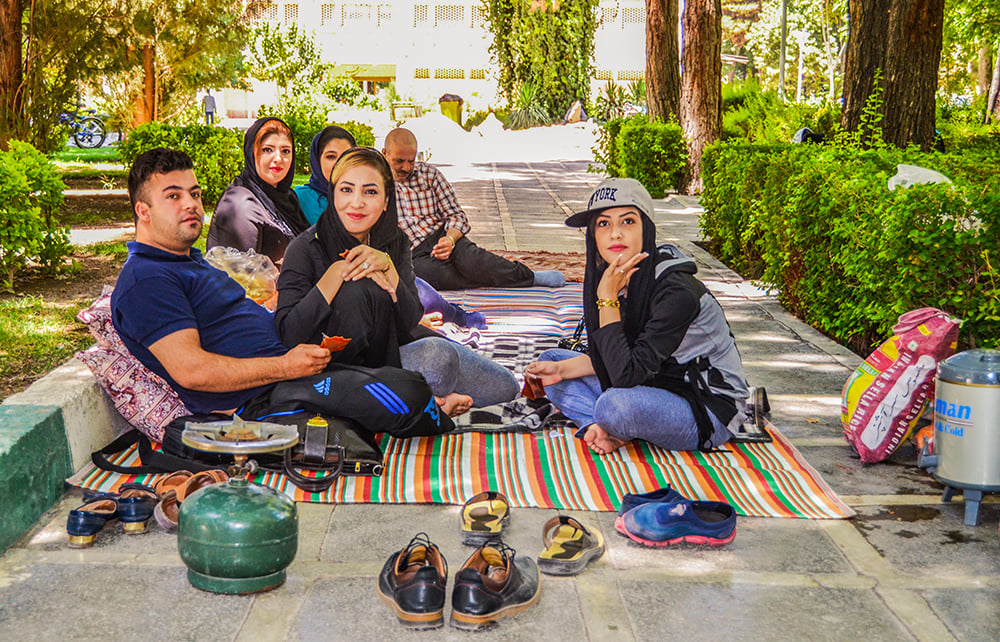
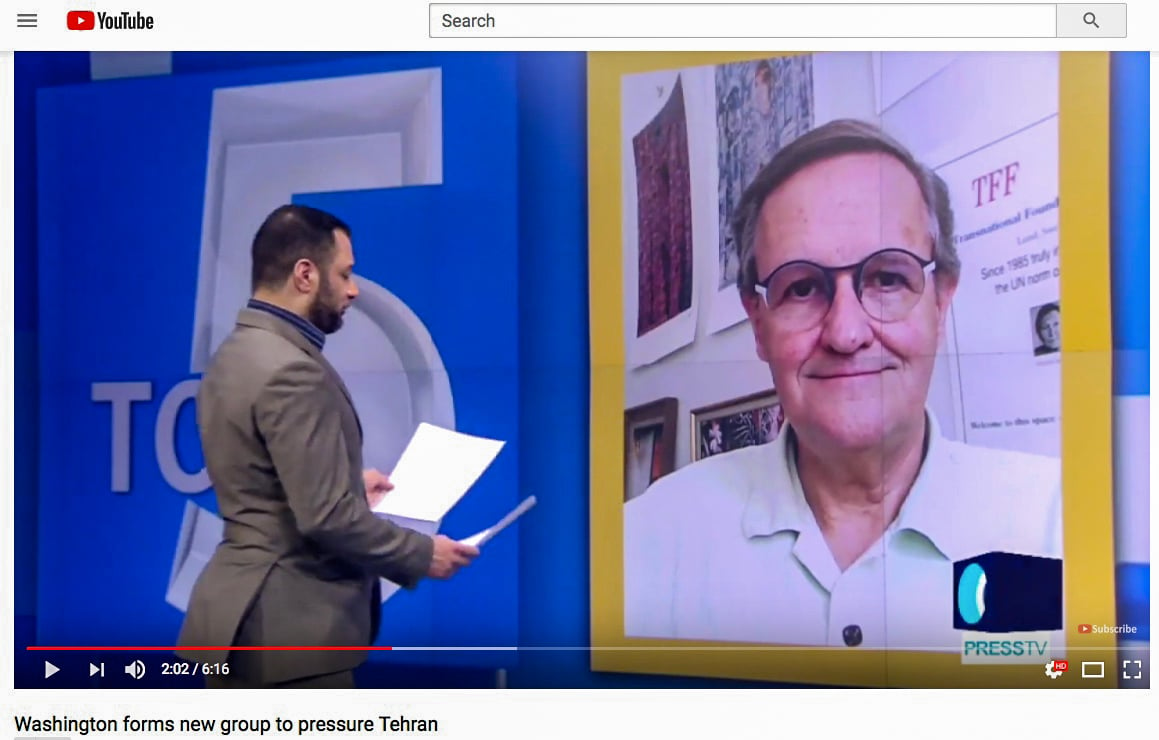
Citizens of Isfahan enjoying life. It is their lives the US destroy – knowingly • Photo © Jan Oberg   Conversation with Iran’s PressTV about the sanctions on Iran, oil prices and President Trump’s speech at the UN General Assembly. And why the rest of the world should wake up.   https://www.youtube.com/watch?v=t6WQGgfyDYs      
NotIranToo_FR_4_72dpi_ForNet
  Utterly destructive, self-defeating and spelling the end of the U.S. Empire   By Farhang Jahanpour September 22, 2018 In view of the macro-historical perspective on the Middle East-West relations and the concrete cases referred to in this series – Afghanistan, Iraq, Libya and Syria – it is clear that the demonization of Middle Eastern leaders as a prelude to invasion and their downfall has a long history. Such rulers are often used to serve the economic and political interests of various Western countries, in the same way that the Saudi Crown Prince Mohammed Bin Salman and the United Arab Emirates’ Crown Prince Mohammad Bin Zayed are being used at the moment to make them purchase tens of billions of dollars’ worth of US, British and French weapons. When they have outlived their usefulness, they will probably meet the same fate as that of Qadhafi or Saddam Hussein. However, despite...
NotIranToo_FR_4_72dpi_ForNet
    By Farhang Jahanpour September 20, 2018   1. An ally in warfare and torture Although the tragic events in Syria are too close to us to pass a definitive judgement about what has happened there and we need some perspective before we can make any definitive statements, nevertheless, some of the outlines of what led to that catastrophe are already clear for all to see. When the United States invaded Kuwait in order to dislodge the Iraqi forces that had occupied that country, Syria was one of the countries that joined the US-led coalition. Shortly after the invasion of Iraq in 2003, Syria was one of the main destinations for rendered suspects to be tortured in Syrian black sites. In the chilling words of former CIA agent Robert Baer in 2004: “If you want a serious interrogation, you send a prisoner to Jordan. If you want them to be tortured,...
NotIranToo_FR_4_72dpi_ForNet
    By Farhang Jahanpour September 20, 2018   On 20 March 2018, the former French President Nicolas Sarkozy was taken into police custody in Paris to be questioned over allegations that he received millions of Euros in illegal funding from Qadhafi for his presidential campaign. Investigators were examining claims that Qadhafi’s regime secretly gave Sarkozy €50 million overall for the 2007 campaign. Such a sum would be more than double the legal campaign funding limit and also violates French rules against foreign financing of elections. (See: “Former French President Nicolas Sarkozy in police custody over investigation into Gaddafi funding”, The Independent, 20 March 2018. Sarkozy entertained Qadhafi lavishly at the Elyse Palace, even allowing him to pitch his tent in the grounds of the palace. Yet, later on, Sarkozy was the cheerleader for the attack on Libya, which resulted in the brutal murder of Qadhafi and the destruction of...
NotIranToo_FR_4_72dpi_ForNet
    By Farhang Jahanpour September 18, 2018   1. Some omitted facts and perspectives Prior to the Iraq war, the only thing that one heard on most Western channels about that country was Saddam Hussein and his alleged chemical and nuclear weapons. Saddam Hussein became synonymous with Iraq. Nothing was said of Iraq’s long history as a cradle of civilisation or its people who, like people all over the world, simply wished to live in peace and pursue a normal life. The same was done to Afghanistan, Libya and Syria, when the Taliban, Mu’ammar Qadhafi and Bashar al-Assad were continuously demonised – while it was omitted and forgotten that the West had befriended, and in some cases supported, and sponsored those rulers in the past. Initially, Saddam Hussein was supported by the CIA to fight against Abd al-Karim Qasim who had toppled the Hashemite monarchy and had formed an...
NotIranToo_FR_4_72dpi_ForNet
    By Farhang Jahanpour September 18, 2018   1. The Carter Doctrine, Brzezinski and the Stinger missiles

 After the Soviet invasion of Afghanistan on Christmas Day 1979, President Jimmy Carter issued his Carter Declaration, stating that the Persian Gulf was part of America’s vital interest and America would defend it by all means possible. A policy proclaimed by President Jimmy Carter in his State of the Union Address on 23 January 1980 stressed that the United States would use military force, if necessary, to defend its “national interests” in the Persian Gulf. The statement that came to be known as the “Carter Doctrine” concluded: “Let our position be absolutely clear: An attempt by any outside force to gain control of the Persian Gulf region will be regarded as an assault on the vital interests of the United States of America, and such an assault will be repelled by any...
ChatGPT Image 9 jun 2026, 11_11_33
In 1981 on the editorial page of the New York Times, I wrote a column showing that the mass atrocities against the Indian population of Guatemala were carried out under the direct orders of the then president, Fernando Lucas Garcia. His former vice-president, Francisco Villagran Kramer, had given me information that was incontrovertible evidence of the murders. I also showed how close was the relationship, financially and militarily, between the Guatemalan government and President Ronald Reagan’s government. At the time Regan was considered to be the “Teflon President”. No scandal stuck to him. Certainly not the evidence of a column in the New York Times. The reaction in Washington was zero. A brief while later, Amnesty International published a long report documenting an act of genocide. After a number of changes of government in Guatemala, President Efrain Rios Montt came to power. Reagan’s assistant secretary of state for human rights,...
nuclearism
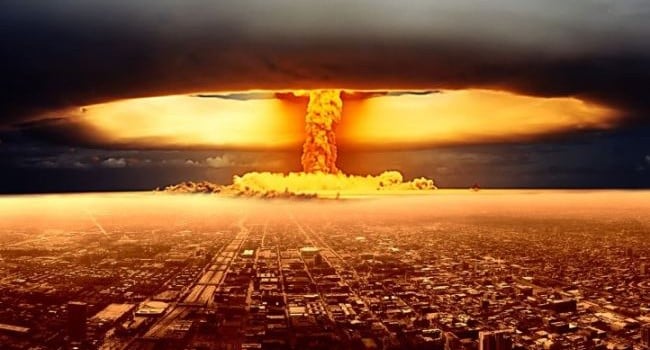
By David Krieger Nuclear Age Peace Foundation, NAPF August 2018 Nuclear weapons pose a grave threat to the future of civilization. As long as we allow these weapons to exist, we flirt with the catastrophe that they will be used, whether intentionally or accidentally. Meanwhile, nuclear weapons skew social priorities, create imbalances of power, and heighten geopolitical tension. Diplomacy has brought some noteworthy steps in curbing risks and proliferation, but progress has been uneven and tenuous. The ultimate aim of abolishing these weapons from the face of the earth—the “zero option”—faces formidable challenges of ignorance, apathy, and fatigue. Yet, the total abolition of nuclear weapons is essential for a Great Transition to a future rooted in respect for life, global solidarity, and ecological resilience. This will require an emboldened disarmament movement working synergistically with kindred movements, such as those fighting for peace, environmental sustainability, and economic justice, in pursuit of...

150305101028-aman-javad-zarif-super-169
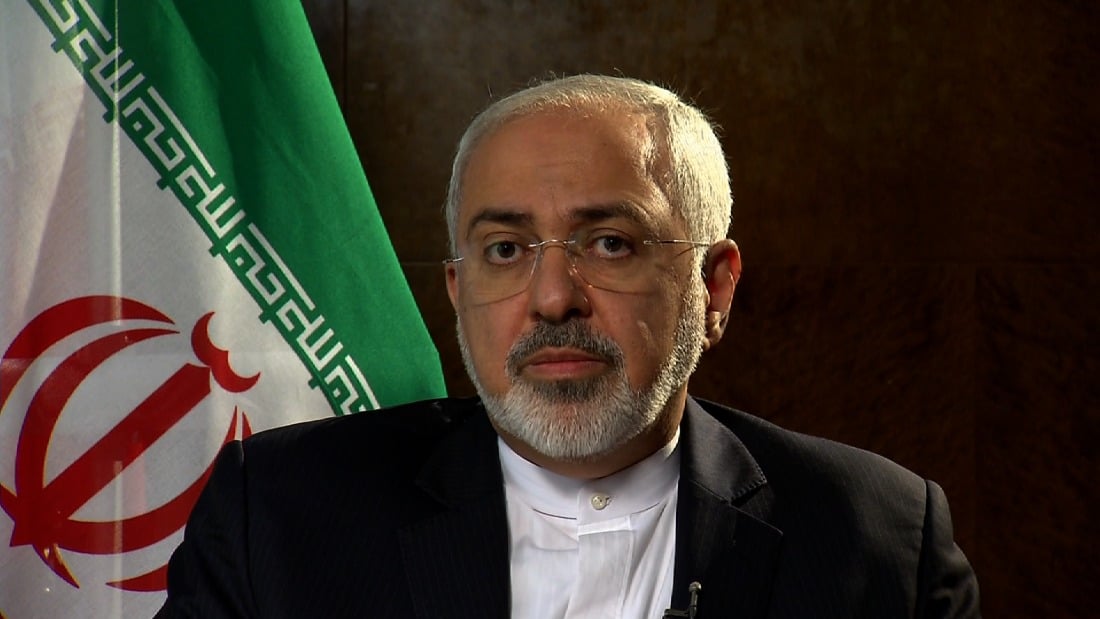
  Following is the response of Iran’s Foreign Minister Mohammad Javad Zarif to the US Secretary of State Mike Pompeo’s 12 demands from Iran. On May 21, Pompeo set 12 conditions for Iran to follow in order for the United States to agree to a new nuclear deal with Tehran.   By Mohammad Javad Zarif  Iran’s Foreign Minister Following the Trans-Pacific Partnership and the Paris Climate Accord, the Joint Comprehensive Plan of Action (JCPOA) is the third multilateral agreement that the current United States administration has withdrawn from. The administration has also put in jeopardy other multilateral arrangements such as NAFTA, the global trade system, and parts of the United Nations system, thus inflicting considerable damage to multilateralism, and the prospects for resolving disputes through diplomacy. Originally published here on Iran Daily on June 20, 2018 The announcement on 8 May 2018 of United States’ withdrawal from the JCPOA and...
NotIranToo_FR_4_72dpi_ForNet
  TFF launches a new educational series on regime change in the Middle East to help prevent a repetition on Iran – #NotIranToo   TFF is about to publish a series of articles on regime change in the Middle East over the last few decades. The series has a special focus on Iran because it is now abundantly clear that the U.S. under Trump’s formal administration – but perhaps more under the elites that make up the Deep State underlying it – seems bent on building up to at least a political, psychological and economic war on Iran and – in the worst of cases – also to some kind of military action too. The series consists of sections of Chapter 12 in a forthcoming book by eminent scholar and TFF Board member, Farhang Jahanpour, Oxford University. In a comprehensive preface, he explains his own intellectual path and journalistic work...
PT
  By Jan Oberg Commenting on Iran’s global PressTV why the US sanctions against Iran are one big violation of international law and why other countries should resist all pressures from the US and its threat of imposing its secondary sanctions on them – remember Trump’s tweet that anyone who does business with Iran will not do business with the US. This behaviour – including the attempt to suffocate 85 million innocent Iranian citizens – is an unacceptable type of policy as well as a gross violation of human rights. Decency, ethics and simple fairness should compel the world to tell the US that on this one it stands alone. The burden here is very high on the Euopean Union. In passing, let me say that I am happy to work with PressTV. I’m always being treated with respect and gratitude and over the years not one attempt to manipulate...
Ben_Ferencz-copy
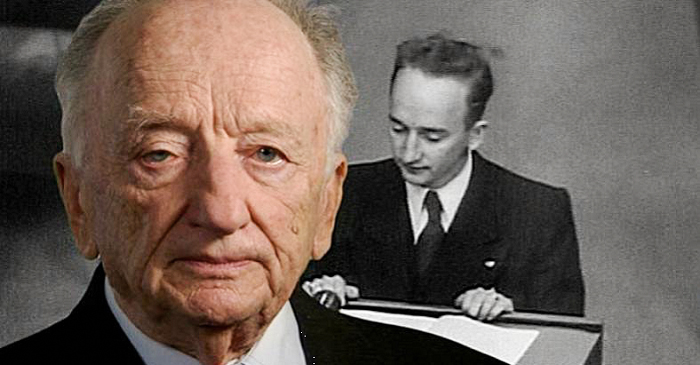
  This is literally a unique experience of extraordinary educational value: Listen to 98-year old Ben Ferencz sharing his crystal clear perception of the human stupidity of war – all wars – and how he sees the situation of humanity. He remains a realist, he says, with more optimism than pessimism. Listen to him telling about his truly amazing, unique life as a lawyer devoted to the common good of humanity and to securing justice but also human care for victims as well as perpetrators. He is the last surviving Nuremberg Tribunal prosecutor and has thought more than probably anyone about the psychology and politics of evil. Ferencz is a staunch believer in abolishing wars as such and, of course, in nuclear weapons abolition. He challenges the entire Military-Industrial-Media-Academic Complex, MIMAC, and argues that there is only one winner in wars: Death. If you are a teacher, get your students...
Categories

Year

Author / Contributor

Region