Global

Mainstream and alternative news sites with an emphasis on media outside of or with different perspectives from the Western world, e.g. NATO and EU countries, on regional organisations and the emerging world order.

We do not pretend to know the validity of every corner in each of those, but we have found interesting and well-researched/written articles in all of them at some point.

It’s by no means even a fraction of all. Missing an important link? Tell us!

Find your own dailies, magazine and news sites in the amazing global W3 directory

African Union

AlJazeera

All Africa

Almasdarnews – AMN

Al-Monitor

American Herald Tribune

APEC

Arab News (Saudi Arabia)

ASEAN News

Asia Times

Beijing News

Beijing Review

BRICS Information Centre

BRICS Post

CTGN America • LiveNews

CTGN Europe

China Daily

China Org.cn

Christian Science Monitor

Daily News and Analyses, DNA

Defense News

Democracy Now

EurasiaNet

EurasiaReview.com

Eurasia News Online

Euronews

Foreign Affairs (US)

Foreign Policy In Focus

France 24

Gallup Polls News

Global Times

G20

Haaretz

High North News

Huffington Post

Inter Press Service – IPS

InDepthNews – International Press Syndicate (IPS)

International Affairs, Russia

International New York Times

Johnson’s Russia List

Japan Times

Liveuamap

Mail & Guardian Africa

Military Times

Middle East Online

NK – North Korea News – independent

OCHA

Open Democracy

Organisation of Islamic Cooperation

OSCE

Outlook India

People’s Daily

Pressenza – peace and nonviolence journalism

PressTV

Reuters News

Russia Insider

RT Russia Today

Russian media –  a list created after Western censorship was introduced
SAARC News

Shanghai Cooperation Organisation, SCO News

South China Morning Post

Sputnik News

TASS

Tehran Times

Telesur English

The Christian Science Monitor

The Hindu

The Korea Times (Seoul)

The New Arab

The Pyongyangtimes

The Real News Network

Times of India

UN News Centre

UNHCR

Unz Review

Utne Reader

XinhuaNet

Category

Year

Author / Contributor

Region

Sort by

Showing 1-10 of 435 stories

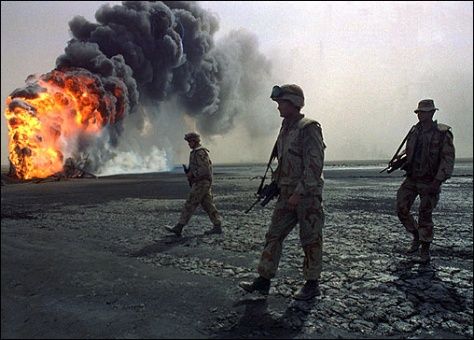
guerra-del-golfo-naturaleza-viva_1718483347
By Caroline Davies February 17, 2020 Extinction Rebellion (XR) US has four Demands for our governments, local and national, the first of which is “Tell the Truth”. One truth that is not being told or spoken about openly, is the carbon footprint and other sustainability impacts of the US Military.  Originally posted on WorldBeyondWar on February 4, 2020 here I was born in the UK and, although I am now a US citizen, I have noticed that people are very uncomfortable saying anything negative about the US Military here. Having worked with many injured veterans as a physical therapist, I know how important it is for us to support our veterans; many Vietnam veterans still feel hurt about being blamed and discriminated against when they came home from that war. As horrific as wars are for everyone involved, especially the civilians in the countries we are attacking, the soldiers follow...
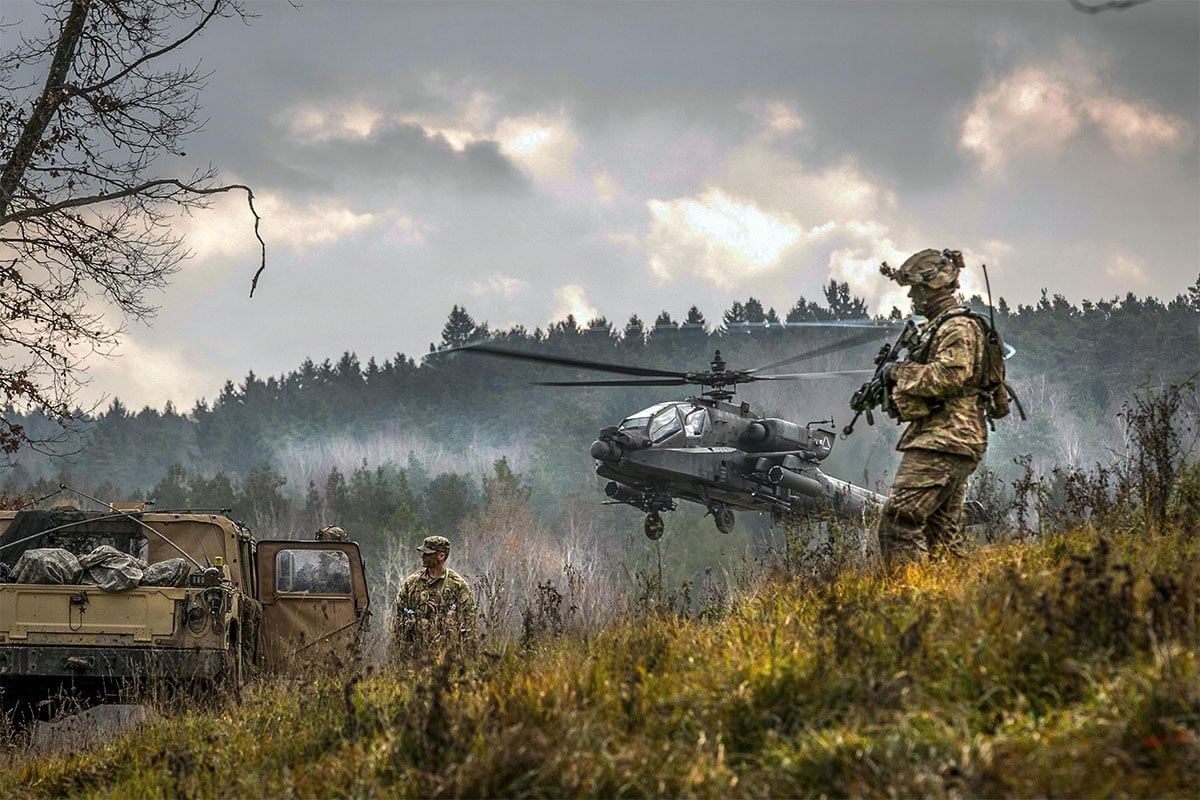
soldiersnature
Today TFF launches “Bootprint – Militarism and Environment” – a curated, free-of-charge online magazine that brings you quality knowledge about the connections between the two most urgent problems that humanity faces. These two main clusters of problems which, if not solved, threaten to destroy humanity, our Earth and all future potentials are: Environment – with catchwords such as climate change, global warming, CO2 footprint, non-sustainability, pollution, resource depletion, species extinction, variety and diversity reduction, rain forest destruction, overconsumption, fossil fuels economy, limitless material growth, etc. etc. – and Militarism – with catchwords such as warfare, nuclear weapons, arms production and trade, militarization of land, air, space and oceans, tension creating, interventionism, base networks, terrorism, cyber and propaganda warfare, other weapons of mass destruction, special forces operations, intelligence agency crimes, imperialism, etc. The two clusters a fundamentally connected – militarism is enormously destructive of the environment; climate change and other processes...
ChatGPT Image 9 jun 2026, 11_11_33
and 2016 the average income of the bottom 50% of earners in the world nearly doubled. Direct interventions like building more schools, clinics and hospitals, countering child mortality and deadly diseases, feeding the hungry when famine or floods decimate vast areas, spreading the use of vaccinations and contraception, and preventing malaria have had the most impact. Over the long-term economic growth is important if development is to proceed without foreign aid. Growth does produce more of the wherewithal for government social and development programs – if a government so decides. But we cannot rely just on growth to improve peoples’ lives. China and India have both had periods of high growth, but now are slowing. Is this inevitable or is it, as in China, just a maturing of the economy? This export-led economy can’t grow its exports faster than the world economy is growing. In India, after a 30 year...
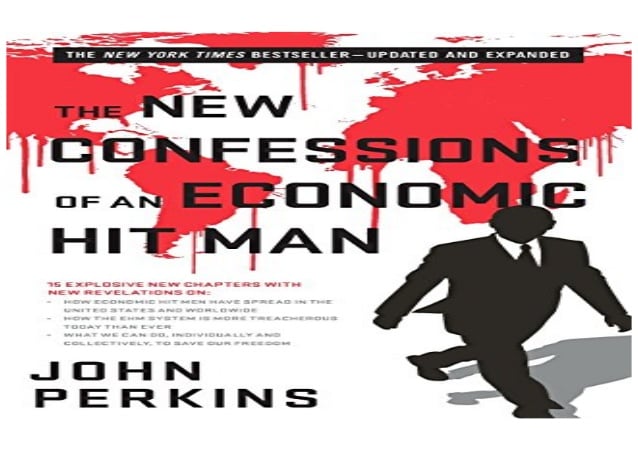
the-new-confessions-of-an-economic-hit-man-5370946-1-638
By John Perkins February 08, 2020 John Perkins describes the methods he used to bribe and threaten the heads of state of countries on four continents in order to create a global empire and he reveals how the leaders who did not “play the game” were assassinated or overthrown. He brings us up to date about the way the economic hit man system has spread from developing countries to the US, Europe, and the rest of the world and offers a strategy for turning this around. “Each of us,” he says, “can participate in this exciting revolution. We can transform a system that is consuming itself into extinction into one that is sustainable and regenerative.” This video was originally posted on TEDx Talks Youtube Channel on June 24, 2016, here If you think this type of critical analysis by a person who really knows is important… John Perkins’ books, including...
RichardFalk
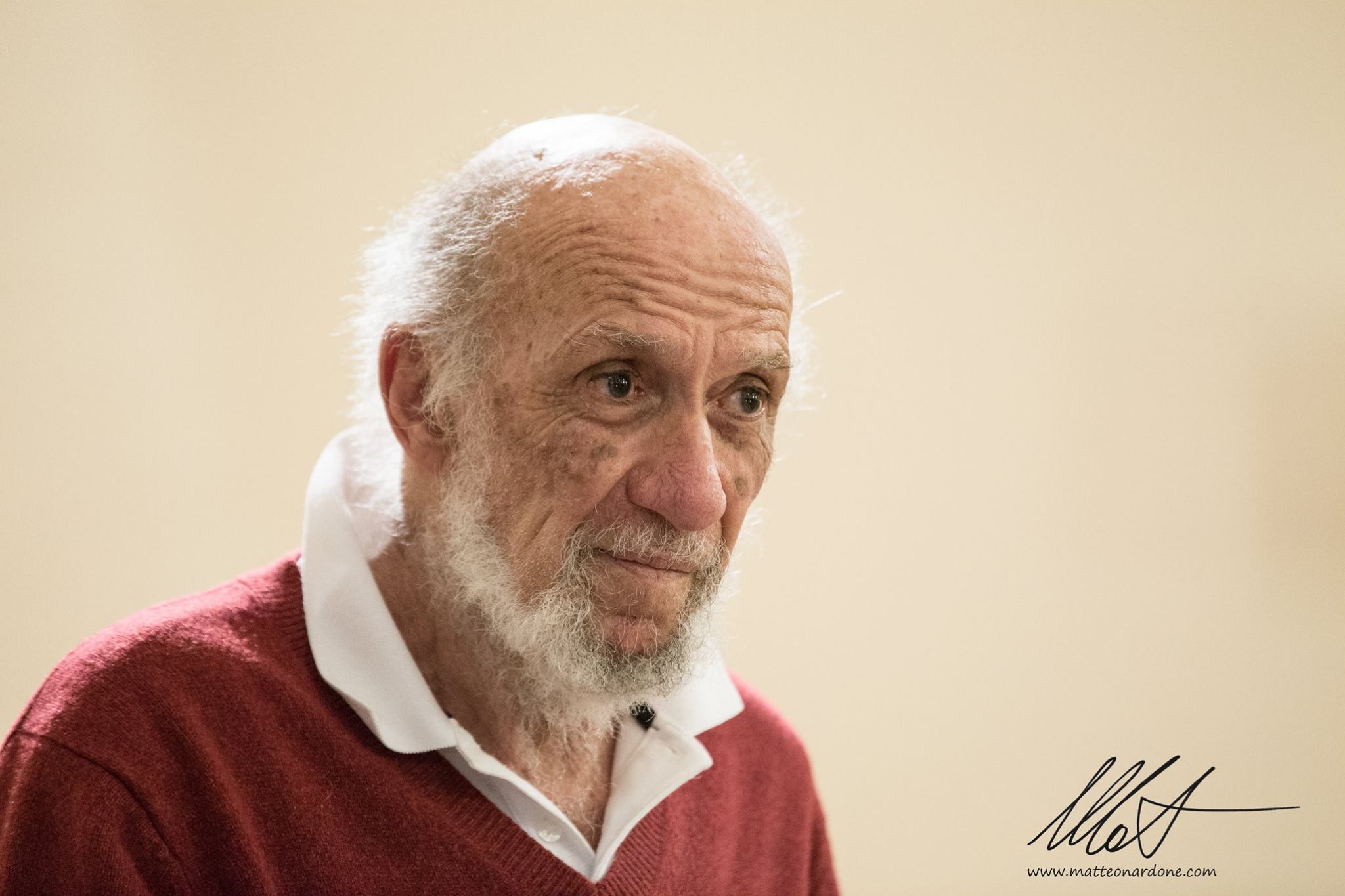
By Richard Falk, TFF Associate Januar 22, 2020 Prefatory Note: The post below is a somewhat amplified version of an interview with C. J. Polychroniou, journalist and professor of political economy at West Chester University, which was published on January 7, 2020, in the online journal, Global Policy. As the interview was conducted in December 2019, it fails to address the various disruptive consequences of the assassination of Qasem Soleimani, including the violation of Iraqi sovereignty, Baghdad being the site of the drone attack, as well as the risks of war arising from an escalating tit-for-tat cycle of actions and reactions. Given growing tensions between the interconnectedness of the world and the state-centric character of international law, including contradictions between totalizing and disregarding territorial sovereignty, state-centric world order is being increasingly marginalized by geopolitical behaviour that both generates and suppresses transnational political violence. A normative crisis with structural implications exists,...
Screenshot
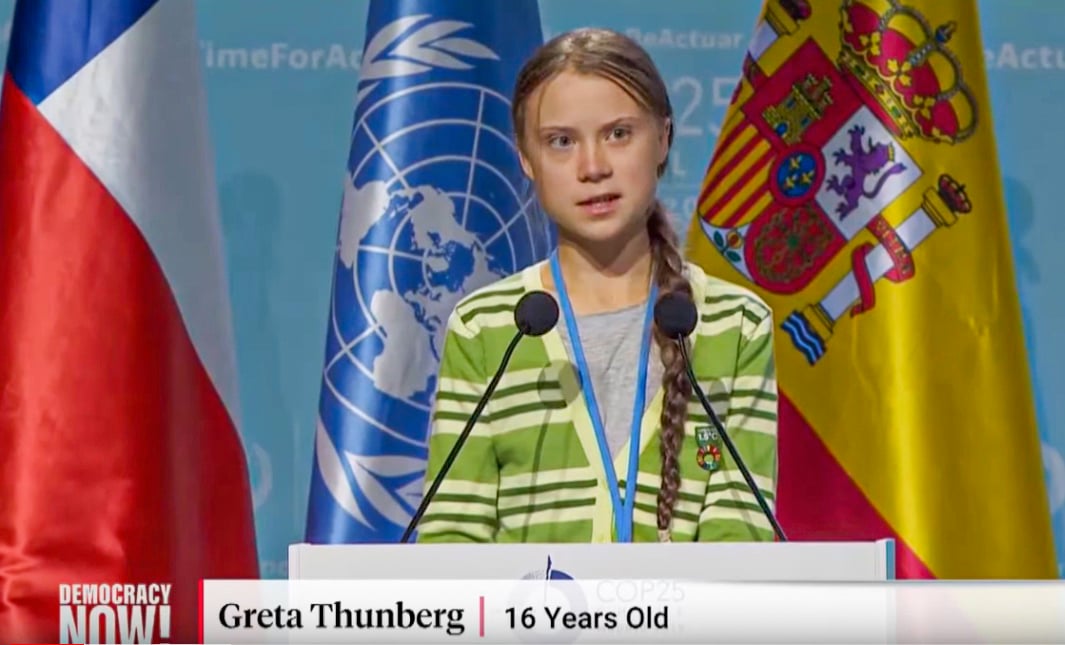
Here is a good backgrounder with her speech and an interview at COP 25 in Madrid: Greta Thunberg Slams COP25, Says Response to Climate Crisis Is “Clever Accounting and Creative PR” What she says in her intro is really important, important as a criticism of the world’s media: If she does not say something personal and emotional, few will listen. This fact-oriented speech has received much less media attention – proving her important point: When you speak facts, rely on research and appear “dull”, the media cannot get their satisfaction in terms of drama, individual story/identity, smashing superficial headlines and sensationalism. While one can certainly point out that she says less-thought-through things about democracy and the Free World towards the end of this speech, she is growing better and better – and she obviously knows more than anyone in decision-making positions. And in the mainstream media. Now, what does that...
Mahatma-gandhiquote
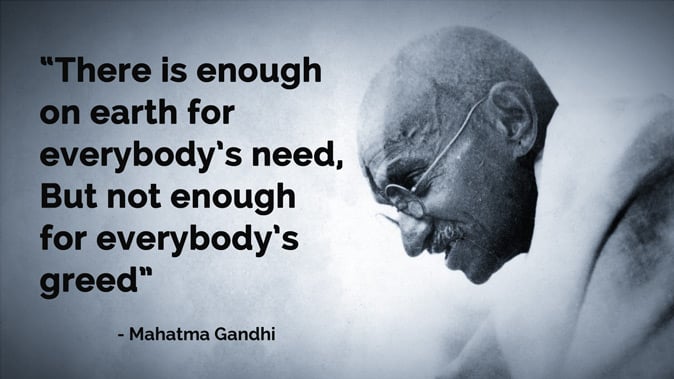
By David Cortright December 11, 2019 Last month I was invited by the Indian Permanent Mission to the United Nations to give a presentation on the International Day of Nonviolence, which was also the 150th anniversary of Gandhi’s birth. Below is the full text of my remarks, which were delivered at the United Nations headquarters in New York. Originally posted on Davidcortright.net on November 9, 2019 here In the remarks, I identified three aspects of Gandhian thought and action that are directly relevant to the challenge of protecting the environment and preventing climate disruption. At the end of my presentation, I added a brief comment on the situation in Kashmir, which seemed necessary to include in an event organized by the Indian government. “Gandhi’s message is highly relevant to today’s global climate crisis. I emphasize here three of his most important themes: simplicity, equity and nonviolence. Simplicity Gandhi became the “greatest...
fall-of-the-berlin-wall-
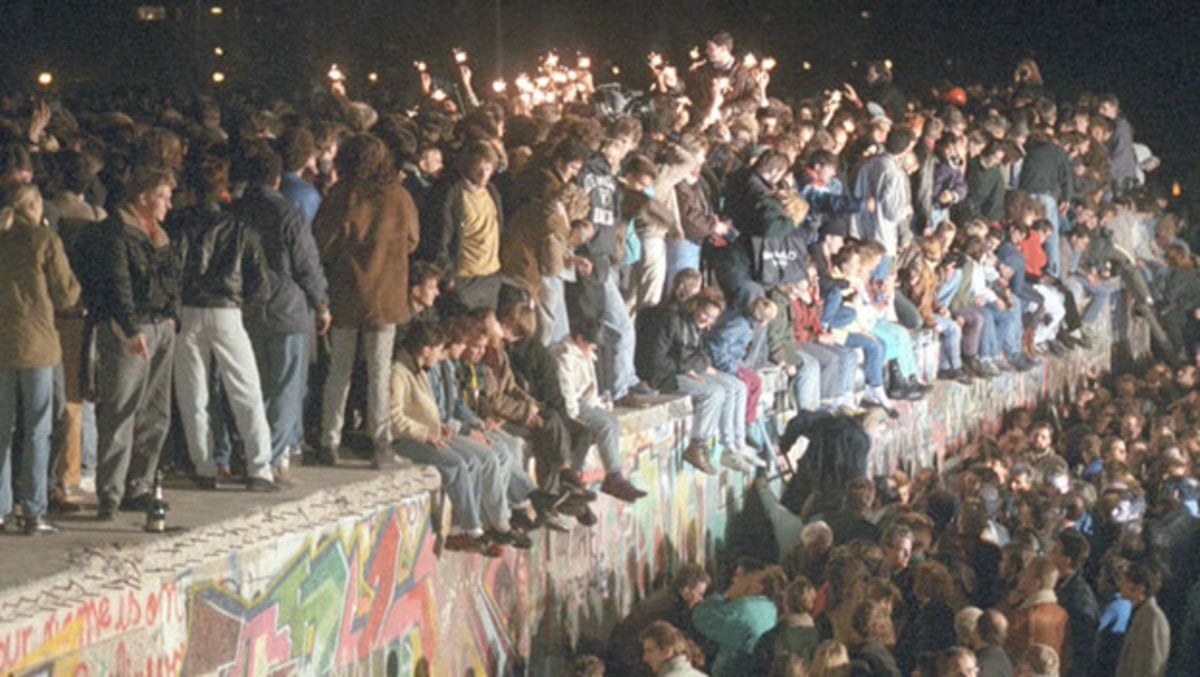
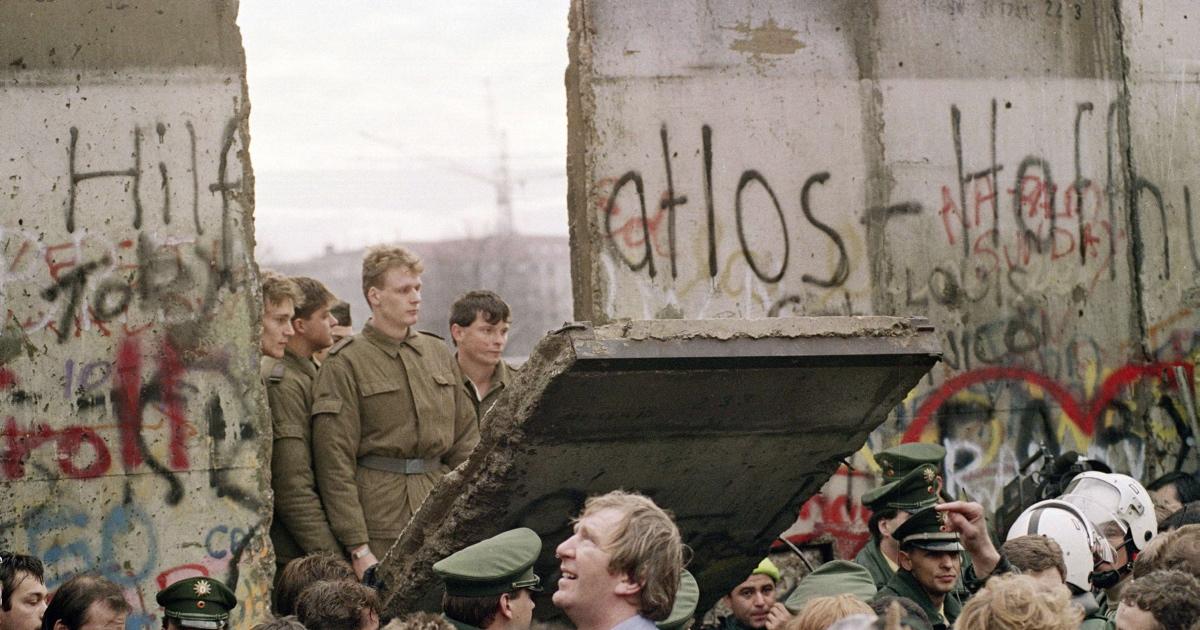
Austere “shock therapy” after the Cold War only shocked the East into reaction. In the West, the corporate political center ultimately did the same. By John Feffer November 18, 2019 The Berlin Wall fell 30 years ago. It was one of the few unambiguously joyous moments in modern history. This popular, nonviolent explosion of dissent effectively toppled East Germany’s despotic regime. And it signaled, if only symbolically, the end of the Cold War that had divided Europe for nearly half a century. Thirty years later, a united Germany remains far and away the largest economy in Europe (and the fourth largest in the world). Most of the countries of the former Warsaw Pact are members of the European Union, and their populations have seen dramatic improvements in living standards. After the horrendous bloodletting that tore apart Yugoslavia in the 1990s, the threat of war in Europe has again receded. Who...
ChatGPT Image 9 jun 2026, 11_11_33
“Lies, damn lies and statistics”. “You can bend any fact with statistics”. There is some truth in that. Nevertheless, some statistics are necessary, revealing and surprising. Many of us when asked about the position of the poor in America would say that over the last two centuries they have made little progress. But look at the statistics, look at the data. True, many are living in slums and ghettos but today they have indoor plumbing, heating, electricity, smallpox and tuberculosis-free lives, adequate nutrition, much lower child and maternal mortality, doubled life expectancy, increasingly sophisticated medical attention, the availability of contraception, secondary level schooling for their children, buses, trains, cars and bicycles, much less racial prejudice, longer retirement, a rising quality of the goods they buy, better working conditions and the vote. Once these were luxuries that only the richer could experience. For Europe, Canada and Japan it is the same,...
berlin-wall-fall
Photo: Gerard Malie/AFP/Ritzau Scanpix Posing the Question Such a question seems little more than a provocation until the effects of the interval between the fall of the Berlin Wall and the present are critically examined in relation to their principal effects. On closer inspection, I am not quite prepared, although almost so, to say that the peoples of the world lost ground as a result of the collapse of the Soviet Union and emergence of the United States as the so-called ‘sole surviving superpower.’ Generally, it was rather automatically assumed almost never challenged, that the outcome of the Cold War was a victory for liberal values, including human rights, political democracy, economic growth, and certainly world peace. There was the added popular view that since democracies supposedly do not go to war against each other, and if Communism was discredited on both ideological and materialist grounds, then democracy would spread...
US-sanctions
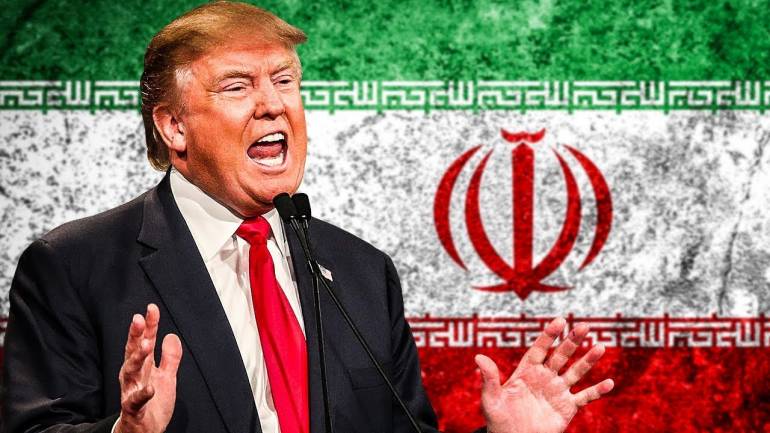
Prefatory Note: The post below is a slightly modified version of an interview published in The Nation on September 25th, following the September 14th attack on Saudi oil facilities. It follows a pattern with respect to Iran of accusations, denials, and public uncertainties. This combination of elements, given the leadership in Washington and Tehran, one blustering, the other inflexible, can easily produce an unintended stumble into war. A second shorter interview is appended, conducted prior to the attacks by an Iranian journalist, M.J. Hassani of Tasnim News Agency. It illustrates the seeming rigidity of Iran’s Supreme Guide, considered as having the final word on government policy, exceeding that of the elected leadership. Originally posted on Richard Falk’s personal blog on October 1, 2019, here Daniel Falcone Introduction to the Interview: After accusations of Iranian drone attacks on Saudi oil facilities, Iranian officials and authorities indicated that “full-fledged war” with the United States could...
sustainable-development-and-the-earth-charter-23-728
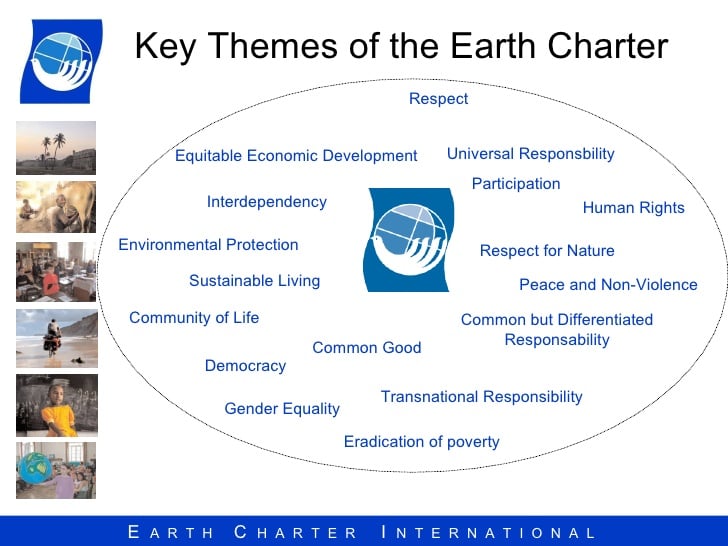
Prefatory Note: The following essay will appear as a chapter in Peter Burden & Klaus Bosselmann, eds., The Future of Global Ethics (Edward Elgar, 2018),  with the title: Revisiting the Earth Charter 20 Years Later: A Response to Ron Engel Ron Engel has articulated an insider review of the Earth Charter so thoughtfully, urbanely, and persuasively that my initial temptation was to restrict my response to a single word: ‘Amen!’ Yet I am familiar enough with the academic ways of gathering diverse voices to explore a topic or to evaluate the scholarship of a distinguished author, as to discard my one-word option. At the same time, it would be misleading if I didn’t praise Ron Engel for putting so many elusive issues before us in such a lucid and compelling manner as to make my efforts at dialogue feel a bit forced, given the high level of agreement. Originally posted on...
Categories

Year

Author / Contributor

Region