Global

Mainstream and alternative news sites with an emphasis on media outside of or with different perspectives from the Western world, e.g. NATO and EU countries, on regional organisations and the emerging world order.

We do not pretend to know the validity of every corner in each of those, but we have found interesting and well-researched/written articles in all of them at some point.

It’s by no means even a fraction of all. Missing an important link? Tell us!

Find your own dailies, magazine and news sites in the amazing global W3 directory

African Union

AlJazeera

All Africa

Almasdarnews – AMN

Al-Monitor

American Herald Tribune

APEC

Arab News (Saudi Arabia)

ASEAN News

Asia Times

Beijing News

Beijing Review

BRICS Information Centre

BRICS Post

CTGN America • LiveNews

CTGN Europe

China Daily

China Org.cn

Christian Science Monitor

Daily News and Analyses, DNA

Defense News

Democracy Now

EurasiaNet

EurasiaReview.com

Eurasia News Online

Euronews

Foreign Affairs (US)

Foreign Policy In Focus

France 24

Gallup Polls News

Global Times

G20

Haaretz

High North News

Huffington Post

Inter Press Service – IPS

InDepthNews – International Press Syndicate (IPS)

International Affairs, Russia

International New York Times

Johnson’s Russia List

Japan Times

Liveuamap

Mail & Guardian Africa

Military Times

Middle East Online

NK – North Korea News – independent

OCHA

Open Democracy

Organisation of Islamic Cooperation

OSCE

Outlook India

People’s Daily

Pressenza – peace and nonviolence journalism

PressTV

Reuters News

Russia Insider

RT Russia Today

Russian media –  a list created after Western censorship was introduced
SAARC News

Shanghai Cooperation Organisation, SCO News

South China Morning Post

Sputnik News

TASS

Tehran Times

Telesur English

The Christian Science Monitor

The Hindu

The Korea Times (Seoul)

The New Arab

The Pyongyangtimes

The Real News Network

Times of India

UN News Centre

UNHCR

Unz Review

Utne Reader

XinhuaNet

Category

Year

Author / Contributor

Region

Sort by

Showing 1-10 of 435 stories

Controlling-the-loss_-1
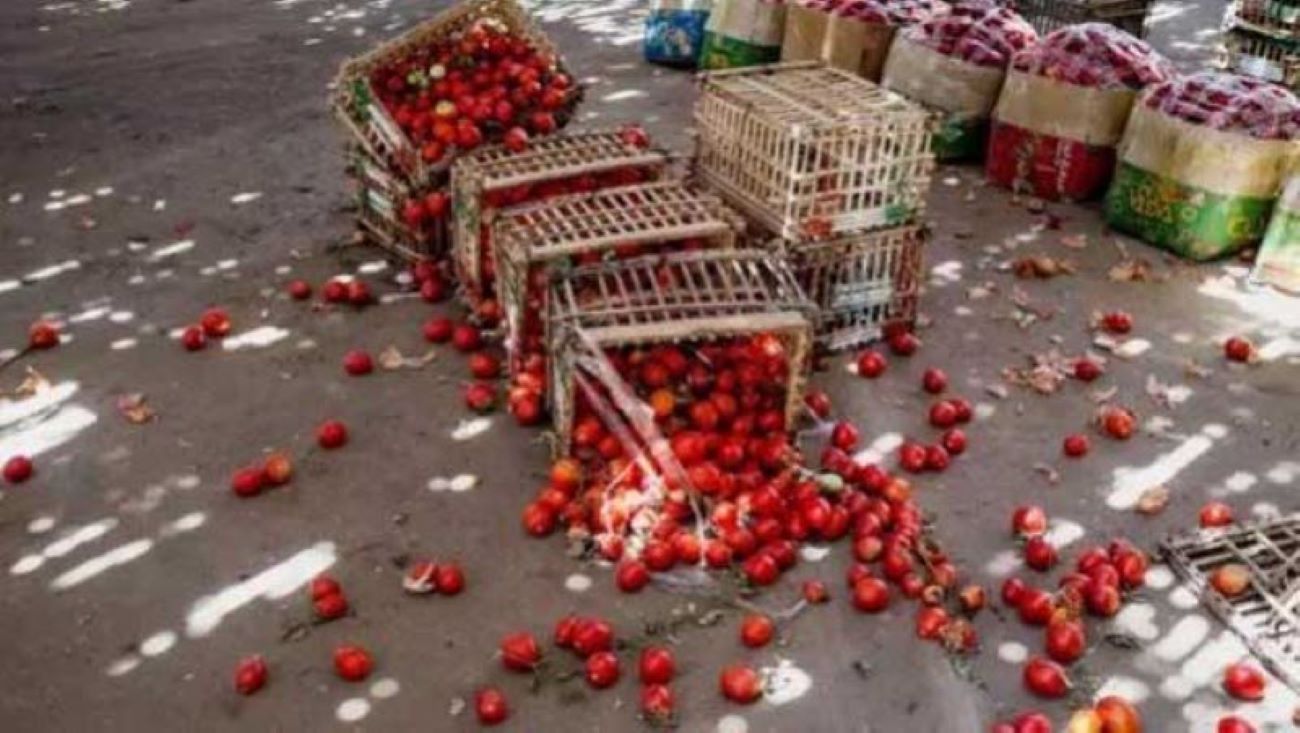
Controlling the loss and waste of food is a crucial factor in reaching the goal of eradicating hunger in the world. Credit: FAO October 17, 2022 Baher Kamal MADRID, Sep 28 2022 (IPS)* – These are facts, not guesses: about 1.3 billion tons of food is wasted and lost … every single year, the equivalent of one ton per each of the one billion hungry people, many of them are those who produced the food. Originally published at Human Wrongs Watch on September 28, 2022 The findings have been reported by the World Bank, whose recent study: What a Waste 2.0 also informs that the number of wasted calories “could fill hunger gaps in the developing world.” On this, it reports on the breakdown of the number of calories wasted per day and per person – out of the recommended 2.000: 1.520 calories in rich North America and Oceania of which 61% are by...
Skaermbillede-2022-08-24-194631
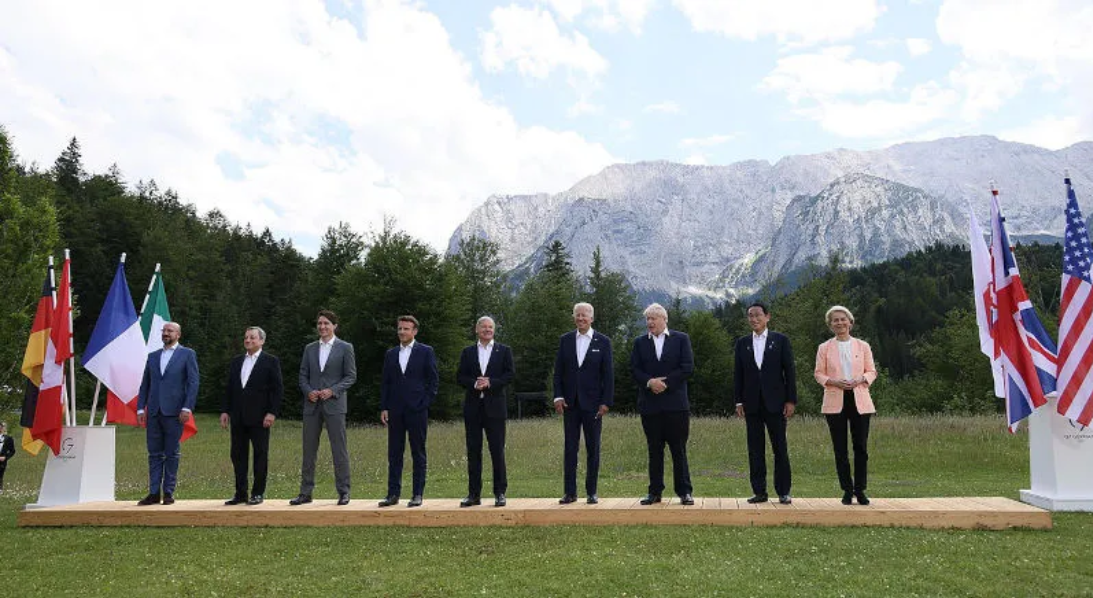
Image: Wikimedia Commons By P&I Guest Writers August 24, 2022 The G-7 countries are democratic domestically but are dictatorial globally. By contrast, the G-20 group, which has many autocratic regimes, represents a more democratic forum for governance. The G-7 is dictatorial, while the G-20 is democratic. This statement is obviously paradoxical. The G-7 countries are very proud of their liberal democratic societies. And they should be. However, while they are democratic domestically, they are dictatorial globally. By contrast, the G-20 group, which has many autocratic regimes, is more representative of the world’s population. The spiritual essence of democracy is conveyed in the phrase: a government of the people, by the people, for the people. In short, it must represent a hundred per cent of the people. The G-7 represent just 10 per cent of the world’s population. Yet, they make decisions and take actions that disrupt the lives of billions of...
3d15ddfa-0ebd-4bab-98aa-a594a5ca9463
Photo: GT Martin Jacques April 16, 2022 The overwhelming assumption in the West is that the world, with a few exceptions, is strongly opposed to Russia’s military actions in Ukraine. The West itself, including the great majority of Europe, seems to be of one voice in its condemnation. But worldwide the picture is rather more complicated. In the UN General Assembly on March 3, while 141 countries condemned Russia’s invasion and called for an immediate withdrawal, 35 countries abstained and five voted against. In the recent vote to exclude Russia from the UN Human Rights Council, 93 countries voted in favour, 58 abstained and 24 were against.  Originally published at Global Times in China While there are clearly deep misgivings on the part of many countries about Russia’s actions, there is also widespread concern about the stance of the US. The most interesting, and potentially by far the most significant...
Unknown-3-1
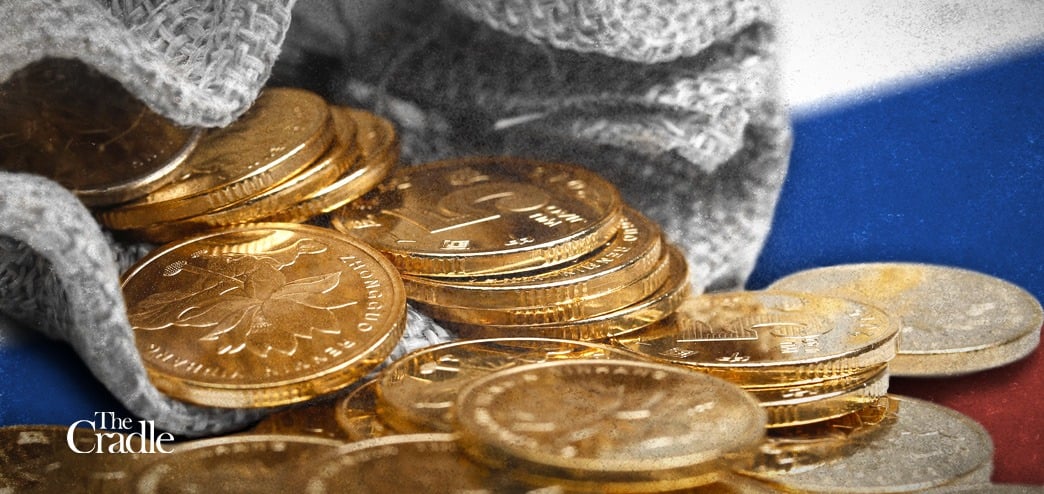
Russia says half its gold assets were frozen – is this for real or a slick play by Moscow? Photo Credit: The Cradle Pepe Escobar March 29, 2022 The Russia-led Eurasia Economic Union and China just agreed to design the mechanism for an independent financial and monetary system that would bypass dollar transactions. Originally posted on The Cradle on March 15, 2022 here It was a long time coming, but finally some key lineaments of the multipolar world’s new foundations are being revealed. After a recent video conference meeting, the Eurasian Economic Union (EAEU) and China agreed to design the mechanism for an independent international monetary and financial system. The EAEU consists of Russia, Kazakhstan, Kyrgyzstan, Belarus and Armenia, is establishing free trade deals with other Eurasian nations, and is progressively interconnecting with the Chinese Belt and Road Initiative (BRI). For all practical purposes, the idea comes from Sergei Glazyev, Russia’s...
O
No, these three themes are not directly related to each other, except that they were suggested to me /” target=”_blank” rel=”noreferrer noopener”>Schiller Institute in Denmark when she kindly invited me to participate in a longer interview. If you prefer, you may also listen to it as podcast and read it here.
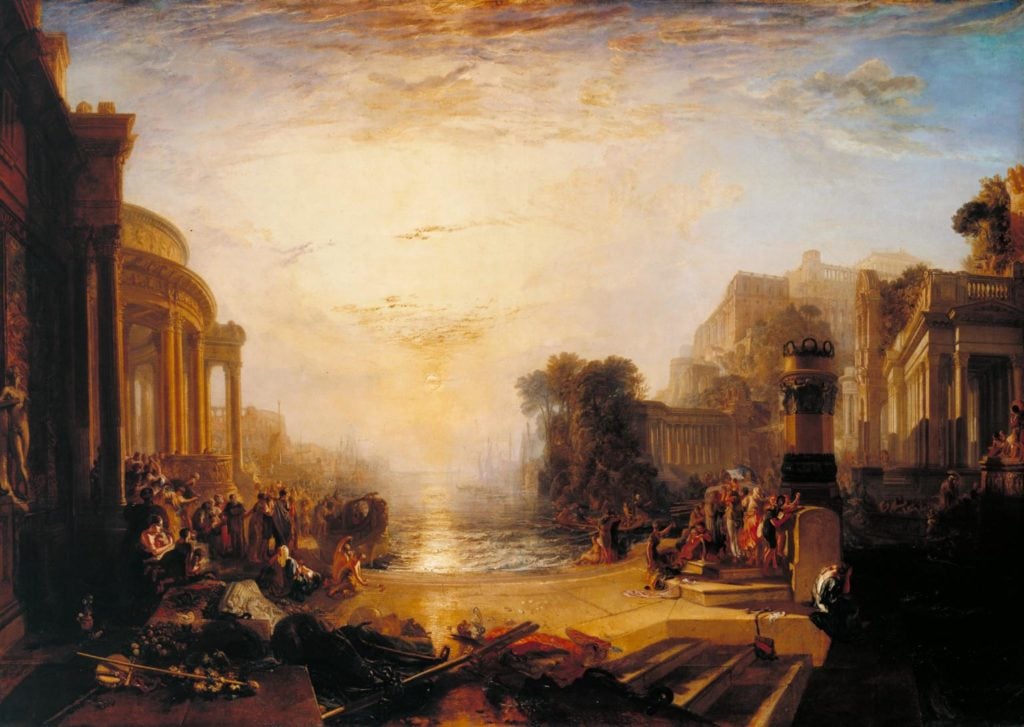
The Decline of the Carthaginian Empire ... exhibited 1817 by Joseph Mallord William Turner 1775-1851
Please read this carefully because it is essentially important and not on the front page of all media – while Djokovic, Britney Spears, Epstein/Maxwell and the latest Netflix series you just must see all are: “UNITED NATIONS, Jan 17 2022 (IPS) The numbers are unbelievably staggering: the world’s 10 richest men more than doubled their fortunes from $700 billion to $1.5 trillion —at a rate of $15,000 per second or $1.3 billion a day, according to a new study from Oxfam International. These phenomenal changes in fortunes took place during the first two years of a Covid-19 pandemic that has seen the incomes of 99 percent of humanity fall, and over 160 million more people forced into poverty—60 million more than the figures released by the World Bank in 2020. “If these ten men were to lose 99.999 percent of their wealth tomorrow, they would still be richer than 99...
19c32d4ad8294f02bbfd045b0bf9d671
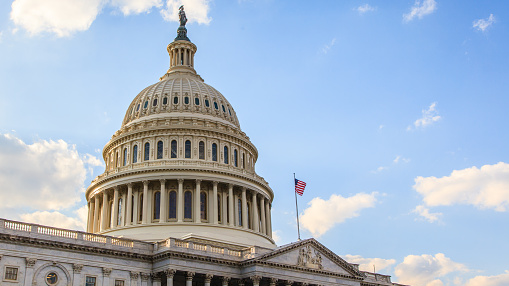
The United States Capitol Building in Washington, D.C., U.S. /Getty By Josef Gregory Mahoney December 15, 2021 Editor’s note: Josef Gregory Mahoney is a professor of politics at East China Normal University in Shanghai. The article reflects the author’s opinions and not necessarily the views of CGTN. There has been an active debate among American scholars and pundits for many years over whether the United States is a republic or democracy. One of the keys to this discussion is the argument advanced by some, particularly those on the right, that these two terms are somehow opposites – that one cannot be both at the same time, and that the U.S. is definitively a republic and not a democracy. Originally published at CGTN On the face of it, this assertion is ridiculous. It’s absolutely possible to be both a republic and democratic, and to whatever extent one regards the U.S. as democratic,...
ChiUS-kopia
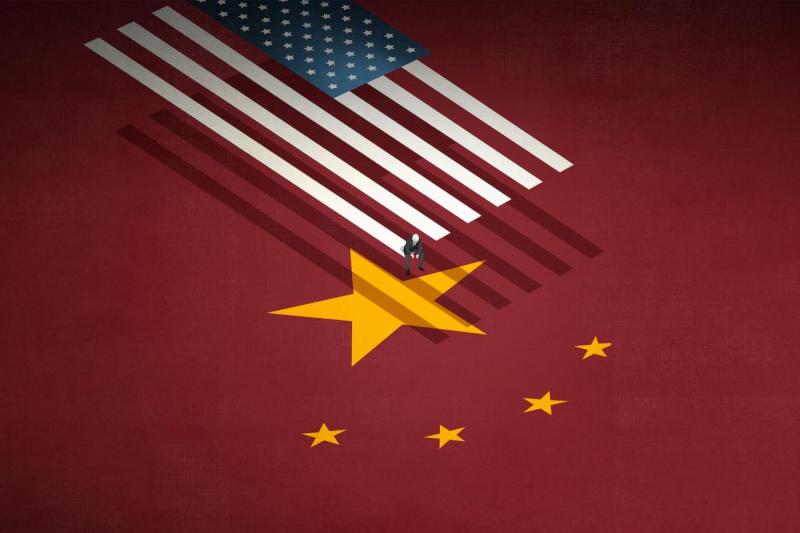
Carlos Martinez November 16, 2021 Since the launch of Obama’s ‘Pivot to Asia’ in 2012, the US has prioritised China containment over all other foreign policy commitments. This includes steadily increasing its presence in the South China Sea and encouraging China’s neighbours in their various territorial claims. Obama also initiated an expansion of US military, diplomatic and economic cooperation with other countries in the region. The overarching strategic goal of the proposed Trans-Pacific Partnership (TPP) was to isolate China and to draw East and Southeast Asia back into the US economic – and ideological – orbit. The Trump administration, while dropping the TPP due to its domestic unpopularity, escalated the Pivot in other respects: launching a trade war in January 2018, imposing a ban on Huawei, attempting to ban TikTok and WeChat, spreading conspiracy theories about the origins of Covid-19, and turning ‘decoupling’ into a buzzword. Anti-China propaganda became –...
president-xi-climate-and-capital-media-economy-1200x675-1
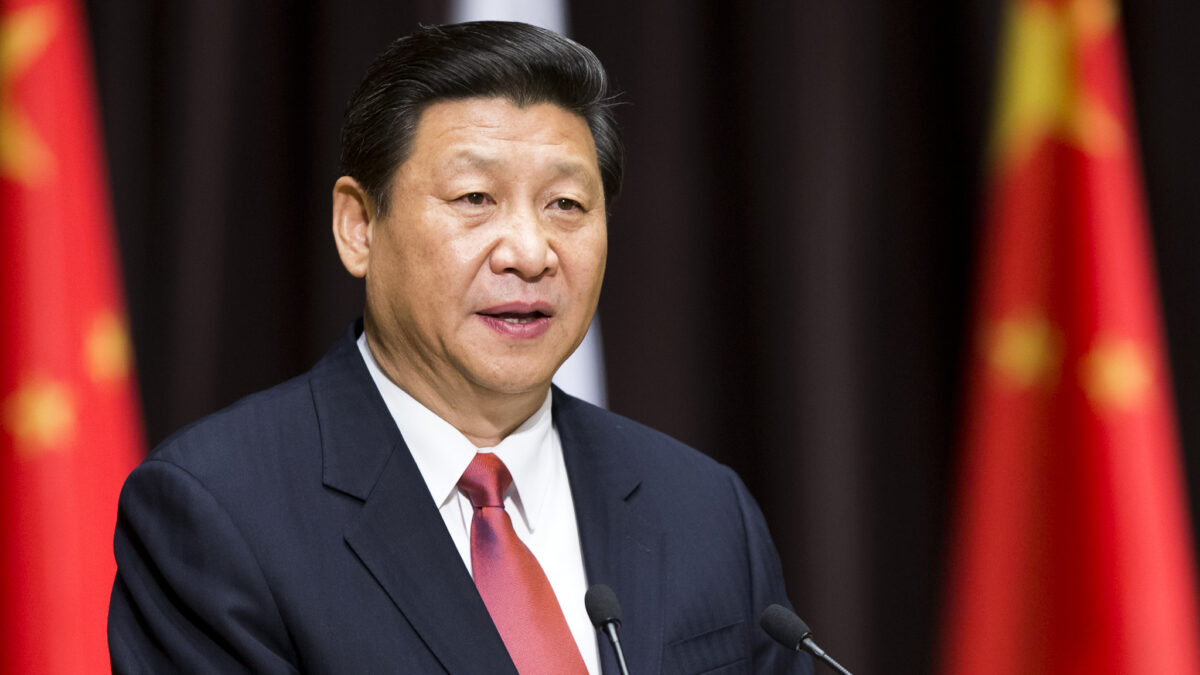
Peter McKillop November 8, 2021 The Chinese president did not attend COP26, but China already has a master plan for climate action. Do you, President Biden? It may be one of the great ironies of COP26 that the leader of the nation that emits more carbon than the United States, India and the European Union combined is skipping the climate conference in Glasgow. For China and President Xi Jinping, it’s politics as usual. Perhaps it’s about maintaining COVID protocols, or he is still smarting from the new nuclear submarine deal between the U.S. and Australia. For whatever reason, President Xi will limit his COP presence to a video link. But Xi’s physical absence at the summit should not be mistaken for inaction on climate change. Besides a commitment to check the increase in greenhouse gas emissions in 2030 and reach net zero by 2060, China has quietly put together an...
JOhnAvery
We at TFF are proud to present one of our most amazing Associates who – in so many different ways – has worked for peace over 67 years. His knowledge is encyclopaedic and covers so many fields that it is hard to grasp. Even at the age of 88 and with various health problems and failing eyesight, he writes every day, most of the day – in the belief that we are all responsible for doing all that we can and that it is only through knowledge, humanity and vision we can survive in the long-term perspective as one humanity. The book you can download below runs over 500+ pages – and it’s just one of John’s many. It contains much more than the story of Avery’s work for peace: articles, essays, comments and whole books on various aspects of global affairs. Better scroll and browse and be inspired than...
5984e9fc2848c.image_
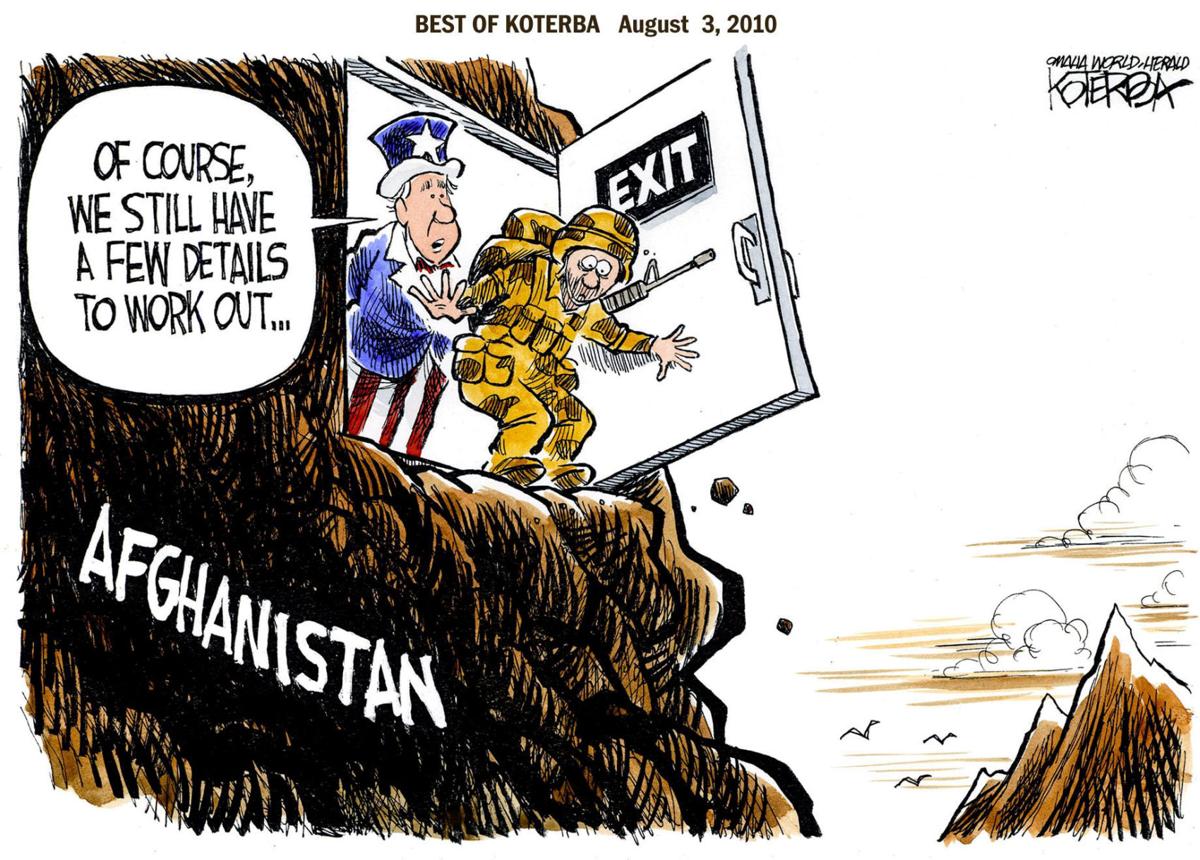
Brilliant cartoon from 2010… August 23, 2021 Jeffrey Sachs is professor and director of the Center for Sustainable Development at Columbia University. He’s a leading intellectual on global economic affairs in general and sustainable development in particular. Here he chooses the unusual way of communicating: Instead of going into a lot of “academic” issues and dimensions of the US-led war on Afghanistan since 2001, he characterises the underlying mentality, decision quality and level of knowledge by using the word “stupidity” a number of times. And that’s what this US policy has been: stupid. Repeatedly stupid. We find it important that people proven excellent intellectuals do not feel that they have to separate the personal and academia and feel free to express themselves in plain language – indicating also, of course, a sense of frustration and anger over that very ignorance . . . stupidity and its tragic human consequences. Perhaps...
R2103B_DU
Rana Mitter and Elsbeth Johnson August 23, 2021 Many people have wrongly assumed that political freedom would follow new economic freedoms in China and that its economic growth would have to be built on the same foundations as in the West. The authors suggest that those assumptions are rooted in three essentially false beliefs about modern China: (1) Economics and democracy are two sides of the same coin; (2) authoritarian political systems can’t be legitimate; and (3) the Chinese live, work, and invest like Westerners. But at every point since 1949 the Chinese Communist Party—central to the institutions, society, and daily experiences that shape all Chinese people—has stressed the importance of Chinese history and of Marxist-Leninist doctrine. Until Western companies and politicians understand this and revise their views, they will continue to get China wrong. Originally appeared in the May-June 2021 Harvard Business Review here When we first traveled to China, in the early...
Categories

Year

Author / Contributor

Region