Democracy – local

Category

Year

Author / Contributor

Region

Sort by

Showing 1-10 of 193 stories

johangaltung
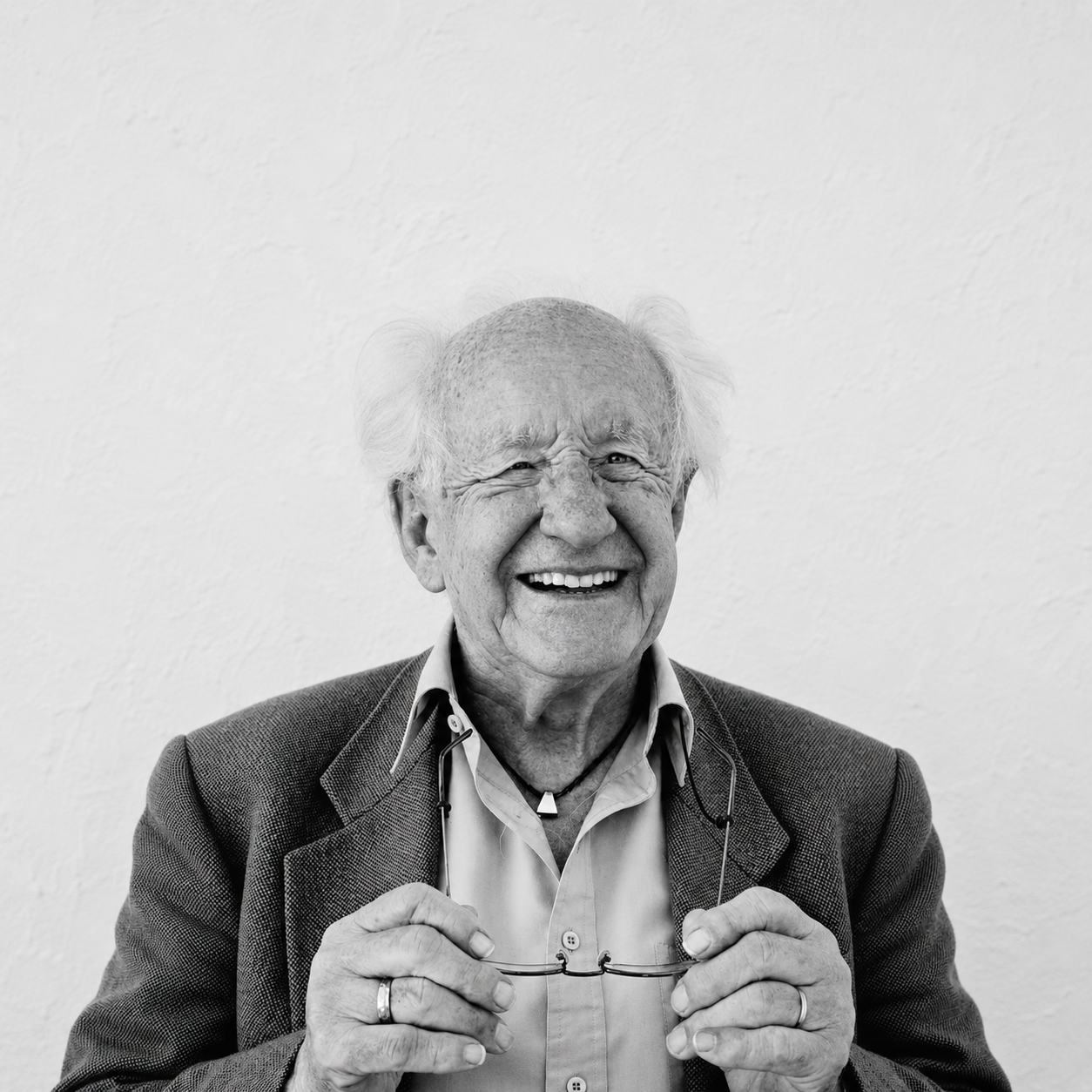
Alfaz del Pi, located between Mediterranean beaches and a couple of majestic mountains, Campana-Aitana (Man and Woman) 1500 meters high. Today this small town generously accommodates 21,500; surrounded by fertile soil, orange and olive trees, vines. Benidorm – the famous tourist resort – and Altea, more for artists, are at hand stretching distance; on the Costa Blanca – white seen from the sea – in Spain. So far nothing special. But that little town is home to close to one hundred different nations; 57% are foreigners. The English and the Norwegians are the most frequent; the Norwegians arriving already some 45 years ago. Close to half a century of peaceful coexistence; and not only absence of violence but also positive, cooperative peace. We, a Japanese-Norwegian couple, arrived June 1969. First time in Spain was in 1951, hitchhiking to understand fascism better. Franco had evolved from dictadura, dictatorship, after a brutal...
johangaltung
The atrocious Second World War left behind lasting damage by lowering our standards for what is marginally acceptable. War is bad; but if it is not nuclear, the limit has not yet been reached. Fascism is bad; but if it does not come with dictatorship and the elimination of a category of people, the limit has not yet been reached. Hiroshima, Hitler, Auschwitz are deeply rooted in our minds, distorting them. Hiroshima makes us disregard the state terrorism against German and Japanese cities, killing citizens of any age and gender. And Hitler and Auschwitz make us disregard fascism as the pursuit of political goals by means of violence and the threats of violence. It takes two to make a war, by whatever means. But it takes only one to make fascism, against one’s own people, and/or against others. What is the essence of fascism?
ObergPhoto2cmB-W-3
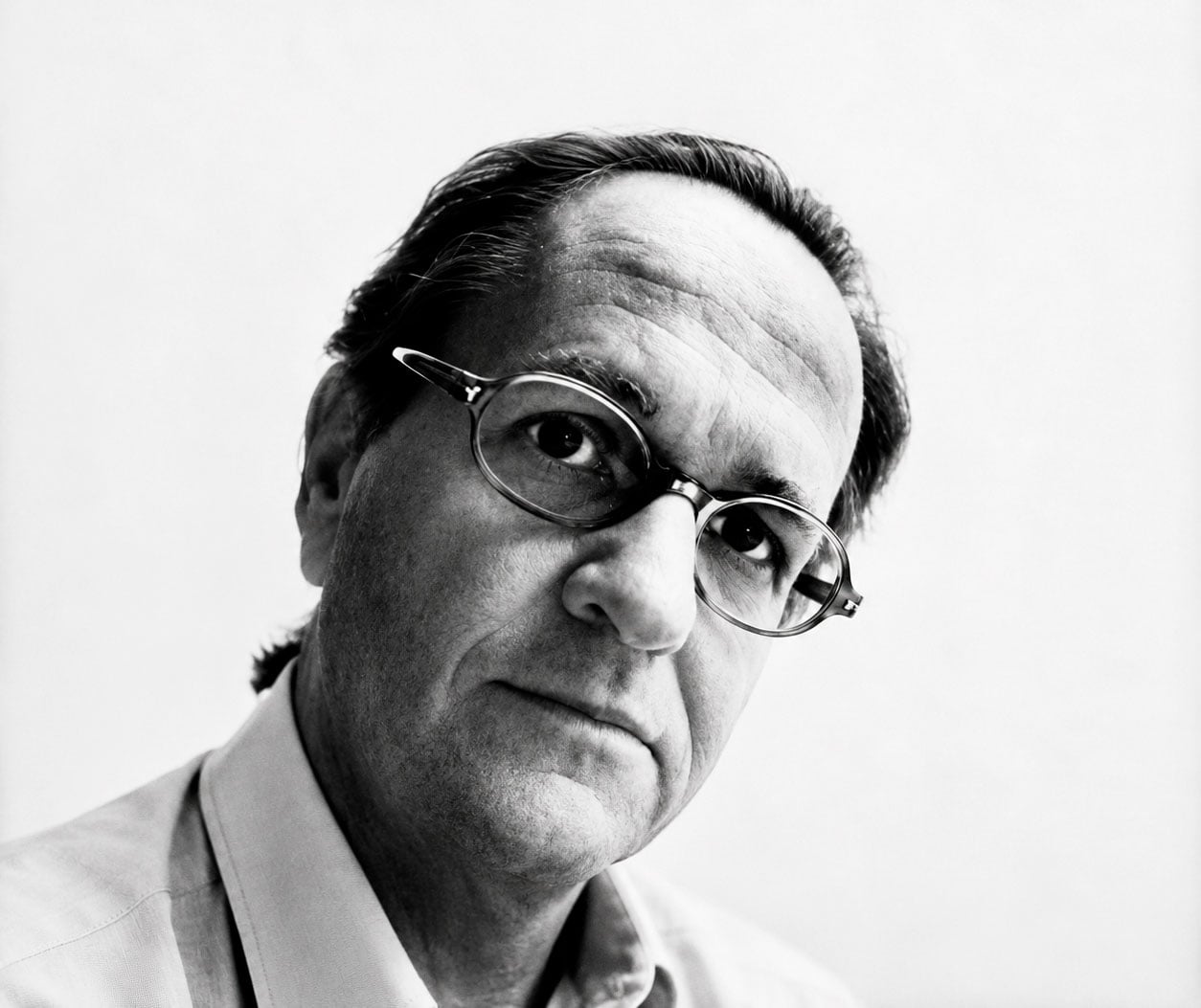
/jun/09/edward-snowden-nsa-whistleblower-surveillance”>this interview three times in a row. One moral individual standing up for true democracy and freedom against one of the most evil systems the world has ever seen. The Guardian: “Snowden will go down in history as one of America’s most consequential whistleblowers, alongside Daniel Ellsberg and Bradley Manning. He is responsible for handing over material from one of the world’s most secretive organisations – the NSA. In a note accompanying the first set of documents he provided, he wrote: “I understand that I will be made to suffer for my actions,” but “I will be satisfied if the federation of secret law, unequal pardon and irresistible executive powers that rule the world that I love are revealed even for an instant.” I am deeply moved by Edward Snowden. Very deeply. Such civil courage. Such moral awareness. Such knowledge. Such intellectual clarity. Such determination combined with the humility of...
stephenzunes
While the outcome of the Iranian elections scheduled for June 14 may be hard to predict, it will make little difference as long as power remains firmly in the hands of Ayatollah Khamenei and other hard-line clerics. Indeed, while there are contending factions vying for the country’s relatively weak presidency, the narrow ideological spectrum within which candidates are allowed to run for public office offers little hope for change — at least through the electoral system. Following the 2009 election, in which the incumbent right-wing president Mahmoud Ahmadinejad was declared the winner despite his apparent loss to the popular reformist Mir-Hossein Mousavi, the people of Iran rose up in a popular civil insurrection, which was brutally crushed. While it is hard to guess how soon democracy will come to Iran, the government’s theft of the election and subsequent crackdown — shattering the illusion many Iranians still held that they could...
ChatGPT Image 9 jun 2026, 11_11_33
/10/jonathanpower2.jpg”> One small step forward for Nawaz Sharif, the new election winner, but one big step forward for Pakistan. The Islamist parties and their militant, sometimes violent, followers have won so few votes they will play no significant role in parliament. The overwhelming majority of Pakistan’s ethnically disparate population has made it clear that they identify with secular politics. Hussein Haqqani writes in his insightful new book on Pakistan that “Most Pakistanis would probably be quite content with a state that would cater to their social needs, respect and protect their rights to observe religion and would not invoke Islam as its sole source of legitimacy.” If Pakistan’s democracy were allowed to play a central role -as seems to be happening at the moment- hopefully the Islamist tail will no longer be allowed to wag the Pakistani dog. For years, particularly under military rule, the Islamists, not least the militant,...
richardfalk
I have had a recurrent struggle to set boundaries on the comments section of this blog. At first, I was determined to have an open forum welcoming critical commentary on any issue, excluding only those comments that seemed struck me as clear instances of hate speech. This approach seemed to work okay except with respect to Israel/Palestine, which increasingly attracted either long argumentative comments posing a list of rhetorical questions or angry serial comment contributors that insulted me as well as others who had submitted comments that were interpreted by them as being pro-Palestinian or hostile to Israel and Zionism. There was no symmetry in the sense the blog received no serial or long provocative comments written by those who more or less supportive of the Palestinian struggle for justice. From blog readers I received mixed reactions, but I was most persuaded by those who expressed dismay about the tendency...
johangaltung
That his life and his deeds had black dots is part of the story; but that should not block seeing the greatness of a maker of history. First, in his own society, Venezuela, he lifted the bottom people up from misery, into economic wellness, political participation, cultural pride (of their often African, or Indian, blood), social dignity; much beyond Gini coefficients to measure increasing equality. Even the rich human rights language is too bland to reflect all that. Second, he did the same for Latin America; he helped lift the bottom countries up, also under the name of the iconic Simón Bolívar: Cuba and Nicaragua, Ecuador and Bolivia, Brazil to mention some. Of course the two policies are related. Colombia with its immense record of violence 1948-2013, is a pariah country and can only be lifted up by lifting its bottom up, attacking flagrant inequality. Chávez and his fellow leaders...
johangaltung
Partyocracy-Technocracy-Autocracy-Bankocracy…? There is a crisis in the Western or more particularly the Indo-European political system – for reasons to be made clear. The system is referred to as “democracy”, meaning rule with the consent of the ruled; of, by and for the people. In practice this is interpreted as multi-party national elections for a national assembly, and majority rule in its two major forms, presidential and parliamentary democracy. The minority is given the role as “loyal opposition”. The sovereign, people, are given choices not between positions on issues, but “platforms”, issue-bundles; and not between candidates, but candidate-bundles, “lists”, designed not by the parties, but by executive committees, officers, even by one officer, the boss. And this choice the sovereign can make only once every four years when a power window opens one or two days, 8-10 hours, called elections. The system is better referred to as partyocracy than democracy, a...

richardfalk
Political life is filled with policy choices that are made mainly on the basis of calculations of advantage, as well as reflecting priorities and values of those with the power of decision. In a constitutional framework of governance the rule of law sets outer limits as to permissible outcomes. The legitimacy of the decision depends on adhering to these procedural guidelines, and the fact that if the societal effects turn out badly it can be corrected by altering the ‘law.’ Of course, all sorts of special interests behind the scene manipulate this process, and the public debate mirrors these pressures. The results of highly contested policy choices usually reflect the power structure (class, race, ideology) more than they do the outcome of rational detached assessments of the public good. At present, the national public good in the United States is being held hostage to the lethal extremism of the gun...
ChatGPT Image 9 jun 2026, 11_11_33
/10/jonathanpower2.jpg”> The Cold War ended and the good times began – the big powers stopped using their veto in the UN Security Council, the number of wars fell dramatically, human rights improved all over the world including in Russia and the number of democracies increased substantially. Where have all the flowers gone? The veto has returned. The number of civil wars has started to rise again. The number of democracies has begun to decrease. Perhaps better human rights practices are still holding their ground – in China they are improving slowly, including a more open press and more freedom for academics in the universities, but in Russia after some opening up under the presidency of Dimitri Medvedev freedoms are now retreating under Vladimir Putin. The Arab Spring continues its uncertain course with Egypt awash with uncertainty. Only in Tunisia does freedom seem secure. Freedom House has a long history of...
richardfalk
I have had the opportunity to be in Cairo three times for brief visits in the last 20 months, the first a few weeks after the departure of Hosni Mubarak on February 11, 2011, the second in February of 2012 when the revolutionary process was treading water, and this third one over the course of the previous ten days. What is striking is how drastically the prevailing mood and expectations have changed from visit to visit, how fears, hopes, and perceptions have altered over time, and why they are likely to continue to do so. I. The Overthrow of Mubarak On the first visit, shortly after the extraordinary exploits in Tahrir Square that started on January 18, 2011, there was a spirit of stunned amazement that made it seem as though the ‘Arab Spring’ was a genuine historical phenomenon of epic proportions and that Egypt had become the core site...
ChatGPT Image 9 jun 2026, 11_11_33
/10/jonathanpower2.jpg”> Thankfully neither candidate for US president is threatening “a war against dictators”. If George W. Bush had been allowed a third term – as President Franklin Roosevelt was in the 1940s – then who knows where he and his Machiavellian vice-president, Dick Cheney, might have led us. Not for them the observation of General Colin Powell, when he was the US military’s top commander, who said “I am running out of demons”. They managed to find demons all over the place and doubtless if they were in power would have found many more. According to the new issue of World Policy Journal there are at least 10 living dictators who have all the reins of power in their own hands, controlling not just government but the law and the media. The Journal ranks them according to these criteria plus the percentage of the national income spent on the military,...
Categories

Year

Author / Contributor

Region