Conflict – violence and war

Category

Year

Author / Contributor

Region

Sort by

Showing 1-10 of 206 stories

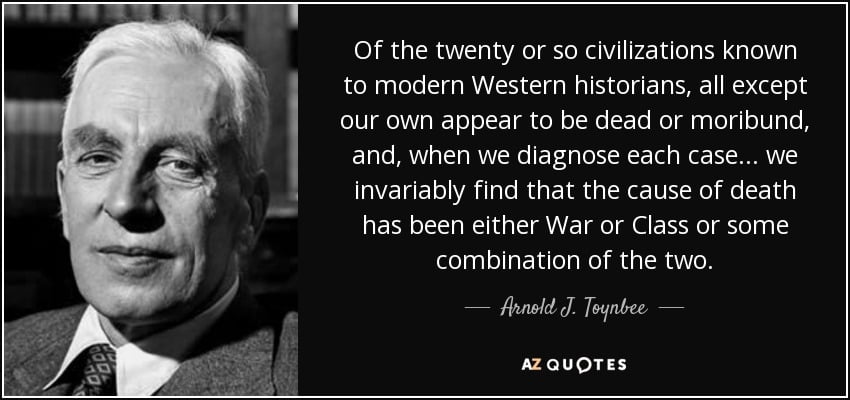
quote-of-the-twenty-or-so-civilizations-known-to-modern-western-historians-all-except-our-arnold-j-toynbee-71-41-43
Translation of the Introduction to the New Edition of Arnold Toynbee’s Civilisation on Trial, translated into Persian by Farhang Jahanpour Farhang Jahanpour October 28, 2021 More than 45 years have passed since the publication of my translation of “Civilisation on Trial” by Arnold Toynbee (1889-1975) – read the entire book in English here. When that translation was first published by Isfahan University Press in 1976 it was warmly received, and in a short time, more than half of the copies of the first printing had been sold. Unfortunately, a short time after its publication, with the start of the growing political tensions and clashes that led to the Islamic Revolution, the book was caught up in the revolutionary maelstrom. Since then, the book has never been republished. However, more than 45 years later, in view of the importance of the book and its relevance regarding some of the latest political...
FreeComposition_1_1200_100dpi
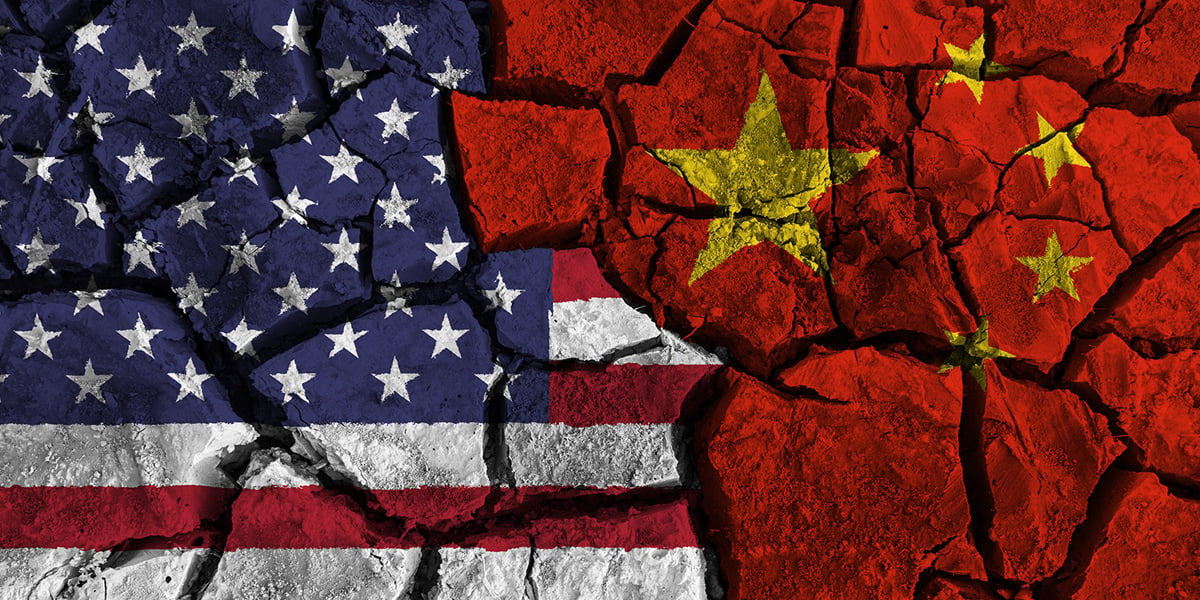
A Critical Analysis Of A Report By The Newlines Institute And The Raoul Wallenberg Center On March 8, 2021, the Newlines Institute for Strategy and Policy in Washington published a report, The Uyghur Genocide: An Examination of China’s Breaches of the 1948 Genocide Convention in cooperation with the Raoul Wallenberg Centre for Human Rights in Montreal. It states that ”This report is the first independent expert application of the 1948 Genocide Convention to the ongoing treatment of the Uyghurs in China. It was undertaken by the Newlines Institute for Strategy and Policy, in cooperation with the Raoul Wallenberg Centre for Human Rights, in response to emerging accounts of serious and systematic atrocities in Xinjiang province, particularly directed against the Uyghurs, an ethnic minority, to ascertain whether the People’s Republic of China is in breach of the Genocide Convention under international law.” The Report – hereafter The Report – has been produced with the contributions of, and upon...
thumbnail-9454d8a8c22811eaa0bd0a0ef48dc051
Introduction by Jan Oberg October 14, 2021 Here’s how Monthly Review presents itself: “Monthly Review began publication in New York City in May 1949. The first issue featured the lead article “Why Socialism?” by Albert Einstein. From the beginning, Monthly Review spoke for a critical but spirited socialism, independent of any political organization. In an era of Cold War repression, the magazine published pioneering analyses of political economy, imperialism, and Third World struggles, drawing on the rich legacy of Marxist thought without being bound to any narrow view or party line. The McCarthy-led inquisition targeted MR‘s original editors, Paul Sweezy and Leo Huberman, who fought back successfully. Against these odds, the magazine’s readership and influence grew steadily, and in 1952, Monthly Review Press published its first title, I. F. Stone’s Hidden History of the Korean War. TFF has published Einstein’s article here. But what we want to highlight right here is the MR Volume...
afghanistan-026-1
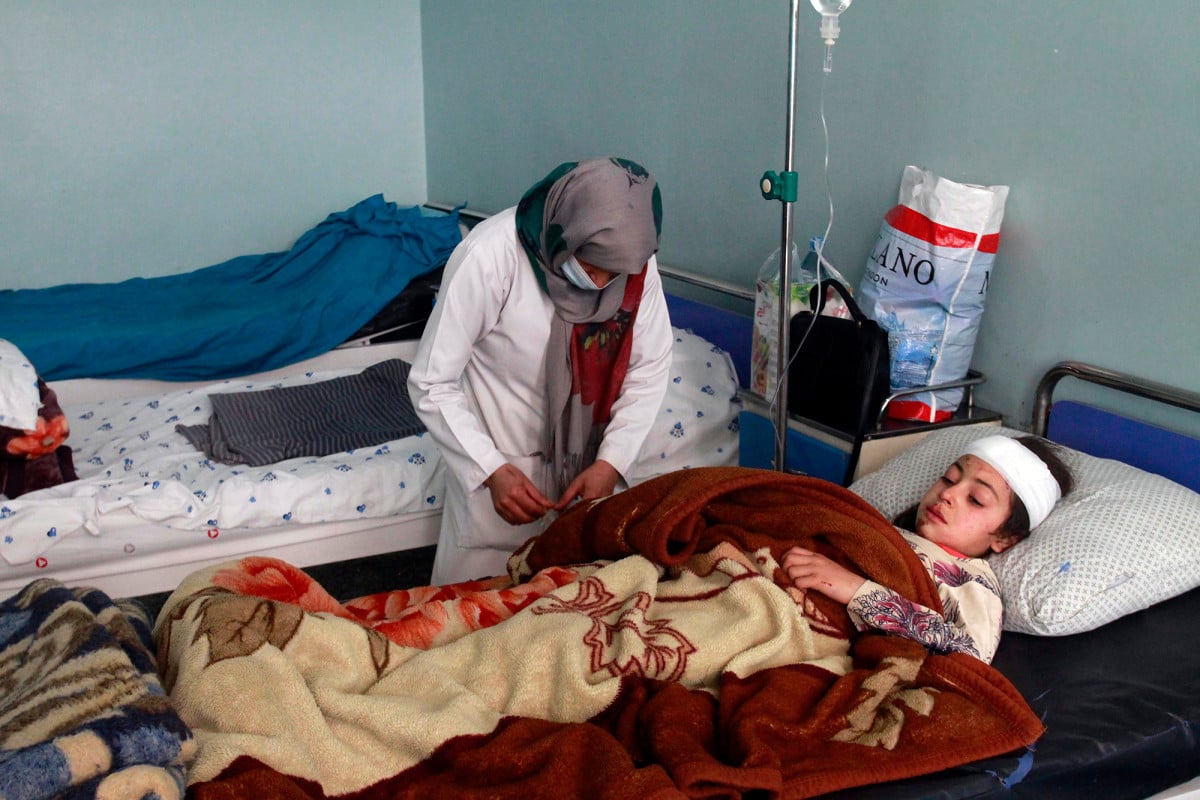
Neta C. Crawford Listen to this article here September 24, 2021 The U.S. invaded Afghanistan in late 2001 to destroy al-Qaida, remove the Taliban from power and remake the nation. On Aug. 30, 2021, the U.S. completed a pullout of troops from Afghanistan, providing an uncertain punctuation mark to two decades of conflict. For the past 11 years I have closely followed the post-9/11 conflicts for the Costs of War Project, an initiative that brings together more than 50 scholars, physicians and legal and human rights experts to provide an account of the human, economic, budgetary and political costs and consequences of the Iraq and Afghanistan wars. Originally published by The Conversation Of course, by themselves figures can never give a complete picture of what happened and what it means, but they can help put this war in perspective. The 20 numbers highlighted below, some drawn from figures released on Sept. 1, 2021,...

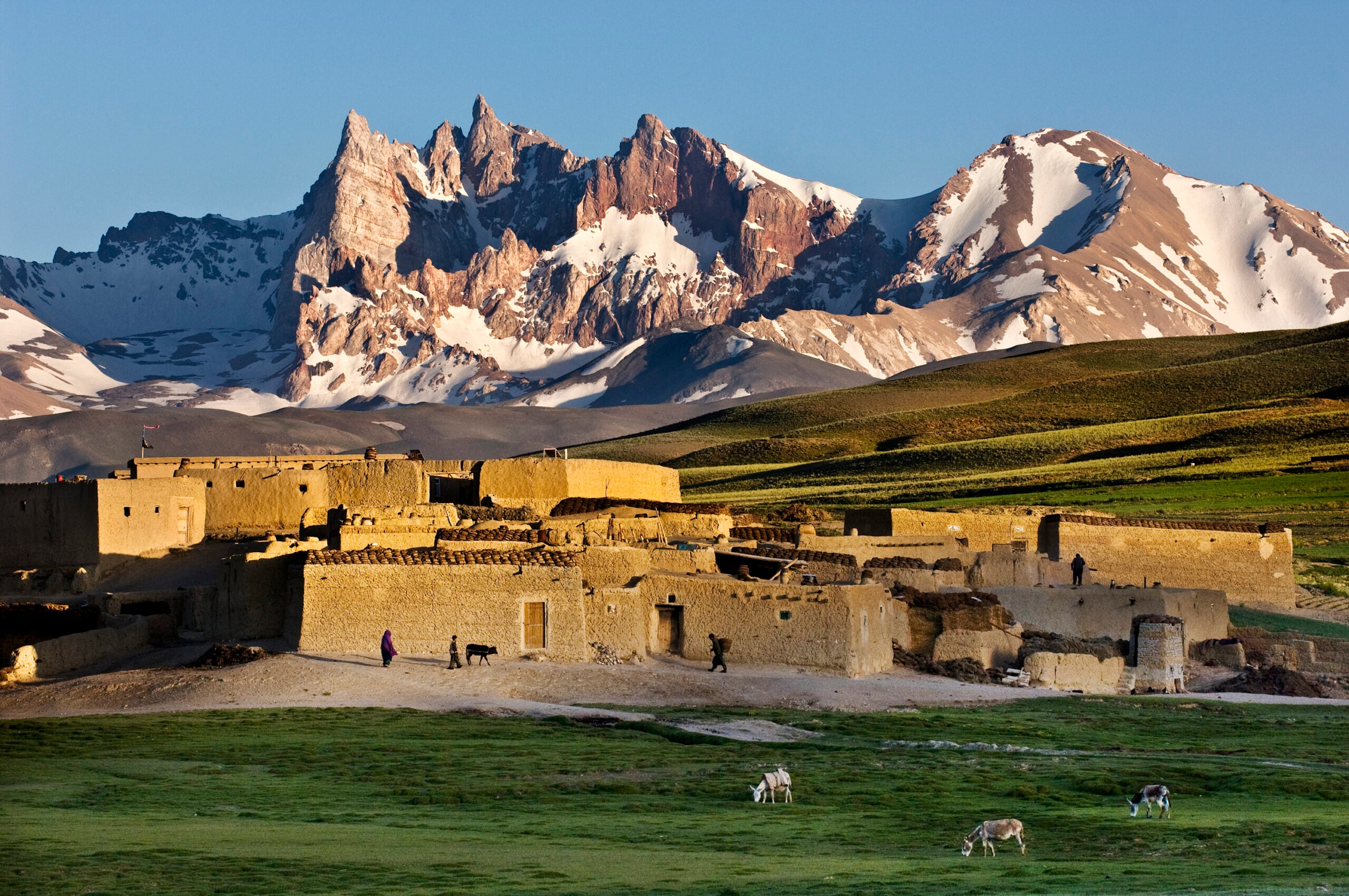
AFGHN-12819, Qala-e-Sabzi, Afghanistan, 2007. Donkeys grazing in fields.
Listen to this article Richard Falk September 14, 2021 Modified responses on Aug. 23rd to questions posed by Zahra Mirzafarjouyan, Mehr News Agency, and originally published on Falk’s homepage. • 1 Why could the Taliban capture Kabul and gain power so rapidly without considerable resistance from people and the army? The U.S. led NATO Afghan intervention and occupation was flawed in mission from its outset in 2001, and indeed in the period before the attack and large-scale, ambitious regime-changing, state-building occupation. In the post-colonial world, the military superiority of Western intervening powers has proved unable to shape the political outcomes of a prolonged struggle for the control of non-Western sovereign spaces, especially if the society is beset by unresolved tribal and ethnic conflicts, as well as by warlordism and drug cartels. In Afghanistan, as elsewhere, this line of observation proved to be once again validated, despite trillions of dollars spent...
911JO
September 11, 2021 Can be read together with this article which contains all the documentation When people ask me what I think of “9/11” my answer has always been: “I have not done any research on it myself but to me the official explanation leaves too many questions unanswered, such as: 1 • Why was the discussion only about who did it and how did they do it but never about why did someone do this? If you look at the fact that the objects of the attacks were the centers of the US/world’s financial, military and political power – and not just a train station or some infrastructure – you’d have a diagnostic indicator. 2 • Why did no US Airforce plane take off from St. Andrews Air Base? The standing mission of it is to keep the air space over Washington clean and shoot down anything that should...
5984e9fc2848c.image_
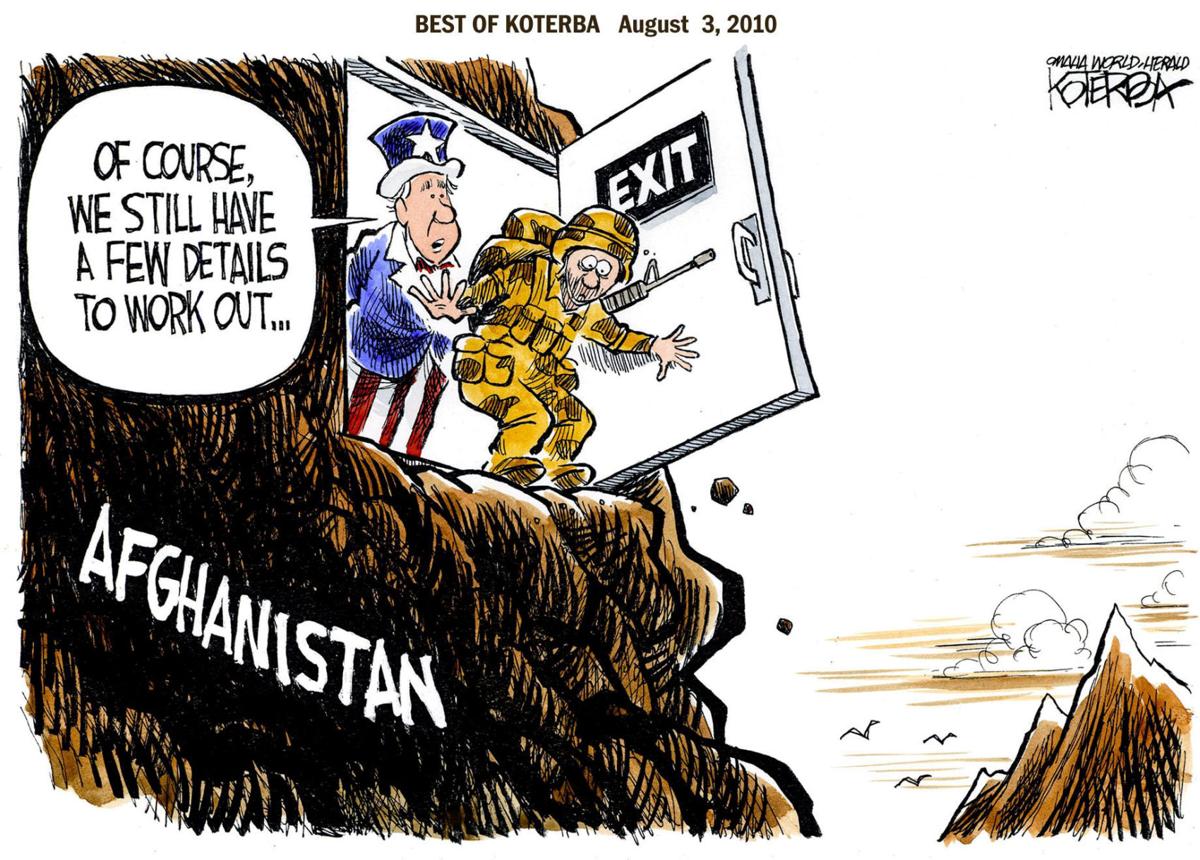
Brilliant cartoon from 2010… August 23, 2021 Jeffrey Sachs is professor and director of the Center for Sustainable Development at Columbia University. He’s a leading intellectual on global economic affairs in general and sustainable development in particular. Here he chooses the unusual way of communicating: Instead of going into a lot of “academic” issues and dimensions of the US-led war on Afghanistan since 2001, he characterises the underlying mentality, decision quality and level of knowledge by using the word “stupidity” a number of times. And that’s what this US policy has been: stupid. Repeatedly stupid. We find it important that people proven excellent intellectuals do not feel that they have to separate the personal and academia and feel free to express themselves in plain language – indicating also, of course, a sense of frustration and anger over that very ignorance . . . stupidity and its tragic human consequences. Perhaps...
TaliTeaching
, in Washington and New York, everybody talked about who could have done it, how they did it and with what means. The only thing never brought to the fore was: WHY would somebody want to do something like 9/11 to the United States of America? By not asking the Why question, the US could stand as the innocent victim of cataclysmic violence. It would not have to do any soul searching and therefore no change of its global militarist policy. 9/11 was not a response to US foreign policy – but it needed a response. The world felt sympathy for the American suffering – much more so than for the suffering and deaths in other countries around the world. The fact is that the 9/11 attack targeted the US’ global finance-capital (World Trade Center), its global military (Pentagon) and its political (White House, however not hit) centres – not...
Soldier-in-the-Vietnam-War
John Scales Avery TFF Associate July 14, 2021 I would like to announce the publication of a book which discusses the reasons why the institution of war continues to threaten human civilization and the biosphere, and the steps that might be taken to rid the world of war. The book may be downloaded and circulated free of charge from the following link: A new freely downloadable book Albert Einstein’s letter to Sigmund Freud “Why War?” – the title of this book, was also the title of a famous letter written to Sigmund Freud by Albert Einstein. In 1931, the International Institute for Intellectual Cooperation invited Albert Einstein to enter correspondence with a prominent person of his own choosing on a subject of importance to society. The Institute planned to publish a collection of such dialogues. Einstein accepted at once, and decided to write to Sigmund Freud to ask his opinion about...
MLK
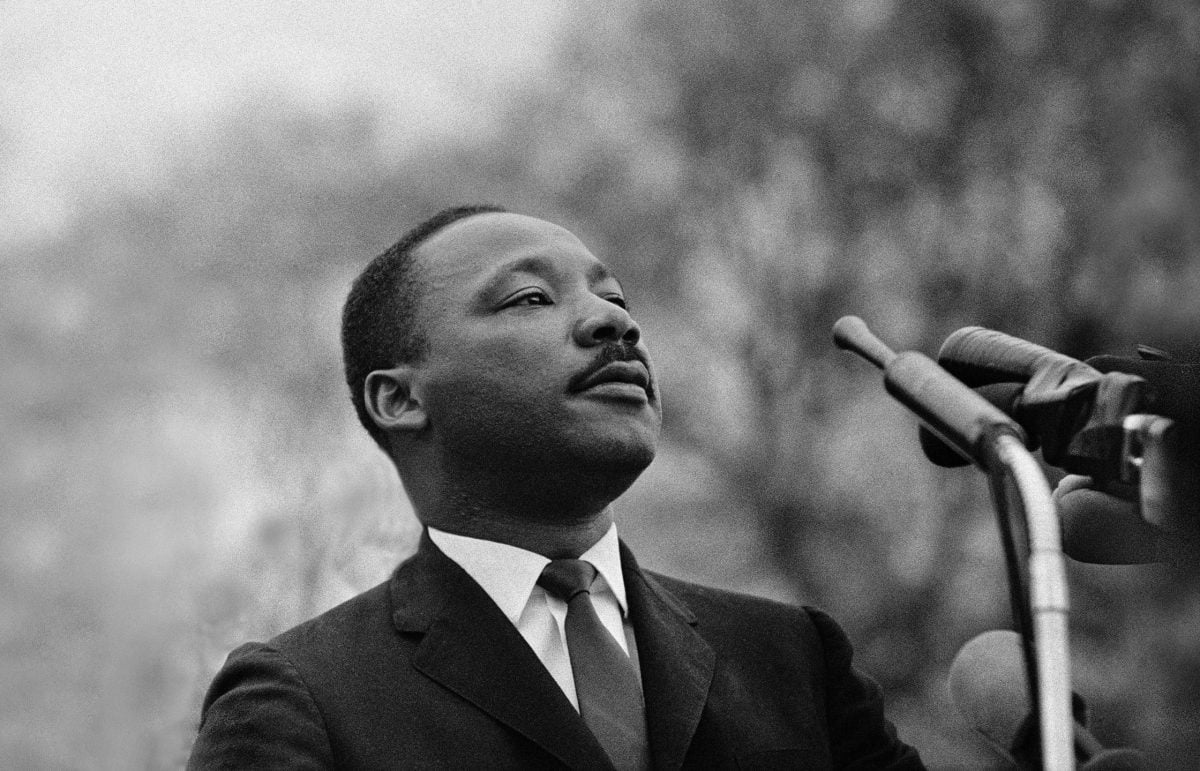
Photo: Martin Luther King. [bswise / CC BY-NC-ND 2.0] Jeff Cohen and Norman Solomon June 29, 2021 The MLK tributes are sure to pour on the anniversary of the civil rights hero’s death, but don’t expect them to acknowledge his anti-militarist ideals. The anniversary of his assassination always brings a flood of tributes to Martin Luther King Jr., and this Sunday will surely be no exception. But those tributes — including from countless organizations calling themselves progressive — are routinely evasive about the anti-militarist ideals that King passionately expressed during the final year of his life. You could call it evasion by omission. The standard liberal canon waxes fondly nostalgic about King’s “I have a dream” speech in 1963 and his efforts against racial segregation. But in memory lane, the Dr. King who lived his last year is persona non grata. Originally published April 21. 2021 at scheerpost.com The pattern is positively Orwellian....
ca_politics_macedonia_2
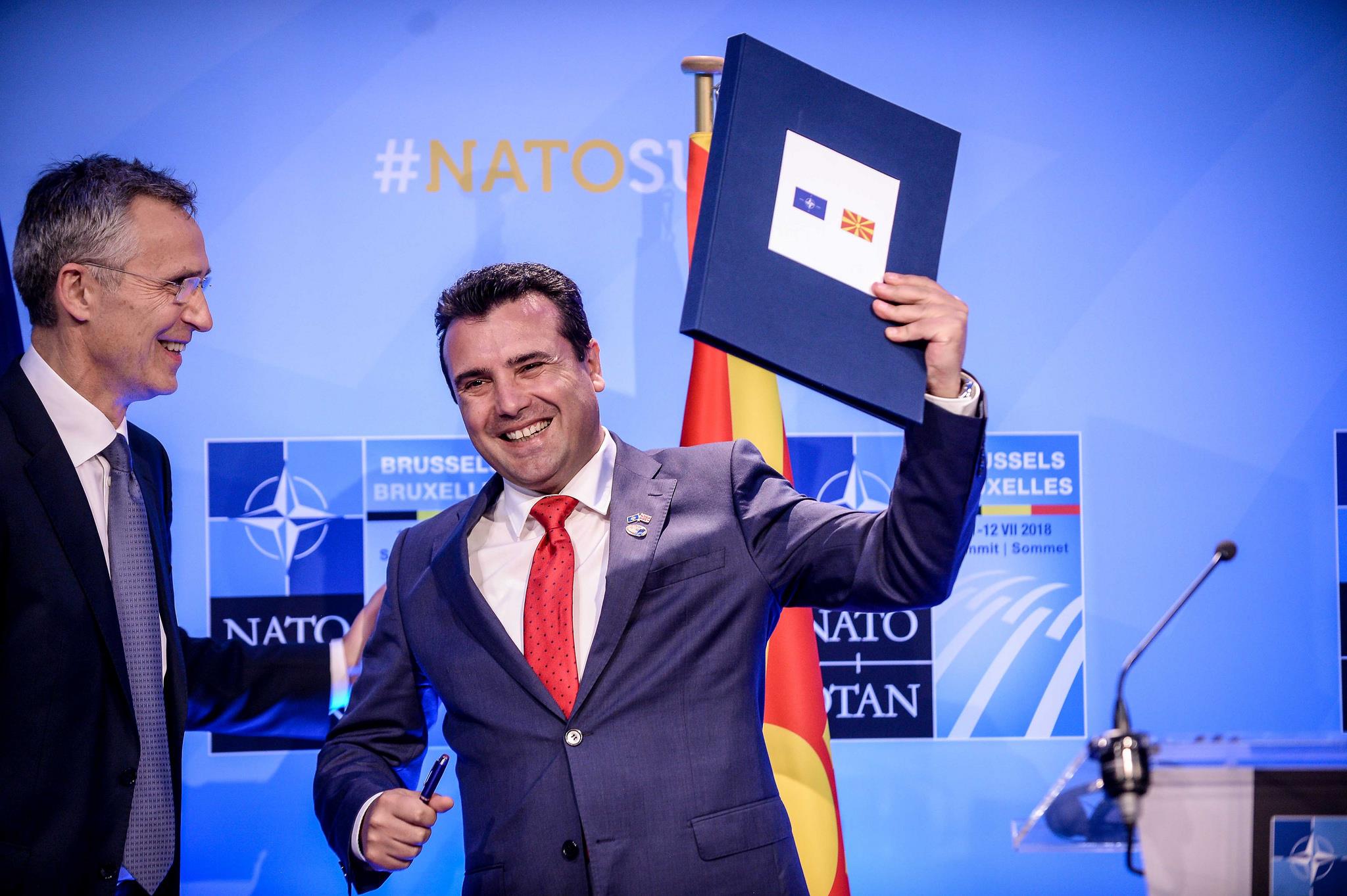
Biljana Vankovska, TFF Associate June 22, 2021 There is a comprehensive, independent-minded “alternative” analysis of NATO’s crisis in general and the membership of North Macedonia in it. Dr Vankovska writes in the intro to her analysis that: “North Macedonia (hereafter in the text, Macedonia) was officially admitted to NATO on 27 March 2020 as its 30th member state. It was supposed to look like a dream come true for generations of Macedonian citizens and the political elites across the ethnic divides. However, the act was hardly met with any euphoria… Although Macedonia has joined NATO the political narrative and public (media and intellectual) rhetoric have not changed a bit. The military alliance is still seen through rose-coloured eyeglasses with not much relation to the objective state of affairs. It shows that the submissive and even naïve position in the mind and behaviour of the political elites is unlikely to change...
peaceprints
Lea Suter, TFF Associate June 21, 2021 Lea Suter, founder of “PeacePrints – Following the Footprints of Peacebuilders” for Peace Reporting on Post-Conflict Countries, Switzerland – and new TFF Associate. Lea has been working in the area of international relations since 2011. First, for the UN, later for a think tank on foreign policy and currently she is the Secretary-General of the UN Association in Switzerland. Originally from Switzerland, she lived in Russia and volunteered in humanitarian projects in Mongolia and Colombia. In 2017, she founded “PeacePrints – Following the Footprints of Peacebuilders” – a blog for which she travels as peace reporter to post-conflict countries to report about outstanding individuals committed to bringing a positive change. Here Lea speaks about her work and how important it is that we know, follow, learn from and honour those millions of fellow citizens around the world who cross borders, reach out and...
Categories

Year

Author / Contributor

Region