Conflict – violence and war

Category

Year

Author / Contributor

Region

Sort by

Showing 1-10 of 206 stories

solemanii
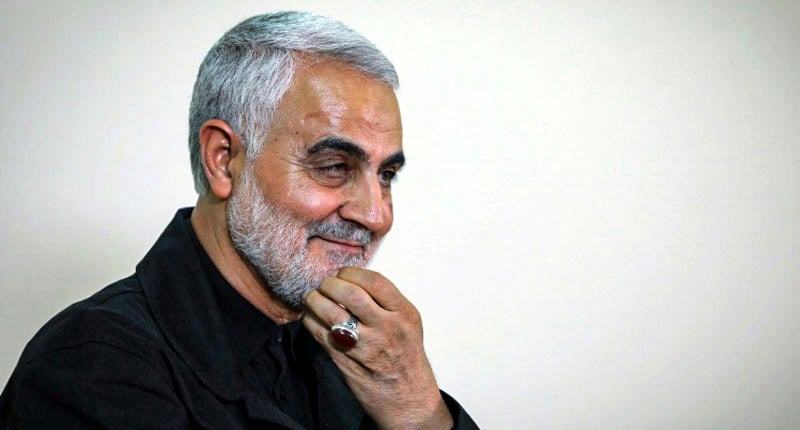
By Craig Murray January 31, 2020 In one of the series of blatant lies the USA has told to justify the assassination of Soleimani, Mike Pompeo said that Soleimani was killed because he was planning “imminent attacks” on US citizens. It is a careful choice of word. Pompeo is specifically referring to the Bethlehem Doctrine of Pre-Emptive Self Defence. Originally posted on Craig Murray’s personal blog on January 4, 2020, here Developed by Daniel Bethlehem when Legal Adviser to first Netanyahu’s government and then Blair’s, the Bethlehem Doctrine is that states have a right of “pre-emptive self-defence” against “imminent” attack. That is something most people, and most international law experts and judges, would accept. Including me. What very few people, and almost no international lawyers, accept is the key to the Bethlehem Doctrine – that here “Imminent” – the word used so carefully by Pompeo – does not need to have its normal...
death
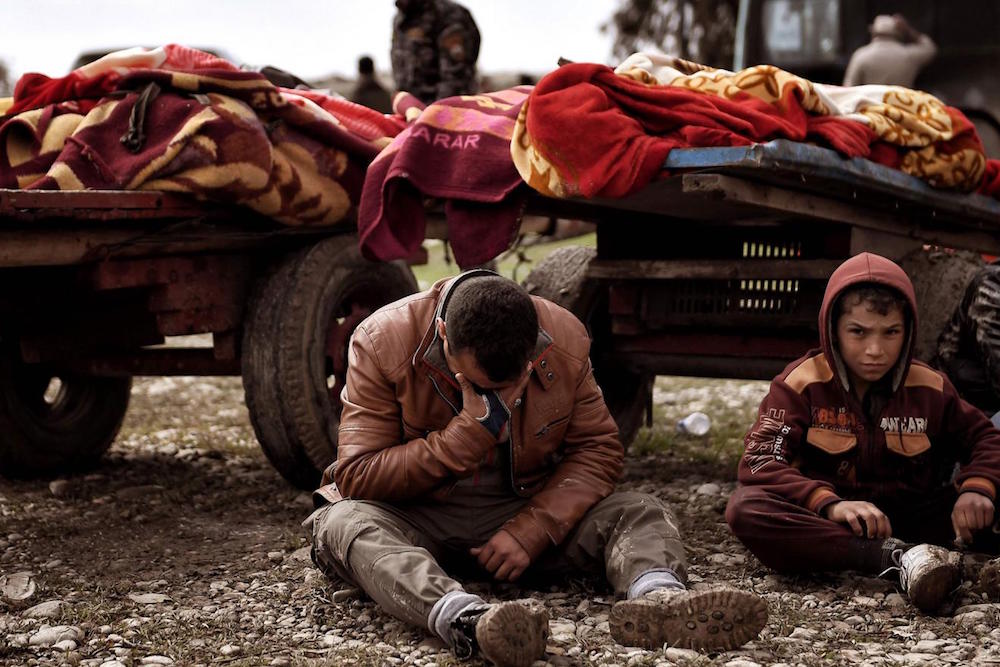
By Nicolas J.S. Davies January 27, 2020 The numbers of casualties of U.S. wars since Sept. 11, 2001, have largely gone uncounted, but coming to terms with the true scale of the crimes committed remains an urgent moral, political and legal imperative, argues Nicolas J.S. Davies, in part two of his series. Originally posted on Consortium News April 3, 2018 here Part One here In the first part of this series, I estimated that about 2.4 million Iraqis have been killed as a result of the illegal invasion of their country by the United States and the United Kingdom in 2003. I turn now to Afghan and Pakistani deaths in the ongoing 2001 U.S. intervention in Afghanistan. In part three, I will examine U.S.-caused war deaths in Libya, Somalia, Syria and Yemen.  According to Ret. U.S. General Tommy Franks, who led the war against the Taliban in Afghanistan in reaction to 9/11, the U.S. government...
RichardFalk
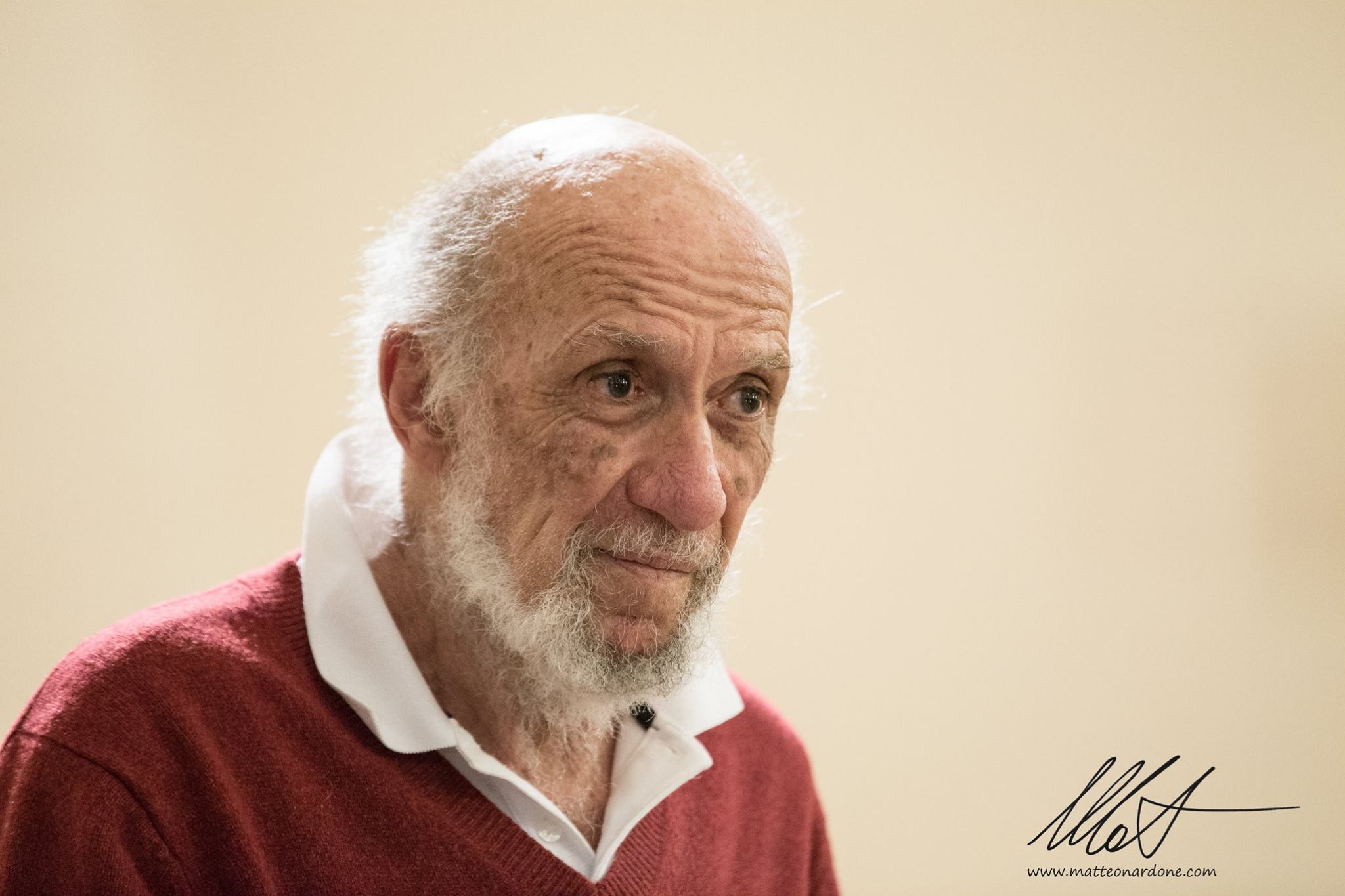
By Richard Falk, TFF Associate Januar 22, 2020 Prefatory Note: The post below is a somewhat amplified version of an interview with C. J. Polychroniou, journalist and professor of political economy at West Chester University, which was published on January 7, 2020, in the online journal, Global Policy. As the interview was conducted in December 2019, it fails to address the various disruptive consequences of the assassination of Qasem Soleimani, including the violation of Iraqi sovereignty, Baghdad being the site of the drone attack, as well as the risks of war arising from an escalating tit-for-tat cycle of actions and reactions. Given growing tensions between the interconnectedness of the world and the state-centric character of international law, including contradictions between totalizing and disregarding territorial sovereignty, state-centric world order is being increasingly marginalized by geopolitical behaviour that both generates and suppresses transnational political violence. A normative crisis with structural implications exists,...
death
By Nicolas J. S. Davies* January 17, 2020 How many people have been killed in America’s post-9/11 wars? I have been researching and writing about that question since soon after the U.S. launched these wars, which it has tried to justify as a response to terrorist crimes that killed 2,996 people in the U.S. on September 11th, 2001. Originally posted on Consortium News, January 15, 2020, here But no crime, however horrific, can justify wars on countries and people who were not responsible for the crime committed, as former Nuremberg prosecutor Ben Ferencz patiently explained to NPR at the time. “The Iraq Death Toll 15 Years After the U.S. Invasion” which I co-wrote with Medea Benjamin, estimates the death toll in Iraq as accurately and as honestly as we can in March 2018.  Our estimate is that about 2.4 million people have probably been killed in Iraq as a result of the historic act of aggression committed by the U.S. and U.K. in...
StreetGarbage_Orig_1000-72dpi
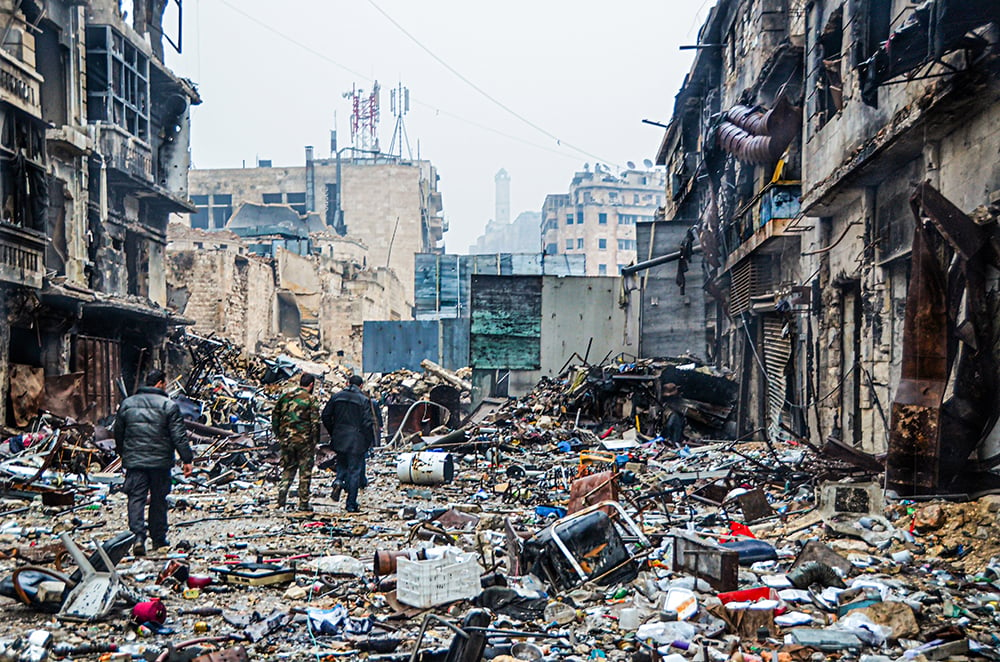
Photo – Eastern Aleppo, December 2016 – © Jan Oberg By Gordon M. Hahn January 17, 2020 If Western leaders are able to put aside the now worn-out cliches such as Russian Vladimir Putin ‘punching above his weight,’ ‘Trump handing Putin a victory on a silver plate’, not to mention ‘Trump as Putin agent’, there are serious lessons that they might still be able to draw from Putin’s looming victory in Syria.  Originally posted on Gordon M. Hahn’s personal blog on December 2, 2019 here First, the era in which the United States and/or the West (NATO) can dictate outcomes anywhere across the globe unilaterally has ended. Events in Syria are but the latest confirmation of this fact, but many in Washington and Brussels still do not see it. NATO expansion drove Russia into China’s arms, and the rest is history and the future.  Second, Washington and Brussels (NATO and...
ChatGPT Image 9 jun 2026, 11_11_33
s at the end of the Cold War – there are more civil wars today than there were in that immediate period, which was the all-time low, and the Cold War itself threatens to re-combust. Nevertheless, the number of soldiers killed on the battlefield continues its decline and in the principal countries of Europe, the locus of most of the wars of history, there has been no war for 74 years. War in the early seventeenth century at the time of the great Dutch thinker, Hugo Grotius, was thought about in a totally different way as it is today. Grotius taught that war was the legitimate way in which states could enforce their rights or their side of a dispute. There was no League of Nations or United Nations to which antagonists could appeal. States had no recourse but to take the law into their own hands. Grotius upheld the...
78627073_2619360608110954_2894142164558675968_n
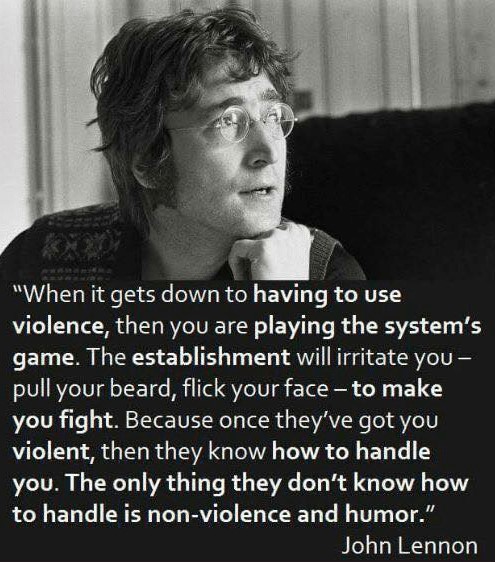
Each and every problem humanity faces is rooted in violence. Why do so many continue believing in violence, the most counter-productive, unintelligent and expensive means of all? Violence invariably makes a problem between conflicting parties deeper and broader and every solution more difficult. It makes the original problem ten times bigger. All problems in this world are tied to one thing: Violence – the tacit or open acceptance of the use of violence in all its many forms. Think of wars, hatred, human rights violations, torture, poverty, injustice, prejudice, media profits (fake-omission-deception), arms trade, racism, regime-change, imperialism, nuclear weapons, environmental destruction, corruption – and hateful comments on social media… Will anybody, from social democrats and left out, listen better in 2020 as they once did? I mean, if we imagine it is still meaningful to talk about Left and Right. Will others? Or shall we leave them out of civilized...

AleppoGirl-761x1024
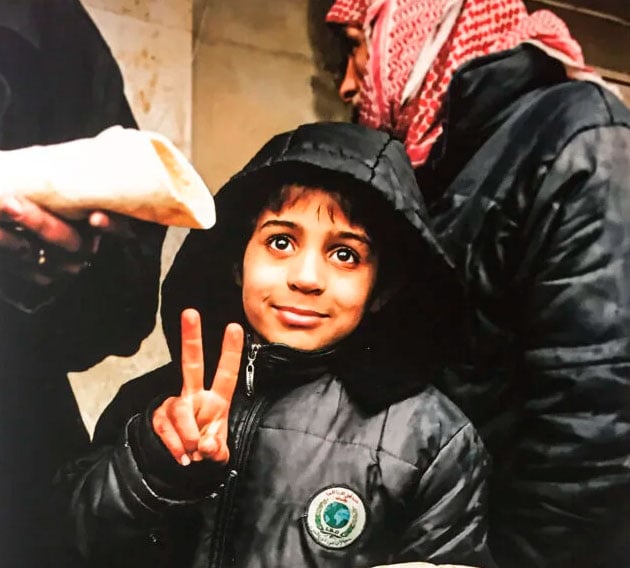
. On December 12, 2012, on the day, 4 years earlier, Western countries and allies – perversely calling themselves ‘Friends of Syria’ – carried through a regime change by statement and set up a Syrian National Council of people never elected by anyone in Syria and told the world that it was, from now on, the only ‘legitimate representative of the Syrian people!’ During the 4 years, Western, Saudi, Turkish and the Gulf States supported innumerable illegal, destructive and mainly foreign terrorist groups with the goal to undermine the legitimate Syrian government and destabilise the country – as had been recommended by US ambassador William Roebuck (1) in Damascus as far back as in 2006 (WikiLeaks documentation here). December 12, 2016, marked a fundamental turning point. Aleppo did not “fall to the dictator/butcher/mass murderer” aka President Bashar al-Assad – no, it was liberated and the occupation by terrorist groups such...
Mahatma-gandhiquote
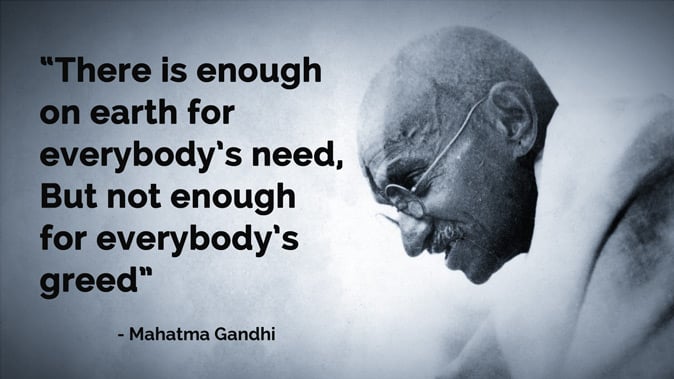
By David Cortright December 11, 2019 Last month I was invited by the Indian Permanent Mission to the United Nations to give a presentation on the International Day of Nonviolence, which was also the 150th anniversary of Gandhi’s birth. Below is the full text of my remarks, which were delivered at the United Nations headquarters in New York. Originally posted on Davidcortright.net on November 9, 2019 here In the remarks, I identified three aspects of Gandhian thought and action that are directly relevant to the challenge of protecting the environment and preventing climate disruption. At the end of my presentation, I added a brief comment on the situation in Kashmir, which seemed necessary to include in an event organized by the Indian government. “Gandhi’s message is highly relevant to today’s global climate crisis. I emphasize here three of his most important themes: simplicity, equity and nonviolence. Simplicity Gandhi became the “greatest...
IMG_9126
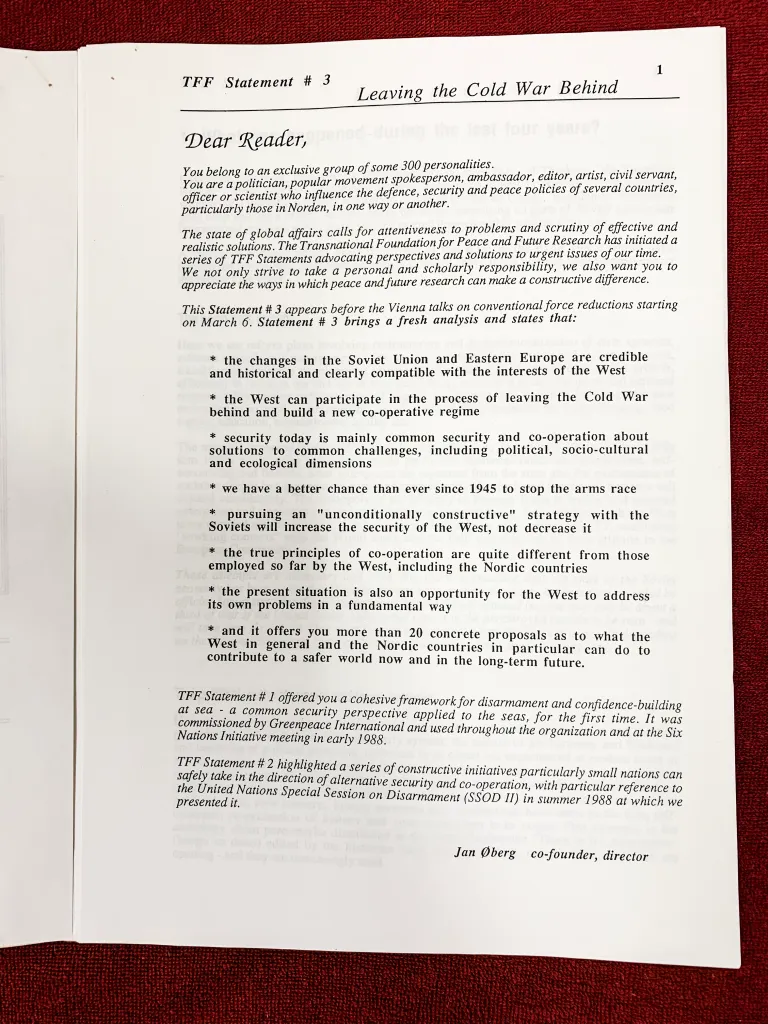
This is the digitalized version of a TFF Statement published by TFF’s Board almost 31 years ago. Could that be of any interest today? First, it reflects the situation and the issues discussed at the time as well as the hopes for a better future – now sadly lost. Secondly, it is one example of how peace researchers were thinking and made constructive political recommendations, available for anyone to take inspiration from – which virtually no one in power did. So, it’s a piece of international political as well as intellectual history. Third, it is an indicator of what the West could – and should – have done to have been in a much better situation than it is today. Admittedly, this is a contra-factual argument, but it can be defended on intellectual grounds although not empirically proven. Fourth, the authors pointed out a series of longterm priorities which match...
nato
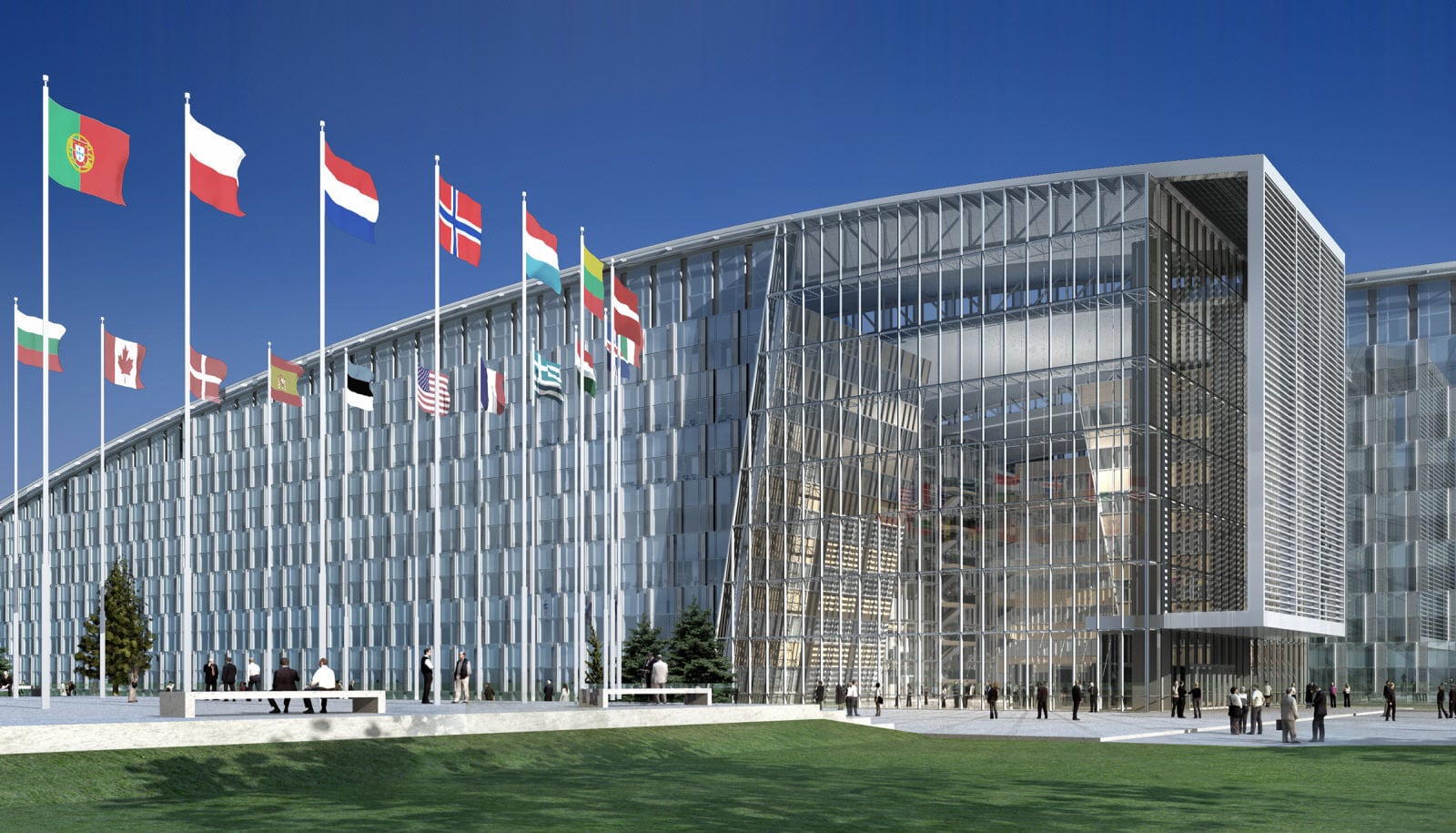
Political NATO’s London Summit on December 3 and 4, 2019 displays the deep political crisis of the 70-year-old alliance: Only a dinner and a short meeting, no statement to be issued, quarrels among the leading military members, accusations, substantial differences on Syria and many other issues, the deepest-ever Transatlantic conflict and the usual issues of burden-sharing. Legal But the political dimension of NATO’s crisis is only one. There is also a legal crisis. You’ll recognize it if you care to read the NATO Treaty text – something academic and media people don’t generally seem to have done. They would then have noticed that the Alliance of 2019 consistently operates outside – indeed in violation of – its own goals, purposes and values. For instance, the UN Charter which should be NATO’s guideline has been violated on a permanent basis for decades – such as in its out-of-area bombings of Yugoslavia...
changingmeconstell
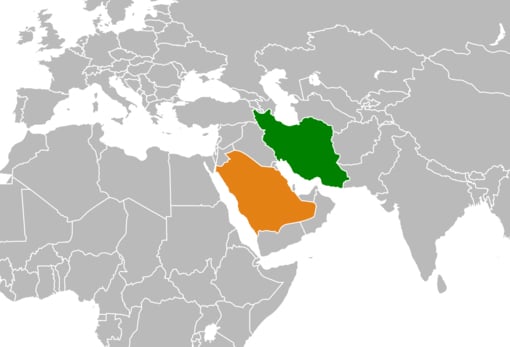
By Conn M. Hallinan November 27, 2019 The fallout from the September attack on Saudi Arabia’s Aramco oil facilities is continuing to reverberate throughout the Middle East, sidelining old enmities – sometimes for new ones – and re-drawing traditional alliances. While Turkey’s recent invasion of northern Syria is grabbing the headlines, the bigger story may be that major regional players are contemplating some historic re-alignments. Originally posted on Counterpunch on November 8, 2019, here After years of bitter rivalry, the Saudis and the Iranians are considering how they can dial down their mutual animosity. The formerly powerful Gulf Cooperation Council (GCC) of the Persian Gulf monarchs is atomizing because Saudi Arabia is losing its grip. And Washington’s former domination of the region appears to be in decline. Some of these developments are long-standing, pre-dating the cruise missile and drone assault that knocked out 50 per cent of Saudi Arabia’s oil...
Categories

Year

Author / Contributor

Region