Cold war

Category

Year

Author / Contributor

Region

Sort by

Showing 1-10 of 216 stories

war-on-terror
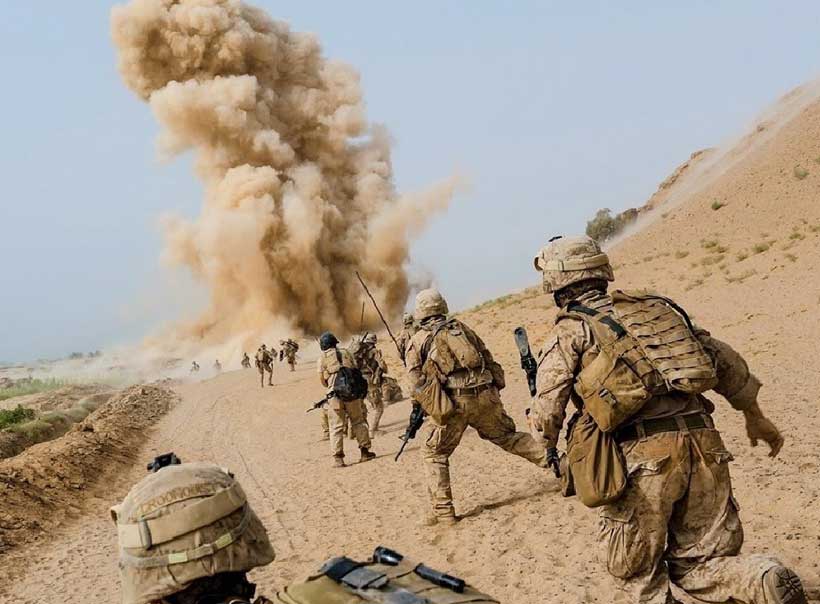
February 21, 2020 By Garikai Chengu Much like Al Qaeda, the Islamic State (ISIS) is made-in-the-USA, an instrument of terror designed to divide and conquer the oil-rich Middle East and to counter Iran’s growing influence in the region. The fact that the United States has a long and torrid history of backing terrorist groups will surprise only those who watch the news and ignore history. Originally published September 19, 2014, by Counterpunch The CIA first aligned itself with extremist Islam during the Cold War era. Back then, America saw the world in rather simple terms: on one side, the Soviet Union and Third World nationalism, which America regarded as a Soviet tool; on the other side, Western nations and militant political Islam, which America considered an ally in the struggle against the Soviet Union. The director of the National Security Agency under Ronald Reagan, General William Odom recently remarked, “by...
RichardFalk
By Richard Falk, TFF Associate Januar 22, 2020 Prefatory Note: The post below is a somewhat amplified version of an interview with C. J. Polychroniou, journalist and professor of political economy at West Chester University, which was published on January 7, 2020, in the online journal, Global Policy. As the interview was conducted in December 2019, it fails to address the various disruptive consequences of the assassination of Qasem Soleimani, including the violation of Iraqi sovereignty, Baghdad being the site of the drone attack, as well as the risks of war arising from an escalating tit-for-tat cycle of actions and reactions. Given growing tensions between the interconnectedness of the world and the state-centric character of international law, including contradictions between totalizing and disregarding territorial sovereignty, state-centric world order is being increasingly marginalized by geopolitical behaviour that both generates and suppresses transnational political violence. A normative crisis with structural implications exists,...
IMG_9126
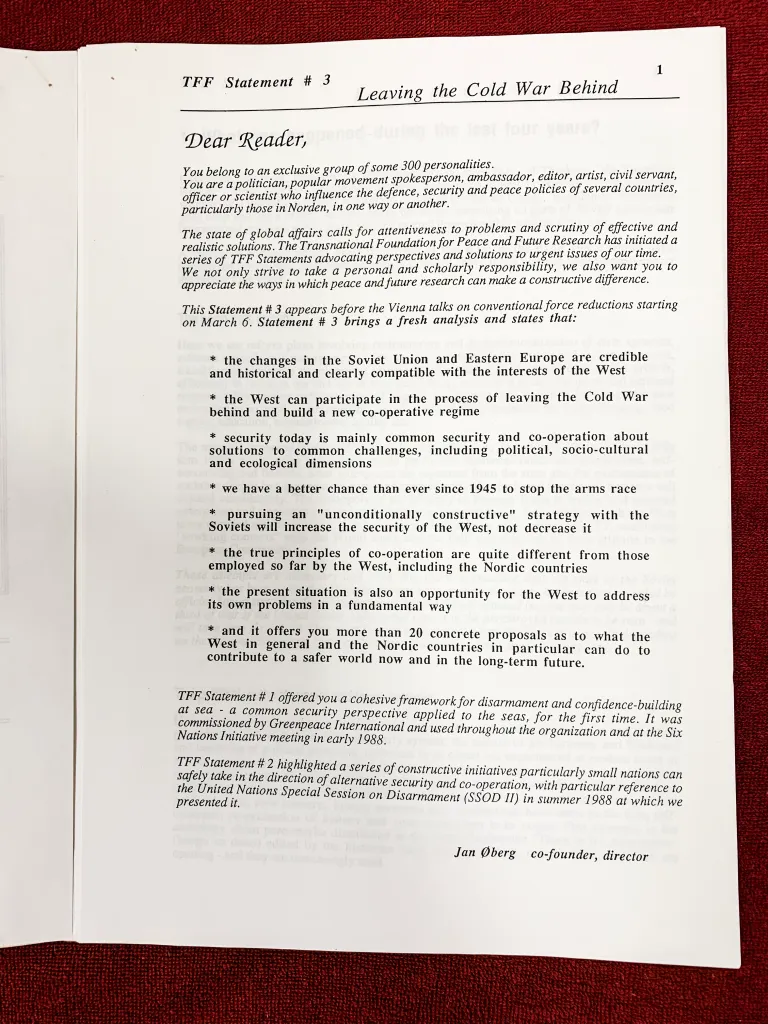
This is the digitalized version of a TFF Statement published by TFF’s Board almost 31 years ago. Could that be of any interest today? First, it reflects the situation and the issues discussed at the time as well as the hopes for a better future – now sadly lost. Secondly, it is one example of how peace researchers were thinking and made constructive political recommendations, available for anyone to take inspiration from – which virtually no one in power did. So, it’s a piece of international political as well as intellectual history. Third, it is an indicator of what the West could – and should – have done to have been in a much better situation than it is today. Admittedly, this is a contra-factual argument, but it can be defended on intellectual grounds although not empirically proven. Fourth, the authors pointed out a series of longterm priorities which match...
nato
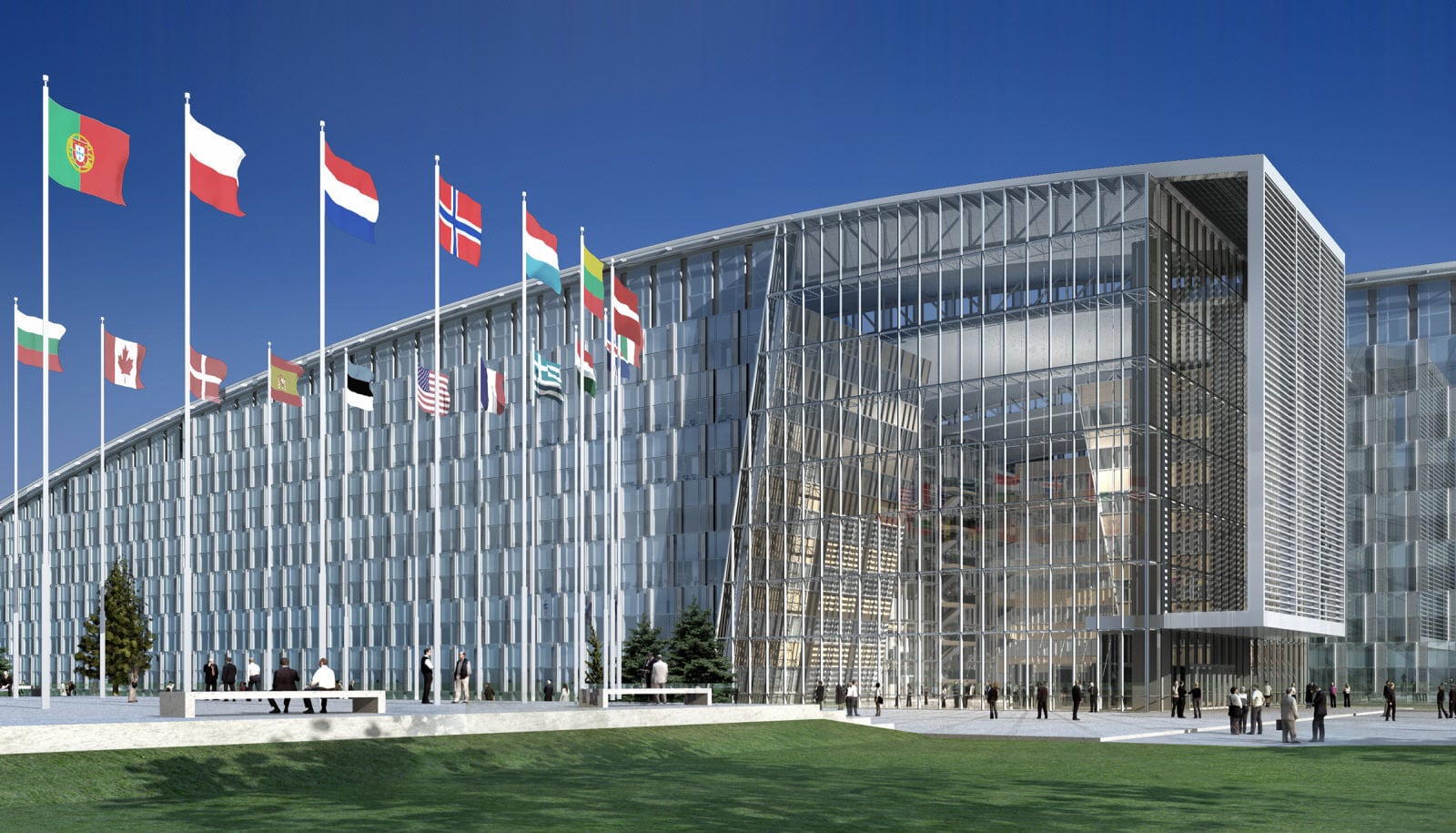
Political NATO’s London Summit on December 3 and 4, 2019 displays the deep political crisis of the 70-year-old alliance: Only a dinner and a short meeting, no statement to be issued, quarrels among the leading military members, accusations, substantial differences on Syria and many other issues, the deepest-ever Transatlantic conflict and the usual issues of burden-sharing. Legal But the political dimension of NATO’s crisis is only one. There is also a legal crisis. You’ll recognize it if you care to read the NATO Treaty text – something academic and media people don’t generally seem to have done. They would then have noticed that the Alliance of 2019 consistently operates outside – indeed in violation of – its own goals, purposes and values. For instance, the UN Charter which should be NATO’s guideline has been violated on a permanent basis for decades – such as in its out-of-area bombings of Yugoslavia...
rsz_ussrnations
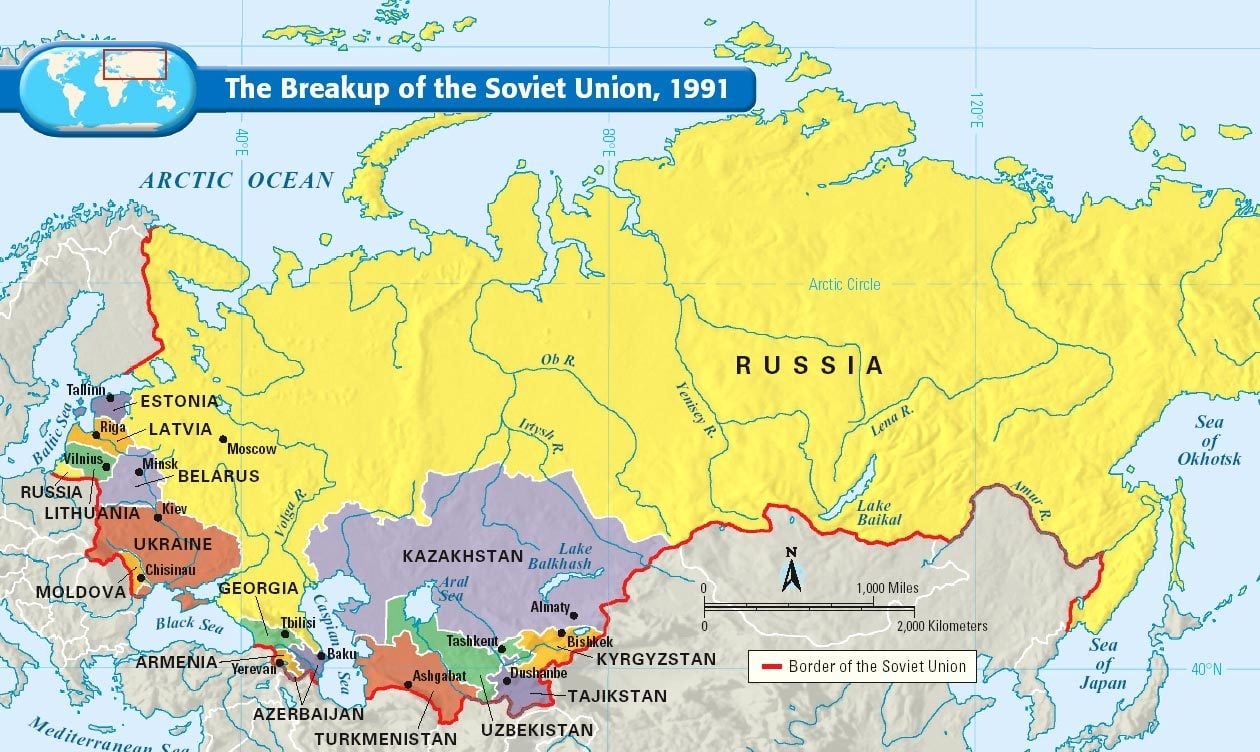
By Jan Oberg November 7, 2019 2019 Introduction The text below is 27 years old, written from 1992. It was the last chapter in a book edited by Jan Oberg, Nordic Security In the 1990s. Options In The Changing Europe (Pinter Publishers & TFF, London/Lund, 1992, 325 pages). In other words, it was written shortly after the euphoria/Europhoria created by the fall of the Berlin Wall on November 9, 1989, and the revolutionary changes in the Eastern system that ended with the dissolution of the Soviet Union on December 26, 1991. A group of international scholars had been gathered by TFF to create this project through extensive discussion and then put it all into book form. They were Håkan Wiberg, Ole Wæver, Pertti Joenniemi, Barry Buzan, Johan Galtung, Clive Archer, Jyrki Käkönen, Sverre Lodgaard and, as mentioned, Jan Oberg. You may read more about it on Goodreads – where you...

berlin-wall-fall
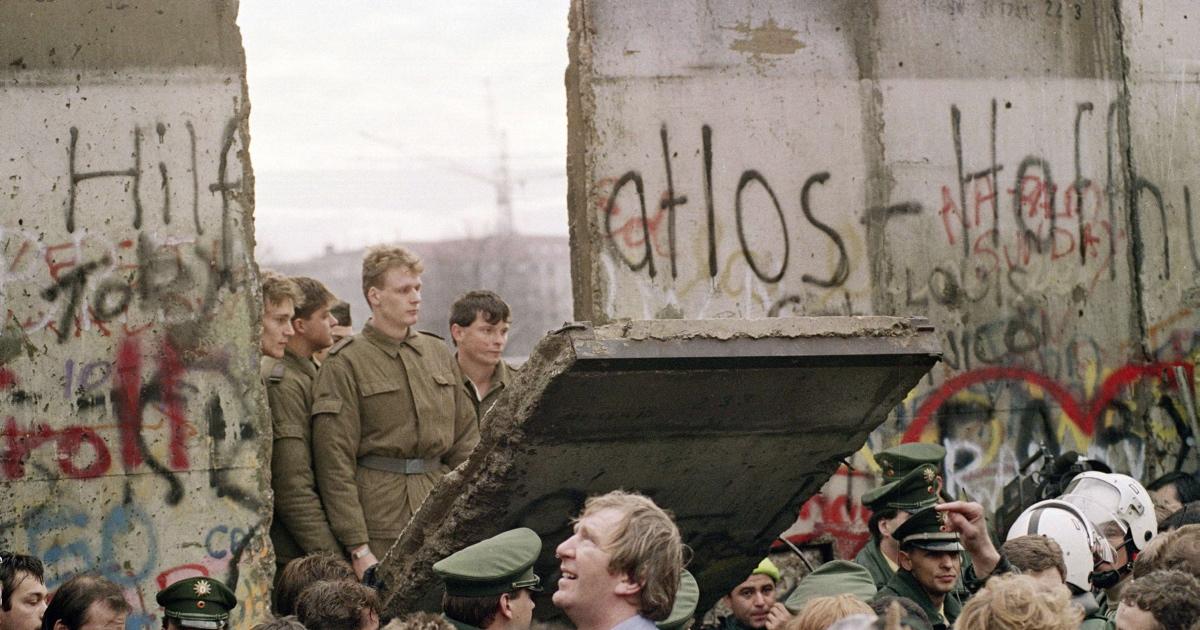
Photo: Gerard Malie/AFP/Ritzau Scanpix Posing the Question Such a question seems little more than a provocation until the effects of the interval between the fall of the Berlin Wall and the present are critically examined in relation to their principal effects. On closer inspection, I am not quite prepared, although almost so, to say that the peoples of the world lost ground as a result of the collapse of the Soviet Union and emergence of the United States as the so-called ‘sole surviving superpower.’ Generally, it was rather automatically assumed almost never challenged, that the outcome of the Cold War was a victory for liberal values, including human rights, political democracy, economic growth, and certainly world peace. There was the added popular view that since democracies supposedly do not go to war against each other, and if Communism was discredited on both ideological and materialist grounds, then democracy would spread...
gorbacehv
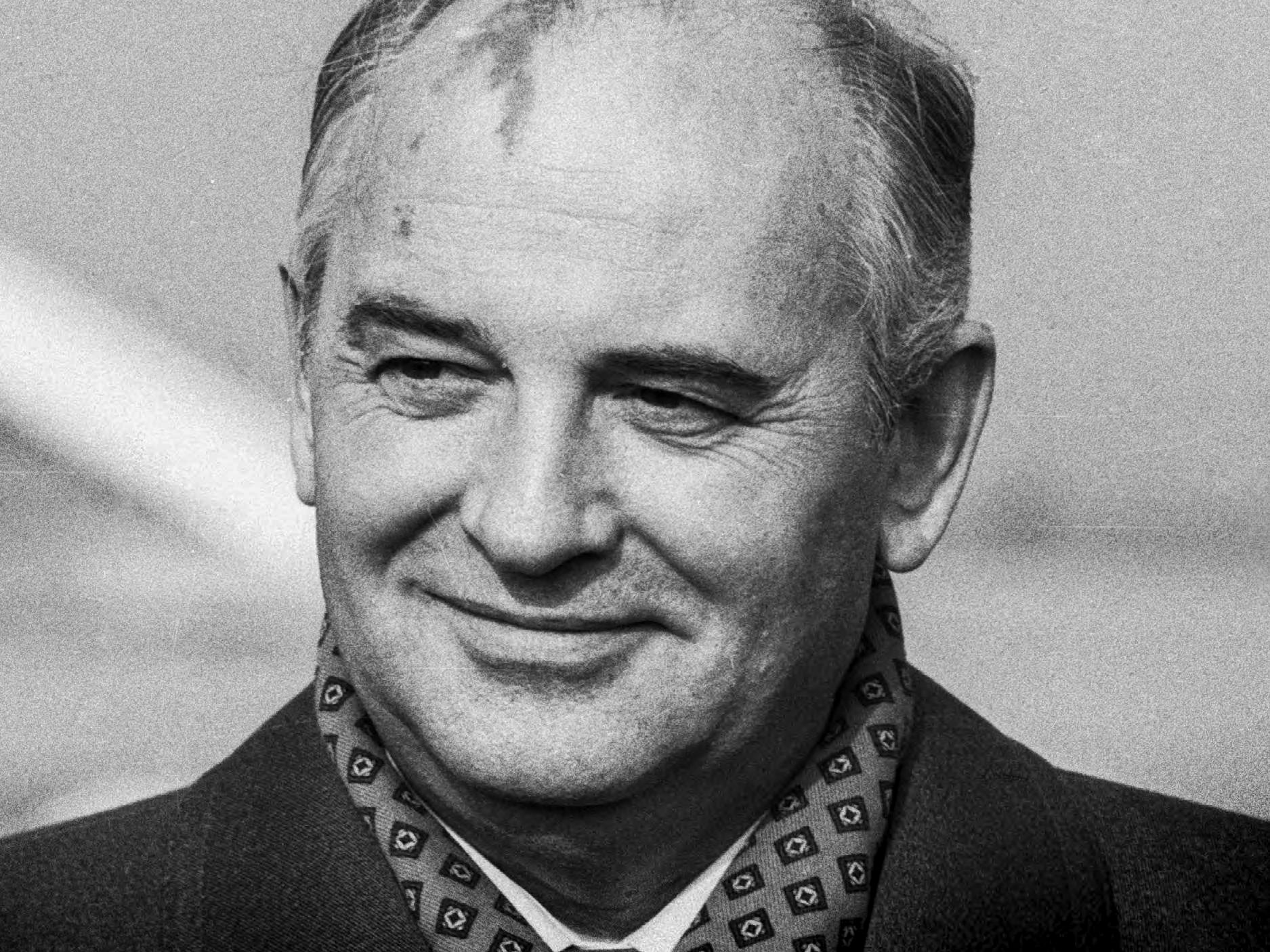
Mikhail Sergeyevich Gorbachev – now 88 and not in good health – but deeply engaged in the world and the primary threat under which we live every day. Watch the short video below – his eyes, his leaning forward to listen, the determination of his face and voice, his deep concern and his warm humour at the end – in spite of all. Deep inside he must feel sadness. What he did to make the world, and his own country, a much better place and the vision he had of a new Common European Home has been systematically ignored by much lesser, non-visionary minds – leaders who have neither the knowledge nor the intuition enabling them to recognize the essential importance of peace – and restructuring thinking and politics to achieve peace. Instead, we are now in a situation where it is reasonable to talk about a New Cold War,...
ChatGPT Image 9 jun 2026, 11_11_33
It’s time overdue for the West to make up with Russia. The contretemps over Ukraine, now played out over five years, is too long. As the world goes it doesn’t deserve so much attention. Ukraine in landmass may be a big country but it’s population is only 44 million and its national income per head a quarter of Russia’s. The Ukrainian puppy’s tail has been wagging the West’s dog. It’s part of the West’s human rights commitment to stand up for the little man, but the Ukraine government’s behavior at the time of its great upheavals didn’t deserve the large amount of support it was given. Yes, it was bad that President Vladimir Putin sent his (disguised) troops into western and southern Ukraine. And equally wrong that Putin organized so fast a referendum in the Crimea on withdrawal from Ukraine that broke the norms of international law (the way the...
ChatGPT Image 9 jun 2026, 11_11_33
“What idiocy”, exclaims Jack Matlock on Facebook. Matlock is one of my “Facebook Friends” because I judge his knowledge of Russia as second to none, having been under President Ronald Reagan the White House’s senior advisor on the Soviet Union and, later, his ambassador to Moscow. The object of his ire is based on a Newsday article earlier this month. (The Russian, nation-wide, NTV channel carried the same story in a broadcast yesterday.) It concerns Russia’s anger following the US military’s claim that it could take down the air defences of the Kaliningrad region. They are the highly sophisticated S-300 and S-400 anti-missile systems. Moreover, it has practiced doing so earlier this year. (Kaliningrad is an internationally recognised enclave of Russia that is sandwiched between Poland and Lithuania.) General Jeff Harrigan, the commander of US Air Forces in Europe, told reporters, “If we have to go in there to take down...
ChatGPT Image 9 jun 2026, 11_11_33
In her famous decree in 1767 Empress Catherine the Great proclaimed Russia to be a European power. She wanted Russia to be a major player in European politics. She compelled the Europeans to accept Russia as a great power as a condition for doing business. In 1815 Russia was considered an equal in the 1815 Concert of Europe. In contrast, Imperial China at that time was self-sufficient and inward looking. It basked in its own superior culture. It did not want to open up trade relations with Europe and the emperor questioned the ability of the British who were knocking on the door to “acquire the rudiments” of Chinese civilization. Fast forward to the twenty-first century, what have we? The heart of Russia, economically, politically, scientifically, culturally and educationally is west of the Ural mountains. This part would like to be European and at one time there was talk from...
ChatGPT Image 9 jun 2026, 11_11_33
The attack on “the liberal idea” by Vladimir Putin in his long interview in the Financial Times at the end of June is still vibrating in my mind. First, I’d like to know if the Russian people share his views on immigration. In Britain and the US, despite the anti-immigrant rhetoric and actions of Prime Minister Theresa May and President Donald Trump, most people, according to polls, are more pro-immigration than they are against. Is this so in Russia? What do the electorate make of his support for Trump in trying to limit migration from Mexico? Do they agree with his statement that, “The liberal idea presupposes that nothing needs to be done, that migrants can kill, plunder and rape with impunity because their rights as migrants have to be directed”. This is pure Trump. They share the same outrageous prejudices. Putin leads off from the example of immigration to...
ChatGPT Image 9 jun 2026, 11_11_33
Here’s a joke, borrowed from a Russian website. The Russians always have had a dry humour. “Trump, Merkel, May and Macon – Putin is heartily sick of them all. They keep calling and calling, so he switches his phone to voicemail. His message says; “Hello, you have called Russian President Vladimir Putin. Unfortunately I cannot take your call at the moment. If you want to surrender, press 1. If you want to threaten sanctions, please press 2. If you want to discuss the situation in Ukraine, press 3. All buttons other than 1 activate our Topol-M intercontinental missiles. Have a nice day!” After you’ve laughed remember it does not reflect current Russian attitudes. Most people in Russia are not seized with the vigorous animosity towards the West as they were in Soviet times. And most people in Russia support Putin. He may have lost a sizeable slice of his supporters...
Categories

Year

Author / Contributor

Region