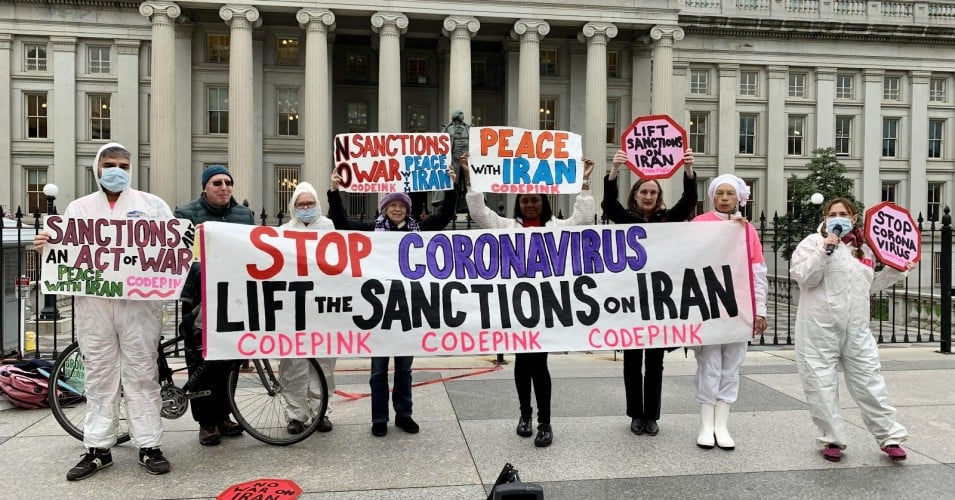

US Sanctions Have Caused Iranians Untold Misery – And Achieved Nothing

Negar Mortazavi and Sina Toossi

February 25, 2020

Iranians’ stories reflect the devastating human costs of US economic sanctions that are often ignored by Washington’s foreign policy elite

Originally posted on Global Research on December 8th, 2020

“My young cousin passed away last week,” an Iranian Twitter user recently lamented. “She needed medication for her cancer that doctors said can’t be found.”

The tweet tragically went on: “Maybe she’d be alongside her little daughter now if she had this medicine and not under a pile of cold dirt.”

These heartbreaking words are from journalist Katayoon Lamezadeh, one of thousands of Iranians who have taken to social media to speak of how sanctions have upended their lives. Their stories reflect the devastating human costs of US economic sanctions that are often ignored by Washington’s foreign policy elite and largely unknown to the American public.

The assassination of Iranian scientist Mohsen Fakhrizadeh is the latest in a long-running pressure campaign against Iran by the US and its allies such as Israel. However, in the case of sanctions, it is ordinary Iranians who are paying the biggest price.

The onslaught of sanctions and covert actions on Iran during the Trump era has not elicited concessions from the Iranian government, but it has caused immense pain inside Iran. Today, Iran’s population is being crushed by the twofold blows of US sanctions and the Covid-19 crisis, all while under the yoke of an increasingly repressive government.

The Trump administration imposed new sanctions after it pulled out of the Iran nuclear deal in May 2018, crippling an economy that supports over 83 million lives. And despite the harrowing toll of the pandemic in Iran, the epicentre of the virus in the Middle East, Trump is bent on increasing sanctions all the way up to President-elect Joe Biden’s inauguration on 20 January. The administration has ignored a wide range of calls from world leaders and the United Nations to provide sanctions relief amid the coronavirus outbreak.

Recently, 75 Democrats in Congress also sent a letter to the Trump administration to demand measures to ensure that all countries can get essential medical equipment during the pandemic despite ramped-up US sanctions.

A humanitarian crisis

In recent weeks, many Iranians have begun documenting the humanitarian crisis unleashed by sanctions using the hashtag, Ravayat-e Tahrim (روایت_تحریم#) meaning “the story of sanctions”. The personal accounts corroborate the dismal economic data coming out of Iran, which show striking declines in the consumption of even staple goods such as red meat and rice.

The suffering and helplessness of the Iranian people today underscores the callous nature of President Trump’s approach to Iran, and the moral and strategic need for relieving pressure on the Iranian people and rethinking America’s sanctions policy under the incoming Biden administration.

Many of the stories Iranians have shared online relate to a loss of access to life-saving medicines. While humanitarian goods such as food and medicine are technically exempt from the US sanctions regime, groups such as Human Rights Watch have documented how the blanket economic and financial sanctions have deterred foreign firms and banks from facilitating humanitarian trade with Iran, including for “vital medicines and medical equipment”.

The outcome of this policy has harmed Iran’s most vulnerable, especially patients suffering from chronic and rare diseases such as multiple sclerosis, haemophilia, HIV/AIDS, epilepsy, and cancers. For many Iranians, their lives now depend on scrounging for increasingly scarce medicine.

One Iranian Twitter user wrote how he searched for his father’s diabetes medication at “seven or eight” pharmacies to no avail. Then, at a pharmacy in Tehran’s Ferdowsi square, he saw a woman who was searching for but could not find the blood thinner medication Plavix. “I forgot my own troubles and stared at her as she left the pharmacy hopeless,” he wrote. “I felt ashamed that we had Plavix at home for my father who suffered a stroke.”

Rapid decline

The firsthand reports of the desperation wreaked by US sanctions are made even bleaker by the overall economic picture in the country. According to the Statistical Centre of Iran, from March 2016 to March this year, GDP per capita decreased by roughly 10 percent. The price of basic foodstuffs such as butter and beans has more than doubled over this period, while housing and automobile prices have skyrocketed to an extent that they are unaffordable for all but the wealthiest citizens.

As the incomes of Iranian households have decreased, so too have domestic consumption patterns, even for vital foodstuffs. The statistics in this regard show how shockingly impoverished Iranians have become: from 2011 to 2020, red meat consumption has declined by 51.6 percent, rice by 34.7 percent, and dairy products by 35.3 percent. Notably, the previous round of sanctions imposed by the Obama administration was only beginning to lift in 2016 before being reimposed with greater severity by President Trump in 2018.

While perennial corruption and domestic mismanagement have long played a role in Iran’s economic malaise, Iran experienced 13 percent growth in 2016, the year the nuclear deal went into effect, and was on the path to further growth.

The rapid economic decline of recent years is directly attributable to the Trump administration’s so-called “maximum pressure” campaign, which has slashed Iran’s oil exports, cut the value of its currency by two-thirds, and resulted in rampant inflation. The Iranian people have been subject to great misery with no discernable dividends for US national security interests or regional stability.

US sanctions have also helped crush Iran’s civil society, which has already been under immense pressure from the state. Over the last several years, Iranian civil society activists, like other Iranians, have grown poorer, sicker, and more hopeless.

“Being poorer means that many engaged in this sector as volunteers are no longer able to continue their activism, as they have to work multiple jobs to make ends meet. As such, Iranian civil society is losing its most valuable asset: its volunteer activists,” said Sussan Tahmasebi, a prominent women’s rights activist and civil society leader.

However, the sad reality is that Iran’s civil society that once advocated rights is now shifting gears to meet basic demands such as for food and medical care. “It will take years for Iranian civil society to recover from these setbacks, just as it will take years for Iranians to recover from the economic setbacks of the last few years,” Tahmasebi added.

Restoring Iranians’ trust

The Trump administration’s sanctions on Iran become an end unto themselves. They have triggered a humanitarian disaster while failing to meet any reasonably defined US objectives towards Iran.

After years of maximum pressure, the Iranian government’s foreign policy is unchanged, its nuclear programme is more advanced, and its most hardline factions are greatly empowered. The current US policy has only managed to brutally immiserate a population already under the yoke of a repressive government.

Hossein Nooraninejad, the spokesperson of Iran’s largest reformist party, the United People’s Party, told us that sanctions have not resulted in their stated goals because the Iranian people have endured them, some as an act of “resistance” to the US and others due to coercion. Nooraninejad adds that Iranians are also increasingly demanding a diplomatic resolution to tensions with the US, because of the impact of sanctions on their lives.

The Biden administration must rethink the use of broad sanctions as a foreign policy tool. As the Iran case currently shows, the net outcome of such sanctions is only widespread suffering and geopolitical instability.

To restore US trust with the Iranian people and its credibility as a defender of human rights globally, President Biden must provide relief from collectively punishing sanctions as a first step to finding diplomatic solutions to disputes with Iran.

Please help TFF remain truly independent and highly productive by contributing if you benefited from this article

Negar Mortazavi is a journalist and political analyst based in Washington DC. She is a columnist for The Independent and host of the Iran Podcast. @NegarMortazavi

Sina Toossi is a Senior Research Analyst at the National Iranian American Council (NIAC). He tweets @SinaToossi

Recommended

Medea Benjamin and Ariel Gold,
To Help Stem Coronavirus, Lift Sanctions on Iran
Among those in Iran who have been unable to get critical medications have been patients with leukemia, epidermolysis bullosa, epilepsy, and chronic eye injuries from exposure to chemical weapons during the Iran-Iraq war. Now coronavirus is added to that list.
Related Posts

By Jan ObergTFF co-founder and director February 11, 2026 PART 3 — ECONOMICS, TRADE & FINANCIAL SOVEREIGNTY A. Trade Measures & Market Signaling Economic pressure can be applied instantly and scaled without violence. Immediate Measures (within a week) Government boycott US goods and services  A very powerful signal which over time will be felt. Targeted tariffs on selected U.S. goods Symbolic but high-visibility sectors send a clear message. Suspend trade facilitation talks A peaceful pause that signals deep concern. Freeze U.S. participation in public procurement – military procurement in particular A nonviolent way to reduce influence. Competition law review of U.S. corporations A legal tool to scrutinise market dominance. Longer-Term Measures EU–Asia–Africa trade corridors Reducing reliance on U.S. markets. European supply chains for critical minerals Strategic autonomy in resource access. European Strategic Trade Authority Monitoring coercive practices globally. Euro-denominated commodity markets Weakening the dollar’s pricing monopoly. The EU must resume contacts and negotiations with Russia, focusing on energy cooperation To...
PART 2 — Diplomacy, Law and Nonviolent Power By Jan ObergTFF co-founder and director January 26, 2026 This is the second of four TFF-created idea portfolios designed to curb the global reach of the United States and, in both the short and long term, help catalyse a worldwide nonviolent resistance to what many observers describe as the Trump administration’s uniquely confrontational, destructive and world-threatening policies. These portfolios outline what governments and citizens across the world can do through dynamic diplomacy, creative initiatives, and strictly nonviolent means. They are typical TFF works in that we do not only tell what the problem is and how bad it will go – as 90+% of all commentators, experts and scholars do – we tell what we think can be done, inviting you to think of what you think you can do. It seems painfully clear to me that the current political dynamics in Washington increasingly resemble the most dangerous...
PART 1 — Media, Culture and Information Sovereignty By Jan ObergTFF co-founder and director January 20, 2026 This is the first of four TFF-created idea portfolios designed to curb the global reach of the United States and, in both the short and long term, help catalyse a worldwide nonviolent resistance to what many observers describe as the Trump administration’s uniquely confrontational, destructive and world-threatening policies. These portfolios outline what governments and citizens across the world can do through dynamic diplomacy, creative initiatives, and strictly nonviolent means. They are typical TFF works in that we do not only tell what the problem is and how bad it will go – as 90+% of all commentators, experts and scholars do – we tell what we think can be done, inviting you to think of what you think you can do. It seems painfully clear to me that the current political dynamics in Washington increasingly resemble the most...

Recent Articles

Tony Robinson October 4, 2026 Violence is easy to recognise when someone is being beaten, shot or killed. It becomes more difficult when nobody is holding a weapon. Poverty, discrimination, exploitation and repression can restrict a human life just as effectively, although they do so in very different ways and with very different consequences. Simply adding more categories to an ever-growing list of forms of violence does not really solve the problem. The more interesting question is what all these different situations have in common and why it makes sense to describe them using the same word. Human beings do not simply react to what happens around them. They remember the past, imagine things that do not yet exist, make plans and undertake projects. Workers organise because they imagine different working conditions; people migrate because they imagine another life somewhere else; social movements emerge because people refuse to accept the...
It’s a matter of principles, courage, vision and pulling together – while the militarist world is falling apart… Peter Langille October 3, 2026 “Here, then, is the problem which we present to you, stark and dreadful and inescapable: Shall we put an end to the human race; or shall mankind renounce war?”The Bertrand Russell—Albert Einstein Manifesto, July 9, 1955 ⁕ The forecast for what’s ahead is worrisome. The sharp rise in armed conflicts over the past three years is adding to what was already the highest level in over seventy years. Genocides, which should be prevented are supported. A shared climate emergency that jeopardises survival is ignored. Diverse polls now suggest that people are war-weary, worried and interested in a more effective United Nations. And, there are viable policy options for a more secure world! Yet governments are doubling-down, betting on more war and investing heavily. If current trends persist,...
Johan Galtung 1930-2024October 2015 Published here on October 3, 2026 Let us focus on Civilization for conflict analysis and remedies. Major forms of disorder use violence; war is state organized violence. The most belligerent states are the United States of America and Israel, both with civilization roots. National Evangelism, the US Protestant Christian civilization– more national than evangelical–justifies US warfare as exceptionalism of a people chosen by God, with a manifest destiny to run the world. Orthodox Judaism justifies Israeli warfare to conquer and expand from Nile to Euphrates as a religious right and duty to the Eternal One. The third most belligerent country, the UK, no longer believes it is God-chosen but chosen by the USA; not quite the same but something. But the root cause of global disorder lies in the Occident–with Islam–seeing itself as the single, universal civilization valid for all at all times, all others being...

TFF on Substack

Discover and subscribe to more peace materials on TFF Substack

Most Popular

Tony Robinson October 4, 2026 Violence is easy to recognise when someone is being beaten, shot or killed. It becomes more difficult when nobody is holding a weapon. Poverty, discrimination, exploitation and repression can restrict a human life just as effectively, although they do so in very different ways and with very different consequences. Simply adding more categories to an ever-growing list of forms of violence does not really solve the problem. The more interesting question is what all these different situations have in common and why it makes sense to describe them using the same word. Human beings do not simply react to what happens around them. They remember the past, imagine things that do not yet exist, make plans and undertake projects. Workers organise because they imagine different working conditions; people migrate because they imagine another life somewhere else; social movements emerge because people refuse to accept the...
It’s a matter of principles, courage, vision and pulling together – while the militarist world is falling apart… Peter Langille October 3, 2026 “Here, then, is the problem which we present to you, stark and dreadful and inescapable: Shall we put an end to the human race; or shall mankind renounce war?”The Bertrand Russell—Albert Einstein Manifesto, July 9, 1955 ⁕ The forecast for what’s ahead is worrisome. The sharp rise in armed conflicts over the past three years is adding to what was already the highest level in over seventy years. Genocides, which should be prevented are supported. A shared climate emergency that jeopardises survival is ignored. Diverse polls now suggest that people are war-weary, worried and interested in a more effective United Nations. And, there are viable policy options for a more secure world! Yet governments are doubling-down, betting on more war and investing heavily. If current trends persist,...
Johan Galtung 1930-2024October 2015 Published here on October 3, 2026 Let us focus on Civilization for conflict analysis and remedies. Major forms of disorder use violence; war is state organized violence. The most belligerent states are the United States of America and Israel, both with civilization roots. National Evangelism, the US Protestant Christian civilization– more national than evangelical–justifies US warfare as exceptionalism of a people chosen by God, with a manifest destiny to run the world. Orthodox Judaism justifies Israeli warfare to conquer and expand from Nile to Euphrates as a religious right and duty to the Eternal One. The third most belligerent country, the UK, no longer believes it is God-chosen but chosen by the USA; not quite the same but something. But the root cause of global disorder lies in the Occident–with Islam–seeing itself as the single, universal civilization valid for all at all times, all others being...
Read More
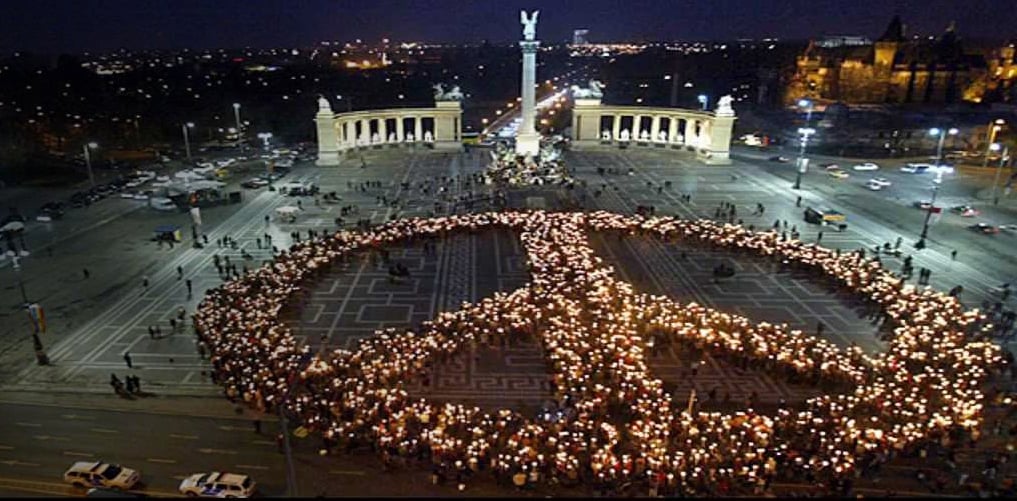
Living-Peace-Sign-Budapest-copy
Tony Robinson October 4, 2026 Violence is easy to recognise when someone is being beaten, shot or killed. It becomes more difficult when nobody is holding a weapon. Poverty, discrimination, exploitation and repression can restrict a human life just as effectively, although they do so in very different ways and with very different consequences. Simply adding more categories to an ever-growing list of forms of violence does not really solve the problem. The more interesting question is what all these different situations have in common and why it makes sense to describe them using the same word. Human beings do not simply react to what happens around them. They remember the past, imagine things that do not yet exist, make plans and undertake projects. Workers organise because they imagine different working conditions; people migrate because they imagine another life somewhere else; social movements emerge because people refuse to accept the...
b54a1f10-8c65-4f0b-9dd5-4abc0a7d04cc_2659x2659
It’s a matter of principles, courage, vision and pulling together – while the militarist world is falling apart… Peter Langille October 3, 2026 “Here, then, is the problem which we present to you, stark and dreadful and inescapable: Shall we put an end to the human race; or shall mankind renounce war?”The Bertrand Russell—Albert Einstein Manifesto, July 9, 1955 ⁕ The forecast for what’s ahead is worrisome. The sharp rise in armed conflicts over the past three years is adding to what was already the highest level in over seventy years. Genocides, which should be prevented are supported. A shared climate emergency that jeopardises survival is ignored. Diverse polls now suggest that people are war-weary, worried and interested in a more effective United Nations. And, there are viable policy options for a more secure world! Yet governments are doubling-down, betting on more war and investing heavily. If current trends persist,...
010
Johan Galtung 1930-2024October 2015 Published here on October 3, 2026 Let us focus on Civilization for conflict analysis and remedies. Major forms of disorder use violence; war is state organized violence. The most belligerent states are the United States of America and Israel, both with civilization roots. National Evangelism, the US Protestant Christian civilization– more national than evangelical–justifies US warfare as exceptionalism of a people chosen by God, with a manifest destiny to run the world. Orthodox Judaism justifies Israeli warfare to conquer and expand from Nile to Euphrates as a religious right and duty to the Eternal One. The third most belligerent country, the UK, no longer believes it is God-chosen but chosen by the USA; not quite the same but something. But the root cause of global disorder lies in the Occident–with Islam–seeing itself as the single, universal civilization valid for all at all times, all others being...
Screenshot 2026-10-02 011738
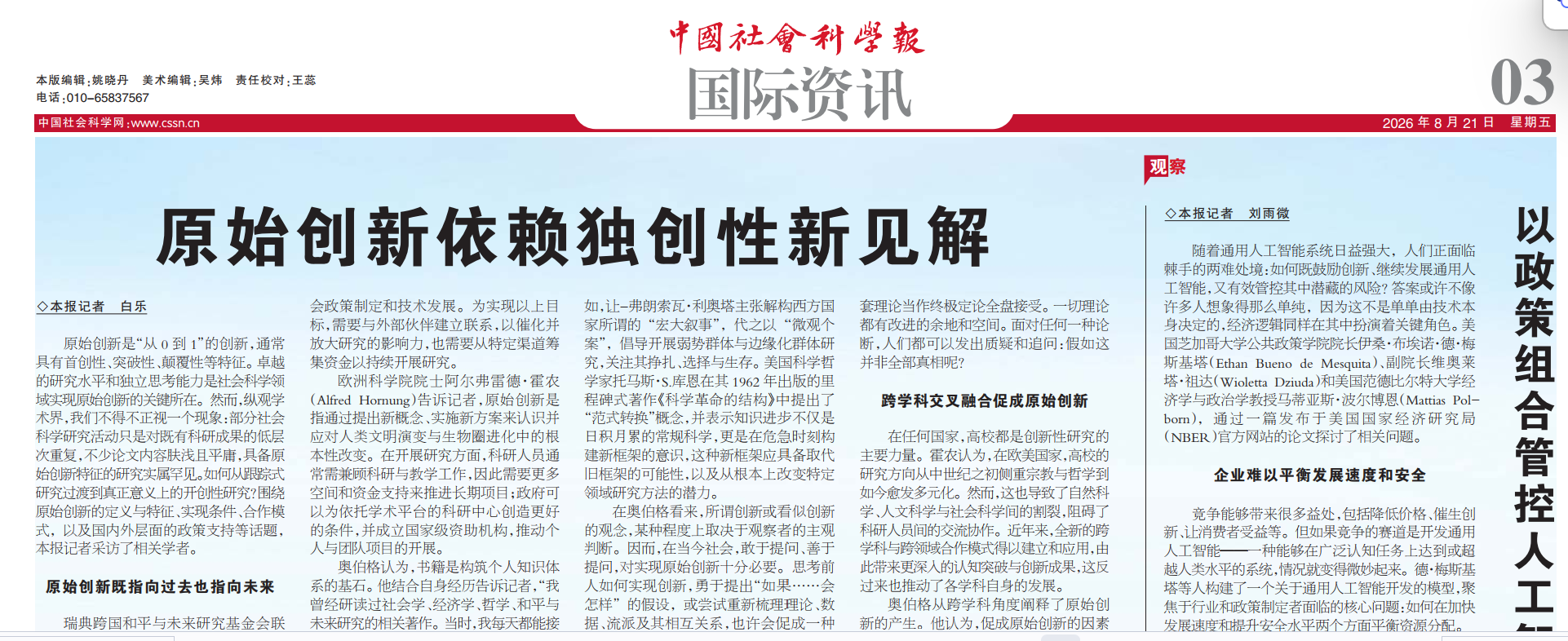
Jan ObergPhD, director, The Transnational Foundation for Peace and Future Research, TFFLund, Sweden October 2, 2026 This is my full original manuscript. The Chinese Academy of Social Science, CASS, makes two publications out if it. 1. China’s Five-year plan emphasized the capabilities of basic research and original innovation. It is regarded as the goal of the future social development, which, as required, should be significantly enhanced. Can you comment on the importance of original innovation in research and academic study? I believe it is easier to define “original innovation” in the natural sciences than in social sciences. The breaking points of what constitutes something new, or innovative, are not quite as sharp in the latter. But in both fields it is about opening up something that was closed, unseen, unexplored before – making manifest what was earlier latent. Innovations come in many forms and shapes – naming something that was not...
arctic-circle-map
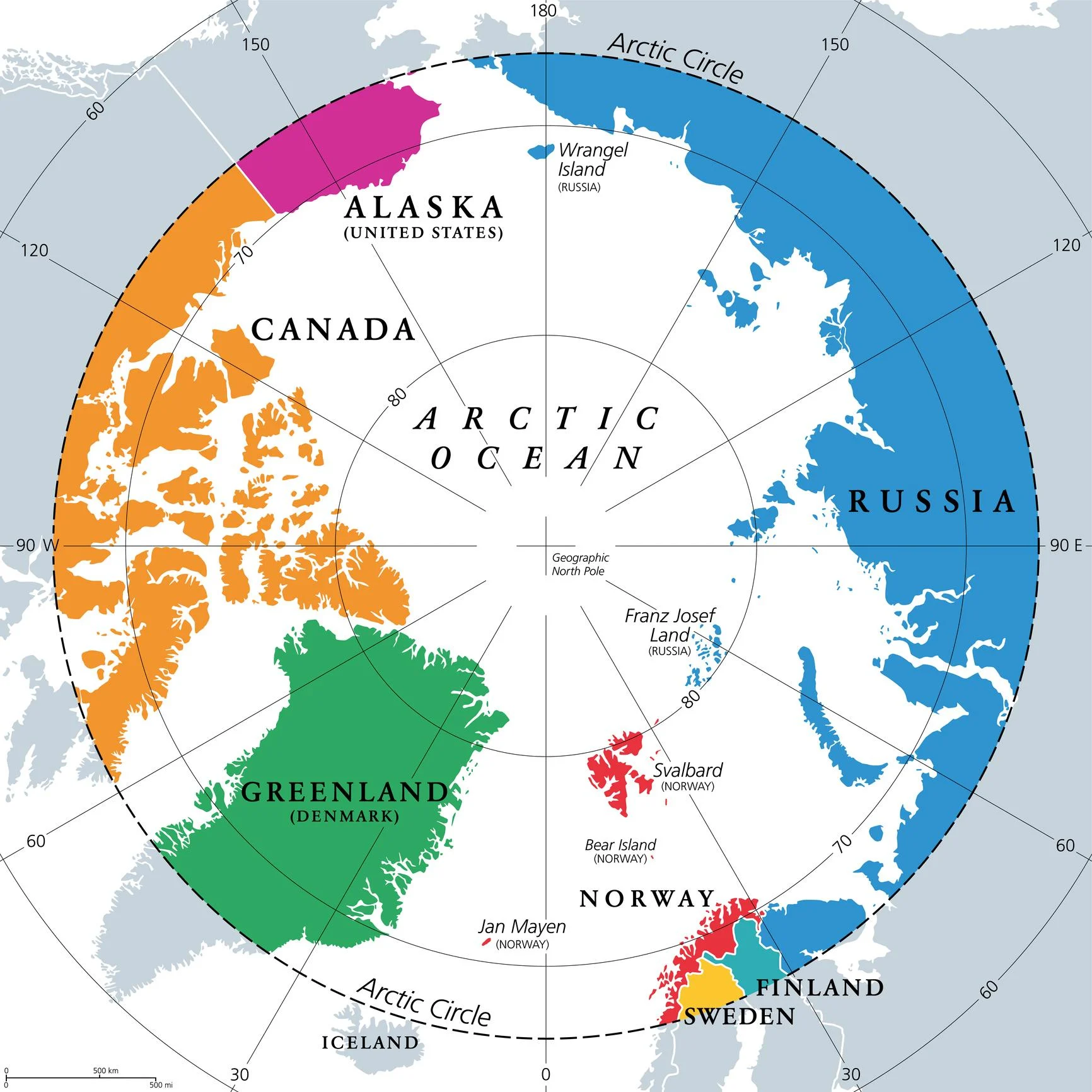
The agreement is catastrophic both because of what it says and what it doesn’t mention. It reduces further the major asset of security policies: Freedom of action. Jan Oberg TFF director September 25, 2026 A couple of hours before the agreement was signed on September 22, 2026, I published the following 13 hypotheses about what it would most likely contain on TFF Substack (in English). I was wrong on only the first point. Contrary to what Trump had written on his Truth Social platform, it does not appear to come into force immediately. In fact, it turned out to be worse than even I had anticipated. After these hypotheses now come a number of reflections in light of what the agreement actually contains, and does not contain, as well as the way in which it has generally been presented by major media outlets and by the public-service broadcaster DR. My...
girl-5894831_1280
Below are TFF-related media mentions, comments, videos and social media posts published elsewhere but not on this homepage. We happen to catch and list only a fraction. Regarding video comments and debates, we recommend that you go to the TFF Video Channel on Substack where many of them are reproduced. Jan Oberg is a contributor to China Daily – 52 million daily clicks – and Global Times, CGTN and CCTV (the national television), China Investment, Xinhua News Agency and several others. Articles and videos on these media very often multiply into countless Chinese (and Western media) that re-post them from these main media. Thanks to The China Academy, his analyses, interviews and comments are frequently posted on YouTube channels such as Thinkers Forum and Wave Media. These videos are often re-posted on Bilibili (China’s YouTube), the China Content Center on TikTok, and on the Chinese edition of TikTok, Douyin.com. This means reaching hundreds of millions of viewers worldwide over a year. While there are too many to catch on all these...