

PressInfo #188 – Det er en udfordring at skabe fred

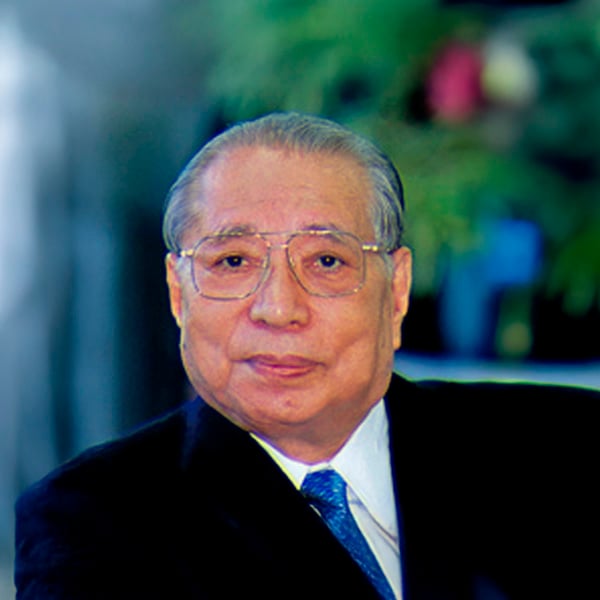
På toårsdagen for terrorangrebet i USA, den 11. september 2003, bragte Japan Times en artikel af SGIs præsident Daisaku Ikeda. Japan Times er et stort og indflydelsesrigt, internationalt dagblad, og det vakte derfor opsigt og stor glæde blandt de japanske Soka Gakkai medlemmer at Ikeda Sensei kunne få sine meninger bragt ud til en stor offentlighed.

The Japan Times: 11. september 2003
Eksklusivt for Japan Times

“På toppen af den pyramide som vi kalder civilisation, befinder krigens virkelighed sig stadig. Vi kan ikke kalde os fuldt civiliserede mennesker sålænge muligheden for krig eksisterer og oveni købet tages for givet.” Disse stærke ord stammer fra John Kenneth Galbraith som var vidne til det 20. århundredes krige og vold.

Professor Galbraith og jeg har en dialog kørende hvori vi bl.a. åbenhjertigt udveksler synspunkter angående den 11. september 2001. Vi er alle direkte eller indirekte blevet påvirket af denne rædselsvækkende forbrydelse og dens eftervirkninger. Ét af ofrene var en begavet kandidat fra Soka Universitetet som jeg kendte personligt.

Uanset hvor meget vi føler os krænket, må vi aldrig tillade hadets og vredens flammer at drive vores verden mod mere opdeling og ødelæggelse. Det er afgørende at blive ved med at se fremad og at arbejde på at skabe en fremtid med fred og harmonisk sameksistens.

Konkret tror jeg at der er to måder hvorpå vi kan reagere på den nye æras udfordringer:

Den første er at styrke de internationale loves effektivitet med udgangspunkt i FN’s multilaterale arbejde. På længere sigt vil større tro på retfærdigheden og effektiviteten i det internationale lovsystem dæmme op for og uskadeliggøre de konflikter der føder terror.

Det andet element er bestræbelser på at ændre folks bevidsthed og skabe hjerte-til-hjerte bånd som overskrider nationale grænser samt etniske og kulturelle forskelle. Det kræver et vedvarende arbejde på græsrodsplan for dialog og fredsuddannelse.

I forhold til den første indfaldsvinkel bliver vi nødt til at forstå at den såkaldte hard-power reaktion – militær magtanvendelse – frembringer “løsninger” der i bedste fald kun er midlertidige. Fordi denne reaktion uundgåeligt kræver blodsudgydelse og lidelse for uskyldige civile, vil den uvægerligt så frøene for fremtidig voldsanvendelse. I modsætning til det vil et internationalt lovsystem, som er bredt anerkendt som retfærdigt og upartisk, være i stand til at løse konflikter på en måde der nedbryder og befrier folk fra hadets og hævnens cyklus.

Som et skridt på vejen mod dette mål har jeg længe udtrykt støtte til etableringen af den internationale straffedomstol (ICC) som kan dømme i alvorlige forbrydelser mod menneskeheden.

Skønt ICC begyndte sit arbejde i år, er den svækket af at specielt stormagterne endnu ikke har ratificeret aftalerne. Japan spillede en konstruktiv rolle i udarbejdelsen af traktaten og bør hurtigst muligt underskrive og ratificere den. Det er min mening at Japan derefter skal arbejde for en international konsensus om at gøre retssikkerhed til det eneste acceptable middel i løsning af konflikter.

Arbejdet med at styrke et fredssystem må støttes af tilsvarende bestræbelser for at skabe positive ændringer i folks tankegang. Dialog og fredsuddannelse kan være en hjælp til at befri vore hjerter fra impulsen til intolerance og afvisning af andre. Folk må gøres bevidste om et meget simpelt faktum: Vi har intet andet valg end at dele denne planet, denne lille blå sfære der flyder rundt i det uendelige univers, med alle vore “medpassagerer.”

Det er de nye generationer der bærer nøglen til fred. Ingen bliver født med had til andre. Fordomme og diskriminerende holdninger opbygges under voksenprocessen hvor unge mennesker indprentes med en frygt for og et had til “de andre.” Jeg ved dette af egen erfaring da jeg tilbragte min ungdom i et samfund der var domineret af militarismens mørke og voldelige pres.

Enhver kan engageres i fredsuddannelse. Det kan være så simpel en ting som at give sig tid til at tale med børn og unge i vores hverdag, i vores hjem eller i lokalområdet, om livets værdighed og ligheden blandt mennesker. Vi må aldrig underkende virkningen af sådanne tilsyneladende små anstrengelser.

Dette er holdningen bag den “Sejr over volden” kampagne som unge medlemmer af SGI-USA har lanceret. Gennem møder og diskussionsgrupper når disse unge mennesker deres jævnaldrende med budskabet om at der er ikke-voldelige løsninger på livets uundgåelige konflikter.

Siden den 11. september 2001 har den religiøse tros rolle som en faktor bag terrorismen været omdiskuteret. Men virkeligheden er at eksklusiv ideologi og fanatiske handlinger pakkes ind i religionens sprog og symbolik. Hvis vi overser det og begynder at være mistroiske overfor praktiserende af bestemte trosretninger, vil vi kun fordybe mistilliden og øge spændingerne. Men det er selvfølgeligt indlysende at enhver religion som retfærdiggør terrorisme og krig har nedbrudt det religiøse fundament for dens egen berettigelse.

Det er min faste overbevisning at det er religionens mission i det 21. århundrede at bidrage konkret til fredelig sameksistens mellem mennesker. Religiøs tro har styrken til det ved at skabe en ægte global bevidsthed og genoprette båndene mellem menneskers hjerter. Men det er kun gennem dialog at dette potentiale kan manifesteres. I min dialog med den iransk fødte fredsforsker Majid Tehranian udtrykte han dette meget stærkt: “Uden dialog må vi vandre i selvretfærdighedens mørke!”

Det er nu på tide at gennemskue begrebet “ven eller fjende” og i stedet lære at tale på baggrund af vores fælles menneskelighed.

Det er fra det perspektiv at SGIs medlemmer overalt i verden har støttet udkastet til Earth Chartret som er et dokument der søger at frembringe: “en fælles vision om de grundværdier der skal til at skabe et etisk fundament for det kommende verdenssamfund.” Chartret udtrykker sig med den visdom og de dyder, eksempelvis dyb respekt for liv, som er blevet skabt af verdens forskellige kulturelle og religiøse traditioner.

Buddhismen understreger at eftersom krig og vold i sidste ende er et produkt af menneskets hjerte, er det menneskelige hjerte også i stand til at skabe fred og sammenhold. To år er gået siden den 11. september, og denne frygtelige tragedie har sluppet kræfter løs som stadig kaster en skygge over vores liv. Men det er min urokkelige overbevisning at visdommen til at ændre denne tragedie og skabe en ny og bedre fremtid for menneskeheden findes i den menneskelige ånd. Denne overbevisning vil fortsat være drivkraften bag mine handlinger for fred.

Daisaku Ikeda er præsident for Soka Gakkai International (SGI) og grundlægger af Soka Universitetet.

© TFF 2003
Related Posts

Small and different + among the 10% most active + 9,000 texts + 150 Associates + 60 000 a day — and a stubborn belief that peace is smarter and must be secured by peaceful means. In 2026, the Transnational Foundation for Peace and Future Research (TFF) turns 40. On Monday, October 5, 2026, a new TFF homepage will go live — a new gateway to more than 9,000 articles, analyses, research papers and other contributions produced over four decades of independent peace research. But this is not simply a new website. For four decades, TFF has worked from a simple conviction: peace is smarter than militarism and can be brought about by peaceful means. This is not merely an aspiration. It is the principle expressed in the UN Charter and the Gandhian tradition that has guided our work from the beginning. TFF is a research-based, independent and people-financed foundation....
The agreement is catastrophic both because of what it says and what it doesn’t mention. It reduces further the major asset of security policies: Freedom of action. Jan Oberg TFF director September 25, 2026 A couple of hours before the agreement was signed on September 22, 2026, I published the following 13 hypotheses about what it would most likely contain on TFF Substack (in English). I was wrong on only the first point. Contrary to what Trump had written on his Truth Social platform, it does not appear to come into force immediately. In fact, it turned out to be worse than even I had anticipated. After these hypotheses now come a number of reflections in light of what the agreement actually contains, and does not contain, as well as the way in which it has generally been presented by major media outlets and by the public-service broadcaster DR. My...
Jan Oberg May 15, 2026 Go to this Fox News page and scroll the whole way down: President Donald Trump tells the world that his meeting with President Xi Jinping yielded a lot of very concrete political and economic results – of course, only where the Chinese side, according to him, agreed with him. He does not mention the Taiwan issue, but Secretary of State, Marco Rubio, says that it did not feature prominently in their talks and that the US policy on Taiwan has not changed. Then go to China Daily – or Global Times – and you will see that for the Chinese it is framework, principles, structure of cooperation etc. that matters – all embedded in the overall idea of “constructive bilateral relationship of strategic stability.” Nowhere is any concrete agreement or deal – all that Trump refers to – mentioned. At the general level, this gives you insights into the very different social...

Recent Articles

Below are TFF-related media mentions, comments, videos and social media posts published elsewhere but not on this homepage. We happen to catch and list only a fraction. Regarding video comments and debates, we recommend that you go to the TFF Video Channel on Substack where many of them are reproduced. Jan Oberg is a contributor to China Daily – 52 million daily clicks – and Global Times, CGTN and CCTV (the national television), China Investment, Xinhua News Agency and several others. Articles and videos on these media very often multiply into countless Chinese (and Western media) that re-post them from these main media. Thanks to The China Academy, his analyses, interviews and comments are frequently posted on YouTube channels such as Thinkers Forum and Wave Media. These videos are often re-posted on Bilibili (China’s YouTube), the China Content Center on TikTok, and on the Chinese edition of TikTok, Douyin.com. This means reaching hundreds of millions of viewers worldwide over a year. While there are too many to catch on all these...
Jan Oberg TFF director October 13, 2026 According to Alfred Nobel’s will, the Nobel Peace Prize shall be awarded: ”to the person who has done the most or best to advance fellowship among nations, the abolition or reduction of standing armies, and the establishment and promotion of peace congresses.” Further down, he also expresses how the prize for the “champions of peace” shall be decided: “that for champions of peace by a committee of five persons to be selected by the Norwegian Storting. Alfred Nobel’s will is remarkably short and clear. But few seem to have read it. Nobel did not say that the committee itself should consist of members of parliament. He entrusted the Storting with appointing five persons. In principle, it could have selected diplomats, mediators, peace researchers, conflict-resolution specialists, or other individuals with recognised expertise in matters of peace from around the world. Instead, the Storting gradually...
The Quest for Humane Survival Richard Falk Professor emeritus, Princeton UniversityTFF Associate since 1986October 12, 2026 After decades of teaching and writing about international law in academic frameworks that were not institutionally situated within law school environments—at Princeton and the University of California, Santa Barbara—I found myself most receptive to the TWAIL outlook. It has been especially illuminating in clarifying the extent to which international law evolved as a dialogical critique of Europe’s efforts to legitimize its colonial undertakings. In particular, TWAIL has exposed how international law has functioned to legalize the subjugation of Third World peoples, securing conditions for exploitative investment and trade relations, the coercive enforcement of public debts, and an ideology of cultural superiority. TWAIL’s exposure of these economic legacies of colonialism has influenced my understanding of the history and development of international law, broadly conceived, as an ideological project of the Western sub-system of the world...

TFF on Substack

Discover and subscribe to more peace materials on TFF Substack

Most Popular

Below are TFF-related media mentions, comments, videos and social media posts published elsewhere but not on this homepage. We happen to catch and list only a fraction. Regarding video comments and debates, we recommend that you go to the TFF Video Channel on Substack where many of them are reproduced. Jan Oberg is a contributor to China Daily – 52 million daily clicks – and Global Times, CGTN and CCTV (the national television), China Investment, Xinhua News Agency and several others. Articles and videos on these media very often multiply into countless Chinese (and Western media) that re-post them from these main media. Thanks to The China Academy, his analyses, interviews and comments are frequently posted on YouTube channels such as Thinkers Forum and Wave Media. These videos are often re-posted on Bilibili (China’s YouTube), the China Content Center on TikTok, and on the Chinese edition of TikTok, Douyin.com. This means reaching hundreds of millions of viewers worldwide over a year. While there are too many to catch on all these...
Jan Oberg TFF director October 13, 2026 According to Alfred Nobel’s will, the Nobel Peace Prize shall be awarded: ”to the person who has done the most or best to advance fellowship among nations, the abolition or reduction of standing armies, and the establishment and promotion of peace congresses.” Further down, he also expresses how the prize for the “champions of peace” shall be decided: “that for champions of peace by a committee of five persons to be selected by the Norwegian Storting. Alfred Nobel’s will is remarkably short and clear. But few seem to have read it. Nobel did not say that the committee itself should consist of members of parliament. He entrusted the Storting with appointing five persons. In principle, it could have selected diplomats, mediators, peace researchers, conflict-resolution specialists, or other individuals with recognised expertise in matters of peace from around the world. Instead, the Storting gradually...
The Quest for Humane Survival Richard Falk Professor emeritus, Princeton UniversityTFF Associate since 1986October 12, 2026 After decades of teaching and writing about international law in academic frameworks that were not institutionally situated within law school environments—at Princeton and the University of California, Santa Barbara—I found myself most receptive to the TWAIL outlook. It has been especially illuminating in clarifying the extent to which international law evolved as a dialogical critique of Europe’s efforts to legitimize its colonial undertakings. In particular, TWAIL has exposed how international law has functioned to legalize the subjugation of Third World peoples, securing conditions for exploitative investment and trade relations, the coercive enforcement of public debts, and an ideology of cultural superiority. TWAIL’s exposure of these economic legacies of colonialism has influenced my understanding of the history and development of international law, broadly conceived, as an ideological project of the Western sub-system of the world...
Read More
girl-5894831_1280
Below are TFF-related media mentions, comments, videos and social media posts published elsewhere but not on this homepage. We happen to catch and list only a fraction. Regarding video comments and debates, we recommend that you go to the TFF Video Channel on Substack where many of them are reproduced. Jan Oberg is a contributor to China Daily – 52 million daily clicks – and Global Times, CGTN and CCTV (the national television), China Investment, Xinhua News Agency and several others. Articles and videos on these media very often multiply into countless Chinese (and Western media) that re-post them from these main media. Thanks to The China Academy, his analyses, interviews and comments are frequently posted on YouTube channels such as Thinkers Forum and Wave Media. These videos are often re-posted on Bilibili (China’s YouTube), the China Content Center on TikTok, and on the Chinese edition of TikTok, Douyin.com. This means reaching hundreds of millions of viewers worldwide over a year. While there are too many to catch on all these...
Nobel-Prize-Plaque
Jan Oberg TFF director October 13, 2026 According to Alfred Nobel’s will, the Nobel Peace Prize shall be awarded: ”to the person who has done the most or best to advance fellowship among nations, the abolition or reduction of standing armies, and the establishment and promotion of peace congresses.” Further down, he also expresses how the prize for the “champions of peace” shall be decided: “that for champions of peace by a committee of five persons to be selected by the Norwegian Storting. Alfred Nobel’s will is remarkably short and clear. But few seem to have read it. Nobel did not say that the committee itself should consist of members of parliament. He entrusted the Storting with appointing five persons. In principle, it could have selected diplomats, mediators, peace researchers, conflict-resolution specialists, or other individuals with recognised expertise in matters of peace from around the world. Instead, the Storting gradually...
law-419057_1280
The Quest for Humane Survival Richard Falk Professor emeritus, Princeton UniversityTFF Associate since 1986October 12, 2026 After decades of teaching and writing about international law in academic frameworks that were not institutionally situated within law school environments—at Princeton and the University of California, Santa Barbara—I found myself most receptive to the TWAIL outlook. It has been especially illuminating in clarifying the extent to which international law evolved as a dialogical critique of Europe’s efforts to legitimize its colonial undertakings. In particular, TWAIL has exposed how international law has functioned to legalize the subjugation of Third World peoples, securing conditions for exploitative investment and trade relations, the coercive enforcement of public debts, and an ideology of cultural superiority. TWAIL’s exposure of these economic legacies of colonialism has influenced my understanding of the history and development of international law, broadly conceived, as an ideological project of the Western sub-system of the world...
images-2
Advocates of nuclear disarmament are regularly dismissed by the champions of nuclear deterrence as naïve and unrealistic, utopian or even irresponsible. Yet this ‘doctrine’ of deterrence, regarded by France as the ‘cornerstone’ of its national security, is based on quasi-religious beliefs, a theory that cannot be proven, risky gambles and fragile assumptions. So much so that one might legitimately ask which side the ‘Care Bears’ are on. Marc FinaudVice-President of Initiatives for Nuclear Disarmament (IDN) October 9, 2026 This article was originally published on Pressenza When it comes to these things being treated as religious concepts, look here. Idealists and realists It was Hubert Védrine, François Mitterrand’s former Foreign Minister, who repeatedly coined the phrase: ‘Europeans are a sort of Care Bears who don’t realise they’re living in Jurassic Park’. He applies this reference to the cartoon for well-behaved children not only to what he regards as weakness or idealism...
8824b09f-33a5-43f9-9fd0-550f28cda24d_1536x1024
What the West Borrowed from Asia and What It Left Behind Jan Krikke October 8, 2026 The article was originally published here In the late 1960s, the musical Hair announced that the Age of Aquarius was dawning. Its opening anthem promised a transformation of human consciousness: an era of peace, harmony and understanding. Half a century later, a familiar echo of that promise is a meditation app offered by your employer. You can find it in the same list of benefits as the pension plan and the gym discount. How did a spiritual revolution become an employee benefit? The answer lies in the history of the movement known as New Age: where it came from, what it borrowed from Asia, and why the meaning of what it borrowed changed in the process. Two definitions will help. New Age is a loose label for a wide range of spiritual practices and...
Screenshot 2026-10-04 210142
Small and different + among the 10% most active + 9,000 texts + 150 Associates + 60 000 a day — and a stubborn belief that peace is smarter and must be secured by peaceful means. In 2026, the Transnational Foundation for Peace and Future Research (TFF) turns 40. On Monday, October 5, 2026, a new TFF homepage will go live — a new gateway to more than 9,000 articles, analyses, research papers and other contributions produced over four decades of independent peace research. But this is not simply a new website. For four decades, TFF has worked from a simple conviction: peace is smarter than militarism and can be brought about by peaceful means. This is not merely an aspiration. It is the principle expressed in the UN Charter and the Gandhian tradition that has guided our work from the beginning. TFF is a research-based, independent and people-financed foundation....





