Krisen i provinsen Kosovo i det nya Jugoslavien står efter Daytonavtalet åter i fokus. Konflikten är gammal och känsloladdad. Det finns inga bra lösningar. Ändå måste något göras, eftersom alla förlorar på ett krig, som därtill kan spridas till grannländerna.

Fredsforskaren Jan Øberg ger här ett konkret förslag på vad det internationella samfundet skulle kunna göra i våldsförebyggande syfte, bland annat genom utplacering av en civil FN-styrka. Förslaget bygger på fyra års arbete och dialog med parterna.

Efter Dayton-avtalet om Bosnien har Kosovo-frågan fått ny aktualitet. Kosovo är en region inom Serbien och med många staters, även Sveriges, erkännande av det nya Jugoslavien har man tagit ställning för att så ska det förbli.

Kosovo-albanernas moderata, icke-våldspolitik under Dr Ibrahim Rugova, president för den självutropade Republiken Kosova, kommer nu att utsättas för ett ökande tryck; en majoritet av de 2 miljoner albanerna frågar sig varför den utlovade Kosova-republiken förblir en symbol snarare än en realitet. Det kan leda till en omprövning av nämnda moderata politik och bidra till en mer militant hållning; det kommer i sin tur serbiska extremister att vinna på gentemot president Milosevics moderata politik.

Risk för blodbad?
Ett annat scenario är också tänkbart: utvecklingen i Bosnien och det internationella samfundets hantering av den kan komma att leda till ökad press på Serbien och skapa inbördeskrigsliknande förhållanden där. I det läget kan albanska och serbiska extremister i växelverkan utlösa ett blodbad om Kosovo.

Konflikten är gammal, djup och känsloladdad. Utan att vara domare kan man säga att båda parter gjort betydande fel under decennier. Tyvärr finns det inga snabba och bra lösningar. Men det faktum att konflikten i dag inte medfört militära medel ger omvärlden handlingsmöjligheter den inte kommer att ha senare. Vare sig serberna eller kosovo-albanerna önskar, eller har det minsta att vinna på, ett krig. Det vet de. Ändå har vissa konflikter en egen logik, ibland oberoende av ledarnas avsikter. Vi utomstående kan opartiskt hjälpa parterna att undvika detta.

Konsekvenserna av ett politiskt sammanbrott som leder till våld kommer att bli potentiellt värre än Bosniens och med all sannolikhet involvera Makedonien, som har en egen missnöjd albansk minoritet, Albanien och kanske Bulgarien och Grekland.

Det internationella samfundet bör hjälpa serberna och albanerna att hitta en förhandlingslösning.

Tyvärr saknar Europa, med en uppsjö av i huvudsak militära organisationer från det förflutna, ett nytt tänkande, en uppsättning normer och praktiska redskap för att ta sig an en fråga som Kosovo. Alla försök att medla har hitintills varit ad hoc och utan framgång, bland annat tack vare isoleringen av den Federala Republiken Jugoslavien.

Bara serberna och albanerna själva kan komma överens om en framtida lösning, som är acceptabel och hållbar. Vad tredjeparter kan göra är att hjälpa dem på vägen. Det klokaste är därför att inte ens söka efter ett “quick fix”, utan skapa övergångsformer under vilka parterna i lugn och ro kan bygga upp så mycken tillit som behövs för att hitta en lösning.

Civilt FN till Kosovo?
En övergångsform kan tänkas innebära bättre minoritetsskydd, olika typer av autonomi, delning, självständighet, kondominium, protektorat, konfederation eller något helt annat. Målet är inte en bestämd lösning som Europa eller USA vill ha, utan att hjälpa parterna att leva fredligt tillsammans eller som goda grannar. Kort sagt, man kan lugnt glömma en Dayton-liknande process för problemet Kosovo.

Vad kunde detta innebära konkret?
* Första steget kunde vara att etablera en multinationell civil FN-myndighet i Kosovo, som ger parterna möjlighet att förhandla sig fram till en lösning, som behandlar konfliktens rötter. FN behöver en ny typ av uppgifter och finns på plats i Makedonien. Den europeiska säkerhets- och samarbetsorganisationen, OSSE, tillika med icke-statliga organisationer kunde involveras. Detta kunde kallas UNTANS – United Nations Temporary Authority for a Negotiated Settlement.

* Ett memorandum undertecknas mellan det nya Jugoslavien och FN:s säkerhetsråd enligt vilket FN, för en period av tre år, tar över delar av områdets dagliga administration, vilket ska reducera spänningen. Ett folkrättsligt dokument för detta har redan utarbetats.

* Demilitarisering av alla trupper och poliser i området med undantag för vad Jugoslavien behöver för legitimt självförsvar.

* Upprättande av en permanent Professionell Förhandlings-Facilitet, som hjälper parternas delegationer att åstadkomma resultat inom tre år; myndighetens ledning väljs från länder som inte har markanta intressen i området.

* Provinsens paramilitära och polisiära trupper ersätts av multinationella civilpoliser och monitorer, som samarbetar med internationella civila icke-statliga organisationer stationerade i lokalsamhället.

* Fredsbyggande, såsom undervisning i konfliktförståelse och försoning, genomförs överallt i området.

* Redan idag kan till exempel de nordiska länderna ta initiativ till en “Helsinki”-process för Balkan och bjuda in alla sidor och icke-statliga organisationer att delta.

* Självfallet måste Jugoslavien re-integreras i det internationella samfundet och dess olika organisationer för att kunna acceptera UNTANS.

Indirekt dialog
UNTANS-idén är resultat av analys, samtal och en indirekt dialog mellan serbiska och kosovo-albanska ledare samt intellektuella under flera år och på initiativ av Transnationella Stiftelsen (se nedan).

Det är våldsförebyggande och förhandling i ett. Denna typ av civil intervention kan användas av FN och andra organisationer runt om i världens svåra konflikter.

Det skulle tillika vara ett relevant bidrag till morgondagens fred och säkerhet och därmed ett korrektiv till strävanden att hitta nya roller för det kalla krigets säkerhetsorganisationer. Vare sig NATO eller den Västeuropeiska Unionen WEU har någon roll att spela i en konflikt som denna.

Förtrycket måste upphöra
Det är viktigt att förtrycket i Kosovo upphör; det är politiskt och ekonomiskt självdestruktivt för Serbien. Det är samtidigt viktigt att olika folkslags krav på självbestämmande inte på sikt leder till en totalt fragmenterad och militariserad värld.

Mellan statlig totalkontroll och totalsecessionism ligger oändliga möjligheter. De blir synbara så snart man slutar tala om parterna och vems fel det hela är och ägnar sig åt sakfrågorna: vad är problemet och hur kan vi hjälpa människorna att lösa det? Inte bara parterna utan hela det internationella samfundet har misslyckats om Kosovo-konflikten blir väpnad. Även den som inte anser att risken ökar måste erkänna att läget på sikt är ohållbart.

Den nya situationen i det forna Jugoslavien motiverar kreativa medlings- och våldsförebyggande insatser nu!

Se rapporten UNTANS. Conflict Mitigation for Kosovo med traktat-förslag och parternas synpunkter, TFF 1996.
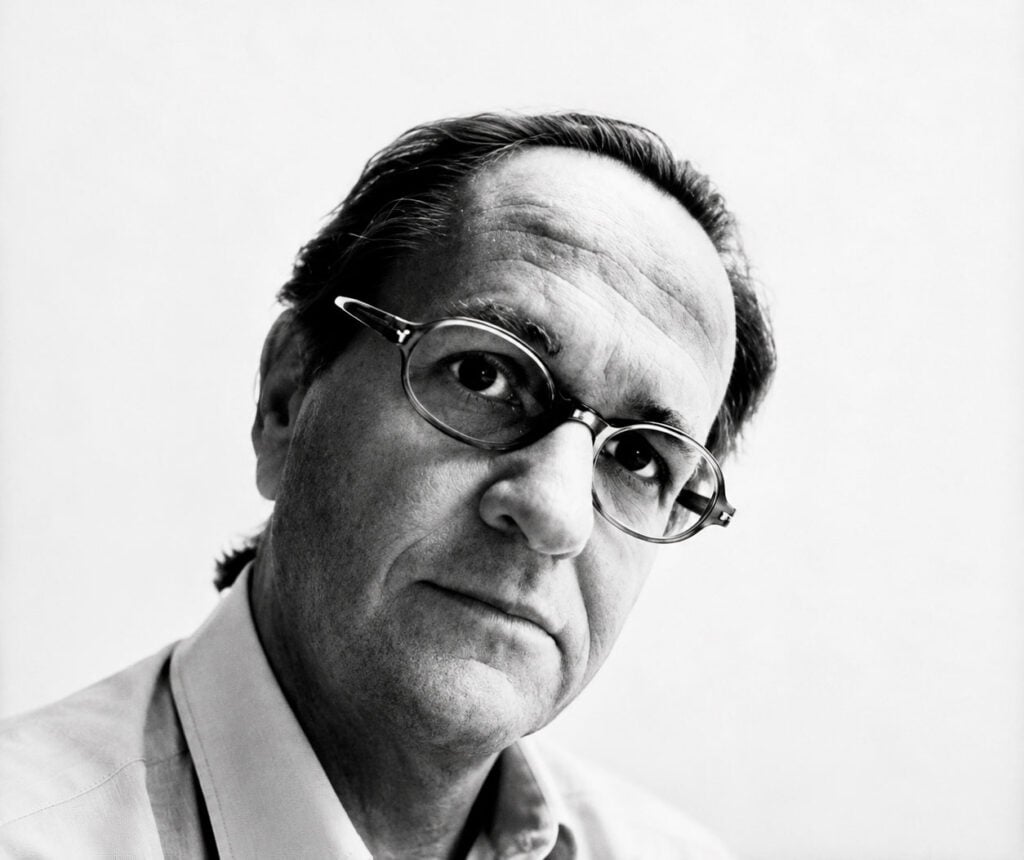
Peace & future researcher + ‌Art Photographer

Related Posts

LONDON – So far so good, at least on the wider level. While internally Iraq seems on the edge of chaos, the much heralded clash of civilizations between the Muslim and Judaeo-Christian worlds has yet to become apparent. We have anger and despair aplenty in the Arab and Muslim worlds. But very little rushing to the standard and there was no great pilgrimage of warriors to join the fight, as happened when the Soviet Union invaded Afghanistan twenty years ago, and then, having driven the Red Army out, were left to ferment in that mountainous redoubt. With the armaments supplied by the CIA the mujahidin were transformed into Al Qaeda that became, for a relatively brief moment as these things go, ‘the greatest threat to the homeland that America has ever known.’ Nevertheless a ‘Cold War’ between much of the Muslim world and the West is certainly in full swing. Winston...
The Challenge of Nuclear Weaponsin the Twenty-first CenturyA Path Forward The peoples and governments of the world face an urgent challenge relating to weaponry of mass destruction and particularly to nuclear weaponry.  At the crossroads of technology, terrorism, geopolitical ambition, and policies of preemption are new and potent dangers for humanity. Despite ending the nuclear standoff of the Cold War era, nuclear weaponry is again menacing the peoples of the world with catastrophic possibilities.  We recognize the need for any government to pursue its security interests in accordance with international law; and further, we recognize that distinctive threats to these interests now exist as a result of an active international terrorist network having declared war on the United States and its allies. Nonetheless, we reject the assessment of the current US administration that upgrading a reliance on nuclear weapons is in any sense justified as a response. We find it...
By Karin Wegestal MP, the Social Democratic Partyon behalf of the Swedish Committee for Solidarity with the Yugoslav People During the last decade, the Federal Republic of Yugoslavia has received more than 500,000 refugees from Croatia and Bosnia, and another 300,000 internally displaced persons, mainly from the province Kosovo and Metohia. For a country with about ten million inhabitants, such an influx of homeless people is obviously a very heavy burden – even under peaceful conditions. But in addition to that, the Federal Republic of Yugoslavia has been the subject to sanctions from the western powers for close to ten years and its infrastructure was badly hurt through Nato’s intense bombardment during 78 days in 1999. The result of all this is that Yugoslavia, once the most developed industrial country in Eastern Europe, is today the poorest country in Europe. In Serbia excluding Kosovo, with about ten million inhabitants and...

Recent Articles

Tony Robinson October 4, 2026 Violence is easy to recognise when someone is being beaten, shot or killed. It becomes more difficult when nobody is holding a weapon. Poverty, discrimination, exploitation and repression can restrict a human life just as effectively, although they do so in very different ways and with very different consequences. Simply adding more categories to an ever-growing list of forms of violence does not really solve the problem. The more interesting question is what all these different situations have in common and why it makes sense to describe them using the same word. Human beings do not simply react to what happens around them. They remember the past, imagine things that do not yet exist, make plans and undertake projects. Workers organise because they imagine different working conditions; people migrate because they imagine another life somewhere else; social movements emerge because people refuse to accept the...
It’s a matter of principles, courage, vision and pulling together – while the militarist world is falling apart… Peter Langille October 3, 2026 “Here, then, is the problem which we present to you, stark and dreadful and inescapable: Shall we put an end to the human race; or shall mankind renounce war?”The Bertrand Russell—Albert Einstein Manifesto, July 9, 1955 ⁕ The forecast for what’s ahead is worrisome. The sharp rise in armed conflicts over the past three years is adding to what was already the highest level in over seventy years. Genocides, which should be prevented are supported. A shared climate emergency that jeopardises survival is ignored. Diverse polls now suggest that people are war-weary, worried and interested in a more effective United Nations. And, there are viable policy options for a more secure world! Yet governments are doubling-down, betting on more war and investing heavily. If current trends persist,...
Johan Galtung 1930-2024October 2015 Published here on October 3, 2026 Let us focus on Civilization for conflict analysis and remedies. Major forms of disorder use violence; war is state organized violence. The most belligerent states are the United States of America and Israel, both with civilization roots. National Evangelism, the US Protestant Christian civilization– more national than evangelical–justifies US warfare as exceptionalism of a people chosen by God, with a manifest destiny to run the world. Orthodox Judaism justifies Israeli warfare to conquer and expand from Nile to Euphrates as a religious right and duty to the Eternal One. The third most belligerent country, the UK, no longer believes it is God-chosen but chosen by the USA; not quite the same but something. But the root cause of global disorder lies in the Occident–with Islam–seeing itself as the single, universal civilization valid for all at all times, all others being...

TFF on Substack

Discover and subscribe to more peace materials on TFF Substack

Most Popular

Tony Robinson October 4, 2026 Violence is easy to recognise when someone is being beaten, shot or killed. It becomes more difficult when nobody is holding a weapon. Poverty, discrimination, exploitation and repression can restrict a human life just as effectively, although they do so in very different ways and with very different consequences. Simply adding more categories to an ever-growing list of forms of violence does not really solve the problem. The more interesting question is what all these different situations have in common and why it makes sense to describe them using the same word. Human beings do not simply react to what happens around them. They remember the past, imagine things that do not yet exist, make plans and undertake projects. Workers organise because they imagine different working conditions; people migrate because they imagine another life somewhere else; social movements emerge because people refuse to accept the...
It’s a matter of principles, courage, vision and pulling together – while the militarist world is falling apart… Peter Langille October 3, 2026 “Here, then, is the problem which we present to you, stark and dreadful and inescapable: Shall we put an end to the human race; or shall mankind renounce war?”The Bertrand Russell—Albert Einstein Manifesto, July 9, 1955 ⁕ The forecast for what’s ahead is worrisome. The sharp rise in armed conflicts over the past three years is adding to what was already the highest level in over seventy years. Genocides, which should be prevented are supported. A shared climate emergency that jeopardises survival is ignored. Diverse polls now suggest that people are war-weary, worried and interested in a more effective United Nations. And, there are viable policy options for a more secure world! Yet governments are doubling-down, betting on more war and investing heavily. If current trends persist,...
Johan Galtung 1930-2024October 2015 Published here on October 3, 2026 Let us focus on Civilization for conflict analysis and remedies. Major forms of disorder use violence; war is state organized violence. The most belligerent states are the United States of America and Israel, both with civilization roots. National Evangelism, the US Protestant Christian civilization– more national than evangelical–justifies US warfare as exceptionalism of a people chosen by God, with a manifest destiny to run the world. Orthodox Judaism justifies Israeli warfare to conquer and expand from Nile to Euphrates as a religious right and duty to the Eternal One. The third most belligerent country, the UK, no longer believes it is God-chosen but chosen by the USA; not quite the same but something. But the root cause of global disorder lies in the Occident–with Islam–seeing itself as the single, universal civilization valid for all at all times, all others being...
Read More
Living-Peace-Sign-Budapest-copy
Tony Robinson October 4, 2026 Violence is easy to recognise when someone is being beaten, shot or killed. It becomes more difficult when nobody is holding a weapon. Poverty, discrimination, exploitation and repression can restrict a human life just as effectively, although they do so in very different ways and with very different consequences. Simply adding more categories to an ever-growing list of forms of violence does not really solve the problem. The more interesting question is what all these different situations have in common and why it makes sense to describe them using the same word. Human beings do not simply react to what happens around them. They remember the past, imagine things that do not yet exist, make plans and undertake projects. Workers organise because they imagine different working conditions; people migrate because they imagine another life somewhere else; social movements emerge because people refuse to accept the...
b54a1f10-8c65-4f0b-9dd5-4abc0a7d04cc_2659x2659
It’s a matter of principles, courage, vision and pulling together – while the militarist world is falling apart… Peter Langille October 3, 2026 “Here, then, is the problem which we present to you, stark and dreadful and inescapable: Shall we put an end to the human race; or shall mankind renounce war?”The Bertrand Russell—Albert Einstein Manifesto, July 9, 1955 ⁕ The forecast for what’s ahead is worrisome. The sharp rise in armed conflicts over the past three years is adding to what was already the highest level in over seventy years. Genocides, which should be prevented are supported. A shared climate emergency that jeopardises survival is ignored. Diverse polls now suggest that people are war-weary, worried and interested in a more effective United Nations. And, there are viable policy options for a more secure world! Yet governments are doubling-down, betting on more war and investing heavily. If current trends persist,...
010
Johan Galtung 1930-2024October 2015 Published here on October 3, 2026 Let us focus on Civilization for conflict analysis and remedies. Major forms of disorder use violence; war is state organized violence. The most belligerent states are the United States of America and Israel, both with civilization roots. National Evangelism, the US Protestant Christian civilization– more national than evangelical–justifies US warfare as exceptionalism of a people chosen by God, with a manifest destiny to run the world. Orthodox Judaism justifies Israeli warfare to conquer and expand from Nile to Euphrates as a religious right and duty to the Eternal One. The third most belligerent country, the UK, no longer believes it is God-chosen but chosen by the USA; not quite the same but something. But the root cause of global disorder lies in the Occident–with Islam–seeing itself as the single, universal civilization valid for all at all times, all others being...
Screenshot 2026-10-02 011738
Jan ObergPhD, director, The Transnational Foundation for Peace and Future Research, TFFLund, Sweden October 2, 2026 This is my full original manuscript. The Chinese Academy of Social Science, CASS, makes two publications out if it. 1. China’s Five-year plan emphasized the capabilities of basic research and original innovation. It is regarded as the goal of the future social development, which, as required, should be significantly enhanced. Can you comment on the importance of original innovation in research and academic study? I believe it is easier to define “original innovation” in the natural sciences than in social sciences. The breaking points of what constitutes something new, or innovative, are not quite as sharp in the latter. But in both fields it is about opening up something that was closed, unseen, unexplored before – making manifest what was earlier latent. Innovations come in many forms and shapes – naming something that was not...
arctic-circle-map
The agreement is catastrophic both because of what it says and what it doesn’t mention. It reduces further the major asset of security policies: Freedom of action. Jan Oberg TFF director September 25, 2026 A couple of hours before the agreement was signed on September 22, 2026, I published the following 13 hypotheses about what it would most likely contain on TFF Substack (in English). I was wrong on only the first point. Contrary to what Trump had written on his Truth Social platform, it does not appear to come into force immediately. In fact, it turned out to be worse than even I had anticipated. After these hypotheses now come a number of reflections in light of what the agreement actually contains, and does not contain, as well as the way in which it has generally been presented by major media outlets and by the public-service broadcaster DR. My...
girl-5894831_1280
Below are TFF-related media mentions, comments, videos and social media posts published elsewhere but not on this homepage. We happen to catch and list only a fraction. Regarding video comments and debates, we recommend that you go to the TFF Video Channel on Substack where many of them are reproduced. Jan Oberg is a contributor to China Daily – 52 million daily clicks – and Global Times, CGTN and CCTV (the national television), China Investment, Xinhua News Agency and several others. Articles and videos on these media very often multiply into countless Chinese (and Western media) that re-post them from these main media. Thanks to The China Academy, his analyses, interviews and comments are frequently posted on YouTube channels such as Thinkers Forum and Wave Media. These videos are often re-posted on Bilibili (China’s YouTube), the China Content Center on TikTok, and on the Chinese edition of TikTok, Douyin.com. This means reaching hundreds of millions of viewers worldwide over a year. While there are too many to catch on all these...