

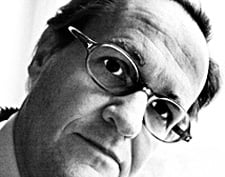
Af Jan Øberg

Et initiativ til grundlæggende forandring af Danmarks udenrigs- og sikkerhedspolitik

Motivering, formål og debatvejledning
Danmark for Fred med Fredelige Midler
Oprettet 14 February 2012

1) Dansk udenrigspolitik er blevet altfor voldsbetonet

I de sidste 20 år er dansk sikkerheds- og udenrigspolitik blevet orienteret mod voldsanvendelse i en grad, som vi både forundres og forstemmes over. Vi bombede i Jugoslavien i 1999, vi er i Afghanistan til ingen synlig nytte, vi var med endnu en folkeretsstridig krig mod Irak og optrådte som besættelsesmagt i 4 år og senest har hvert eneste medlem af Folketinget stemt for at Danmark deltog i bombningen af Libyen. En ny international opinionsundersøgelse viser at 37% af danskerne synes man skal bombe anlæg i Iran og 27% at der er brug for en troppeinvasion. Hvad er det for mentalitet og psykologi, hvad er det for viden denne militante opinion bygger på?

2) Alle partier for krig

Det var under en socialdemokratisk ledet regering, den “aktivistiske” volds-fremmende politik blev indledt, nemlig i Jugoslavien. Dagens Socialdemokrati prioriterer ikke en politik for nedrustning, reel konfliktløsning, atomvåbenfrie zoner eller ikkevold. Socialistisk Folkeparti er gået med på idéen om at der skal kunne interveneres hér og dér uden klart FN-mandat og var det eneste parti, der anbefalede landinvasion af Libyen. Enhedslisten gik med på Libyen; og dagens Radikale har smidt sin historiske anti-militarisme ud.

3) Fredsopinionen har ingen repræsentanter

Der er således intet dansk parti, der i praktisk politik respekterer det fornemste princip i FN-deklarationen, nemlig at krig skal afskaffes og at fred skal skabes med fredelige midler. I deklarationen siges også at alle civile tiltag skal være prøvet og vist sig resultatløse inden man kan gribe til våbenmagt – vel at mærke i FN’s regi og ikke af “koalitioner af villige” ledt af NATO-lande.

4) Ensrettet forskning og medieprofil

Parallelt med denne politisk-militære udvikling har vi set nedlæggelse af vigtige forskningsinstitutter, der kunne have ført alternativer på bane og bidraget til en bredere debat. Vi ser også ledende medier som f.eks. TV-Avisen og dagbladet Politiken stille sig mere på interventionismens end fredsskabelsens side, i politisk profilering såvel som i den journalistiske fremstilling af begivenheder. Internationale spørgsmål spiller idag en markant mindre rolle i vore medier og i den politiske debat end i f.eks. 1970-1980erne.

5) Denne gruppe

Vi der har dannet denne gruppe er dybt bekymrede over den udvikling, der ude i den lidt større verden uden for EU/NATO kaster en mørk skygge over Danmark – også i kølvandet på en exceptionelt dilettantisk håndterede Muhammedkrise. Vi tror det er muligt at opgradere de “store” spørgsmål i dansk debat, i uddannelse og medieverdenen. Vi tror Danmark – og de nordiske lande – kan bidrage til en hård tiltrængt nytænkning. Mens tid er.

6) Krig er en dårlig idé, intellektuel fattigdom

Krig har igen og igen vist sig at være en rigtig dårlig og uetisk idé. Alligevel har krigen tag i danskerne. Vi tror det udover et mangelfuldt vidensgrundlag skyldes at der er altfor få gode idéer, dvs. svar på spørgsmålet: Hvis ikke krig eller intervention, hvad vil I så?

7) Hér skal udelukkende konstruktive idéer drøftes

Vi er overbeviste om at det ikke nytter at blot være negativt kritiske og at det heller ikke er demokratiet værdigt at vi bare lader stå til – sandsynligvis i retning af krig snart med Iran. Det dur ikke at blot lufte sin harme eller frustration over en sygdom og dens årsager. Der bliver ikke fred af at man forbander krigen. Helbredelse kræver kundskab og idéer. Sådan er det også med freden.

Vi vil forsøge at bidrage til at mange danskeres krigssyge bliver helbredt. Til at vi får dem, der er ligeglade med den store verden, til at vågne op. Vi tror mange danskere vil vælge andre midler end bomber hvis de bliver præsenteret for andre og bedre idéer. Vi fører derfor hér en udelukkende konstruktiv dialog, udveksler positive ideer til en bedre politik for Danmark – og vi bruger fantasi, sund fornuft, bygger kundskab og koordinerer aktiviteter. Vi tænker ud mod 2025 og videre fordi ingen problemer kan løses inden for en 4-års horisont.

8. Mulige konkrete emner – lad tusinder idéer og vinkler blomstre!

Hvad bør Danmark gøre i stedet for at gå i krig?
Hvordan går vi i fred?
Hvorledes står vi fast på visse principper, f.eks. folkeretten? Hvordan støtter vi bedst FN og dets normsystem nu når så mange forsøger at underminere verdensorganisationen?
Hvordan introducerer vi den nødvendige kundskab om professionel konflikthåndtering i politik og medier?
Hvordan kommer vi igennem til beslutningstagere med forslag til hvad man skal gøre i steder for at indlede krig?
Og hvilke tiltag på forskellige niveauer vil der være brug for for at Danmark på længere sigt kan blive en aktør for fred og ikke for krig? Osv…

Vi mener at Danmark skal føre en aktivistisk udenrigspolitik, at verdens store problemer bør fylde langt langt mere i debatten.
Vi vil en politik, der klart prioriterer fred med fredelige midler, demokratisering med demokratiske midler og udvikling med gensidig læren og respekt på tværs af kulturelle og andre forskelle.


PhD, Peace & future researcher + ‌Art Photographer, Professor Emeritus and media commentator

Related Posts

LONDON – So far so good, at least on the wider level. While internally Iraq seems on the edge of chaos, the much heralded clash of civilizations between the Muslim and Judaeo-Christian worlds has yet to become apparent. We have anger and despair aplenty in the Arab and Muslim worlds. But very little rushing to the standard and there was no great pilgrimage of warriors to join the fight, as happened when the Soviet Union invaded Afghanistan twenty years ago, and then, having driven the Red Army out, were left to ferment in that mountainous redoubt. With the armaments supplied by the CIA the mujahidin were transformed into Al Qaeda that became, for a relatively brief moment as these things go, ‘the greatest threat to the homeland that America has ever known.’ Nevertheless a ‘Cold War’ between much of the Muslim world and the West is certainly in full swing. Winston...
The Challenge of Nuclear Weaponsin the Twenty-first CenturyA Path Forward The peoples and governments of the world face an urgent challenge relating to weaponry of mass destruction and particularly to nuclear weaponry.  At the crossroads of technology, terrorism, geopolitical ambition, and policies of preemption are new and potent dangers for humanity. Despite ending the nuclear standoff of the Cold War era, nuclear weaponry is again menacing the peoples of the world with catastrophic possibilities.  We recognize the need for any government to pursue its security interests in accordance with international law; and further, we recognize that distinctive threats to these interests now exist as a result of an active international terrorist network having declared war on the United States and its allies. Nonetheless, we reject the assessment of the current US administration that upgrading a reliance on nuclear weapons is in any sense justified as a response. We find it...
By Karin Wegestal MP, the Social Democratic Partyon behalf of the Swedish Committee for Solidarity with the Yugoslav People During the last decade, the Federal Republic of Yugoslavia has received more than 500,000 refugees from Croatia and Bosnia, and another 300,000 internally displaced persons, mainly from the province Kosovo and Metohia. For a country with about ten million inhabitants, such an influx of homeless people is obviously a very heavy burden – even under peaceful conditions. But in addition to that, the Federal Republic of Yugoslavia has been the subject to sanctions from the western powers for close to ten years and its infrastructure was badly hurt through Nato’s intense bombardment during 78 days in 1999. The result of all this is that Yugoslavia, once the most developed industrial country in Eastern Europe, is today the poorest country in Europe. In Serbia excluding Kosovo, with about ten million inhabitants and...

Recent Articles

Photo above: Carl Fredrik Reuterswärd’s Non-Violence outside UN Headquarters in New York. Kirill Levin, CC BY-NC-SA 2. Jan Oberg November 3, 2026 I am happy to be published in Horizons which is produced by the Center for International Relations and Sustainable Development, CIRSD, in Belgrade. My contribution brings out a radical re-thinking of what concepts such as defence, security, deterrence – and peace – may mean if we want to create a more peaceful world. It also summarises a few things I have been working with the last few decades. Please read it here Og her er den på dansk, takket være Johnny Baltzersens lynhurtige oversættelse
UNITE-tillid, DREAM-velstand og andre konstruktive komponenter Normally we publish articles in English here. But this is a translation of a very important TFF document that should reach as many as possible in Denmark since this country’s government has been one of the most hardline in Europe and, up till now at least, has refused to use diplomacy and, instead, spent tremendous sums on arming Ukraine with the express goal of defeating Russia. Thus this – unique – article is in Danish. Vi er Johnny Baltzersen og hans Fælles Sikkerhed – Fælles Fremtid på Substack overmåde taknemmelige for at have oversat og publiceret TFF’s 2025-portfølje for fredsidéer med henblik på Ukraines fremtid. Vi håber den nu kan nå mange flere danskere – som også vil sprede den og skabe debat – nu den danske regerings og folketingspartiernes politik på dette område siden 2022 står nu – forudsigeligt – ved vejs ende....
Jan Oberg TFF director October 28, 2026 Exactly one month has now passed since I published my criticism of the introduction to the special issue on Johan Galtung published by the Journal of Global Security Studies, JoGSS, and of Tor Egil Førland’s chapter about Galtung which serves as a preview to his forthcoming biography of Galtung to be published by PRIO. See the original on The Transnational here and the same article on TFF Substack with many general and critical comments and, in particular, the people who decided to withdraw from the biography project in protest. The special issue itself was extraordinary. It was devoted to the intellectual legacy of one of the founders of peace research and contained a number of strong assessments of his personality, scholarship, intellectual trajectory, and public role. Such assessments are, of course, entirely legitimate. No scholar is beyond criticism, and neither was Johan Galtung....

TFF on Substack

Discover and subscribe to more peace materials on TFF Substack

Most Popular

Photo above: Carl Fredrik Reuterswärd’s Non-Violence outside UN Headquarters in New York. Kirill Levin, CC BY-NC-SA 2. Jan Oberg November 3, 2026 I am happy to be published in Horizons which is produced by the Center for International Relations and Sustainable Development, CIRSD, in Belgrade. My contribution brings out a radical re-thinking of what concepts such as defence, security, deterrence – and peace – may mean if we want to create a more peaceful world. It also summarises a few things I have been working with the last few decades. Please read it here Og her er den på dansk, takket være Johnny Baltzersens lynhurtige oversættelse
UNITE-tillid, DREAM-velstand og andre konstruktive komponenter Normally we publish articles in English here. But this is a translation of a very important TFF document that should reach as many as possible in Denmark since this country’s government has been one of the most hardline in Europe and, up till now at least, has refused to use diplomacy and, instead, spent tremendous sums on arming Ukraine with the express goal of defeating Russia. Thus this – unique – article is in Danish. Vi er Johnny Baltzersen og hans Fælles Sikkerhed – Fælles Fremtid på Substack overmåde taknemmelige for at have oversat og publiceret TFF’s 2025-portfølje for fredsidéer med henblik på Ukraines fremtid. Vi håber den nu kan nå mange flere danskere – som også vil sprede den og skabe debat – nu den danske regerings og folketingspartiernes politik på dette område siden 2022 står nu – forudsigeligt – ved vejs ende....
Jan Oberg TFF director October 28, 2026 Exactly one month has now passed since I published my criticism of the introduction to the special issue on Johan Galtung published by the Journal of Global Security Studies, JoGSS, and of Tor Egil Førland’s chapter about Galtung which serves as a preview to his forthcoming biography of Galtung to be published by PRIO. See the original on The Transnational here and the same article on TFF Substack with many general and critical comments and, in particular, the people who decided to withdraw from the biography project in protest. The special issue itself was extraordinary. It was devoted to the intellectual legacy of one of the founders of peace research and contained a number of strong assessments of his personality, scholarship, intellectual trajectory, and public role. Such assessments are, of course, entirely legitimate. No scholar is beyond criticism, and neither was Johan Galtung....
Read More
knotted gun
Photo above: Carl Fredrik Reuterswärd’s Non-Violence outside UN Headquarters in New York. Kirill Levin, CC BY-NC-SA 2. Jan Oberg November 3, 2026 I am happy to be published in Horizons which is produced by the Center for International Relations and Sustainable Development, CIRSD, in Belgrade. My contribution brings out a radical re-thinking of what concepts such as defence, security, deterrence – and peace – may mean if we want to create a more peaceful world. It also summarises a few things I have been working with the last few decades. Please read it here Og her er den på dansk, takket være Johnny Baltzersens lynhurtige oversættelse
TFFPortfolioVign
UNITE-tillid, DREAM-velstand og andre konstruktive komponenter Normally we publish articles in English here. But this is a translation of a very important TFF document that should reach as many as possible in Denmark since this country’s government has been one of the most hardline in Europe and, up till now at least, has refused to use diplomacy and, instead, spent tremendous sums on arming Ukraine with the express goal of defeating Russia. Thus this – unique – article is in Danish. Vi er Johnny Baltzersen og hans Fælles Sikkerhed – Fælles Fremtid på Substack overmåde taknemmelige for at have oversat og publiceret TFF’s 2025-portfølje for fredsidéer med henblik på Ukraines fremtid. Vi håber den nu kan nå mange flere danskere – som også vil sprede den og skabe debat – nu den danske regerings og folketingspartiernes politik på dette område siden 2022 står nu – forudsigeligt – ved vejs ende....
JoGSS-Silent
Jan Oberg TFF director October 28, 2026 Exactly one month has now passed since I published my criticism of the introduction to the special issue on Johan Galtung published by the Journal of Global Security Studies, JoGSS, and of Tor Egil Førland’s chapter about Galtung which serves as a preview to his forthcoming biography of Galtung to be published by PRIO. See the original on The Transnational here and the same article on TFF Substack with many general and critical comments and, in particular, the people who decided to withdraw from the biography project in protest. The special issue itself was extraordinary. It was devoted to the intellectual legacy of one of the founders of peace research and contained a number of strong assessments of his personality, scholarship, intellectual trajectory, and public role. Such assessments are, of course, entirely legitimate. No scholar is beyond criticism, and neither was Johan Galtung....
Screenshot 2026-10-26 115647
An aspect of Iran’s culture and civilisation you’ve probably never heard about. Don’t be surprised if the US and Israel also try to bomb them. Jan ObergTFF director October 26, 2026 Today – under the “USraeli” threat of new “annihilating” bombings – opens the 7th International Conference on Peace and Conflict Resolution at Tehran’s University. As far as I can tell, this is the only permanent, advanced peace research institution in West Asia/the Middle East. Perhaps more countries in that region could be inspired? I mean, how many military “security” institutes and military academies do they have? Many peace research institutes and university departments have been established since the 1950s in the West. They are now all under attack; some have closed down, some have gone mainstream, yet others kept the name but do nothing to research peace and disseminate results or advice; instead, they cooperate with militarism’s platforms such...
Screenshot 2026-10-15 141837
Let’s discuss using AI to create peace – in contrast to boring geopolitics devoid of creative healing and visions. Jan Oberg TFF director October 15, 2026 I asked VEED to create a short video exemplifying how peace is preferable to war, then chose the lady as a template. Simple as that. In less than a minute, it produced this video, which any peace-loving person would appreciate. The only problem is that human intelligence (HI), at least the one that exists among Western decision-makers, isn’t half as moral or smart as AI. I have used AI to dialogue about peace and peace plans, creative conflict resolution and visions of a better future for humankind. It so happens that I am having more stimulating, intelligent, creative and moral discussions with AI than I could possibly have with any EU or NATO leader today. Yes, AI has very problematic and dangerous aspects; used...
girl-5894831_1280
Below are TFF-related media mentions, comments, videos and social media posts published elsewhere but not on this homepage. We happen to catch and list only a fraction. Regarding video comments and debates, we recommend that you go to the TFF Video Channel on Substack where many of them are reproduced. Jan Oberg is a contributor to China Daily – 52 million daily clicks – and Global Times, CGTN and CCTV (the national television), China Investment, Xinhua News Agency and several others. Articles and videos on these media very often multiply into countless Chinese (and Western media) that re-post them from these main media. Thanks to The China Academy, his analyses, interviews and comments are frequently posted on YouTube channels such as Thinkers Forum and Wave Media. These videos are often re-posted on Bilibili (China’s YouTube), the China Content Center on TikTok, and on the Chinese edition of TikTok, Douyin.com. This means reaching hundreds of millions of viewers worldwide over a year. While there are too many to catch on all these...




