US Empire decline

Category

Year

Author / Contributor

Region

Sort by

Showing 1-10 of 385 stories

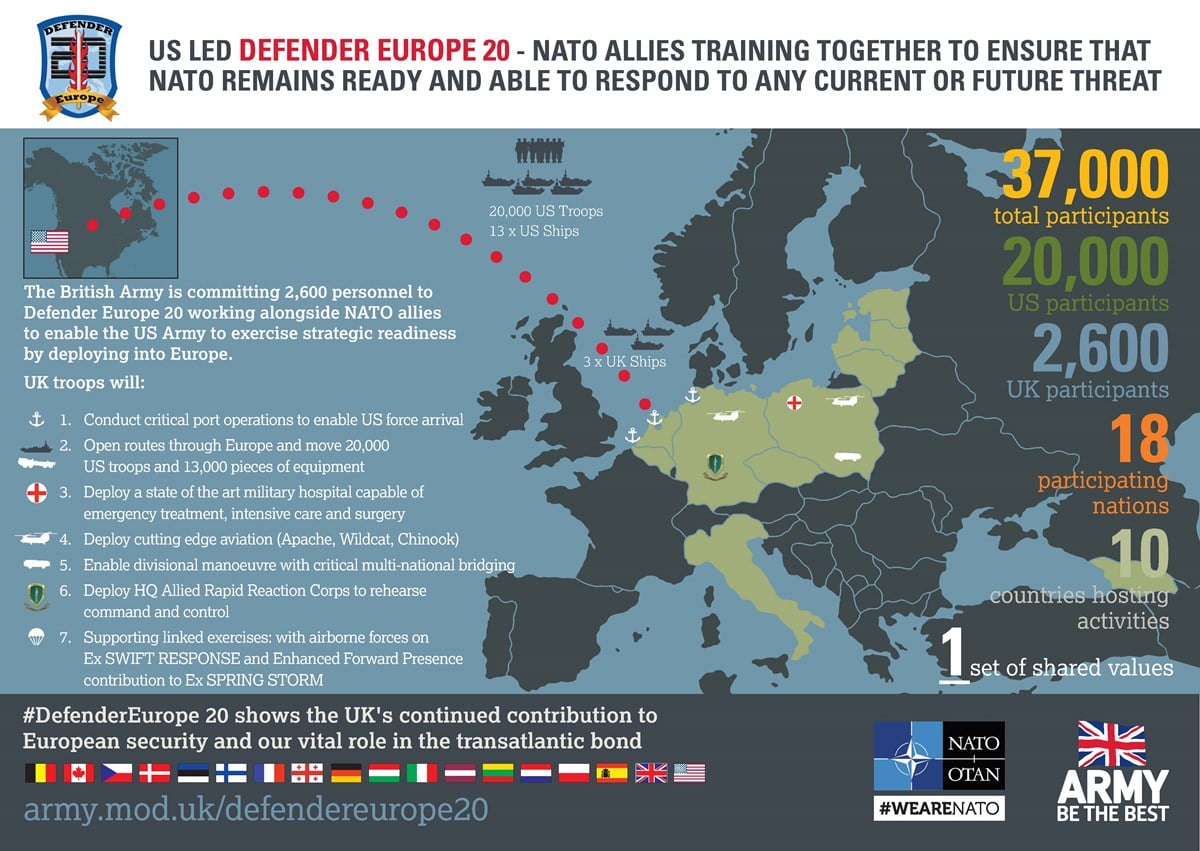
adr009028_defender_erope_graphic_draft_07
By Jan Oberg March 17, 2020 Defender Europe 20 is a huge, basically US military exercise, on European soil between February and May this year. It has already started. In the midst of a closed-down coronavirus Europe. And it is war-preparing, not peace- or confidence-building. The diagram above from the British Army offers you details of this perverse, surreal idea – take note of Italy being one of the planned participants! Most likely, you have not heard about Defender Europe 20. When it comes to US foreign and war policies, all Western mainstream media practise self-censorship. The media would hardly be able to write about this exercise of militarist madness in a way that would not cause an uproar and moral condemnation in these times of deep, widespread concerns about war risks, climate change and the coronavirus. So better not write at all and cause diplomatic troubles with the unpredictable,...
us-china-relations
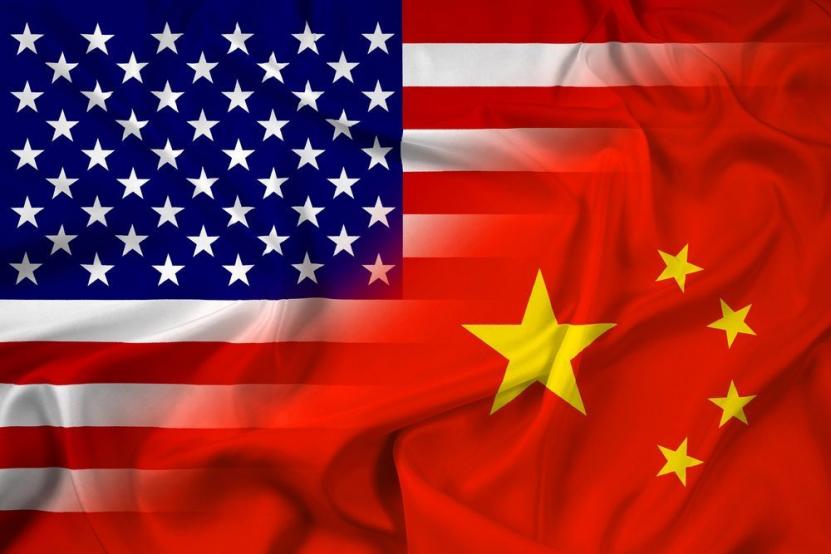
Ambassador Chas W. Freeman, Jr. (USFS, Ret.) Senior Fellow, Watson Institute for International and Public Affairs, Brown University Washington, DC  29 November 2018 Ladies and Gentlemen: You have asked me to say a few words about China’s rise and its role in the post-American world.  There is a lot of nonsense being voiced on this topic at present.  It’s timely to address it.  I played a minor part in the original opening of China to the West.  Somewhat like Leonard Zelig or Forrest Gump in other contexts, over the course of fifty years as China returned to wealth and power, I was often on or in the scene.   I am happy to share some impressions with you. Originally posted on Chas W. Freeman, Jr.’s personal blog on November 29, 2018 here After serving in India, working to keep China out of the United Nations, and studying Chinese in Taiwan, I...
mills-1
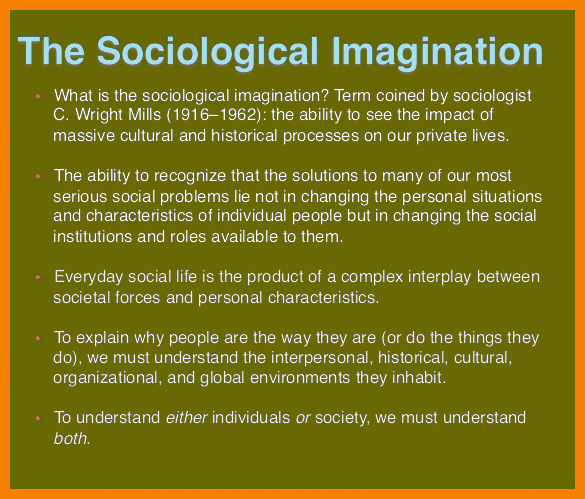
Bits of the sociological imagination at work By Jan Oberg March 5, 2020 Researchers are citizens too – some with a sociological imagination Like everybody else, social scientists are citizens. We live a private life and a professional life and there is a tradition-based rule of thumb that the two should be kept apart in writing – like: ”Oh, the things I experience in my private sphere are just small issues that probably only I have encountered; my scattered everyday observations are not interesting or “scientific” so I ought not bother others with them.” But wait! Isn’t it part of a social scientist’s writing to be concrete, build on empirical facts and observations? To tell how it really is also on the micro-level – also when s/he does not attempt to develop big explanatory theories around such unsystematic observations or try to prove something empirically? Isn’t it important to observe...
cover_sanctions_0
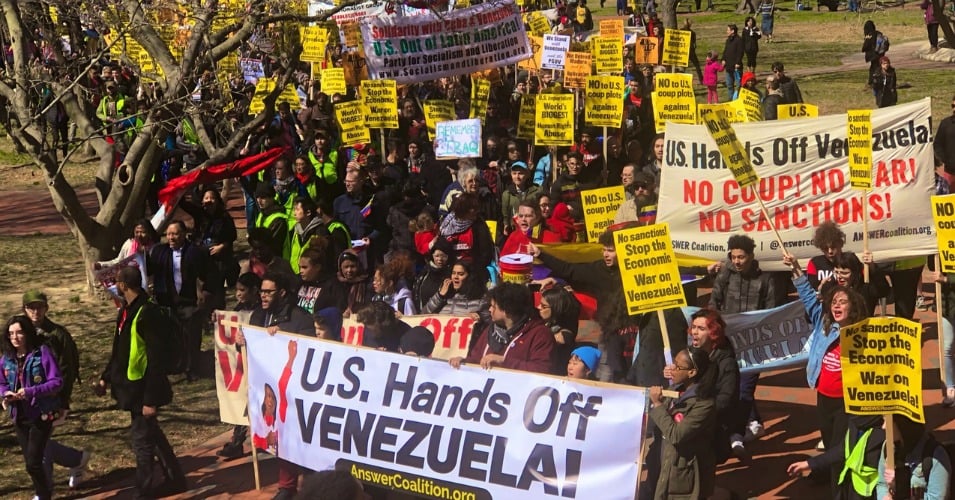
By Kevin Zeese and Margaret Flowers February 10, 2020 The US is currently attacking one-third of the planet’s population with 8,000 economic sanctions, ongoing acts of war against 39 nations. “Their intent is to shrink the economy and cause chronic shortages and hyperinflation while ensuring a lack of access to finance to pay for essentials.” Originally posted in the Black Agenda Report, January 15, 2020 The United States is relying more heavily on illegal unilateral coercive measures (also known as economic sanctions) in place of war or as part of its build-up to war. In fact, economic sanctions are an act of war that kills tens of thousands of people each year through financial strangulation. An economic blockade places a country under siege. A recent example is the increase in economic measures being imposed against Iran, which many viewed as more acceptable than a military attack. In response to Iran...
Screenshot
A must-see and must-followup! February 6, 2020 Here is the knowledge, the experience, the passion and the vision that the US needs – and needs to set through before the militarists destroy America and more or less the rest of the world too. And while Kinzer’s introduction to Iran is impressively forceful, correct and pedagogic – listen to it even twice! – this 76 minutes conversation contains so much more than what pertains to Iran which makes it even more important. Now share everywhere you can… And please take note of this: This type of – free, critical – discussion can happen in the United States but how often do you see Europeans talk about these issues in this way? I know of no Danish, Swedish or Norwegian channel, intellectuals or active politicians who would come anywhere near these three personalities and would produce a similar high-quality debate. If you...
photo-rus-china
By Gordon M. Hahn January 30, 2020 The apparent overreaction by the U.S. to Iranian provocations represented by the assassination of Revolutionary Guards Corps Commander Qassem Soleiman is one of the stronger blows to hit one of the most important nails in the coffin of U.S.-Russian relations: the revival of Russian-Western geopolitical competition outside Russia’s immediate central Eurasian sphere of influence. At the same, time it is also one of the most important turning points in the formation of an anti-Western Eurasian axis that will shape the 21st century’s geopolitics. The outcome of the political struggle may well rest on Europe and whether or not it decides to stick to its American ally in the latter’s efforts to stave off the end of its unipolar hegemony through greater NATO and EU expansion or abandon at least the former project and positively contribute to the reordering of the international system in...
RichardFalk
By Richard Falk, TFF Associate Januar 22, 2020 Prefatory Note: The post below is a somewhat amplified version of an interview with C. J. Polychroniou, journalist and professor of political economy at West Chester University, which was published on January 7, 2020, in the online journal, Global Policy. As the interview was conducted in December 2019, it fails to address the various disruptive consequences of the assassination of Qasem Soleimani, including the violation of Iraqi sovereignty, Baghdad being the site of the drone attack, as well as the risks of war arising from an escalating tit-for-tat cycle of actions and reactions. Given growing tensions between the interconnectedness of the world and the state-centric character of international law, including contradictions between totalizing and disregarding territorial sovereignty, state-centric world order is being increasingly marginalized by geopolitical behaviour that both generates and suppresses transnational political violence. A normative crisis with structural implications exists,...

the-anti-nuclear-march-in-new-york-citys-central-park-june-12-1982-1024x689-1
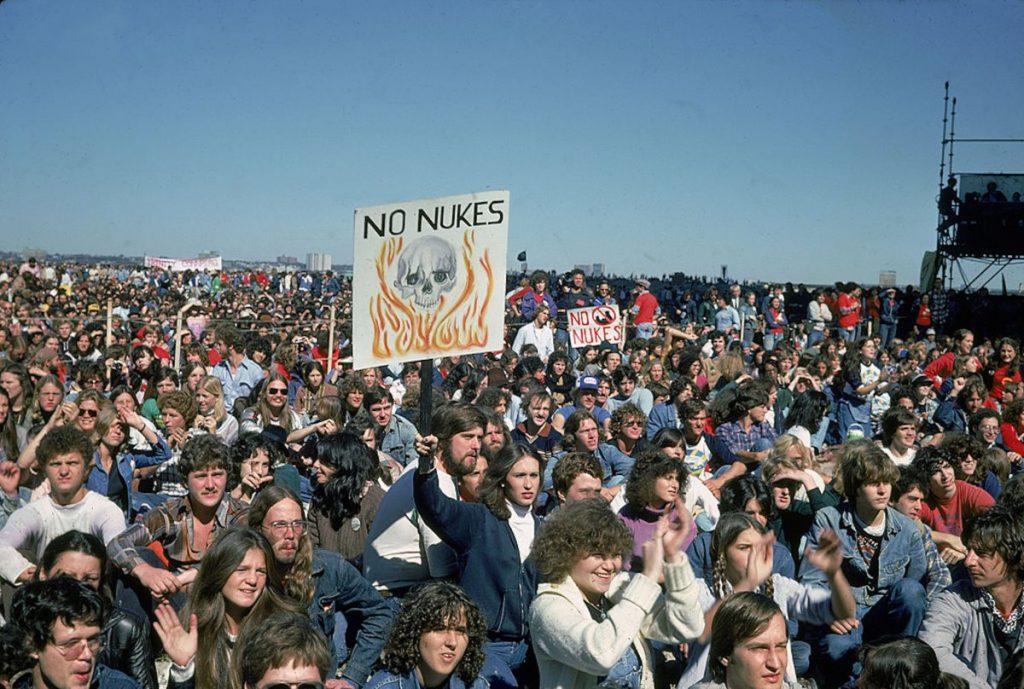
By Dr. Lawrence Wittner January 17, 2020 Although today’s public protests against nuclear weapons can’t compare to the major antinuclear upheavals of past decades, there are clear indications that most Americans reject the Trump administration’s nuclear weapons policies. Originally posted on History News Network on December 22, 2019 here Since entering office in 2017, the Trump administration has withdrawn the United States from the nuclear agreement with Iran, scrapped the Intermediate-Range Nuclear Forces (INF) Treaty with Russia, and apparently abandoned plans to renew the New START Treaty with Russia. After an overwhelming majority of the world’s nations agreed on a landmark UN Treaty on the Prohibitions of Nuclear Weapons in July 2017, the Trump administration quickly announced that it would never sign the treaty.  The only nuclear arms control measure that the Trump administration has pursued―an agreement by North Korea to abandon its nuclear weapons program―appears to have collapsed, at least in part because the Trump administration badly mishandled the negotiations. Moreover, the Trump...
StreetGarbage_Orig_1000-72dpi
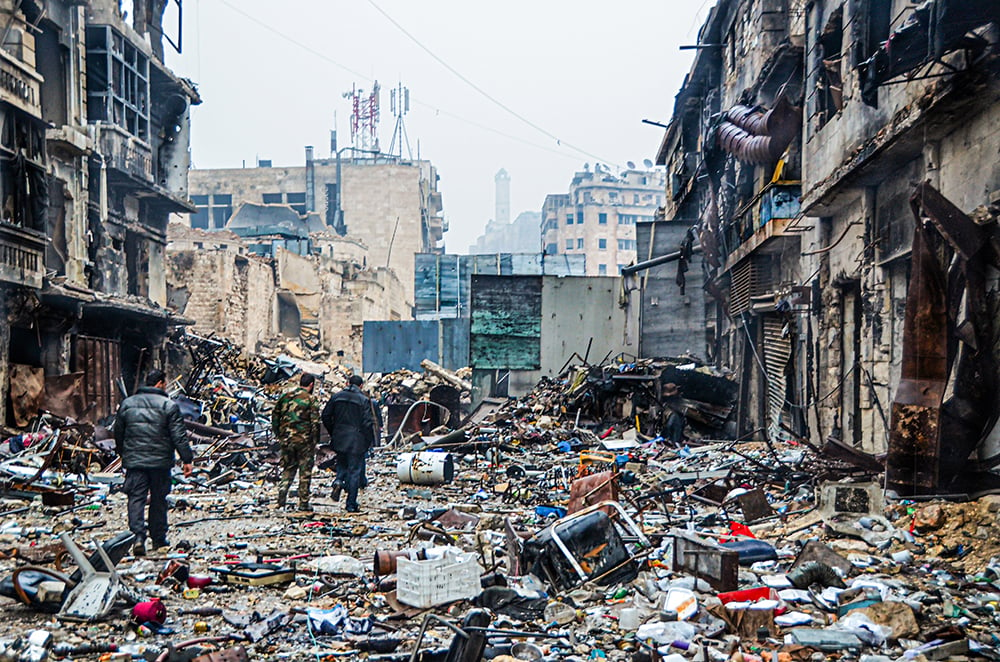
Photo – Eastern Aleppo, December 2016 – © Jan Oberg By Gordon M. Hahn January 17, 2020 If Western leaders are able to put aside the now worn-out cliches such as Russian Vladimir Putin ‘punching above his weight,’ ‘Trump handing Putin a victory on a silver plate’, not to mention ‘Trump as Putin agent’, there are serious lessons that they might still be able to draw from Putin’s looming victory in Syria.  Originally posted on Gordon M. Hahn’s personal blog on December 2, 2019 here First, the era in which the United States and/or the West (NATO) can dictate outcomes anywhere across the globe unilaterally has ended. Events in Syria are but the latest confirmation of this fact, but many in Washington and Brussels still do not see it. NATO expansion drove Russia into China’s arms, and the rest is history and the future.  Second, Washington and Brussels (NATO and...
AleppoGirl-761x1024
. On December 12, 2012, on the day, 4 years earlier, Western countries and allies – perversely calling themselves ‘Friends of Syria’ – carried through a regime change by statement and set up a Syrian National Council of people never elected by anyone in Syria and told the world that it was, from now on, the only ‘legitimate representative of the Syrian people!’ During the 4 years, Western, Saudi, Turkish and the Gulf States supported innumerable illegal, destructive and mainly foreign terrorist groups with the goal to undermine the legitimate Syrian government and destabilise the country – as had been recommended by US ambassador William Roebuck (1) in Damascus as far back as in 2006 (WikiLeaks documentation here). December 12, 2016, marked a fundamental turning point. Aleppo did not “fall to the dictator/butcher/mass murderer” aka President Bashar al-Assad – no, it was liberated and the occupation by terrorist groups such...
IMG_9126
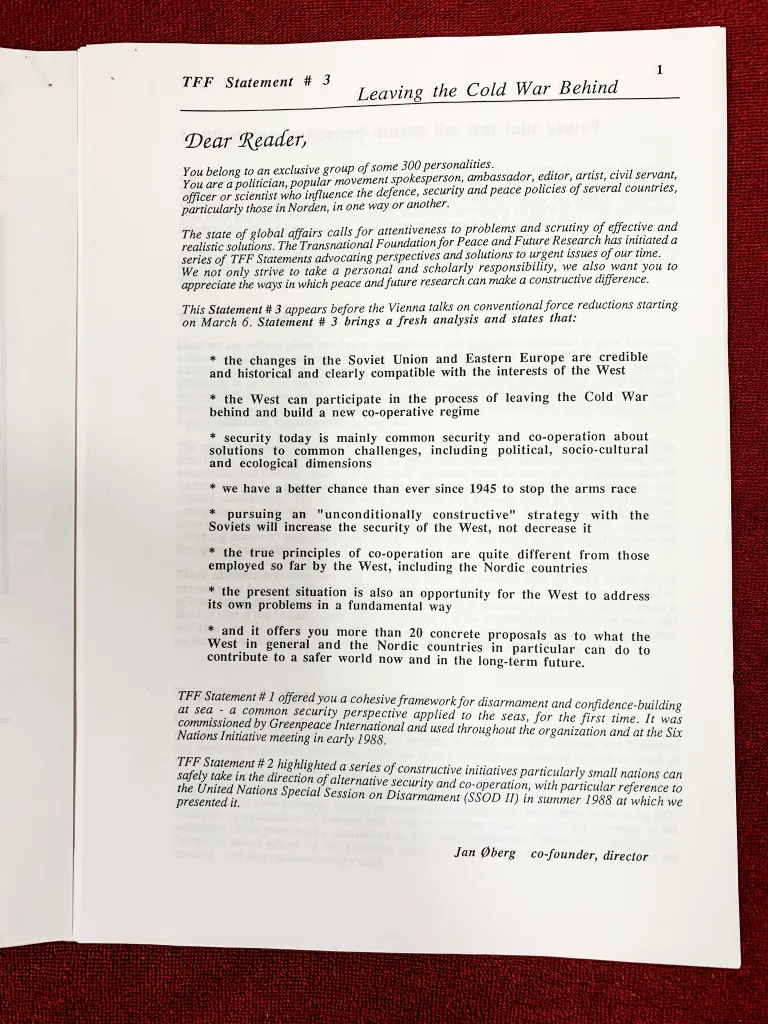
This is the digitalized version of a TFF Statement published by TFF’s Board almost 31 years ago. Could that be of any interest today? First, it reflects the situation and the issues discussed at the time as well as the hopes for a better future – now sadly lost. Secondly, it is one example of how peace researchers were thinking and made constructive political recommendations, available for anyone to take inspiration from – which virtually no one in power did. So, it’s a piece of international political as well as intellectual history. Third, it is an indicator of what the West could – and should – have done to have been in a much better situation than it is today. Admittedly, this is a contra-factual argument, but it can be defended on intellectual grounds although not empirically proven. Fourth, the authors pointed out a series of longterm priorities which match...
changingmeconstell
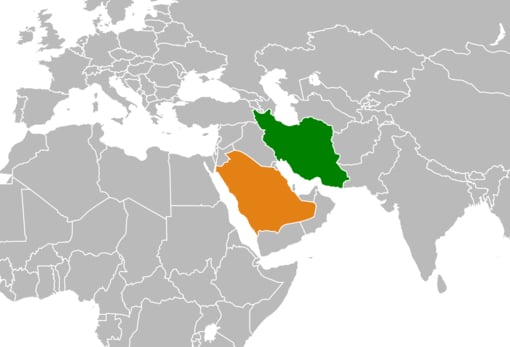
By Conn M. Hallinan November 27, 2019 The fallout from the September attack on Saudi Arabia’s Aramco oil facilities is continuing to reverberate throughout the Middle East, sidelining old enmities – sometimes for new ones – and re-drawing traditional alliances. While Turkey’s recent invasion of northern Syria is grabbing the headlines, the bigger story may be that major regional players are contemplating some historic re-alignments. Originally posted on Counterpunch on November 8, 2019, here After years of bitter rivalry, the Saudis and the Iranians are considering how they can dial down their mutual animosity. The formerly powerful Gulf Cooperation Council (GCC) of the Persian Gulf monarchs is atomizing because Saudi Arabia is losing its grip. And Washington’s former domination of the region appears to be in decline. Some of these developments are long-standing, pre-dating the cruise missile and drone assault that knocked out 50 per cent of Saudi Arabia’s oil...
Categories

Year

Author / Contributor

Region