TFF global posts 2024

Category

Year

Author / Contributor

Region

Sort by

Showing 1-10 of 66 stories

Boks
And its positive attitude to the West Jan Oberg Shanghai, China, September 16, 2024 When travelling around China, one of many things to note is that the Chinese are very positive toward the West, make use of Western inspirations, and know much more about the West than Westerners know about China.This is quite remarkable because, historically, China has been the object of ruthless Western colonialism and warfare as well as racism—e.g. the ”yellow fewer/danger” syndrome—while China has done nothing similar to the West. Here are some examples, big and small, of the mentioned knowledge and fascination of the West: • Many young Chinese have chosen to have a Western name, like, say, Alison or Kevin. They say it is difficult for us in the West to remember and pronounce Chinese names. • The Chinese know all the Western brands and gladly call their products something related to the West. They...
102e6a_91933646263c76535124e6a355c92b37_srz_3028_2042_85_22_0.50_1.20_0
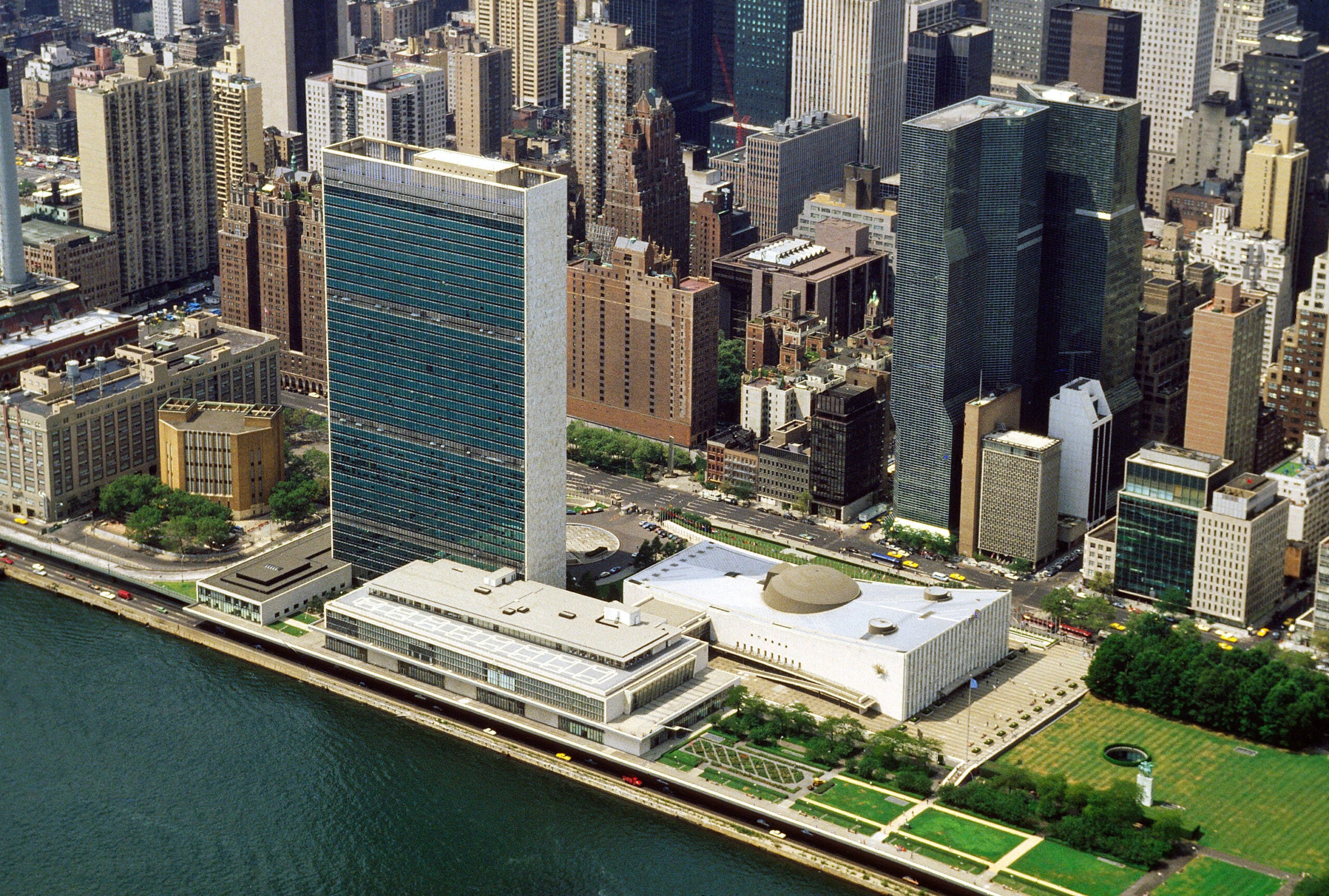
Contemporary reports of the birth of the United Nations in June 1945 in San Francisco warmly welcomed the news of its establishment and congratulated the United States for conceiving and delivering the new international organisation. President Truman’s remarks at the closing ceremony – “what a great day this can be in history” – were widely shared. There were enormous expectations that, in contrast to the discredited League of Nations, there was now a strong institution that would keep the peace and promote international cooperation. The momentum of San Francisco was maintained in the later months of 1945 in London where with the new Labour government and decisive leadership from the Foreign Office, the necessary practical measures were taken very quickly to put in place the principal organs, especially the Security Council, the General Assembly and the secretariat. A major deficiency of the Charter – the absence of provisions on human...
flags-macedonia-and-nato
It’s produced by The China Academy in Shanghai and speaks for itself with no need for an introduction.
Imagen-thumbnail-The-Transnational-1
On August 6, Hiroshima Day, 2024, I published a long, very well-documented article by Irene Galtung, the daughter of peace research professor Johan Galtung, about the tragic circumstances surrounding his last months alive and the human rights violations they both had to endure. What is left of that publication now is only my foreword below. As the editor and publisher of The Transnational, I have decided under threat to delete it, and I owe our readers to explain how I came to that decision. The reason is that her mother and Johan’s wife, Fumiko Nishimura Galtung, her two half-brothers, Andreas Galtung and Harald Eide Galtung and her brother Fredrik Galtung, had turned to lawyer Jon Wessel-Aas at the Glitterlind Law Firm in Oslo, asking him to demand that it be deleted in its entirety. The reason behind that demand and warning was that they considered that text constituted violations of their constitutional right to privacy and amounted to defamation. Thus, according to the...
RN
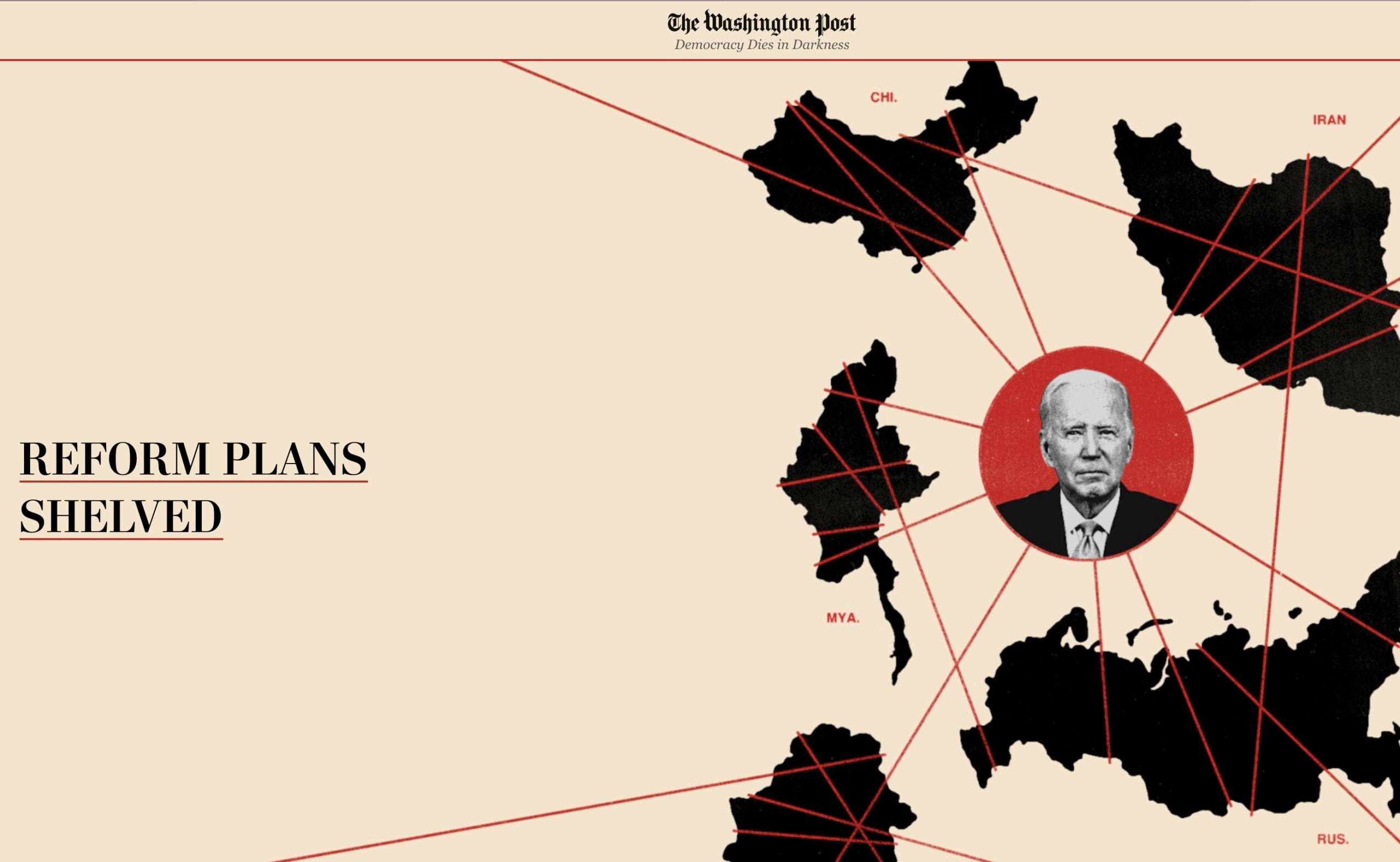
Jan Oberg July 26, 2024 In its recent analysis – “How Four US Presidents Unleashed Economic Warfare Across the Globe” – The Washington Post illustrates what I have called “sanctionitis” – the disease of (over)using sanctions as a means to conduct foreign policy and cause great harm to the world economy, the US economy but also to millions of innocent people who suffer from the consequences of them. But the WP merely points out that sanctions are inefficient from a US point of view in that they have not achieved what was intended, indeed sometimes the opposite. It uses various kinds of pejoratives like “dictator” about leaders of states the US sees as enemies. It fails completely to point out that sanctions – particularly long-term sanctions – are, mostly, grossly immoral because of their humanitarian consequences. Be this as it may, something has happened when Washington Post does publish such...
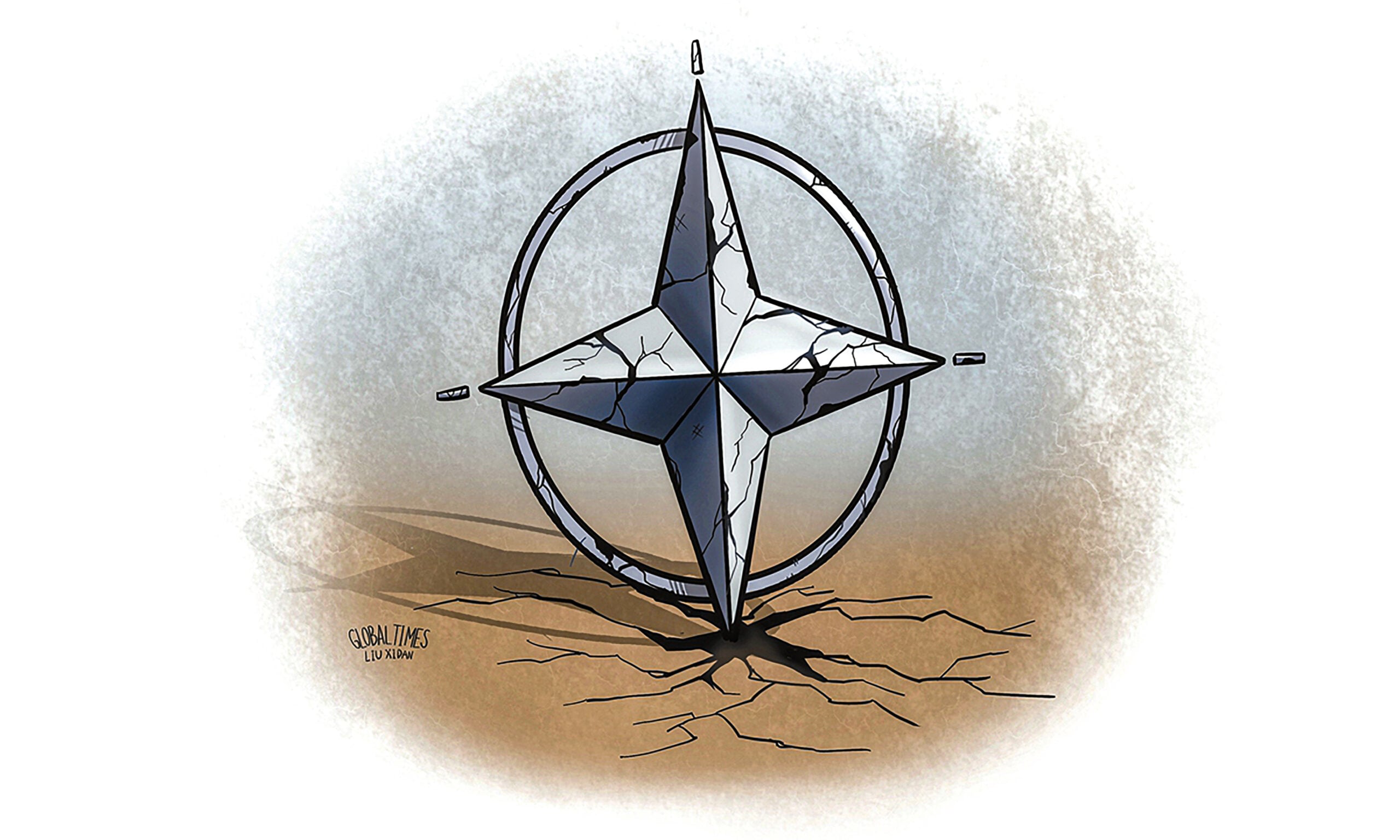
NATOFivePrinc
Jan Oberg July 16, 2024 On July 11, 2024, after the NATO Washington Summit, Global Times in Beijing was so kind as to publish my comparative thoughts on the famous Five Principles on Peaceful Coexistence – just celebrated in Beijing – and five principles I have extracted from NATO’s concepts and policies. Quite a contrast! Here is how it begins: “The West showed virtually no interest in the recent celebration of the 70th anniversary of the Five Principles of Peaceful Coexistence in Beijing. These Five Principles, created by then China’s premier Zhou Enlai and Indian leader Jawaharlal Nehru, are enshrined in the Chinese Constitution and aim to promote peaceful, nonviolent relations among nations. However, this is not the case with NATO, which marks its 75th anniversary on July 9-11. If officially it too had five principles, they would be: 1. offensive deterrence; 2. forward “defence”; 3. nuclear weapons and the...
easter-island-rapa-nui-isla-de-pascua-2K-wallpaper
Easter Island Rapa Nui “Best wishes for the Season,” we easily write and read these days. So let us reflect on religare, reconnect between that out there and that in here, in us, for globalizing truths. A few years ago, these unpublished lines for the Season were written in the Pacific, under a cloudless sky, with waves peaking, with white foam at the top. Rapa Nui, Easter Island was on the horizon, one of these places where the creation of humans looks about as old as God himself and human beings have not yet been able to pollute (deplete, yes!) everything.  Gratitude is seeping in, attaching itself to good emotions in body, mind and spirit. Happiness is the word, some kind of release. Sukha is the word in the Hindu-Buddhist tradition. Further out is nirvana, the dissolution at the end of the pilgrim’s journey. First published on Transcend Media Service,...

tim-mossholder-_8pa945CzQE-unsplash
Photo by Tim Mossholder “We’re the greatest nation on the face of the earth… I have never been more optimistic about the future of our country… There’s no country in the world better positioned to lead the world than America… Just remember who we are. We are the United States of America, for God’s sake.” Joe Biden, US President Richard Falk July 11, 2024 The Democratic Party is waging its 2024 electoral campaign by focusing on two themes: first, a denunciation of all that Trump proposes to bring to the presidency, centering on the destruction of American democracy if elected, and secondly, a positive domestic record of the Biden years with several notable benefits for the American people including jobs and wages, climate, energy policy, social protection, gun control, and a stock market at record highs. What is missing from this rosy picture of America and even more so from...
shubham-dhage-_JrZM1Gy2fI-unsplash
The issue of state sovereignty under international law and its inconsistencies and duplicities has become more complex than ever, especially after the outbreak of the Ukraine war and the “Ukrainization” of the Taiwan issue (even though Taiwan is not a sovereign state like Ukraine). However, the focus of this analysis is relatively modest: we examine a region of the Western Balkans in which the countries have already (more or less voluntarily) lost or given up their statehood and sovereignty. The concept of the so-called “Western Balkans” (WB) – comprising Serbia, Montenegro, Albania, Kosovo, North Macedonia, and Bosnia and Herzegovina – was concocted in the corridors of power in Brussels and Washington. This artificial sub-region, with its flexible geography and borders, lacks logical coherence. It effectively creates a buffer zone of weak states that are unlikely to ever meet the criteria for EU integration despite being offered European perspectives and hopes. However, these...
Int.Law_
Richard FalkAnd TFF Associate and dear friend since 1986. June 5, 2024 An intriguing sideshow during the seven months of savage genocidal violence against the entrapped Palestinian population of an estimated 2.3 million has been the attention given to international law and to international procedures available for its interpretation and enforcement. To begin with, many concerned persons wonder about why there are two distinct tribunals: the International Court of Justice (ICJ) and the International Criminal Court (ICC). Beyond this, for many never exposed to a sophisticated explanation of the process by which international law is judicially implemented the distinction between these two tribunals, both located in The Hague, is far from transparent. This short essay is a simplified introduction to the ICJ and ICC, both indispensable judicial resources of a functionally effective and equitable international legal order. Their positive contributions to law and justice are diminished to the extent that...
picture-copy
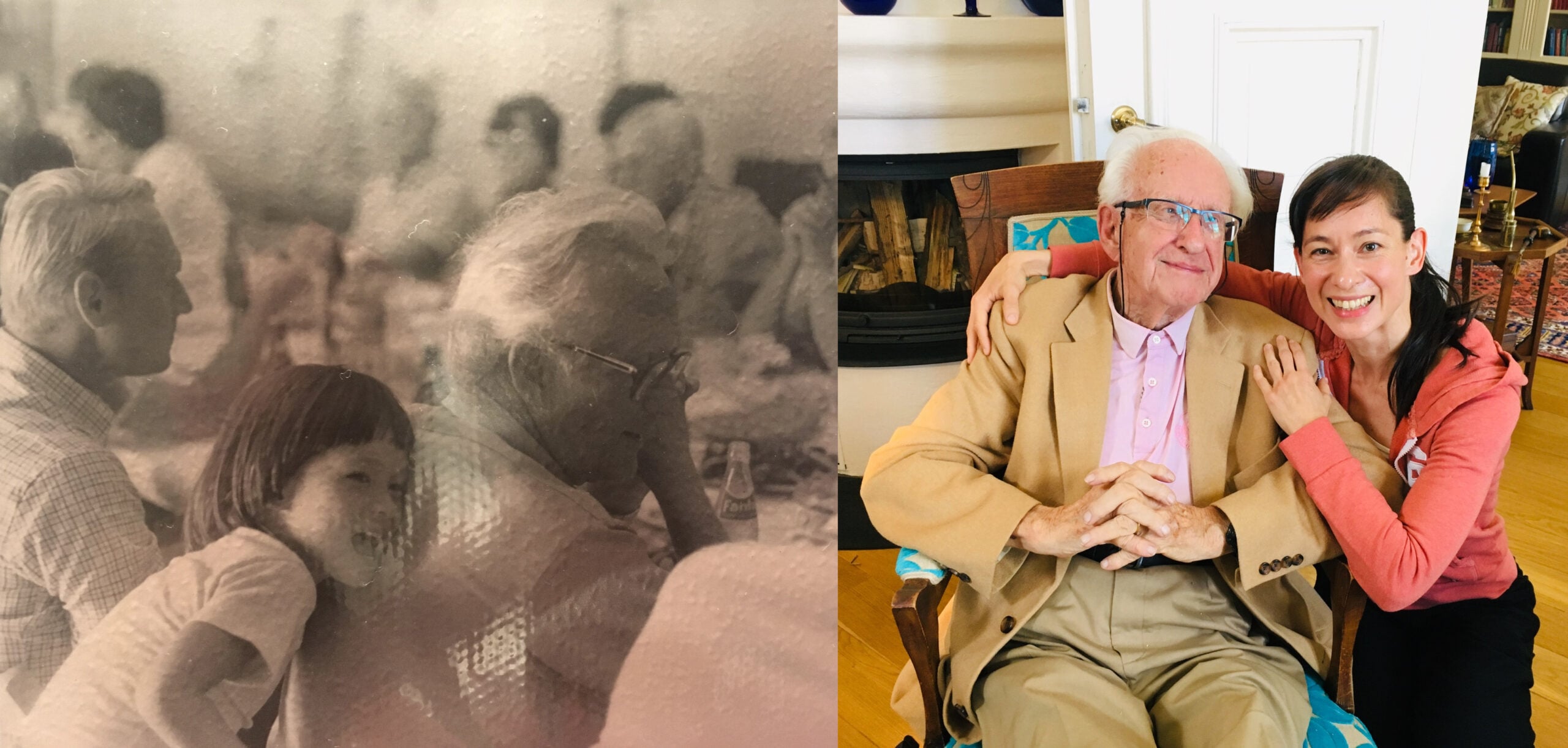
Now his caring daughter needs your help. Jan Oberg May 17, 2024 Johan Galtung – my dear mentor, colleague, TFF Associate and friend over 50 years – died on February 17, this year in Norway, his native country. Sadly, he did not die in a way he – or anybody else for that matter – should have a right to in a humane welfare state, i.e. with the best treatment and with dignity. Over an extended period of time, his daughter, Irene, cared lovingly day and night for him until he was taken away from her home and care against his expressed will. She was met by systematic and difficult obstacles from her surroundings. The fact is that she paid more than money for her noble efforts, and she is now burdened with large lawyer fees she cannot pay. Dag Poleszynski in Oslo is a friend and former peace researcher...
663d616ba31082fc2b6db43f
Jan Oberg May 16, 2024 This is a column from May 5, 2024, in The China Daily Chinese and Western ways of thinking are complementary not mutually exclusive We learn about other cultures mostly through the media and through books, films, travels and personal encounters. All news reports are micro glimpses of a time and place. This challenges us in at least two ways: how do we get a more accurate and holistic perspective of the world, and how can we learn to understand each other across cultural diversity. One way to understand societies is to look for similarities and differences in the ways people think. Or, what is in their general attitude to “others” — are they perceived as a danger, potential friends, “barbaric”, or as someone to be curious about, explore and learn from? Next, do the citizens think in terms of either/or, or both/and? Exclusivity or inclusivity?...
Categories

Year

Author / Contributor

Region