TFF global posts 2020

Category

Year

Author / Contributor

Region

Sort by

Showing 1-10 of 136 stories

mills-1
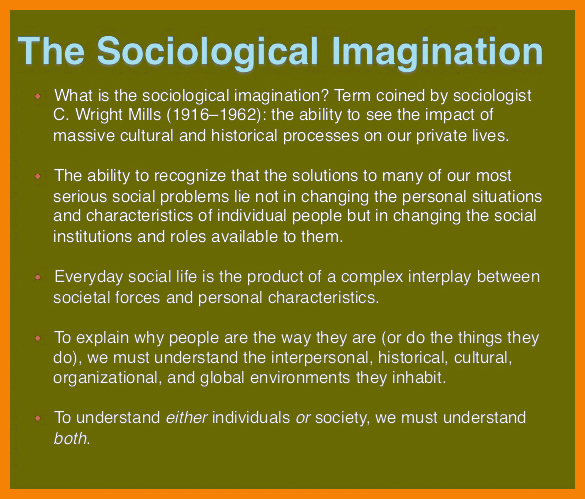
Bits of the sociological imagination at work By Jan Oberg March 5, 2020 Researchers are citizens too – some with a sociological imagination Like everybody else, social scientists are citizens. We live a private life and a professional life and there is a tradition-based rule of thumb that the two should be kept apart in writing – like: ”Oh, the things I experience in my private sphere are just small issues that probably only I have encountered; my scattered everyday observations are not interesting or “scientific” so I ought not bother others with them.” But wait! Isn’t it part of a social scientist’s writing to be concrete, build on empirical facts and observations? To tell how it really is also on the micro-level – also when s/he does not attempt to develop big explanatory theories around such unsystematic observations or try to prove something empirically? Isn’t it important to observe...
mediamoguls
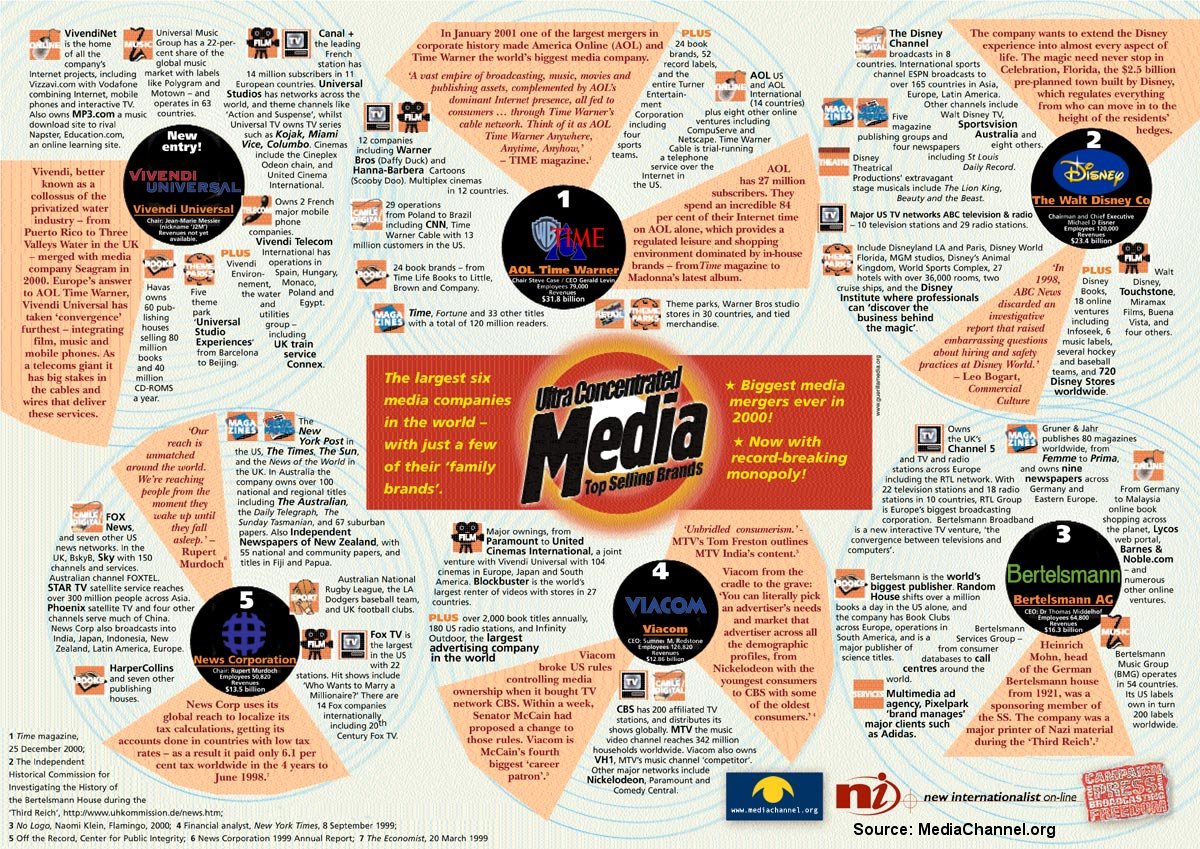
By Johan Galtung March 3, 2020 Some 50 years ago I had been puzzled so much by two problems in connection with foreign news that I decided to do some research on reporting – Cuba, Cyprus, Congo – published first time in January 1963.(*) The first problem was empirical: how do events become news?  There are enormities of events happening, at any point of observation, by professional journalists, foreign correspondents or not: how come that some are elevated to the level of news?  What is news anyhow? The second problem was more normative: why this predilection for negative news, something bad – to somebody – happening?  Why, but then also why not?  You are driving on a road and the flash on the radio “there is a boulder blocking the road around the next sharp turn” matters more than “the road ahead is curvy but smooth”.  The positive and the...
ChatGPT Image 9 jun 2026, 11_11_33
The US presidential candidate Bernie Sanders is having trouble with his socialism. The younger voters get it, but many of the older liberally-minded people don’t –  the kind of people who read the New York Times and probably like its endorsement of Joe Biden and Amy Klobuchar and find socialism rather difficult to swallow. The New York Times has many virtues but it does have a bad pro-war record (pro-Vietnam, pro-overthrowing Gaddafi, pro-attacking Afghanistan, pro-invading Syria) and as for socialism or social democracy (as Sanders should label his brand) it has not exactly shouted its virtues for America from its roof-top, although it supports many social democratic regimes abroad. Somehow these voters – and the New York Times – have to be reached if Sanders is to win. First, they have to know what it is. Is it Olof Palme’s of Sweden, François Mitterand’s of France, Willy Brandt’s of Germany,...
Screenshot
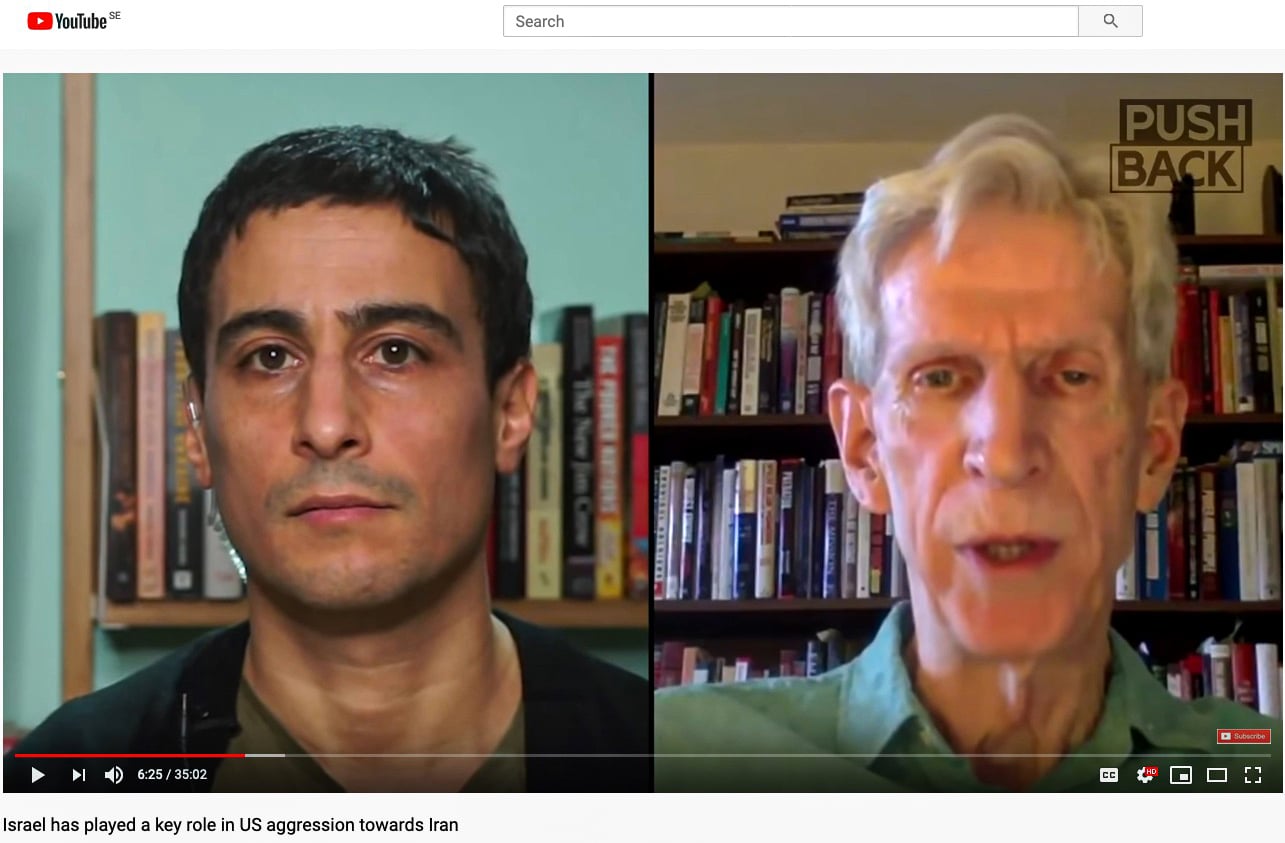
A different take on what preceded the murder of Iranian general Solemani Here is, first, a video sequence that has gone viral. It’s U.S. Secretary of State, Mike Pompeo, telling – laughingly – an audience that CIA’s perception of truth is quite advanced; and he must know since he headed that ugly institution 2017-2018. Listen to him saying how much “We lied, we cheated, we stole” from about 29:10 to 29:50 – and by all means, get an impression of this man’s way of seeing the world and the role of the United States in it. (Interestingly, this is from the official State Department channel on YouTube). And here is The Greyzone’s program PushBack with Aaron Maté interviewing investigative journalist, historian and TFF Associate, Gareth Porter – which gives you insights into the role of Israel in Iraq and its provocative attacks there which were closely related to what later...
david-loy
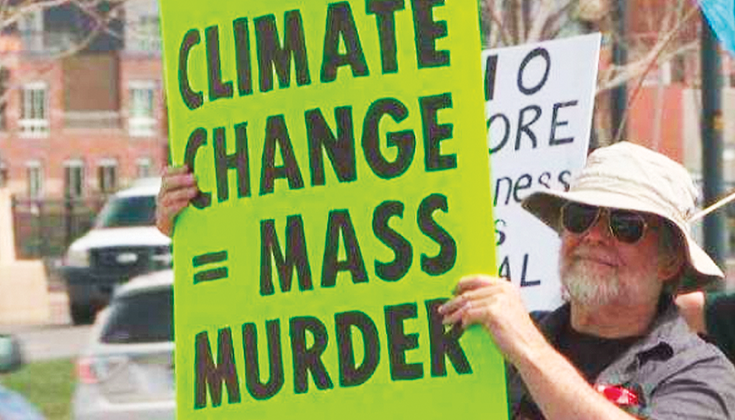
Photo: David Loy at an Extinction Rebellion protest in Denver. Photo by denver.cbslocal.com How do bodhisattvas respond to the greatest crisis of our time? Appropriately, says Buddhist teacher, activist and TFF Associate, David Loy. By David Loy One of my favorite Zen stories is short and simple. A student asks the master, “What is the constant activity of all the buddhas and bodhisattvas?” In other words, what’s special about the day-to-day lives of awakened people? The master replies: “Responding appropriately.” That’s all. No special powers, except being fully attentive to what’s actually happening and acting accordingly. “We don’t know what is possible, we don’t know what will work, but we do our best.” That’s an easy thing to do in a monastery. When the bell rings, you put on your robe and go to the Buddha Hall for meditation. But what about when one leaves the monastery gates and steps...
ChatGPT Image 9 jun 2026, 11_11_33
s came Thatcherism and Reaganism. Their governments set about a heavy-handed pruning of the social welfare safety net. Poverty rose dramatically. Fortunately for their people, the governments of the rest of Europe, by and large, did not emulate the Anglo-Saxons. President Bill Clinton and Prime Minister Tony Blair in the late 1990s introduced what they said was the “Third Way” – something between naked capitalism and over-demanding socialism. Clinton tried but failed, to fashion a fairer health system, although, paradoxically, he cut welfare payments for the poorest in the mistaken belief that this would drive the poor to find jobs (Later he admitted his mistake). In Britain, the child poverty rate plummeted. Then came the Great Recession of 2008. This indeed was the result of wicked capitalism. The crash of the big New York bank Lehman Brothers triggered a tsunami of bankruptcies, unemployment and increased poverty across the world. The...
Ron-Qaeda
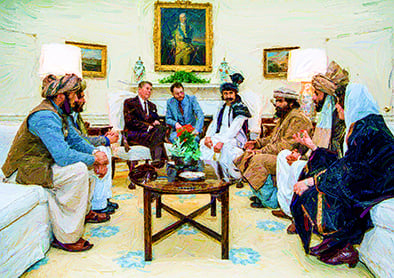
Above a modified image of President Ronald Reagan with Afghan mujahideens – ‘freedom fighters’ against Soviet communism – in 1983. Since George W. Bush – a friend of the bin Laden family – declared the global “War On Terror” in October 2001, it has cost the American taxpayers approximately 6.6 trillion dollars and thousands of fallen sons and daughters… And it has involved virtually all Western – NATO/EU – countries, sent millions of refugees and terrorists in all directions and created a surveillance state everywhere. It has come to threaten and undermine privacy, trust, freedom and democracy – in short, undermined everything the West/Occident believed it stood for. It has destroyed the idea of the good society and a future in peace. And has it succeeded in reducing or abolishing terrorism? No, on the contrary. In the years up to 9/11 2001 about 400 people were killed in political terrorist...
ChatGPT Image 9 jun 2026, 11_11_33
In Munich this past weekend at the Security Conference the speaker of the US House of Representatives, Nancy Pelosi, nailed her anti-Chinese colours to the mast. Despite being a liberal on many issues and the leader of the fight to impeach President Donald Trump, she has joined forces with Trump in preaching that the West must not allow itself to be penetrated by Huawei’s 5G phone technology, (which is cheaper than any Western counterpart). But she appeared to have no response to a former Chinese ambassador to the UK who asked what was wrong with Huawei seeking Western markets when Microsoft, Google and Facebook were such big players in China. The Chinese government didn’t feel its security was threatened by them. He could also have added that if they do anything that the Chinese government doesn’t like China is always able to deal with it – it has blocked out...
soldiersnature
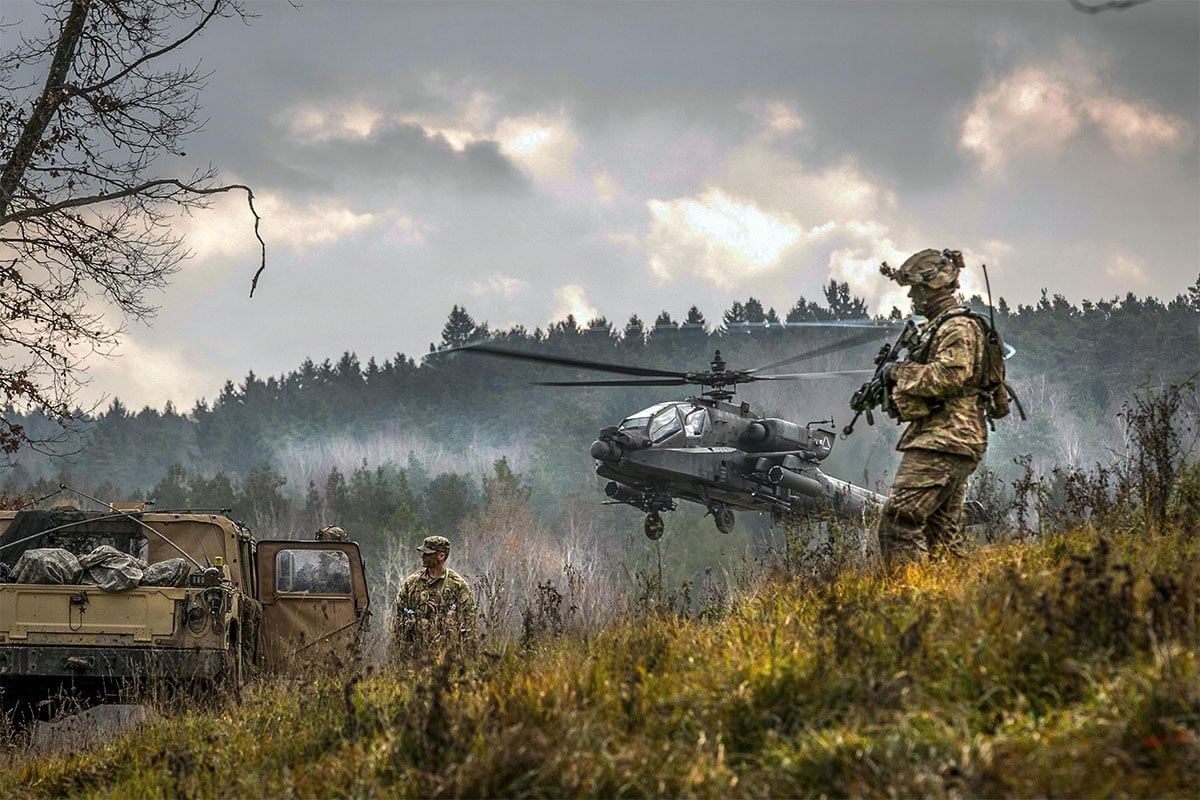
Today TFF launches “Bootprint – Militarism and Environment” – a curated, free-of-charge online magazine that brings you quality knowledge about the connections between the two most urgent problems that humanity faces. These two main clusters of problems which, if not solved, threaten to destroy humanity, our Earth and all future potentials are: Environment – with catchwords such as climate change, global warming, CO2 footprint, non-sustainability, pollution, resource depletion, species extinction, variety and diversity reduction, rain forest destruction, overconsumption, fossil fuels economy, limitless material growth, etc. etc. – and Militarism – with catchwords such as warfare, nuclear weapons, arms production and trade, militarization of land, air, space and oceans, tension creating, interventionism, base networks, terrorism, cyber and propaganda warfare, other weapons of mass destruction, special forces operations, intelligence agency crimes, imperialism, etc. The two clusters a fundamentally connected – militarism is enormously destructive of the environment; climate change and other processes...

USwaronIraq
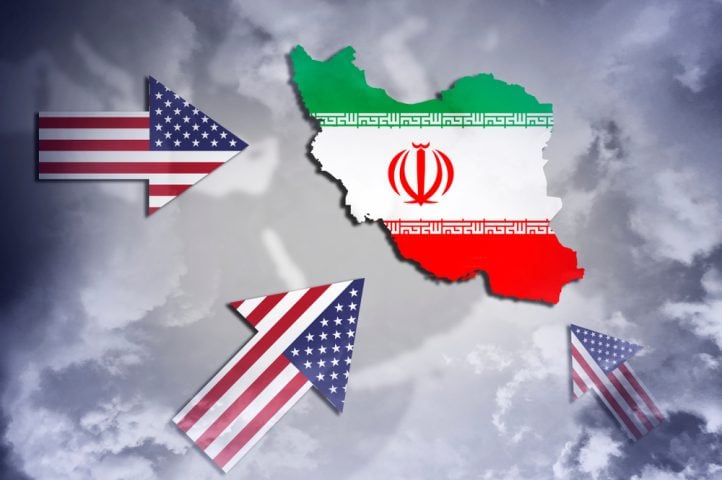
Oxford, UK (Special to Informed Comment) – On February 11, 2020, the Islamic Republic of Iran marks the 41st anniversary of the victory of the Islamic Revolution. Thus, it has defied the Trump administration’s prediction of its demise for two years beyond its allotted time. In his speech at a conference of the MEK (Mojahedin-e Khalq or People’s Jihadis) in 2017, for which he received huge fees, the former National Security Advisor John Bolton said: “The outcome of the president’s policy review should be to determine that the Ayatollah Khomeini’s 1979 revolution will not last until its fortieth birthday…and that is why before 2019 we here will celebrate in Tehran.”[1] In 2018 President Trump’s personal lawyer Rudy Giuliani also predicted: “Freedom is right around the corner … next year I want to have this convention in Tehran.”[2] The Secretary of State Mike Pompeo and his neocon allies have tried very...
ChatGPT Image 9 jun 2026, 11_11_33
and 2016 the average income of the bottom 50% of earners in the world nearly doubled. Direct interventions like building more schools, clinics and hospitals, countering child mortality and deadly diseases, feeding the hungry when famine or floods decimate vast areas, spreading the use of vaccinations and contraception, and preventing malaria have had the most impact. Over the long-term economic growth is important if development is to proceed without foreign aid. Growth does produce more of the wherewithal for government social and development programs – if a government so decides. But we cannot rely just on growth to improve peoples’ lives. China and India have both had periods of high growth, but now are slowing. Is this inevitable or is it, as in China, just a maturing of the economy? This export-led economy can’t grow its exports faster than the world economy is growing. In India, after a 30 year...
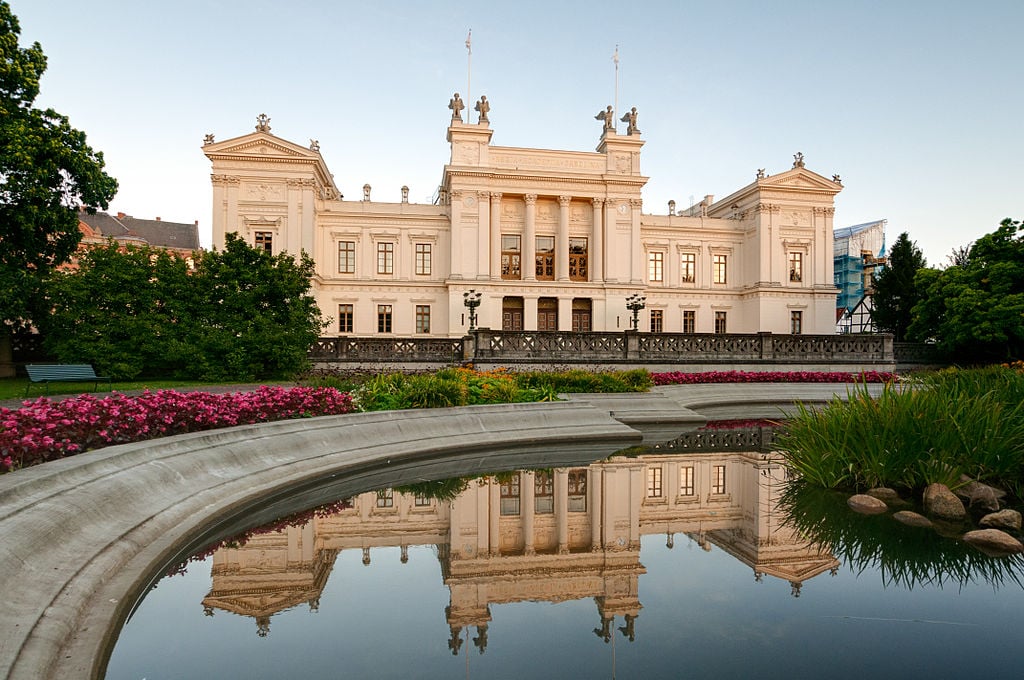
1024px-Universitetshuset_i_lund
The main building of Lund University, situated next to the Lund Cathedral in the centre of town And why I lived happily ever after Albeit small, this is a piece of Nordic academic history that deserves to be shared. It’s an early example of the destruction of Nordic peace and conflict research and education that followed By Jan Oberg February 10, 2020 Last November 2019, it was 30 years since I left Lund University as associate professor and head of the Lund University Peace Research Institute, LUPRI, from 1983-1989. I did so, and have been a freelancer ever since because the Faculty of Social Sciences that year had decided to close down all inter or multi-disciplinary research and teaching, units and departments at the university – that is, peace and conflict research, women studies, human rights studies, environmental studies and human ecology studies. In my view, this was a disastrous...
Categories

Year

Author / Contributor

Region