TFF Blog

The roll-down menus give you access to (almost) everything TFF Associates have produced since end of 2017 – their writings and videos, their media comment, broadcasts, essays and poetry.

The Treasures of their writings 2006-2012 can be found here.

And all that we published by them 2012-2017 is here.

Time to explore and see how world developments were processed over the years by one of the finest communities of genuine peace intellectuals and practitioners.

 

Category

Year

Author / Contributor

Region

Sort by

Showing 1-10 of 773 stories

internationallaw_ShenukaCorea
Illustration by Shenuka Corea By Richard Falk, TFF Associate March 12, 2020 Prefatory Note International law – as so much else of value – has fallen on hard times, violated and ignored, where applicable and needed. Although this is a deplorable state of affairs as the planet burns and vulnerable people suffer from ecological hazards and predatory geopolitics, it is the time to heighten struggle, and not sit home in despair. This essay in a slightly modified form was written at the request of Fikir Turu, an online source of commentary operating from Turkey, and published in Turkish. An English version was also published in Transcend Media Service, TMS, 17 February 2020. Published at Richard Falk’s personal blog  Respecting International Law: A Practical Argument International law disappoints in so many ways, making it easy to overlook why, despite its flaws, it remains valuable and indeed vital for human wellbeing. I put here...
RichardFalk
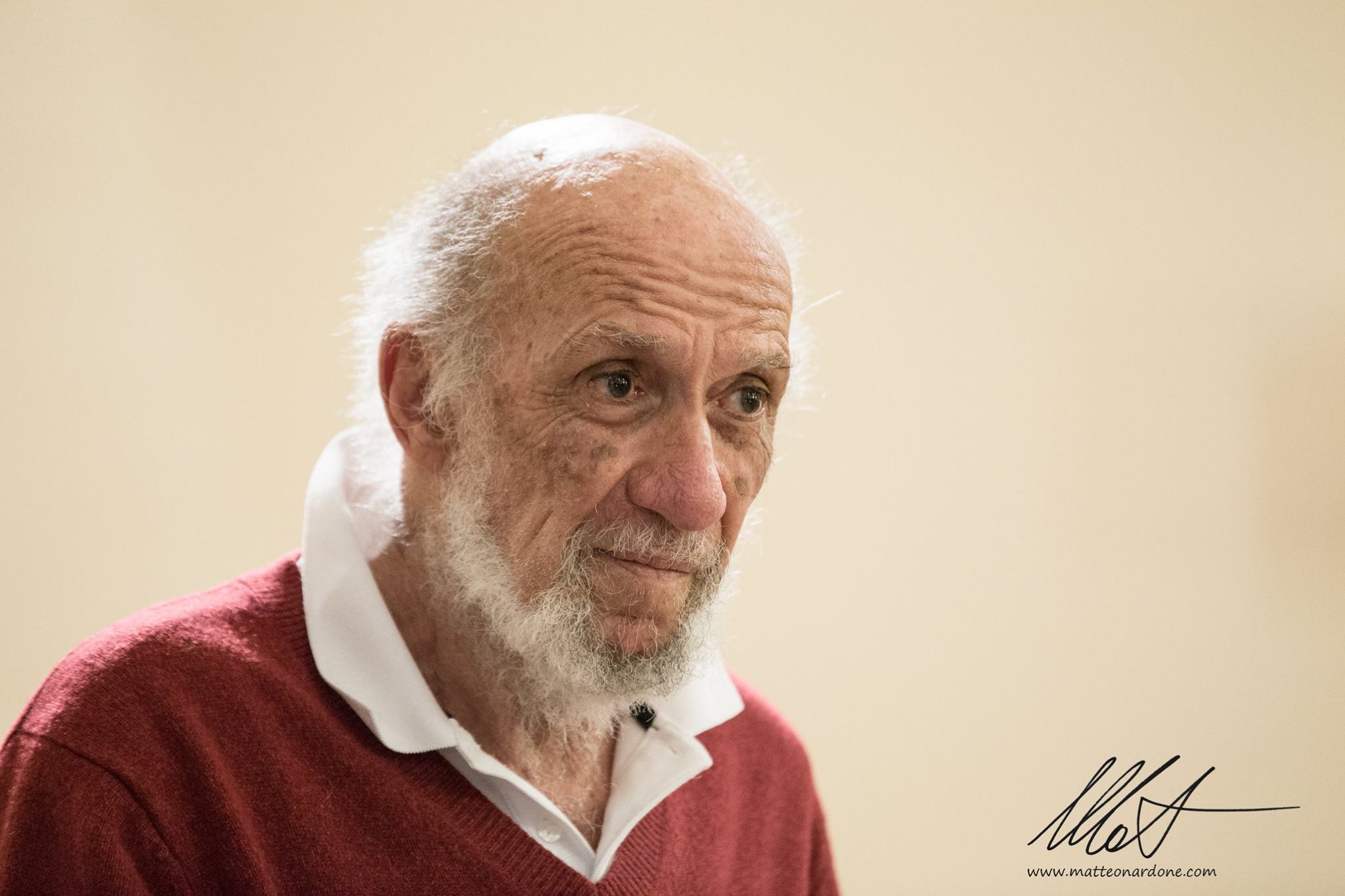
By Richard Falk, TFF Associate March 16, 2020 Prefatory Note This post is something new for me, an autobiographical fragment written at the request of an online listserv as a suggestive model for academics at the start of their careers as diplomatic historians. I publish it here on my blog. It was found unsuitable for publication by the group that made the initial solicitation for unspecified reasons. Maybe because my work and career were not relevant to the scholarly life of a diplomatic historian, maybe because I seemed too flaky professionally to serve as a heuristic model, maybe because what I wrote risked an angry reaction from those who have weaponized anti-Semitism as (mis)defined by the IHRA definition, maybe because…a hundred other good reasons, including what was most plausible, least paranoid, that I was in a different lane when it came to a scholarly career, making my condensed narrative a...
erdo.paint_
PhotoPainting by the author Diagnosis, prognosis and treatment in the light of Turkey’s invasion and the risk of a larger catastrophic war. By Jan Oberg March 7, 2020 Diagnosis The world looked at the violence but didn’t have the capacity to analyze the underlying conflicts in and around Syria. For sure, it is a civil war but, to a much larger extent, it is an international regime-change war. In 2006 William Roebuck, US chargé d’affaires in Damascus, advocated that US policy should focus on destabilizing the Syrian government and al-Assad. At a meeting in Marrakech on December 12, 2012, lots of countries under Western leadership – perversely calling themselves Friends of Syria on the initiative of French President Sarkozy – decided to oust President Assad by decree and establish a National Council which, from then on, was supposed to be the only legitimate Syrian governing body and representative of the...
mills-1
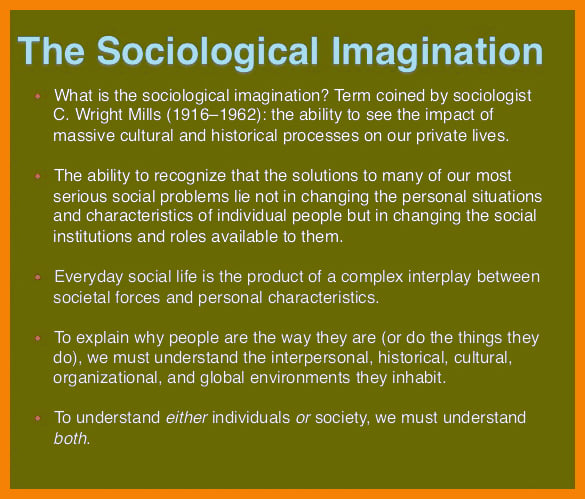
Bits of the sociological imagination at work By Jan Oberg March 5, 2020 Researchers are citizens too – some with a sociological imagination Like everybody else, social scientists are citizens. We live a private life and a professional life and there is a tradition-based rule of thumb that the two should be kept apart in writing – like: ”Oh, the things I experience in my private sphere are just small issues that probably only I have encountered; my scattered everyday observations are not interesting or “scientific” so I ought not bother others with them.” But wait! Isn’t it part of a social scientist’s writing to be concrete, build on empirical facts and observations? To tell how it really is also on the micro-level – also when s/he does not attempt to develop big explanatory theories around such unsystematic observations or try to prove something empirically? Isn’t it important to observe...
mediamoguls
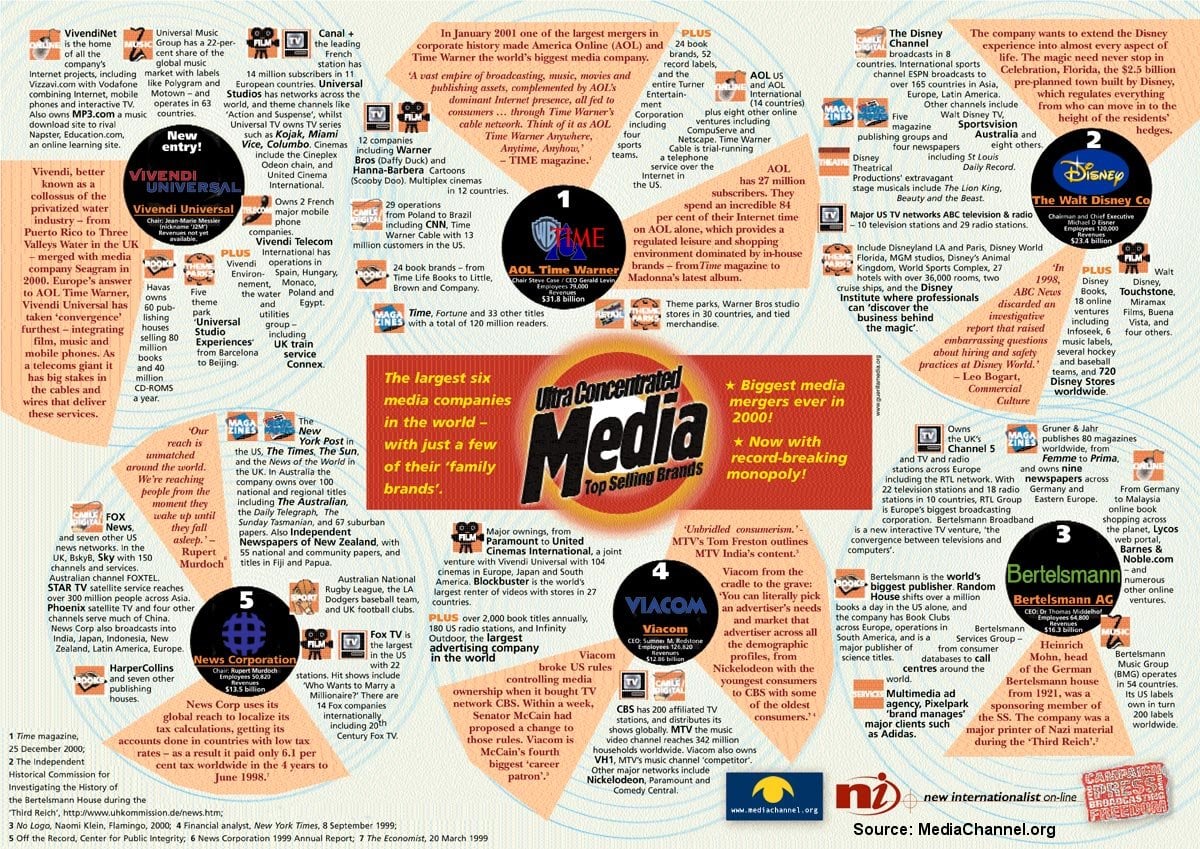
By Johan Galtung March 3, 2020 Some 50 years ago I had been puzzled so much by two problems in connection with foreign news that I decided to do some research on reporting – Cuba, Cyprus, Congo – published first time in January 1963.(*) The first problem was empirical: how do events become news?  There are enormities of events happening, at any point of observation, by professional journalists, foreign correspondents or not: how come that some are elevated to the level of news?  What is news anyhow? The second problem was more normative: why this predilection for negative news, something bad – to somebody – happening?  Why, but then also why not?  You are driving on a road and the flash on the radio “there is a boulder blocking the road around the next sharp turn” matters more than “the road ahead is curvy but smooth”.  The positive and the...
ChatGPT Image 9 jun 2026, 11_11_33
The US presidential candidate Bernie Sanders is having trouble with his socialism. The younger voters get it, but many of the older liberally-minded people don’t –  the kind of people who read the New York Times and probably like its endorsement of Joe Biden and Amy Klobuchar and find socialism rather difficult to swallow. The New York Times has many virtues but it does have a bad pro-war record (pro-Vietnam, pro-overthrowing Gaddafi, pro-attacking Afghanistan, pro-invading Syria) and as for socialism or social democracy (as Sanders should label his brand) it has not exactly shouted its virtues for America from its roof-top, although it supports many social democratic regimes abroad. Somehow these voters – and the New York Times – have to be reached if Sanders is to win. First, they have to know what it is. Is it Olof Palme’s of Sweden, François Mitterand’s of France, Willy Brandt’s of Germany,...
Screenshot
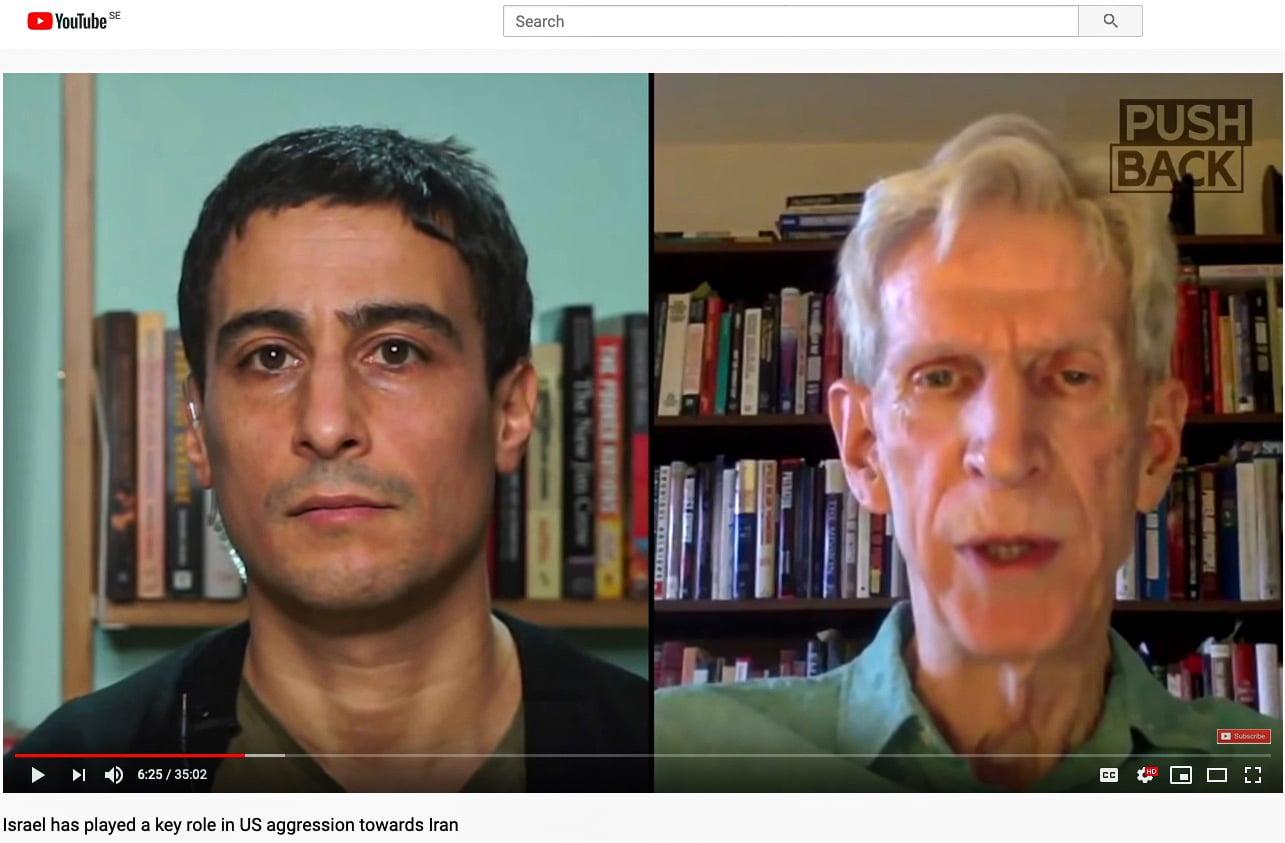
A different take on what preceded the murder of Iranian general Solemani Here is, first, a video sequence that has gone viral. It’s U.S. Secretary of State, Mike Pompeo, telling – laughingly – an audience that CIA’s perception of truth is quite advanced; and he must know since he headed that ugly institution 2017-2018. Listen to him saying how much “We lied, we cheated, we stole” from about 29:10 to 29:50 – and by all means, get an impression of this man’s way of seeing the world and the role of the United States in it. (Interestingly, this is from the official State Department channel on YouTube). And here is The Greyzone’s program PushBack with Aaron Maté interviewing investigative journalist, historian and TFF Associate, Gareth Porter – which gives you insights into the role of Israel in Iraq and its provocative attacks there which were closely related to what later...
david-loy
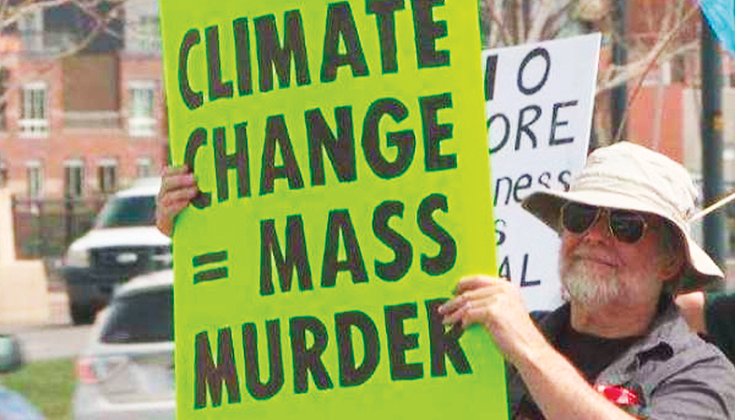
Photo: David Loy at an Extinction Rebellion protest in Denver. Photo by denver.cbslocal.com How do bodhisattvas respond to the greatest crisis of our time? Appropriately, says Buddhist teacher, activist and TFF Associate, David Loy. By David Loy One of my favorite Zen stories is short and simple. A student asks the master, “What is the constant activity of all the buddhas and bodhisattvas?” In other words, what’s special about the day-to-day lives of awakened people? The master replies: “Responding appropriately.” That’s all. No special powers, except being fully attentive to what’s actually happening and acting accordingly. “We don’t know what is possible, we don’t know what will work, but we do our best.” That’s an easy thing to do in a monastery. When the bell rings, you put on your robe and go to the Buddha Hall for meditation. But what about when one leaves the monastery gates and steps...
ChatGPT Image 9 jun 2026, 11_11_33
s came Thatcherism and Reaganism. Their governments set about a heavy-handed pruning of the social welfare safety net. Poverty rose dramatically. Fortunately for their people, the governments of the rest of Europe, by and large, did not emulate the Anglo-Saxons. President Bill Clinton and Prime Minister Tony Blair in the late 1990s introduced what they said was the “Third Way” – something between naked capitalism and over-demanding socialism. Clinton tried but failed, to fashion a fairer health system, although, paradoxically, he cut welfare payments for the poorest in the mistaken belief that this would drive the poor to find jobs (Later he admitted his mistake). In Britain, the child poverty rate plummeted. Then came the Great Recession of 2008. This indeed was the result of wicked capitalism. The crash of the big New York bank Lehman Brothers triggered a tsunami of bankruptcies, unemployment and increased poverty across the world. The...
Ron-Qaeda
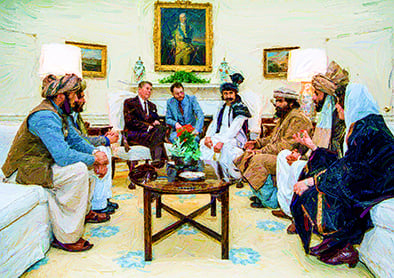
Above a modified image of President Ronald Reagan with Afghan mujahideens – ‘freedom fighters’ against Soviet communism – in 1983. Since George W. Bush – a friend of the bin Laden family – declared the global “War On Terror” in October 2001, it has cost the American taxpayers approximately 6.6 trillion dollars and thousands of fallen sons and daughters… And it has involved virtually all Western – NATO/EU – countries, sent millions of refugees and terrorists in all directions and created a surveillance state everywhere. It has come to threaten and undermine privacy, trust, freedom and democracy – in short, undermined everything the West/Occident believed it stood for. It has destroyed the idea of the good society and a future in peace. And has it succeeded in reducing or abolishing terrorism? No, on the contrary. In the years up to 9/11 2001 about 400 people were killed in political terrorist...
ChatGPT Image 9 jun 2026, 11_11_33
In Munich this past weekend at the Security Conference the speaker of the US House of Representatives, Nancy Pelosi, nailed her anti-Chinese colours to the mast. Despite being a liberal on many issues and the leader of the fight to impeach President Donald Trump, she has joined forces with Trump in preaching that the West must not allow itself to be penetrated by Huawei’s 5G phone technology, (which is cheaper than any Western counterpart). But she appeared to have no response to a former Chinese ambassador to the UK who asked what was wrong with Huawei seeking Western markets when Microsoft, Google and Facebook were such big players in China. The Chinese government didn’t feel its security was threatened by them. He could also have added that if they do anything that the Chinese government doesn’t like China is always able to deal with it – it has blocked out...
soldiersnature
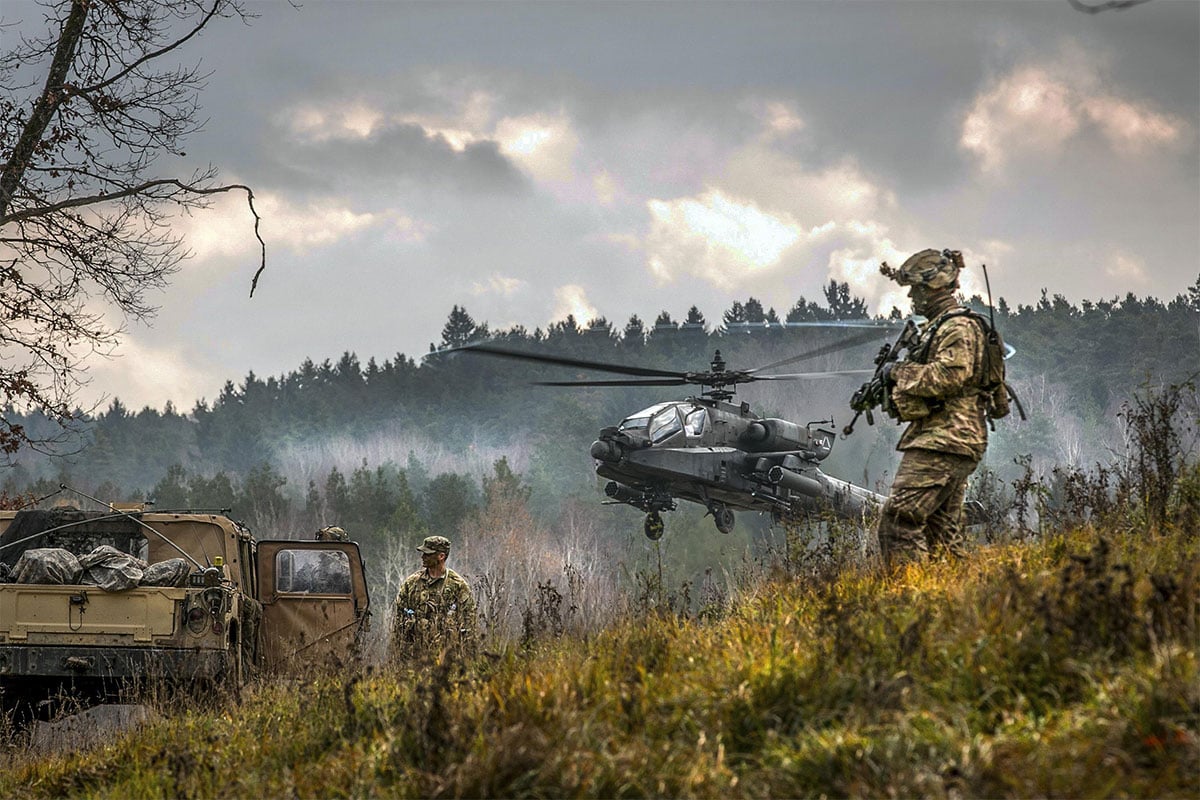
Today TFF launches “Bootprint – Militarism and Environment” – a curated, free-of-charge online magazine that brings you quality knowledge about the connections between the two most urgent problems that humanity faces. These two main clusters of problems which, if not solved, threaten to destroy humanity, our Earth and all future potentials are: Environment – with catchwords such as climate change, global warming, CO2 footprint, non-sustainability, pollution, resource depletion, species extinction, variety and diversity reduction, rain forest destruction, overconsumption, fossil fuels economy, limitless material growth, etc. etc. – and Militarism – with catchwords such as warfare, nuclear weapons, arms production and trade, militarization of land, air, space and oceans, tension creating, interventionism, base networks, terrorism, cyber and propaganda warfare, other weapons of mass destruction, special forces operations, intelligence agency crimes, imperialism, etc. The two clusters a fundamentally connected – militarism is enormously destructive of the environment; climate change and other processes...
Categories

Year

Author / Contributor

Region